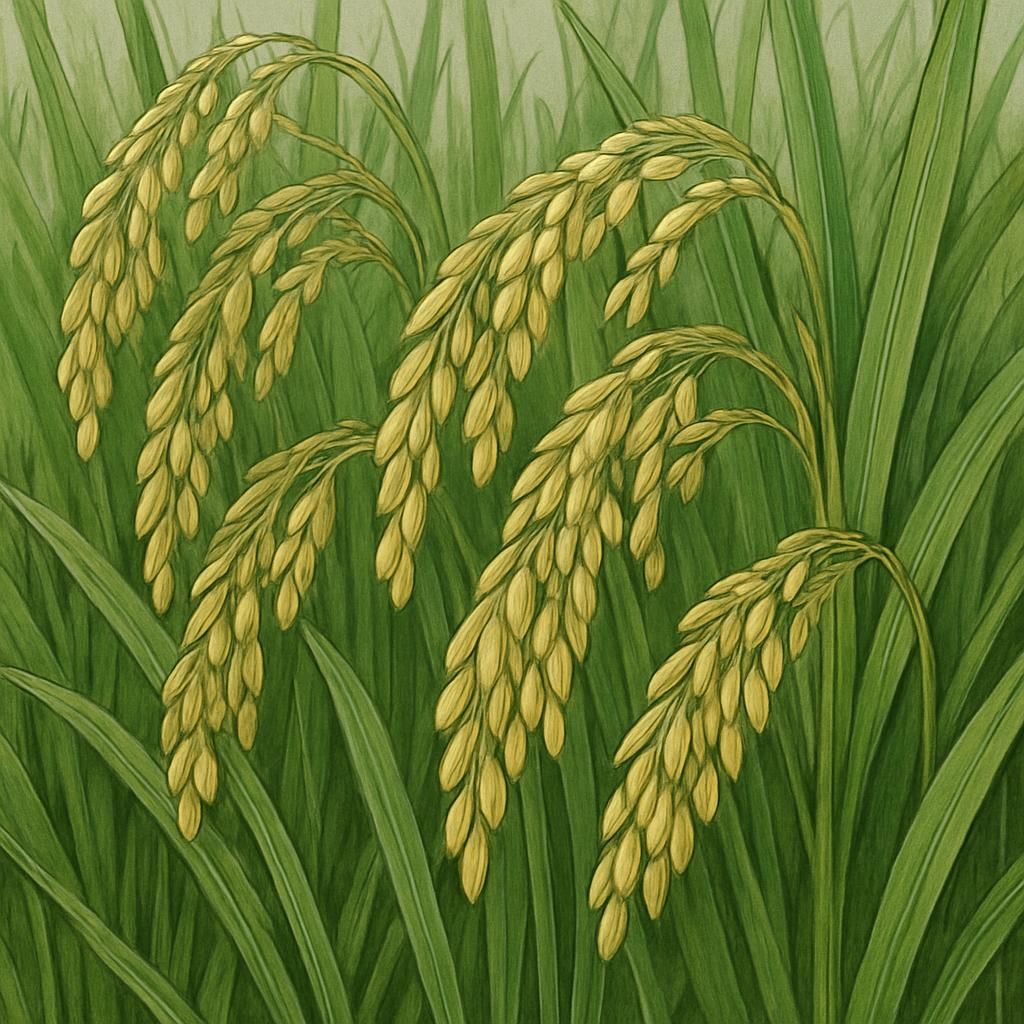
Introduction to Wells Rice
Wells Rice is widely regarded as one of the most productive rice varieties in the United States. Originating from Arkansas, it is known for its excellent grain quality, disease resistance, and adaptability to different climates, particularly in the southern U.S. This makes Wells Rice a preferred choice among farmers seeking high yield and consistent quality.
Botanical Profile of Wells Rice
Wells Rice belongs to the species Oryza sativa, which is the scientific classification for common rice. It is a medium-grain variety known for its resilience and high productivity. It typically grows to a height of 85-95 cm and has a maturation cycle of approximately 140 days.
Soil, pH, and Climate Requirements for Wells Rice
To achieve optimal yields, Wells Rice requires specific soil, pH, and climate conditions. It thrives in clay loam soil that retains water well, with a slightly acidic to neutral pH. Adequate drainage is crucial to prevent waterlogging which can lead to issues such as root rot.
| Condition | Optimal Range |
|---|---|
| Soil Type | Clay loam |
| Soil pH | 5.5 - 7.0 |
| Temperature | 20 - 30°C (68 - 86°F) |
| Rainfall | 1200 - 1500 mm annually |
Step-by-Step Planting & Propagation
- Seed Preparation: Start with high-quality Wells Rice seeds, soaking them in water for 24 hours to initiate germination.
- Field Preparation: The field should be plowed and leveled to ensure uniform water distribution. Apply organic manure to enrich the soil.
- Sowing: Direct sow the seeds into the prepared fields at a seed rate of 100 kg per hectare. Sow at a depth of 2-3 cm.
- Water Management: Maintain a water level of 5-10 cm in the field starting from germination until maturity.
- Thinning and Transplanting: If necessary, thin seedlings to prevent overcrowding and transplant strong seedlings to fill gaps.
Care & Maintenance Regimes for Wells Rice
Maintaining Wells Rice involves regular watering, fertilizer application, and occasional pruning to remove weeds or damaged stalks.
| Activity | Recommended Schedule |
|---|---|
| Watering | Flood irrigation, maintain 5-10 cm depth |
| Fertilizer | NPK ratio of 20:10:10 every 30-45 days |
| Weeding | Every 15-30 days |
Pests, Diseases & Organic Management
Wells Rice is susceptible to pests such as Spider Mites and diseases like blast and sheath rot. Management strategies include crop rotation and the use of organic pesticides like neem oil.
- Spider Mites: Implement biological control by introducing predator mites.
- Blast Disease: Enhance potassium levels and apply fungicides if necessary.
- Sheath Rot: Ensure proper water management to prevent this disease.
Harvesting, Curing & Optimal Storage
Wells Rice is typically harvested when 80-85% of the grains reach a golden yellow stage. Cut the stalks and allow them to dry before proceeding to thresh and polish the grains. Store the rice grains in cool, dry conditions in airtight containers to prevent mold and pest infestations.
Companion Planting for Wells Rice
Companion plants that benefit Wells Rice include Mint and Garlic, known for their pest-repelling properties. Avoid planting near Lychee trees as their growing requirements differ significantly and may lead to resource competition.