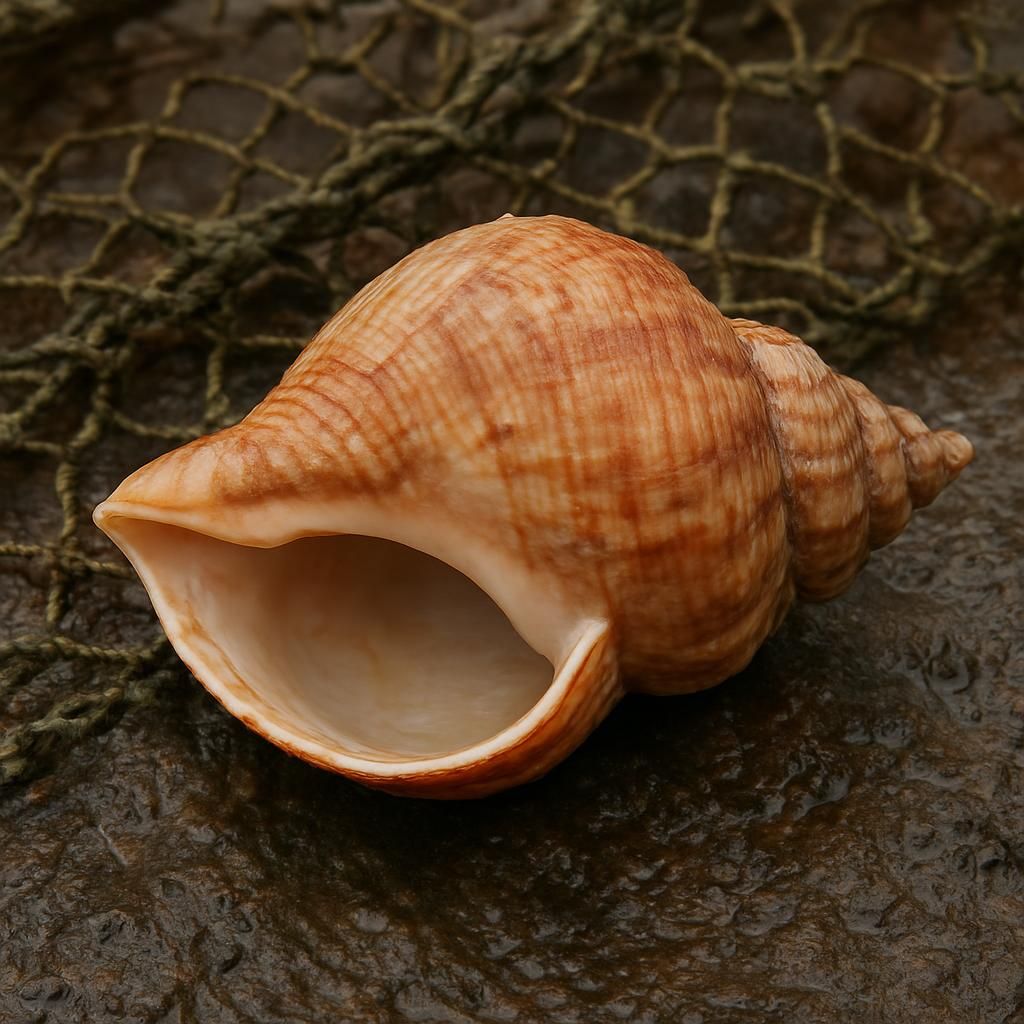
Introduction to whelks
Whelks are carnivorous marine gastropods belonging primarily to the family Buccinidae. The common whelk (Buccinum undatum) and related species are large, spiral-shelled snails that inhabit temperate coastal waters. In agricultural contexts, they pose challenges mainly to coastal shellfish operations, seaweed farms, and estuarine crop systems where salinity intrusion occurs. Their powerful radula and ability to drill through shells make them significant predators in marine-influenced farming environments.
Although whelks are not traditional terrestrial crop pests, their impact on coastal agriculture includes direct predation on bivalves such as mussels and oysters, damage to netting and cages, and occasional migration into brackish irrigation channels affecting salt-tolerant crops like Rice. Effective management requires understanding both their marine biology and the unique vulnerabilities of coastal farming systems.
Identifying Symptoms & Damage
Whelk damage in agricultural settings is most evident in shellfish aquaculture and coastal vegetable plots. Key symptoms include clean, circular bore holes in mollusk shells, fragmented bivalve remains, and chewed edges on protective netting. In brackish water systems, whelks may graze on young shoots of salt-tolerant crops including Cabbage and Kale.
Farmers often notice sudden declines in shellfish spat survival rates and increased turbidity from shell fragments. Whelk presence is also indicated by clusters of egg capsules attached to cages, ropes, or submerged structures near crop beds. Early detection through regular visual inspections and trap monitoring is critical to prevent population explosions.
Lifecycle and Progression of whelks
Whelks exhibit a complex lifecycle adapted to marine and estuarine environments. Understanding each stage allows targeted intervention before populations reach damaging levels.
| Stage | Description | Duration | Key Characteristics |
|---|---|---|---|
| Egg capsules | Leathery, vase-shaped clusters attached to hard substrates | 4–9 weeks | 100–2000 eggs per capsule; protected from predators |
| Veliger larvae | Free-swimming planktonic stage | 4–12 weeks | Dispersal phase; vulnerable to water currents |
| Juvenile snails | Small benthic snails with developing shells | 6–18 months | Rapid shell growth; high predation risk |
| Sub-adult | Shell length 3–6 cm; increased feeding activity | 6–12 months | Begin targeting bivalves and crop structures |
| Adult | Mature snails >6 cm; peak reproductive capacity | 5–15 years | High mobility; major source of crop damage |
Progression through these stages is heavily influenced by water temperature and food availability, with warmer conditions accelerating development.
Environmental Triggers & Risk Factors
Whelk outbreaks are triggered by specific environmental conditions common in coastal agriculture. Optimal water temperatures of 10–18°C combined with moderate salinity (20–30 ppt) favor rapid reproduction. High nutrient runoff from adjacent farmland can boost prey populations, indirectly supporting whelk proliferation.
Risk factors include poorly maintained netting, proximity to natural whelk habitats, and tidal flooding of crop beds. Areas with abundant bivalve prey or decaying organic matter experience higher whelk densities. Climate-driven sea level rise is expanding whelk ranges into previously unaffected agricultural zones.
Organic Control & Treatment Plans
Integrated organic strategies focus on physical exclusion, trapping, and habitat manipulation. Biological controls such as predatory fish and crabs can supplement mechanical methods in estuarine systems.
| Treatment Option | Method | Frequency | Effectiveness Notes |
|---|---|---|---|
| Baited traps | Use fish or bivalve bait in mesh traps | Weekly inspection | High capture rate when placed near structures |
| Physical barriers | Install fine-mesh netting around beds | Install once, inspect monthly | Prevents access; requires regular cleaning |
| Manual removal | Hand collection during low tide | Bi-weekly during peak season | Labor intensive but effective for small areas |
| Predatory fish introduction | Stock compatible species in ponds | One-time stocking | Long-term suppression; monitor salinity tolerance |
| Habitat modification | Remove debris and excess organic matter | Quarterly | Reduces shelter and breeding sites |
| Copper tape barriers | Apply around cage perimeters | Replace every 6 months | Repels whelks via mild toxicity |
Combining multiple methods yields the best results while maintaining organic certification standards.
Preventing whelks in the Future
Long-term prevention relies on proactive monitoring and infrastructure improvements. Install preventive netting before the breeding season and maintain strict sanitation around coastal crop areas. Regular water quality testing helps predict favorable conditions for whelk settlement.
Crop rotation with less susceptible species and strategic placement of buffer zones can reduce exposure. Collaborating with neighboring shellfish farmers for coordinated trapping programs enhances regional control. Educating farm staff on early identification ensures rapid response to new incursions.
Crops Most Affected by whelks
While whelks primarily threaten marine aquaculture, several salt-tolerant terrestrial crops experience secondary impacts. Rice grown in estuarine paddies may suffer from root disturbance when whelks migrate during high tides. Coastal plantings of Cabbage and Kale can be grazed when fields are inundated by seawater.
Shellfish operations integrated with crop farming, such as oyster beds near vegetable plots, face the greatest economic losses. Understanding these interactions helps farmers implement targeted defenses for both aquatic and terrestrial components of coastal agriculture systems.