Encyclopedia
Definitive guides for crops, pests, and agricultural diseases.

Wilt or rot complexes
Wilt or rot complexes are devastating plant disease syndromes caused by interactions between soilborne fungi, oomycetes, bacteria, and nematodes, leading to rapid wilting, root decay, and plant collapse. These complexes often mimic single diseases but involve multiple pathogens thriving under wet, poorly drained conditions. Effective management requires integrated cultural, biological, and preventive strategies to break the disease cycle.
View Profile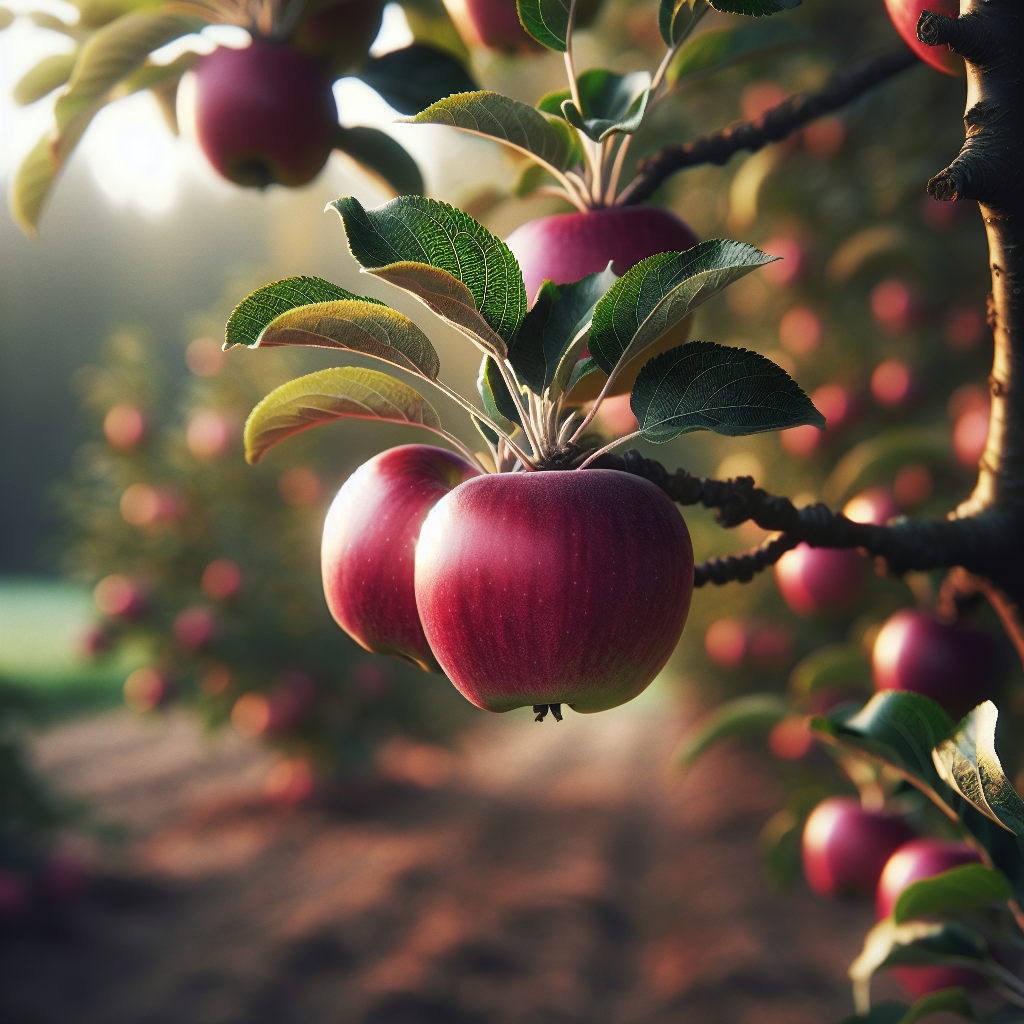
Winesap Apple
Winesap is a classic American heirloom apple valued for its firm flesh, deep red skin, balanced sweet-tart flavor, and excellent keeping quality. It is especially suited to growers in temperate regions who want a late-season apple for fresh eating, cider, and storage, but it performs best when given proper pollination, disciplined pruning, and careful disease management.
View Guide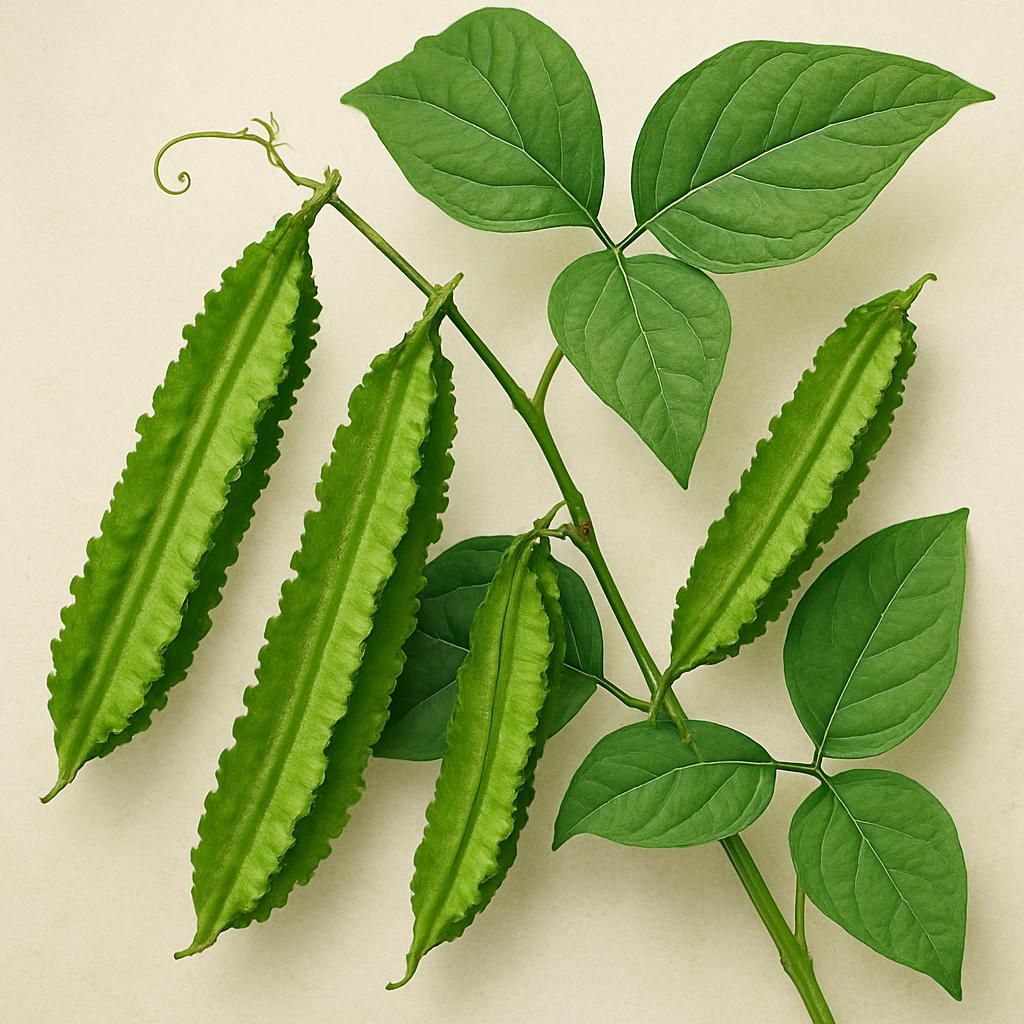
Winged Bean (Psophocarpus tetragonolobus)
The Winged Bean, known for its high nutritional value, is a versatile crop that thrives in tropical climates. Its four-angled bean pods and ability to thrive in poor soil conditions make it a favorite for sustainable agriculture.
View Guide
Winter Rye
Winter rye is a cold-hardy cereal grain grown for grain, forage, erosion control, and cover cropping. It is valued for rapid autumn establishment, exceptional winter survival, and its ability to scavenge leftover nutrients, suppress weeds, and improve soil structure in challenging conditions.
View Guide
Winter Triticale
Winter triticale is a cold-hardy cereal grain created by crossing wheat and rye, combining the forage quality and grain potential of wheat with the vigor, stress tolerance, and winter hardiness of rye. It is widely valued for silage, grazing, grain, cover cropping, and soil-building rotations in temperate regions, especially where marginal soils or cold winters challenge other cereals.
View Guide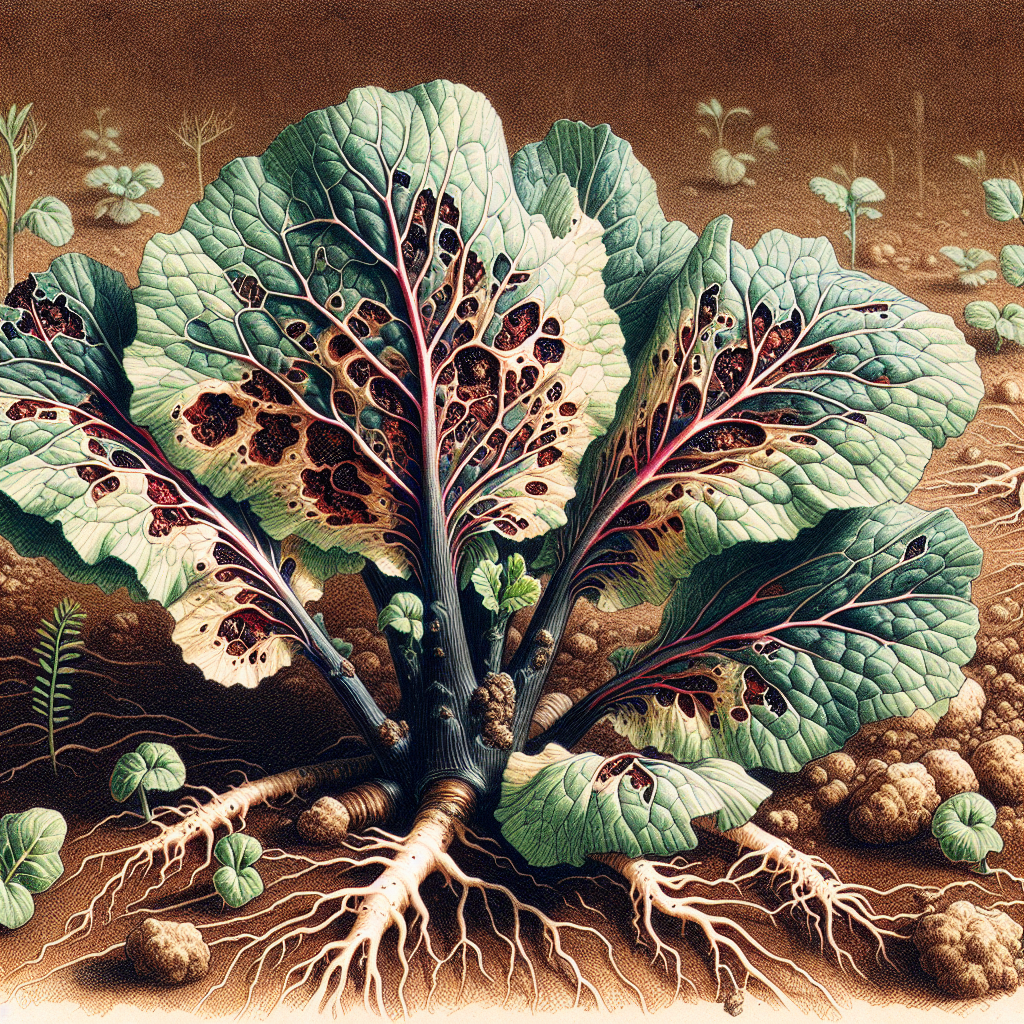
wirestem
Wirestem is a devastating seedling disease caused by the soilborne fungus Rhizoctonia solani, primarily affecting brassica crops like cabbage, broccoli, and cauliflower. It causes thin, wire-like stems at the soil line, leading to seedling collapse and significant stand losses. Effective management relies on cultural practices, sanitation, and resistant varieties.
View Profile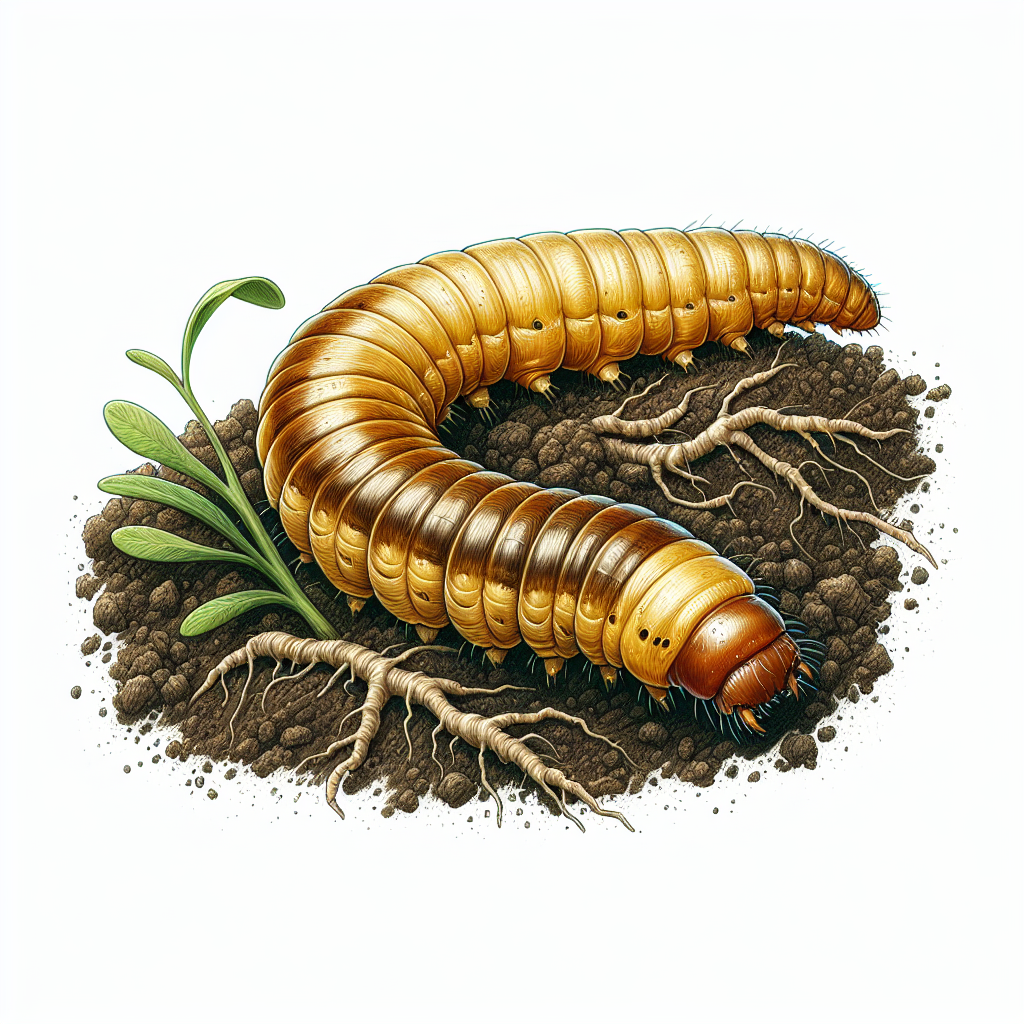
Wireworms
Wireworms are the soil-dwelling larvae of click beetles that cause significant damage to crop roots, seeds, and tubers by feeding voraciously underground. Highly resilient and long-lived, they pose a major threat to field crops like potatoes, corn, and grains. Effective management combines cultural practices, biological controls, and vigilant monitoring for long-term suppression.
View Profile
Witches’ broom
Witches’ broom is a devastating fungal disease primarily affecting cacao trees, characterized by abnormal broom-like clusters of shoots and reduced yields. Caused by the basidiomycete Moniliophthora perniciosa, it spreads via spores and wind, thriving in humid tropical environments. Effective management relies on sanitation, resistant varieties, and organic cultural practices to minimize economic losses in cacao plantations.
View Profile
Wonderful Pomegranate
Wonderful pomegranate is the dominant commercial pomegranate cultivar in many warm, dry production regions because of its large fruit, deep red rind, richly colored arils, and excellent juice quality. It is productive, long-lived, and relatively resilient, but premium harvests depend on precise irrigation, strong light, disciplined pruning, and careful management of fruit cracking and sun exposure.
View Guide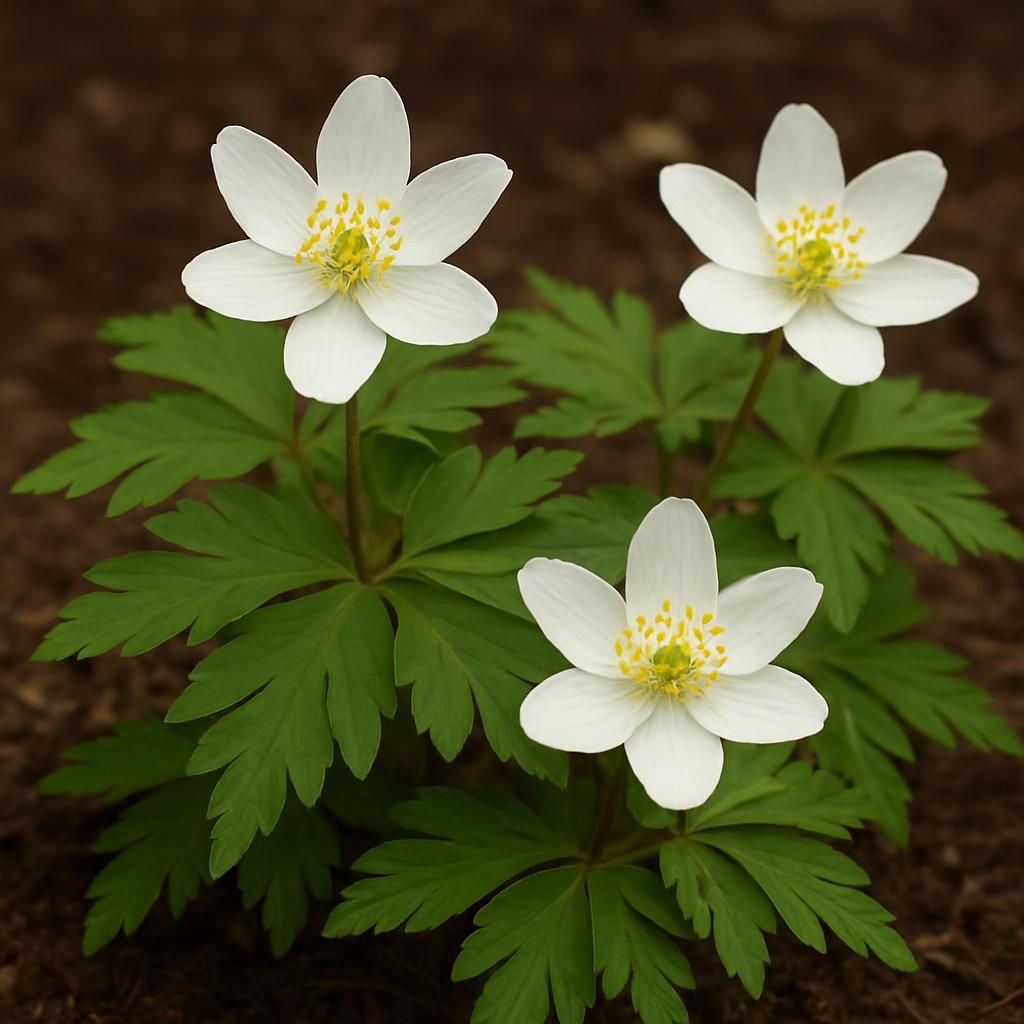
Wood Anemone
Wood Anemone is a delicate spring-blooming woodland perennial valued for its early-season flowers and ability to naturalize in shaded garden beds. It thrives in cool, moist, humus-rich soils and spreads slowly through rhizomes and seed. This guide delivers professional, field-tested advice for successful cultivation in temperate landscapes.
View Guide
Wood Apple (Limonia acidissima)
Wood Apple, or Limonia acidissima, is a hardy, drought-tolerant tree native to India and Southeast Asia, prized for its nutritious, aromatic fruit used in traditional medicine, chutneys, and beverages. This comprehensive guide covers cultivation from propagation to harvest, ideal for small farms in tropical and subtropical regions seeking resilient, low-maintenance crops. With proper care, trees yield for decades, providing both economic and ecological benefits.
View Guide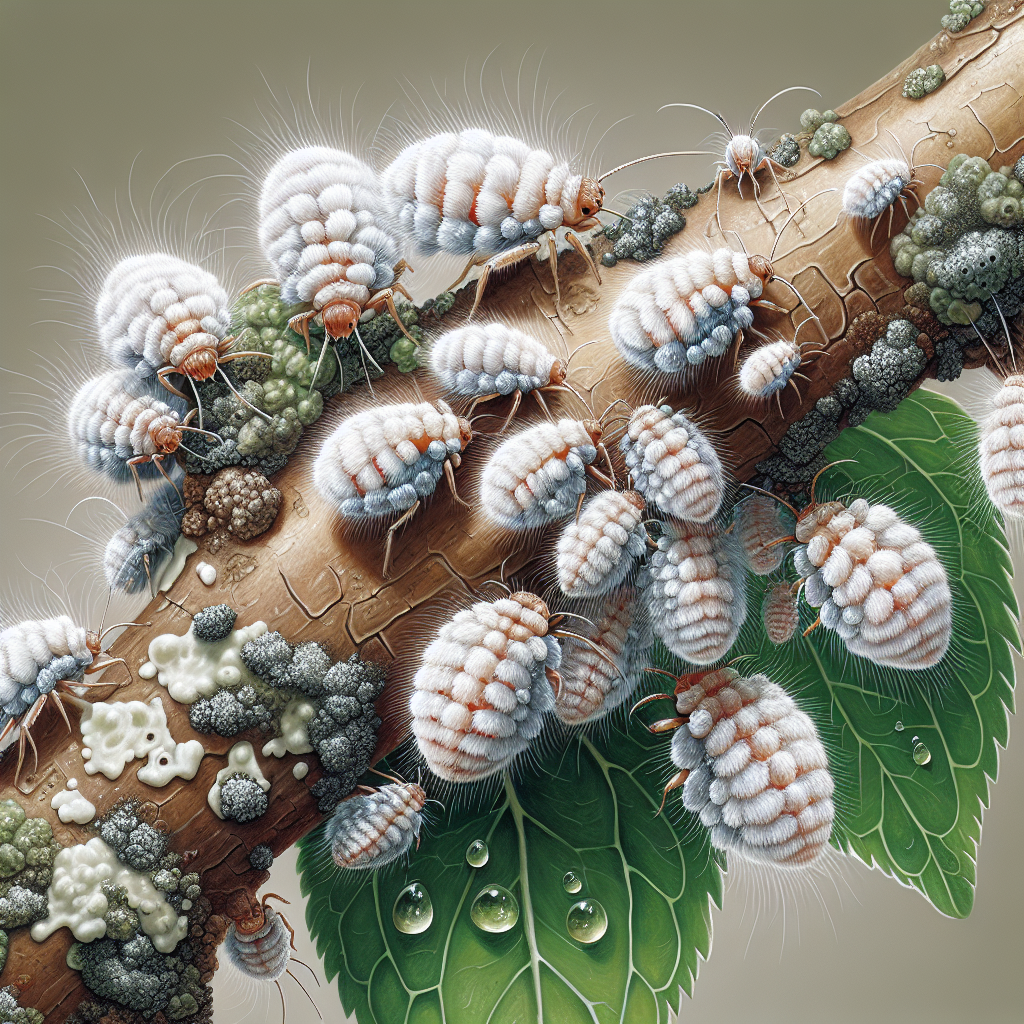
woolly aphid
Woolly aphids are small sap-sucking insects notorious for their white, waxy, cotton-like filaments that give them a woolly appearance, primarily targeting fruit trees like apples and pears. They cause significant damage by feeding on plant sap, promoting sooty mold growth, and transmitting plant viruses, often leading to galls and weakened growth. Effective management combines organic controls like beneficial insects and horticultural oils with vigilant monitoring for early detection.
View Profile
Woolly apple aphid
The woolly apple aphid (Eriosoma lanigerum) is a notorious sap-sucking pest that infests apple trees, identifiable by its distinctive white, waxy filaments resembling wool. It causes significant damage by feeding on roots, trunks, and branches, leading to galls, growth stunting, and secondary infections. Effective organic management relies on biological controls, cultural practices, and vigilant monitoring.
View Profile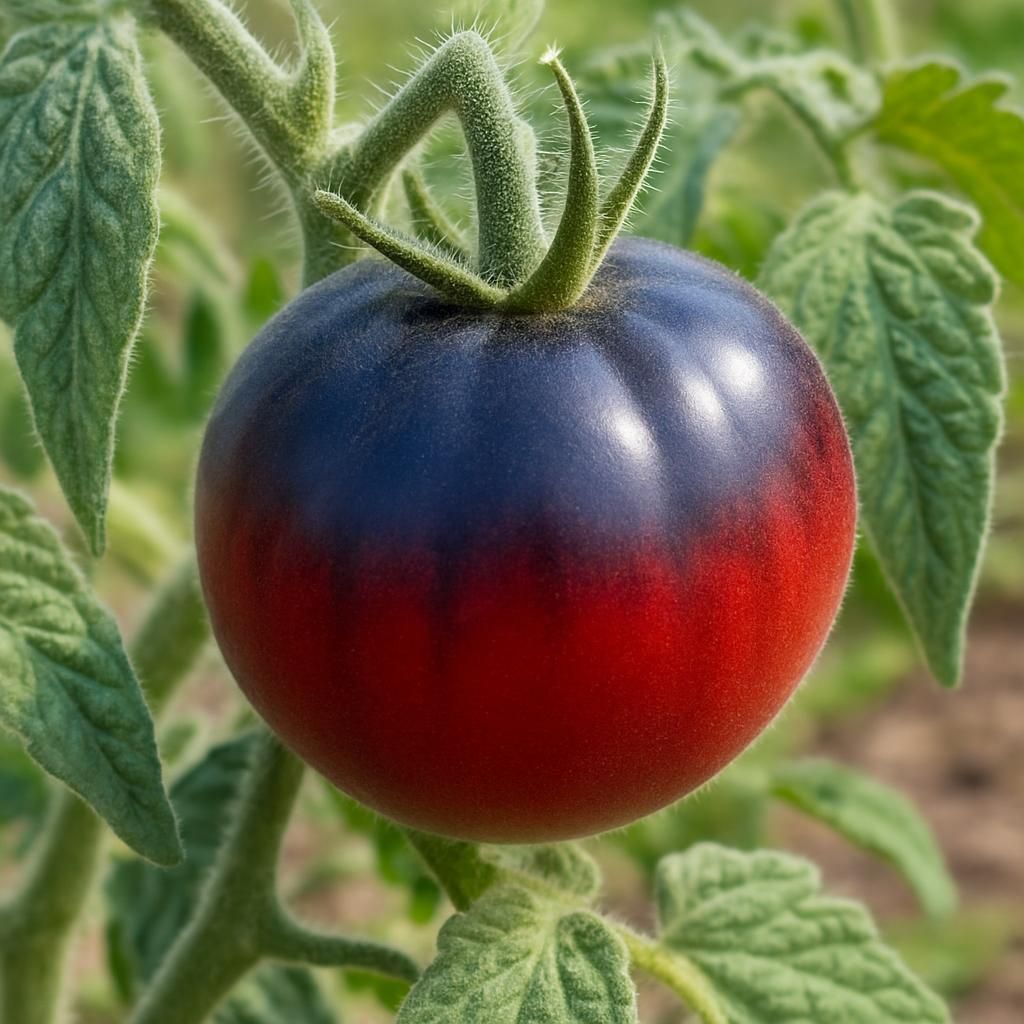
Woolly Blue Jay Tomato
The Woolly Blue Jay Tomato is a rare heirloom variety prized for its fuzzy, woolly foliage and striking deep-blue shoulders that transition to rich red at full ripeness. This indeterminate cultivar delivers complex, sweet-tart flavor with exceptional disease resistance and ornamental appeal for both home gardeners and small-scale commercial growers.
View Guide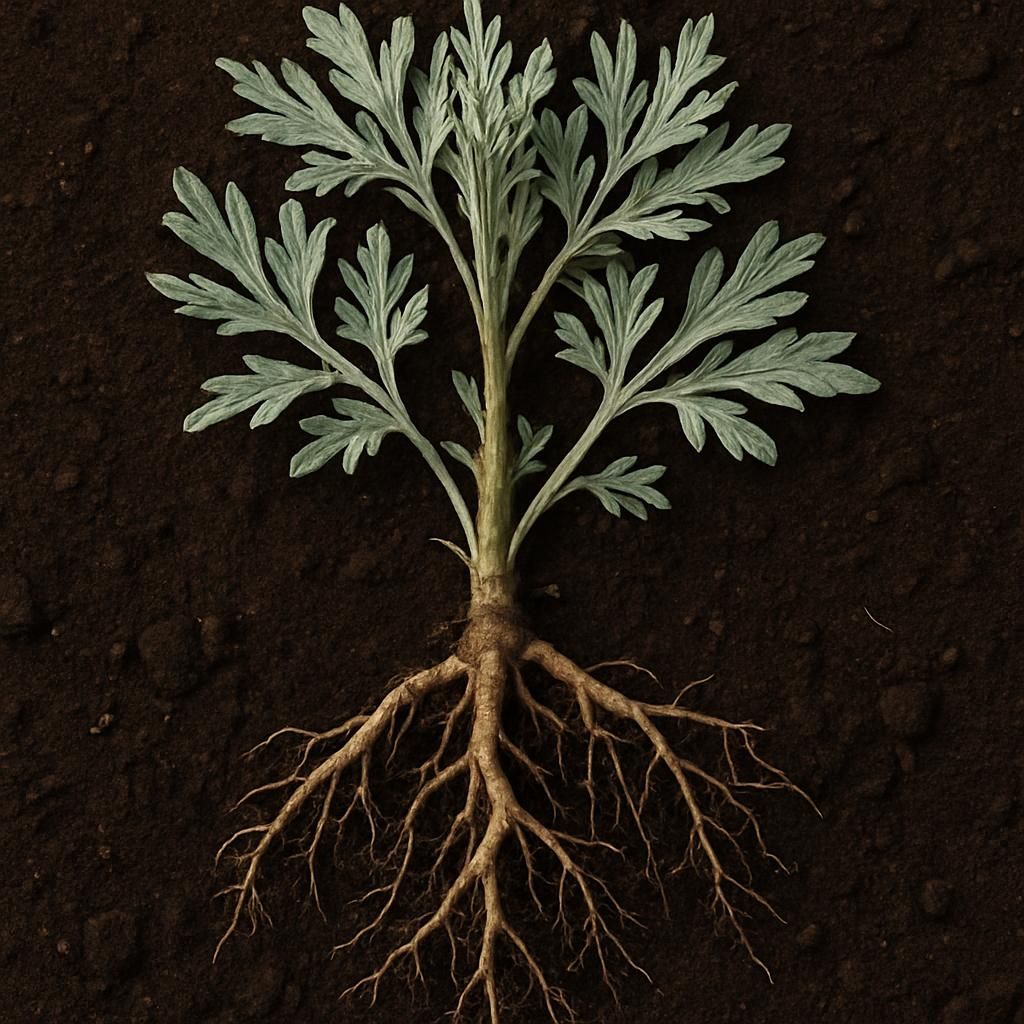
Wormwood Root
Wormwood Root is a hardy perennial herb valued for its intensely bitter compounds and traditional medicinal uses. It thrives in poor, well-drained soils and tolerates drought once established. This guide delivers professional-grade cultivation advice for reliable harvests.
View Guide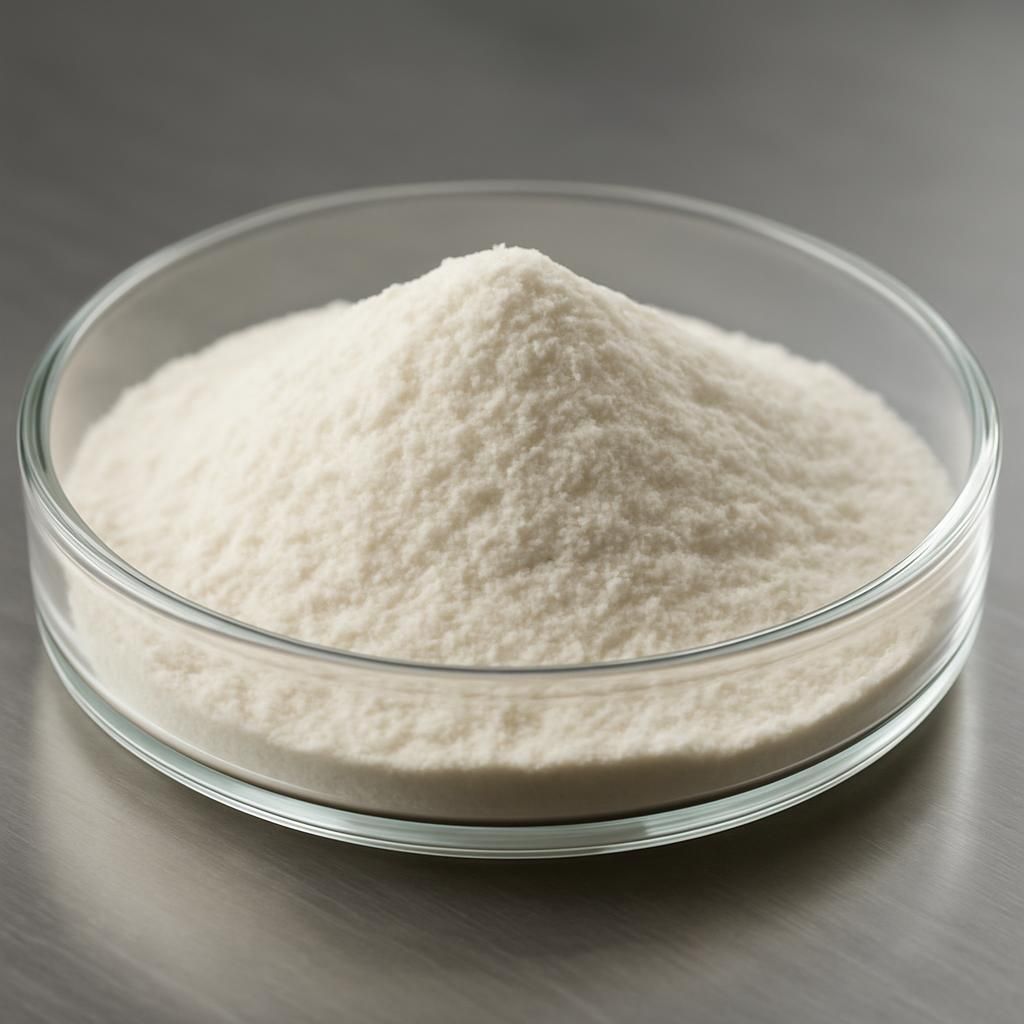
Xanthan Gum
Xanthan gum is an extracellular polysaccharide produced by the bacterium Xanthomonas campestris through controlled fermentation of glucose or sucrose. Widely used as a thickener and stabilizer in food, pharmaceuticals, and industrial applications, it offers exceptional viscosity, shear-thinning properties, and stability across wide pH and temperature ranges.
View Guide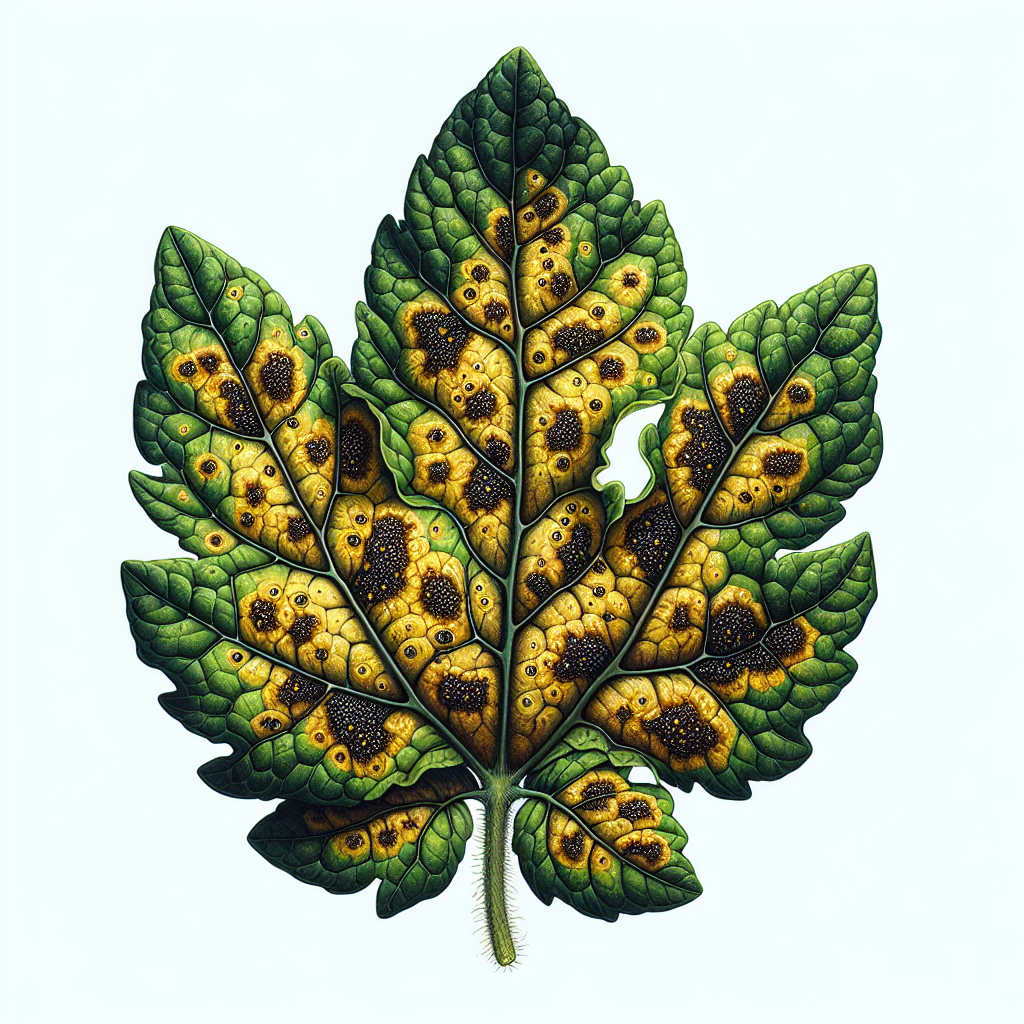
Xanthomonas blight
Xanthomonas blight is a devastating bacterial disease affecting numerous crops, characterized by water-soaked lesions, leaf blight, and twig dieback that can lead to significant yield losses. Caused by various Xanthomonas pathovars, it thrives in warm, humid conditions and spreads rapidly via rain splash and overhead irrigation. Effective management relies on cultural practices, resistant varieties, and prompt sanitation to prevent outbreaks.
View Profile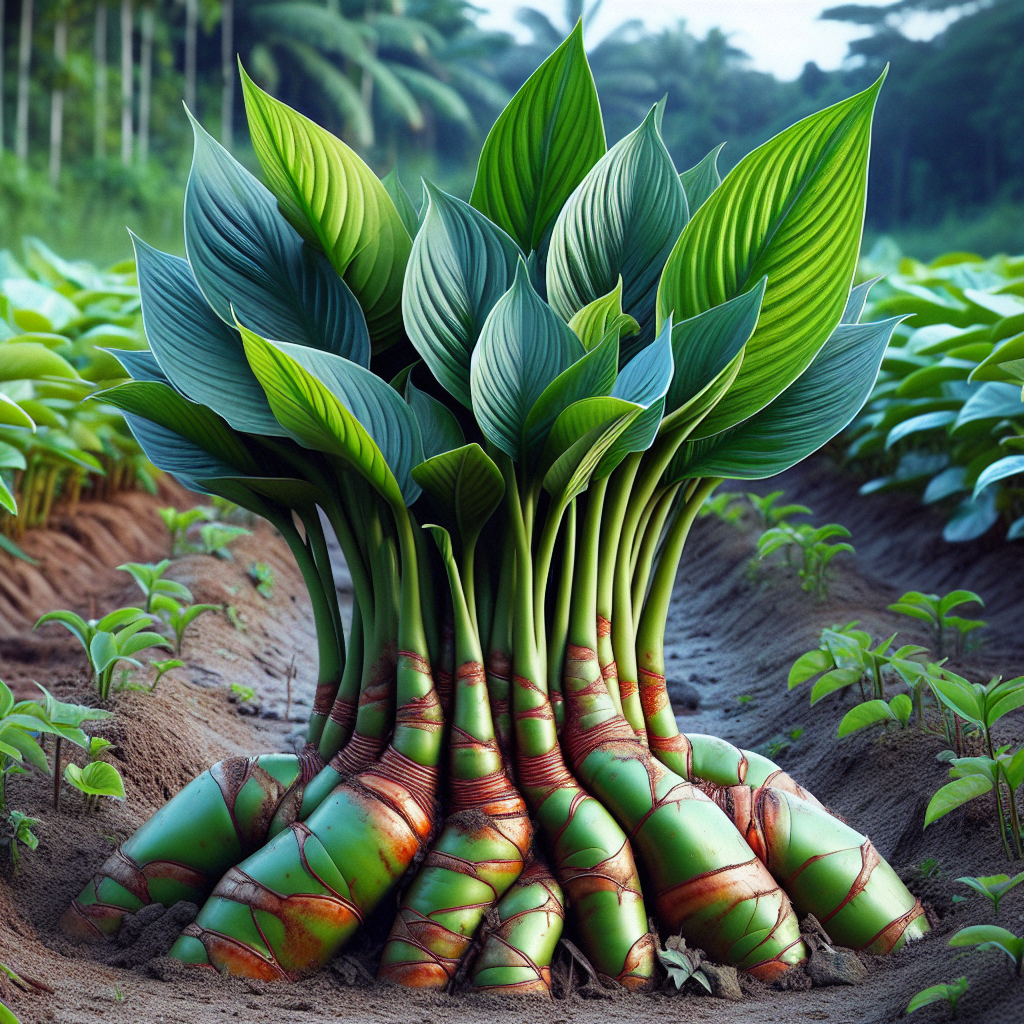
Xanthosoma
Xanthosoma, commonly known as arrowleaf elephant's ear, is a tropical aroid crop often misidentified as a pest when it invades agricultural fields, aggressively competing with staple crops for nutrients, water, and sunlight. This guide provides definitive diagnostic criteria, lifecycle insights, organic management strategies, and prevention tactics to protect farms from its weedy proliferation. Farmers can effectively control Xanthosoma outbreaks using integrated cultural and biological methods tailored for tropical and subtropical agriculture.
View Guide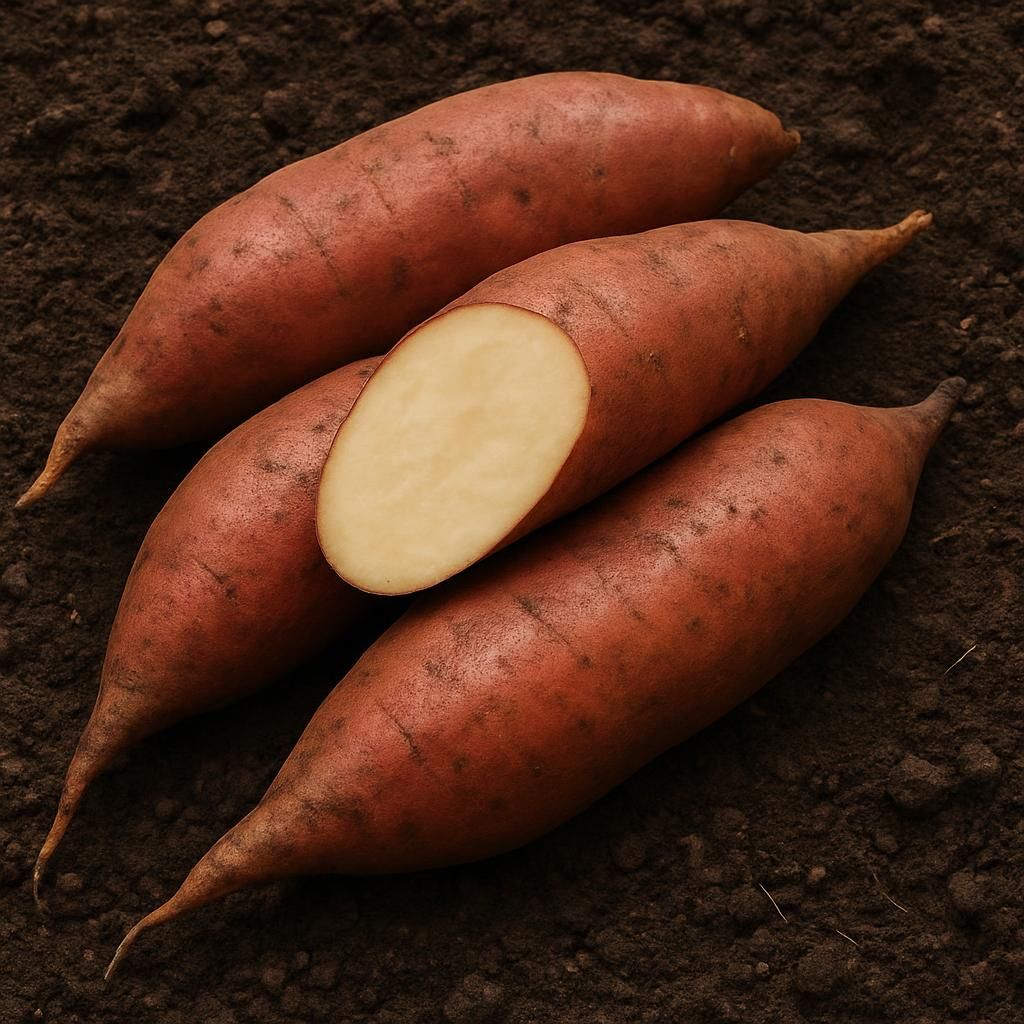
Yacon (Smallanthus sonchifolius)
Yacon is a perennial tuber crop from the Andes valued for its sweet, crisp storage roots rich in fructooligosaccharides. It thrives in cool highland climates with well-drained fertile soil and is harvested after 6–10 months for fresh eating, juicing, and syrup production.
View Guide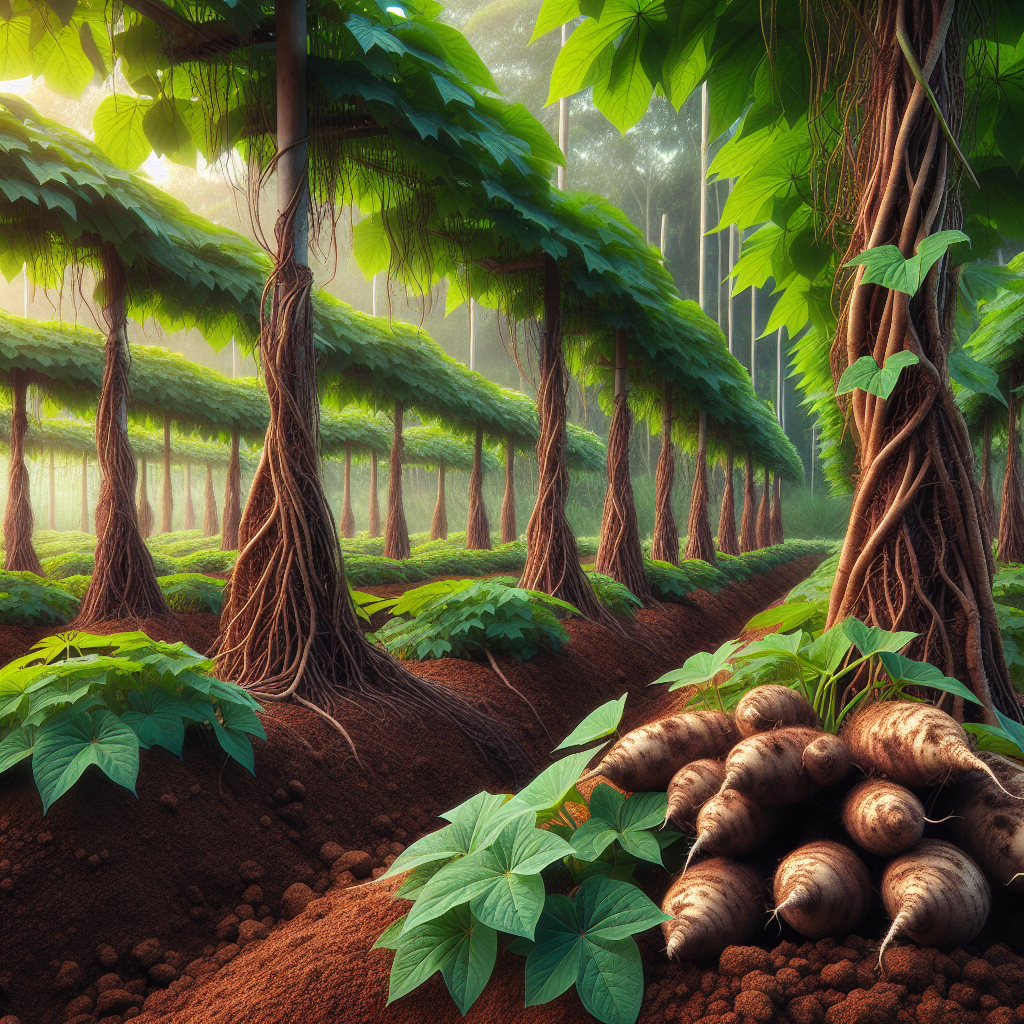
Yam
Yam is a tropical to subtropical climbing tuber crop grown primarily for its starchy underground tubers, with major production centered in West Africa, the Caribbean, Oceania, and parts of Asia. Unlike sweet potato, true yams belong to the genus Dioscorea and often require long warm seasons, deep friable soil, staking, and careful harvest management to achieve high yields and good storage quality.
View Guide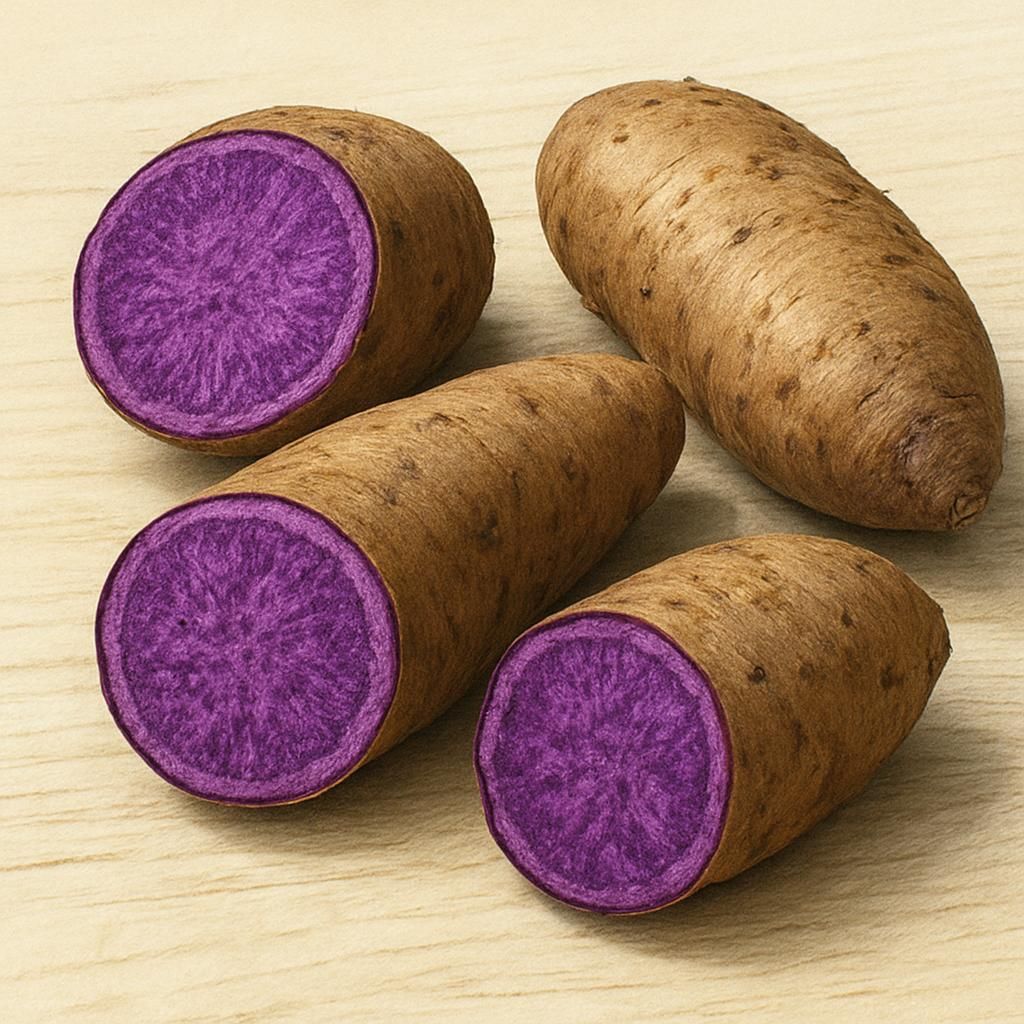
Yam (Dioscorea alata - Purple Ube)
Purple Ube yam is a high-value tropical tuber prized for its vibrant anthocyanin-rich flesh, exceptional storage life, and versatile culinary uses. This comprehensive guide covers every stage of commercial and small-farm production from soil preparation through long-term storage.
View Guide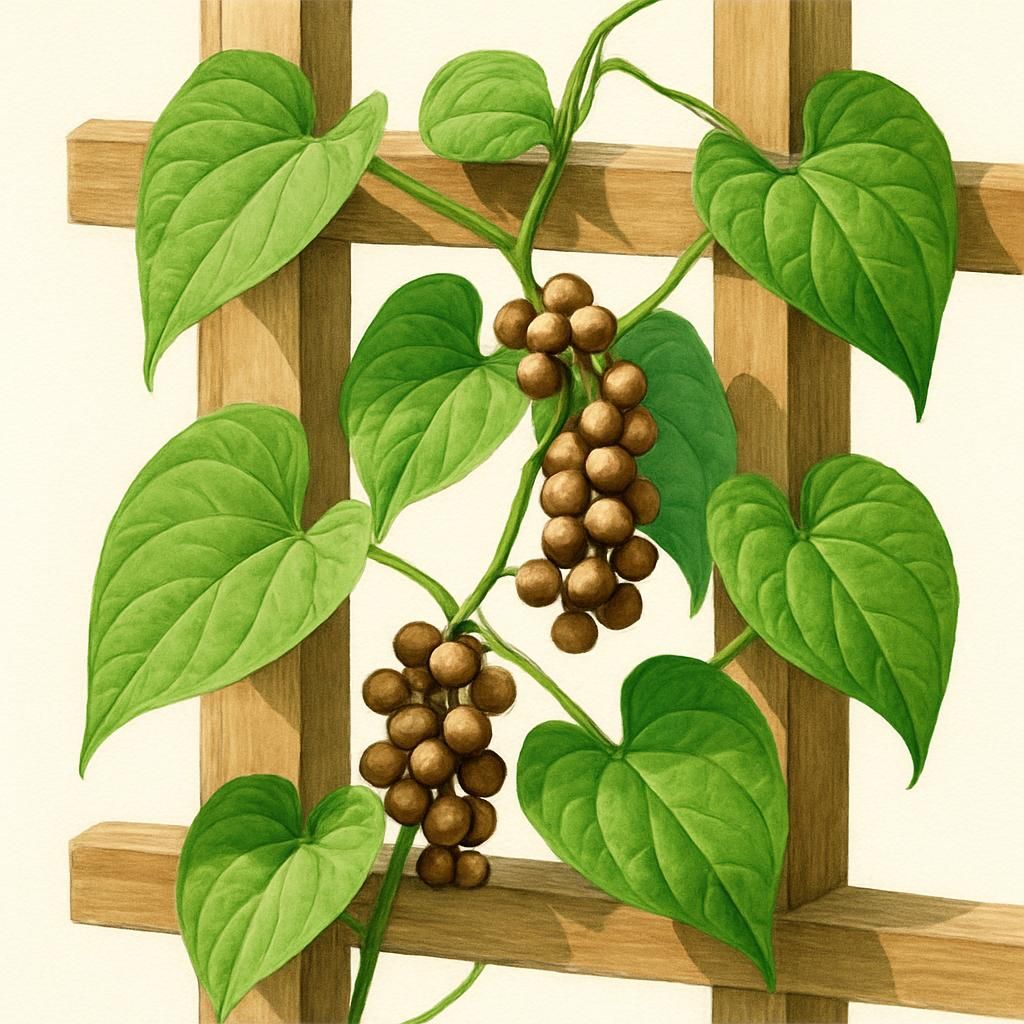
Yam (Dioscorea bulbifera - Air Potato)
Dioscorea bulbifera, commonly known as air potato or aerial yam, is a vigorous climbing vine that produces edible aerial tubers. This guide delivers professional-grade cultivation practices for reliable yields in tropical and subtropical systems.
View Guide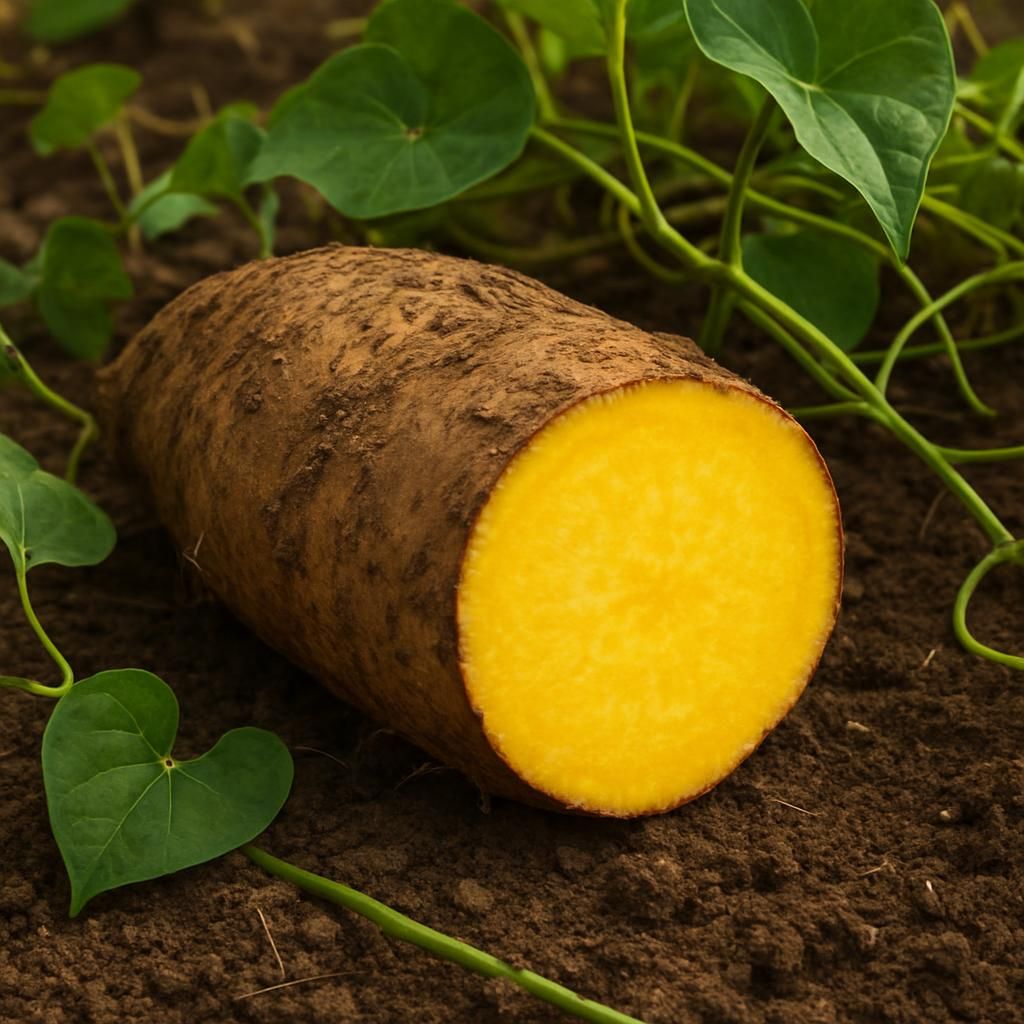
Yam (Dioscorea cayennensis - Yellow Guinea)
Dioscorea cayennensis, commonly known as Yellow Guinea yam, is a staple tuber crop prized for its high yield and resilience in tropical climates. This comprehensive guide covers soil preparation, planting techniques, pest management, and storage best practices to maximize productivity and quality.
View Guide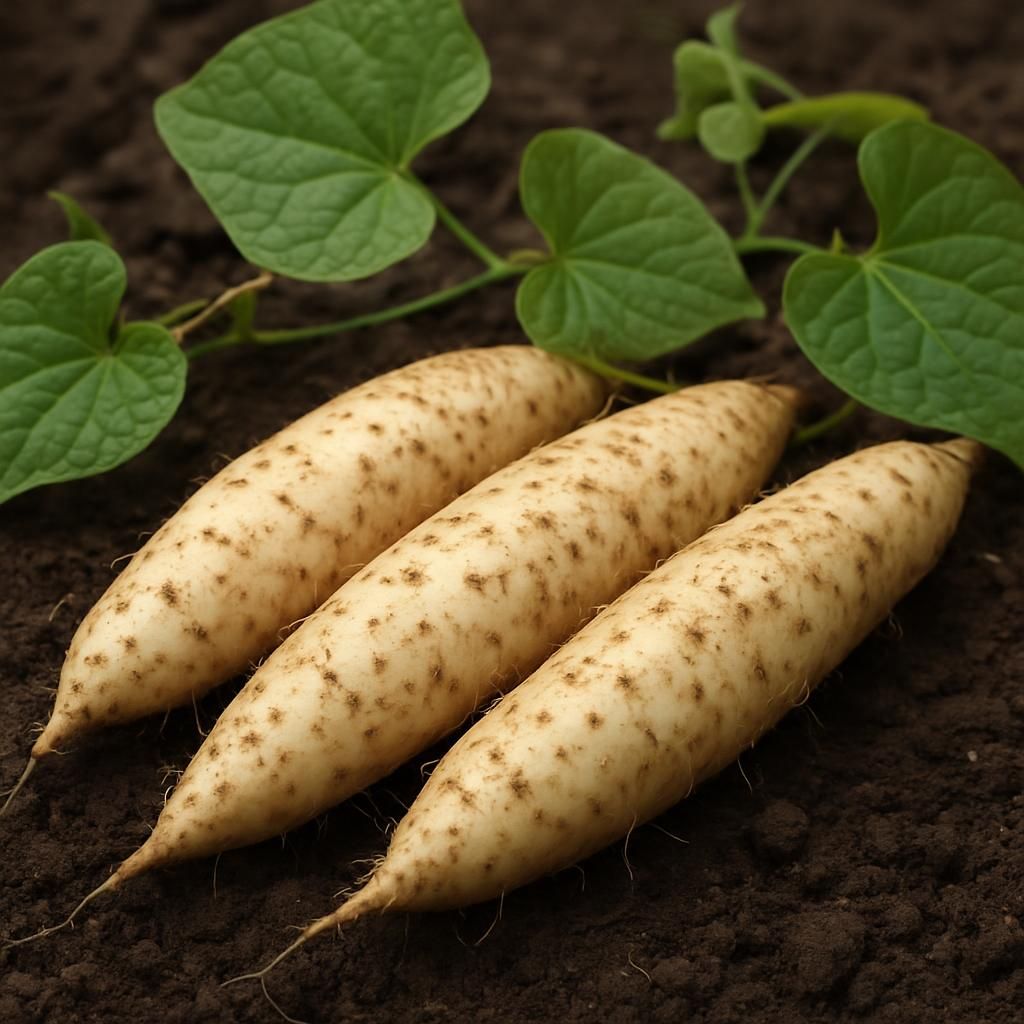
Yam (Dioscorea polystachya - Nagaimo)
Dioscorea polystachya, commonly known as Nagaimo or Chinese yam, is a perennial climbing vine prized for its crisp, mucilaginous tubers used in Asian cuisine and traditional medicine. This guide delivers professional-grade growing instructions covering climate, soil, planting, care, pests, harvest, and companion strategies for reliable commercial or home production.
View Guide