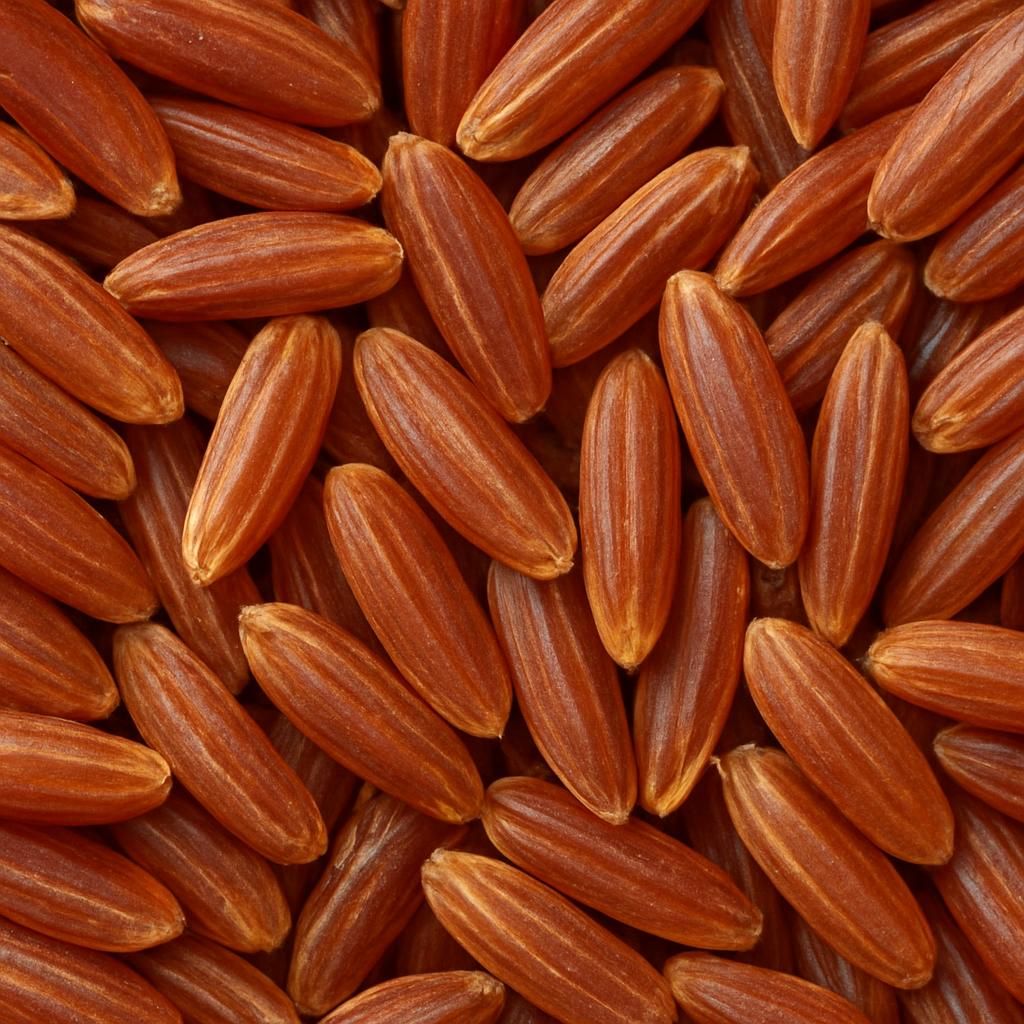
Introduction to Wehani Rice
Wehani Rice is an aromatic hybrid developed from basmati-type rice varieties. Originating in Northern California, it is revered for its nutty aroma and chewy texture. Popular among chefs for its distinctive reddish-brown color, Wehani Rice provides not only a unique flavor but also a visual appeal to dishes.
Botanical Profile of Wehani Rice
Wehani Rice, scientifically known as Oryza sativa subsp. japonica, belongs to the Poaceae family. This variety is a result of selective breeding of long-grain rice, aiming to produce a unique flavor and aroma. The grains, when cooked, have a slightly chewy texture, similar to whole grain rice varieties.
Soil, pH, and Climate Requirements for Wehani Rice
Wehani Rice thrives in specific soil and climatic conditions. Maximizing yield requires adherence to these optimal conditions:
| Aspect | Ideal Range |
|---|---|
| Soil Type | Loamy, well-drained soils |
| Soil pH | 5.5 - 6.5 |
| Temperature | 70°F - 95°F (21°C - 35°C) |
| Humidity | Moderate to high |
| Rainfall | 40-60 inches annually |
Step-by-Step Planting & Propagation
- Seed Selection: Choose high-quality seeds that are disease-resistant.
- Land Preparation: Till the land thoroughly, ensuring it's leveled to manage water effectively.
- Sowing: Plant seeds at the onset of the growing season, maintaining a spacing of 9-12 inches to avoid overcrowding.
- Water Management: Implement traditional flood irrigation, maintaining a consistent water layer to encourage weed control and growth.
- Weed and Pest Control: Utilize mulching and manual weeding early to prevent competition.
Care & Maintenance Regimes for Wehani Rice
Proper care is essential for healthy growth and high yields.
| Aspect | Frequency | Details |
|---|---|---|
| Watering | Consistent | Maintain 2-4 inches of standing water |
| Fertilizing | Initial + every 2-3 weeks | Use nitrogen-rich fertilizers for optimal growth |
| Pruning | Minimal | Remove dead or diseased leaf blades periodically |
Pests, Diseases & Organic Management
Common pests include Spider Mites and Birds, while diseases like Blast can affect cultivation.
- Pest Management: Introduce beneficial insects such as ladybugs to control spider mite populations. Use bird nets to protect from birds.
- Disease Control: Ensure proper field drainage to avoid fungal buildup and employ organic fungicides for disease management.
- For more pest control strategies, read 7 Summer Pest Traps That Sabotage Small Farm Harvests.
Harvesting, Curing & Optimal Storage
Harvesting is done when the grains show a golden hue and the stems start to dry.
- Method: Use sickles or mechanized harvesters for optimal grain retrieval.
- Curing: Lay grains under the sun for 24-48 hours to reduce moisture content, enhancing storage life.
- Storage: Store in airtight containers in a cool, dry place to prevent infestation and moisture absorption.
Companion Planting for Wehani Rice
Using companion plants can enhance growth and soil health:
- Legumes: Like Soybeans improve soil nitrogen content.
- Marigold: Deters nematodes and attracts beneficial pollinators.
- Read further on strategic planting in Summer Companion Planting: 10 Organic Pairings to Boost Small Farm Resilience.
Growing Wehani Rice can be a rewarding endeavor, provided the farmer adheres to the specific cultivation needs of this distinct variety.