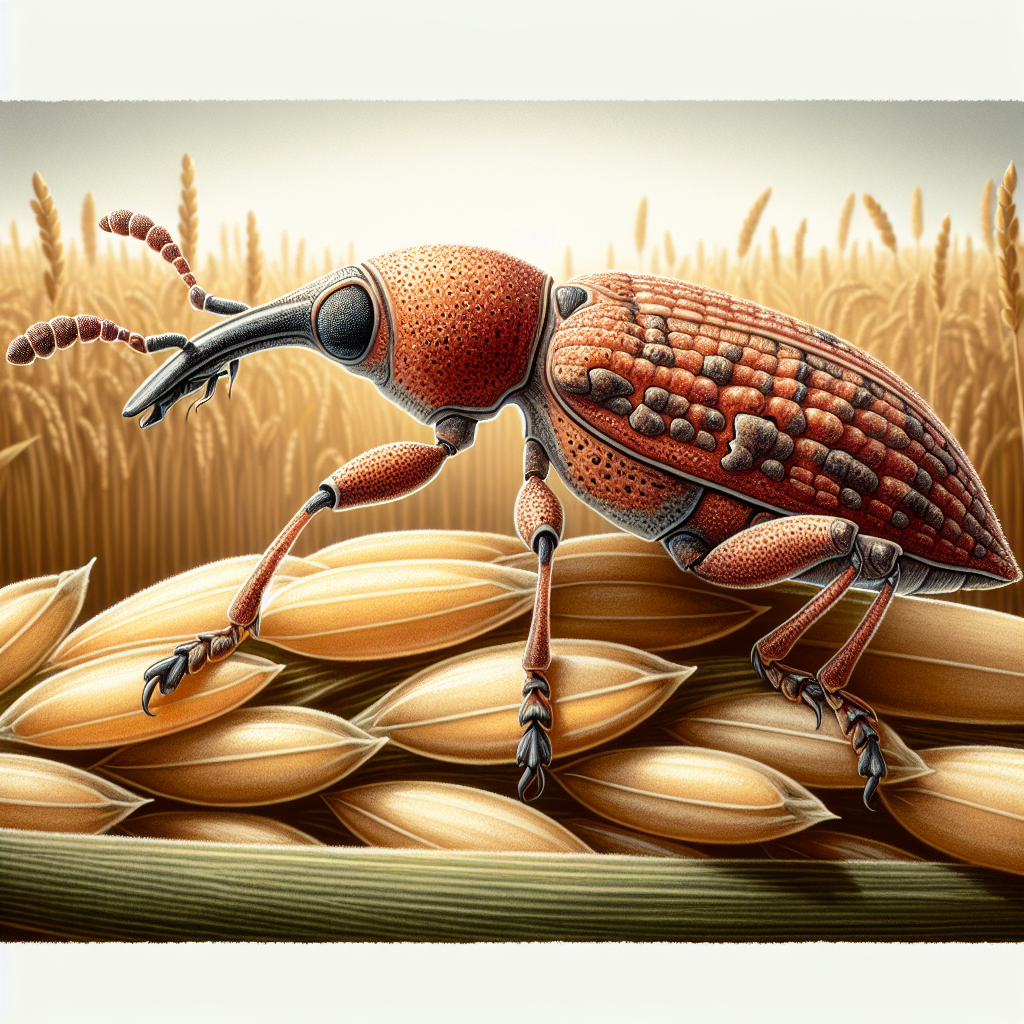
Introduction to weevils
Weevils, belonging to the Curculionidae family, represent one of the most destructive pest groups in agriculture, affecting over 60,000 species worldwide. These small, elongated beetles, typically 1-10 mm long, are characterized by their distinctive elongated snouts used for boring into plant tissues. Common types include the rice weevil (Sitophilus oryzae), grain weevil (Sitophilus granarius), and boll weevil, each targeting specific crops but sharing a knack for inflicting hidden damage that can devastate yields by 20-50% if unchecked.
Farmers encounter weevils in fields, storage bins, and greenhouses, where larvae tunnel through seeds and fruits, rendering them unusable. Unlike surface chewers like caterpillars, weevils operate internally, making early detection challenging. This definitive guide equips you with professional-grade diagnostics, lifecycle knowledge, organic controls, and prevention strategies to safeguard your crops. Understanding weevil behavior is crucial, as adults chew neat holes in leaves or pods, while grubs feed voraciously inside, leading to rapid population explosions under favorable conditions.
Global agricultural losses from weevils exceed billions annually, particularly in staple crops. Effective management hinges on integrated pest management (IPM), combining monitoring, cultural practices, and targeted organic interventions. Whether you're growing grains, legumes, or fruits, proactive measures can reduce infestations by up to 90%.
Identifying Symptoms & Damage
Spotting weevil damage requires vigilance, as signs often appear subtle at first. Adult weevils leave characteristic U-shaped or crescent notches on leaves, stems, and pods—look for these 1-3 mm feeding scars, especially on the undersides. In grains like wheat or corn, powdery frass (insect waste) and hollowed-out kernels signal infestation.
Larval damage is insidious: white, legless grubs bore into seeds, roots, or fruits, causing wilting, yellowing, or sudden plant collapse. For root crops like potato, inspect tubers for tunnels filled with frass; in legumes such as soybeans, pods show exit holes with webbing. Fruits like apple or peach exhibit sunken lesions or premature drop.
Diagnostic tips: Shake plants over white paper—tiny beetles dropping with a 'click' confirm adults. Use sticky traps or pitfall traps near crop edges. Differentiate from similar pests like flea beetles by the snout and lack of jumping ability. Severe infestations lead to 30-70% yield loss, stunted growth, and secondary infections from root rot. Early scouting every 7-10 days prevents escalation.
Lifecycle and Progression of weevils
Weevils undergo complete metamorphosis: egg, larva, pupa, adult. Females lay 100-500 eggs in plant tissues, hatching in 3-7 days into creamy grubs that feed internally for 2-6 weeks, growing to 5-10 mm. Pupation occurs in chambers within the host, lasting 5-14 days, before adults emerge.
The cycle spans 25-90 days, with 3-10 generations yearly in warm climates. Adults live 4-12 months, overwintering in soil or debris. Peak activity aligns with crop flowering or seed set. In stored grains, rice weevils complete cycles in 28 days at 30°C, multiplying exponentially. Progression: Eggs invisible; larvae cause most damage; adults spread infestation. Monitor with pheromone traps to time interventions.
Environmental Triggers & Risk Factors
Weevils thrive in warm (25-35°C), humid (60-80% RH) conditions, with populations surging post-rainfall or irrigation. Poor sanitation—leftover crop residue, unclean storage—increases risk by 5x. Monoculture fields of grains or legumes amplify outbreaks, as do compacted soils hindering natural predators.
Climate change extends breeding seasons, while global trade spreads species like the red palm weevil. Risk factors include delayed harvest, high nitrogen fertilizers promoting lush growth, and proximity to infested fields. Drought-stressed plants are more susceptible, as weevils target weakened tissues. Assess farm history: prior aphids or mites indicate vulnerability.
Organic Control & Treatment Plans
Organic management emphasizes IPM. Cultural: Rotate crops (avoid grains 2-3 years), deep plow residue to expose pupae to predators. Biological: Release parasitic wasps (Anisopteromalus calandrae) or nematodes (Steinernema feltiae); encourage birds and ground beetles. Mechanical: Sieve grains, freeze at -18°C for 72 hours, or use diatomaceous earth (DE) barriers.
Botanicals: Neem oil (0.5-2%) disrupts feeding/oviposition—apply weekly. Pyrethrum sprays target adults. Trap crops like early-planted beans divert weevils. For storage, herbal repellents (cloves, bay leaves) reduce populations by 70%. Integrated plan: Scout weekly, apply DE at first signs, follow with neem, monitor with traps. Success rates hit 85-95% with consistency. Avoid synthetics for certified organic status.
Check out Spring Pest Patrol: Organic AI Strategies to Shield Your Crops from Common Invaders for tech-enhanced tips.
Preventing weevils in the Future
Prevention outperforms cure. Store grains in airtight bins with oxygen absorbers; sanitize post-harvest. Plant resistant varieties like hulless barley or early-maturing corn. Use row covers during vulnerable stages, mulch to deter soil-dwelling species.
Soil solarization (clear plastic, 4-6 weeks summer) kills pupae. Companion planting with marigold repels via root exudates. Monitor weather for triggers; destroy volunteers. Long-term: Build soil health to bolster plant resistance. Annual audits cut recurrence by 90%. Link to Beetles for broader insights.
Crops Most Affected by weevils
Weevils ravage grains (rice, wheat, corn), legumes (soybeans, peas, chickpeas), roots (potato, sweet potato), and fruits (apple, mango, peach). Storage pests hit cassava and nuts (almond). Tropical crops like banana suffer from corm weevils, while cotton boll weevil devastates cotton. Prioritize monitoring in these high-risk categories.