Introduction to Robins
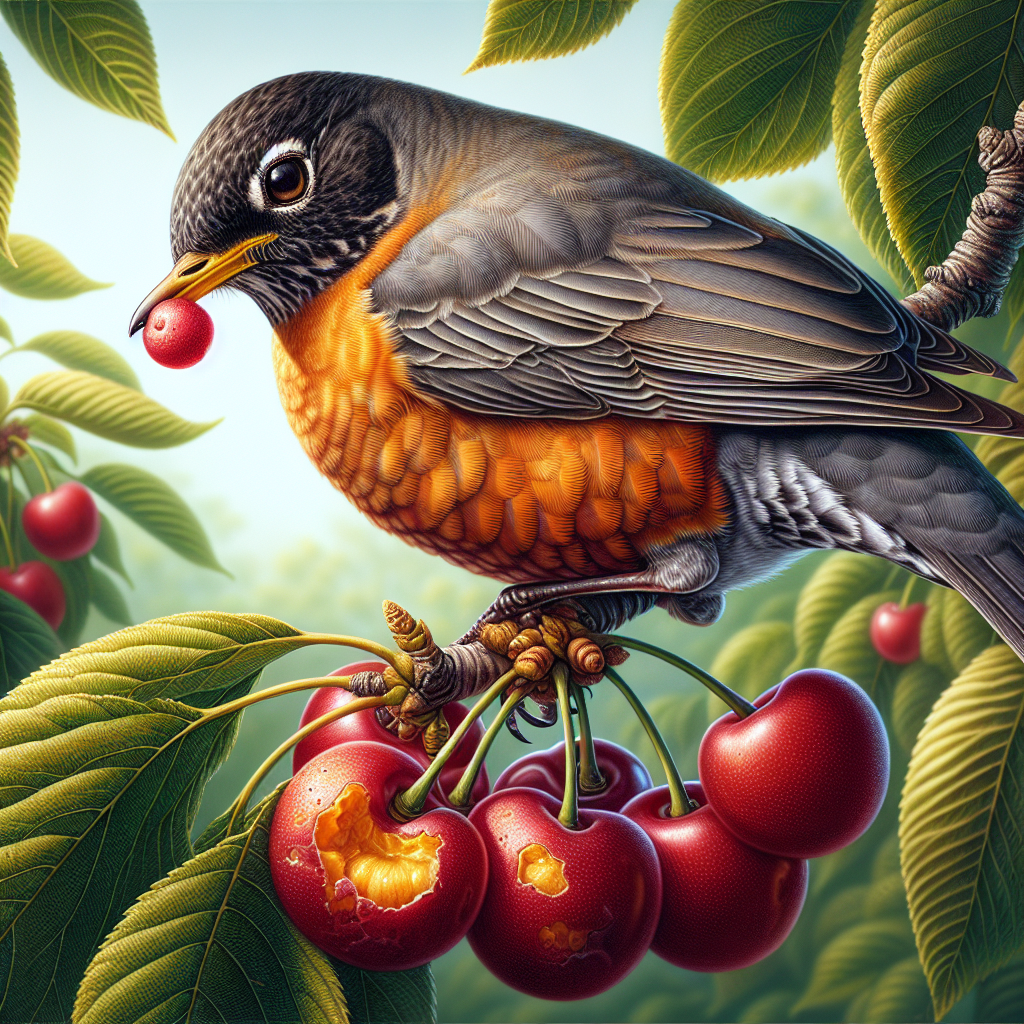
Robins (Turdus migratorius), often celebrated as harbingers of spring, pose unique challenges for farmers and orchard growers. These medium-sized thrushes, identifiable by their bright orange breasts and cheerful songs, are widespread across North America and parts of Europe. In agricultural settings, robins transition from beneficial insectivores to problematic fruit consumers, flocking in large numbers to strip cherry trees, strawberry patches, and blueberry bushes bare. Their opportunistic feeding habits lead to economic losses estimated in millions annually for soft fruit producers.
Understanding robins as pests requires recognizing their dual role: they control grubs and caterpillars early in the season but ravage ripening fruits later. This guide provides definitive diagnostics, lifecycle insights, and proven management strategies tailored for small to medium farms. By integrating organic methods with preventive measures, growers can minimize damage without harming these protected birds. For more on bird pests in crops, see our comprehensive Birds (pest) entry.
Identifying Symptoms & Damage
Robin damage is unmistakable and often appears suddenly due to their gregarious flocking behavior. Key symptoms include:
- Pecked and partially eaten fruits: Berries and cherries show clean, round holes or missing sections, with flesh exposed but not rotted. Unlike Japanese beetles, robins leave jagged edges from beak pecking.
- Scattered fruit debris: Ground litter of half-eaten fruits, seeds, and skins under affected plants.
- Flock activity signs: Droppings (white with dark spots) concentrated under roosts or feeding sites, and frequent bird calls or flights at dawn/dusk.
- Crop-specific patterns: In grapes, entire clusters vanish; apple trees show bird-pecked skin on ripening fruit; corn ears have kernels selectively removed from tips.
Early diagnosis differentiates robin damage from other pests like squirrels (which gnaw irregularly) or raccoons (which tear ears). Scout fields at first light when robins feed most actively. Use trail cameras to confirm presence, distinguishing robins' upright posture and orange breasts from starlings or blackbirds.
Damage escalates rapidly: a single flock of 50 robins can consume 5-10 pounds of fruit daily. Monitor Hass Avocado groves too, where robins target soft skins. Prompt identification enables timely intervention, preventing 70-90% losses in unprotected berries.
Lifecycle and Progression of Robins
Robins exhibit a complete metamorphosis but as birds, their lifecycle revolves around seasonal migration and breeding. Key stages:
- Egg (12-14 days incubation): Females lay 3-5 blue eggs in cup nests from April-June.
- Nestling (13 days): Altricial young fed worms/insects by parents.
- Fledgling (2-3 weeks): Juveniles join flocks, shifting to fruit diet.
- Adult: Year-round but migratory; northern populations winter south.
Progression in crops: Spring arrival coincides with insect booms, providing free pest control against aphids and army worms. By mid-summer, as fruits ripen, juveniles fledge and flocks swell to 100+, peaking damage in July-September. Migration south in fall reduces pressure.
Understanding this timeline is crucial: protect crops during fruit swell (veraison in grapes). Overwintering robins in mild climates extend threats to winter fruits like persimmons.
Environmental Triggers & Risk Factors
Robins thrive in open farmlands with nearby woods for nesting/roosting. Triggers include:
- Fruit availability: Ripening strawberries, cherries, blueberries draw flocks from miles away.
- Habitat: Short grass for worm-hunting near orchards; hedgerows for cover.
- Weather: Mild springs boost breeding; droughts concentrate birds on irrigated crops.
- Food scarcity: Defoliation by leaf-feeding caterpillars or poor wild berry yields push robins to farms.
Risk factors: Monocrop orchards without buffers; proximity to wetlands (robin hotspots). Climate change extends breeding seasons, intensifying pressure. Pair with deer damage in mixed pest scenarios. Check our blog on Spring Pest Patrol: Organic AI Strategies to Shield Your Crops from Common Invaders for predictive tools.
Organic Control & Treatment Plans
Robins are protected under Migratory Bird Treaty Act; lethal controls are illegal. Focus on humane, organic deterrence:
- Netting (Gold Standard): Bird netting over cherries, berries. Install pre-fruit set; 3/4-inch mesh. Cost: $0.20/sq ft, ROI in one season.
- Visual deterrents: Reflective tape, Mylar balloons, scarecrows. Rotate weekly to prevent habituation.
- Auditory: Propane cannons, ultrasonic devices tuned to bird frequencies.
- Overhead cover: Row covers, aviary wire for small plots.
- Chemical repellents: Organic methyl anthranilate sprays (e.g., Bird Shield) on fruits; reapply post-rain.
Integrated Plan:
- Week 1: Scout, install netting on high-risk strawberries.
- Ongoing: Deploy 3-5 deterrents simultaneously; move daily.
- Biological: Attract predators like hawks with perches; plant yarrow for beneficial insects.
Monitor efficacy: Reduce flocks 80-95%. Combine with slugs controls for holistic defense.
Preventing Robins in the Future
Long-term prevention builds resilient systems:
- Landscape buffers: Plant thorny blackberry hedges as barriers; diversify with non-host crops.
- Timing adjustments: Early/late varieties evade peak flocks (e.g., Bing Cherry).
- Habitat modification: Remove nest sites; mow edges to deter worms.
- Tech integration: Motion-activated sprinklers, AI-monitored cameras for alerts.
- Cultural: Mulch heavily to hide fruits; harvest promptly.
Annual audits cut recurrence 70%. Educate neighbors for area-wide efforts. Sustainable practices preserve biodiversity while safeguarding yields.
Crops Most Affected by Robins
Robins target small, colorful fruits:
- Berries: Strawberry (80% loss unprotected), blueberry, raspberry, blackberry.
- Stone fruits: Cherry, grapes.
- Pome fruits: Apple, pear.
- Others: Corn ears, tomato (low), elderberry.
High-value Hass Avocado skins pecked. Grains like wheat less affected but seeds vulnerable. Prioritize protection for 20-50% yield savers.