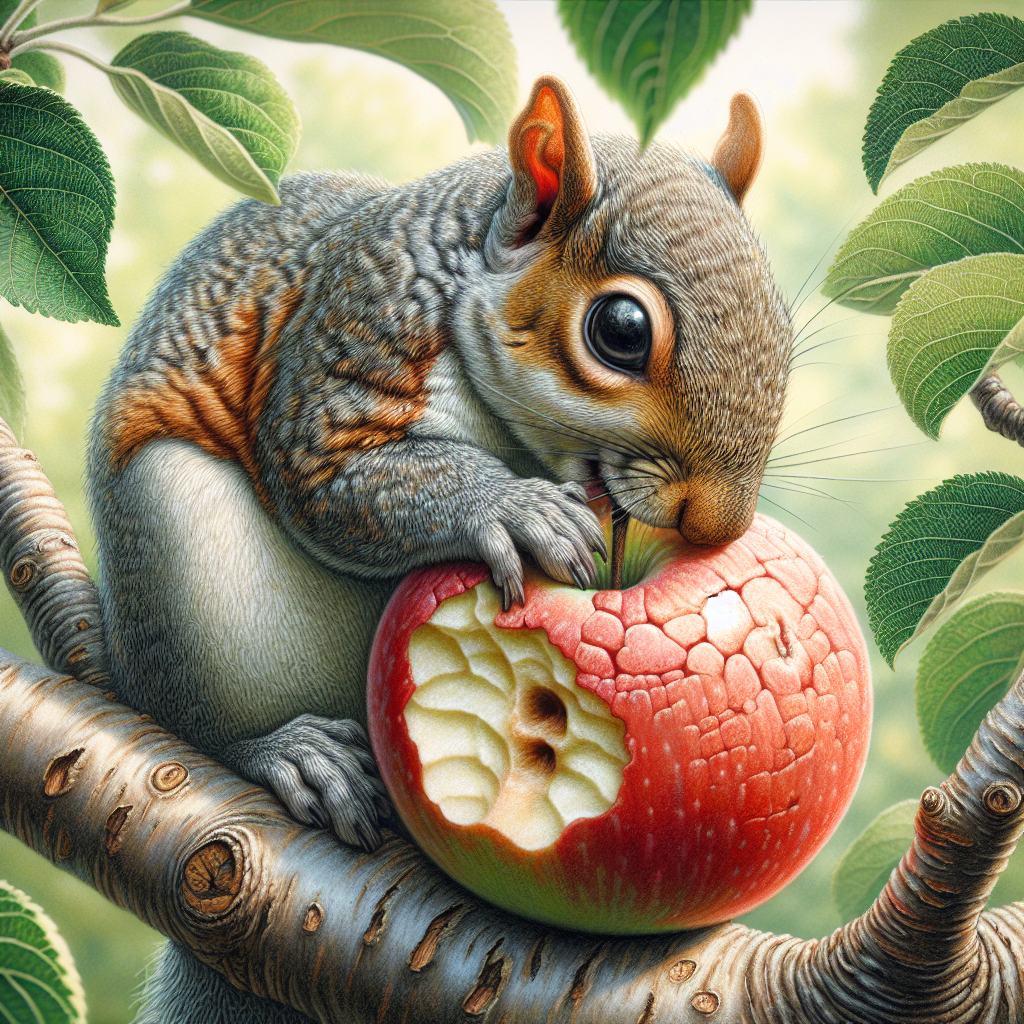
Introduction to squirrels
Squirrels represent one of the most pervasive vertebrate pests in agricultural settings worldwide, particularly in temperate regions of North America, Europe, and parts of Asia. These agile, bushy-tailed rodents, belonging primarily to the genus Sciurus and related species, thrive in diverse habitats from urban parks to expansive farmlands and orchards. As professional botanists and agricultural experts observe, squirrels cause substantial economic losses annually—estimated in the millions for fruit, nut, and grain producers—through direct feeding, seed caching that disrupts planting, and structural damage to trees and irrigation systems.
Unlike insect pests like aphids or Japanese beetles, squirrels are intelligent, diurnal mammals with exceptional problem-solving skills, making them challenging to deter. They target high-value crops during peak ripening stages, often stripping entire branches overnight. This definitive guide equips small-scale farmers, orchard managers, and commercial growers with science-backed diagnostics, organic interventions, and prevention tactics. By understanding squirrel behavior and ecology, producers can safeguard harvests while promoting biodiversity. For real-world insights on integrated pest management, check this Spring Pest Patrol blog post.
Key characteristics include bushy tails for balance, sharp incisors for gnawing, and keen senses for detecting ripe produce. Common species include the Eastern Gray Squirrel (Sciurus carolinensis), Red Squirrel (Tamiasciurus hudsonicus), and Fox Squirrel (Sciurus niger), each with slight variations in size, color, and foraging preferences. Grays are larger (up to 1.5 lbs) and more urban-adapted, while reds are smaller and tree-nesting specialists. Their rapid reproduction—2-4 litters per year with 3-7 young each—amplifies population pressures on crops.
Identifying Symptoms & Damage
Accurate diagnosis is the cornerstone of effective squirrel management. Unlike deer damage, which features clean bites and rubs, or raccoons that scatter debris messily, squirrel damage is distinct: precise clipping of fruits, nuts, or cones, often leaving characteristic half-eaten remnants on the ground. Look for:
- Gnaw marks: Fresh, chisel-like cuts on branches, twigs, nuts, or bulbs, measuring 1/4 to 1/2 inch wide. Bark stripping on young trees exposes cambium, leading to girdling and tree death.
- Clipped produce: Twigs with fruits or nuts severed cleanly at a 45-degree angle, dropped from heights of 10-30 feet. Intact fruits with single bite holes, where squirrels sample and discard unripe ones.
- Caching sites: Buried bulbs, seeds, or tubers in lawns, under mulch, or at tree bases. Scattered shells from almond, pecan, or walnut consumption.
- Nest evidence: Leaf-and-twig dreys (nests) in tree canopies, 20-50 feet up, or ground burrows in softer soils.
- Entry points: Chewed irrigation lines, fence gaps, or bird feeder undersides.
Damage peaks in fall (nut harvesting) and spring (budding). Inspect at dawn for fresh signs, as squirrels are most active mornings. Differentiate from birds by lack of pecking or from rodents by arboreal patterns. Use trail cameras for confirmation—grays show bold, bounding gaits; reds are twitchier.
Lifecycle and Progression of squirrels
Understanding the squirrel lifecycle enables timed interventions. These mammals follow a predictable annual cycle:
- Breeding (Jan-Mar, Jun-Jul): Females enter estrus; gestation 40-45 days yields 3-5 altricial young (hairless, blind).
- Nesting & Rearing (Spring-Fall): Kits wean at 10 weeks, disperse by 4-6 months. Dreys or tree cavities serve as homes.
- Foraging Peak (Summer-Fall): Juveniles join adults in aggressive feeding on maturing crops.
- Caching & Hibernation Prep (Fall): Bury 10,000+ seeds/nuts; forget 25-30%, aiding forest regeneration but raiding farms.
- Winter Survival: Reduced activity; metabolize caches, gnaw bark if food scarce.
Lifespan: 6-12 years wild, up to 20 in captivity. Populations boom post-mast years (abundant nuts), crashing in scarcity. Progression from kit to adult takes one year; damage escalates with maturing populations. Monitor breeding signs like chattering calls or shredded bark nests.
Environmental Triggers & Risk Factors
Squirrels exploit specific conditions:
- Proximity to woods/urban edges: Tree lines provide cover; 70% of orchard raids originate within 100m of habitat.
- Mast failures: Poor acorn crops drive crop incursions.
- Water scarcity: Irrigated fields attract amid droughts.
- Overripe produce: Unharvested fruits signal abundance.
- Weak barriers: Fences <6ft or gaps >3in invite entry.
- Companion pests: Rodents or rabbits indicate habitat suitability.
Climate change extends ranges; warmer winters boost litters. High-risk zones: orchards near parks, nut groves post-harvest.
Organic Control & Treatment Plans
Prioritize non-lethal, eco-friendly methods compliant with organic standards:
- Exclusion: 6-8ft metal flashing fences with 3ft floppy top (L-shaped). Netting over apple or cherry trees; trunk collars (24in metal cones).
- Habitat Modification: Trim lower branches; remove dreys with long poles. Plant thorny blackberry hedges as buffers.
- Repellents: Capsaicin sprays (hot pepper + garlic); predator urine (fox/coyote); blood meal scatters. Reapply post-rain.
- Distraction: Baffle bird feeders; provide alternative feeders 200m away with safflower seed (squirrels avoid).
- Trapping: Live traps (12x12x32in) baited with peanut butter/apples. Relocate 10+ miles (check local laws). Use Rodents protocols.
- Natural Predators: Install owl boxes, raptor perches; encourage hawks via perches.
- Cultural: Harvest promptly; mulch bulbs deeply.
Integrated plan: Week 1 exclusion + repellents; monitor with cameras. Success rates: 80-95% with combined tactics. Avoid poisons—risks to bees and non-targets.
Preventing squirrels in the Future
Long-term prevention builds resilient systems:
- Site Selection: Avoid woodland edges; space orchards >500m from trees.
- Varietal Choices: Select smaller, less appealing fruits like Honeycrisp Apple.
- Barriers: Electric fencing (low-amperage); floppy wire tops.
- Diversion: Dedicated nut groves or feeders.
- Monitoring: Annual population censuses via scat counts.
- Community Efforts: Neighborhood trapping programs.
Annual maintenance yields 90% reduction. Pair with deer strategies for comprehensive vertebrate control.
Crops Most Affected by squirrels
Squirrels devastate high-energy crops:
| Crop | Damage Type | Peak Season |
|---|---|---|
| Corn | Ears stripped | Late summer |
| Apple | Fruits clipped | Fall |
| Almond | Shells cracked | Harvest |
| Pecan | Nuts raided | Fall |
| Walnut | Hulls gnawed | Late summer |
| Strawberry | Berries eaten | Spring |
| Tomato | Top-killed | Ripening |
| Peach | Fruits sampled | Summer |
Orchards lose 20-50% yields untreated. Prioritize nuts and pome fruits. For more, see nuts weevils.