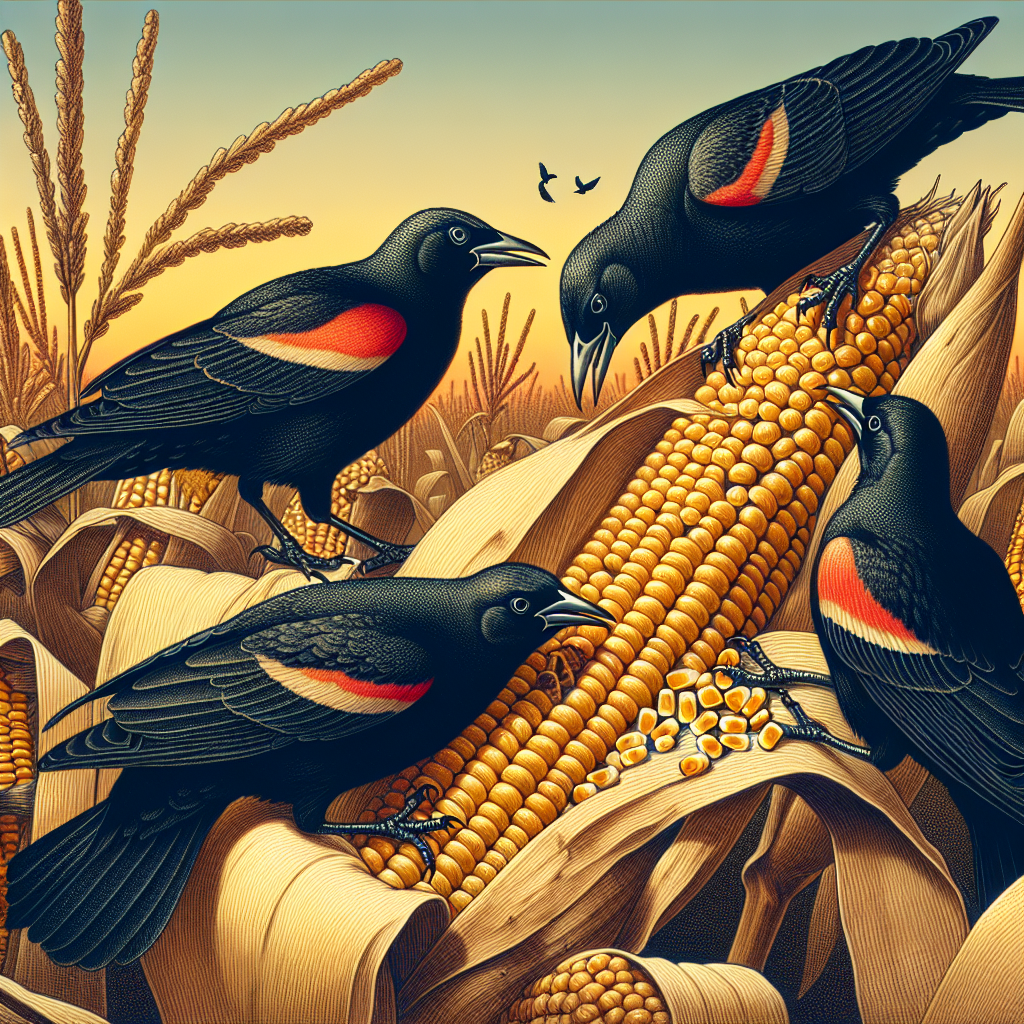
Introduction to Blackbirds
Blackbirds represent one of the most challenging vertebrate pests in modern agriculture, capable of devastating entire fields overnight due to their flocking behavior and opportunistic feeding. Common species include the red-winged blackbird (Agelaius phoeniceus), common grackle (Quiscalus quiscula), and various icterids, which congregate in massive numbers during migration and breeding seasons. These birds target ripening grains, fruits, and seeds, leading to yield losses estimated at millions annually across North America, Europe, and Asia. Understanding their behavior is crucial for effective management, as traditional scare tactics often fail against intelligent, adaptive flocks. This definitive guide equips farmers with professional diagnostic tools, lifecycle knowledge, organic control methods, and proactive prevention strategies to safeguard crops like corn, rice, and cherries.
In agricultural settings, blackbirds are drawn to open fields with high seed availability, exacerbating damage in monoculture systems. Their impact extends beyond direct consumption, as droppings contaminate produce and spread diseases, reducing marketability. Early detection and integrated pest management (IPM) are key to mitigating these losses, especially in organic farming where chemical avicides are prohibited. By combining cultural, physical, and biological controls, growers can reduce blackbird pressure by up to 80% without harming beneficial wildlife. For more on bird pests in general, see our detailed overview on Birds (pest).
Identifying Symptoms & Damage
Blackbird damage is unmistakable once flocks establish feeding patterns, but early signs allow for timely intervention. Primary symptoms include scattered seed loss in germinating fields, where bare patches appear as birds pull up and consume sprouts. In grain crops like wheat and corn, expect pecked ears or cobs with kernels missing, often accompanied by shiny black droppings on foliage and soil. Fruits such as grapes, strawberries, and cherries show deep beak punctures, leading to rot from exposed flesh.
Inspect fields at dawn or dusk when blackbirds are most active. Look for flocks roosting in nearby trees or marshes, a precursor to raids. Damage progression starts with seeds and greens, escalating to ripening fruits; severe infestations can strip 50-100% of exposed crop surfaces. Differentiate from other pests like deer or raccoons by the precise pecking patterns—blackbirds leave clean holes rather than tears. Secondary issues include mold growth in punctured fruits and attraction of fruit flies. Use binoculars for non-invasive scouting to avoid flushing flocks prematurely.
Quantitative assessment involves grid sampling: count damaged units per square meter and extrapolate losses. In rice paddies, submerged grains may show surface scavenging. Photographs under consistent lighting aid in documentation for insurance claims or cooperative management programs.
Lifecycle and Progression of Blackbirds
Blackbirds exhibit a distinct annual cycle influencing crop vulnerability. Breeding occurs in spring (March-May in temperate zones), with females laying 3-5 eggs per clutch in marshy nests. Juveniles fledge in 10-14 days, joining post-breeding flocks by June. Migration peaks in fall (August-October), concentrating massive groups—up to 100,000 birds—on grain fields. Winter roosts in the southern U.S. or tropics disband by early spring, restarting the cycle.
Progression in crops aligns with phenology: seedlings attract fledglings, milk-stage grains draw migrants, and soft fruits lure breeders. Adults live 5-10 years, gaining foraging intelligence over time, making repeat offenders harder to deter. Population booms follow mild winters with abundant food, amplifying pressure. Eggs hatch in 11-12 days; fledglings are vulnerable but quickly learn crop raiding from elders. Monitoring local banding data or eBird apps predicts influxes.
In tropical regions, resident populations raid year-round, targeting mango and sorghum. Understanding this lifecycle enables timed interventions, such as nest disruption pre-fledging or roost dispersal during migration.
Environmental Triggers & Risk Factors
Blackbirds thrive in landscapes with fragmented habitats, where agricultural fields abut wetlands or woodlands providing roosts. Proximity to water sources (<2 km) heightens risk, as do large, uniform fields (>10 ha) lacking visual barriers. Ripening crops emitting volatile compounds signal feeding sites, compounded by drought-stressed plants offering easier access. Overwintering residues like unharvested grains act as attractants, drawing flocks prematurely.
Climate change extends breeding seasons, increasing overlap with harvests. High insect populations early season reduce crop pressure, but pesticide overuse eliminates this buffer, funneling birds to grains. Monocrops like soybeans or sunflower amplify vulnerability versus diversified rotations. Poor timing of irrigation creates muddy fields ideal for probing. Risk mapping via GIS identifies hotspots; buffer strips of clover or yarrow mitigate by diversifying habitat. Check out Spring Pest Patrol: Organic AI Strategies to Shield Your Crops from Common Invaders for predictive tools.
Organic Control & Treatment Plans
Organic management emphasizes IPM layering multiple tactics. Cultural Controls: Harvest promptly and incorporate residues to eliminate food sources. Plant trap crops like millet away from valuables to divert flocks.
Physical Barriers: Overhead netting on high-value blueberry or cherry blocks access, though costly for grains. Row covers protect seedlings; reflective tapes or mylar balloons create motion-triggered flashes.
Scare Devices: Propane cannons, pyrotechnics, and laser systems disrupt patterns—rotate daily to prevent habituation. Dogs or falcons provide active deterrence.
Biological Controls: Encourage predators like hawks via perches; barn owls (if available) target roosts. Avian-safe audio lures distress calls.
Treatment Timeline: Scout weekly; deploy scares at first sighting. For severe cases, habitat modification like draining marshy roosts. Monitor efficacy with before/after counts. Costs average $20-50/ha, far below losses.
Integrated plans reduce damage 70-90%; consult local extension for species-specific tweaks.
Preventing Blackbirds in the Future
Long-term prevention builds resilient systems. Diversify crops spatially/temporally to disrupt feeding cues—interplant grains with unpalatable Thai basil. Maintain 10-20% non-crop buffers with dense vegetation. Early planting evades peak migration; resistant varieties like bird-repellent coated seeds emerge.
Landscape engineering includes windbreaks and ponds away from fields. Community coordination synchronizes scares across farms. Tech like drones for roost surveillance enhances precision. Annual audits refine strategies; youth education fosters stewardship. Sustainable prevention yields ROI via sustained harvests.
Crops Most Affected by Blackbirds
Blackbirds preferentially target high-energy seeds and fruits. Top victims: Corn (ear stage losses 20-50%), rice (milky grains), wheat (head ripening). Fruits like grapes, cherries, strawberries, and sunflower seeds suffer heavily. Sorghum and oats face similar raids. Orchards (apple, cherry) see blossom/fruit drop. Diversification mitigates risk across these staples.