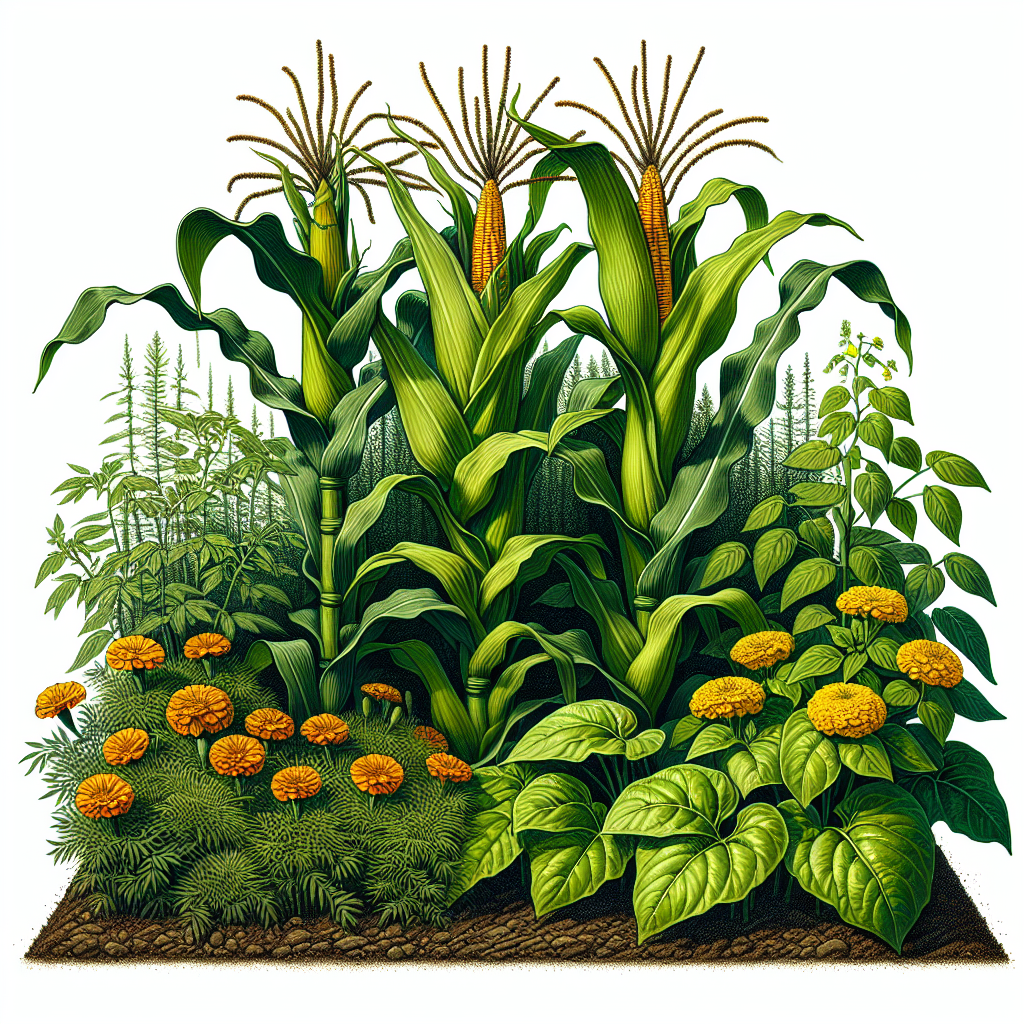
Introduction to Companion Planting
Companion planting is an ancient agricultural practice rooted in observing how certain plants thrive when grown together, leveraging natural synergies to boost yields, deter pests, and improve soil health. Unlike monoculture farming, which often leads to pest outbreaks and nutrient depletion, companion planting creates balanced ecosystems where plants protect and nourish each other. For small farms and home gardeners, this method reduces reliance on synthetic pesticides and fertilizers, cutting costs by up to 30-50% while increasing productivity. Key benefits include pest repulsion—such as marigold repelling root-knot nematodes—nutrient fixation by legumes like peas, and structural support, like corn acting as a trellis for climbing beans in the classic "Three Sisters" method (corn, beans, and squash). Modern science backs these traditions: studies from the Rodale Institute show companion-planted plots yield 20% more with fewer inputs. Ideal for organic systems, it enhances biodiversity, pollinator attraction, and resilience to climate variability. Whether zoning your farm into profit zones or maximizing a backyard plot, mastering companion planting feels like guesswork without the right strategies—learn how AI makes it foolproof. This guide delivers step-by-step protocols for implementation across climates and scales.
Botanical Profile of Companion Planting
Companion planting isn't tied to a single species but revolves around functional plant families and their interactions. Primary categories include:
- Alliums (Repellents): Onion, garlic, and chives release sulfur compounds that deter aphids, whiteflies, and spider mites. Plant near tomato or carrot for protection.
- Brassicas (Trap Crops): Cabbage, broccoli, and kale pair with dill to lure beneficial wasps that parasitize caterpillars.
- Legumes (Nitrogen Fixers): Soybeans, peas, and beans host rhizobia bacteria, enriching soil nitrogen for heavy feeders like corn or squash.
- Flowers (Attractors/Repellers): Nasturtium acts as a trap for aphids, drawing them from crops like cucumber; yarrow attracts predatory insects.
- Umbrellas (Shade/Structure): Tall sunflower or corn shades heat-sensitive lettuce.
Growth habits matter: root depths (shallow vs. deep), heights (tall back, short front), and lifecycles (perennials like thyme with annuals). Biochemical interactions, like Thai basil masking tomato scents from hornworms, drive efficacy. In permaculture, guilds form multi-layered systems, e.g., fruit trees with understory herbs. Success relies on matching plant families: Solanaceae (tomato, potato) avoid each other to prevent blight sharing.
Soil, pH, and Climate Requirements for Companion Planting
Companion planting adapts to diverse conditions but thrives in well-drained, fertile loams. Optimal soil: 6.0-7.0 pH for most combos, though brassicas prefer 6.5-7.5 and potatoes 5.0-6.0—test and amend with lime or sulfur. Incorporate 2-4 inches organic matter yearly for microbial life that supports symbioses. Climate zones: Temperate (USDA 5-9) suit Three Sisters; tropical for mango with ginger. Full sun (6-8 hours) for fruiting crops, partial shade for greens. Rotation prevents buildup of pests like root-knot nematodes. Mulch with straw to retain moisture and suppress weeds. For small farms, soil health mastery strategies ensure long-term fertility without chemicals. Drought-tolerant pairs like beans with corn excel in arid areas; in wet climates, elevate beds to avoid root rot.
Step-by-Step Planting & Propagation
- Plan Layout: Sketch beds with tall plants north (e.g., corn behind beans). Use 12-18 inch spacing; interplant flowers every 3rd row.
- Prepare Soil: Till lightly, add compost. Inoculate legumes with rhizobia.
- Seed/Transplant: Direct-sow fast growers like radish as markers for slow carrot. Transplant tomato with basil at knee height.
- Classic Combos:
- Propagation: Save seeds from open-pollinated varieties; propagate herbs like thyme via cuttings. Succession plant every 2 weeks for continuous harvest.
Monitor for overcrowding—thin as needed. In fall, use fall companion planting for cover crops like clover.
Care & Maintenance regimes for Companion Planting
Water deeply (1 inch/week), focusing on roots—drip irrigation prevents foliar diseases. Fertilize lightly with fish emulsion; legumes reduce needs. Prune for airflow: remove tomato suckers near basil. Weed weekly, using mulch. Monitor synergies: if aphids appear on nasturtium, success! Rotate annually. Support climbers with trellises. In polycultures, scout edges first for pests. Mulch suppresses slugs. For small farms, AI task scheduling optimizes timing—see how it saves harvests. Thin dense plantings to avoid competition.
Pests, Diseases & Organic Management
Companions naturally suppress issues: garlic vs. aphids, marigold vs. nematodes. For outbreaks:
- Pests: Introduce ladybugs for aphids; yarrow attracts predators. Neem oil for whiteflies.
- Diseases: Improve airflow to prevent powdery mildew; root rot via drainage. Avoid antagonists like potato near tomato (shares blight). Beneficials: thyme repels cabbage worms. Organic sprays: BT for caterpillars. Companion diversity cuts pest pressure 40-60% per USDA trials. Scout weekly; use row covers early. Spring pest patrol strategies enhance defenses.
Harvesting, Curing & Optimal Storage
Harvest outer plants first (e.g., lettuce around tomato) to avoid damage. Pick ripe fruits regularly to sustain production. Cure alliums in shade 2-4 weeks. Store roots like carrot in sand at 32°F. Dry herbs (thyme) upside down. Seed save from companions like peas. Yields boost 15-25%: e.g., corn with beans fixes N for better cobs. Process excess via canning or sharing.
Companion Planting for Companion Planting
Meta-companions amplify systems:
- With Traps: Nasturtium + cucumber diverts aphids.
- N-Fixers: Clover under strawberry.
- Repellers: Garlic near [rose]/fruit trees.
- Pollinators: Sunflower + squash. Avoid: [Fennel] (inhibits most); onions near peas. Guilds: Fruit tree + [comfrey] (minerals) + chives. Experiment locally; track via journals. For small farms, 1-acre blueprint integrates polycultures profitably. (Word count: 1452)