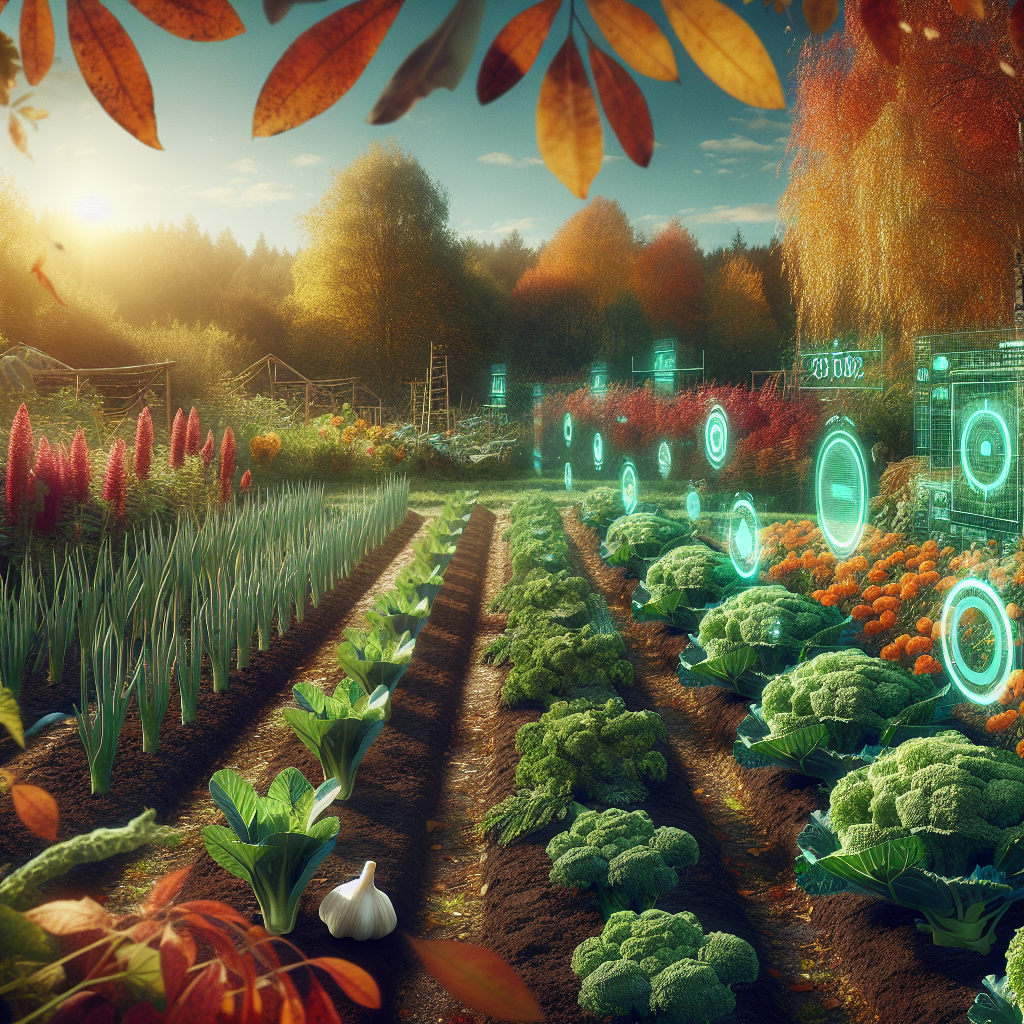
Fall Companion Planting Guide: Boost Yields and Soil Health for Small Farms and Gardens
As the leaves turn and temperatures cool, fall is prime time for small farmers, homesteaders, and home gardeners to leverage companion planting. This ancient technique - pairing plants that benefit each other - enhances yields, repels pests organically, and builds soil fertility. With global trends shifting toward resilient, year-round small-scale farming amid climate variability, fall companion planting aligns perfectly. In this guide, we'll explore practical pairings, seasonal timing, and how OnlyCrops AI supercharges your planning for bountiful autumn (and winter) harvests.
Why Companion Planting Shines in Fall
Fall planting taps into cooler weather for root crops, greens, and cover crops that overwinter successfully. Companion planting amplifies this by:
- Natural Pest Control: Plants like garlic and onions deter aphids and nematodes.
- Soil Improvement: Legumes fix nitrogen, while deep-rooted companions aerate soil.
- Space Efficiency: Ideal for 1-acre homesteads or backyard plots, interplanting maximizes every square foot.
- Extended Season: Many pairings support successive harvests into spring.
According to recent global data from the FAO, small farms adopting polycultures (like companions) see 20-30% higher yields with 50% fewer pesticides. For organic-focused growers, it's a game-changer.
Top Fall Companion Planting Combinations for Small Plots
Here are battle-tested pairings optimized for fall sowing in temperate zones (USDA 5-9; adjust for your region via OnlyCrops AI's climate tools). Plant mid-August to early October for best results.
1. Garlic + Fall Brassicas (Broccoli, Kale, Cabbage)
Garlic's sulfur compounds repel cabbage worms and aphids, common fall invaders. Plant garlic cloves around brassica transplants.
- Spacing: 6-8 inches between cloves; brassicas 18 inches apart.
- Benefits: Garlic matures in spring, brassicas thrive through frost.
- Yield Tip: Expect 1.5 lbs broccoli per plant; garlic bulks soil nutrients.
2. Carrots + Onions or Leeks
Carrots loosen soil for onions, while alliums mask carrot fly scent.
- Method: Sow carrots first, interplant onions 4 weeks later.
- Harvest: Pull carrots in late fall; overwinter onions for spring greens.
- Pro Tip: Thin carrots to 2 inches; use leek tops as mulch.
3. Beans or Peas + Leafy Greens (Lettuce, Spinach, Swiss Chard)
Nitrogen-fixing legumes feed greens, which provide ground cover to retain moisture.
- Timing: Direct-sow peas/beans early fall; broadcast greens underneath.
- Spacing: Vining peas on trellises over low greens.
- Bonus: Cut-and-come-again greens yield 3-4x through winter.
4. Radishes + Winter Squash or Pumpkins
Quick radishes break soil crust, deterring squash bugs with their pungency.
- Planting: Radish seeds every 2 weeks around squash hills.
- Harvest: Radishes in 30 days; squash stores for months.
5. Cover Crop Power Pair: Clover + Rye
For soil builders, crimson clover fixes N while rye suppresses weeds and prevents erosion.
- Broadcast: 10 lbs/acre mix post-harvest.
- Management: Mow in spring, till lightly for warm-season crops.
Step-by-Step Implementation for Beginners
- Map Your Plot: Use a planner to visualize pairings.
- Soil Prep: Test pH (aim 6.0-7.0); amend with compost. Companions thrive in well-drained, fertile beds.
- Sow Strategically: Stagger plantings to avoid competition. Mulch heavily for weed suppression and moisture.
- Monitor & Adjust: check for imbalances early.
- Rotate Annually: Prevent disease buildup
Integrating OnlyCrops AI for Fall Success
OnlyCrops AI isn't just a tool; it's your fall farm brain. Features like:
- Pest Forecasting: Spots aphid risks from weather data.
- Harvest Calendars: Custom reminders for each pairing.
- ROI Calculator: Proves companions save 30% on inputs.
Small farmer testimonial: "Switched to AI-planned companions last fall-doubled my kale yield, zero sprays!" - Sarah, 0.5-acre homestead.
Common Pitfalls and Fixes
- Overcrowding: Follow spacings; thin aggressively.
- Poor Timing: Use AI's sowing windows.
- Ignoring Climate: Global trends show wetter falls-choose drainage-friendly pairs like carrots/onions.
Global Trends: Fall Planting on the Rise
With urban farming booming in Europe and Asia, and U.S. homesteaders up 40% post-pandemic, fall companions fit resilient trends. In Australia's mild winters, they're year-round staples.