Encyclopedia
Definitive guides for crops, pests, and agricultural diseases.

Okra (Burgundy)
Okra (Burgundy) is a striking red-podded heirloom-type okra grown for both ornamental value and productive harvests of tender edible pods. It thrives in hot weather, fertile well-drained soil, and full sun, and rewards attentive picking with a long, steady harvest season. Compared with standard green okra, Burgundy stands out for its deep wine-red stems and pods, though the color softens during cooking.
View Guide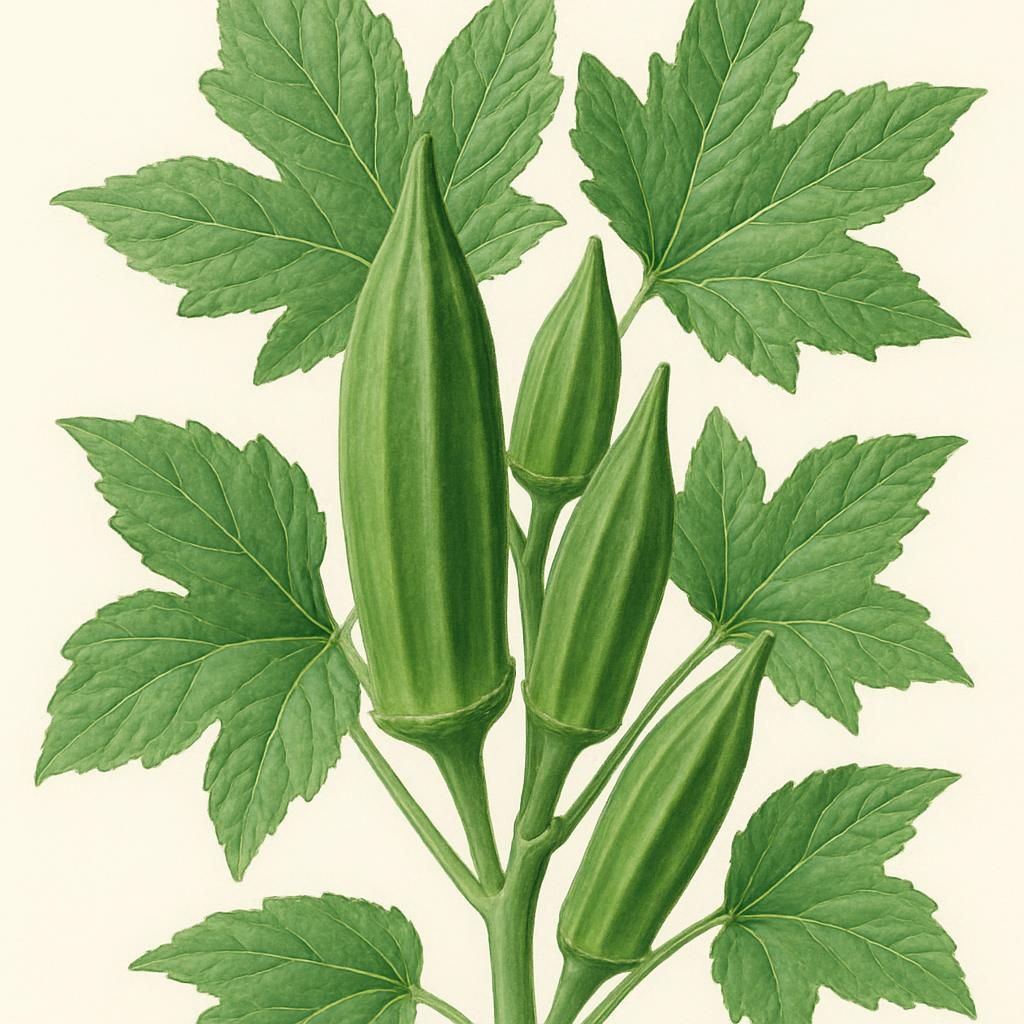
Okra (Clemson Spineless)
Clemson Spineless okra is a popular, spineless variety known for its tender texture and excellent productivity. Ideal for warm climates, it thrives in sunny conditions and well-drained soil, producing edible pods rich in fiber and vitamins.
View Guide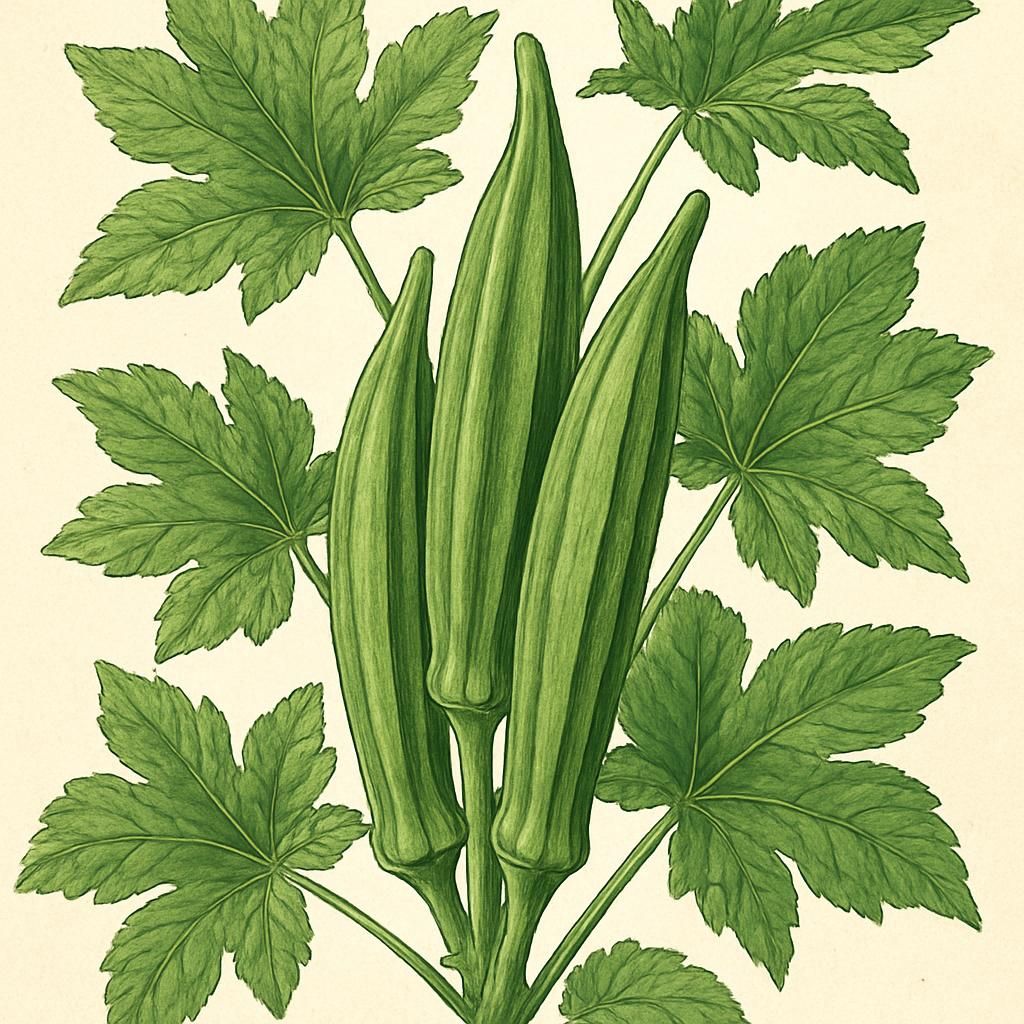
Okra (Cow Horn)
Okra (Cow Horn) is a unique variety of okra known for its long, slender pods that can grow up to 14 inches in length, offering a distinctive tender-crisp texture. Ideal for warm climates, it requires well-drained, fertile soil and full sunlight.
View Guide
Okra (Emerald)
Okra (Emerald) is a classic open-pollinated green okra variety valued for its deep emerald pods, vigorous warm-season growth, and dependable harvests over a long picking window. It performs best in heat, full sun, and fertile, well-drained soil, rewarding attentive growers with tender pods ideal for fresh cooking, pickling, and market production.
View Guide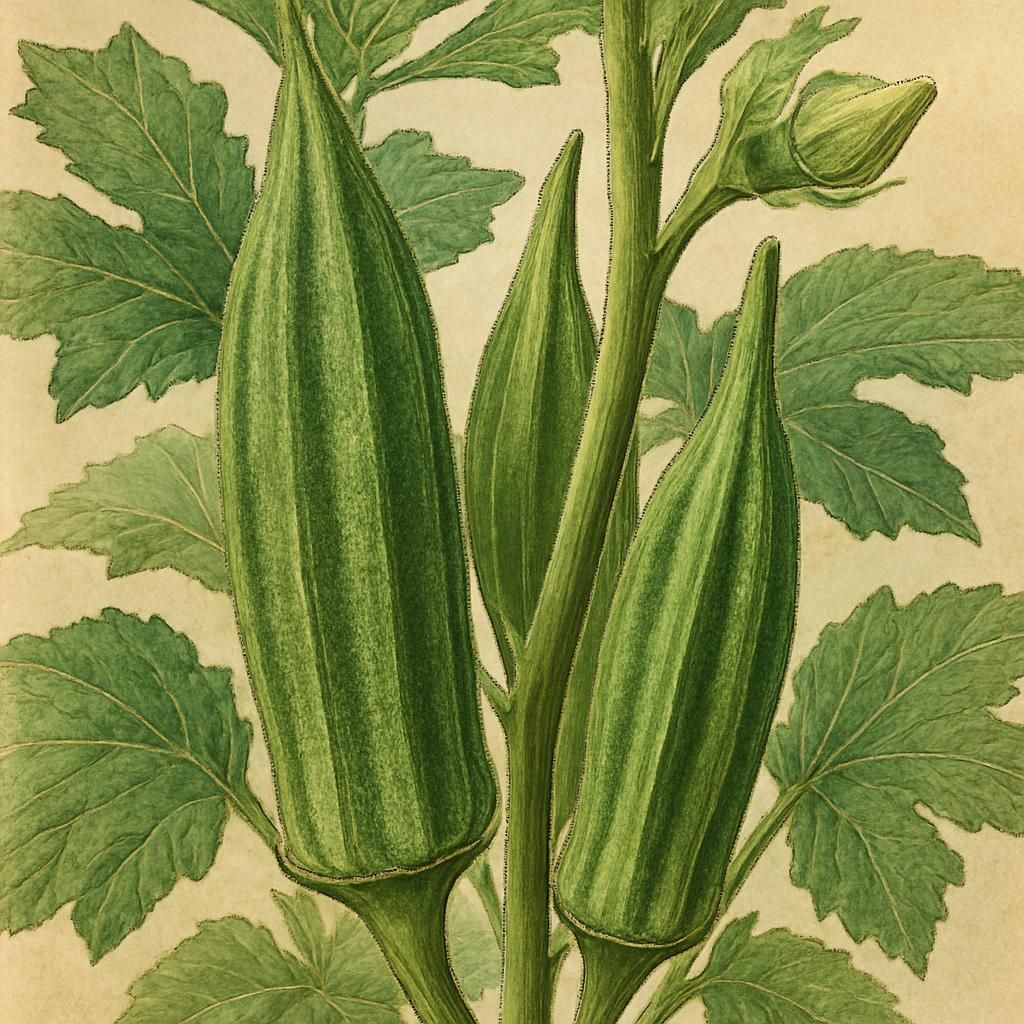
Okra (Hill Country Heirloom)
Hill Country Heirloom is a vigorous, open-pollinated variety of okra known for its resilience in warm climates and its bountiful production of tender, green pods.
View Guide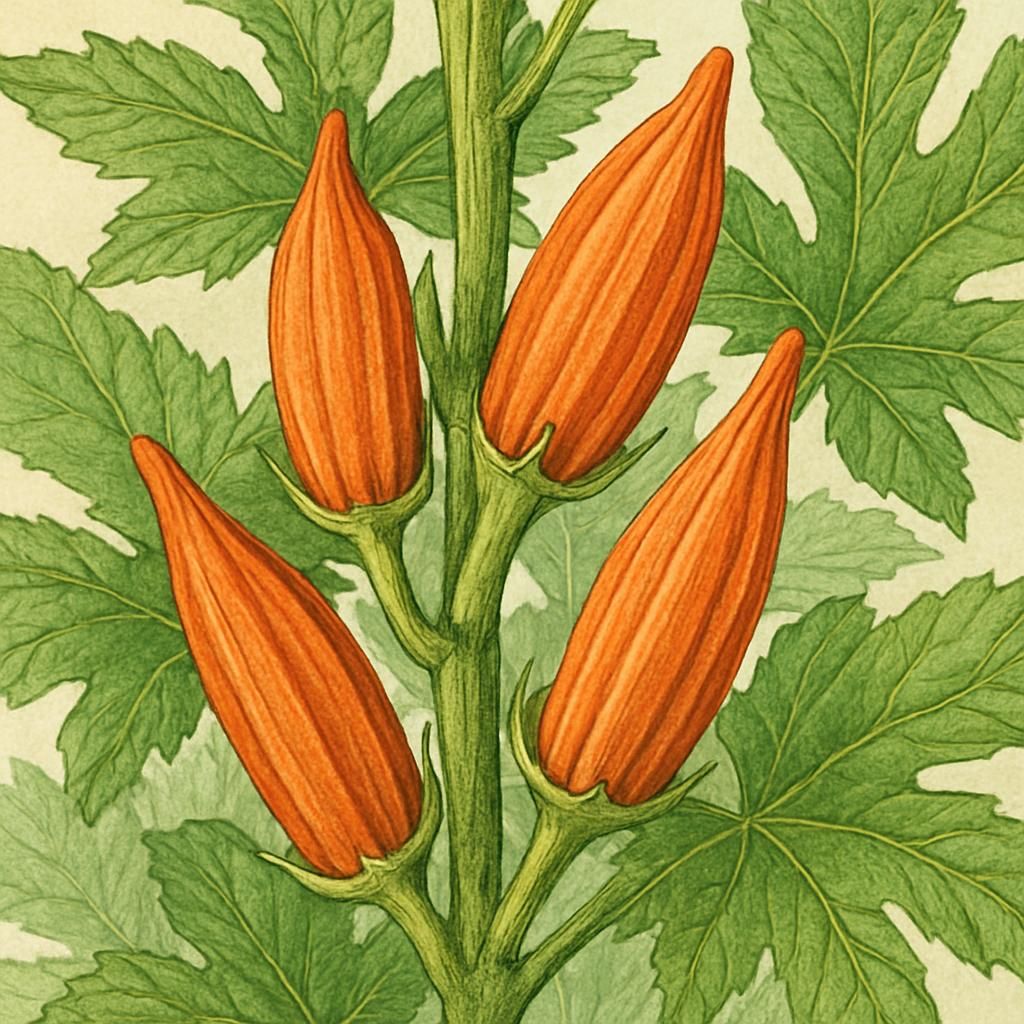
Okra (Jing Orange)
Jing Orange Okra is a unique and visually striking variety of okra known for its vibrant orange pods. It's a warm-season vegetable that thrives in tropical and subtropical climates, requiring minimal maintenance once established.
View Guide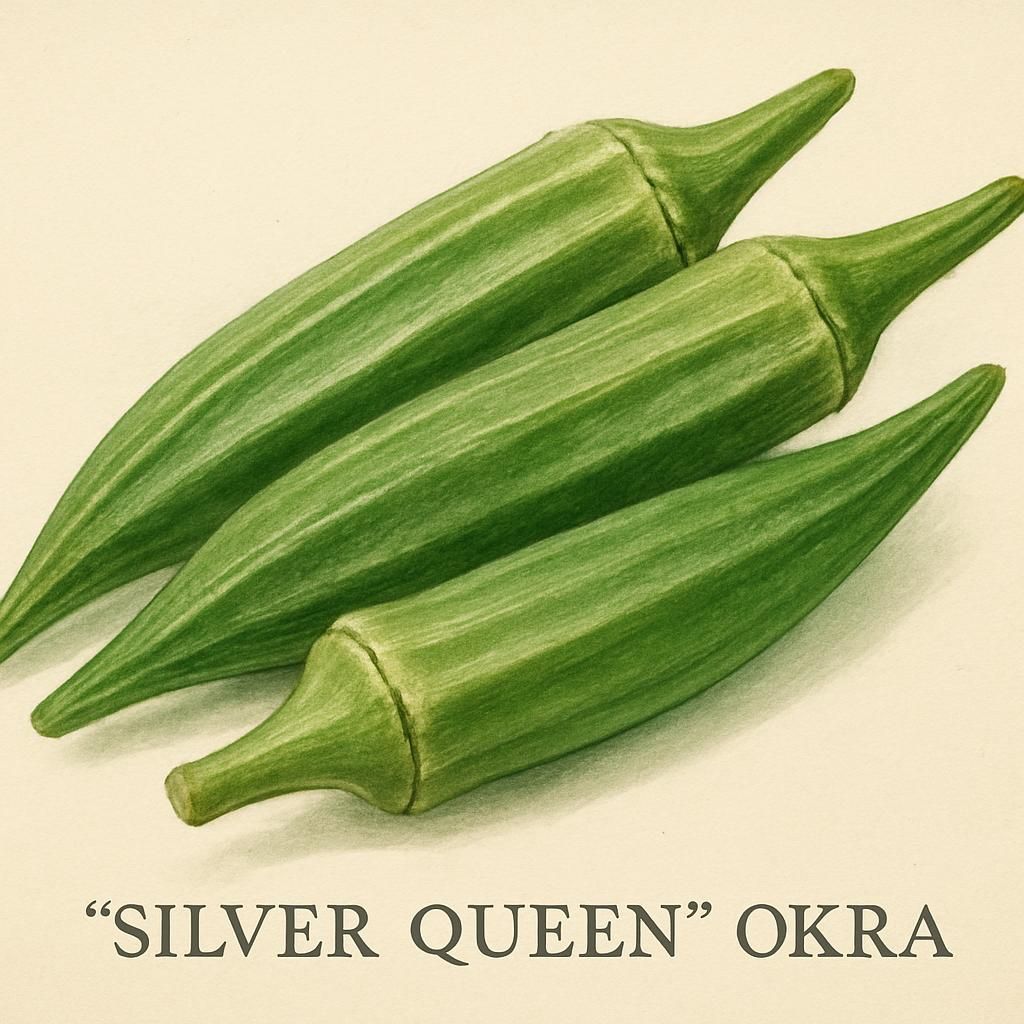
Okra (Silver Queen)
Okra 'Silver Queen' is a high-yielding, heat-loving cultivar known for its succulent, tender pods. It's ideal for summer planting and thrives in warm climates, providing nutritious harvests rich in fiber and vitamins.
View Guide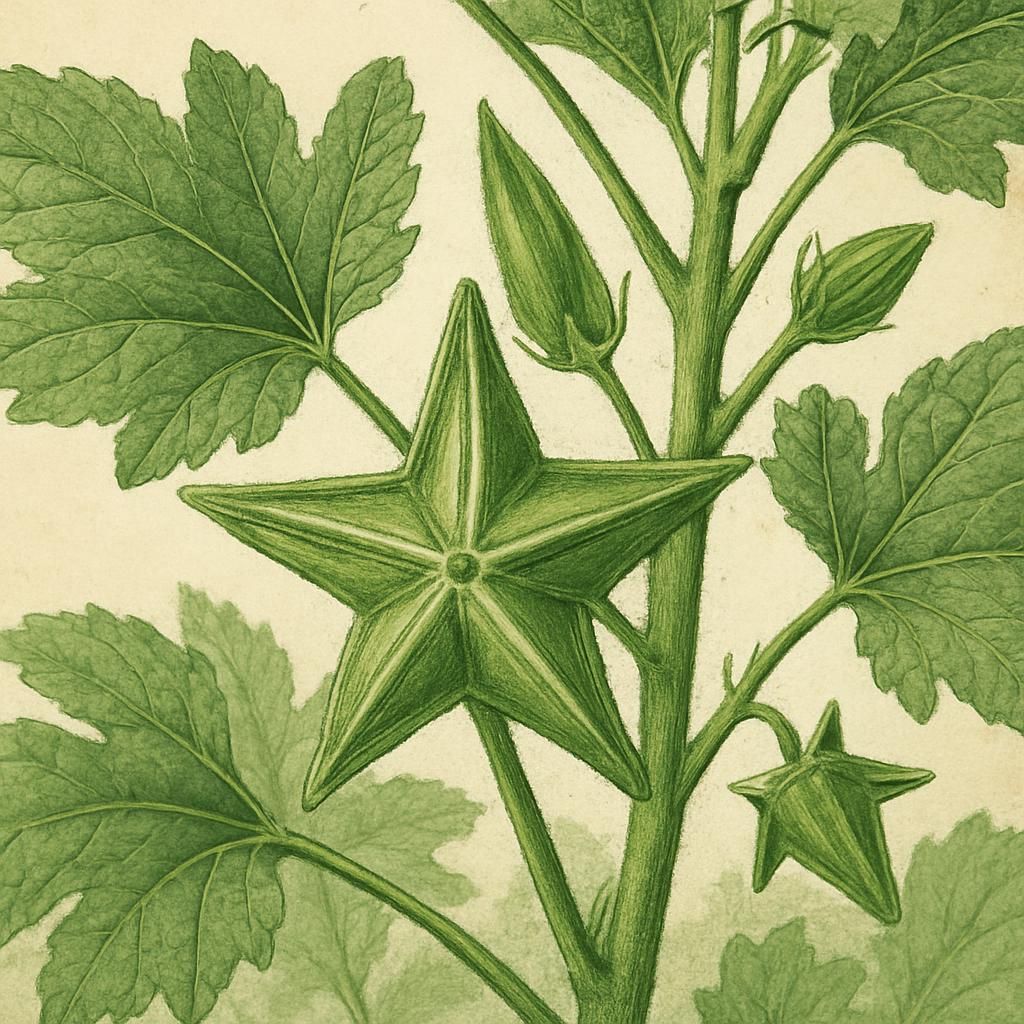
Okra (Star of David)
The Star of David okra is a unique cultivar known for its large, ribbed pods and strong heat tolerance, making it a favorite among gardeners in hot climates. Its pods are ideal for both fresh consumption and pickling.
View Guide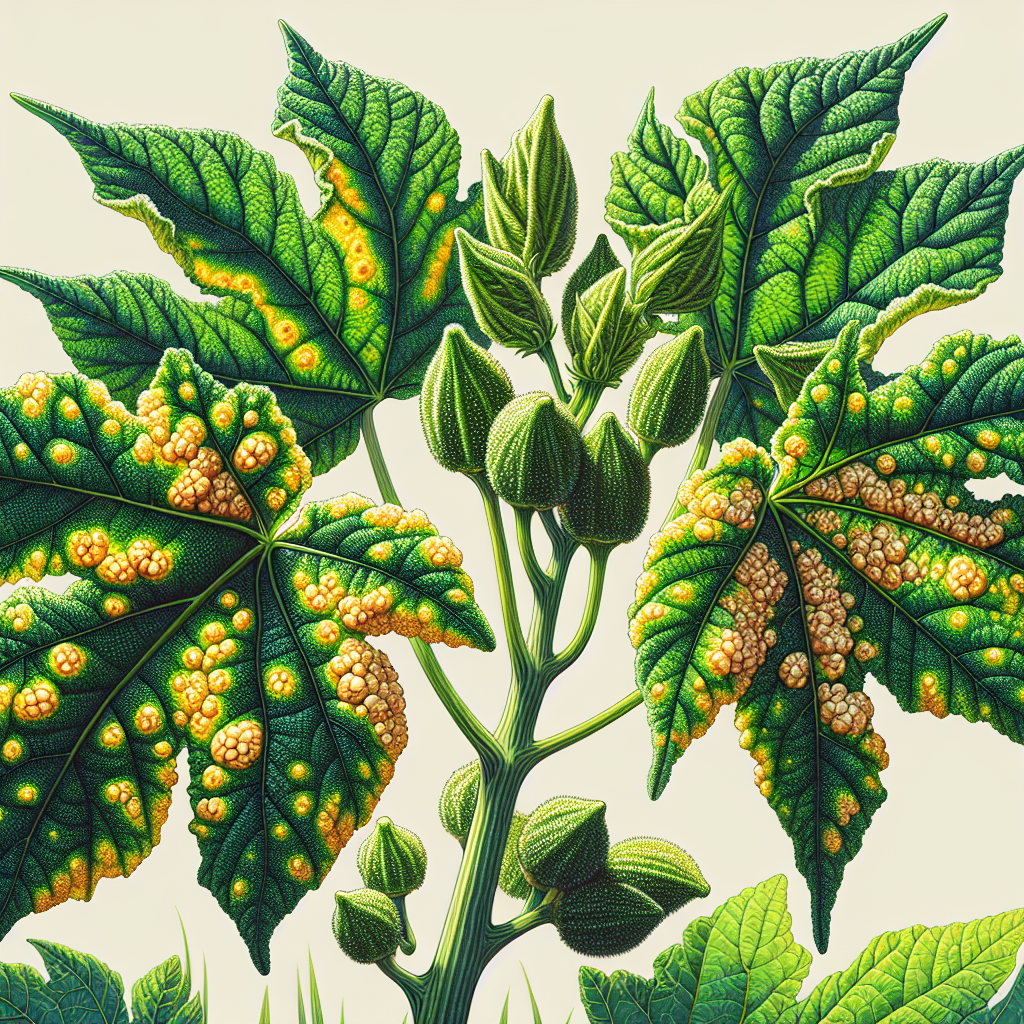
okra mosaic
Okra mosaic is a viral disease primarily transmitted by aphids, causing severe mosaic patterns, leaf distortion, and stunted growth in okra plants, leading to significant yield losses. Early identification and management through vector control and resistant varieties are crucial for minimizing damage. This guide provides comprehensive diagnostic, organic control, and prevention strategies for okra growers.
View Profile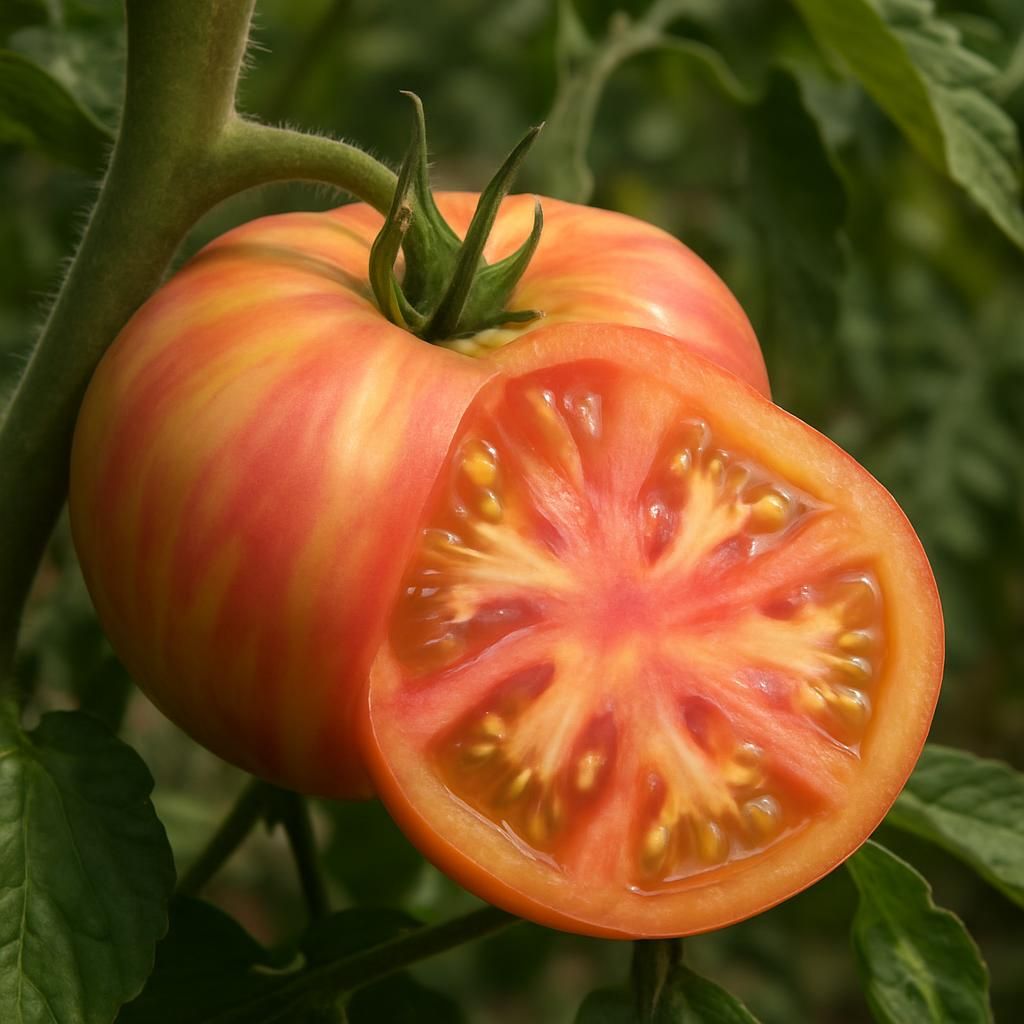
Old German Tomato
Old German Tomato is a rare, large, bi-colored heirloom variety prized for its exceptional flavor and striking pink-and-yellow marbled flesh. Originating from Amish communities in the United States, this indeterminate beefsteak-type tomato delivers sweet, low-acid fruit ideal for fresh eating, slicing, and gourmet markets. With proper care, it produces heavy yields on vigorous vines suited to home gardens and small-scale farms.
View Guide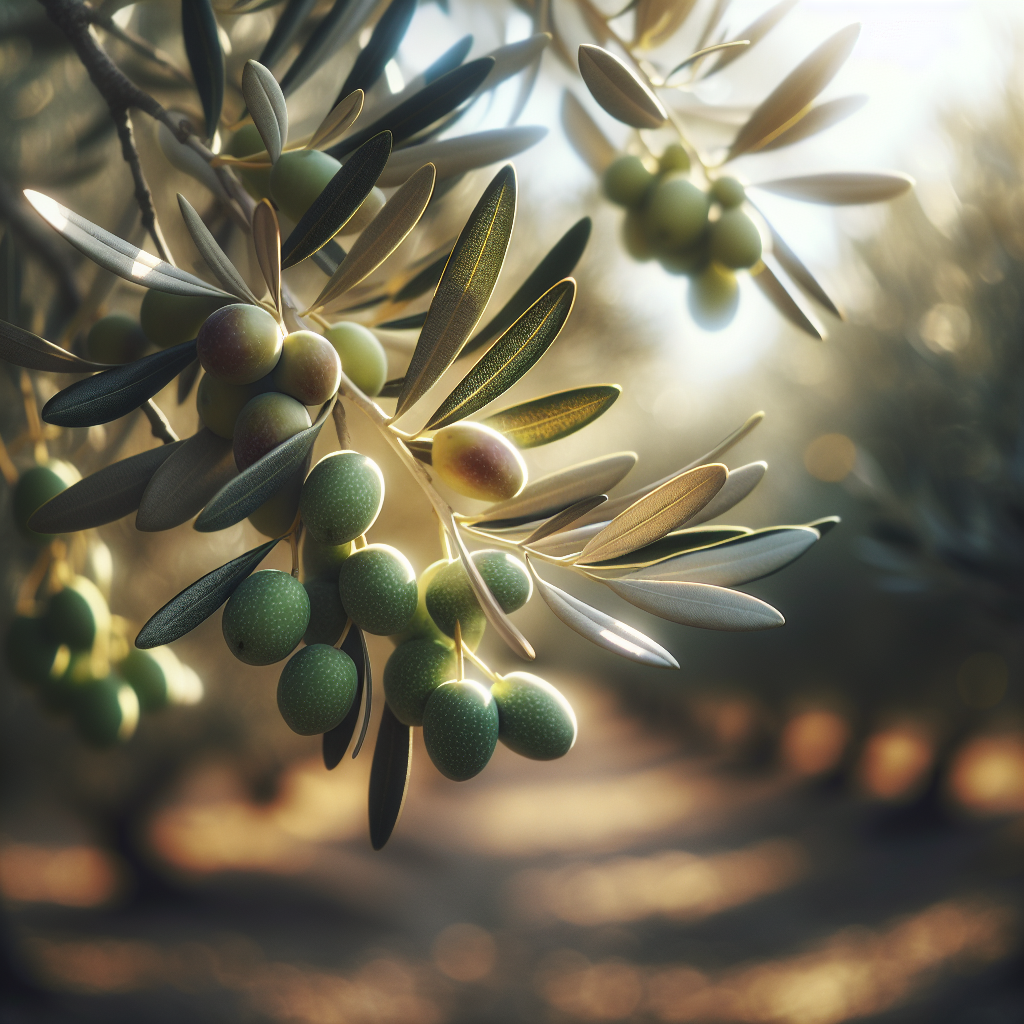
Olive
Olive is a long-lived Mediterranean fruit tree prized for both table olives and oil production, valued for its drought tolerance, silvery evergreen foliage, and exceptional adaptability to marginal soils when drainage is excellent. While mature trees are resilient, high yields and premium fruit quality depend on careful attention to cultivar choice, chill requirement, irrigation timing, pruning structure, and disease prevention.
View Guide
Olive (Arbequina)
Arbequina is a compact, highly productive olive cultivar prized for early bearing, adaptability, and excellent oil quality. Originating in northeastern Spain, it performs especially well in Mediterranean-type climates and is widely used in both traditional orchards and modern high-density systems. With proper drainage, disciplined irrigation, and careful canopy management, Arbequina can deliver reliable yields of small, aromatic fruit for oil and table use.
View Guide
Olive (Frantoio)
Olive (Frantoio) is a classic Tuscan olive cultivar prized worldwide for producing premium extra virgin olive oil with a balanced, fruity, peppery profile. It is vigorous, adaptable, and relatively productive, but it performs best when growers understand its Mediterranean climate needs, careful irrigation management, and disciplined pruning for light and airflow.
View Guide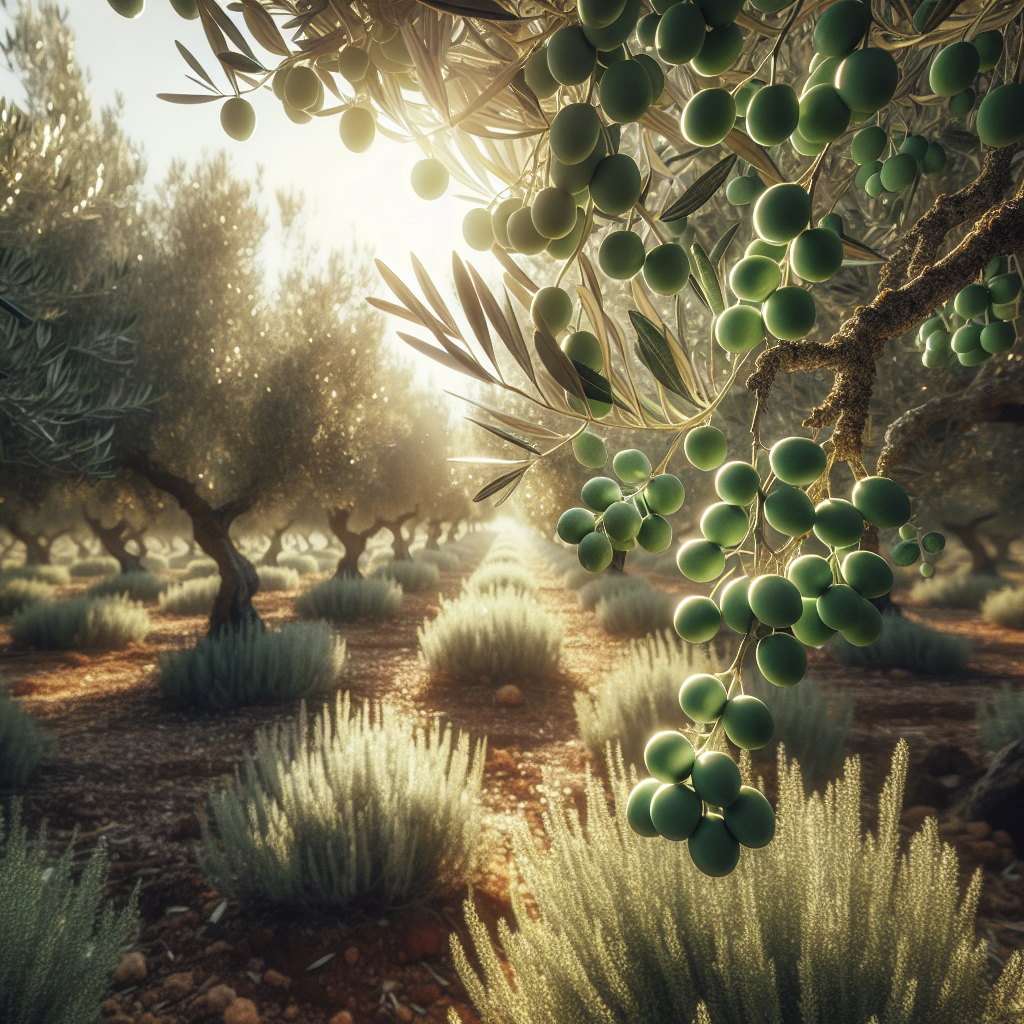
Olive (Manzanilla)
Olive (Manzanilla) is one of the world's classic Spanish table olive cultivars, prized for its medium size, rounded fruit shape, high flesh-to-pit ratio, and excellent brining quality. It is adaptable, productive under Mediterranean conditions, and also valued as a pollinizer, but it performs best when growers carefully manage drainage, pruning, irrigation timing, and harvest maturity.
View Guide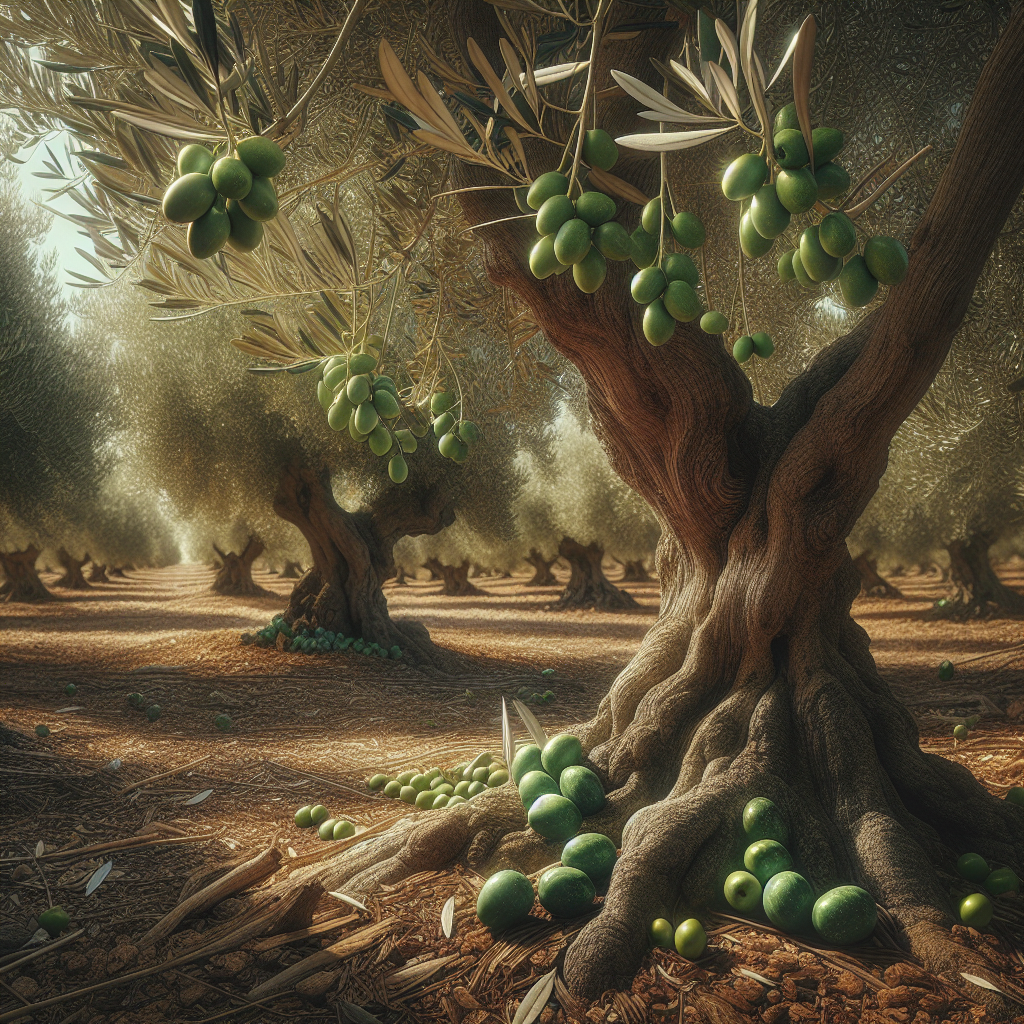
Olive (Sevillano)
Olive (Sevillano) is a classic large-fruited Spanish table olive valued for its size, mild flavor, and suitability for green processing. It performs best in Mediterranean-type climates with dry summers, excellent drainage, and disciplined irrigation, pruning, and disease management to maintain fruit size and tree longevity.
View Guide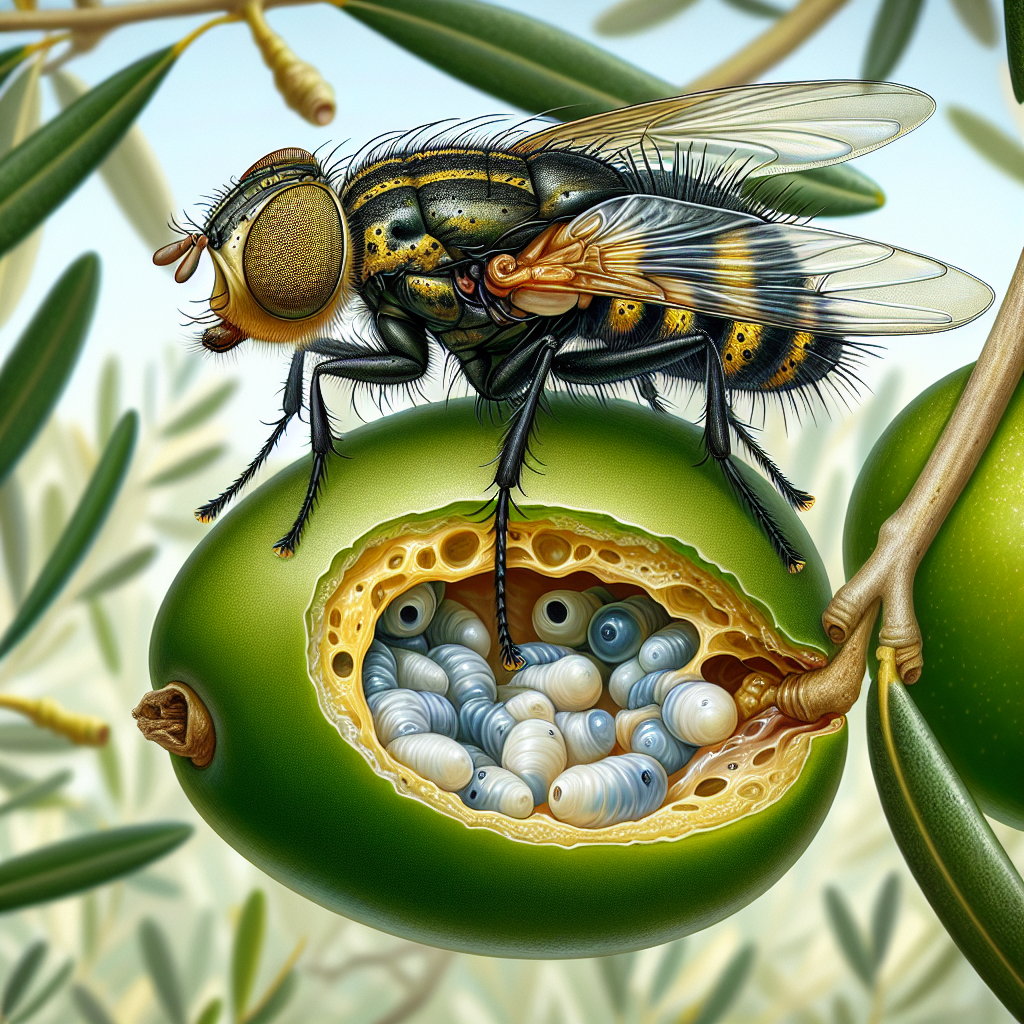
Olive fruit fly
The olive fruit fly (Bactrocera oleae) is a highly destructive pest targeting olive crops worldwide, causing significant yield losses through larval feeding inside developing fruits. Effective management combines monitoring, organic controls like protein baits and kaolin clay, and cultural practices to minimize damage. This guide provides diagnostic symptoms, lifecycle details, and proven strategies for olive growers to protect their harvests.
View Profile
Olive knot
Olive knot is a bacterial disease caused by Pseudomonas syringae pv. savastanoi, leading to tumor-like galls on olive tree branches, trunks, and twigs. It weakens trees, reduces yields, and spreads via wounds and contaminated tools. Effective management relies on prevention, cultural practices, and organic treatments.
View Profile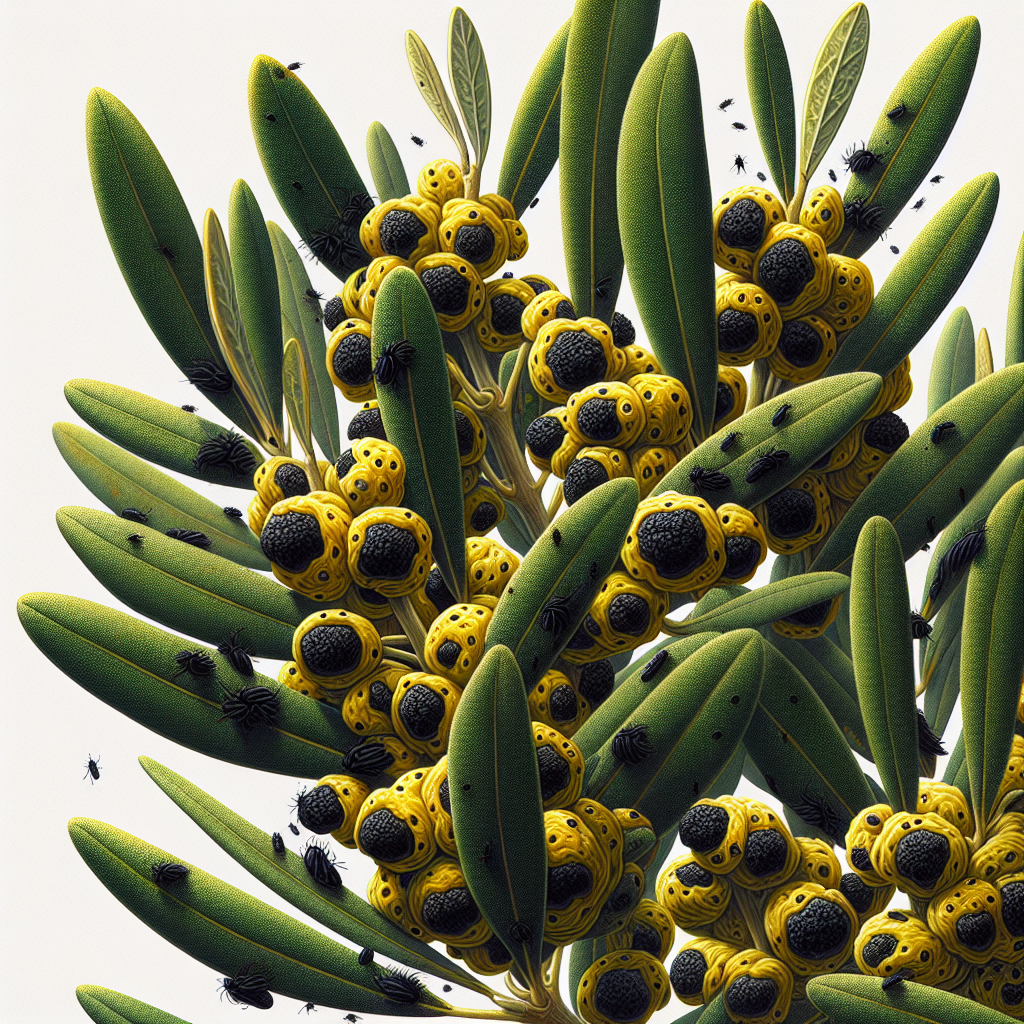
Olive Leaf Scab
Venturia oleaginea, commonly known as olive leaf scab, is a fungal pathogen causing significant defoliation and reduced yields in olive groves worldwide. This guide provides comprehensive diagnostics, organic management strategies, and prevention tactics tailored for olive growers. Early identification and cultural practices are key to minimizing economic losses from this persistent disease.
View Profile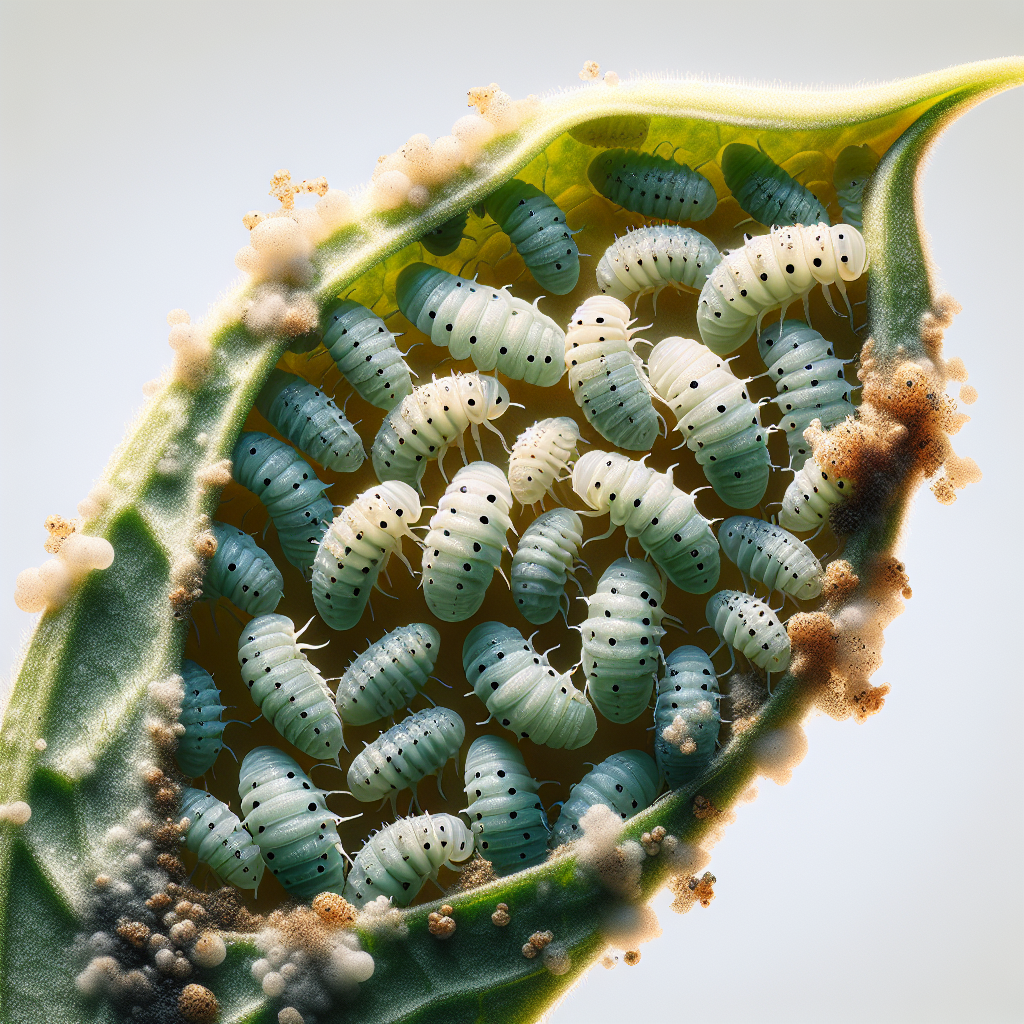
Olive psyllid
The olive psyllid (Eugenioza olivi) is a small sap-sucking insect that targets olive trees, causing leaf curling, honeydew production, and sooty mold growth. Effective management relies on early detection, organic treatments like insecticidal soaps, and cultural practices to disrupt its lifecycle. This guide provides comprehensive diagnostics, organic control strategies, and prevention tips for olive growers.
View Profile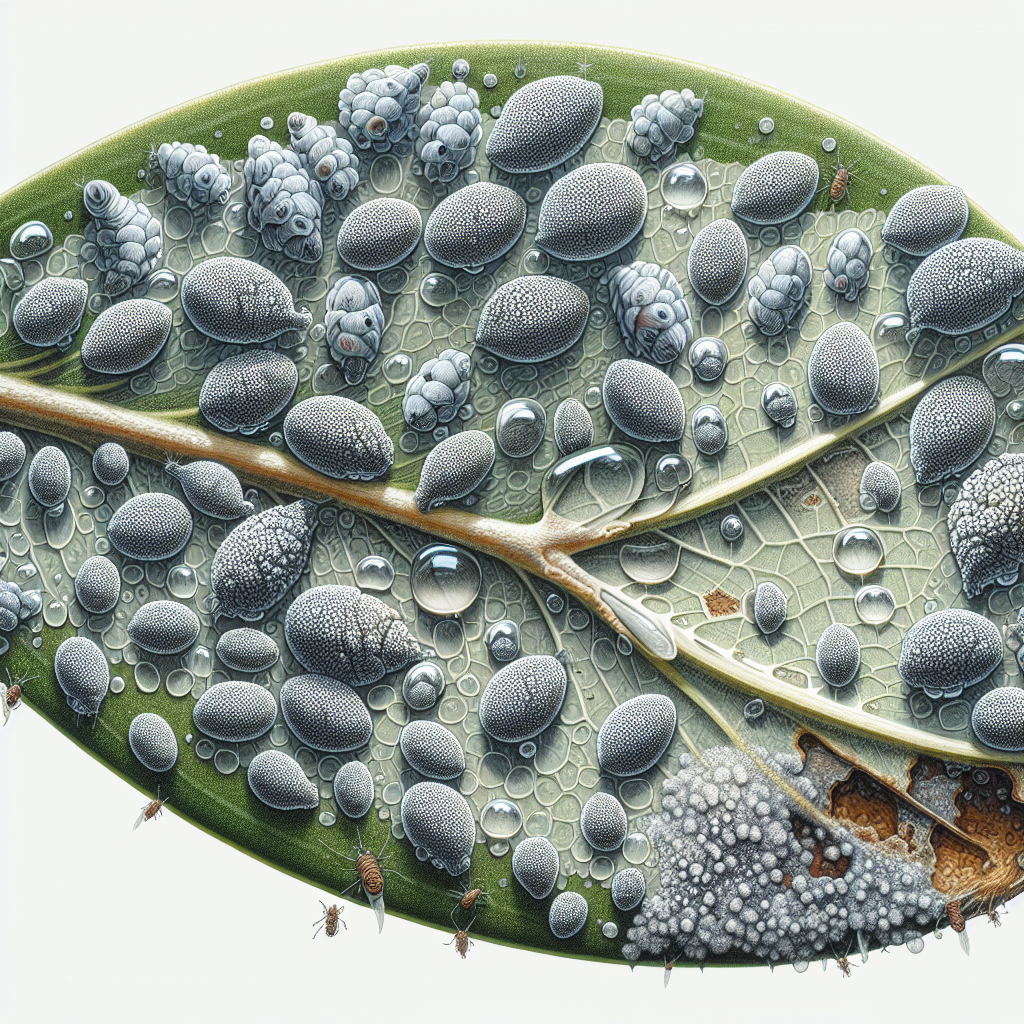
Olive scale
Olive scale (Parlatoria oleae) is a pervasive armored scale insect that infests olive trees, sucking sap and weakening productivity. This guide covers identification, lifecycle, organic management, and prevention strategies for olive growers. Effective control combines cultural practices, biological agents, and timely interventions to protect yields.
View Profile
Omnivorous leafroller
The omnivorous leafroller (Platynota stultana) is a highly destructive moth pest native to the western United States, notorious for feeding on over 100 plant species including fruits, vegetables, and ornamentals. Its larvae roll and tie leaves together with silk, creating protected feeding sites that lead to significant crop damage. Effective management combines cultural practices, biological controls, and targeted organic treatments for sustainable control.
View Profile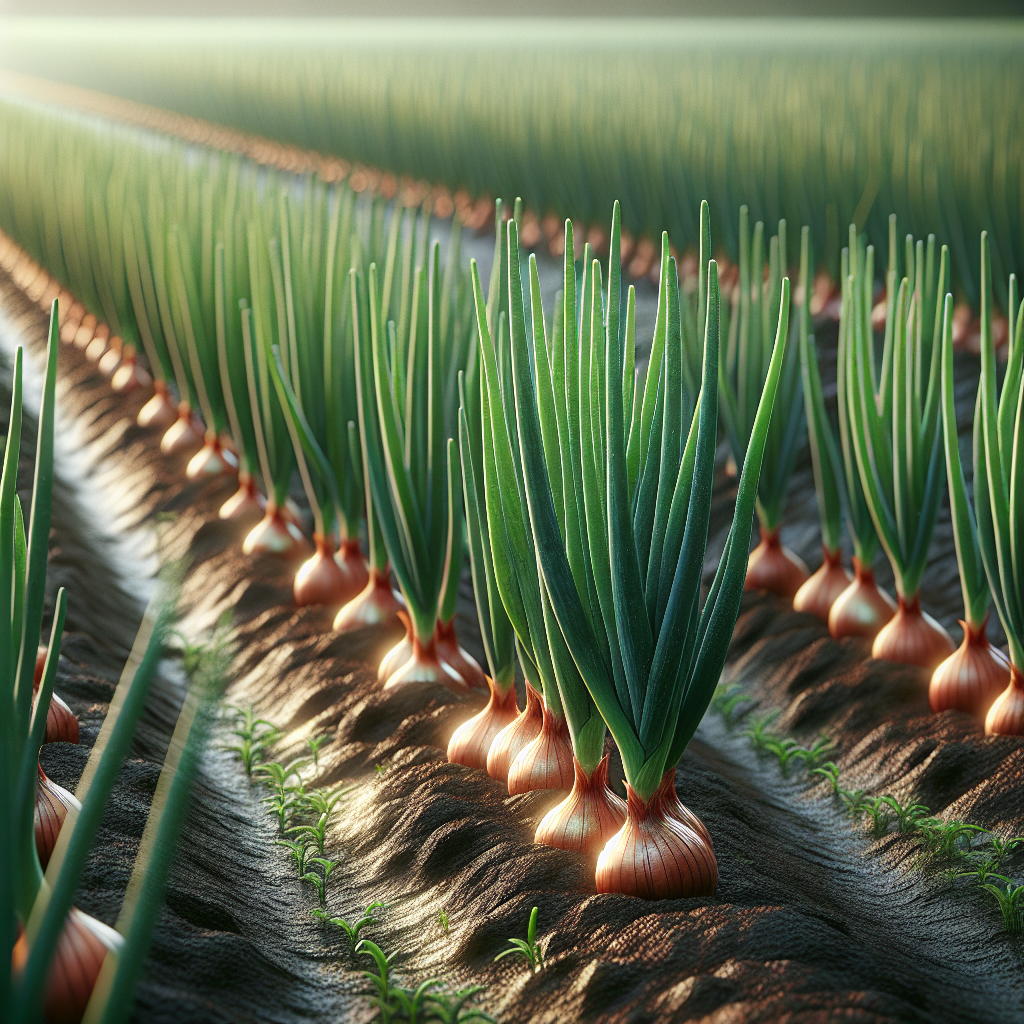
Onion
Onion is one of the world’s most important vegetable crops, valued for its culinary versatility, storage life, and market demand. Successful production depends on matching cultivar day-length response to local latitude, maintaining steady early-season moisture, and avoiding excess nitrogen late in bulb development.
View Guide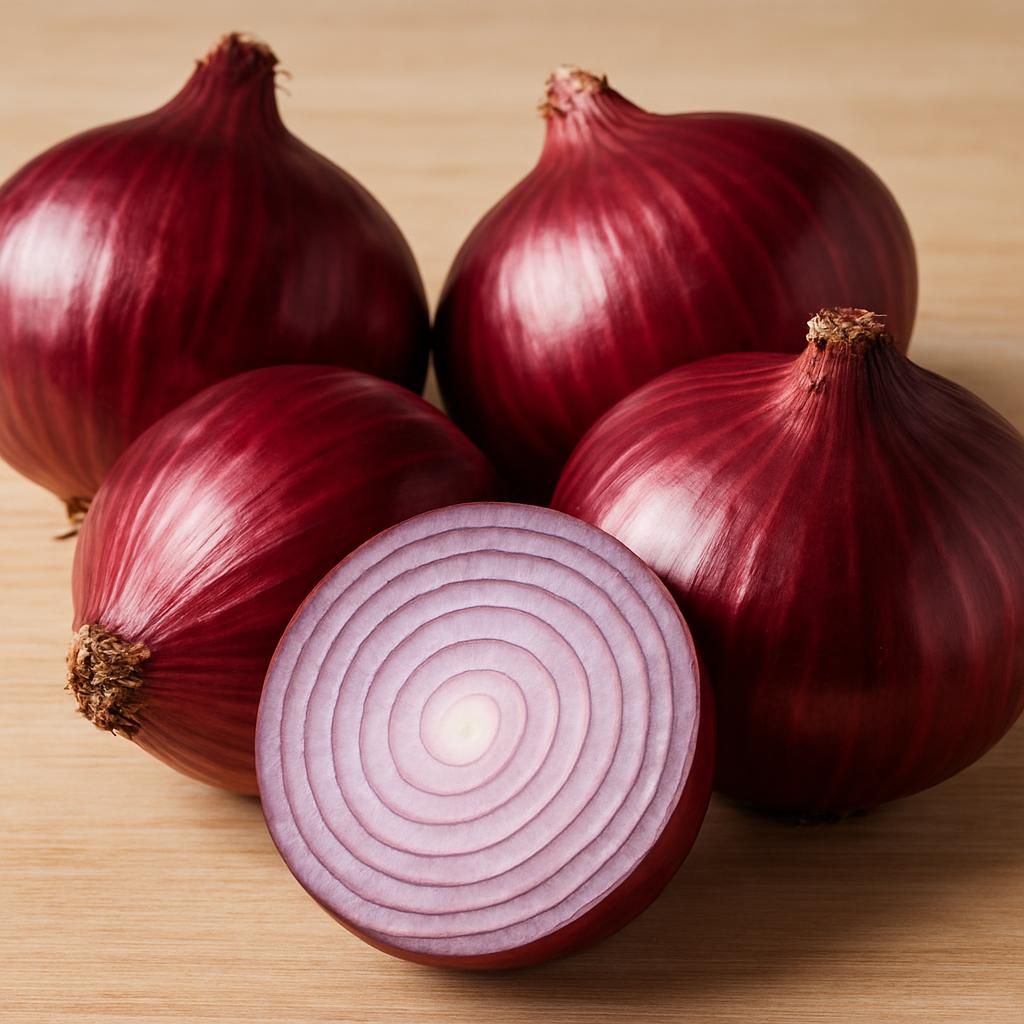
Onion (Red Wethersfield)
Red Wethersfield is a heritage long-day red onion prized for its deep burgundy skin, firm white flesh with pink rings, and exceptional storage life. This guide covers soil preparation, planting schedules, integrated pest management, and post-harvest curing for reliable commercial and home-garden yields.
View Guide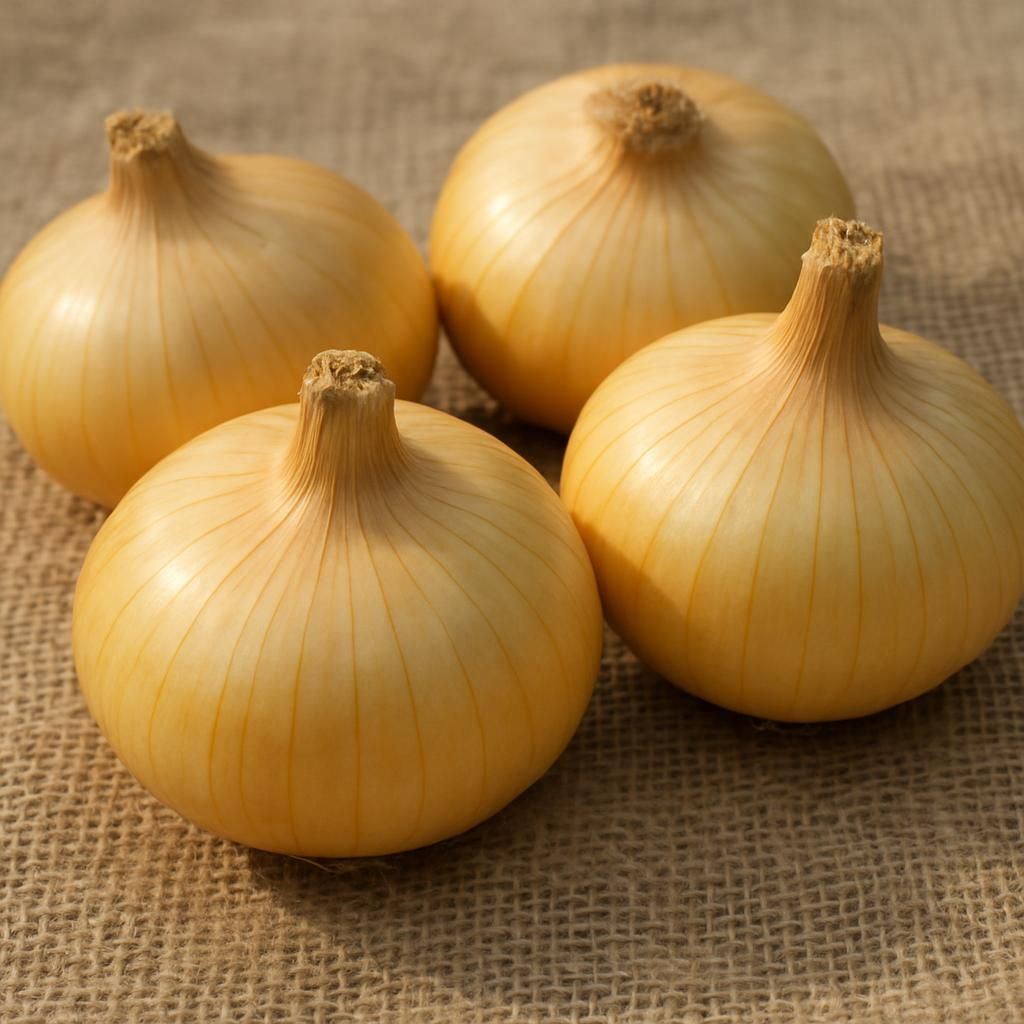
Onion (Vidalia - Yellow Granex)
Vidalia Yellow Granex is a short-day, sweet yellow onion prized for its mild flavor and low pungency when grown in low-sulfur soils. This definitive guide covers botanical traits, ideal growing conditions, step-by-step planting, organic pest management, and curing protocols for commercial and home growers.
View Guide