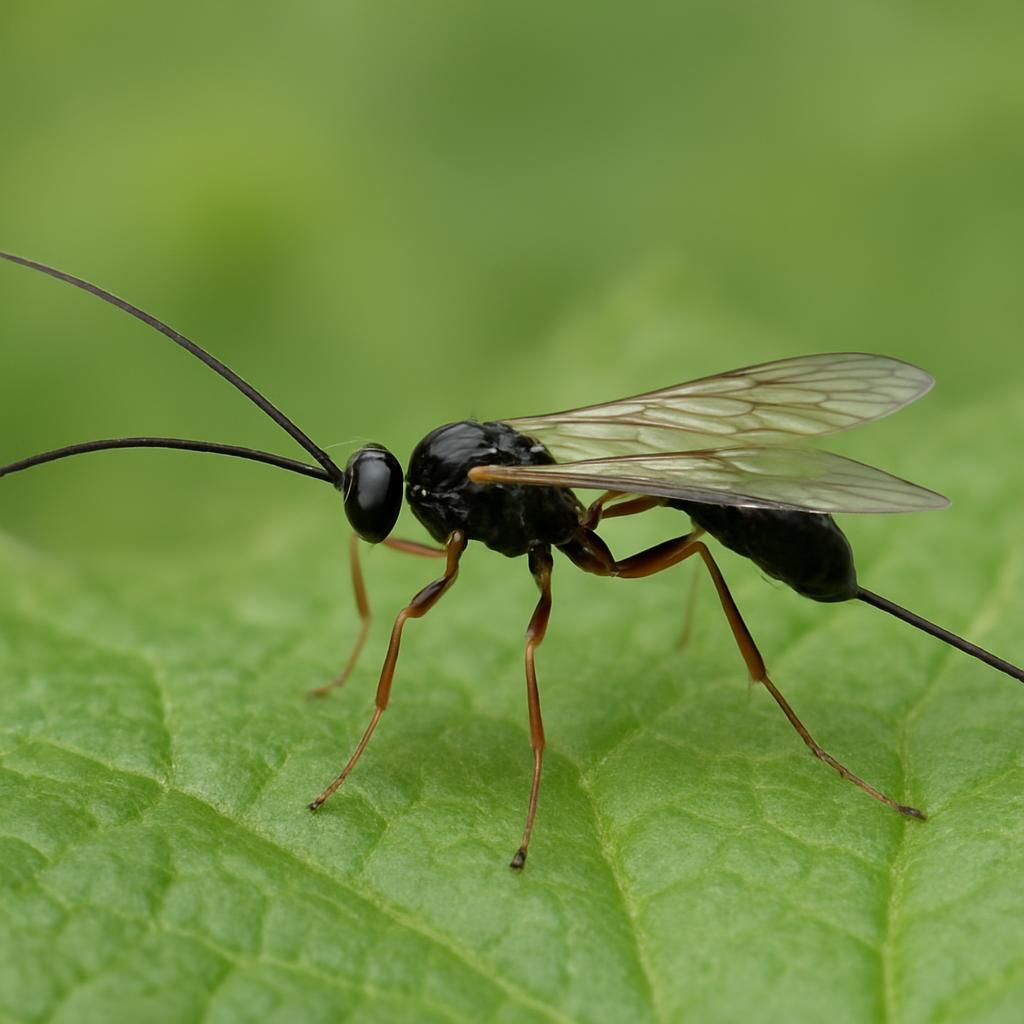
Introduction to parasitoid wasps
Parasitoid wasps belong to several families within the order Hymenoptera and function as highly specialized natural enemies of agricultural pests. Unlike social wasps or bees, adult parasitoids do not sting humans and instead use their ovipositors to deposit eggs directly into or onto target insects such as aphids, caterpillars, whiteflies, and scale insects. The developing larvae consume the host from the inside, eventually killing it and emerging as adults to continue the cycle. This biological control mechanism has been documented across diverse cropping systems including tomato, cucumber, and bell pepper production.
Farmers and integrated pest management (IPM) practitioners value parasitoid wasps because they reduce reliance on synthetic insecticides while preserving beneficial insect populations. Species such as Aphidius colemani and Encarsia formosa are commercially reared and released in greenhouses and field crops worldwide. Understanding their biology, identification, and habitat requirements allows growers to enhance natural suppression of damaging pests and maintain ecological balance.
Identifying Symptoms & Damage
Parasitoid wasps themselves do not cause direct feeding damage to crops; instead, their presence is indicated by characteristic signs on host pests. Mummified aphids appear as swollen, tan or black hardened bodies attached to leaves, signaling successful parasitism by braconid wasps. Whitefly nymphs turn black when parasitized by Encarsia species, while caterpillar hosts may display exit holes or silk cocoons near the remains of the deceased larva.
Visible adult wasps are slender, often measuring 1–5 mm, with long antennae and transparent wings. They may be observed walking on leaf undersides searching for hosts. Distinguishing them from hyperparasitoids (wasps that attack other parasitoids) requires careful observation of host remains and adult morphology. Misidentification can lead to unnecessary pesticide applications that harm these beneficial insects.
Lifecycle and Progression of parasitoid wasps
The lifecycle of parasitoid wasps is tightly synchronized with their hosts and varies by species and environmental conditions. Most species undergo complete metamorphosis consisting of egg, larval, pupal, and adult stages. Females locate suitable hosts using chemical cues, insert eggs, and the larvae develop either internally (endoparasitoids) or externally (ectoparasitoids).
| Stage | Duration (typical range) | Key Characteristics | Observable Signs |
|---|---|---|---|
| Egg | 1–3 days | Deposited inside or on host | No external signs until hatching |
| Larva | 4–14 days | Feeds on host tissues; multiple instars | Host becomes sluggish or swollen |
| Pupa | 3–10 days | Forms inside host or in silk cocoon nearby | Mummified hosts or visible cocoons |
| Adult | 7–30 days | Mates, feeds on nectar, searches for new hosts | Active wasps on foliage; mating swarms possible |
Temperature and humidity strongly influence development rates, with optimal ranges typically between 20–28 °C and 50–70 % relative humidity. Multiple generations can occur within a single growing season when host populations remain available.
Environmental Triggers & Risk Factors
Parasitoid wasp activity peaks under moderate temperatures and adequate humidity that support both wasp survival and host availability. High daytime temperatures above 32 °C or prolonged drought can reduce adult longevity and foraging efficiency. Conversely, excessive rainfall may wash away exposed pupae or drown developing larvae inside hosts.
Pesticide applications, especially broad-spectrum insecticides and certain fungicides, represent the primary risk factor. Residues on foliage can kill adults on contact or contaminate nectar sources. Lack of flowering plants and alternative hosts during off-season periods also limits population persistence. Maintaining hedgerows, cover crops, and unsprayed refugia helps sustain local populations.
Organic Control & Treatment Plans
Because parasitoid wasps are beneficial, management focuses on conservation and targeted augmentation rather than elimination. When pest outbreaks occur, releases of commercially produced species can accelerate control. Habitat manipulation and selective pesticide avoidance are foundational practices.
| Treatment Option | Frequency | Application Method | Notes / Compatibility |
|---|---|---|---|
| Release Aphidius colemani | Weekly for 2–4 weeks | Distribute pupae in release containers | Best in greenhouses; avoid insecticides 7 days prior |
| Release Encarsia formosa | Bi-weekly during whitefly pressure | Hang cards with pupae on leaf undersides | Works best at 20–28 °C; combine with yellow sticky traps |
| Plant nectar sources (e.g., alyssum, buckwheat) | Continuous throughout season | Interplant or border strips | Provides adult food; increases longevity and fecundity |
| Avoid broad-spectrum sprays | As needed; rotate modes of action | Use selective products only when thresholds met | Monitor with scouting; use insecticidal soaps if required |
| Install banker plants | At crop establishment | Grow aphid-infested cereal plants in pots | Sustains Aphidius colonies for continuous release |
Regular scouting with a 10× hand lens and yellow sticky traps helps determine when augmentation is warranted. Thresholds vary by crop and market tolerance but generally begin at 5–10 % infested leaves for aphids or whiteflies.
Preventing parasitoid wasps in the Future
Maintaining stable populations of parasitoid wasps requires year-round habitat management and minimal disruption from chemical inputs. Establishing permanent insectary strips with continuous bloom, reducing tillage in refuge areas, and avoiding prophylactic sprays preserve both adults and developing stages. Crop rotation that breaks host-pest cycles indirectly supports parasitoid persistence by preventing extreme pest outbreaks.
Monitoring weather forecasts allows timely adjustment of irrigation and ventilation to keep conditions within favorable ranges. Recording seasonal wasp activity helps predict future pressure and informs release timing. Integrating these practices into a broader IPM program reduces the likelihood of damaging pest rebounds.
Crops Most Affected by parasitoid wasps
Parasitoid wasps are active across nearly all vegetable, fruit, and field crops that host aphids, whiteflies, caterpillars, or scales. High-value greenhouse crops such as tomato, cucumber, and bell pepper frequently benefit from commercial releases. Field crops including cotton, soybeans, and corn support native braconid and ichneumonid populations that suppress Helicoverpa species and other lepidopteran pests.
Orchard systems such as apple, citrus, and avocado also harbor specialized parasitoids of scale insects and leafminers. Success depends on providing season-long floral resources and minimizing disruptive sprays. In all cases, parasitoid wasps serve as an integral component of sustainable pest management rather than a pest themselves.