Encyclopedia
Definitive guides for crops, pests, and agricultural diseases.

Asparagus
Asparagus is a long-lived perennial vegetable prized for its tender spring spears and exceptional productivity once established. With proper site selection, deep soil preparation, and disciplined harvest timing, a well-managed asparagus bed can remain productive for 15 to 25 years or more.
View Guide
Asparagus (Jersey Knight)
Asparagus (Jersey Knight) is a high-performing, all-male asparagus hybrid prized for thick spears, cold hardiness, strong disease tolerance, and long-lived productivity. It is especially valued by market growers and serious home gardeners because it establishes a durable perennial bed and produces excellent spring harvests for 15 years or more when managed correctly.
View Guide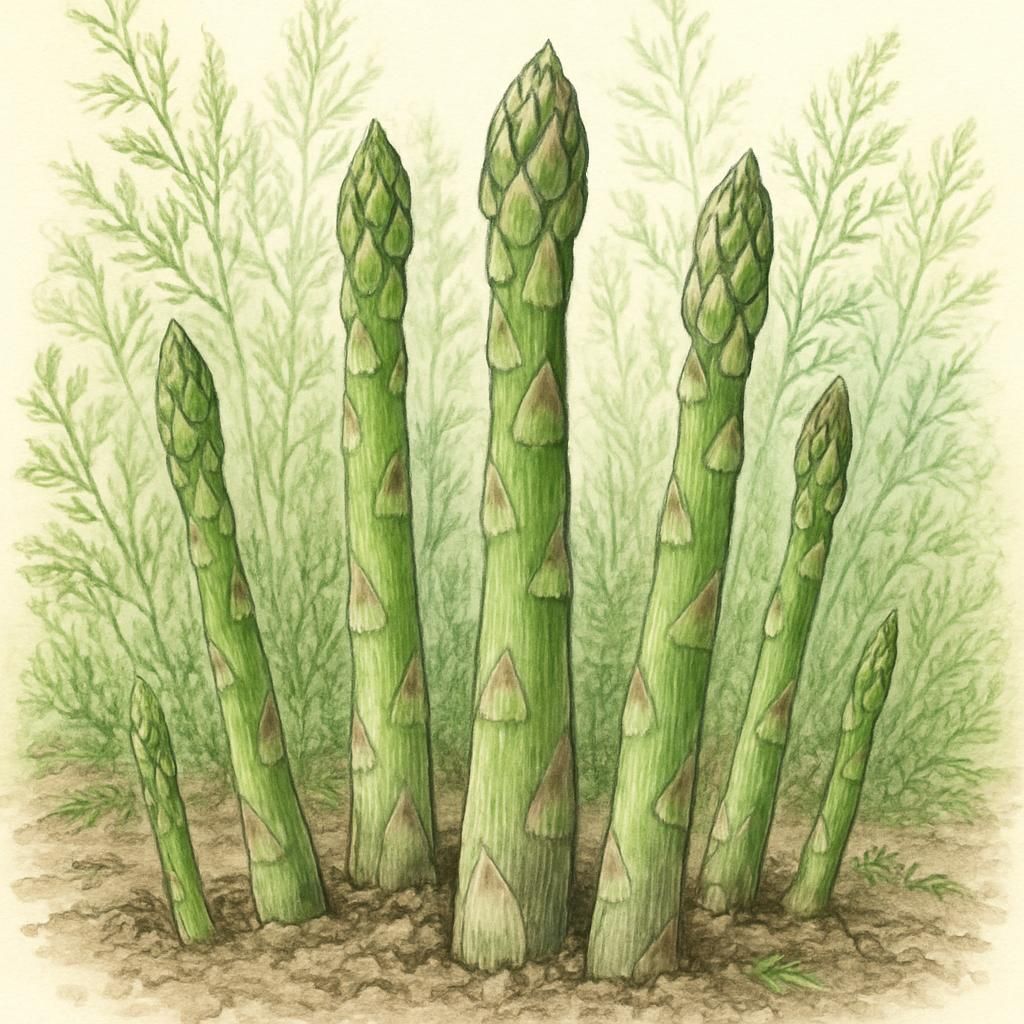
Asparagus (Mary Washington)
Mary Washington Asparagus is a popular, hardy, and perennial variety known for its excellent disease resistance and high yield. Ideal for both commercial and home gardens, this variety thrives in well-drained, fertile soils and is appreciated for its thick, tender spears.
View Guide
Asparagus (Purple Passion)
Asparagus (Purple Passion) is a distinctive purple-speared cultivar of garden asparagus prized for its sweet flavor, low fiber content, and striking color. It is a long-lived perennial crop that rewards careful site preparation and disciplined early-year management with productive harvests for 10 to 20 years or more.
View Guide
Asparagus Beetle
The asparagus beetle is a primary pest of asparagus crops, with both common and spotted variants defoliating ferns and scarring spears, leading to significant yield losses. Early detection through characteristic damage and targeted organic controls like handpicking and neem oil are essential for management. Comprehensive prevention strategies, including crop rotation and resistant varieties, ensure long-term protection for asparagus plantings.
View Profile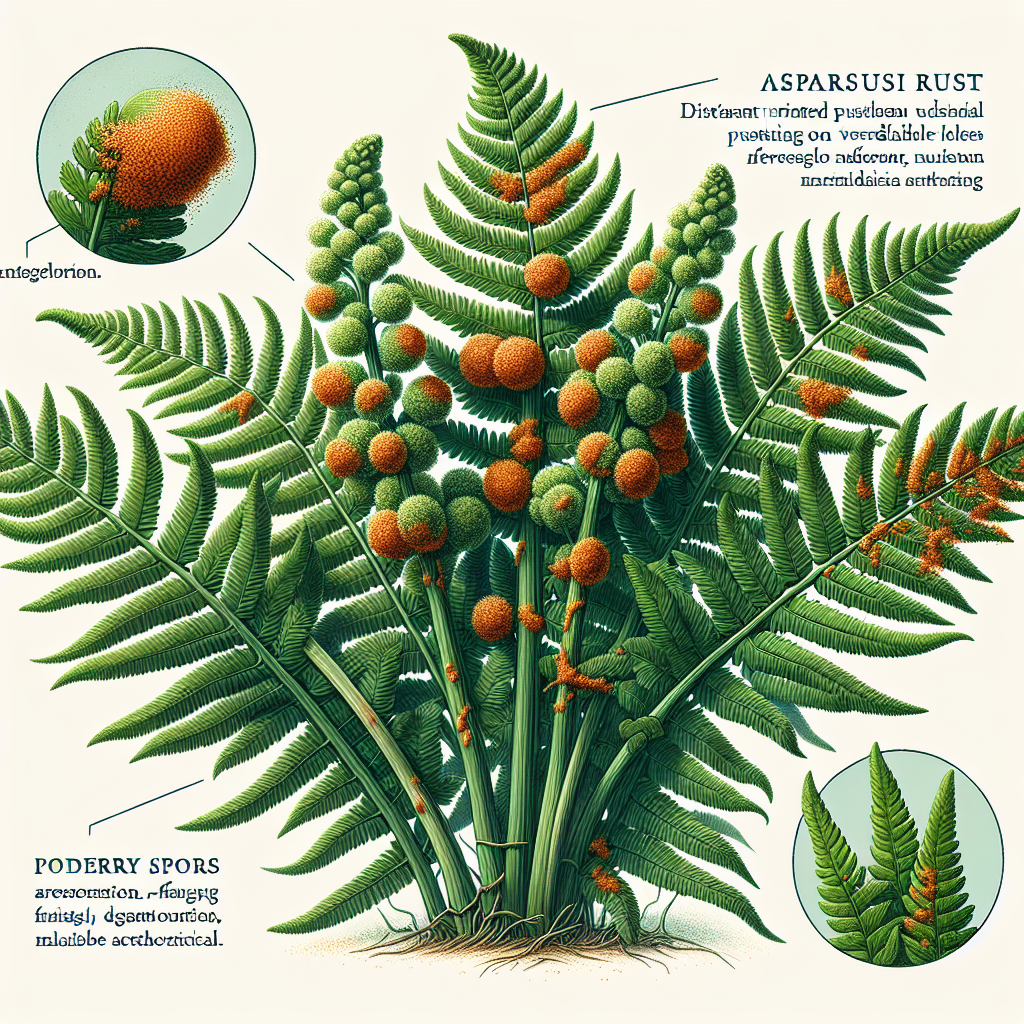
Asparagus rust
Asparagus rust, caused by the fungus Puccinia asparagi, is a destructive disease that attacks asparagus ferns, leading to premature defoliation and weakened crowns. Early detection of orange pustules on foliage is crucial for effective management. This guide provides comprehensive strategies for diagnosis, organic control, and prevention to protect your asparagus crop.
View Profile
Aspergillus
Aspergillus is a ubiquitous fungal genus causing post-harvest rots, seed decay, and storage molds in crops like grains, nuts, and fruits. It thrives in warm, humid conditions, producing mycotoxins that render produce unsafe for consumption. Effective management relies on cultural practices, proper storage, and organic biocontrols to minimize losses.
View Profile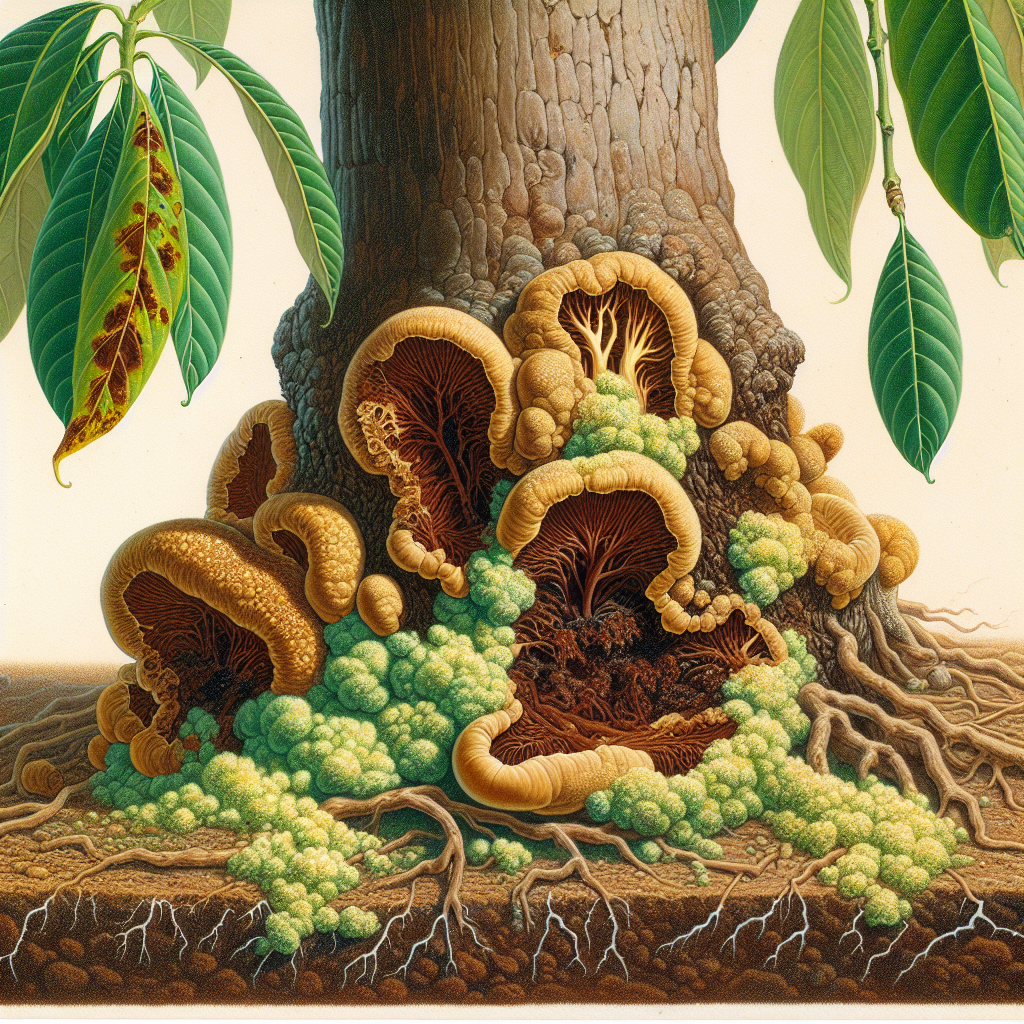
Aspergillus Crown Rot
Aspergillus Crown Rot is a destructive fungal disease caused by Aspergillus species that targets the crown and basal tissues of plants, leading to rapid wilting and plant death. It thrives in warm, humid conditions with poor drainage, making it a major threat to tropical and subtropical crops. Effective management relies on cultural practices, organic biocontrols, and vigilant prevention to protect yields.
View Profile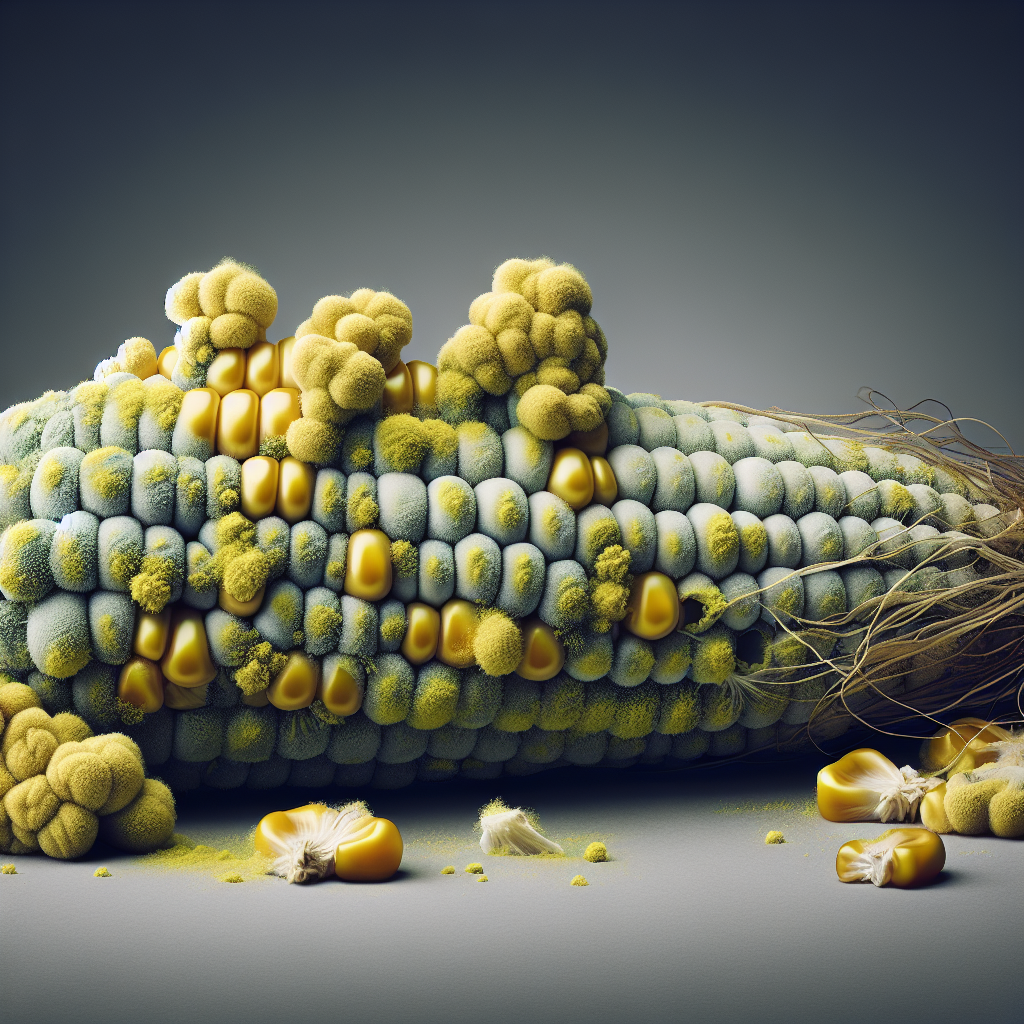
Aspergillus flavus
Aspergillus flavus is a ubiquitous fungal pathogen infamous for producing aflatoxins, highly toxic carcinogens that contaminate crops like corn, peanuts, and tree nuts, posing severe risks to food safety and agricultural economies. This guide provides professional diagnostics, organic management strategies, and prevention tactics tailored for farmers battling pre- and post-harvest infections. Early detection of its characteristic yellow-green spores and musty odors can prevent devastating yield losses and health hazards.
View Profile
Aster
Aster is a versatile herbaceous perennial valued for its late-season blooms that support pollinators and cut-flower markets. This professional growing guide covers soil preparation, propagation, integrated pest management, and harvest techniques to maximize both ornamental and commercial yields.
View Guide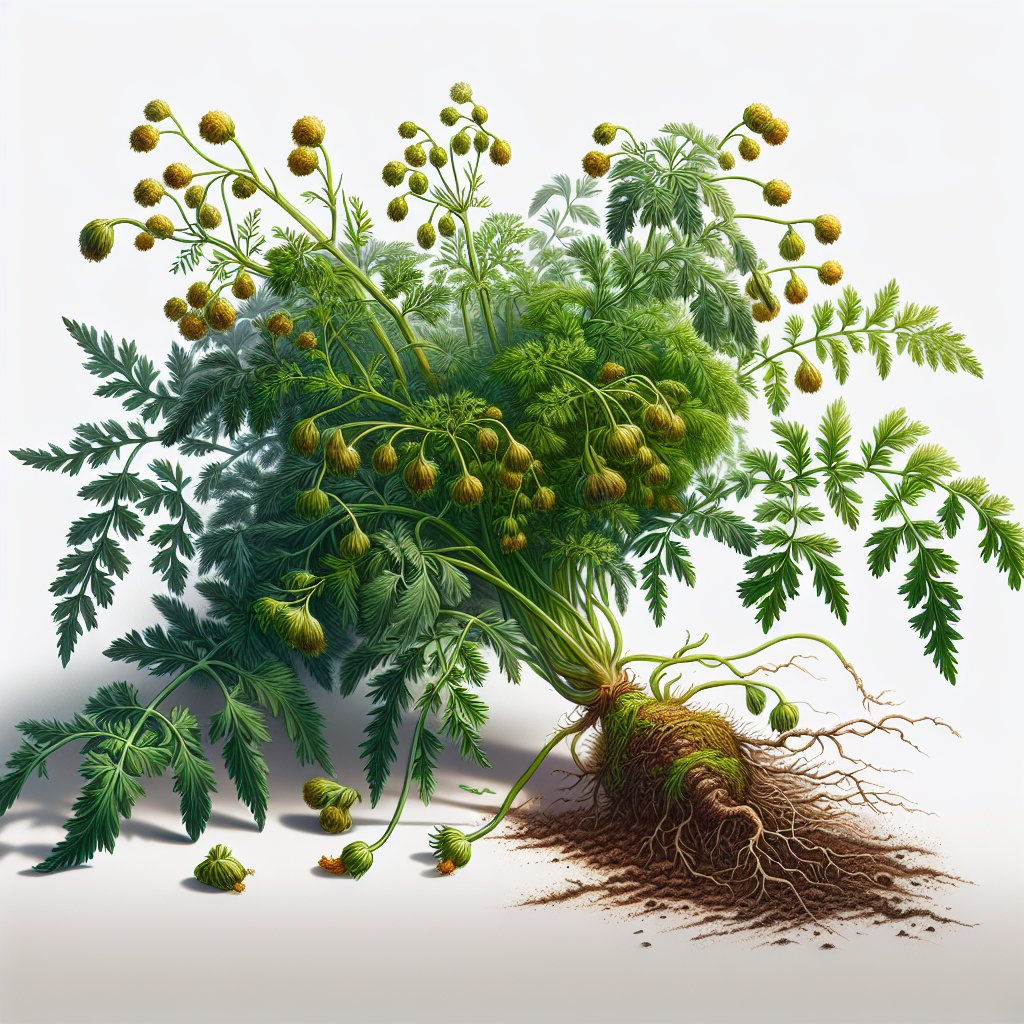
Aster yellows
Aster yellows is a devastating phytoplasma disease spread by leafhoppers, causing witches' broom, phyllody, and stunted growth in over 300 plant species. It disrupts normal plant development, turning flowers into leaf-like structures and reducing yields significantly. Early detection and vector control are key to management in affected crops.
View Profile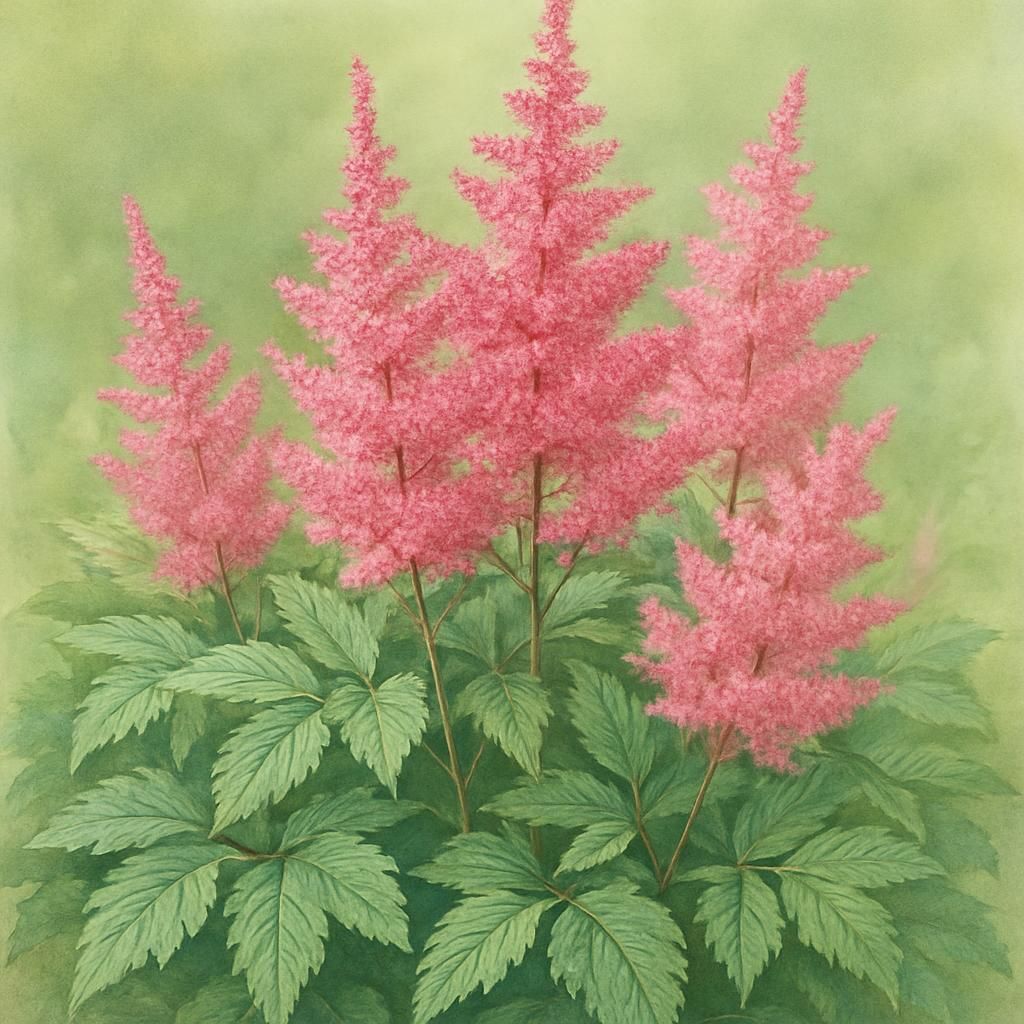
Astilbe
Astilbe is a shade-loving herbaceous perennial prized for its feathery flower plumes and fern-like foliage that thrives in consistently moist, organic-rich soils. It is widely grown in temperate gardens, woodland borders, and moist borders for its long-lasting summer color and deer resistance.
View Guide
Ataulfo Mango
Ataulfo mango is a premium dessert mango cultivar prized for its buttery texture, low fiber, rich sweetness, and small flattened seed. Best grown in frost-free tropical to warm subtropical climates, it rewards careful site selection, disciplined irrigation, and canopy management with highly marketable golden fruit.
View Guide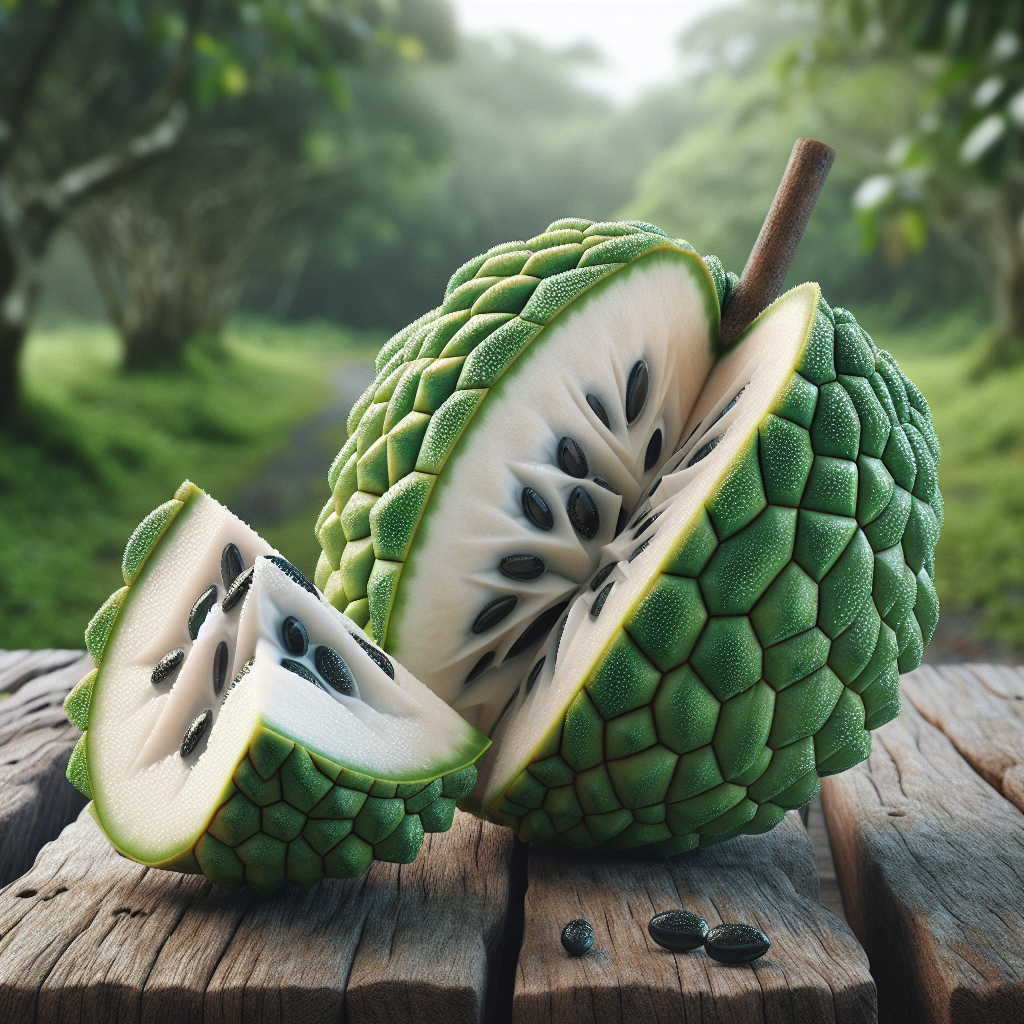
Atemoya (African Pride)
Atemoya 'African Pride' is a superior hybrid custard apple cultivar renowned for its large, sweet fruits with creamy, pineapple-like flesh. This tropical evergreen tree thrives in subtropical climates, producing high yields of premium-quality fruit ideal for fresh markets. Growers prize its vigor, disease resistance, and exceptional flavor profile.
View Guide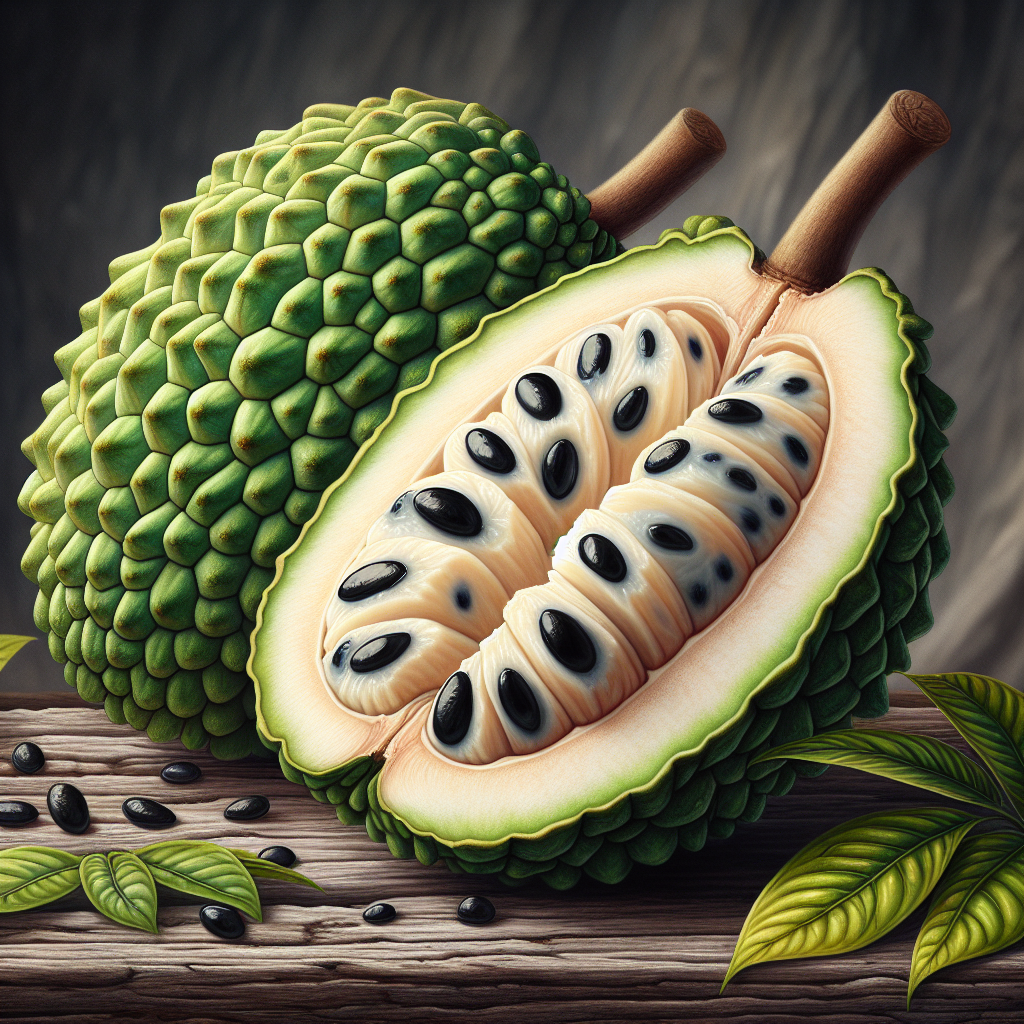
Atemoya (Geffner)
The Geffner atemoya is a superior hybrid cultivar of Annona × atemoya, renowned for its large, sweet, creamy fruits with excellent flavor and high yields. This subtropical tree thrives in warm climates, producing heart-shaped fruits that blend the best traits of cherimoya and sugar apple parents. Ideal for commercial orchards and home gardens seeking premium tropical fruit.
View Guide
Atlantic Giant Pumpkin
Atlantic Giant Pumpkin is the iconic giant-fruited pumpkin cultivar grown for exhibition size, aggressive vine growth, and exceptional weight potential. Unlike pie pumpkins, it demands intensive soil preparation, disciplined fruit selection, and precise irrigation and fertility management to reach elite performance.
View Guide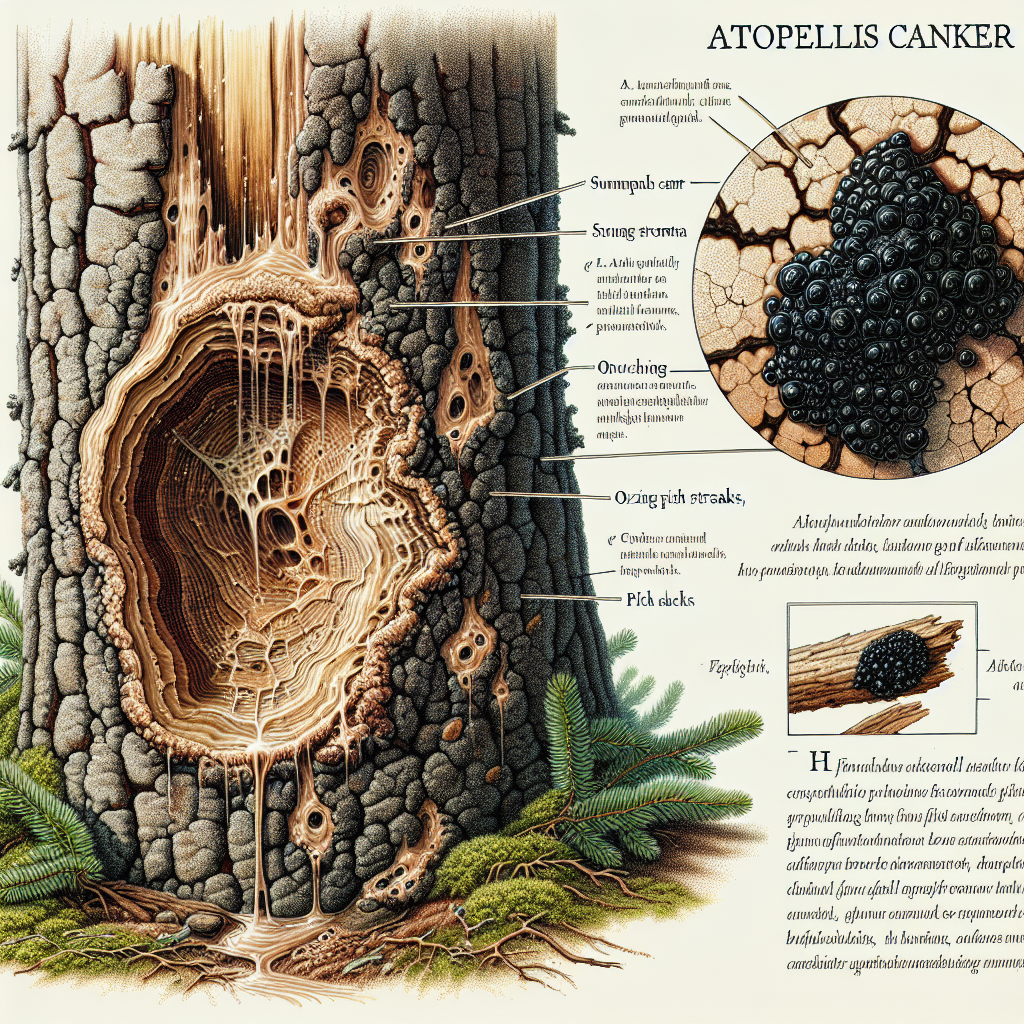
Atropellis canker
Atropellis canker is a destructive fungal disease primarily affecting conifers like true firs, caused by Atropellis pinastri, leading to stem cankers, resinous exudates, and tree mortality. This guide provides comprehensive diagnostics, organic management strategies, and prevention tactics for growers facing this challenging pathogen. Early identification and cultural controls are key to minimizing losses in susceptible plantations.
View Profile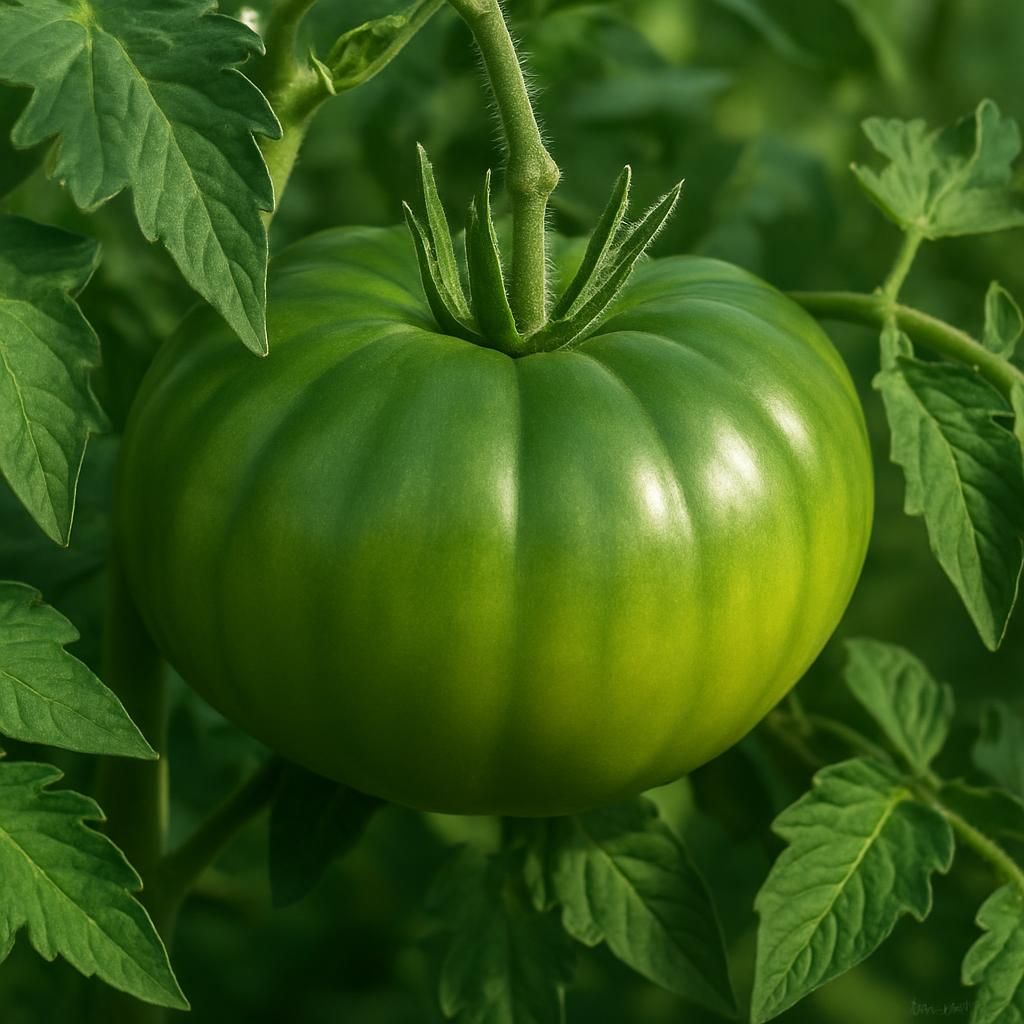
Aunt Ruby's German Green Tomato
Aunt Ruby's German Green is a rare, heirloom beefsteak-type tomato prized for its large, sweet, and tangy fruit that remains green when ripe. This indeterminate variety offers exceptional flavor, high yields, and striking emerald flesh, making it a favorite among home gardeners and small-scale growers seeking unique tomatoes.
View Guide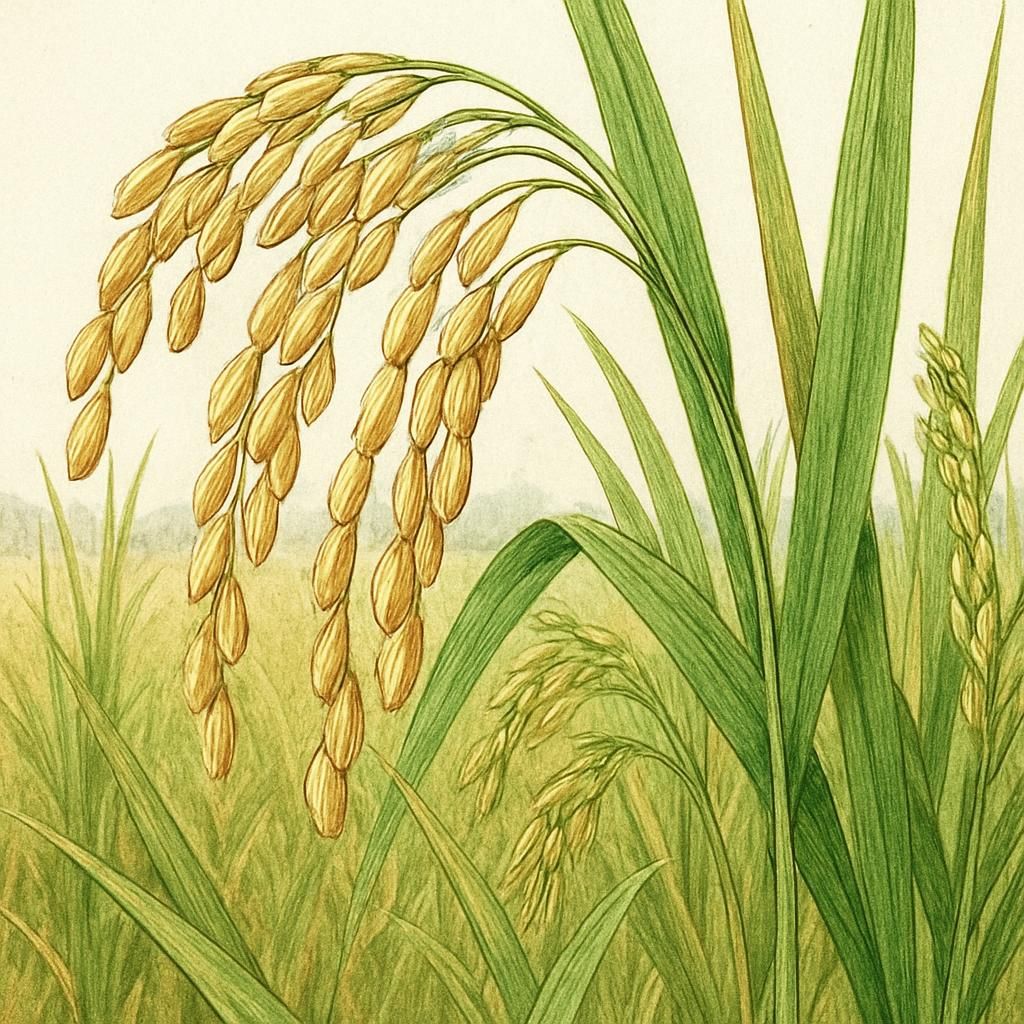
Aus Rice (Dharial)
Aus Rice, also known as Dharial, is a traditional rice variety grown predominantly in South Asian regions. This guide covers its botanical profile, ideal growing conditions, careful propagation methods, and essential care procedures.
View Guide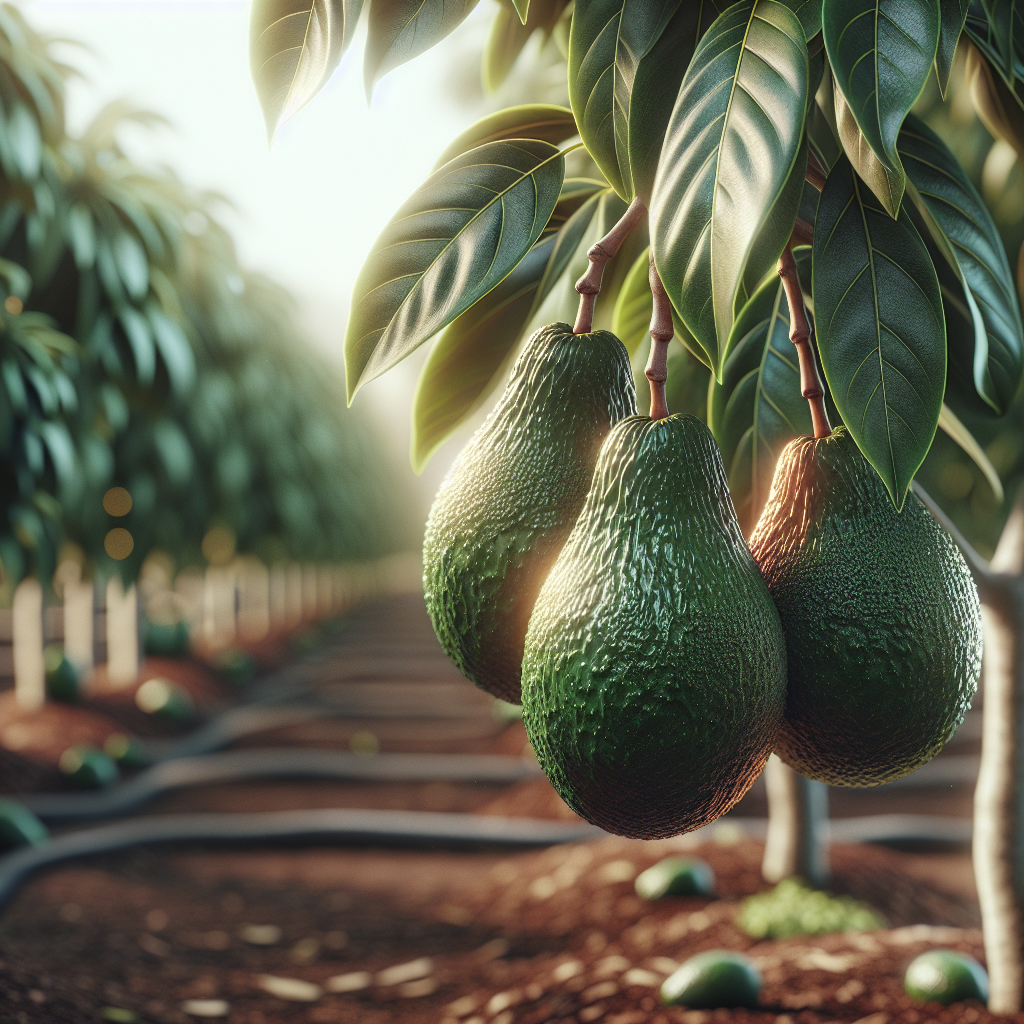
Avocado
Avocado is a long-lived subtropical fruit tree valued for its nutrient-dense, oil-rich fruit and its strong market demand. Successful production depends on excellent drainage, frost protection, thoughtful irrigation, and careful cultivar and pollination planning, because avocado roots are highly sensitive to waterlogging and salinity.
View Guide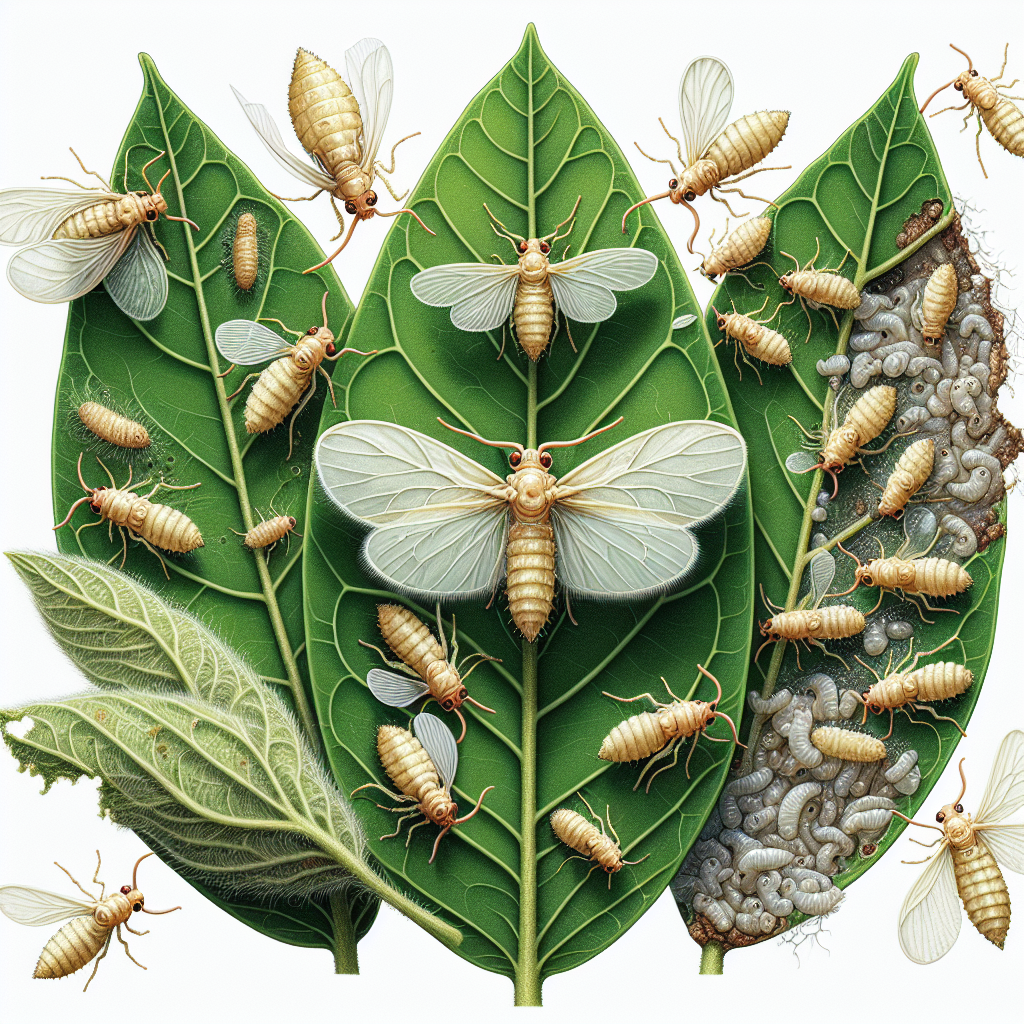
Avocado thrips
Avocado thrips (Scirtothrips perseae) is a tiny, invasive pest that targets young avocado foliage, causing silvering, leaf drop, and scarring on fruit that reduces market value. Native to Central America, it has become a major threat to commercial avocado production, especially in California. Effective management combines monitoring, organic treatments, and cultural practices to protect yields.
View Profile
Azalea
Azaleas are acid-loving flowering shrubs prized for their vibrant spring blooms and compact growth habits. This definitive growing guide covers every aspect of cultivation from soil preparation to pest management, enabling gardeners and commercial growers to achieve consistent, high-quality results.
View Guide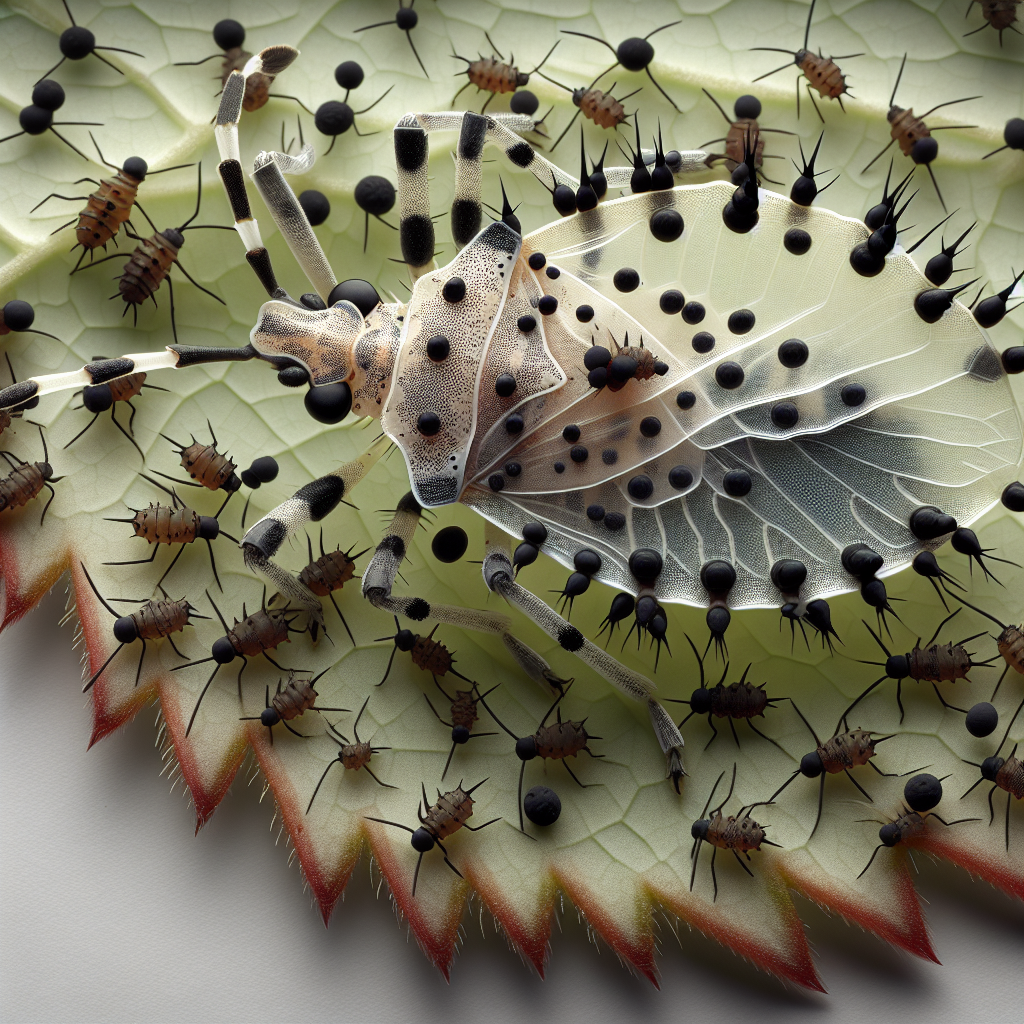
Azalea Lace Bug
The azalea lace bug (Stephanitis pyrioides) is a pervasive sap-sucking pest that causes stippling, discoloration, and defoliation on azalea shrubs, severely impacting ornamental landscapes. Native to Asia but widespread in North America, it thrives in warm conditions and can lead to plant decline if unmanaged. This guide provides comprehensive diagnostics, organic management strategies, and prevention tactics for effective control.
View Profile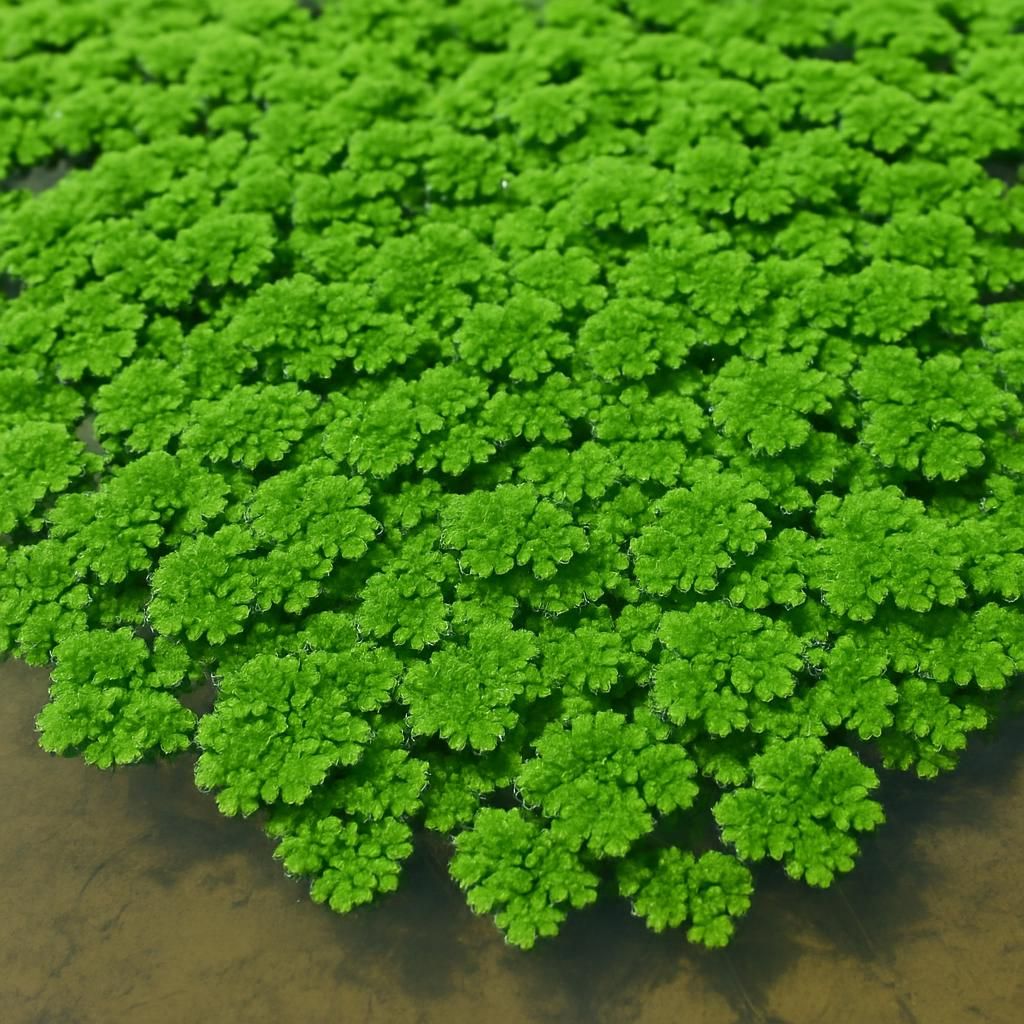
Azolla
Azolla is a fast-growing aquatic fern prized for nitrogen fixation, rapid biomass production, and use as green manure, livestock feed, and biofertilizer in rice systems worldwide.
View Guide