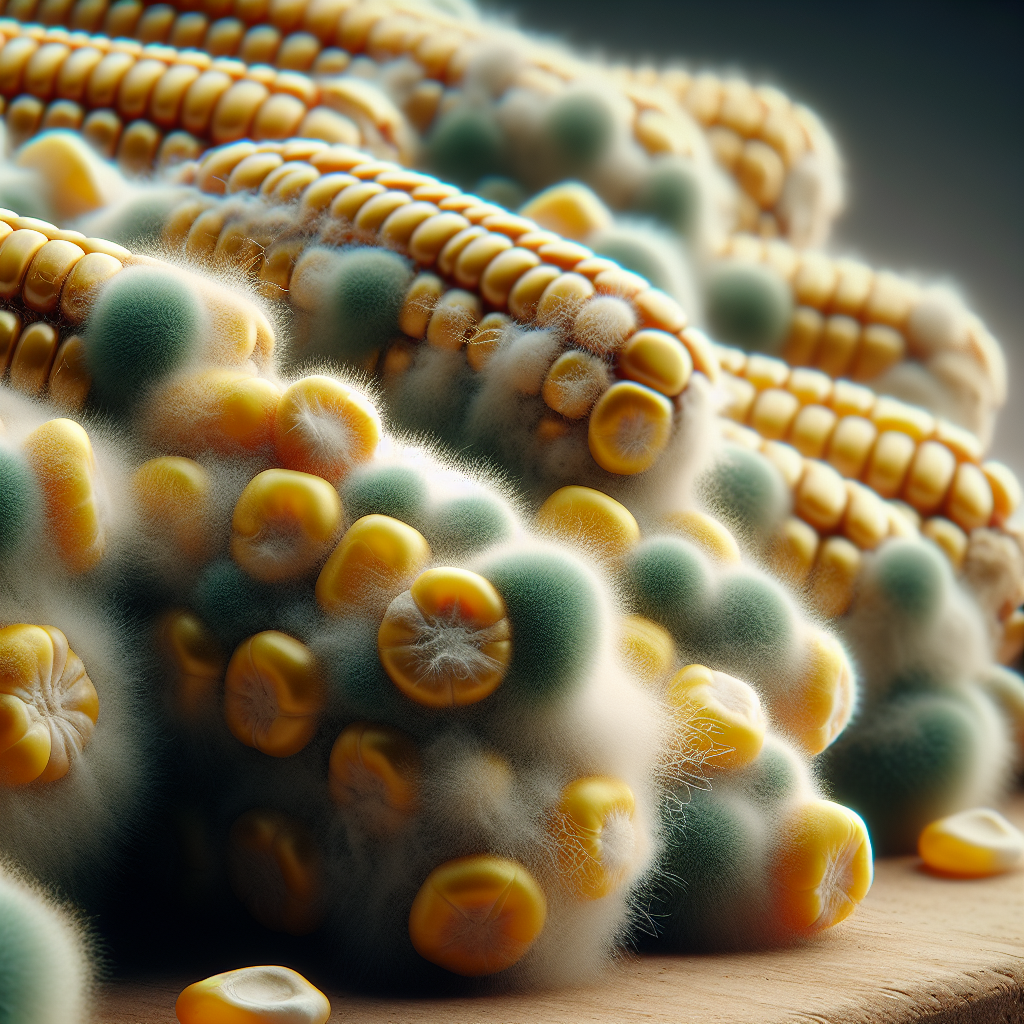
Introduction to Aspergillus
Aspergillus represents one of the most pervasive fungal threats in agriculture, particularly in post-harvest scenarios. This genus encompasses over 300 species, with key pathogens like Aspergillus flavus, A. fumigatus, A. niger, and A. parasiticus notorious for causing Aspergillus rot, black mold, and aflatoxin contamination. Unlike field diseases such as Fusarium or Rhizoctonia, Aspergillus primarily strikes during storage, transit, or processing, turning valuable harvests into hazardous waste.
In agricultural settings, Aspergillus infections lead to massive economic losses—estimated at billions annually worldwide. The fungus produces aflatoxins, potent carcinogens that contaminate staples like corn, peanuts, wheat, and tree nuts such as almonds. For small farms and commercial operations alike, understanding Aspergillus is crucial for food safety compliance, market access, and profitability. This guide delivers professional diagnostics, organic management, and prevention strategies tailored for growers facing humid climates or imperfect storage. Early detection prevents toxin buildup, safeguarding health and revenue. Learn how to spot subtle signs before rot spreads, implement organic treatments, and adopt storage protocols that slash losses by up to 80%. Why Misidentifying Plants Costs Small Farms Thousands - And How AI Camera Diagnosis Fixes It Fast
Identifying Symptoms & Damage
Diagnosing Aspergillus requires keen observation, as symptoms mimic other rots like Botrytis or Phytophthora. Initial signs appear as faint, velvety green, yellow, or black powdery coatings on seeds, grains, fruits, or nuts. This mycelium growth—often fluorescent under UV light—spreads rapidly in confined spaces.
On corn kernels, look for olive-green patches with a musty odor; affected ears show shriveled, discolored grains. In peanuts, pods develop dark lesions, and kernels turn dull with yellow-green mold. Tree nuts like almonds or walnuts exhibit black spots and a powdery surface, often with bitter taste. Fruits such as apples, oranges, and grapes display soft, sunken lesions with fuzzy growth.
Damage escalates quickly: mycotoxins like aflatoxin B1 accumulate, making produce unmarketable and toxic. Yield losses reach 20-50% in severe cases, with secondary bacterial invasions worsening decay. Use a microscope for confirmation—Aspergillus conidiophores are brush-like with chains of spherical conidia (2-3 μm). Test for aflatoxins via ELISA kits; levels above 20 ppb violate FDA limits. Differentiate from Alternaria (dark, woolly) or [Penicillium* (blue-green, faster-spreading). Scout storage weekly, especially post-rainy harvests.
Lifecycle and Progression of Aspergillus
Aspergillus lifecycle is opportunistic, exploiting wounds and moisture. Spores (conidia) are airborne, ubiquitous at 10³-10⁶ per cubic meter in fields. They germinate in 6-12 hours at 25-35°C and >85% humidity, penetrating via cracks or insect damage.
Vegetative mycelium colonizes substrates, producing conidiophores within 24-48 hours. Conidia release continues, creating visible mold. In storage, progression is exponential: day 1 shows minor spotting; by day 7, 50% infestation; week 2 brings total rot and toxin peaks. Aflatoxin production peaks at 30°C/90% RH, persisting indefinitely.
Sexual reproduction is rare; most spread is asexual via conidia. Hot, dry conditions halt growth, but revival occurs with re-wetting. In soil, sclerotia survive years. Crop residues harbor overwintering spores, infecting next seasons via equipment. Interrupt cycle by drying to <14% moisture immediately post-harvest.
Environmental Triggers & Risk Factors
Aspergillus flourishes in warm (25-40°C), humid (>85% RH) environments, with optimal pH 4-7. Poor ventilation in silos or bags traps moisture, accelerating outbreaks. Drought-stressed crops at harvest are vulnerable—high sugar content fuels growth.
Risk factors include mechanical damage from harvest, insect vectors like storage beetles, and contaminated seeds. Overcrowded storage, delayed drying, and high temperatures compound issues. Regions like the U.S. Southeast, India, and sub-Saharan Africa report highest incidences due to climate. Soil with high organic matter or previous Fusarium infections amplifies risks. Monitor with hygrometers; act if RH exceeds 80%.
Organic Control & Treatment Plans
Organic management emphasizes cultural, biological, and physical tactics—no synthetic fungicides needed. Immediate Post-Harvest: Dry crops to 12-14% moisture using forced-air dryers or sun-drying on tarps. Cool to <20°C rapidly.
Biological Controls: Apply Bacillus subtilis or Trichoderma harzianum biopesticides to seeds/pre-storage surfaces; they outcompete Aspergillus. Atoxigenic A. flavus strains (e.g., AF36) reduce aflatoxin by 70-90% via competitive exclusion—certified organic in many regions.
Physical Treatments: Hermetic storage bags (e.g., PICS) create CO₂ atmospheres lethal to fungi. Ozone or UV irradiation sanitizes surfaces. Remove 5-10% top layer in infested piles.
Integrated Plan: 1) Scout weekly. 2) Clean equipment with 10% bleach. 3) Use diatomaceous earth barriers. 4) Rotate with suppressive crops like clover. 5) Apply neem oil (Azadirachtin) for insect vectors. Track efficacy; expect 80% control. For outbreaks, isolate and destroy >5% infected batches.
Preventing Aspergillus in the Future
Prevention hinges on breaking the moisture-spore cycle. Harvest at peak maturity, avoiding wounds. Invest in ventilated silos with temperature controls (<25°C, <70% RH). Use clean, treated seeds; fumigate stores with phosphine if permitted organically.
Crop rotation disrupts soil reservoirs; incorporate resistant varieties like aflatoxin-tolerant corn hybrids. Monitor with digital sensors linked to apps for real-time alerts. Staff training on hygiene prevents spread. Long-term, improve soil drainage and avoid compaction. Annual audits cut recurrence by 90%. Pair with Soil Health Mastery: 5 Proven Strategies for Small Farms to Build Fertile Ground Without Breaking the Bank for resilient fields.
Crops Most Affected by Aspergillus
Aspergillus hits high-value storables hardest. Grains: Corn (ear rots, aflatoxins), wheat, rice, sorghum—losses up to 30%. Legumes/Nuts: Peanuts (pod rot), soybeans, pistachios, almonds, walnuts. Fruits: Apples, oranges, grapes, figs. Others: Cotton seeds, coffee beans, cacao. Tropical crops like mango and banana suffer post-harvest. Prioritize monitoring in these.