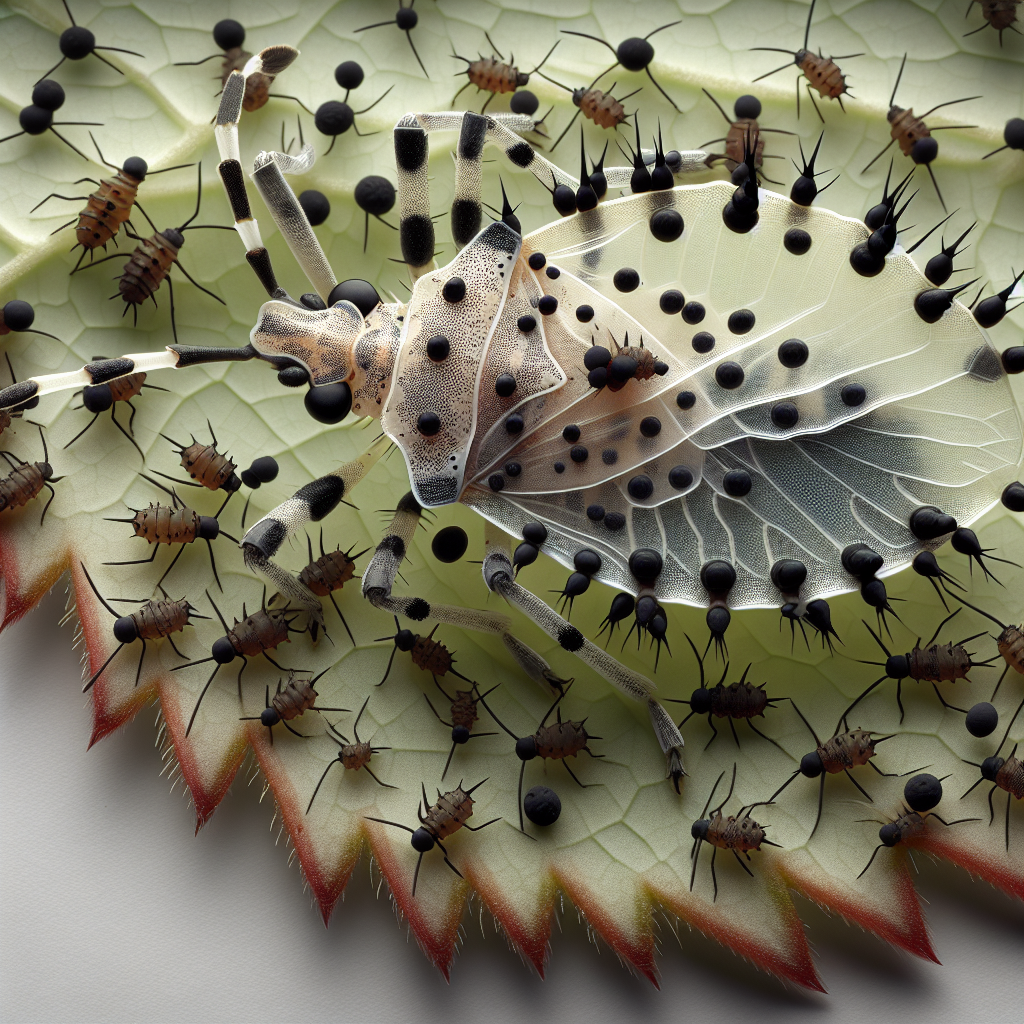
Introduction to azalea
Azalea lace bugs (Stephanitis pyrioides) represent one of the most damaging pests to azalea shrubs (Rhododendron spp.), beloved ornamentals prized for their vibrant spring blooms and evergreen foliage. These tiny insects, measuring just 2-3 mm in length, pierce plant tissues to extract sap, leaving behind telltale signs of infestation that can quickly spread across landscapes. First identified in Japan, azalea lace bugs arrived in the United States in the early 1900s and now pose a significant threat to home gardens, public parks, and commercial nurseries alike.
Understanding this pest is crucial for botanists, landscapers, and homeowners. Unlike larger chewing insects, lace bugs operate stealthily, often going unnoticed until severe damage appears. Their populations explode in spring and fall, aligning with azalea's growth cycles, making timely intervention essential. This definitive guide draws on entomological research and agricultural best practices to equip you with professional-grade tools for diagnosis and management. By recognizing early symptoms and implementing targeted strategies, you can protect your azaleas and maintain thriving landscapes. For related sap-sucking threats, see our entry on aphids.
Identifying Symptoms & Damage
Diagnosing azalea lace bug infestations requires keen observation of both visual cues and plant responses. The hallmark symptom is stippling: tiny white or yellow dots on upper leaf surfaces caused by the bugs' needle-like mouthparts extracting chlorophyll-rich sap. Affected leaves develop a grayish, silvery, or bronze cast, often with black fecal spots resembling tar-like droplets underneath.
Examine the undersides of leaves closely—these are prime feeding and egg-laying sites. You'll find lace bugs' delicate, lace-patterned wings, nymphs in spiny black stages, and cast skins from molting. Severe infestations lead to premature leaf drop, twig dieback, and weakened shrubs unable to support blooms. In extreme cases, entire plants yellow and decline, mimicking nutrient deficiencies or drought stress.
Differentiate from similar issues: spider mites cause finer stippling without black spots, while powdery mildew produces white powdery coatings. Use a hand lens for confirmation; adults have clear wings with black veins. Damage peaks from late spring through summer, with two to four generations per year depending on climate. Early detection via regular scouting—weekly during growing season—prevents escalation. For small farms facing misidentification pitfalls, check this blog post.
Lifecycle and Progression of azalea
Azalea lace bugs complete their lifecycle in 20-40 days, with overlapping generations fueling rapid population growth. Overwintering eggs, laid in clusters on leaf undersides during fall, hatch in early spring as temperatures rise above 10°C (50°F). Nymphs progress through five instars, feeding voraciously and molting while producing honeydew and frass.
First-generation adults emerge in May-June, mating and laying eggs for the next cycle. Peak activity coincides with new leaf flush, amplifying damage. Nymphs are most destructive, black with spines, transitioning to winged pale adults. Eggs are barrel-shaped, inserted into leaf veins, and coated with white varnish-like residue for protection.
In warmer regions like the southeastern U.S., up to five generations occur annually; cooler climates limit to two. Progression from egg to adult takes about 30 days at 21°C (70°F). Monitor with yellow sticky traps to track flight peaks. Understanding this cycle allows precise timing of interventions, disrupting reproduction before populations surge.
Environmental Triggers & Risk Factors
Azalea lace bugs flourish in hot, dry conditions, with optimal temperatures of 24-29°C (75-85°F) and low humidity below 60%. Drought-stressed plants are prime targets, as weakened azaleas produce tender new growth attractive to females for oviposition. Poor air circulation in dense plantings exacerbates infestations, as adults disperse poorly on foot but fly readily in calm winds.
Over-fertilization with nitrogen promotes succulent foliage, mimicking nutritional excess that lace bugs exploit. Site azaleas in partial shade with acidic, well-drained soil (pH 4.5-6.0) to bolster resilience. Urban heat islands and southern exposures intensify risks. Companion plants like thyme can deter via repellents, but monocultures heighten vulnerability. Climate change extends growing seasons, potentially increasing generations per year.
Organic Control & Treatment Plans
Organic management emphasizes integrated pest management (IPM), combining cultural, biological, and minimal chemical tactics. Begin with strong water jets to dislodge bugs from leaf undersides, applied early morning to avoid fungal issues. Horticultural oils or insecticidal soaps (e.g., potassium salts of fatty acids at 1-2% solution) smother all stages; apply at dusk when bees are inactive, repeating every 7-10 days for three applications.
Introduce natural predators like predatory mites (e.g., Amblyseius swirskii) or lacewing larvae, which devour nymphs. Neem oil disrupts feeding and molting; dilute to 0.5% and test on a few leaves first. For severe cases, spinosad (OMRI-listed) targets larvae effectively. Prune and destroy heavily infested tips, disposing in sealed bags to prevent egg hatch.
Treatment timeline: Scout weekly; treat at first nymphs. Follow with Spring Pest Patrol for seasonal protocols. Avoid broad-spectrum sprays to preserve beneficials.
Preventing azalea in the Future
Prevention hinges on resilient landscapes. Select lace bug-resistant azalea varieties like 'Gable's Scarlet' or 'Herbert's Apollo'. Plant in optimal sites: dappled shade, mulched with pine bark for acidity and moisture retention. Maintain vigor with balanced fertilizers low in nitrogen, irrigating deeply but infrequently.
Encourage biodiversity with underplantings of marigold or yarrow, which host predatory insects. Apply dormant oil in late winter to smother overwintering eggs. Monitor with traps and remove weeds harboring pests. Rotate treatments to prevent resistance. Annual IPM audits sustain long-term control, reducing future outbreaks by 80-90%.
Crops Most Affected by azalea
Primarily targeting azaleas (Rhododendron simsii, R. indicum), lace bugs also infest rhododendrons, mountain laurel (Kalmia latifolia), and sycamore. Ornamental nurseries suffer most, with economic losses from unsalable plants. Home landscapes with blueberry hedges nearby risk spillover, as related Ericaceae share susceptibility. Commercial azalea production in the U.S. Southeast faces annual battles, impacting $50M+ in value.