Introduction to Atemoya (Geffner)
Atemoya (Geffner), scientifically known as Annona × atemoya 'Geffner', stands out as one of the premier cultivars in the Annona hybrid family. Developed through selective breeding in the mid-20th century, this variety originated from crosses between cherimoya (Annona cherimola) and sugar apple (Annona squamosa), resulting in a tree that produces exceptionally large, flavorful fruits weighing 1-3 pounds each. Geffner atemoya is prized for its superior taste—described as a custardy blend of pineapple, banana, and strawberry—combined with vigorous growth and heavy cropping, making it a favorite among tropical fruit growers worldwide.
Native to subtropical regions but adaptable to a range of warm climates, Geffner thrives in USDA zones 10-11, with successful cultivation extending into marginal areas through proper management. The tree's semi-dwarf stature (15-25 feet tall) suits high-density planting, yielding 50-100 fruits per mature tree annually under optimal conditions. This guide provides professional-grade, step-by-step advice for propagating, growing, and harvesting Geffner atemoya, drawing on botanical expertise to maximize yields and fruit quality. Whether for commercial orchards or backyard groves, mastering Geffner cultivation unlocks a lucrative, exotic crop with strong market demand in fresh fruit, smoothies, and desserts.
Botanical Profile of Atemoya (Geffner)
Geffner atemoya is a grafted hybrid cultivar selected for its robust vigor, large fruit size, and resistance to some common Annona issues. The tree exhibits an upright, somewhat spreading canopy with lush, evergreen leaves reaching 4-8 inches long, glossy green above and felted beneath. New growth is bronze-tinged, maturing to deep green, providing year-round aesthetic appeal.
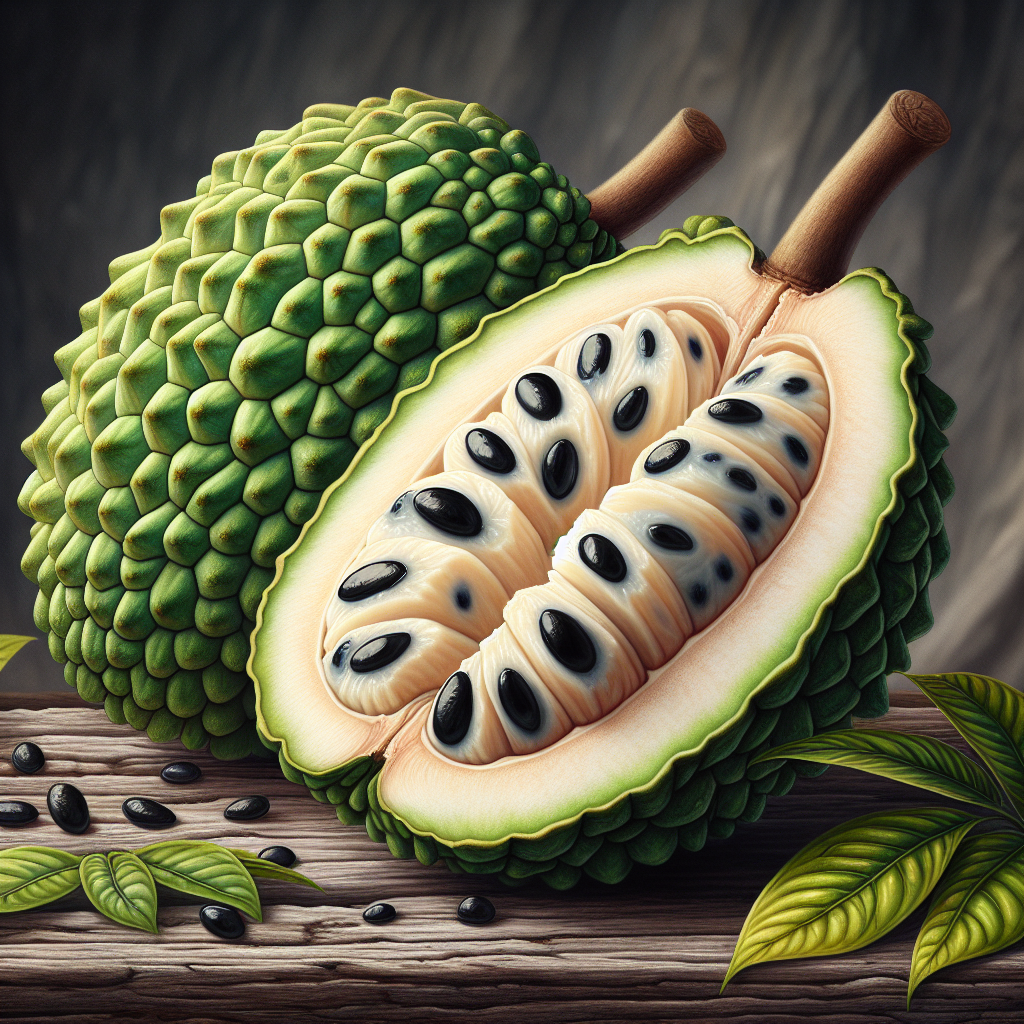
Flowers are pendulous, 1-2 inches wide, with three outer petals creamy yellow and three inner petals yellowish-green, attracting pollinators like nitidulid beetles essential for fruit set. Fruits are heart-shaped or conical, 4-6 inches in diameter, with thick, green-to-yellowish skin covered in slightly raised, pentagonal segments. The flesh is snow-white, translucent, and custard-like, surrounding a central core of 20-40 black seeds. Brix levels average 20-24°, indicating exceptional sweetness.
Root system is shallow and wide-spreading, sensitive to waterlogging, with fibrous laterals dominating. Geffner matures in 3-5 years from graft, entering full production by year 7, with a lifespan of 20-30 years. Compared to other atemoyas like Page or Pink's Pango, Geffner excels in fruit size (up to 3 lbs) and flavor consistency, though it requires hand-pollination in many regions for optimal set. For more on companion tropicals, see Why Companion Planting Feels Like Guesswork for Small Farms - And How AI Makes It Foolproof.
Soil, pH, and Climate Requirements for Atemoya (Geffner)
Geffner atemoya demands well-drained, fertile soils rich in organic matter, ideally sandy loam or loamy sand with 2-5% organic content. Heavy clays lead to root rot, so raised beds or mounds (12-18 inches high) are essential in poorly drained sites. Soil pH should range 5.5-7.0; test annually and amend with dolomite lime if below 5.5 or sulfur if exceeding 7.5. Incorporate 4-6 inches of compost pre-planting, followed by annual top-dressing of 2-3 inches.
Optimal climate features average temperatures of 70-85°F (21-29°C), with no frost tolerance below 28°F (-2°C). It flourishes in humid subtropical zones (Köppen Aw/Cfa), tolerating brief droughts but excelling with 40-60 inches annual rainfall, evenly distributed. Full sun (8+ hours daily) is mandatory; partial shade reduces yields by 30-50%. Wind protection via hedges prevents flower drop. In marginal areas, use frost blankets or overhead micro-sprinklers for protection. Mulch heavily (6-8 inches) with wood chips or cocoa hulls to retain moisture and suppress weeds.
Step-by-Step Planting & Propagation
Propagation: Geffner is primarily propagated via veneer or cleft grafting onto sugar apple or pond apple rootstocks for vigor and nematode resistance. Seedlings are not true-to-type due to hybrid nature. Collect scions from disease-free, high-yielding trees in late winter; aim for 4-6 inch dormant wood with 2-3 buds. Rootstocks should be 1/2-1 inch caliper. Graft success exceeds 80% with proper cambium alignment; seal with wax or tape.
Air-layering works for mature trees: girdle 2-inch branches, apply rooting hormone (IBA 0.3%), wrap in moist sphagnum, and root in 6-8 weeks.
Planting: Select 3-4 ft grafted trees. Dig holes 3x wider than root ball, 12-18 inches deep, amending with compost (30% by volume). Space 15-20 ft apart for standard, 12-15 ft for high-density. Plant at same depth as nursery container, staking immediately. Water deeply (10-20 gallons) post-planting; apply 4-6 inches mulch, keeping 6 inches from trunk. Irrigate every 3-5 days for first 6 months, transitioning to weekly deep watering.
Care & Maintenance regimes for Atemoya (Geffner)
Irrigation: Drip systems delivering 1-2 inches weekly, increasing to 3 inches during fruit swell. Avoid overhead to prevent fungal issues; maintain even moisture without saturation.
Fertilization: Young trees: 1 lb 10-5-20 NPK per tree monthly, first 2 years. Mature: 1-2 lbs per inch trunk diameter annually, split into 3 applications (Feb, May, Aug). Foliar sprays of micronutrients (Zn, Fe, Mn) bi-monthly during growth flushes. Soil drench with calcium nitrate if deficiencies appear (yellowing young leaves).
Pruning: Annually post-harvest: remove dead/crossing branches, thin canopy for light penetration, tip-prune to encourage bushiness. Maintain 8-12 ft height for harvest access.
Pollination: Hand-pollinate at dusk using a brush to transfer pollen from male-phase flowers (spread petals) to female-phase (closed petals). Repeat next morning. Yields double with this practice.
Weed Control: Mulch + shallow cultivation; pre-emergent herbicides like oryzalin if organic not feasible.
Pests, Diseases & Organic Management
Pests: Monitor for mealybugs, scale insects, and ants on new growth; treat with neem oil (2% solution) weekly or insecticidal soap. Nitidulid beetles aid pollination but vector anthracnose—use traps. Fruit flies attack ripe fruit; bag clusters at marble size. For broader strategies, explore Why 90% of Small Farms Fail at Pest Management - And 8 Organic Fixes That Actually Work.
Diseases: Anthracnose causes fruit rot—apply copper fungicide at bud break, repeat 14-day intervals. Phytophthora root rot from poor drainage; use phosphonate drenches. Prevent with sterile soil, raised beds. Bacterial leaf spot managed by sanitation, avoiding overhead water.
Organic IPM: Introduce predatory beetles, ladybugs; companion plant marigold for nematodes. Neem + Bacillus thuringiensis for caterpillars.
Harvesting, Curing & Optimal Storage
Harvest when fruit reaches full size, skin dull green with slight yellowing at base, and a dull thud when tapped—typically 9-11 months from bloom. Cut with shears, leaving 1-inch stem. Yield peaks Oct-Dec in Northern Hemisphere.
Curing: Place in shaded area at 55-65°F (13-18°C), 85-90% humidity for 3-5 days to ripen evenly. Avoid refrigeration below 50°F to prevent chilling injury.
Storage: Ripe fruit lasts 3-7 days at room temp; unripe stores 2-4 weeks at 50°F. For market, pack in ventilated crates; ethylene absorbers extend shelf life. Postharvest dips in hot water (122°F/50°C, 20 min) control fungi.
Companion Planting for Atemoya (Geffner)
Pair Geffner with nitrogen-fixers like pigeon pea or gliricidia for soil enrichment. Thyme and marigold deter nematodes and aphids. Avoid legumes prone to shared pathogens. Understory pineapple suppresses weeds, provides ground cover. Space companions 6-8 ft from trunk to prevent root competition. This polyculture boosts biodiversity, reduces pests by 25-40%.