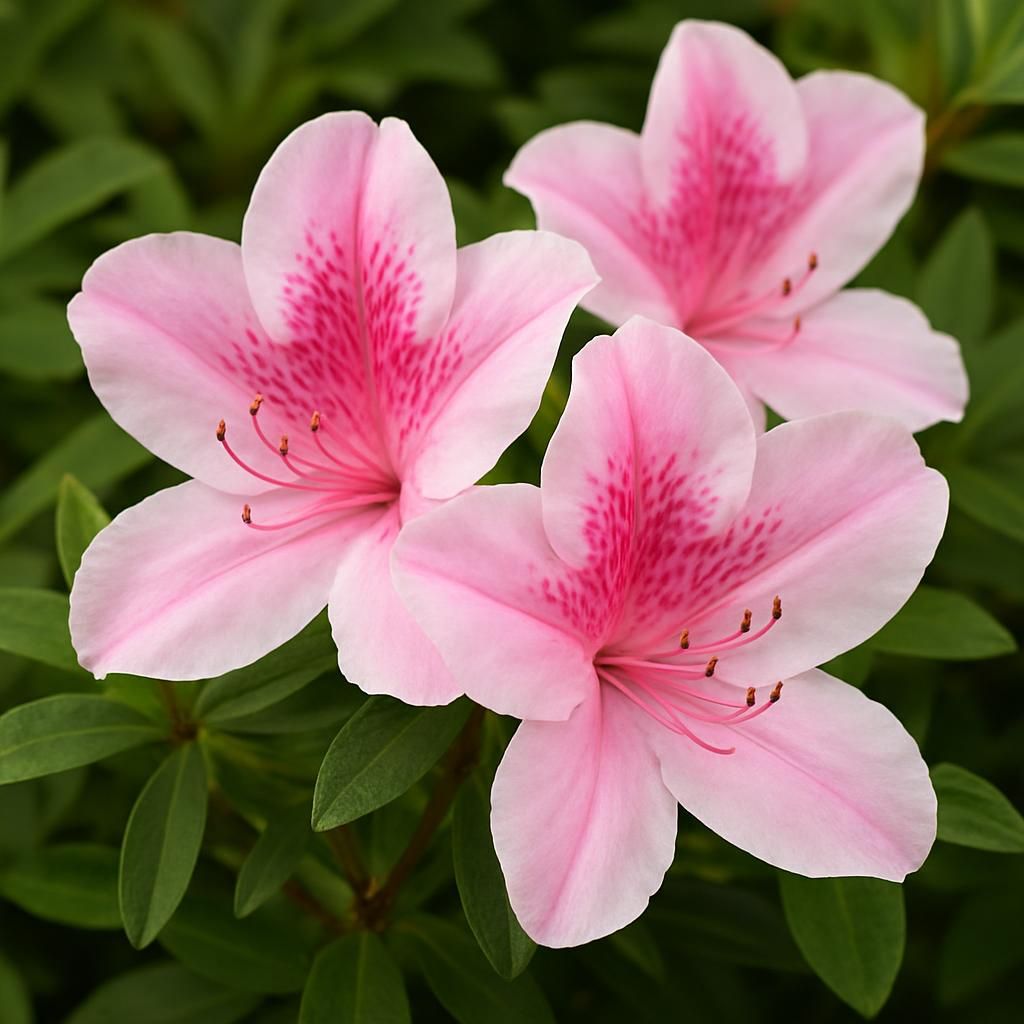
Introduction to Azalea
Azaleas belong to the genus Rhododendron and are among the most popular flowering shrubs worldwide due to their spectacular spring display and adaptability to landscape use. They thrive in acidic, well-drained soils and provide long-lasting color in both home gardens and commercial nursery production. Understanding their specific cultural requirements is essential for achieving vigorous growth and prolific flowering year after year.
Botanical Profile of Azalea
Azaleas are deciduous or evergreen shrubs in the Ericaceae family, typically reaching 1–2 meters in height with a similar spread. Their leaves are alternate, simple, and often pubescent on the underside. Flowers range from white and pink to deep red, purple, and orange, appearing in terminal clusters before or with new leaf growth. Most cultivars are hybrids derived from species native to East Asia, North America, and the Caucasus region. Azaleas exhibit shallow, fibrous root systems that are highly sensitive to soil compaction and poor drainage.
Soil, pH, and Climate Requirements for Azalea (MUST INCLUDE A MARKDOWN TABLE OF IDEAL CONDITIONS)
Azaleas demand precise environmental conditions to perform optimally. They require consistently moist yet well-aerated soil with high organic matter content. The following table outlines the ideal parameters for commercial and home cultivation:
| Parameter | Ideal Range/Value | Notes |
|---|---|---|
| Soil pH | 4.5 – 6.0 | Strongly acidic; test annually |
| Soil Type | Loamy, well-drained, high in organic matter | Avoid heavy clay without amendment |
| Temperature Range | 15–24 °C daytime; 10–15 °C night | Protect from extreme heat above 30 °C |
| USDA Hardiness Zones | 5–9 | Evergreen types more tender |
| Sun Exposure | Partial shade to filtered sun | Morning sun with afternoon shade preferred |
| Spacing | 0.9–1.5 m between plants | Allows air circulation and root expansion |
Step-by-Step Planting & Propagation
Site selection begins with a soil test to confirm pH and nutrient levels. Amend native soil with pine bark fines, peat moss, or well-aged compost to reach the target acidity and improve drainage. Plant in early spring or autumn when temperatures are moderate. Dig a hole twice as wide as the root ball but no deeper, ensuring the root flare sits at soil level. Backfill with amended soil and water thoroughly to eliminate air pockets. For propagation, take semi-hardwood cuttings 10–15 cm long in early summer; dip in rooting hormone and place in a 50:50 perlite-peat mix under high humidity until roots develop in 6–8 weeks. Layering is also effective for established plants.
Care & Maintenance regimes for Azalea (MUST INCLUDE A MARKDOWN TABLE OF WATER, FERTILIZER, AND PRUNING SCHEDULES)
Consistent care ensures abundant blooms and disease resistance. Mulch annually with 5–7 cm of pine needle or shredded bark mulch to retain moisture and suppress weeds. The following table provides a professional maintenance calendar:
| Season | Watering Schedule | Fertilizer Application | Pruning Schedule |
|---|---|---|---|
| Spring | 2.5–4 cm per week; keep soil evenly moist | Apply acid-loving plant fertilizer (e.g., 10-10-10 with micronutrients) at bud break | Remove spent blooms immediately after flowering |
| Summer | Increase to 4–5 cm during heat; monitor wilting | Light supplemental feeding in early summer if growth is pale | Light shaping only; avoid heavy cuts |
| Autumn | Reduce to 2 cm per week as growth slows | Apply slow-release organic fertilizer low in phosphorus | Remove dead or crossing branches |
| Winter | Maintain minimal moisture in mild climates | None required | Major structural pruning on dormant plants |
Pests, Diseases & Organic Management
Common insect pressures include Aphids, Spider mites, and lace bugs. Monitor leaf undersides weekly and apply insecticidal soap or neem oil at first sign of infestation. Fungal issues such as Phytophthora root rot and petal blight are prevalent in poorly drained soils. Improve drainage and apply beneficial microbes or copper-based fungicides preventively. Regular sanitation—removing fallen leaves and spent flowers—reduces overwintering inoculum. Encourage natural predators such as lady beetles and lacewings by planting flowering herbs nearby.
Harvesting, Curing & Optimal Storage
Although azaleas are primarily ornamental, cut-flower growers harvest stems when 30–50 % of buds are open. Use sharp, sterilized shears and place stems immediately in cool water with floral preservative. For potted nursery stock, harvest plants when root systems are well-developed but before flowering. Store container plants in a cool, shaded holding area at 5–10 °C with moderate humidity for up to four weeks. Bare-root plants should be heeled-in moist sand or sawdust and kept at 2–4 °C until planting.
Companion Planting for Azalea
Azaleas pair well with other acid-loving species such as Blueberry, ferns, and heaths. Nasturtium and Marigold provide beneficial insect habitat while adding color contrast. Avoid planting near shallow-rooted trees that compete for moisture. Interplanting with Clover as a living mulch helps fix nitrogen and maintain soil acidity. For more companion planting strategies, see Summer Companion Planting: 10 Organic Pairings to Boost Small Farm Resilience.
For further botanical reference, consult the comprehensive entry on Rhododendron available on Wikipedia.