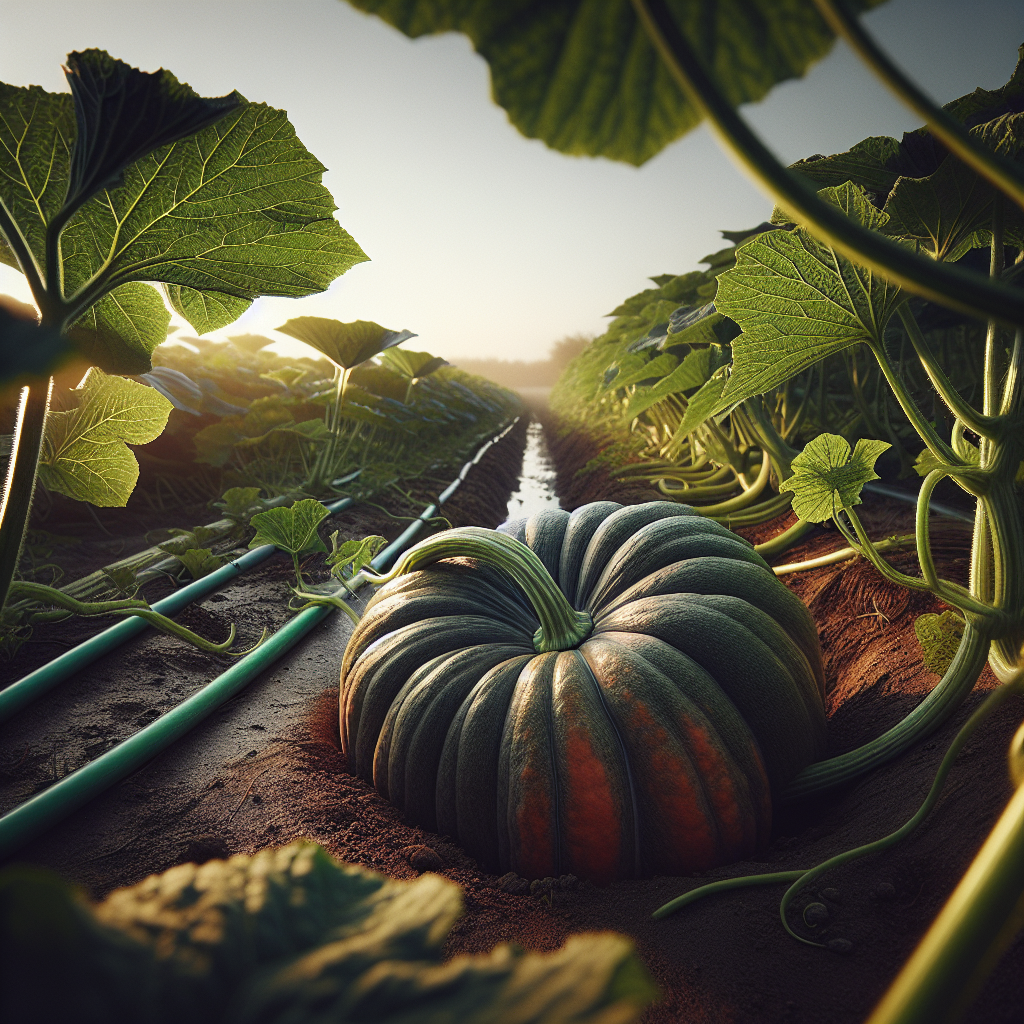
Introduction to Atlantic Giant Pumpkin
Bred primarily for size rather than culinary quality, this legendary giant pumpkin traces back to the breeding work of Howard Dill in Nova Scotia, whose selections helped define the modern giant-pumpkin standard. It belongs to the species Cucurbita maxima, the same broad species group that includes some giant squash and specialty winter squash, but Atlantic Giant stands apart for its extraordinary capacity to direct carbohydrates, water, and mineral nutrients into a single rapidly expanding fruit.
For ordinary gardeners, a fruit of 50-150 lb is a realistic achievement with decent care. For competitive growers, 300-800 lb can be attainable with excellent management, while top-tier exhibition culture pushes fruit into four-digit weights. The difference is not luck alone. Giant-pumpkin culture is a specialized system built around early vigor, uninterrupted vegetative growth, careful pollination, minimal stress, and channeling the plant's energy into one or two selected fruits.
This is not a compact pumpkin. Expect a sprawling root-hungry vine system that can occupy 400-1,000 square feet per plant depending on growing goals. If you already grow standard Pumpkin, understand that Atlantic Giant requires more space, heavier feeding, stricter disease prevention, and more exact water consistency than ordinary jack-o'-lantern types.
Botanical Profile of Atlantic Giant Pumpkin
This cultivar is a warm-season annual cucurbit with a coarse, vigorous, trailing habit. Leaves are very large, broad, and rough-textured, often held on long petioles that create a dense canopy once the plant enters full summer growth. Stems are angular, thick, and prickly, and vines root opportunistically at nodes when in contact with moist soil, helping stabilize water and nutrient uptake over a broad footprint.
The plant produces separate male and female flowers on the same vine, meaning it is monoecious. Male flowers appear first, often in abundance, followed by female flowers identified by the miniature swollen ovary behind the petals. Pollination is usually carried out by bees early in the morning, but serious growers often hand-pollinate to control parentage and improve fruit set reliability.
Atlantic Giant fruit is typically round to flattened-round, sometimes slightly lobed, with skin color ranging from salmon-orange to pale orange or orange-pink at maturity. The rind is not usually as deep orange or as decorative as carving pumpkins. Flesh quality is secondary to size; some fruit is bland, watery, or fibrous compared with culinary pumpkins.
Botanically, giant size comes from a combination of high cell division early in fruit development and intense later cell expansion driven by water movement, carbohydrate allocation, and strong vascular connections between the fruit and vine. That is why any interruption in growth, such as drought, root damage, disease, or sudden overfertilization, can permanently reduce final fruit size.
Typical seasonal timeline:
- Germination: 5-10 days in warm soil
- First male flowers: roughly 35-50 days from sowing
- First female flowers: roughly 45-60 days from sowing
- Competitive fruit set window: often 55-75 days from sowing
- Maturity for exhibition: usually 110-140 days depending on climate and start date
Soil, pH, and Climate Requirements for Atlantic Giant Pumpkin
The ideal site is full sun, deep soil, strong drainage, high organic matter, and protection from prevailing desiccating wind. Giant pumpkins are best grown in temperate regions with warm days, mild nights, and a long frost-free season. The crop performs best where daytime temperatures are generally 70-85°F (21-29°C) and nighttime temperatures stay 55-70°F (13-21°C). Growth slows markedly below 60°F (16°C), and heat stress becomes significant when leaf temperatures regularly exceed 95°F (35°C), especially under low humidity and hot wind.
Soil texture matters. A fertile sandy loam or loam is ideal because it warms reasonably fast in spring but still holds moisture and oxygen. Heavy clay can work only if aggressively amended and structured, since waterlogging around the crown promotes root disease and weak growth. Very sandy soil can produce fast early growth but requires tighter irrigation and nutrient scheduling because leaching losses are substantial.
Target soil parameters:
- pH: 6.5-7.0 is optimal; acceptable range 6.2-7.2
- Organic matter: ideally 4-8%
- Drainage: no standing water after heavy rain beyond 12-24 hours
- Rooting depth: at least 18-24 inches of friable soil
- Electrical conductivity: moderate fertility is fine, but avoid salt buildup from overfeeding
Before planting, incorporate well-finished compost rather than raw manure. Raw manure can drive excess early nitrogen, increase salt risk, and create uneven microbial heating in the root zone. Compost additions of 2-4 inches worked into the top 8-12 inches are beneficial. Many serious growers create a broad planting mound or hill 12-18 inches high and 3-5 feet across to accelerate soil warming and improve drainage.
Nutrient demand is high, but balance is more important than brute force. Early growth benefits from available nitrogen for vine expansion, while phosphorus supports rooting and flowering. Potassium becomes especially critical during fruit bulnd and water regulation. Calcium, magnesium, boron, and manganese also matter because rapid tissue expansion exposes any hidden deficiency quickly.
For overall site preparation and fertility planning, review soil health strategies.
Step-by-Step Planting & Propagation
Atlantic Giant is propagated by seed. Saving seed is possible, but named lineages matter in giant-pumpkin culture, and seed source strongly influences size potential.
Start with fresh, high-vigor seed. Choose plump, well-stored seed from a reputable line. Older seed can germinate, but emergence may be uneven. Many growers lightly sand or nick the seed edge opposite the embryo to help the thick seed coat open, but do this carefully to avoid embryo injury.
Time sowing to your frost-free window. Start seeds indoors 2-4 weeks before the last expected frost, or direct sow once soil temperatures are reliably above 70°F (21°C). In cool climates, transplanting gives a valuable head start. In hot climates with long seasons, direct sowing can reduce transplant shock.
Pre-germinate if desired. Seeds germinate well at 85-90°F (29-32°C). A warm propagation mat or warm indoor space speeds emergence. Sow on edge, 1-1.5 inches deep in a sterile, well-drained seed-starting mix.
Use large starter cells or pots. A 4-inch pot is a practical minimum; larger biodegradable pots work even better because roots resent disturbance once the first true leaves develop. Keep the medium moist but not saturated. It should feel like a wrung-out sponge, never muddy.
Harden off carefully. Over 5-7 days, expose seedlings gradually to wind, sun, and cooler nights. Tender greenhouse-grown foliage can scorch quickly if moved directly into full field conditions.
Transplant into pre-warmed soil. Space plants at least 15-25 feet apart in all directions for serious giant culture. Small-scale gardeners can grow them closer, but fruit size and airflow will decline. Plant at the same depth as in the pot, avoiding burial of the crown. Water in thoroughly with a dilute transplant solution if desired.
Protect early growth. Low tunnels, cloches, or temporary row covers can dramatically improve early vigor, but remove covers when flowering begins to allow pollination and prevent overheating. Early season protection is especially useful in short-season climates.
Train the vine system from the beginning. Encourage a Christmas-tree pattern: one main vine with secondary vines arranged left and right at regular intervals. Burying or covering vine nodes lightly with soil as they extend can encourage additional rooting, but do not smother stems in wet, heavy soil.
Manage fruit set intentionally. Allow several female flowers to form, but select one superior fruit on a vigorous section of the main vine, often 10-15 feet out from the crown. This position tends to balance plant support and fruit load. Hand-pollinate in early morning using freshly opened male flowers, then tape or cover the female bloom briefly if you want controlled crosses.
Cull excess fruit. Once your chosen fruit is clearly established, remove competing fruit so the plant directs energy to the keeper. Exhibition growers often maintain only one fruit per plant.
Care & Maintenance regimes for Atlantic Giant Pumpkin
Water management is the single most important cultural factor after soil quality. The goal is steady, abundant moisture with high soil oxygen. In practical terms, keep the root zone consistently moist to a depth of 8-12 inches, especially once the fruit begins rapid expansion. In mineral soils, this often means 1.5-3 inches of total water per week, but actual needs vary by canopy size, wind, soil type, and temperature.
A simple field test: dig 6 inches down near the root zone. Soil should feel cool and cohesive, forming a weak ball in the hand without releasing free water. If it is powdery, irrigation is overdue. If it is slick, grayish, sour-smelling, or leaves a shiny wet film on the hand, you are too wet.
Signs of underwatering:
- Midday wilting that persists into evening
- Slowed leaf expansion
- Fruit growth plateau or reduced daily circumference gain
- Dry, cracking soil around nodes and root zones
Signs of overwatering:
- Persistent wilting despite wet soil
- Yellowing lower leaves without obvious nutrient shortage
- Sour soil smell, algae, or fungus gnats around the crown
- Soft stem tissue or crown decline
- Increased fruit splitting after heavy irrigation swings
Use drip irrigation or low-pressure soaker lines rather than overhead sprinklers whenever possible. Overhead watering increases foliar disease pressure and can interfere with pollinator activity when used at the wrong time. Mulch helps moderate soil moisture, but keep organic mulch a few inches away from the crown to reduce rot risk.
Fertility should shift through the season. Early on, a somewhat nitrogen-forward program supports vine development. Once the plant is established and the chosen fruit is set, reduce aggressive nitrogen and emphasize potassium, calcium, and steady micronutrient availability. Too much nitrogen after fruit set often produces rampant vine growth, softer tissues, delayed maturity, and poorer storage quality.
A practical feeding approach:
- Pre-plant: compost plus balanced mineral nutrition based on soil test
- Early vegetative phase: modest nitrogen support every 7-14 days if foliage is pale or growth is slow
- Pre-bloom to fruit set: balanced feeding with attention to phosphorus and boron sufficiency
- Fruit bulking: lower nitrogen, higher potassium, adequate calcium and magnesium
Do not chase giant size with excessive soluble fertilizer. High salt concentrations can burn roots and create fluctuating water uptake, which contributes to stress cracks and fruit failure.
Vine training is essential. Position secondaries perpendicular to the main vine and remove tertiary vines if space is limited or if airflow is poor. Turn secondary vines gradually while still pliable; forcing older vines can split stems. As the pumpkin enlarges, cut the taproot tendency at the fruiting node only with caution and reposition surrounding vines as needed so the stem entering the fruit is not kinked.
Fruit care separates average growers from excellent ones. Place the developing pumpkin on a pallet, sand bed, landscape fabric, or foam pad so the underside stays dry and less attractive to rot organisms. Shade the fruit lightly with a breathable cloth or canopy during extreme heat to prevent sunscald and uneven rind hardening. Rapidly growing fruit can gain dozens of pounds per day under peak conditions, so check stem angle and contact points often.
Pruning and sanitation matter. Remove damaged leaves, dead blossoms, and diseased tissue promptly. Keep foot traffic minimal near the crown to avoid soil compaction and root injury. Avoid working plants when foliage is wet to reduce disease spread.
Pests, Diseases & Organic Management
Atlantic Giant shares most pest and disease pressures common to cucurbits, but its long season and massive canopy make prevention more important than rescue.
Key insect pests include squash vine borer, squash bugs, cucumber beetles, aphids, and spider mites.
squash vine borer larvae tunnel into stems, causing sudden wilting of runners or collapse of the crown. Frass at the entry point looks like orange-brown sawdust. Preventive strategies include row covers early in the season, stem inspection, and mounding soil over nodes so the plant develops auxiliary roots. If infestation is found early, some growers slit the stem carefully, remove the larva, and bury the wounded section to encourage rerooting.
squash bugs feed by piercing tissue, causing stippling, yellowing, and vine decline. Check leaf undersides for bronze egg clusters and crush them manually. Keep weeds and debris down because adults shelter there. Heavy infestations weaken vines and reduce fruit growth.
cucumber beetles are especially dangerous because they vector bacterial wilt. Use exclusion early, maintain strong plant vigor, and reduce nearby weed reservoirs. Yellow sticky traps can monitor activity but are not a stand-alone solution.
aphids and spider mites can build rapidly in hot, dry weather. Their feeding reduces photosynthesis exactly when the fruit needs maximum carbohydrate flow. Strong water sprays on leaf undersides, insecticidal soaps, and habitat support for beneficial insects help suppress outbreaks.
Major diseases include powdery mildew, downy mildew, bacterial wilt, Phytophthora crown or fruit rot, anthracnose, and various viral diseases.
powdery mildew is almost inevitable in many regions late in the season. It appears as white dusty patches on leaves, reducing photosynthetic area. Organic suppression includes sulfur or potassium bicarbonate products applied preventively or at first sign, but do not apply sulfur during very hot weather or too close to oil sprays. Good spacing and early-morning irrigation management reduce humidity persistence.
downy mildew causes angular yellow lesions that later brown and collapse, often with gray-purple sporulation under leaves in humid conditions. It spreads rapidly in wet weather. Improve airflow, avoid overhead irrigation, and remove badly infected foliage.
Phytophthora and other fruit rots thrive when the fruit sits on wet soil. Elevating the fruit and maintaining drainage are critical. Once rot invades the fruit, salvage is unlikely.
Integrated organic strategy:
- Rotate away from cucurbits for 3-4 years when possible
- Use clean seed and disease-free transplants
- Keep vines off chronically wet soil
- Scout twice weekly, more often during hot or humid spells
- Encourage pollinators and beneficial insects with flowering margins such as Nasturtium and Yarrow
- Remove severely diseased tissue promptly
- Sanitize tools when moving between plants
Harvesting, Curing & Optimal Storage
Harvest timing depends on your purpose. Exhibition growers harvest before frost once the fruit has plateaued in growth or reached the target event date. Home growers may wait until the rind is well hardened and vines begin natural decline. A mature giant pumpkin usually has a firm rind that resists thumbnail puncture, a corky hard stem, and a developed ground spot.
Always harvest before a hard frost. Light frost can damage exposed rind cells, shortening storage life and increasing rot risk. Use loppers or a clean pruning saw to cut the stem, leaving 4-6 inches attached if possible. Never lift the fruit by the stem.
Even medium-sized Atlantic Giants are awkward and dangerous to move. Use lifting tarps, straps, pallets, or machinery for large fruit. Minor bruising can quickly become major decay in storage.
Curing is useful even for giant pumpkins, though giant exhibition fruit is often moved soon after harvest. Cure at 75-80°F (24-27°C) with good ventilation for 10-14 days if conditions allow. This helps dry the stem and toughen the rind surface.
For storage, aim for:
- Temperature: 50-55°F (10-13°C)
- Relative humidity: 50-70%
- Good air circulation
- Dry surface and clean storage area
Avoid cold storage below 45°F (7°C), which can induce chilling injury. Avoid very high humidity, which encourages mold around the stem and blossom end. Check stored fruit weekly for soft spots, discoloration, or seepage.
Atlantic Giant is not the best long-term eating pumpkin, but immature or moderate-sized fruits can be processed for soup, puree, livestock feed, or seed saving if sound.
Companion Planting for Atlantic Giant Pumpkin
Companion planting should support pollination, pest balance, and spatial efficiency without stealing light, water, or nutrients from the vine. Because Atlantic Giant is so vigorous and demanding, the best companions are usually perimeter or edge plants rather than crops placed inside the root zone.
Nasturtium is one of the best companions because it attracts pollinators and can function as a visual trap plant for aphids in some gardens. Place it along the patch edge, not at the crown.
Yarrow supports beneficial insects including predatory wasps and hoverflies. Its upright habit keeps it from tangling with vines and makes it useful as a border insectary.
Thyme works well as a low border herb in dry outer edges of the patch, where it can attract pollinators while minimizing competition with the pumpkin's primary feeder roots.
Corn can be useful on the windward side of a large planting as a light windbreak if positioned far enough away to avoid shading the vines. Keep it outside the main root competition zone and never crowd the pumpkin hill.
Avoid close interplanting with other heavy feeders such as potatoes, large brassicas, or additional cucurbits. They compete too aggressively for nutrients and complicate pest and disease management. The most successful giant-pumpkin companion plan is usually simple: open ground, clean borders, high pollinator activity, and minimal competition.