Encyclopedia
Definitive guides for crops, pests, and agricultural diseases.
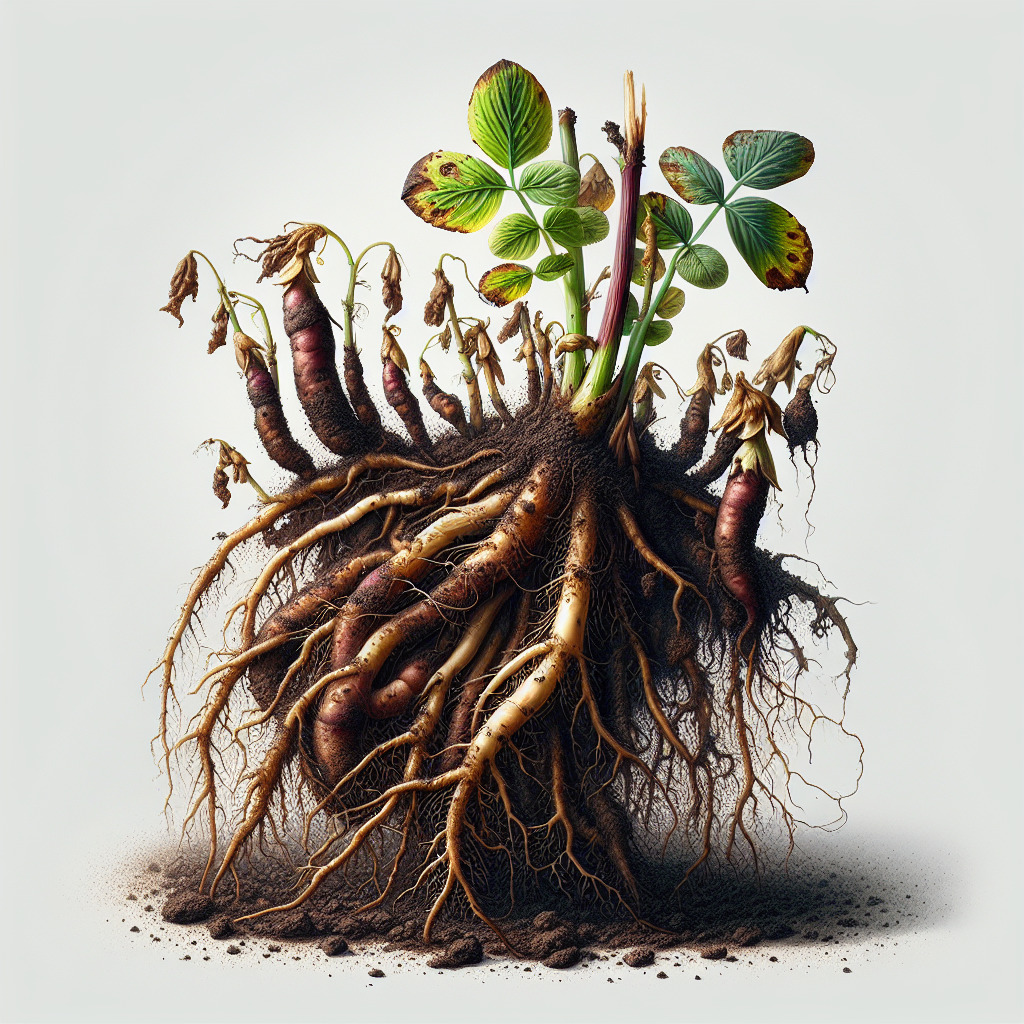
Aphanomyces
Aphanomyces is a devastating oomycete pathogen causing root rot in legumes and vegetables, thriving in cool, wet soils and leading to severe yield losses. This guide provides definitive diagnostics, symptoms identification, lifecycle details, organic management strategies, and prevention tactics for affected crops. Farmers can implement these professional-grade practices to protect their fields effectively.
View Profile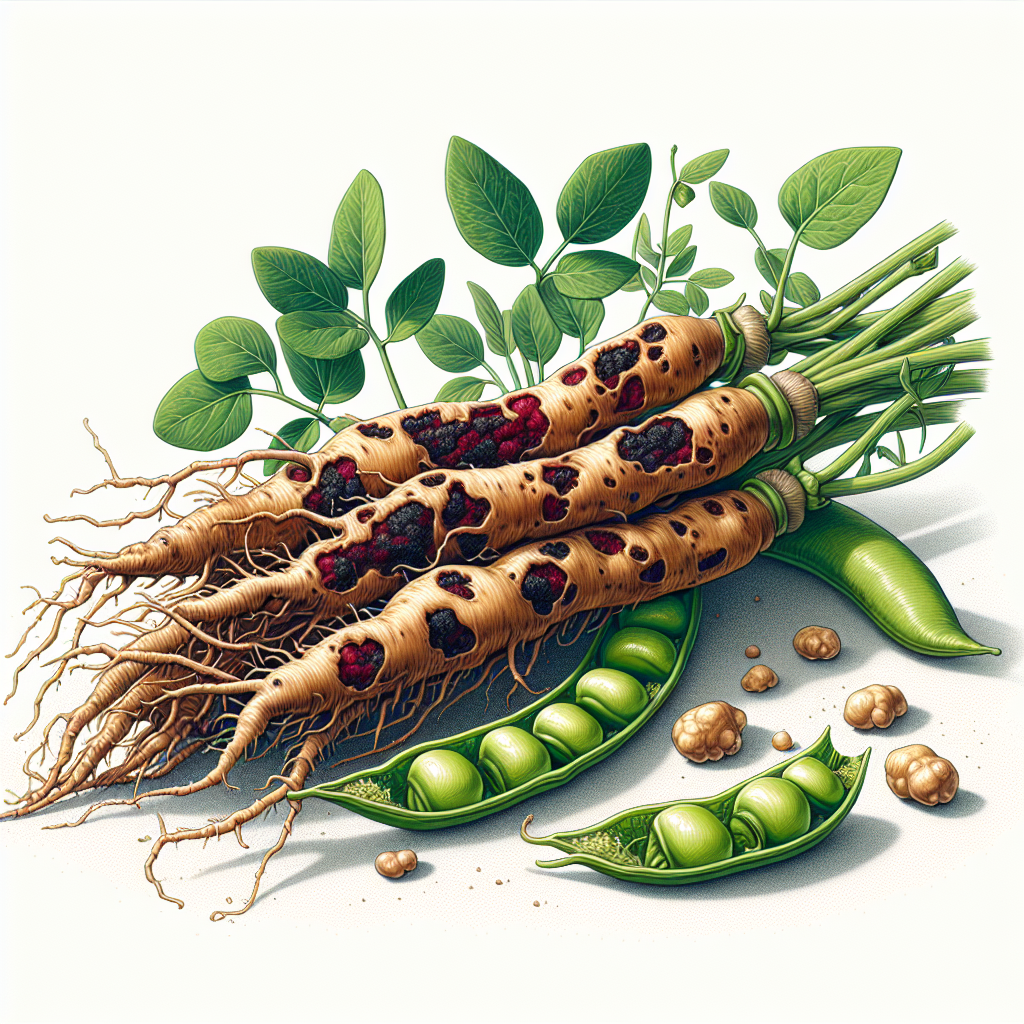
Aphanomyces root rot
Aphanomyces root rot is a devastating soilborne oomycete disease primarily affecting legumes like peas, beans, and lentils, causing severe root decay, stunted growth, and significant yield losses. It thrives in cool, wet conditions and persists in soil for years, making prevention critical. This guide provides definitive diagnostic, management, and prevention strategies for farmers.
View Profile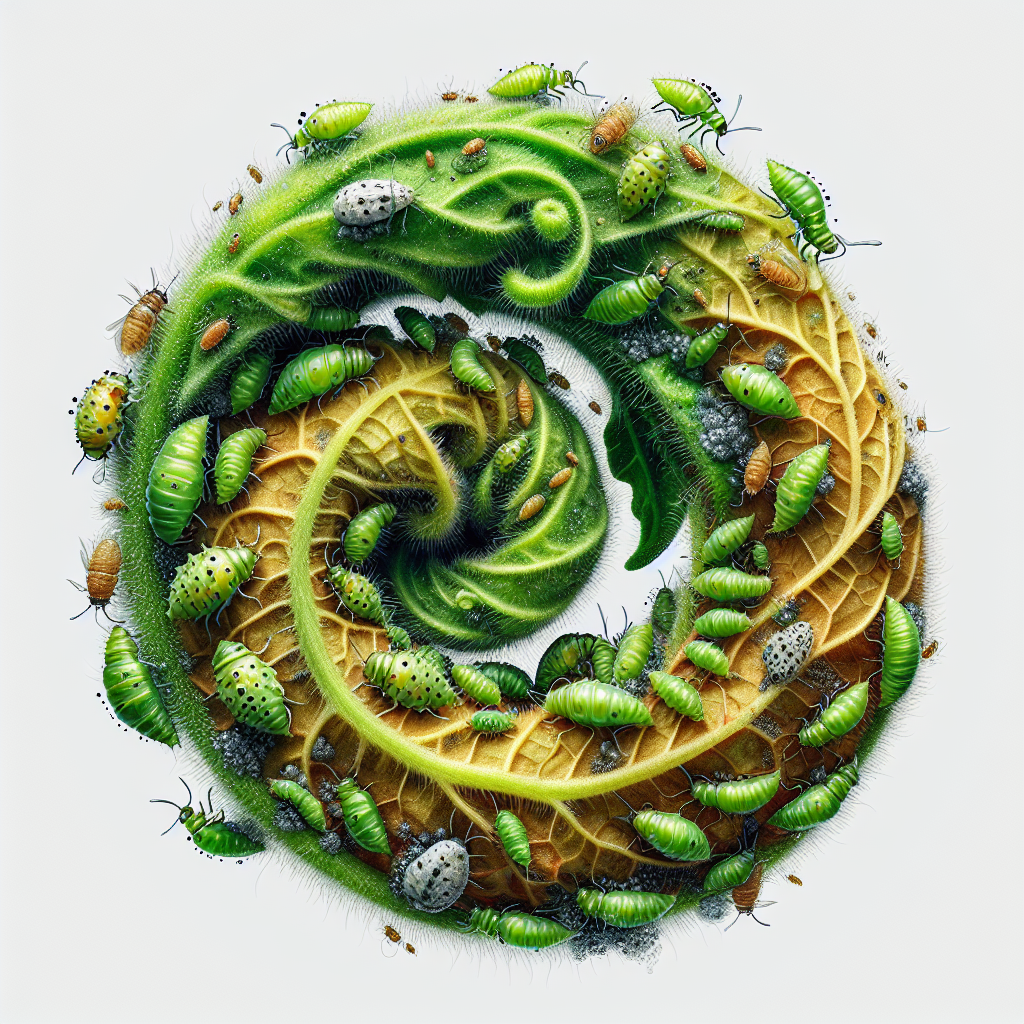
Aphid-like sap feeders
Aphid-like sap feeders encompass a diverse group of small insects including aphids, whiteflies, scales, and mealybugs that pierce plant tissues to extract sap, causing stunted growth, leaf curl, and honeydew production. These pests weaken plants by depriving them of nutrients and transmit viral diseases, leading to significant crop losses if unmanaged. Effective identification, organic controls, and prevention strategies are essential for sustainable agriculture.
View Profile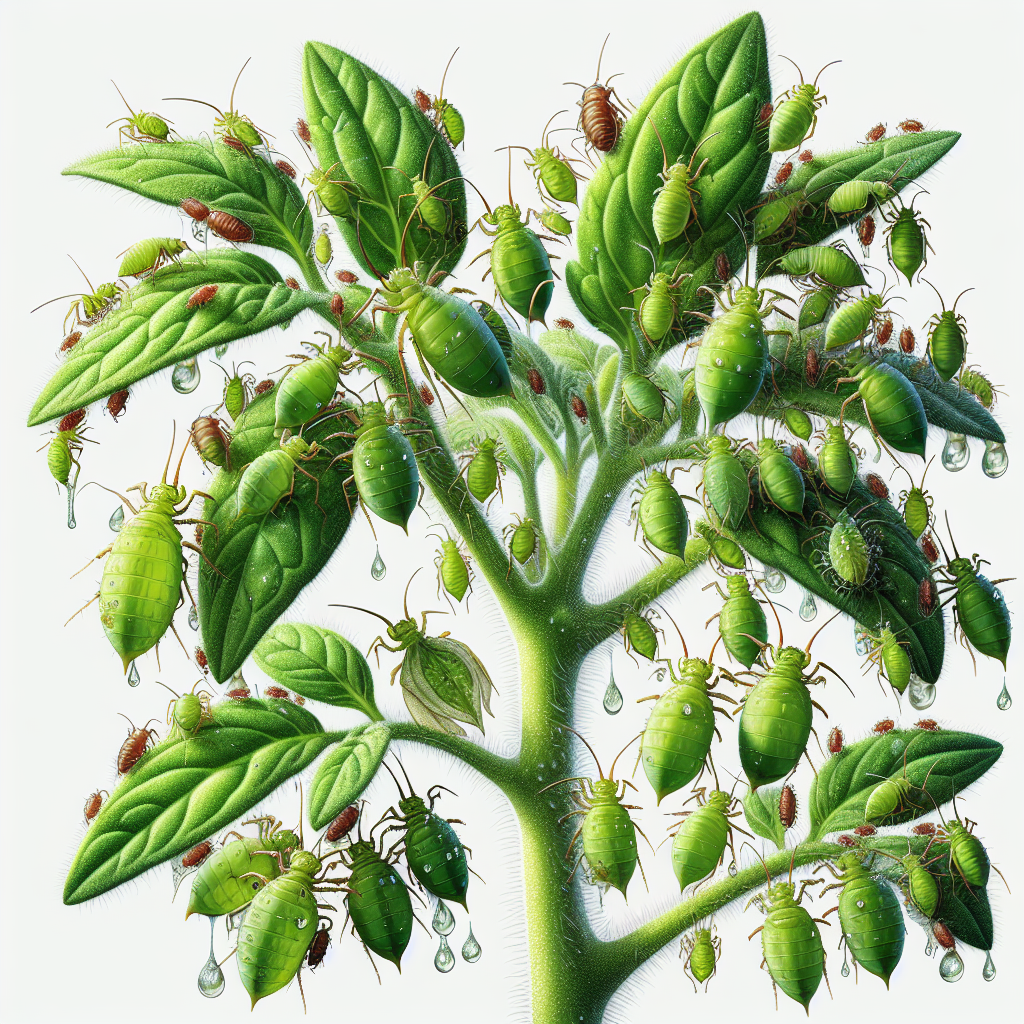
Aphids
Aphids are small, sap-sucking insects that infest a wide range of crops, causing distorted growth, sticky honeydew, and virus transmission. This guide provides professional diagnostic tools, lifecycle insights, organic management strategies, and prevention tactics for farmers. Effective control combines cultural practices, biological agents, and monitoring to minimize crop losses.
View Profile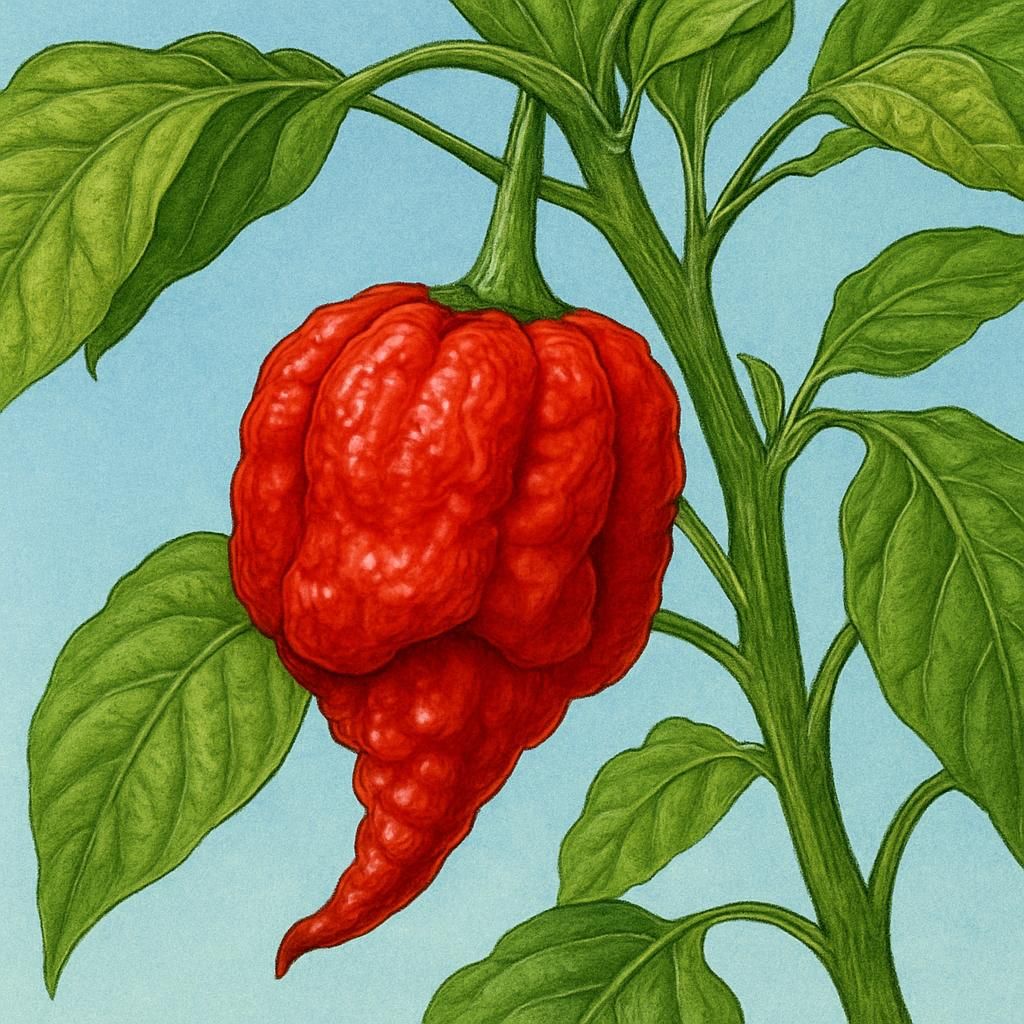
Apocalypse Scorpion
The Apocalypse Scorpion is a notoriously hot chili pepper renowned for its fiery heat. A favorite among chili enthusiasts, it requires specific conditions to thrive but rewards growers with intense heat and unique flavor.
View Guide
Apple
Apple is one of the world’s most important temperate fruit crops, valued for its broad adaptability, long storage life, and immense cultivar diversity. Successful production depends on matching chill requirements, rootstock vigor, pruning system, pollination planning, and disease management to local conditions.
View Guide
Apple Guava
Apple guava is a productive tropical to subtropical fruit tree valued for its aromatic, round to oval fruits, high vitamin C content, and reliable bearing under warm conditions. With proper pruning, moisture management, and pest control, it can be grown successfully in home orchards, mixed farms, and commercial plantings across frost-free and lightly seasonal climates.
View Guide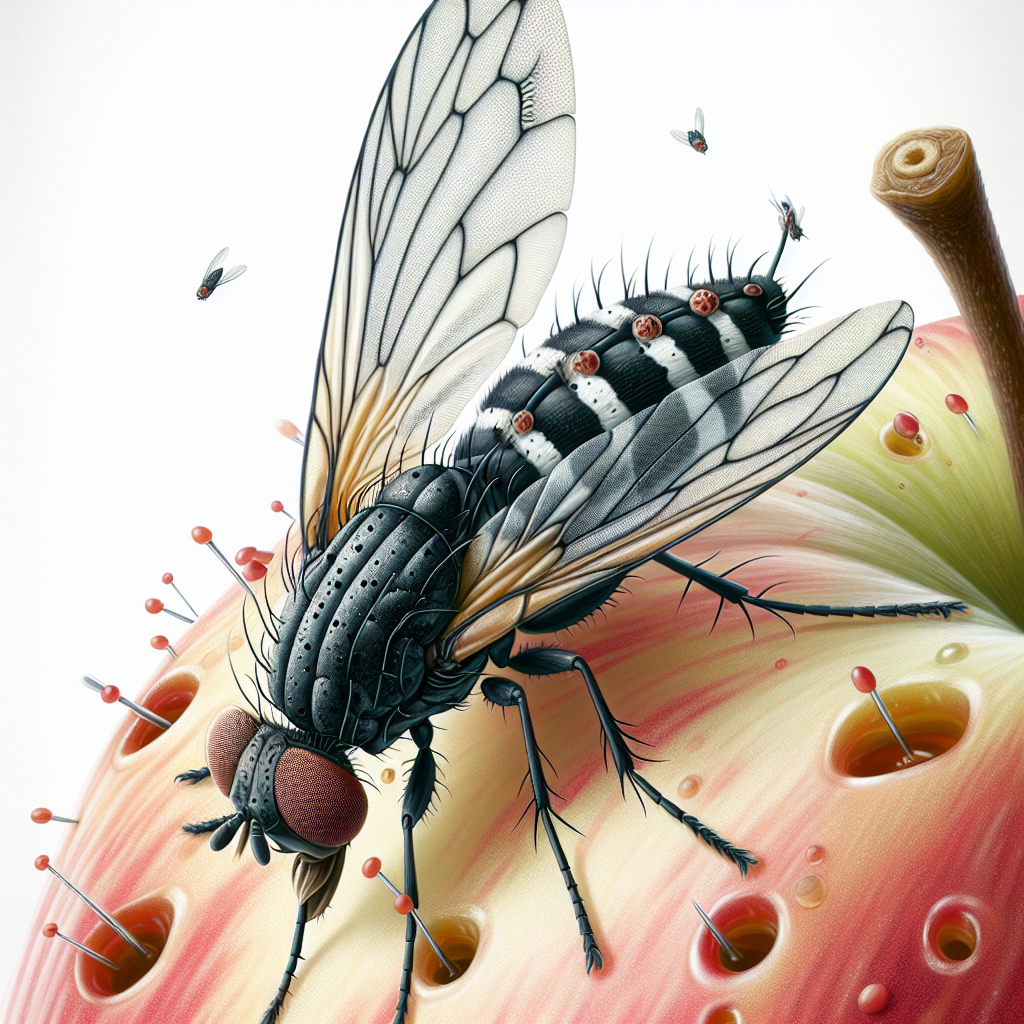
apple maggot
The apple maggot is a destructive fruit fly pest that infests apples and other stone fruits, causing significant economic losses through larval tunneling that renders fruit unmarketable. Native to North America, it has adapted from hawthorn to commercial apple orchards, with effective management relying on monitoring, sanitation, and targeted organic controls. This guide provides comprehensive diagnostics, lifecycle insights, and proven organic strategies for sustainable control.
View Profile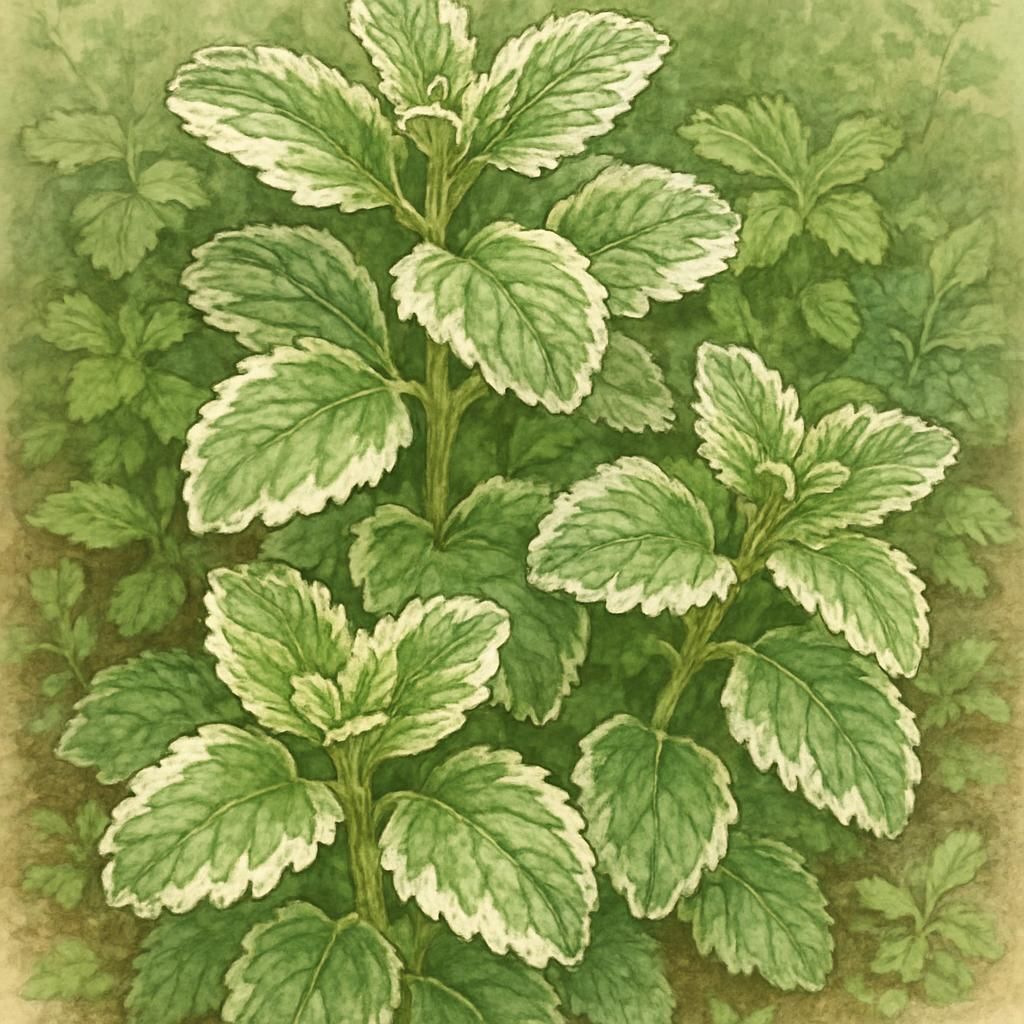
Apple Mint (Variegated)
Apple Mint (Variegated) is a delightful and aromatic herb characterized by its vibrant green leaves marbled with creamy white edges. This perennial is known for its unique apple-like fragrance and is often used in teas, desserts, and as a decorative plant in gardens.
View Guide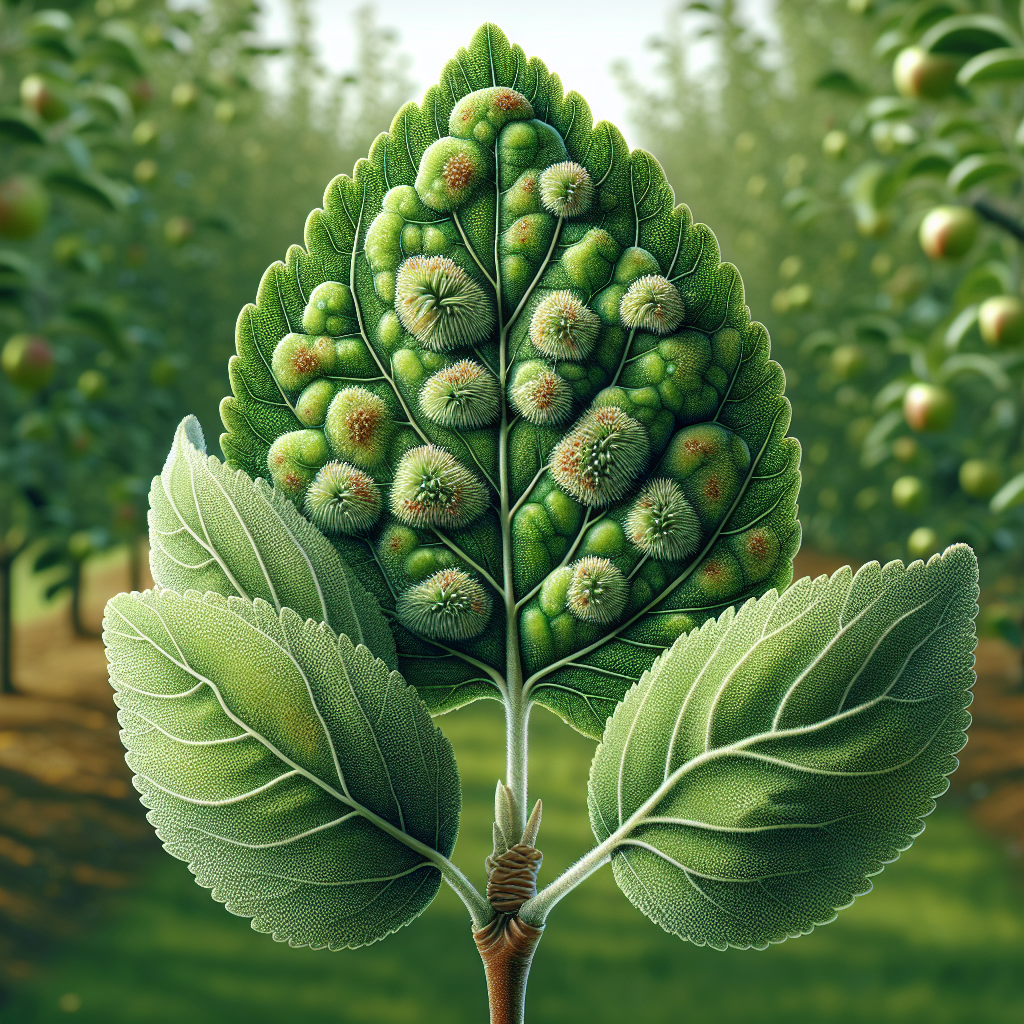
apple scab
Apple scab is a widespread fungal disease caused by Venturia inaequalis that primarily affects apple trees, leading to significant defoliation, fruit deformation, and yield losses. It thrives in cool, wet conditions, making early detection and integrated management essential for apple growers. Effective control combines resistant cultivars, cultural practices, and targeted organic treatments to minimize economic impact.
View Profile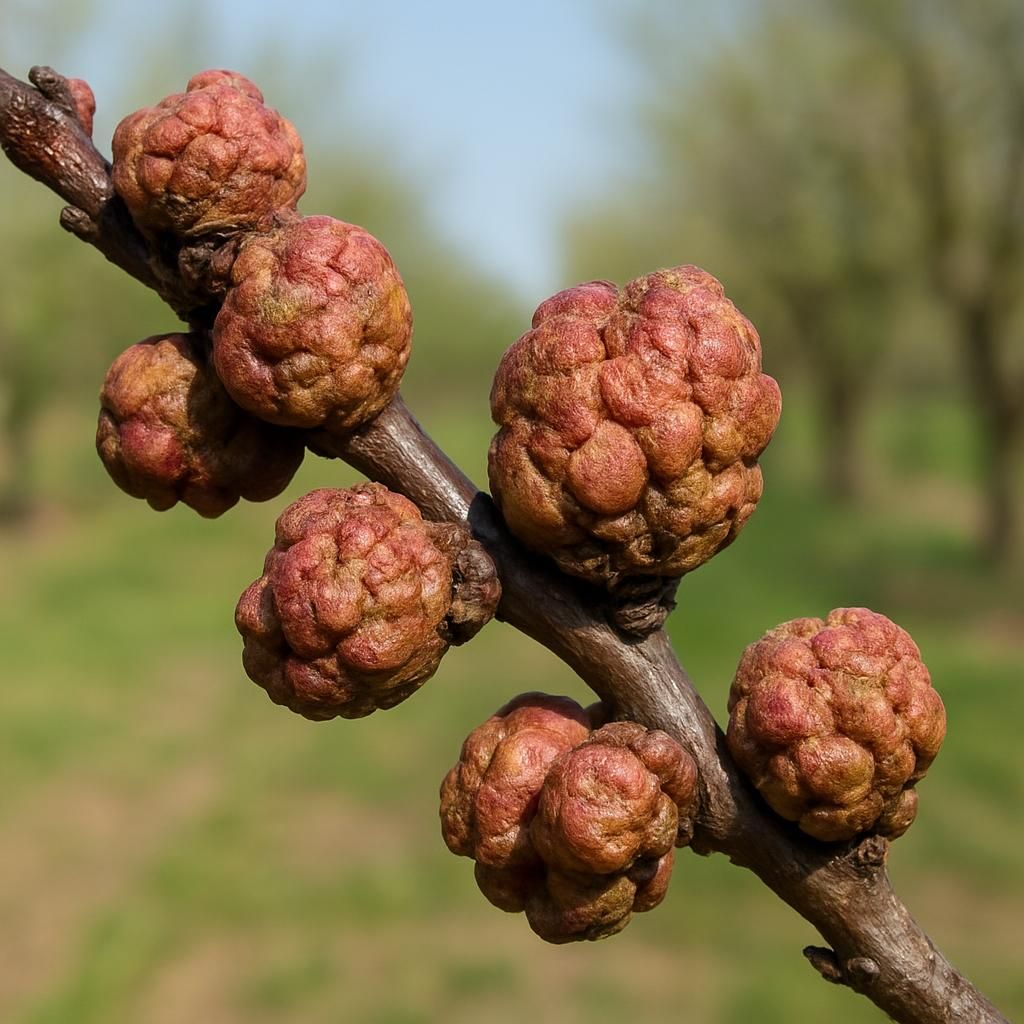
Apricot Bud Gall Mite
The Apricot Bud Gall Mite is a microscopic eriophyid mite that infests apricot buds, causing distinctive galls and significant yield loss. This guide provides professional-grade strategies for identification, prevention, and integrated management in commercial and home orchards.
View Profile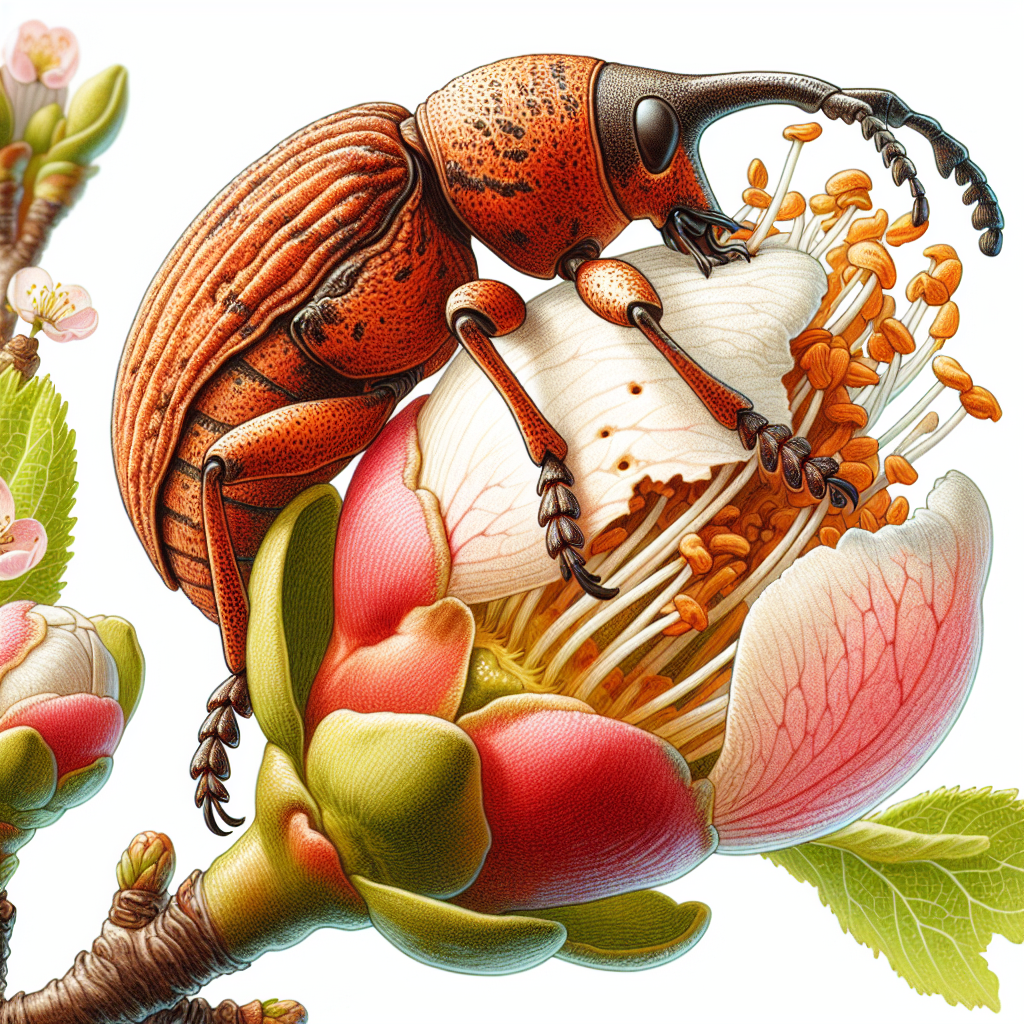
Apricot Bud Weevil
The apricot bud weevil is a notorious pest targeting apricot buds and blossoms, causing significant yield losses in stone fruit orchards. This guide provides comprehensive diagnostics, lifecycle insights, organic management strategies, and prevention tactics for effective control. Farmers can protect their crops using integrated approaches to minimize damage and ensure healthy harvests.
View Profile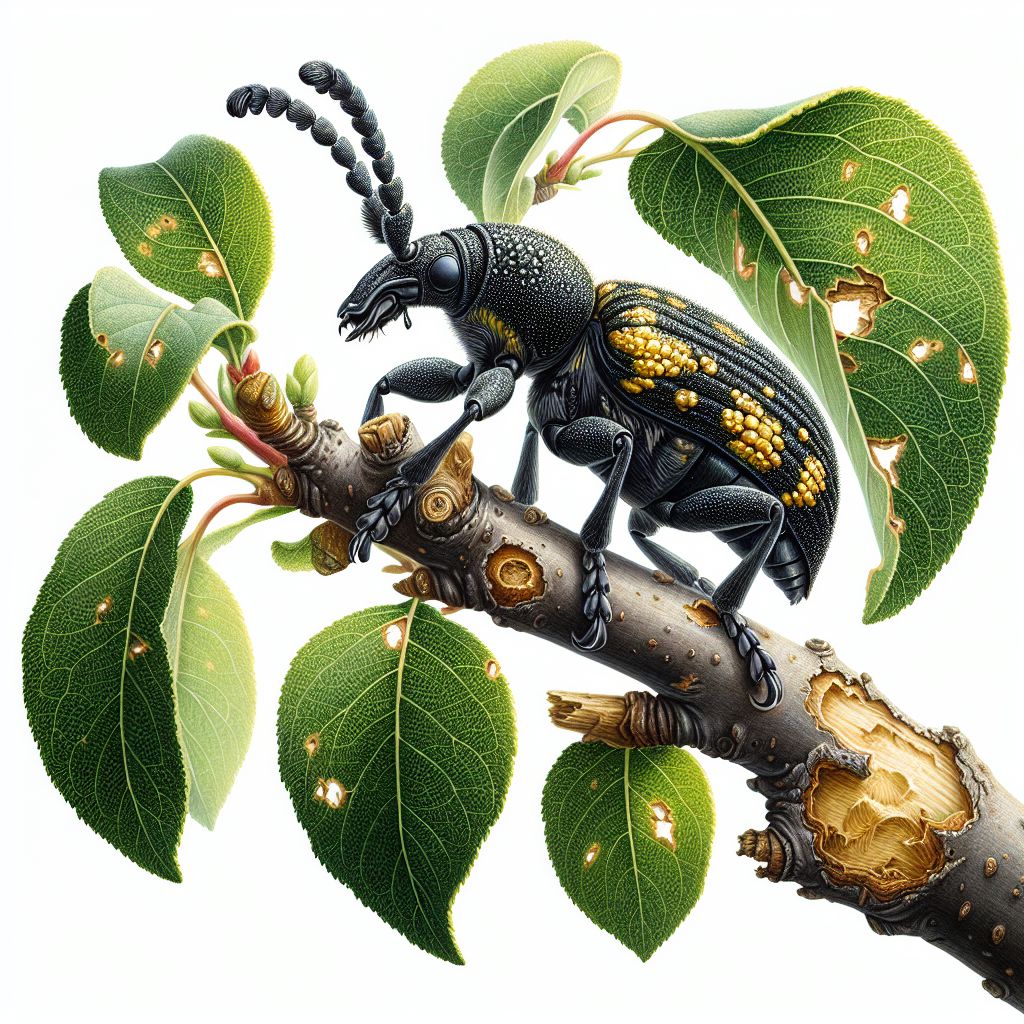
Apricot Weevil
The apricot weevil is a notorious soil-dwelling pest that attacks apricot tree roots and fruits, causing significant yield losses in stone fruit orchards. This guide provides comprehensive diagnostics, lifecycle insights, organic management strategies, and prevention tactics for growers facing infestations. Protect your [peach](/wiki/peach) and [plum](/wiki/plum) crops from this hidden threat with proven agricultural techniques.
View Profile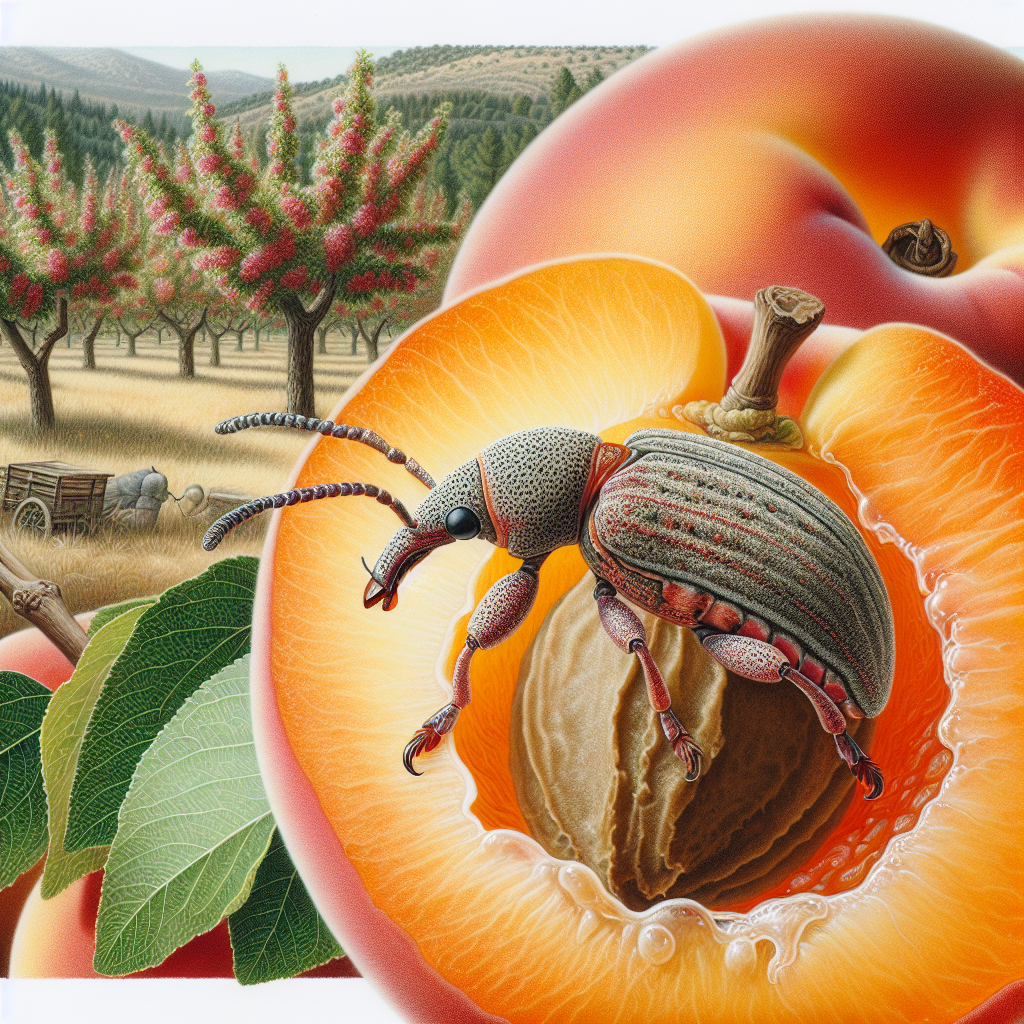
Apricots
Apricots, often referring to the destructive apricot weevil, pose a significant threat to stone fruit orchards by boring into fruits and nuts, causing premature drop and reduced yields. This guide provides comprehensive diagnostics, lifecycle insights, organic management strategies, and prevention tactics for growers facing apricot infestations. Early detection and integrated pest management are key to protecting crops like peaches and plums from this pervasive pest.
View Guide
Arabica Coffee (Typica)
Arabica Coffee 'Typica' is one of the foundational heirloom coffee cultivars in the world, valued for its clean cup, balanced sweetness, and historic role in shaping modern arabica production. It is productive under good management but is relatively tall, less compact than modern dwarf selections, and generally more vulnerable to disease, making careful site selection, shade management, nutrition, and sanitation essential.
View Guide
Araza (Eugenia stipitata)
Araza, or Eugenia stipitata, is a tropical shrub native to the Amazon basin, prized for its juicy, aromatic fruits with a flavor blending pineapple, passionfruit, and guava. This underutilized crop thrives in humid, acidic environments and offers high yields for small farms seeking exotic, vitamin-C-rich produce. Growers appreciate its relative ease in suitable climates, though it demands precise humidity and pest vigilance for optimal production.
View Guide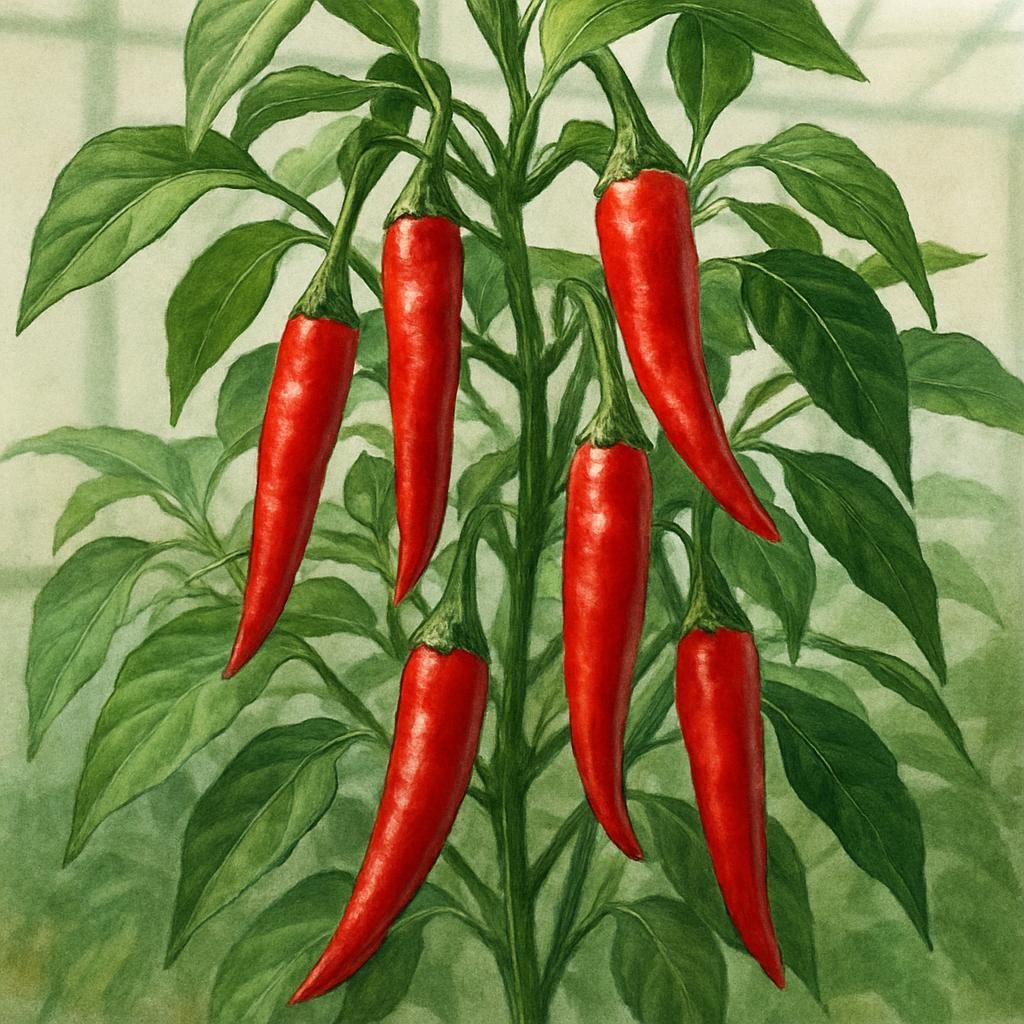
Arbol Chili
Arbol Chili is a slender, high-heat Capsicum annuum variety prized for its bright red color and consistent medium-high Scoville rating. This definitive guide delivers professional agronomic protocols for soil preparation, irrigation, nutrition, pest management, and post-harvest handling to maximize commercial and home-garden yields.
View Guide
Arborio Rice
Arborio rice is a classic Italian short-grain rice prized for its high amylopectin content, creamy texture, and ability to produce exceptional risotto. Although most gardeners associate rice with tropical paddies, Arborio can be grown successfully in warm temperate regions when soil fertility, water management, and season length are carefully matched to the crop’s needs.
View Guide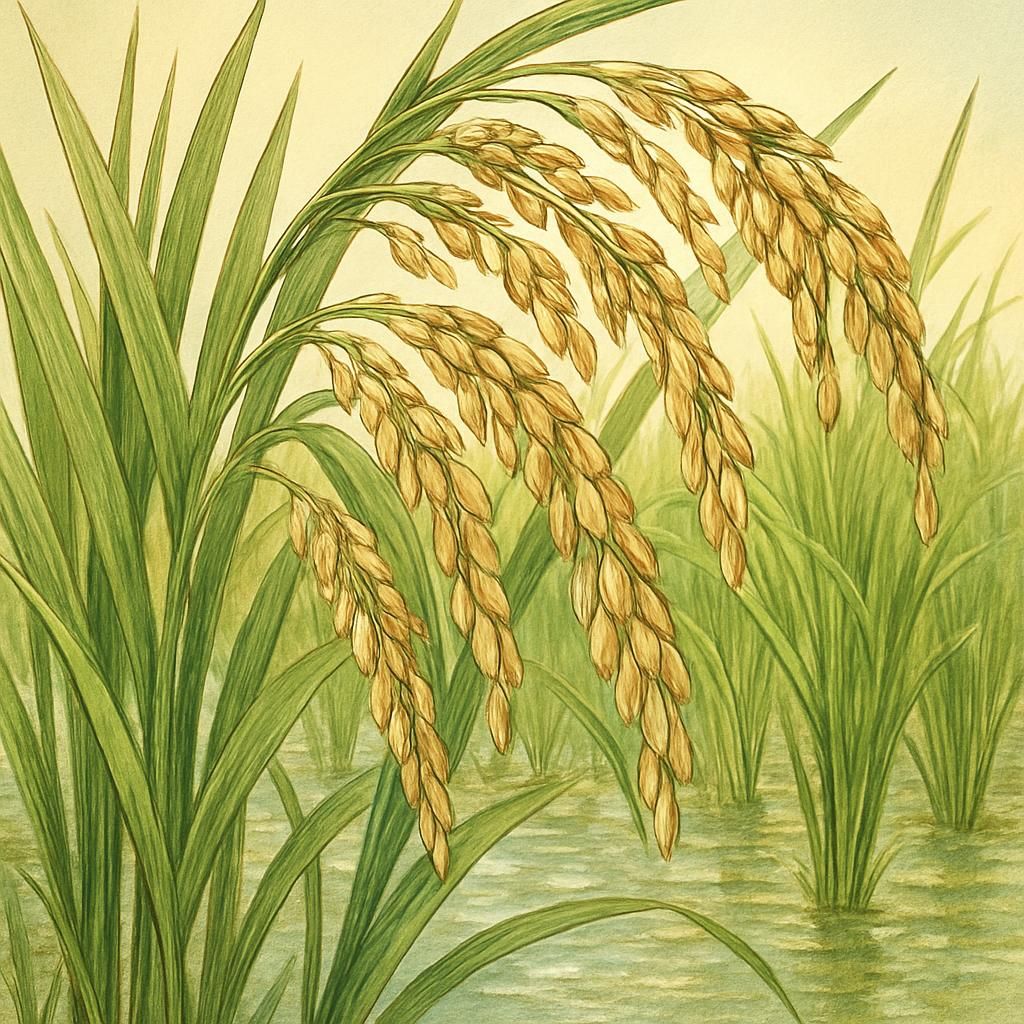
Arborio Rice (Superfino)
Arborio Rice (Superfino) is a high-quality, short-grain rice known for its essential use in risottos. Cultivation requires specific climate and water conditions to maintain its unique creamy texture.
View Guide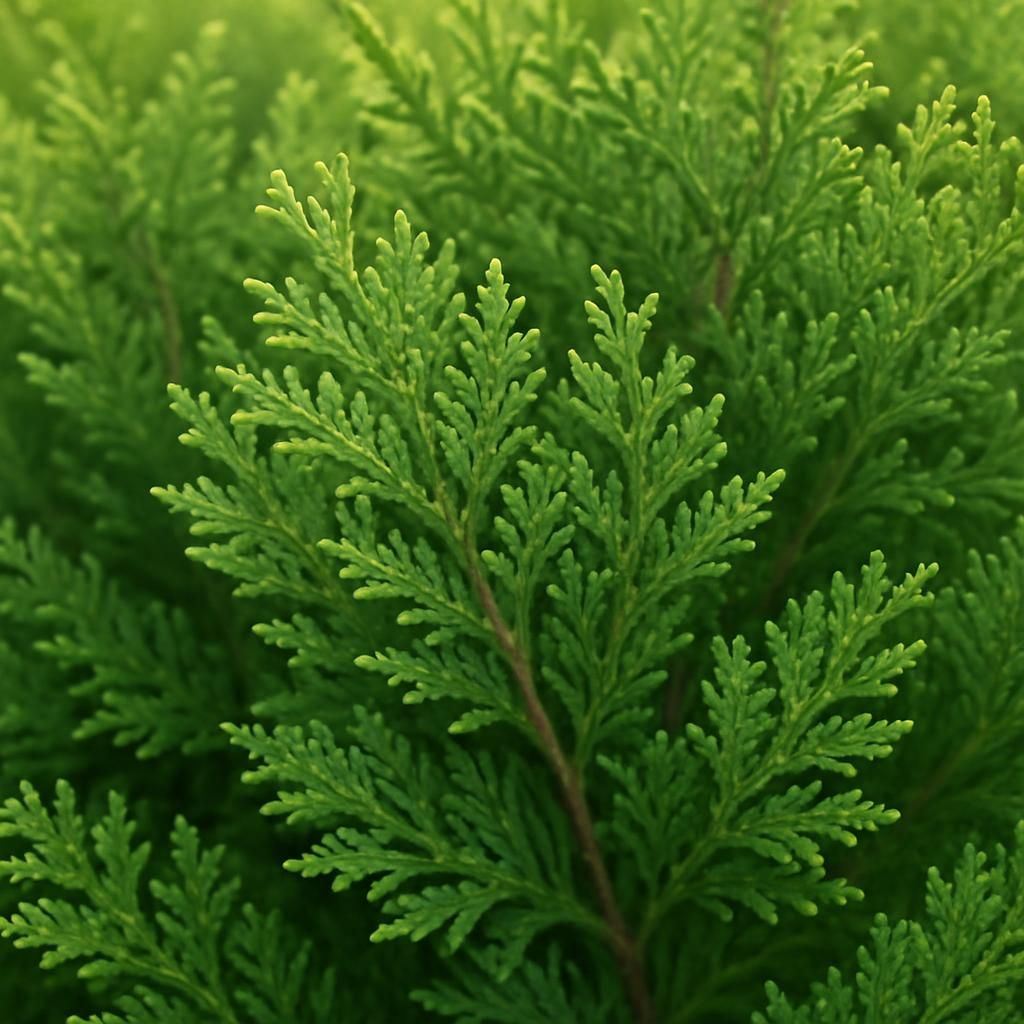
Arborvitae
Arborvitae is a versatile evergreen conifer widely used for privacy screens, windbreaks, and ornamental landscaping. It thrives in well-drained, slightly acidic soils and requires consistent moisture and full to partial sun exposure. Proper planting, pruning, and organic pest management ensure dense, healthy growth over decades.
View Guide
Armillaria
Armillaria root rot, caused by Armillaria species, is a destructive fungal pathogen affecting woody plants and trees worldwide, leading to root decay, tree decline, and death. Recognizable by honey-colored mushrooms at tree bases and white mycelial fans under bark, it spreads via rhizomorphs in soil. Effective management relies on prevention, cultural practices, and organic treatments, as chemical controls are limited.
View Profile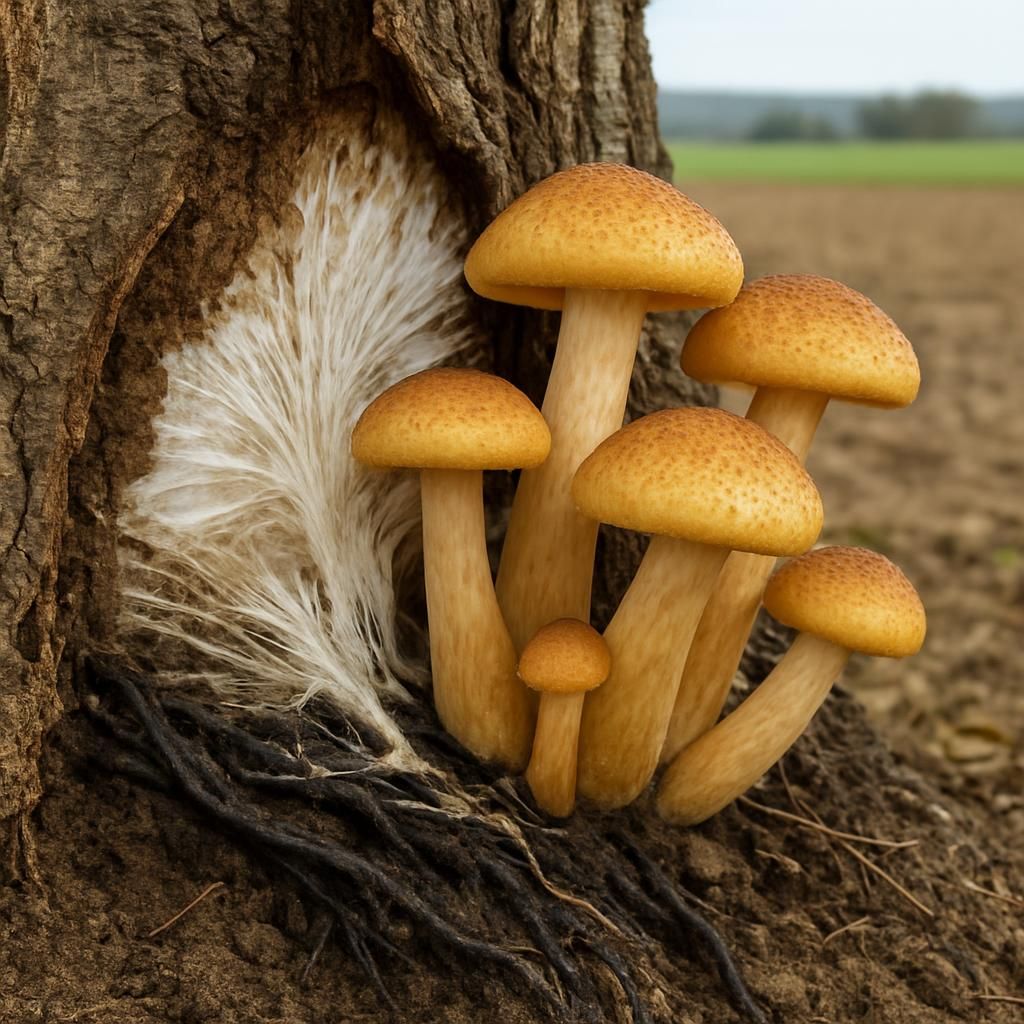
Armillaria mellea
Armillaria mellea is a soil-borne basidiomycete fungus causing Armillaria root rot, a lethal disease that attacks the roots and lower stems of hundreds of woody plant species. It spreads through root-to-root contact and persistent rhizomorphs, leading to gradual decline, wilting, and eventual tree death. Effective management requires early diagnosis, removal of infected material, and long-term cultural practices.
View Profile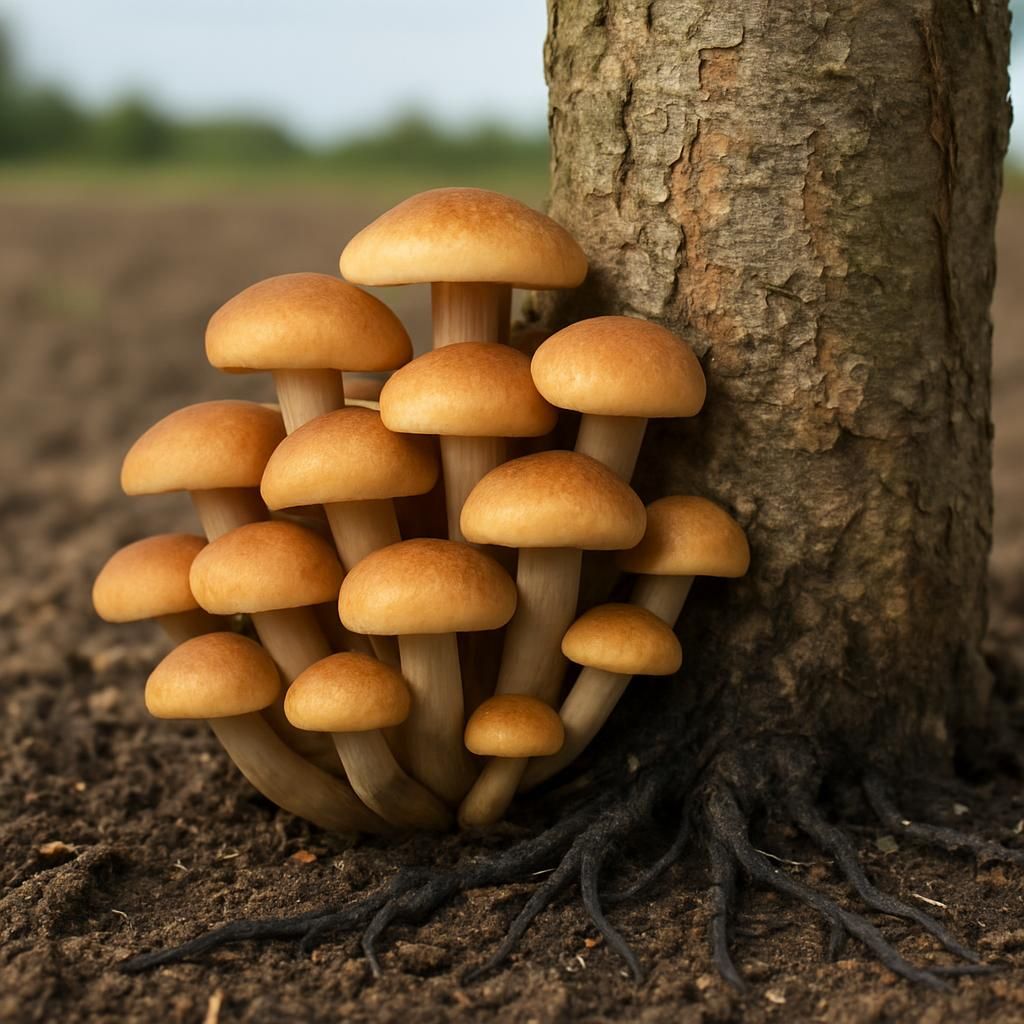
Armillaria root disease
Armillaria root disease is a persistent soil-borne fungal infection caused by several species in the Armillaria genus that attacks the roots and lower trunk of woody plants, leading to gradual decline and death. The pathogen spreads through root-to-root contact and persistent rhizomorphs, making eradication extremely difficult once established. Effective management requires early diagnosis, removal of infected material, and long-term cultural practices.
View Profile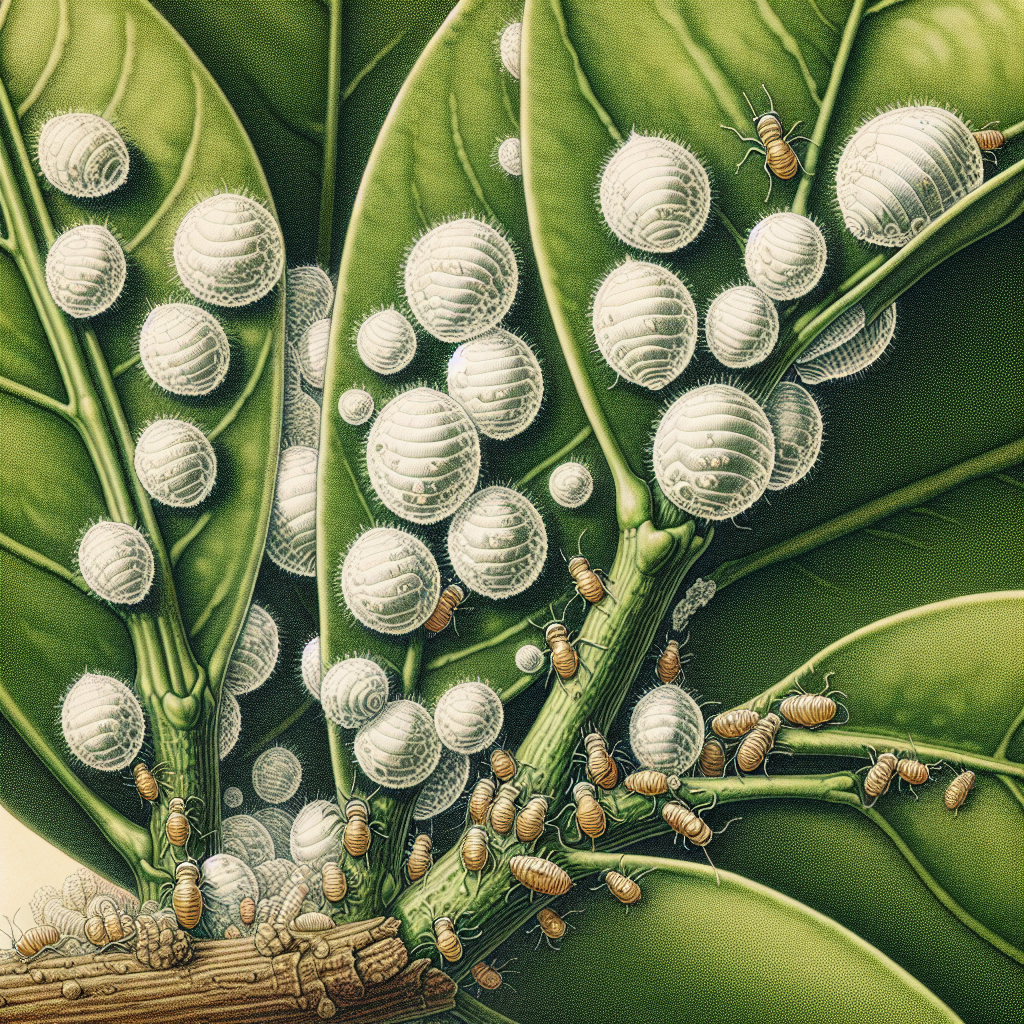
Armored scale
Armored scales are tiny, immobile pests that form protective waxy covers, sucking sap from plants and causing yellowing, leaf drop, and stunted growth. Common on citrus, ornamentals, and fruit trees, they thrive in warm, dry conditions and can be managed organically with horticultural oils, insecticidal soaps, and natural predators. Early detection and prevention are key to protecting yields on affected crops.
View Profile