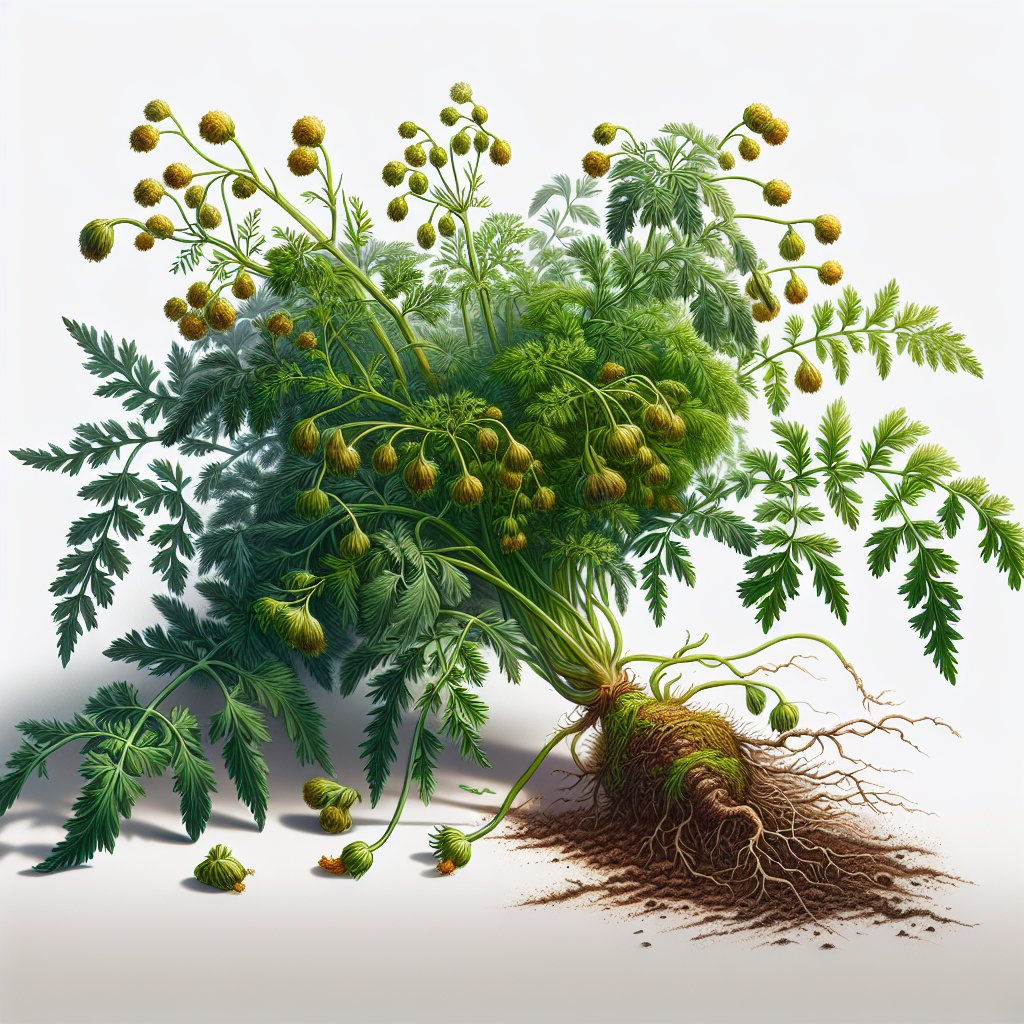
Introduction to Aster yellows
Aster yellows is one of the most pervasive plant diseases affecting ornamental flowers, vegetables, and field crops worldwide, caused by a phytoplasma known as Candidatus Phytoplasma asteris. This wall-less bacterium infects the phloem tissue of plants, hijacking their vascular system and leading to severe developmental abnormalities. Unlike typical fungal or bacterial pathogens, phytoplasmas lack a cell wall and are obligate parasites, meaning they cannot survive outside living host plants. First identified in the early 20th century in North America, aster yellows has since spread globally, impacting agriculture from small gardens to large commercial operations.
The disease derives its name from its initial discovery on China asters (Callistephus chinensis), where it caused yellowing and proliferation of shoots resembling a broom. Today, it threatens a broad host range, including economically vital crops like carrot, lettuce, and tomato. Yield losses can exceed 80% in severe outbreaks, with infected plants producing no marketable produce. Transmission occurs exclusively through insect vectors, primarily the aster leafhopper (Macrosteles quadrilineatus), which acquires the pathogen while feeding on infected plants and spreads it to healthy ones. There are no chemical cures for aster yellows—management relies on prevention, vector control, and rogueing infected plants. Understanding its symptoms, lifecycle, and control strategies is essential for growers seeking to protect their harvests. For more on leafhopper vectors, see our guide on leafhoppers.
Identifying Symptoms & Damage
Recognizing aster yellows early is critical for limiting its spread, as symptoms vary by host plant, growth stage, and environmental conditions. Initial signs often appear 2-4 weeks after infection, starting subtly before escalating into diagnostic hallmarks. Common symptoms include witches' broom formation—excessive proliferation of small, spindly shoots from a single point—and phyllody, where flower parts transform into green, leaf-like structures instead of petals or reproductive organs.
Leaves typically turn yellow or red, becoming brittle and rolled inward, while the plant exhibits stunted growth and a bushy appearance. In floral crops like asters or strawberry, buds fail to open, remaining small and deformed. Vegetable hosts show distinct damage: carrots develop multiple small, hairy roots instead of a single taproot; onions and garlic produce bulbs with loose, translucent scales and excessive greening of tops; tomatoes display upright, clustered leaflets and virescent (green) flowers that set no fruit. In grains like wheat or corn, infected plants show sterile heads or twisted, discolored tassels.
Damage is systemic, as the phytoplasma multiplies in phloem sieve tubes, blocking nutrient transport and disrupting hormone balance. This leads to reduced photosynthesis, poor root development, and eventual plant death. Secondary symptoms include brittle stems, purpling of veins, and proliferation of adventitious roots. To confirm diagnosis, look for the classic triad: witches' broom, phyllody, and yellowing. PCR testing of plant sap can verify phytoplasma presence, distinguishing it from nutrient deficiencies or phyllody. Economic impacts are severe—up to 100% crop loss in perennials like raspberry and significant reductions in annual yields.
Lifecycle and Progression of Aster yellows
Aster yellows phytoplasma has no independent lifecycle; it relies entirely on insect vectors and plant hosts. The pathogen overwinters in perennial weeds, ornamentals, or crop residues, with leafhoppers acquiring it during nymphal or adult stages by feeding on phloem sap. Once ingested, the phytoplasma multiplies in the insect's salivary glands without harming the vector, remaining infective for life—up to several months.
Transmission occurs when infected leafhoppers probe healthy plants, injecting the pathogen directly into phloem. A single feeding event lasting seconds can infect, with latency periods of 10-40 days before symptoms emerge. Progression is temperature-dependent: optimal at 25-30°C (77-86°F), slower below 15°C (59°F). In spring, migrating leafhoppers from southern regions or overwintering sites initiate epidemics, with multiple generations per season amplifying spread.
In the plant, phytoplasma moves via phloem to meristems, altering gene expression to favor vegetative growth over reproduction. Infected plants become sources for further vector feeding, creating a cycle. Disease progression culminates in plant decline over 1-3 months, though perennials may persist as reservoirs. Understanding this vector-dependent lifecycle underscores the need for integrated management targeting both pathogen and insect. For insights into vector monitoring, check our Spring Pest Patrol blog post.
Environmental Triggers & Risk Factors
Aster yellows thrives in temperate climates with mild summers and abundant leafhopper populations. Key triggers include warm, dry springs favoring leafhopper migration and reproduction, with winds aiding dispersal over long distances. High humidity exacerbates spread in dense plantings, while drought-stressed crops are more susceptible due to weakened defenses.
Risk factors encompass proximity to weed hosts like dandelions, plantain, or wild carrots, which serve as reservoirs. Planting susceptible varieties in leafhopper hotspots, poor sanitation (leaving infected debris), and overlapping crop cycles heighten vulnerability. Over-fertilization with nitrogen promotes lush growth attractive to vectors, while monocultures amplify outbreaks. Regions like the Midwest U.S., Canada, and Europe report annual epidemics, correlated with leafhopper influx from the Gulf States.
Soil type has minimal direct impact, but compacted or poorly drained soils stress plants, indirectly increasing risk. Climate change may extend vector ranges northward, intensifying threats. Monitoring weather patterns and vector traps helps predict outbreaks.
Organic Control & Treatment Plans
No curative treatments exist for aster yellows; focus on suppressing vectors and removing sources. Integrated organic strategies include:
Rogueing: Immediately remove and destroy infected plants, including roots, to eliminate reservoirs. Burn or deep-bury debris away from fields.
Vector Control: Deploy row covers or fine mesh netting during peak leafhopper activity (spring-early summer). Use reflective mulches (aluminum foil or silver plastic) to disorient insects. Apply organic insecticides like neem oil, insecticidal soap, or pyrethrins targeting nymphs; rotate to prevent resistance.
Biological Controls: Encourage natural enemies such as ladybugs, lacewings, and parasitic wasps. Plant trap crops like barley or sorghum to lure leafhoppers away.
Cultural Practices: Space plants widely for airflow, avoid overhead irrigation, and weed aggressively around fields. Plant resistant varieties where available, such as certain carrot hybrids.
Monitoring: Use yellow sticky traps to track leafhopper populations; treat at 1-5 per trap. Scout weekly for early symptoms.
A sample plan: Week 1-2: Install traps and mulches. Week 3+: Scout and apply soaps if thresholds met. Combine with companion plants like marigold for repellency. Success rates exceed 70% with vigilant implementation.
Preventing Aster yellows in the Future
Prevention hinges on breaking the vector-pathogen cycle. Start with certified, disease-free seed and transplants. Practice 2-3 year crop rotations, avoiding host plants. Eradicate weeds within 1/4 mile of fields using mulch or mowing. Time plantings to miss peak vector flights—late spring for cool-season crops.
Establish buffer zones with non-hosts like grains or brassicas. Use windbreaks to reduce leafhopper migration. In greenhouses, screen vents and quarantine new plants. Long-term, breed or select resistant cultivars and maintain soil health to bolster plant vigor. Annual trap monitoring and historical data guide decisions. Educate neighbors on cooperative management for landscape-scale control.
Crops Most Affected by Aster yellows
Over 300 species host aster yellows, but economic impacts concentrate on:
Vegetables: Carrot (hairy roots, 50-100% loss), celery, lettuce, onion, potato, tomato.
Ornamentals: Asters, chrysanthemums, gladiolus, snapdragons (total crop failure).
Fruits: Strawberry, raspberry, peach.
Susceptibility varies; brassicas and cucurbits show tolerance. In carrots, a top U.S. crop, losses reach millions annually.