Encyclopedia
Definitive guides for crops, pests, and agricultural diseases.
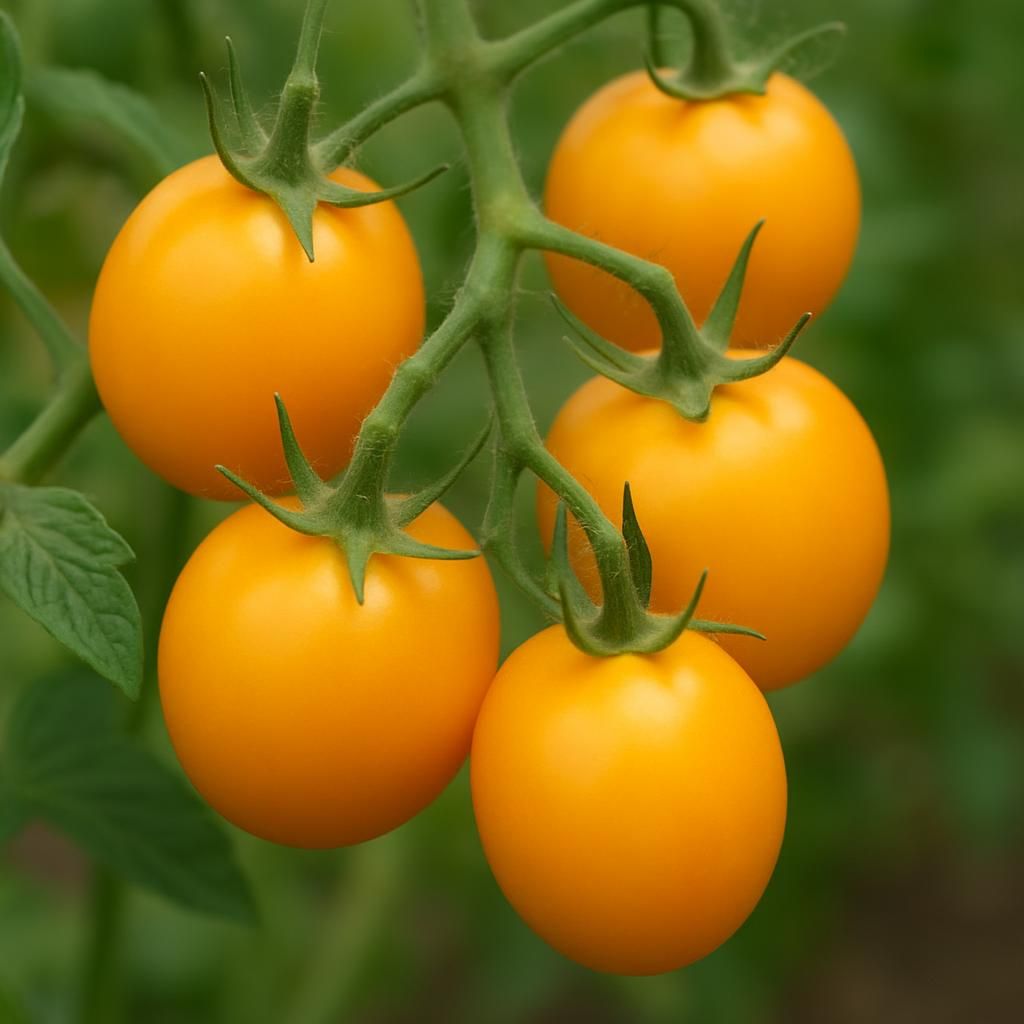
Azoychka Tomato
Azoychka Tomato is a rare Russian heirloom variety prized for its bright yellow-orange fruits, exceptional flavor, and cold tolerance. This indeterminate plant produces medium-sized, slightly flattened tomatoes with a rich, tangy-sweet taste and high vitamin content. It performs well in cooler climates and is favored by home gardeners and market growers seeking unique, high-yielding varieties.
View Guide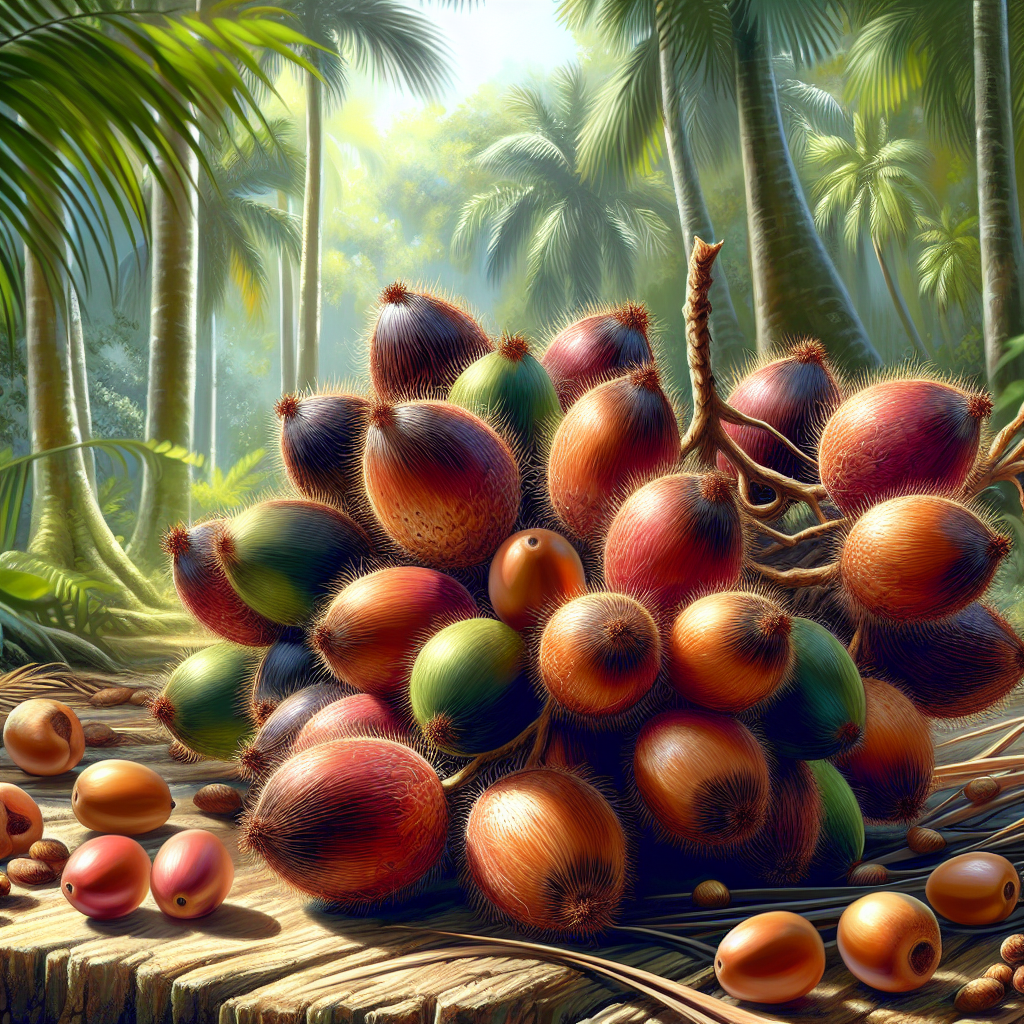
Babassu (Attalea speciosa)
Babassu (Attalea speciosa) is a majestic feather palm native to the Amazon basin, renowned for its versatile nuts yielding high-quality oil, fiber, and charcoal. This comprehensive guide provides professional agricultural insights on cultivation, from propagation to harvest, ideal for tropical agroforestry systems. Discover optimal soil, climate needs, pest management, and companion planting strategies for sustainable babassu farming.
View Guide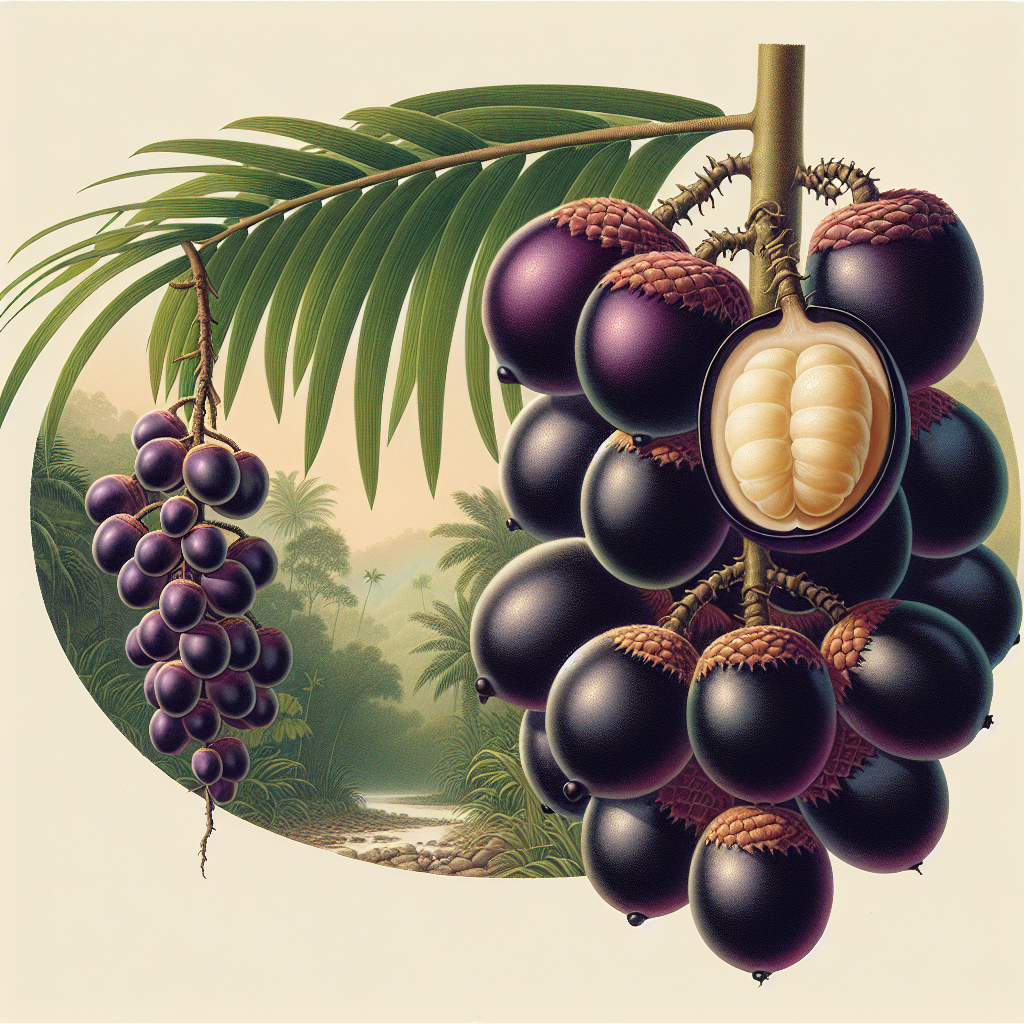
Bacaba (Oenocarpus bacaba)
Bacaba (Oenocarpus bacaba) is a majestic Amazonian palm renowned for its clusters of small, purple-black fruits with a creamy, refreshing pulp ideal for juices, wines, and desserts. Thriving in humid tropical rainforests, it offers small farmers a high-value, low-maintenance crop with substantial yields after 5-7 years. This guide provides expert cultivation techniques for sustainable production.
View Guide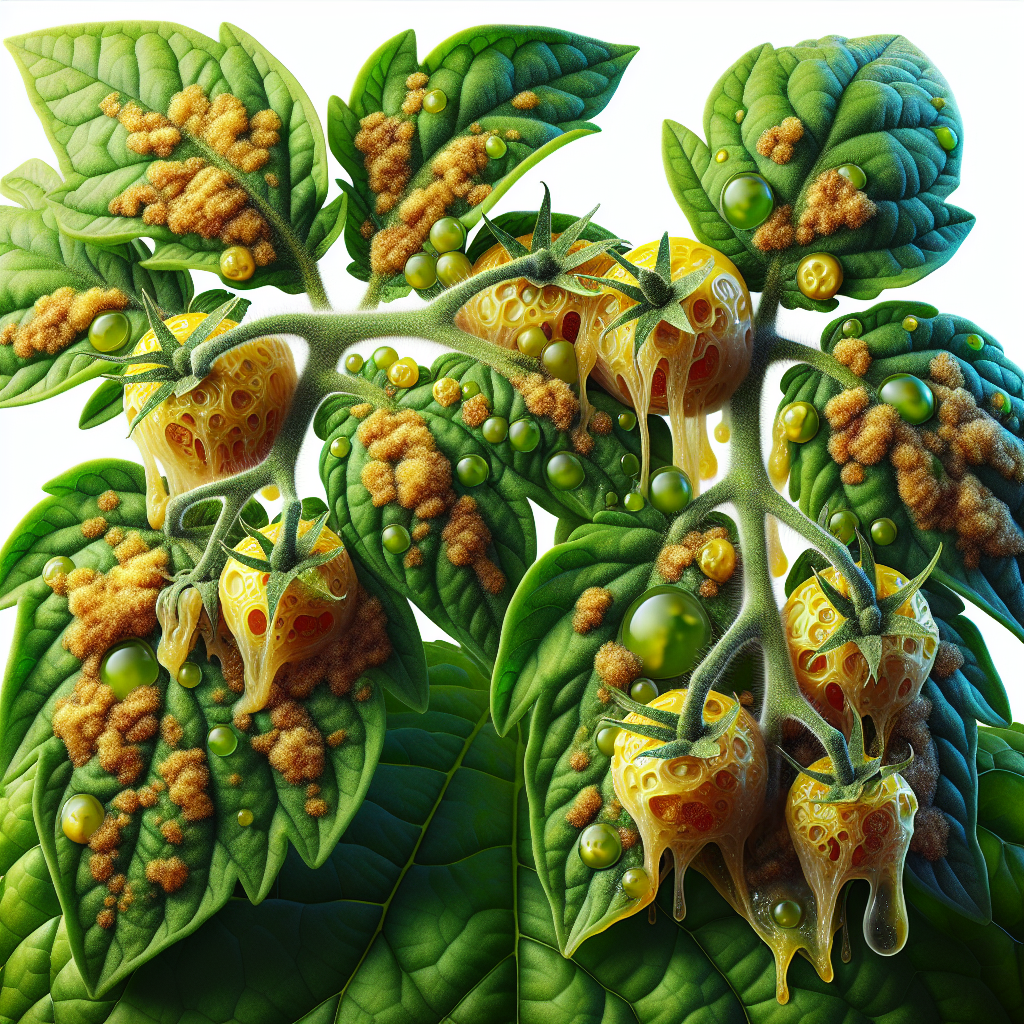
Bacillus
Bacillus refers to a group of soil-dwelling bacteria, notably Bacillus thuringiensis (Bt), widely used as a biological control agent against insect pests in organic agriculture. While not a plant disease itself, pathogenic strains like Bacillus cereus can cause bacterial blights and rots in crops under certain conditions. This guide covers identification, management, and prevention of Bacillus-related issues in farming.
View Profile
Bacillus subtilis
Bacillus subtilis is a gram-positive, spore-forming bacterium commonly used as a biopesticide and plant growth promoter in agriculture, though misapplication can lead to unintended plant stress. This guide addresses diagnostic symptoms of overgrowth or contamination mimicking pest issues and provides organic management strategies for balanced use. Learn identification, lifecycle, and prevention for healthy crops.
View Guide
Bacillus thuringiensis
Bacillus thuringiensis is a naturally occurring, spore-forming bacterium widely used as a biological insecticide targeting caterpillars and certain other larvae. It produces crystal proteins that become toxic only after ingestion by specific pests, making it highly selective and safe for beneficial insects and mammals. This guide covers identification, lifecycle, risk factors, organic management, and long-term prevention strategies for growers.
View Profile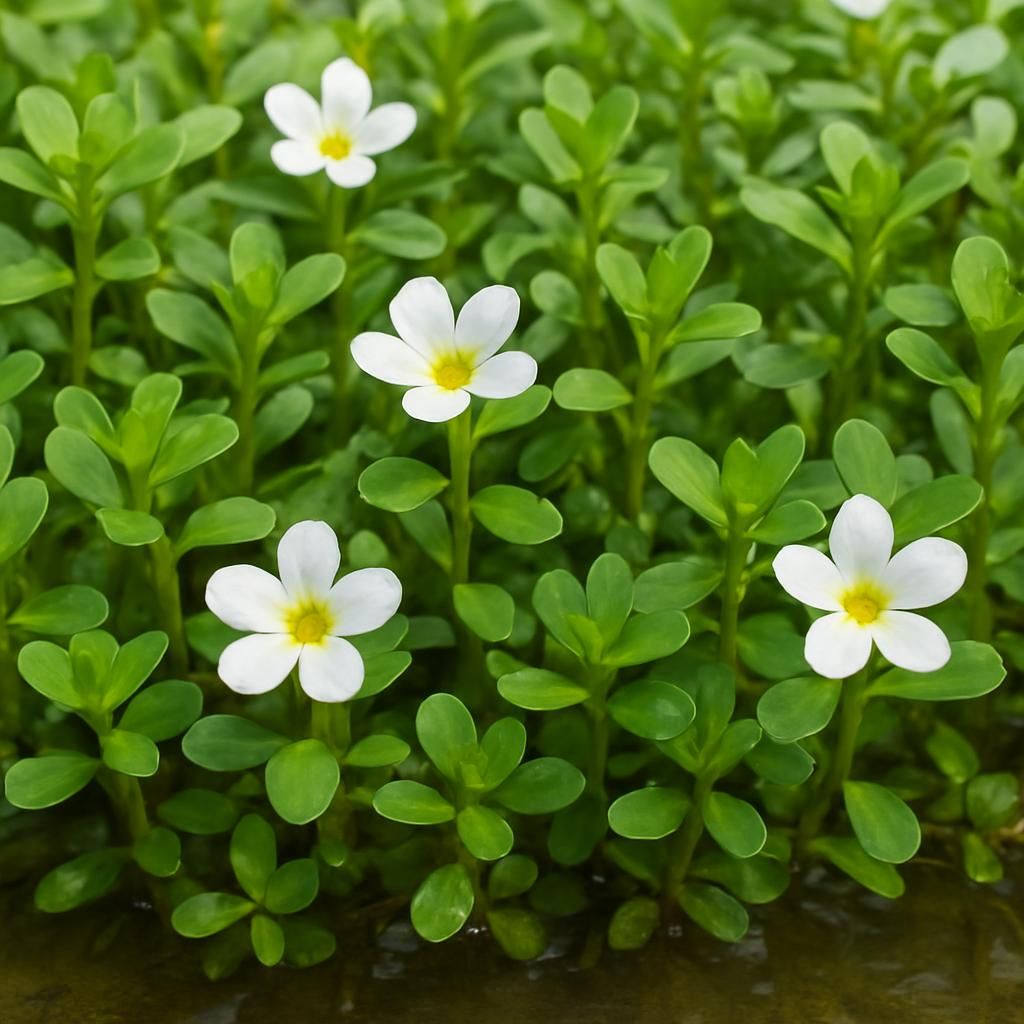
Bacopa monnieri
Bacopa monnieri is a perennial creeping herb widely cultivated for its medicinal value and as an ornamental aquatic plant. It thrives in consistently moist to wet soils and requires warm temperatures with high humidity. Professional growers value it for both commercial herb production and wetland restoration projects.
View Guide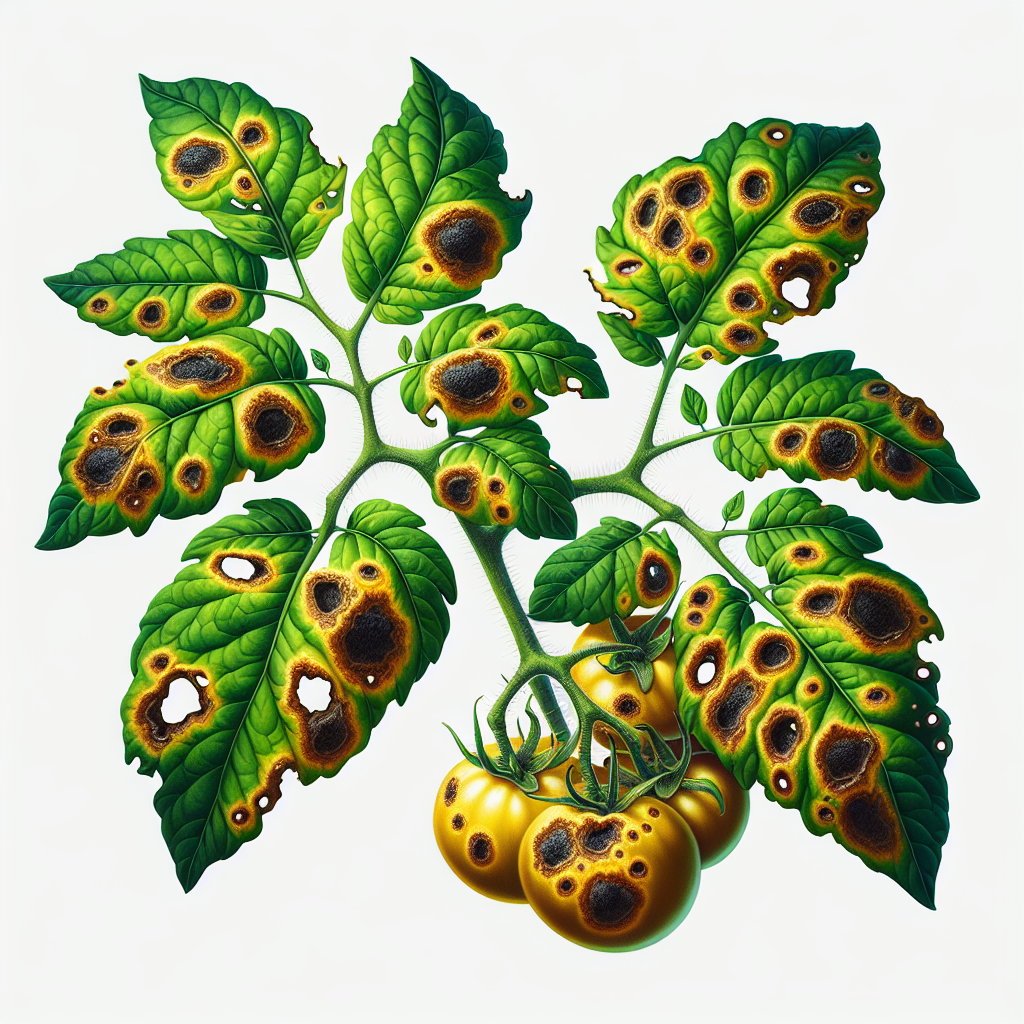
Bacterial black spot
Bacterial black spot is a destructive bacterial disease primarily affecting solanaceous crops like tomatoes and peppers, causing dark necrotic lesions on leaves, stems, and fruits that lead to significant yield losses. It spreads rapidly in warm, humid conditions via splashing water and contaminated tools. Effective management relies on cultural practices, resistant varieties, and organic bactericides for prevention and control.
View Profile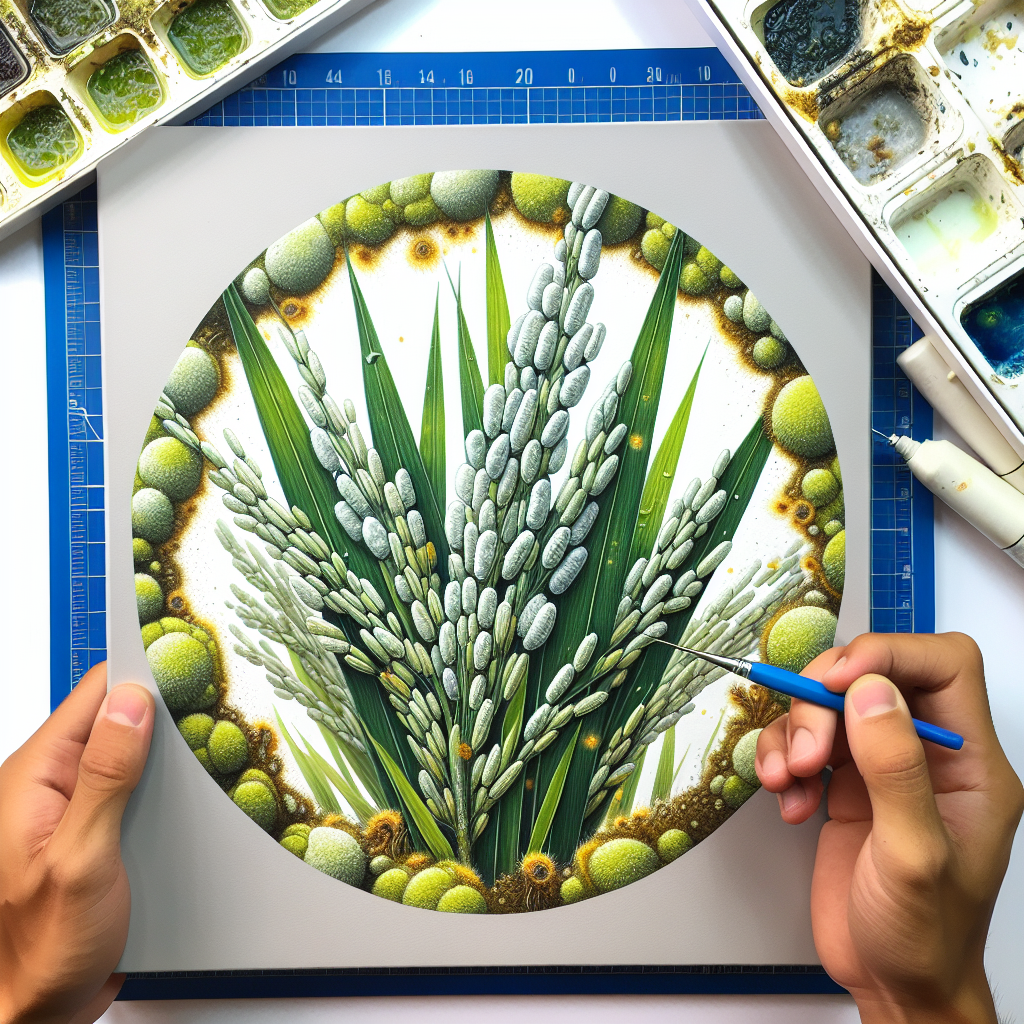
bacterial blight
Bacterial blight is a devastating disease caused by Xanthomonas bacteria, leading to water-soaked lesions, leaf wilting, and significant yield losses in major crops like rice and crucifers. Early identification through angular leaf spots and ooze is crucial for effective management. This guide provides organic control strategies, prevention tips, and insights into affected crops for sustainable farming.
View Profile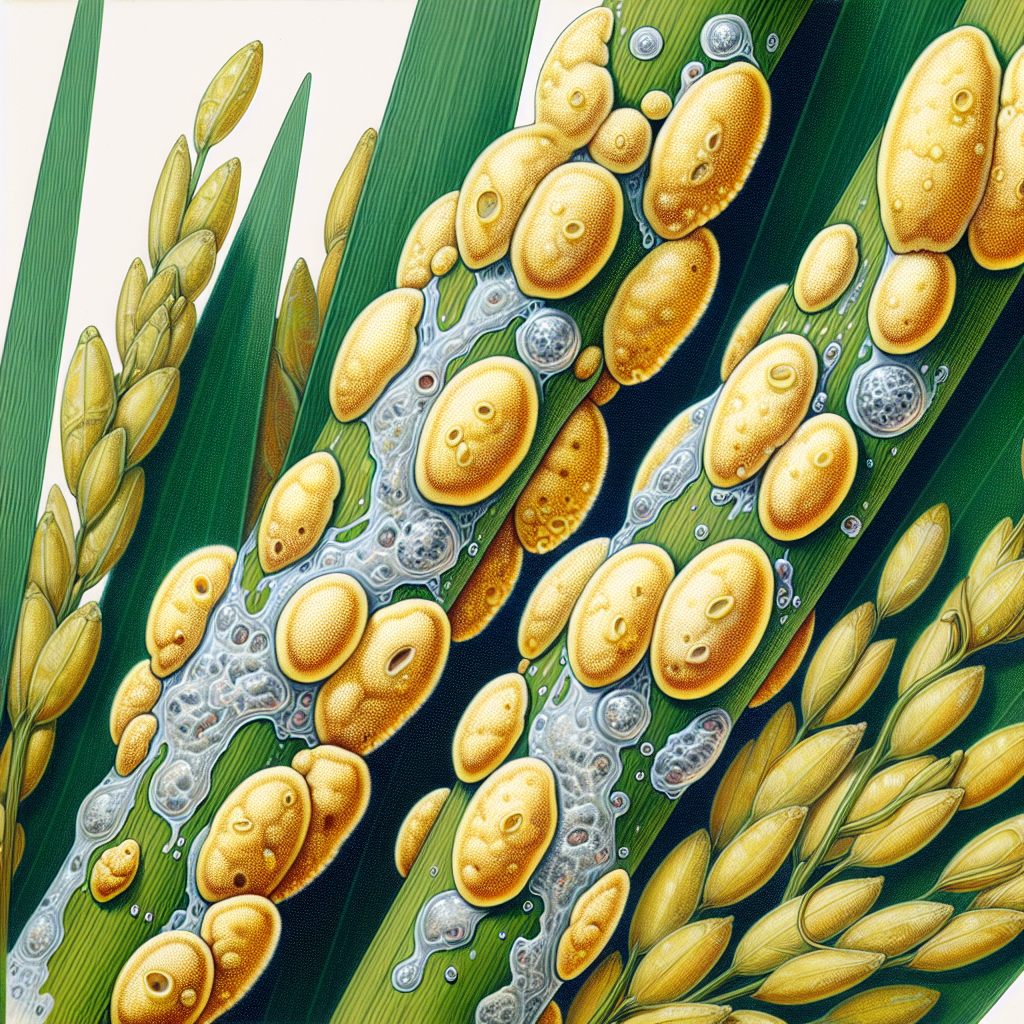
Bacterial blight (Xanthomonas)
Bacterial blight caused by Xanthomonas species is a devastating disease affecting numerous crops worldwide, characterized by water-soaked lesions, leaf spots, and vascular wilting that can lead to significant yield losses. This guide provides comprehensive diagnostic criteria, lifecycle insights, organic management strategies, and prevention tactics for farmers and growers. Early detection and cultural controls are key to minimizing damage in susceptible crops like rice and tomatoes.
View Profile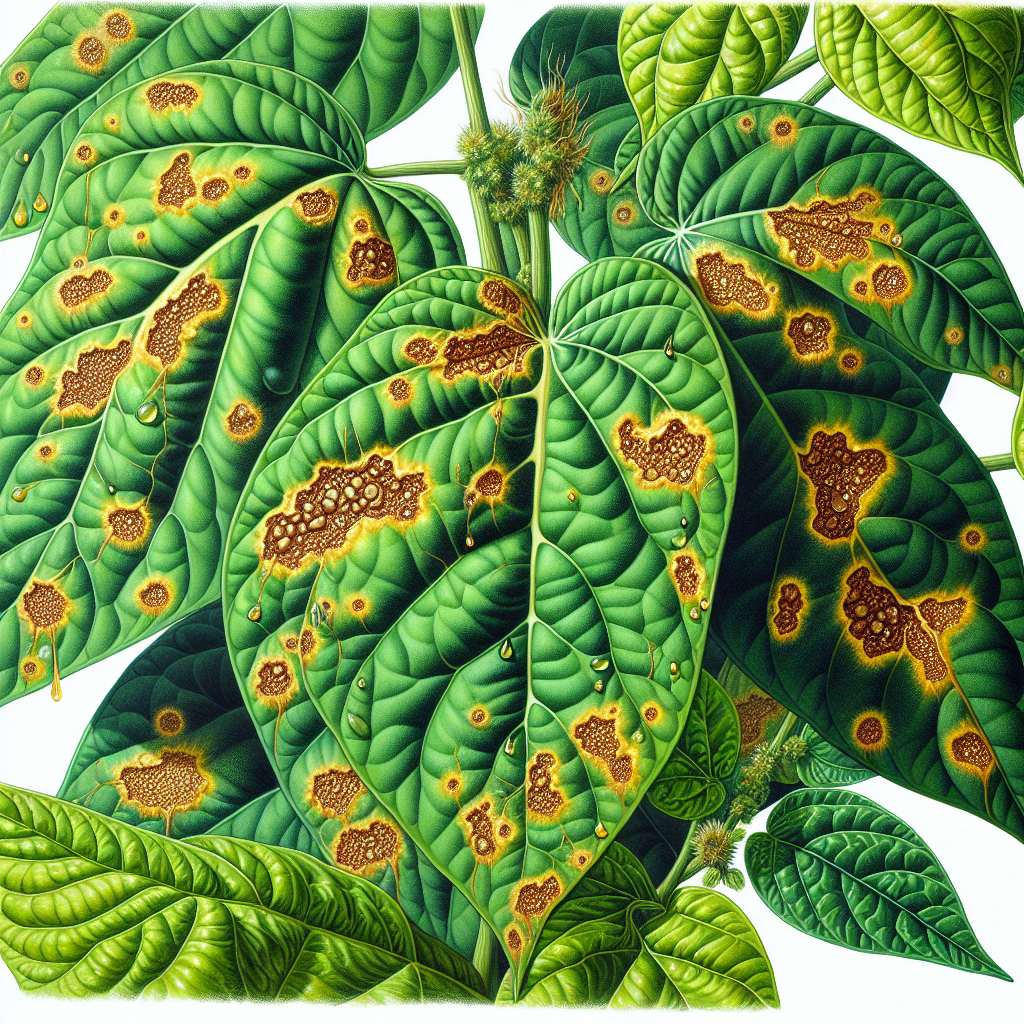
Bacterial brown spot
Bacterial brown spot is a destructive bacterial disease primarily affecting beans and legumes, caused by Pseudomonas syringae pathovars, leading to angular brown lesions on leaves that can cause significant yield loss. It thrives in cool, wet conditions and spreads rapidly via splashing water and contaminated tools. Effective management relies on cultural practices, resistant varieties, and prompt organic interventions to minimize crop damage.
View Profile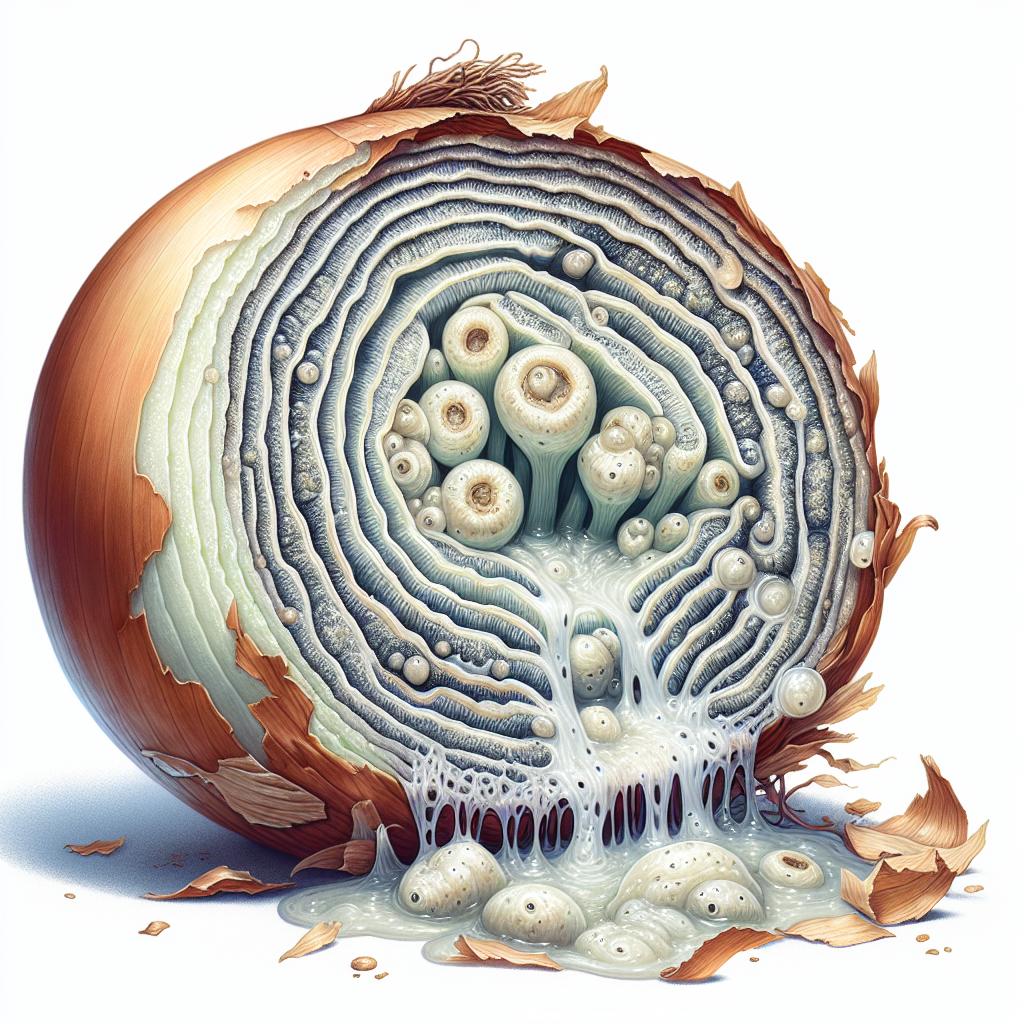
Bacterial bulb rots
Bacterial bulb rots are destructive diseases affecting underground storage organs of bulbous crops, caused by soilborne and waterborne bacteria that thrive in warm, wet conditions. They lead to rapid tissue breakdown, foul odors, and total crop loss if unchecked. Effective management relies on cultural practices, sanitation, and resistant varieties rather than chemical cures.
View Profile
Bacterial canker
Bacterial canker is a destructive disease affecting stone fruit trees and ornamentals, characterized by sunken cankers, gummosis, and dieback. It spreads via rain, tools, and insects, thriving in cool, wet conditions. Effective management relies on sanitation, resistant varieties, and cultural practices.
View Profile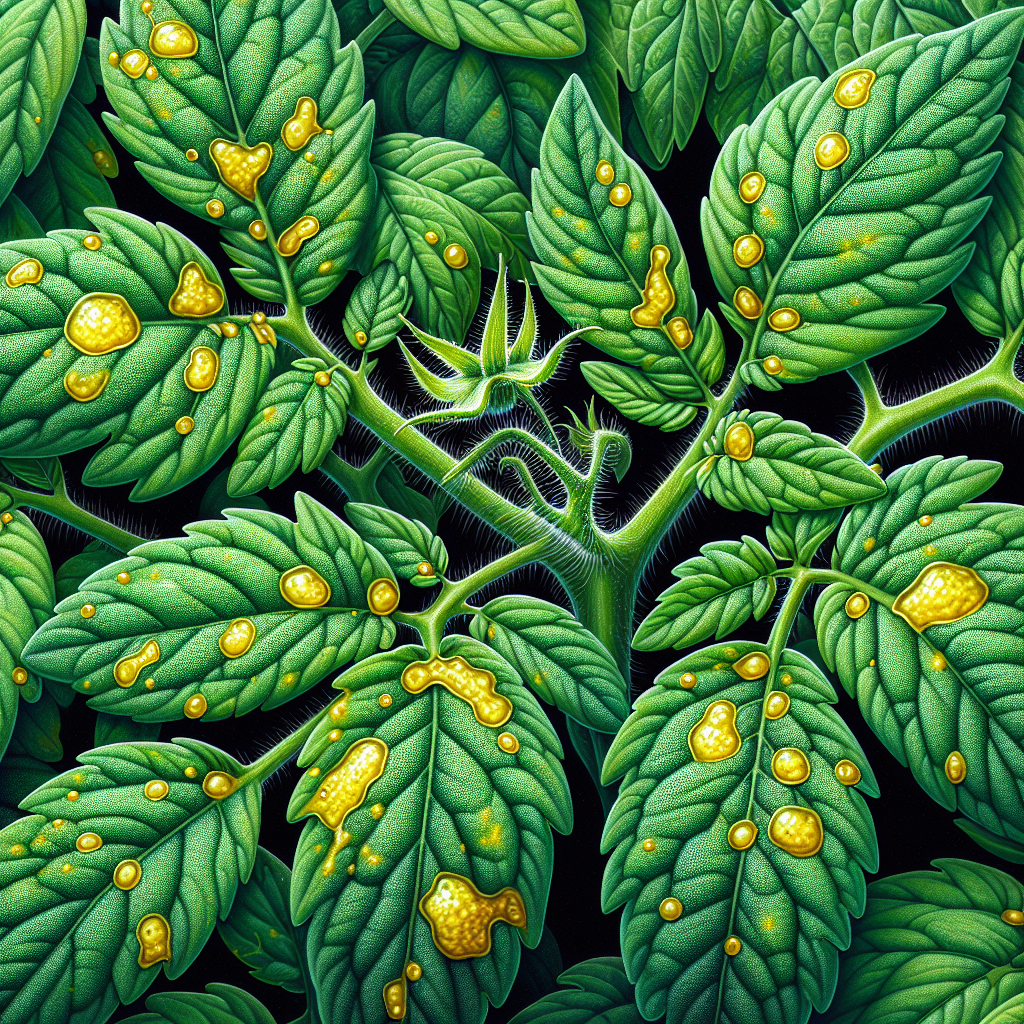
bacterial diseases
Bacterial diseases are widespread plant pathogens causing devastating losses in agriculture through rapid tissue destruction and systemic infections. They thrive in warm, wet conditions, spreading via water splashes, tools, and insects. Effective management relies on prevention, sanitation, and resistant varieties rather than curative treatments.
View Profile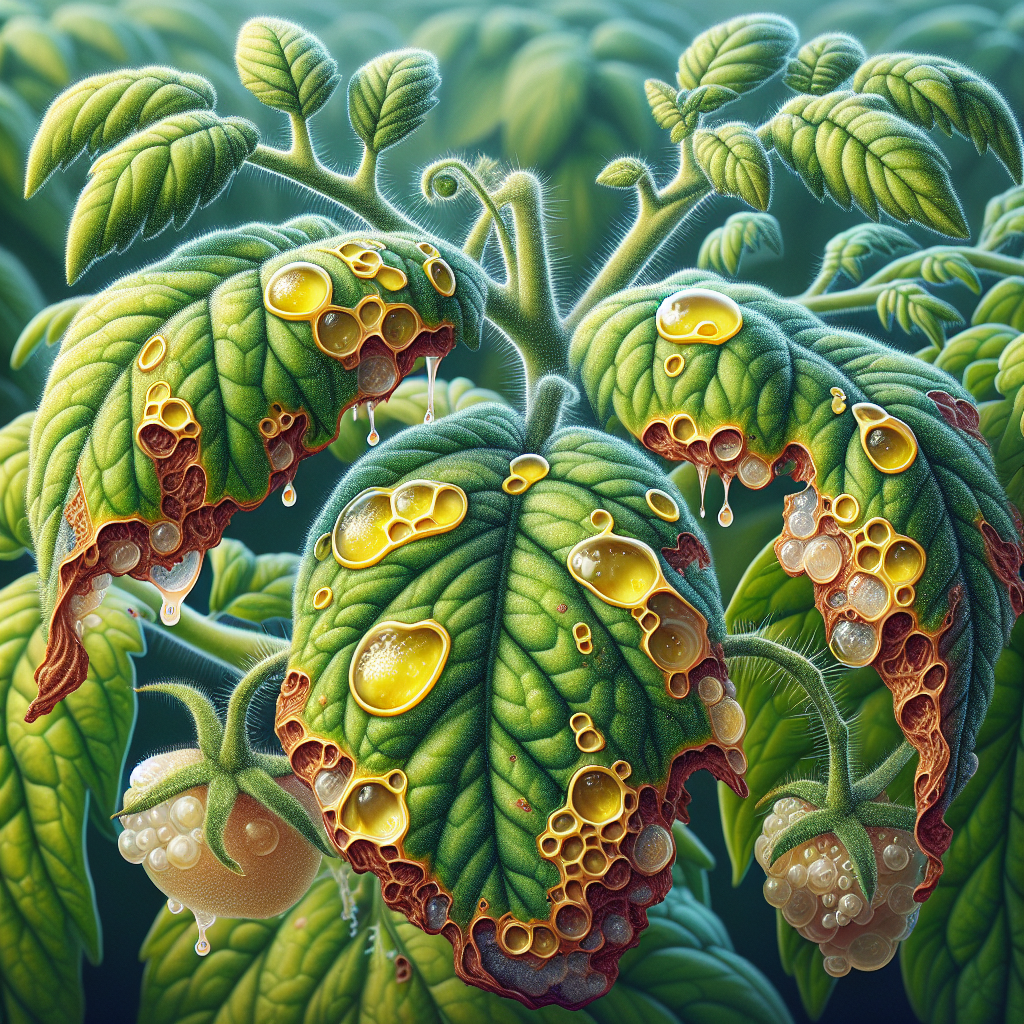
Bacterial issues
Bacterial issues encompass a range of devastating plant diseases caused by pathogenic bacteria that thrive in warm, moist conditions, leading to leaf spots, wilts, blights, and rots across numerous crops. These infections spread rapidly via water splash, tools, and insects, causing significant yield losses if not managed promptly. Effective control relies on cultural practices, sanitation, and resistant varieties rather than curative chemical treatments.
View Profile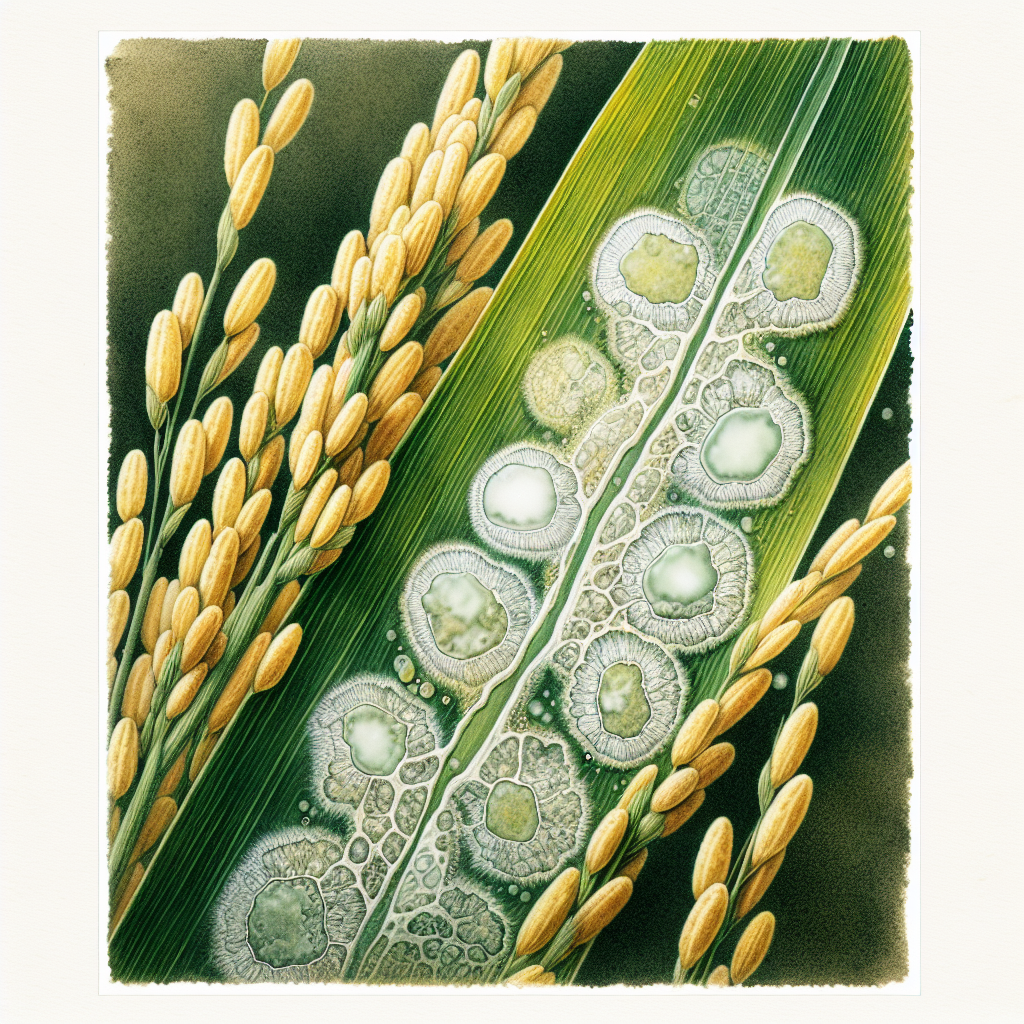
Bacterial Leaf Blight
Bacterial Leaf Blight (BLB) is a devastating bacterial disease primarily affecting rice and related crops, caused by Xanthomonas oryzae pv. oryzae, leading to significant yield losses through leaf wilting and necrosis. Early identification of water-soaked lesions and rapid progression under humid conditions is crucial for effective management. This guide provides comprehensive diagnostic symptoms, lifecycle insights, organic treatments, and prevention strategies for sustainable agriculture.
View Profile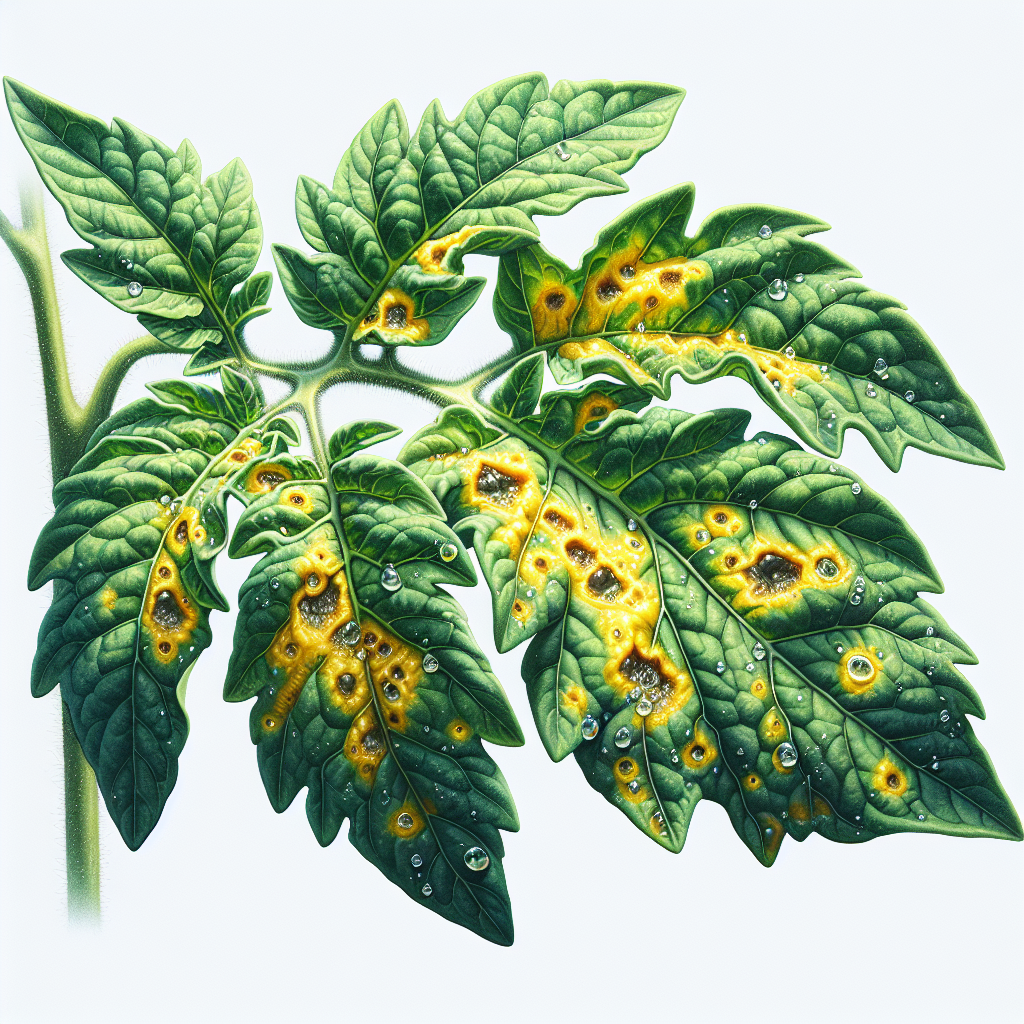
Bacterial leaf diseases
Bacterial leaf diseases are destructive plant pathologies caused by pathogenic bacteria that infect foliage, leading to spots, blights, and wilts that severely reduce crop yields. Common culprits include Xanthomonas and Pseudomonas species, thriving in warm, wet conditions and spreading via water splash or tools. Effective management relies on cultural practices, resistant varieties, and prompt sanitation to minimize outbreaks.
View Profile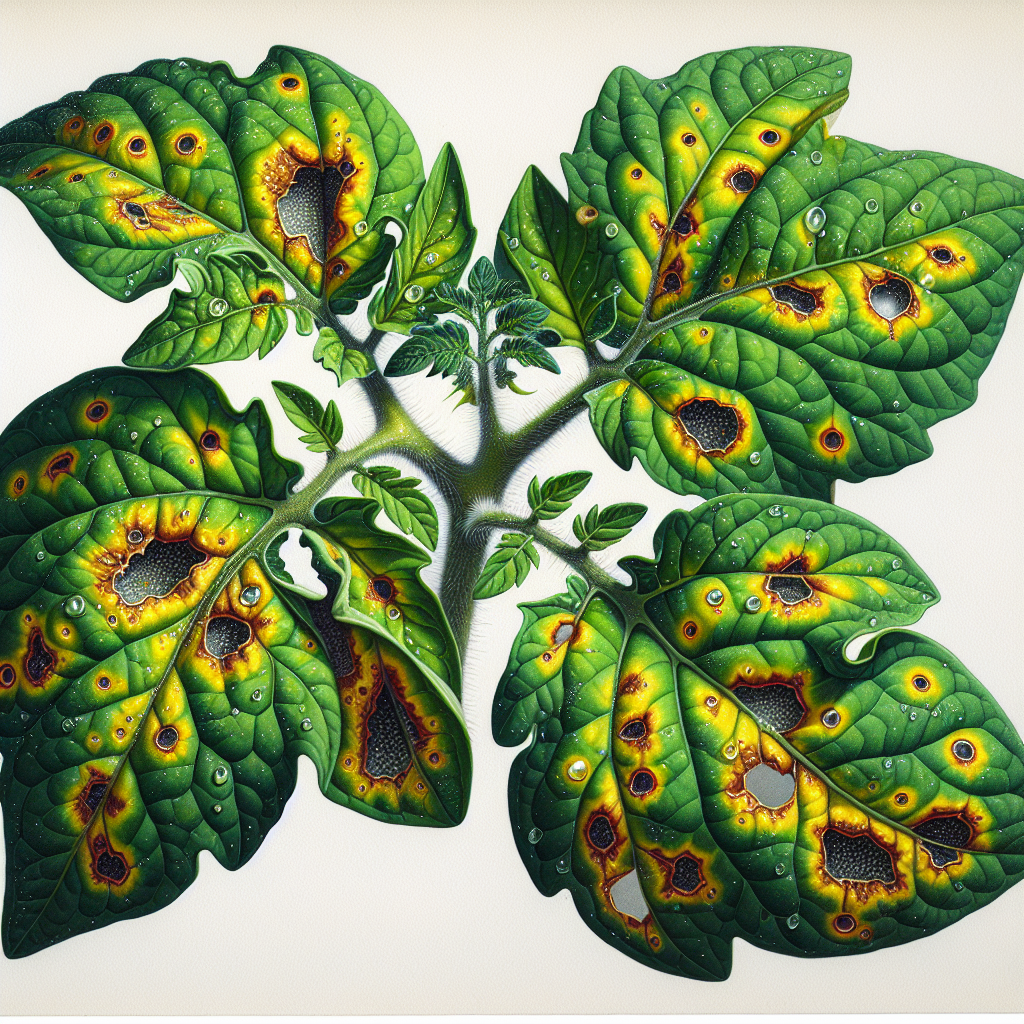
Bacterial leaf spots
Bacterial leaf spots are widespread plant diseases caused by pathogenic bacteria like Xanthomonas and Pseudomonas species, leading to necrotic lesions on foliage that reduce photosynthesis and yield. Early identification through water-soaked spots and yellow halos is crucial for effective management. Organic control relies on copper-based sprays, sanitation, and resistant varieties, while prevention focuses on avoiding overhead irrigation and promoting airflow.
View Profile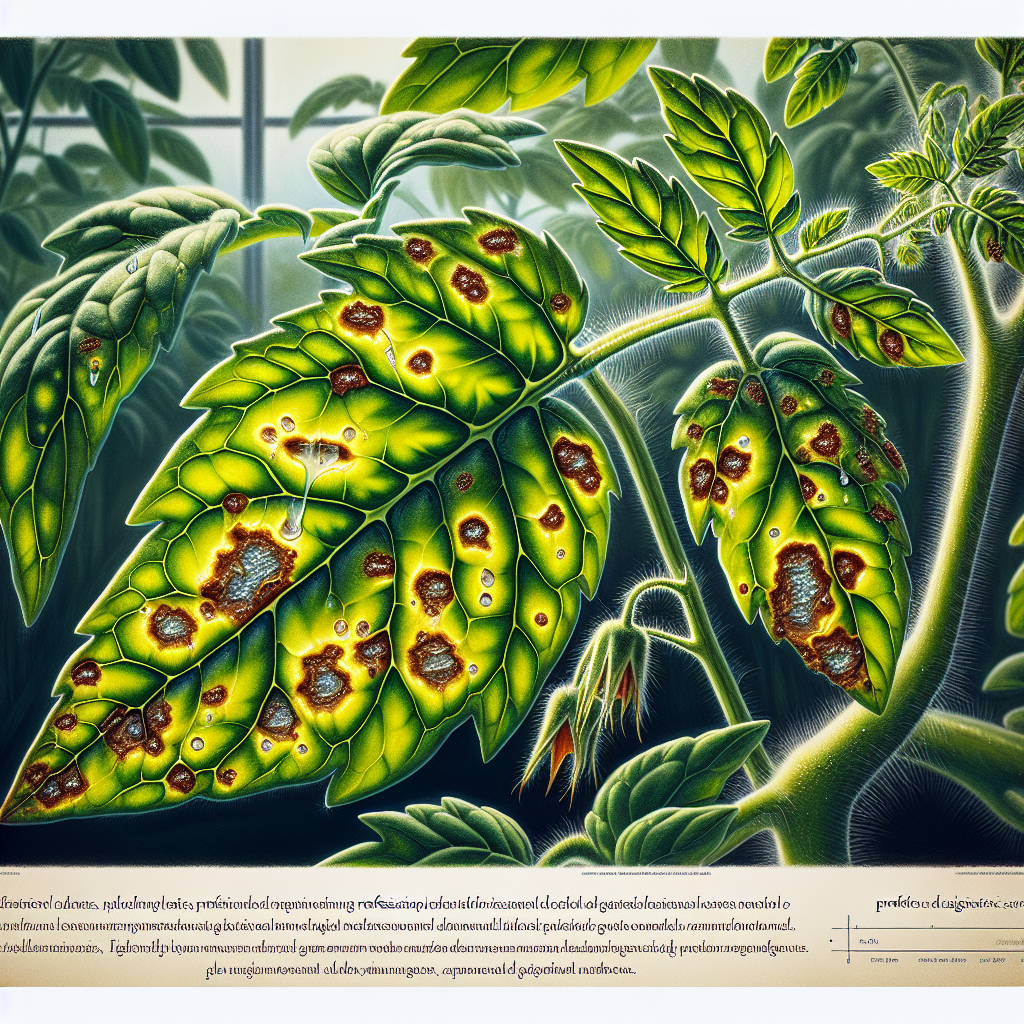
bacterial problems
Bacterial problems in crops encompass a range of devastating diseases caused by pathogenic bacteria that thrive in warm, moist conditions, leading to leaf spots, wilts, blights, and rots. These infections spread rapidly via water splash, tools, and insects, causing significant yield losses in vegetables, fruits, and field crops. Early diagnosis through symptom recognition and integrated management using sanitation, resistant varieties, and organic treatments is crucial for control.
View Profile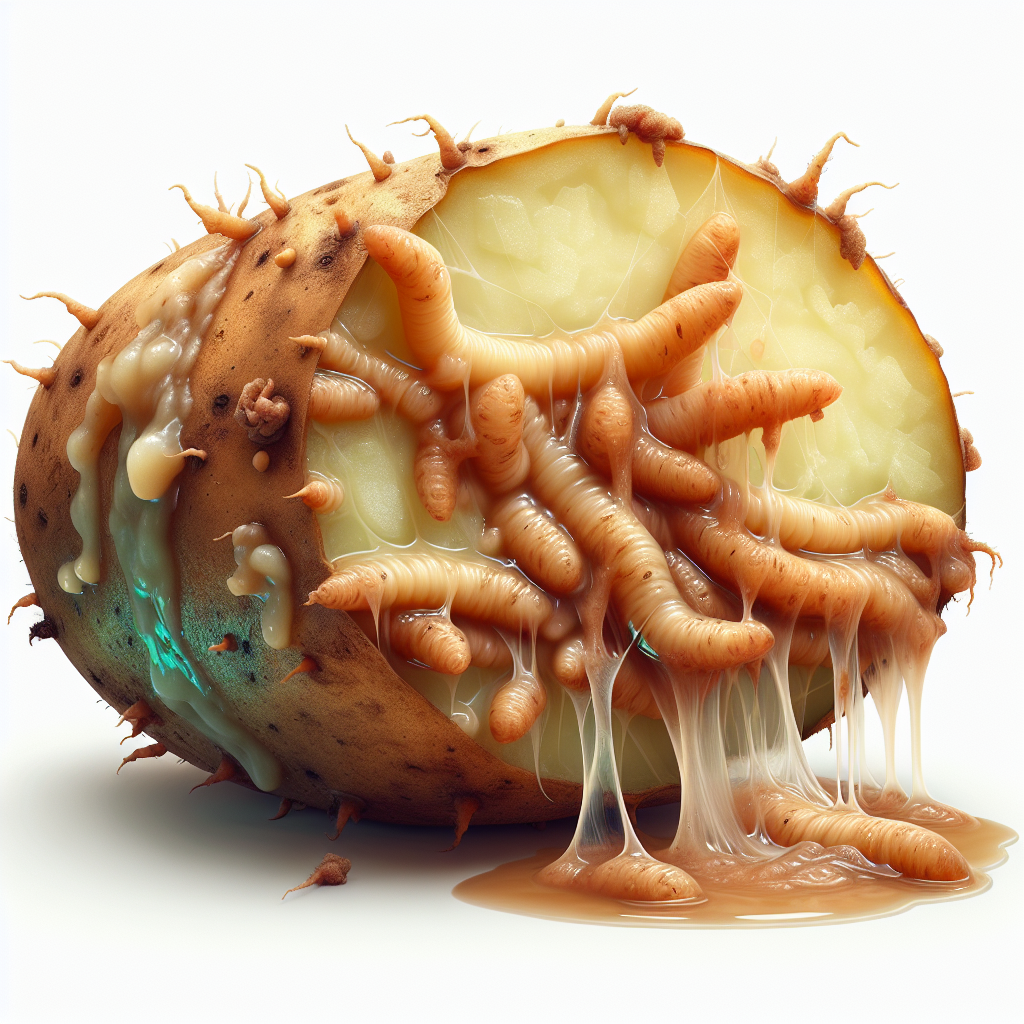
bacterial soft rots
Bacterial soft rots are devastating diseases caused by pectolytic bacteria that liquefy plant tissues, leading to rapid decay of roots, stems, tubers, and fruits. Highly contagious in warm, wet conditions, they affect numerous crops worldwide, causing significant post-harvest losses. Effective management relies on prevention, sanitation, and cultural practices rather than curative treatments.
View Profile
Bacterial sour rot
Bacterial sour rot is a destructive post-harvest disease affecting fruits and vegetables, caused by acid-producing bacteria that lead to rapid tissue breakdown and fermentation. It manifests as watery, foul-smelling lesions, often entering through wounds or insect damage. Effective management relies on sanitation, proper storage, and organic biocontrols to minimize losses in susceptible crops.
View Profile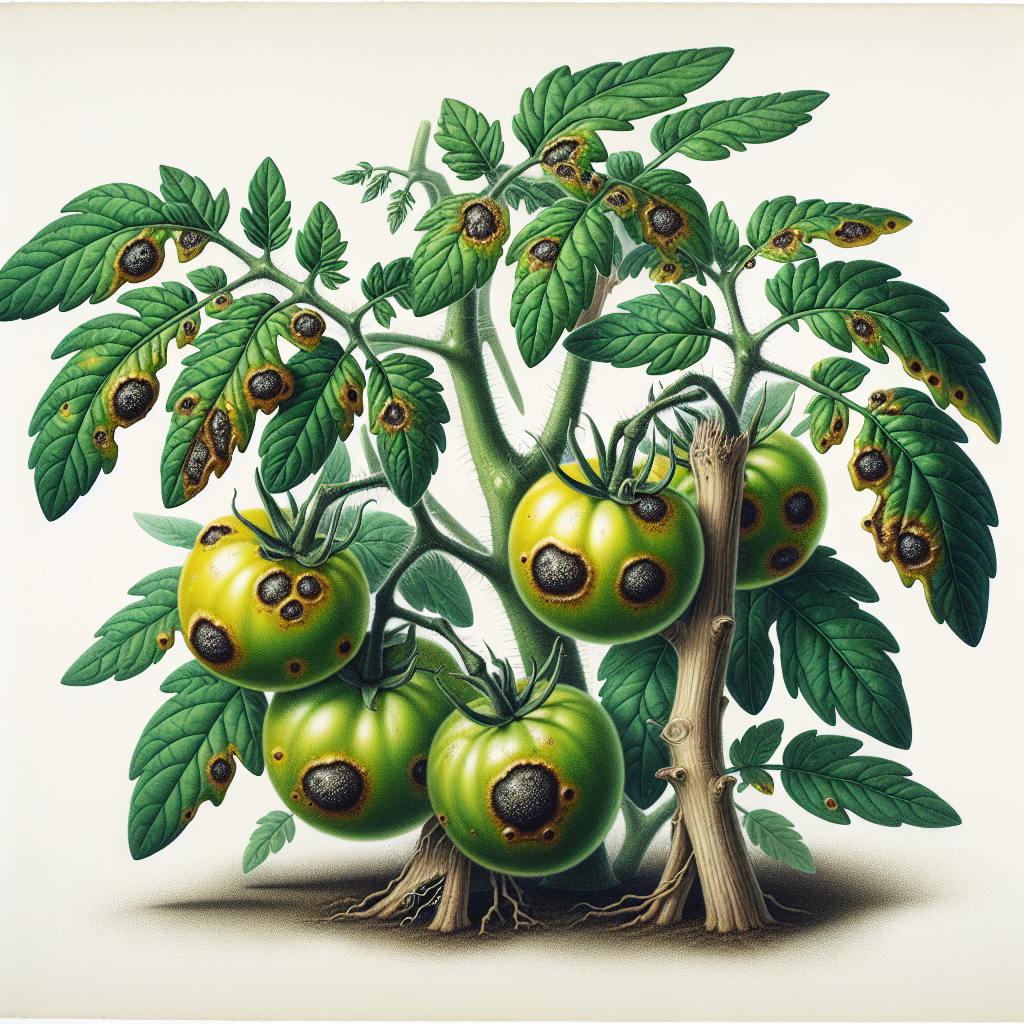
Bacterial speck
Bacterial speck is a widespread bacterial disease primarily affecting tomato crops, caused by Pseudomonas syringae pv. tomato, leading to dark lesions on leaves, stems, and fruit that reduce yield and marketability. It thrives in cool, wet conditions and spreads via splashing water or contaminated tools. Effective management relies on cultural practices, resistant varieties, and organic bactericides for prevention and control.
View Profile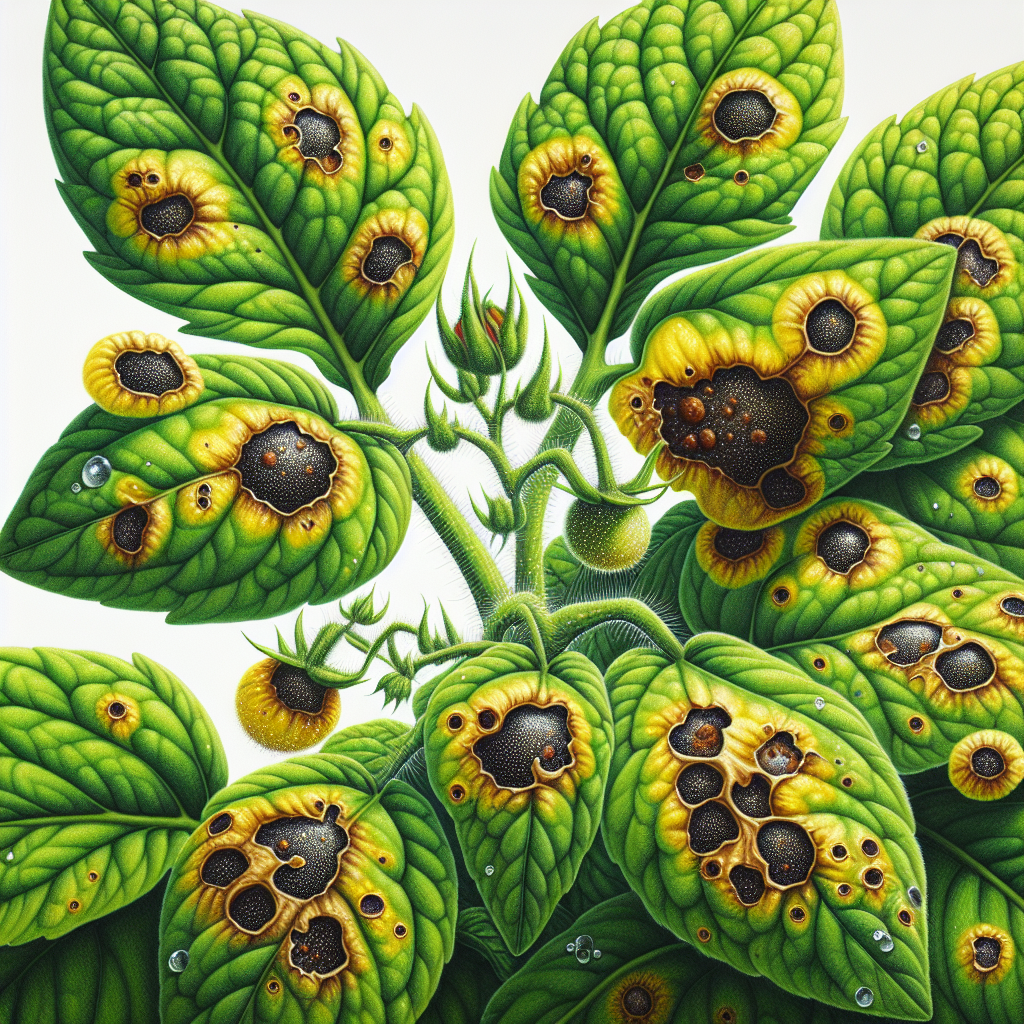
Bacterial spot
Bacterial spot is a widespread bacterial disease affecting solanaceous crops like tomatoes and peppers, causing small, water-soaked lesions on leaves, stems, and fruits that lead to defoliation and reduced yields. It thrives in warm, humid conditions and spreads via splashing water and contaminated tools. Effective management relies on cultural practices, resistant varieties, and organic bactericides for sustainable control.
View Profile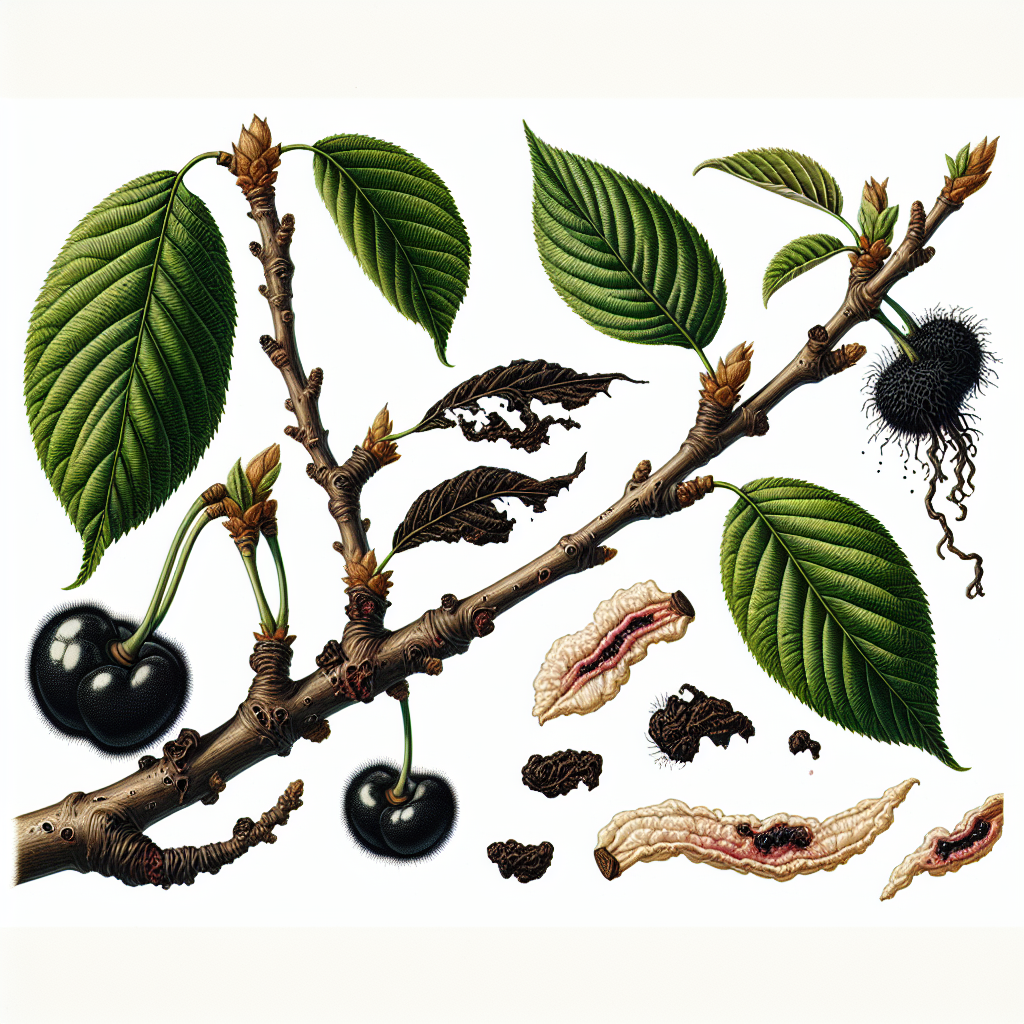
bacterial twig dieback
Bacterial twig dieback is a destructive disease caused by bacterial pathogens that infect woody plants, leading to wilting, blackening, and death of twigs and branches. It spreads rapidly in cool, wet conditions, causing significant crop losses in orchards and vineyards. Effective management relies on early detection, cultural practices, and organic treatments to limit spread and promote plant recovery.
View Profile