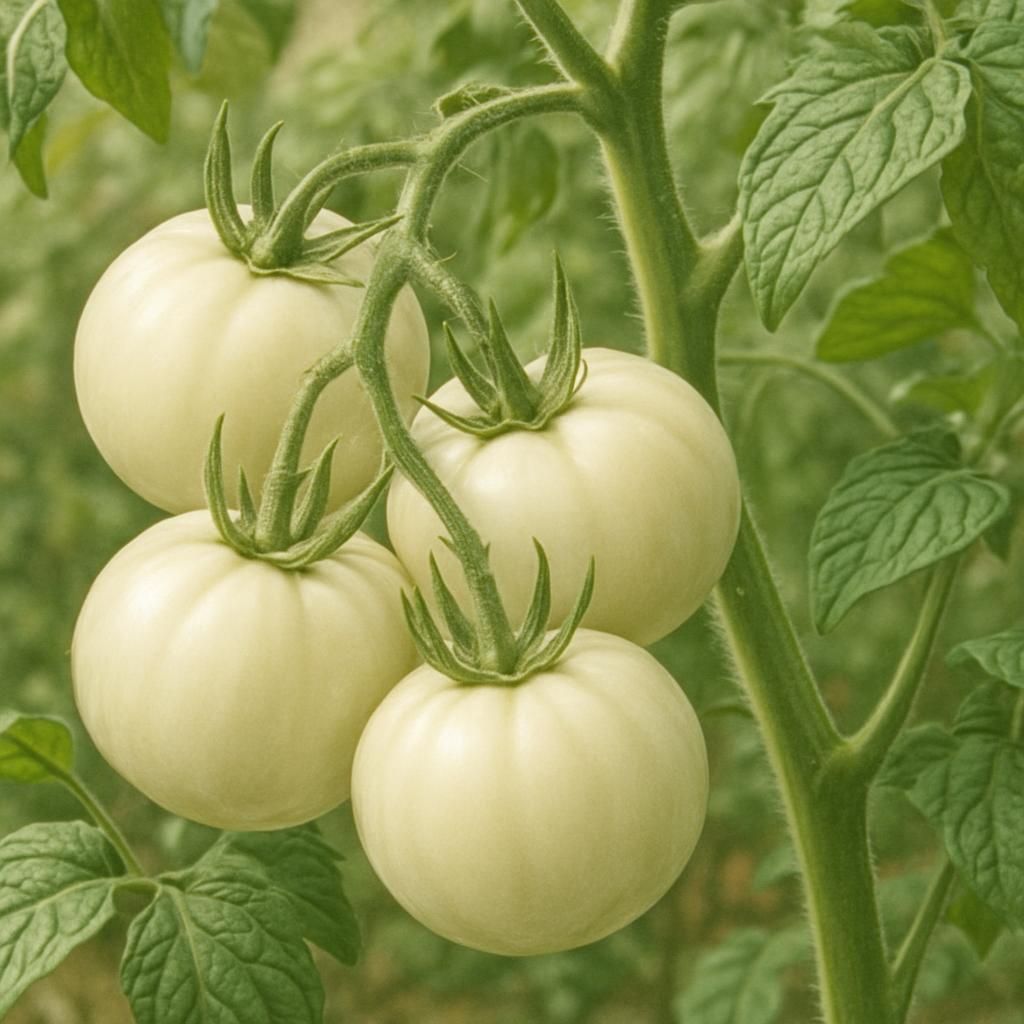
Introduction to Great White Tomato
Great White Tomato is an heirloom beefsteak variety renowned for its striking ivory-white fruits, low acidity, and subtle fruity flavor. Originating from rare seed lines, this indeterminate plant produces heavy yields of large, meaty tomatoes that reach 8–16 ounces each. Gardeners and small-scale farmers value Great White Tomato for its unique appearance, mild taste profile, and versatility in fresh salads, sauces, and roasting applications.
The variety thrives in warm climates and requires consistent care to prevent common tomato issues such as Blossom End Rot and fungal diseases. With proper spacing, pruning, and organic fertility management, Great White Tomato can deliver commercial-grade yields in backyard gardens and market farms alike.
Botanical Profile of Great White Tomato
Great White Tomato belongs to the nightshade family (Solanaceae) and exhibits classic indeterminate growth habit, continuing to produce flowers and fruit until frost. Plants typically reach 6–8 feet in height and benefit from strong trellising or caging systems. Leaves are compound, dark green, and slightly fuzzy, while stems remain vigorous and require regular suckering to maintain airflow.
Fruits mature in 75–85 days from transplant, developing a smooth, creamy-white exterior with pale yellow blush at full ripeness. The interior flesh is dense, low in seeds, and nearly white with a hint of pink near the stem end. This low-acid profile makes Great White Tomato especially suitable for individuals sensitive to traditional red tomatoes.
Soil, pH, and Climate Requirements for Great White Tomato
Great White Tomato demands fertile, well-drained soil rich in organic matter. The ideal pH range supports optimal nutrient uptake while minimizing disease pressure. Temperature management is critical during both vegetative growth and fruit set.
| Parameter | Ideal Range/Value | Notes |
|---|---|---|
| Soil Type | Loamy, well-drained | Incorporate 2–3 inches compost before planting |
| Soil pH | 6.2–6.8 | Test soil and amend with lime if below 6.0 |
| Temperature (Day) | 70–85°F (21–29°C) | Protect from temperatures above 90°F |
| Temperature (Night) | 60–70°F (15–21°C) | Use row covers for early-season protection |
| Sunlight | Full sun, 8+ hours daily | Morning sun reduces foliar disease risk |
| Spacing | 24–36 inches between plants | Rows 48–60 inches apart |
| Frost Tolerance | None | Transplant after last frost date |
Step-by-Step Planting & Propagation
Start seeds indoors 6–8 weeks before the last expected frost. Sow Great White Tomato seeds ¼ inch deep in sterile seed-starting mix and maintain soil temperature at 75–80°F for rapid germination. Seedlings emerge in 7–10 days; provide 14–16 hours of supplemental light to prevent legginess.
Harden off transplants for 7–10 days before planting outdoors. Dig planting holes 12 inches deep and wide, mixing in ½ cup balanced organic fertilizer and a handful of crushed eggshells to prevent calcium deficiency. Space plants 24–36 inches apart in rows 4–5 feet wide. Install cages or trellises at planting time to support heavy fruit loads.
Water thoroughly after transplanting and apply a 2-inch layer of organic mulch to conserve moisture and suppress weeds. Avoid working with wet foliage to reduce disease spread.
Care & Maintenance regimes for Great White Tomato
Consistent care ensures maximum fruit size and flavor development. Focus on balanced fertility, proper irrigation, and strategic pruning to maintain plant health throughout the season.
| Task | Schedule | Details |
|---|---|---|
| Watering | 1–1.5 inches per week | Deep watering at base; increase during fruit set; avoid overhead spray |
| Fertilizer | Every 3–4 weeks after first fruit | Side-dress with compost tea or fish emulsion (5-1-1); stop nitrogen late season |
| Pruning | Weekly starting at 12 inches tall | Remove suckers below first flower cluster; maintain 1–2 main stems |
| Mulching | At transplant and mid-season | 2–3 inches straw or shredded leaves to retain moisture |
| Staking/Trellising | Install at planting | Use Florida weave or single stake for indeterminate growth |
| Weeding | As needed | Hand-pull or shallow cultivate; avoid root damage |
Pests, Diseases & Organic Management
Great White Tomato is susceptible to several common tomato pests and diseases. Early detection and organic control methods protect yields without synthetic chemicals.
Monitor regularly for Aphids, Spider Mites, Hornworms, and Whiteflies. Introduce beneficial insects such as ladybugs and lacewings, and apply insecticidal soap or neem oil at the first sign of infestation.
Prevent fungal issues including Early Blight, Late Blight, and Septoria Leaf Spot through proper spacing, pruning for airflow, and drip irrigation. Apply copper-based fungicides or compost tea sprays preventively during humid periods. Rotate crops every 3–4 years and remove crop debris at season end to break disease cycles.
Harvesting, Curing & Optimal Storage
Harvest Great White Tomato fruits when they reach full creamy-white color with a slight yellow blush and yield to gentle pressure. Cut stems with pruners rather than pulling to avoid plant damage. Pick at breaker stage for longer storage or allow full ripening on the vine for peak flavor.
Store ripe tomatoes at 55–70°F away from direct sunlight. For longer keeping, harvest mature green fruits and ripen in a paper bag with an ethylene-producing fruit such as a banana. Avoid refrigeration, which diminishes flavor and texture.
Companion Planting for Great White Tomato
Strategic companions enhance growth, deter pests, and improve soil health. Plant Basil nearby to repel insects and improve flavor. Marigold and Nasturtium provide natural pest barriers while attracting pollinators.
Avoid planting Great White Tomato near Fennel or Walnut trees, which can inhibit growth. Include Carrot and Parsley in the same bed to maximize space and beneficial insect habitat. For additional guidance on seasonal planning, see The Overlooked Art of Seasonal Harvest Timing for Small Farm Profit.
Great White Tomato rewards attentive growers with distinctive, low-acid fruit that stands out in markets and home kitchens alike.