Encyclopedia
Definitive guides for crops, pests, and agricultural diseases.
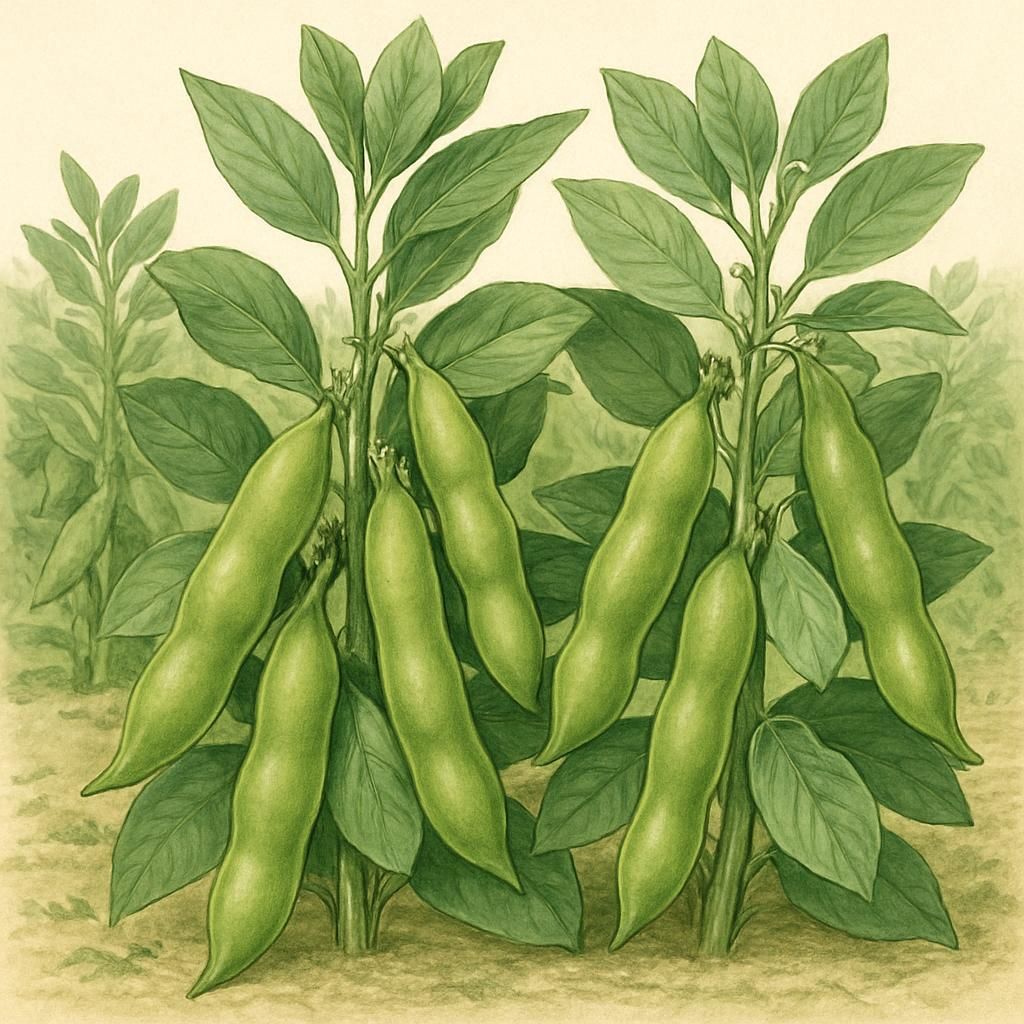
Fava Bean (Broad Windsor)
Broad Windsor Fava Beans are a hardy, cool-season crop known for their large pods and nutty flavor. They thrive in moderate climates and enrich garden soil by fixing nitrogen into the ground.
View Guide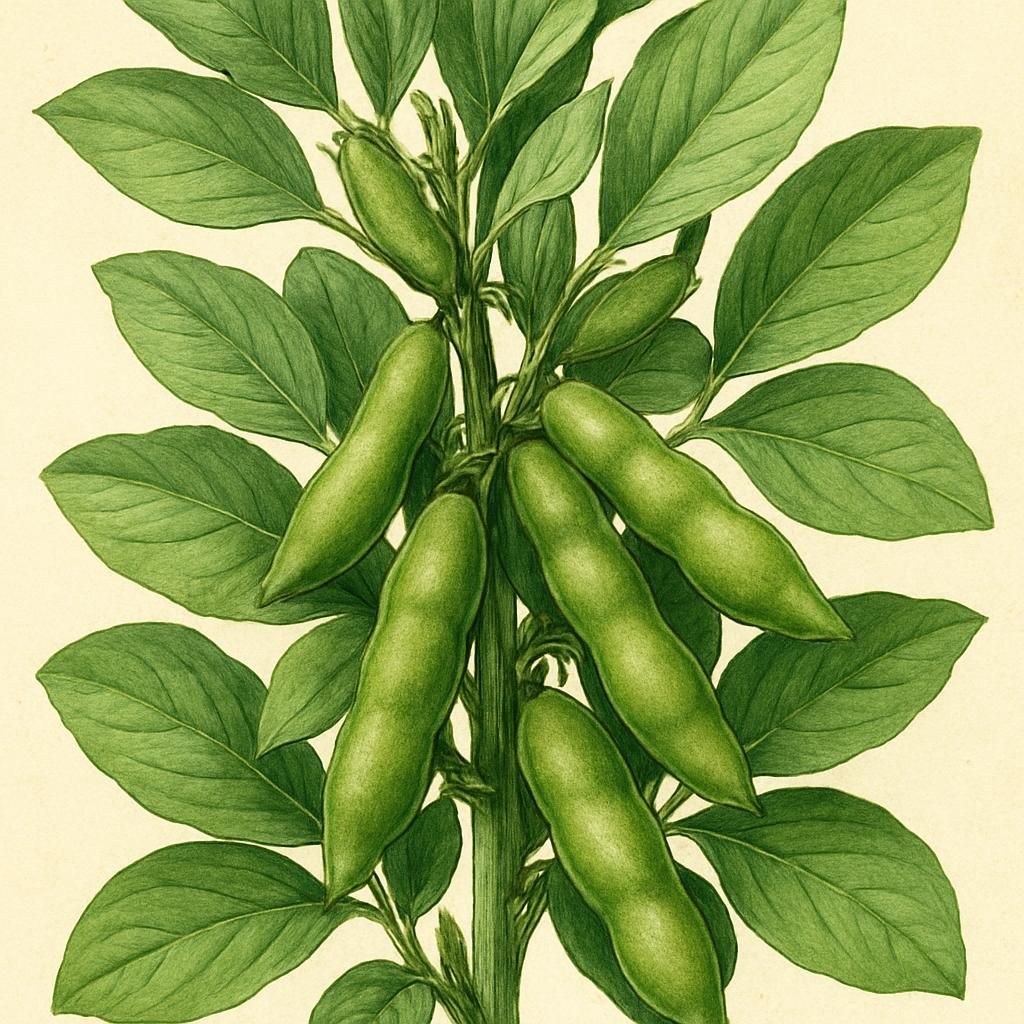
Fava Bean (Robin Hood)
The Robin Hood variety of Fava Bean is known for its compact growth habit and high-yielding pods, making it ideal for both garden cultivation and commercial farming. Its specific soil, climate requirements, and resistance to pests make it a robust choice for growers.
View Guide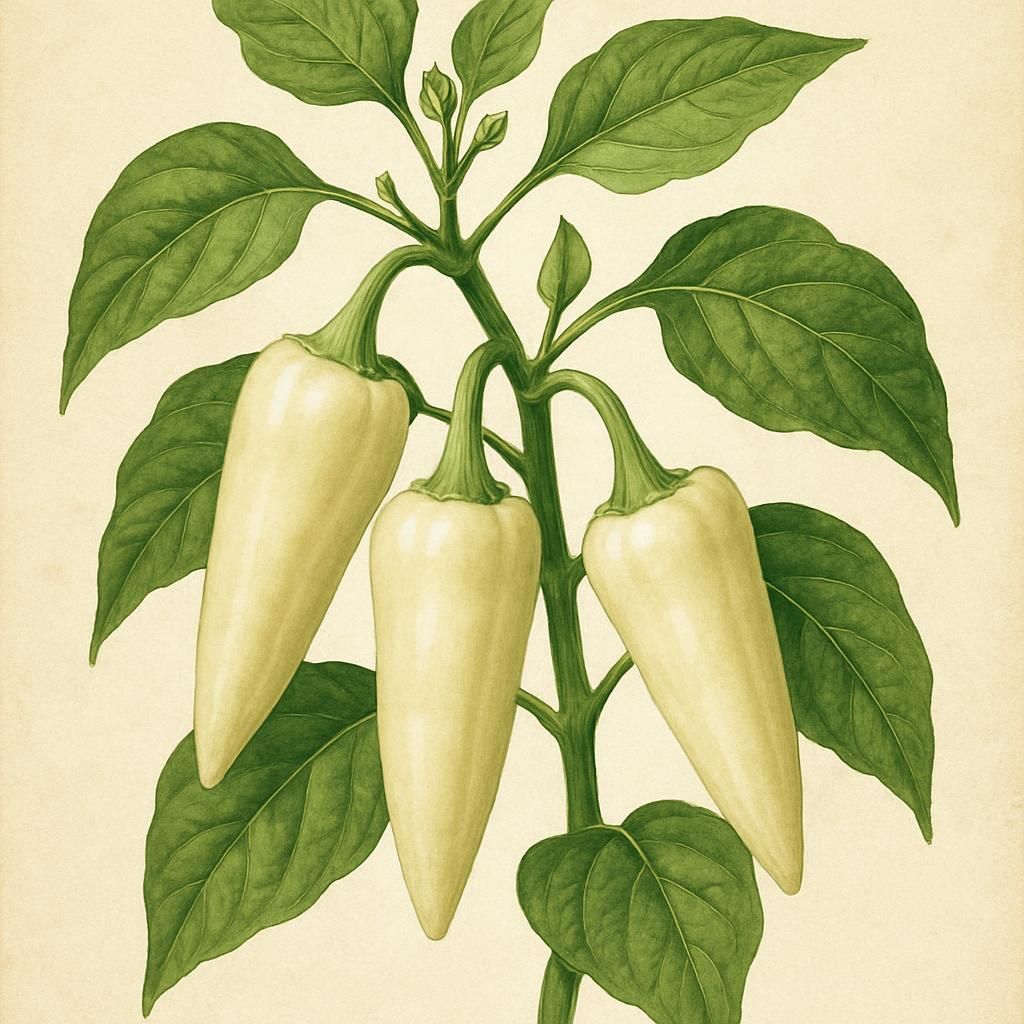
Feher Ozon Paprika
Feher Ozon Paprika is a versatile sweet pepper known for its creamy white color and mild flavor. It's a preferred choice in culinary dishes and is relatively easy to grow for home gardeners and small-scale farmers.
View Guide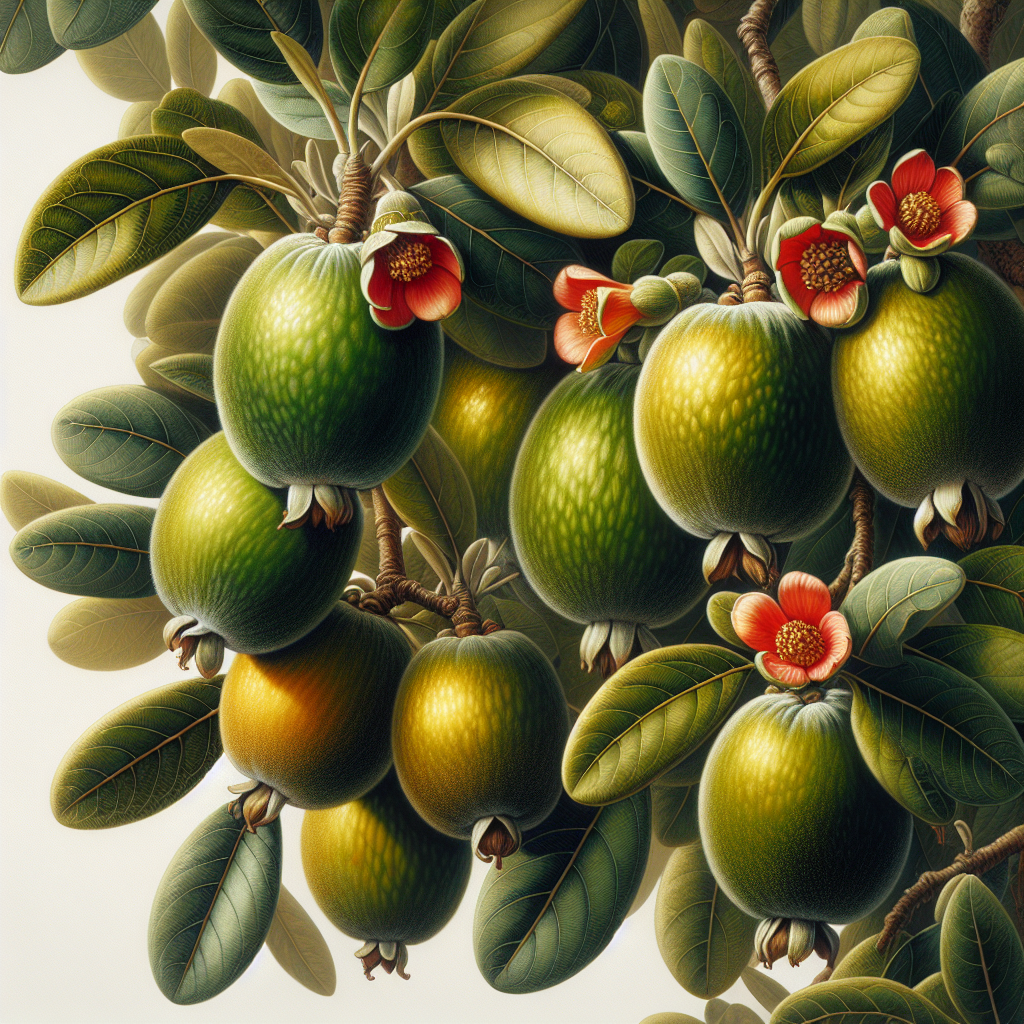
Feijoa (Coolidge)
Feijoa 'Coolidge' is a superior self-fertile cultivar of the pineapple guava, renowned for its heavy cropping, large oval fruits with exceptional flavor, and adaptability to cooler climates. This comprehensive growing guide covers everything from soil preparation and propagation to pest management and harvesting, helping home gardeners and small-scale farmers achieve bountiful yields of this exotic, vitamin-rich superfruit.
View Guide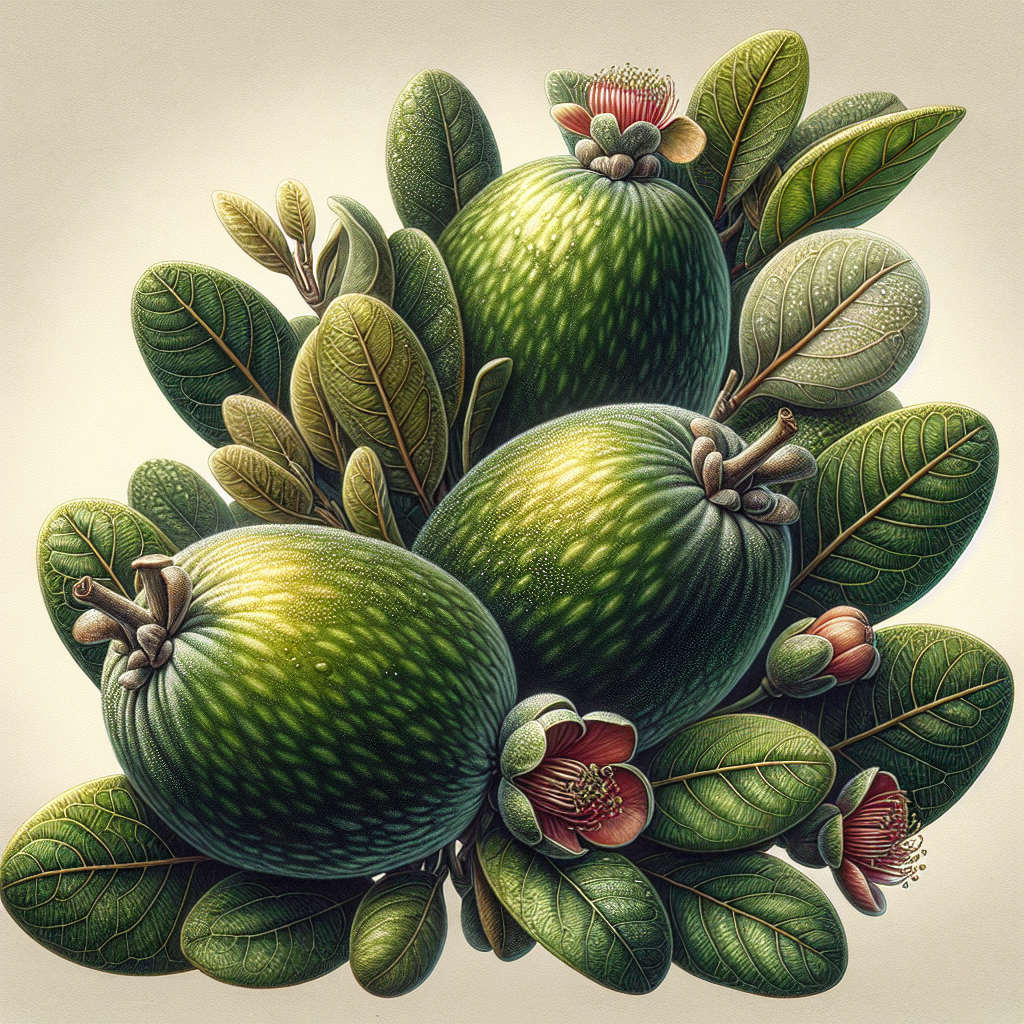
Feijoa (Trask)
Feijoa (Trask) is a superior cultivar of the pineapple guava, prized for its exceptional flavor, large fruit size, and heavy yields. This evergreen shrub thrives in subtropical to temperate climates, producing aromatic, vitamin-rich fruits with a unique pineapple-strawberry-guava taste. Ideal for home orchards and small farms, Trask offers reliable pollination and disease resistance.
View Guide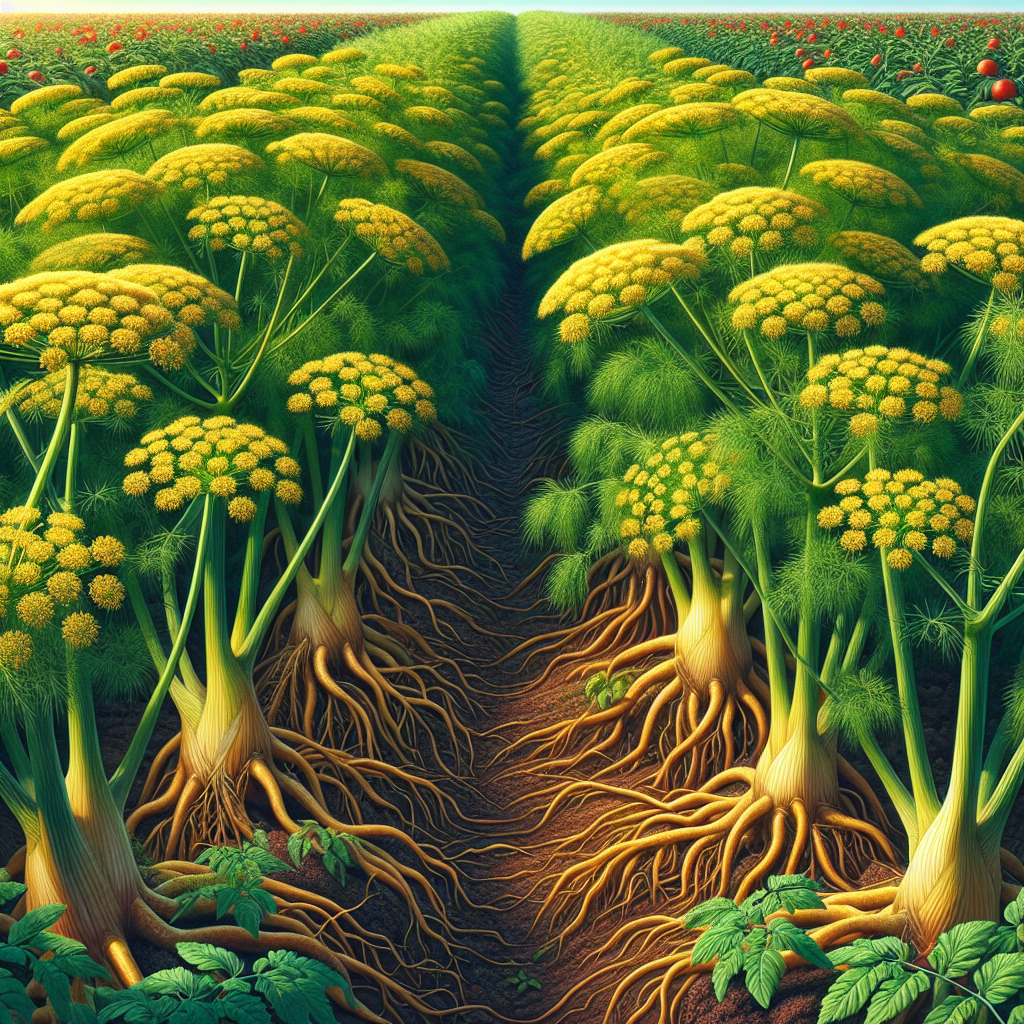
fennel
Fennel (Foeniculum vulgare) is a highly invasive herb in agricultural settings, aggressively competing with crops for nutrients, water, and sunlight while allelopathically inhibiting nearby plant growth. This guide provides comprehensive diagnostics, lifecycle insights, organic management strategies, and prevention tactics to protect your farm from its rapid spread. Though valued as a culinary herb, feral fennel populations can devastate yields in vegetable fields, orchards, and grain crops.
View Guide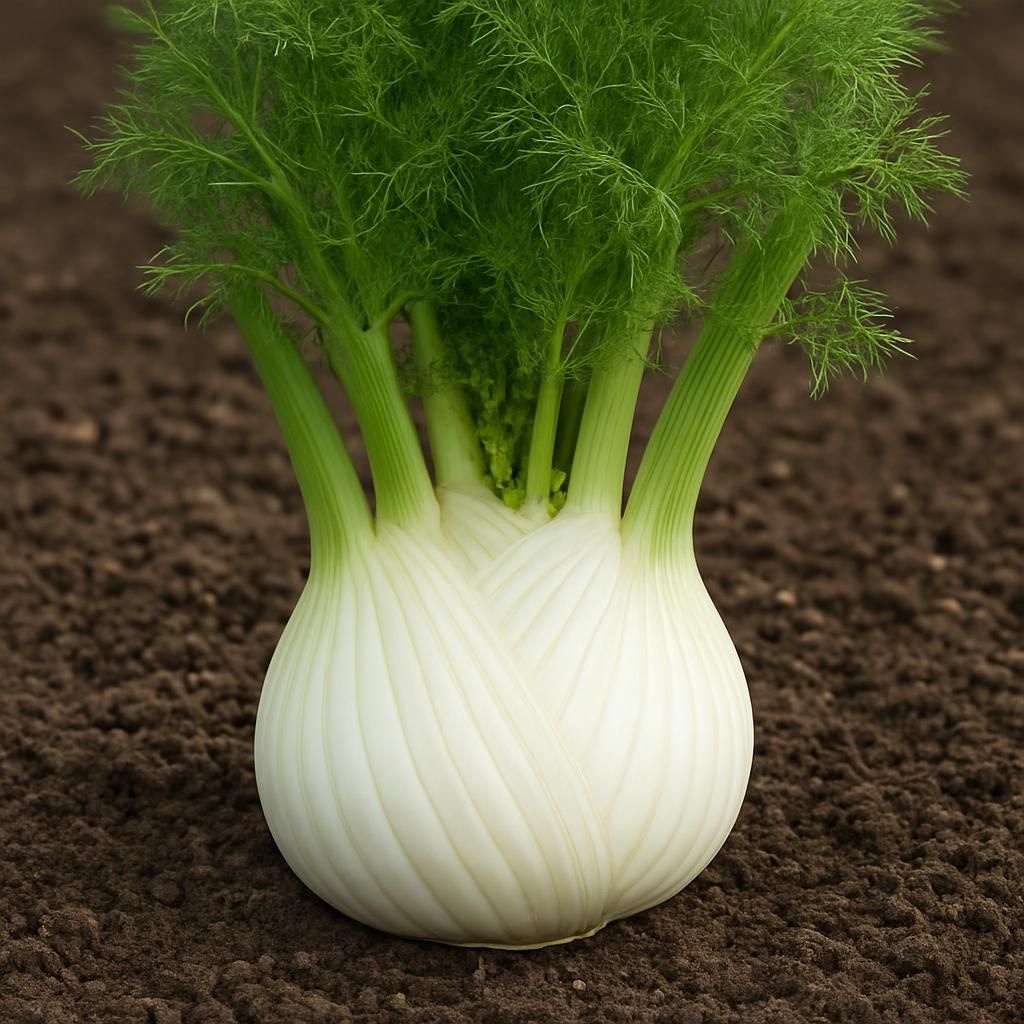
Fennel (Antares)
Fennel (Antares) is a high-yielding, bolt-resistant fennel cultivar prized for its large, uniform bulbs and sweet anise flavor. This guide delivers professional-grade growing advice covering soil, planting, care, pest control, harvesting, and companion strategies for commercial and home growers.
View Guide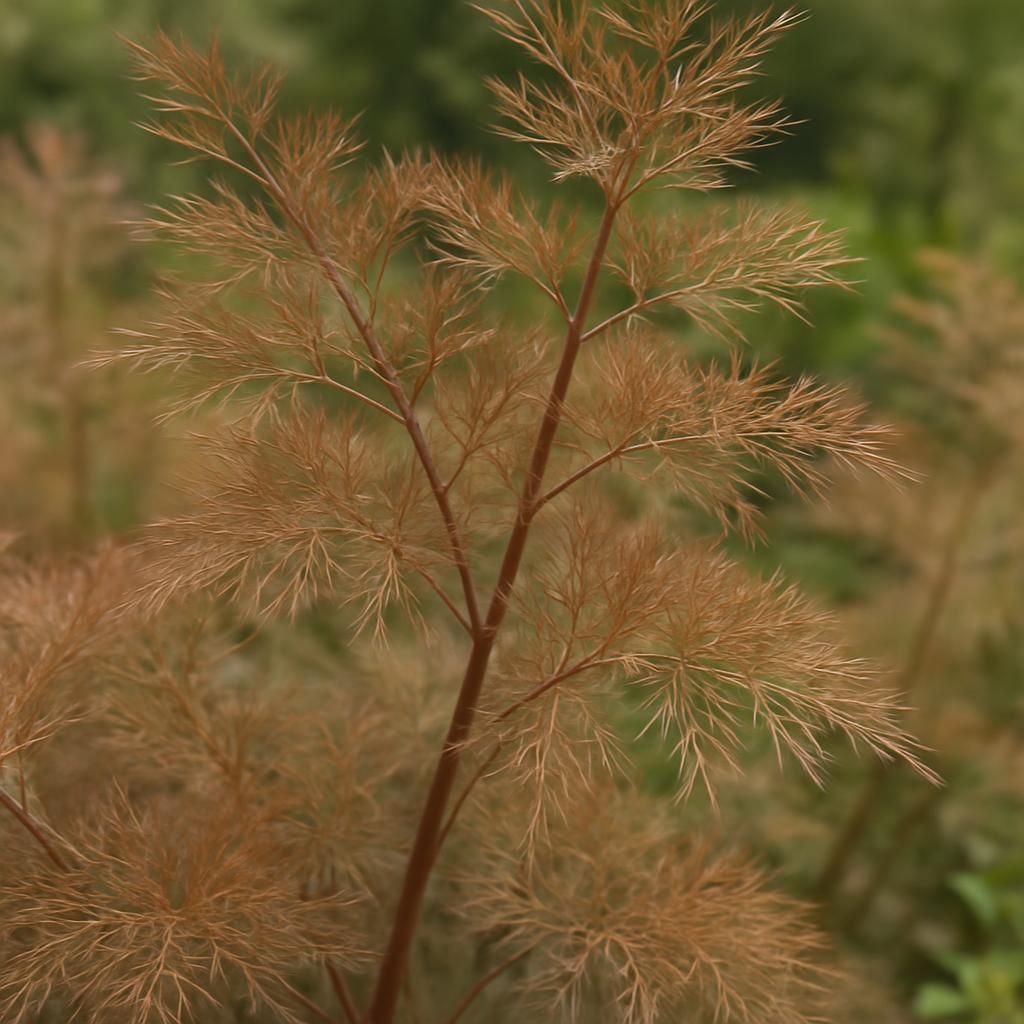
Fennel (Bronze)
Bronze fennel is a striking perennial herb valued for its feathery, copper-purple foliage, aromatic seeds, and swollen bulb base. It thrives in full sun with well-drained, fertile soil and is popular in both culinary and ornamental gardens. This comprehensive guide covers every stage of cultivation from planting to harvest and storage.
View Guide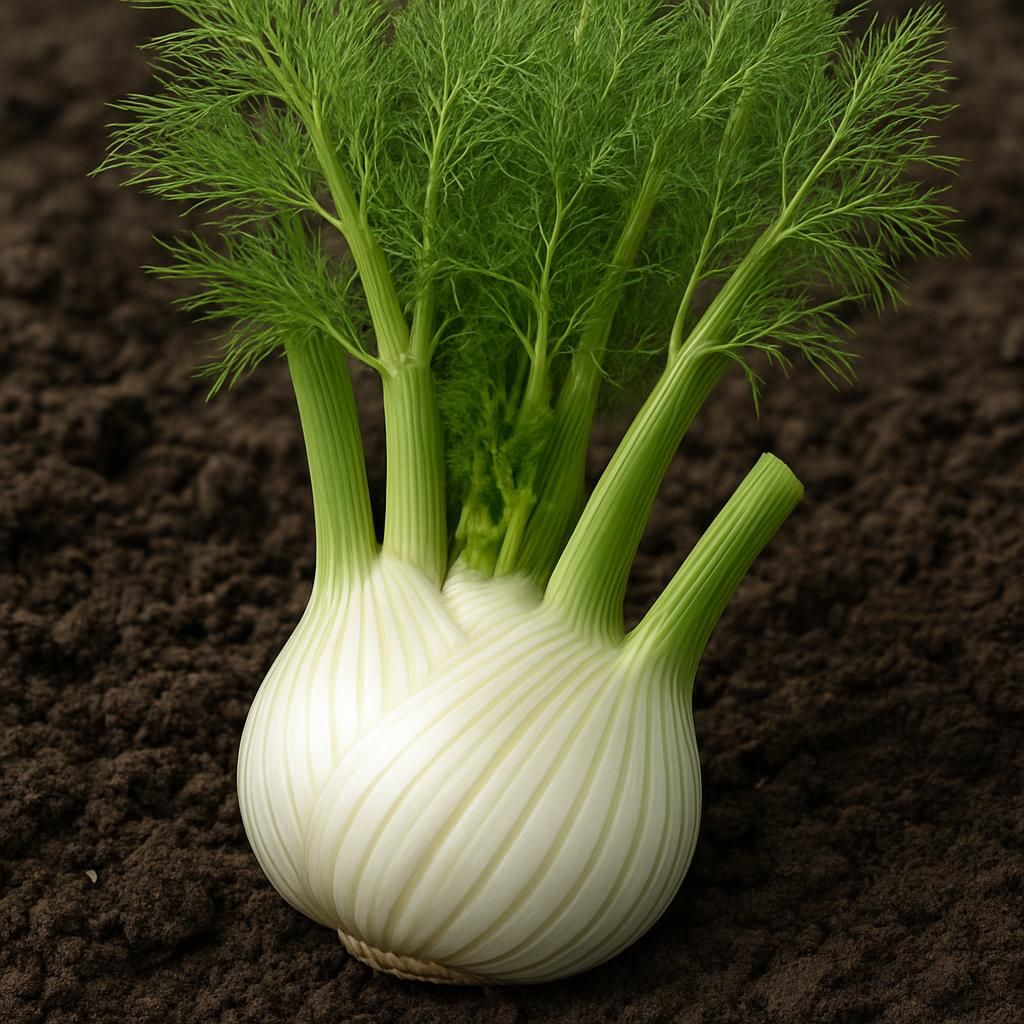
Fennel (Florence - Zefa Fino)
Florence fennel 'Zefa Fino' is a cool-season bulb-forming vegetable prized for its crisp, anise-flavored swollen base and feathery foliage. This variety matures quickly with uniform, bolt-resistant bulbs that reach 3–4 inches across. It is well-suited to spring and autumn production in temperate climates.
View Guide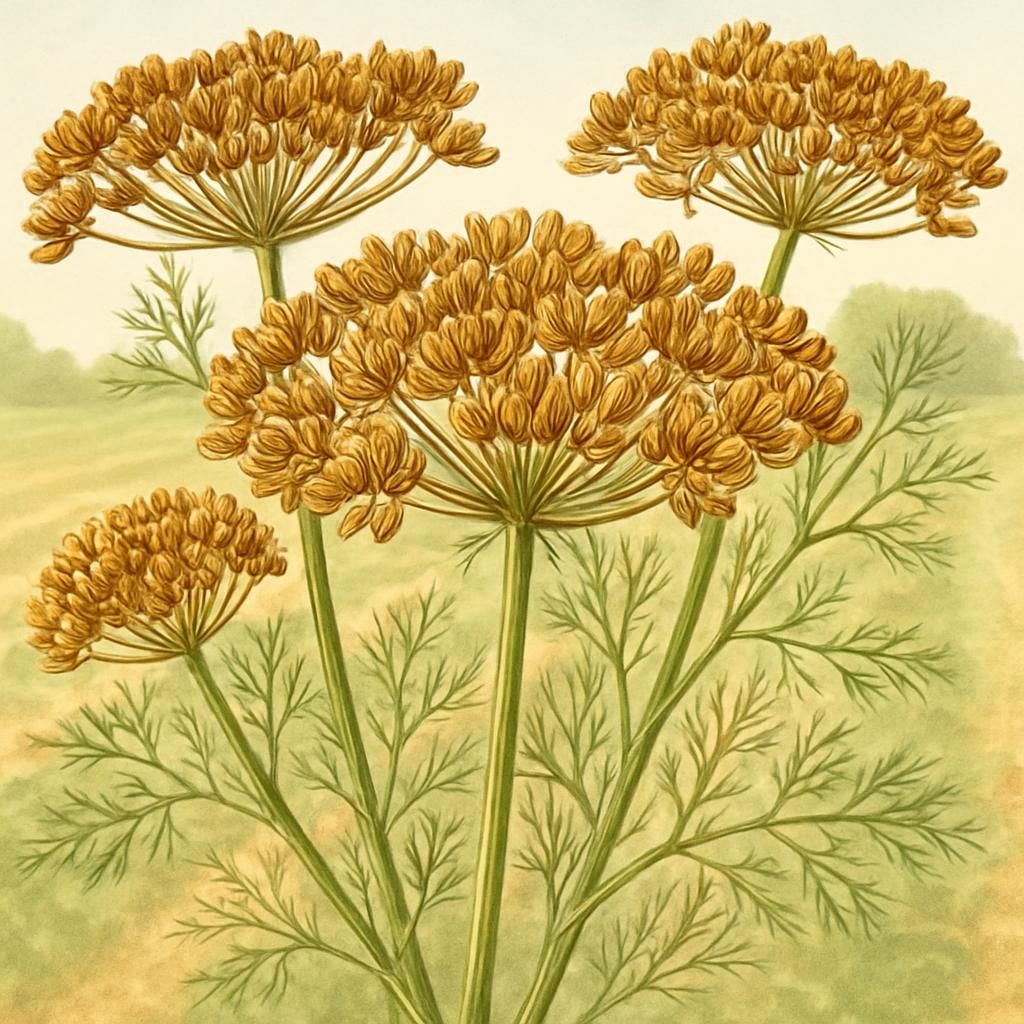
Fennel Seed (Indian Lucknow)
Fennel Seed (Indian Lucknow) is a high-value aromatic spice crop cultivated primarily for its dried seeds that command strong demand in Indian and export markets. This biennial herb thrives in subtropical climates and is grown for both culinary and medicinal uses.
View Guide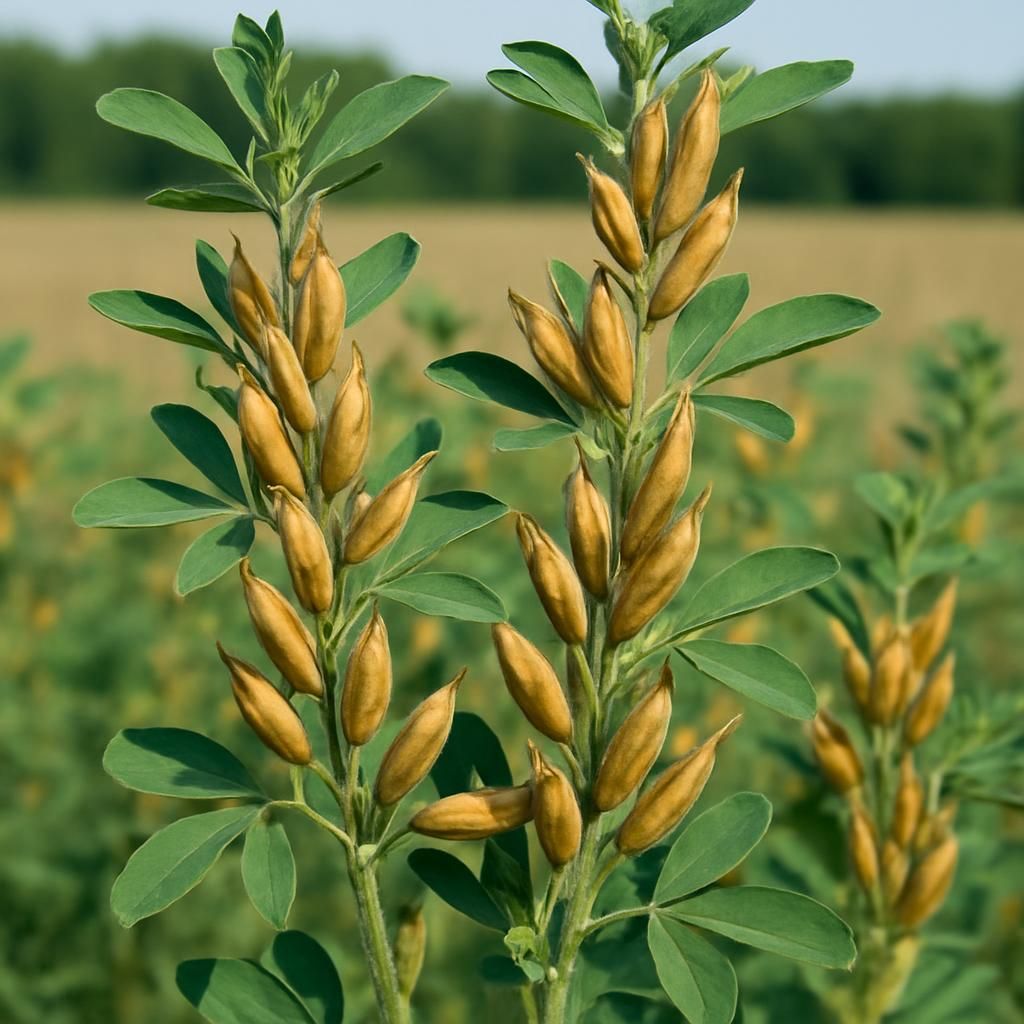
Fenugreek Seed
Fenugreek is an annual legume grown primarily for its aromatic seeds used as a culinary spice, medicinal herb, and livestock feed. It thrives in cool seasons, fixes atmospheric nitrogen, and produces high-quality seed in 90–120 days under optimal conditions.
View Guide
fern
Ferns are ancient non-flowering plants grown for edible fronds, ornamental value, and soil stabilization in temperate and tropical systems. Successful cultivation requires consistent moisture, acidic soils, and protection from direct sun. This guide covers complete agronomic practices for commercial and home production.
View Guide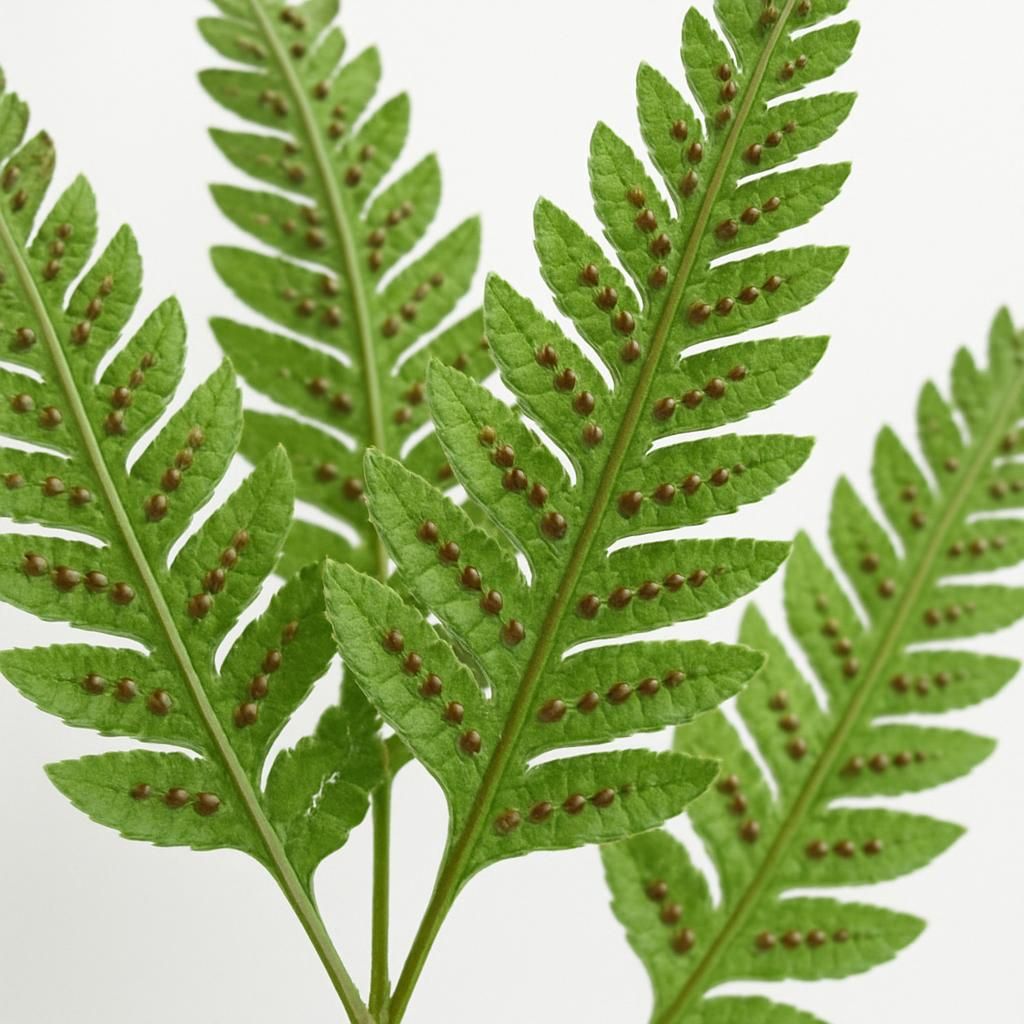
fern species
Ferns are ancient non-flowering vascular plants cultivated for ornamental foliage, medicinal uses, and soil stabilization. They thrive in shaded, humid environments and reproduce via spores rather than seeds.
View Guide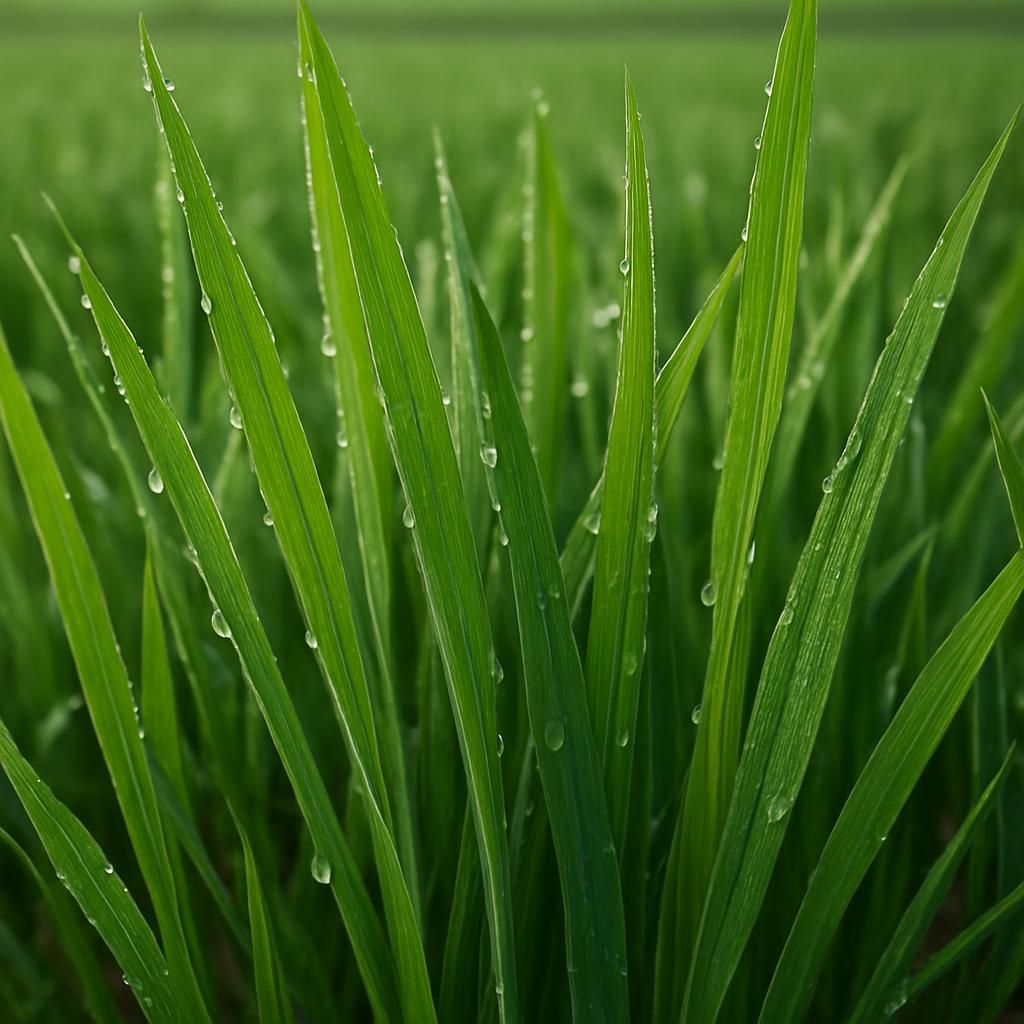
fescue
Fescue is a cool-season perennial grass widely used for turf, forage, and erosion control. It thrives in temperate climates with well-drained soils and provides durable, low-maintenance ground cover.
View Guide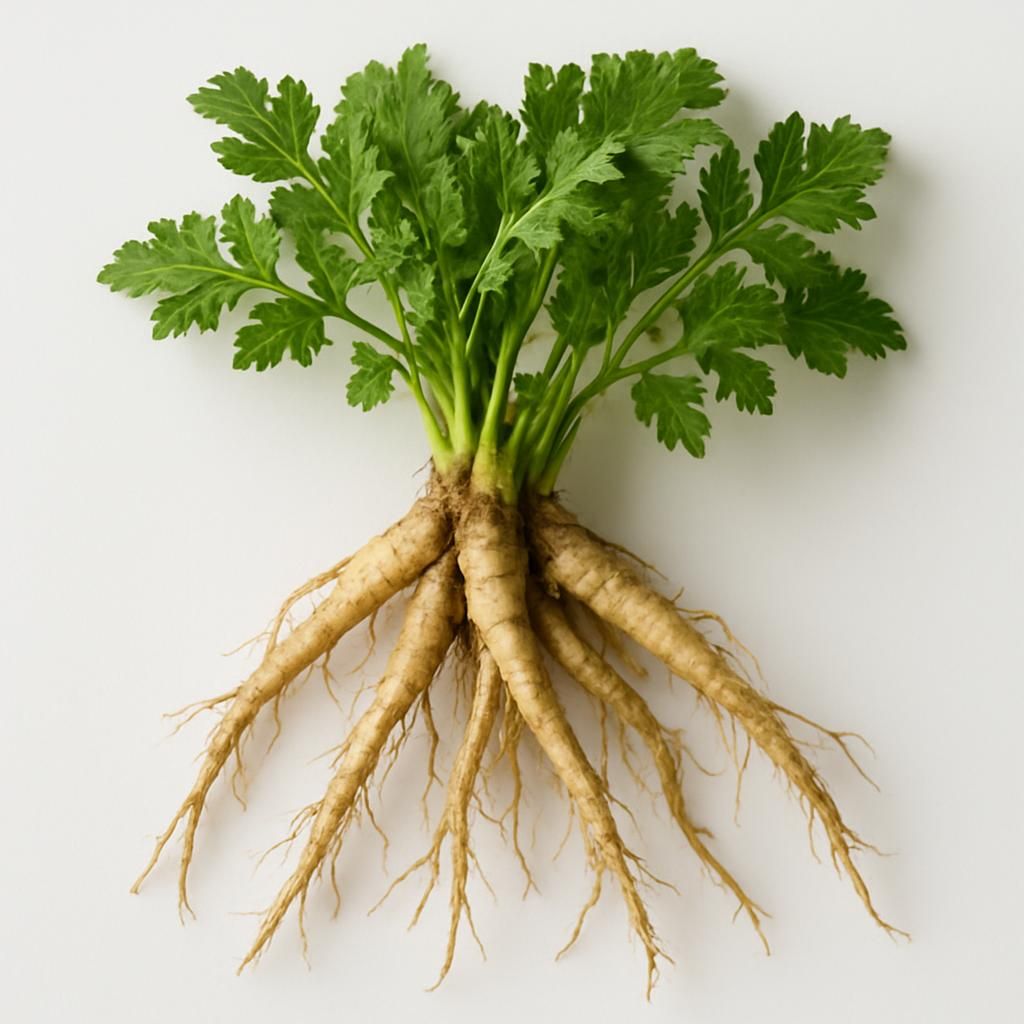
Feverfew Root
Feverfew Root is a lesser-known medicinal and aromatic perennial valued for its anti-inflammatory compounds concentrated in the root system. This comprehensive guide covers soil preparation, propagation, organic pest management, and harvesting techniques for reliable commercial and home production.
View Guide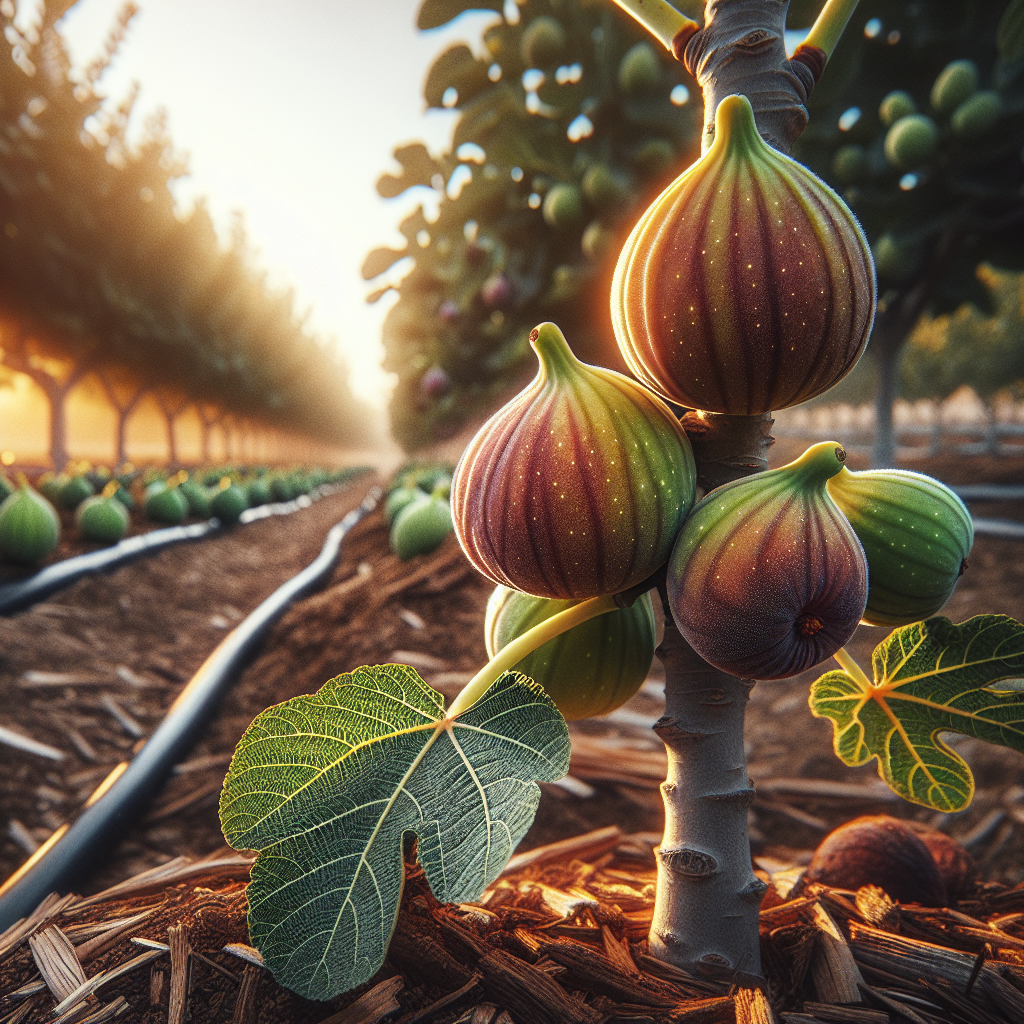
Fig
Fig is a drought-tolerant, long-lived fruit tree valued for its sweet, soft fruit, ornamental form, and adaptability to Mediterranean and warm-temperate climates. With proper site selection, careful pruning, and balanced irrigation, figs can be highly productive in orchards, home gardens, and even large containers.
View Guide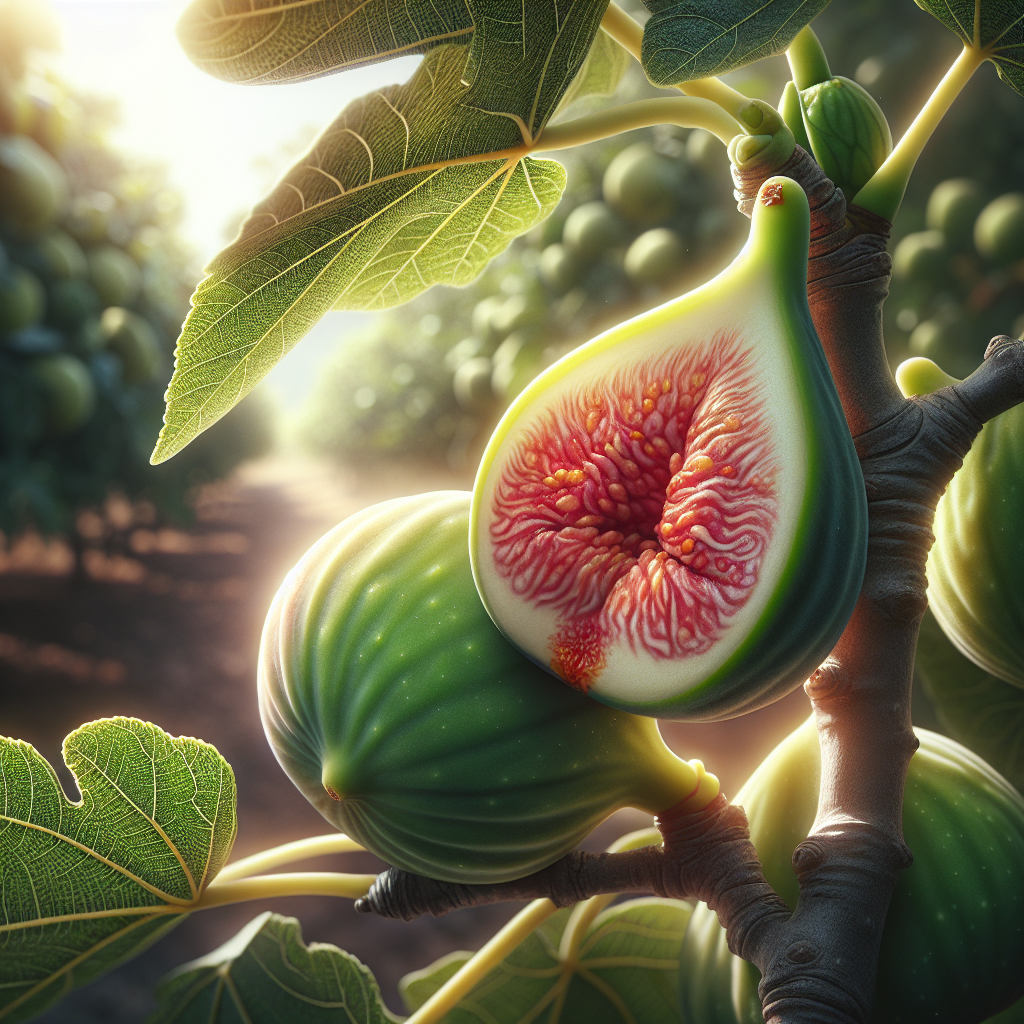
Fig (Adriatic)
Adriatic fig is a classic green-skinned, strawberry-pulped cultivar prized for intense sweetness, rich flavor, and exceptional drying quality. It performs best in warm, sunny climates with well-drained soil, and rewards careful water and canopy management with high-quality fresh or dried fruit.
View Guide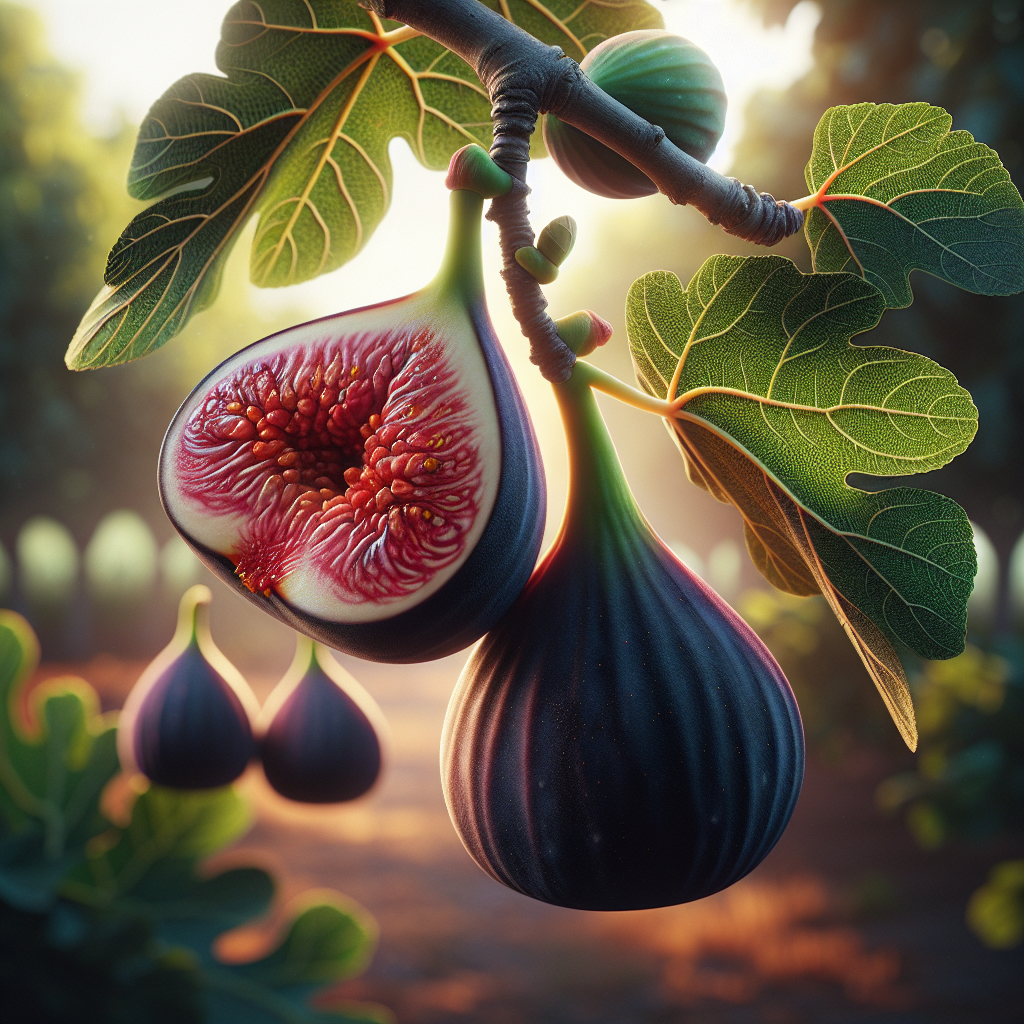
Fig (Black Genoa)
Fig (Black Genoa) is a classic dark-skinned common fig valued for its richly sweet, strawberry-red flesh, reliable cropping, and adaptability to warm temperate and Mediterranean climates. It is a vigorous, productive cultivar that performs best in full sun, sharply drained soil, and a management regime that balances moderate fertility with careful irrigation to prevent fruit split and root stress.
View Guide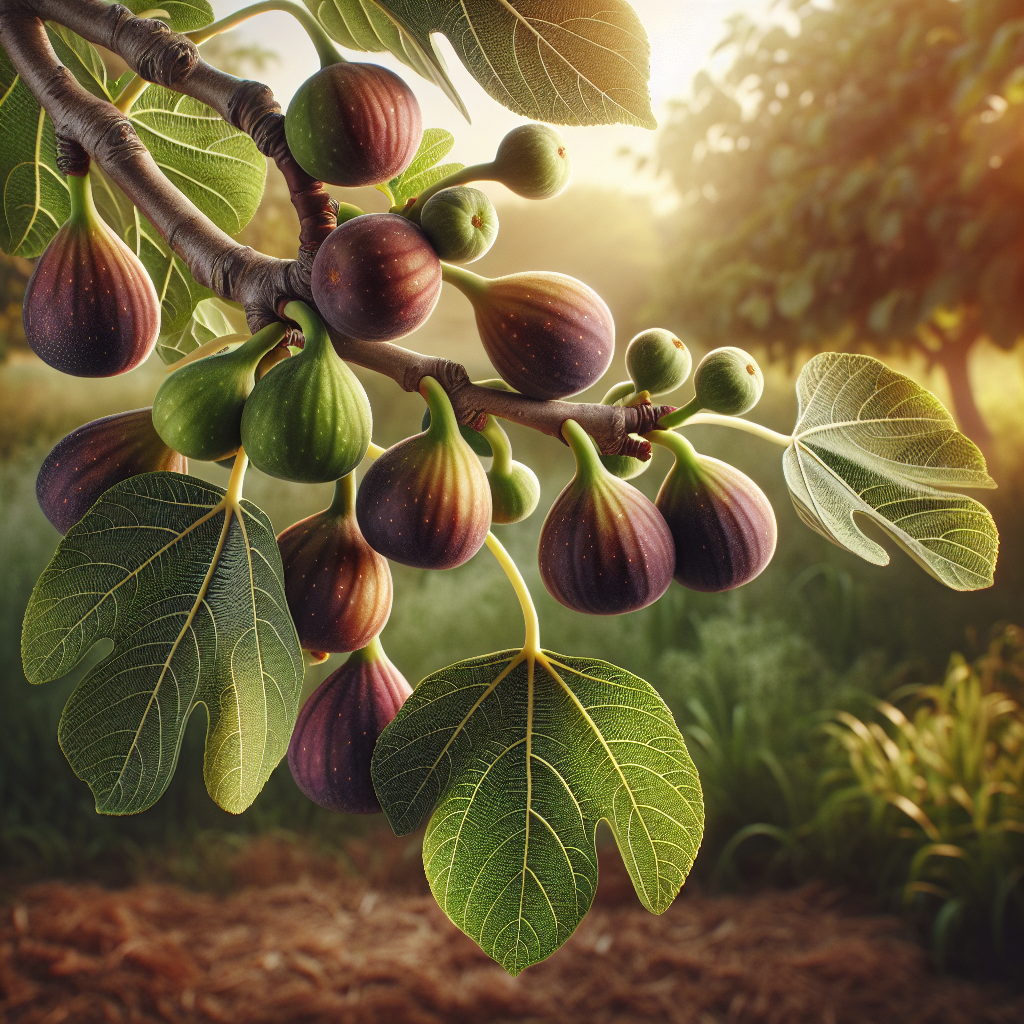
Fig (Celeste)
Celeste fig is a classic small-fruited common fig prized for its rich, honey-sweet flavor, reliable productivity, and relative tolerance of humid conditions. It is one of the best backyard and small-orchard fig cultivars for the southeastern United States, especially where closed-eye fruit helps reduce souring and insect entry.
View Guide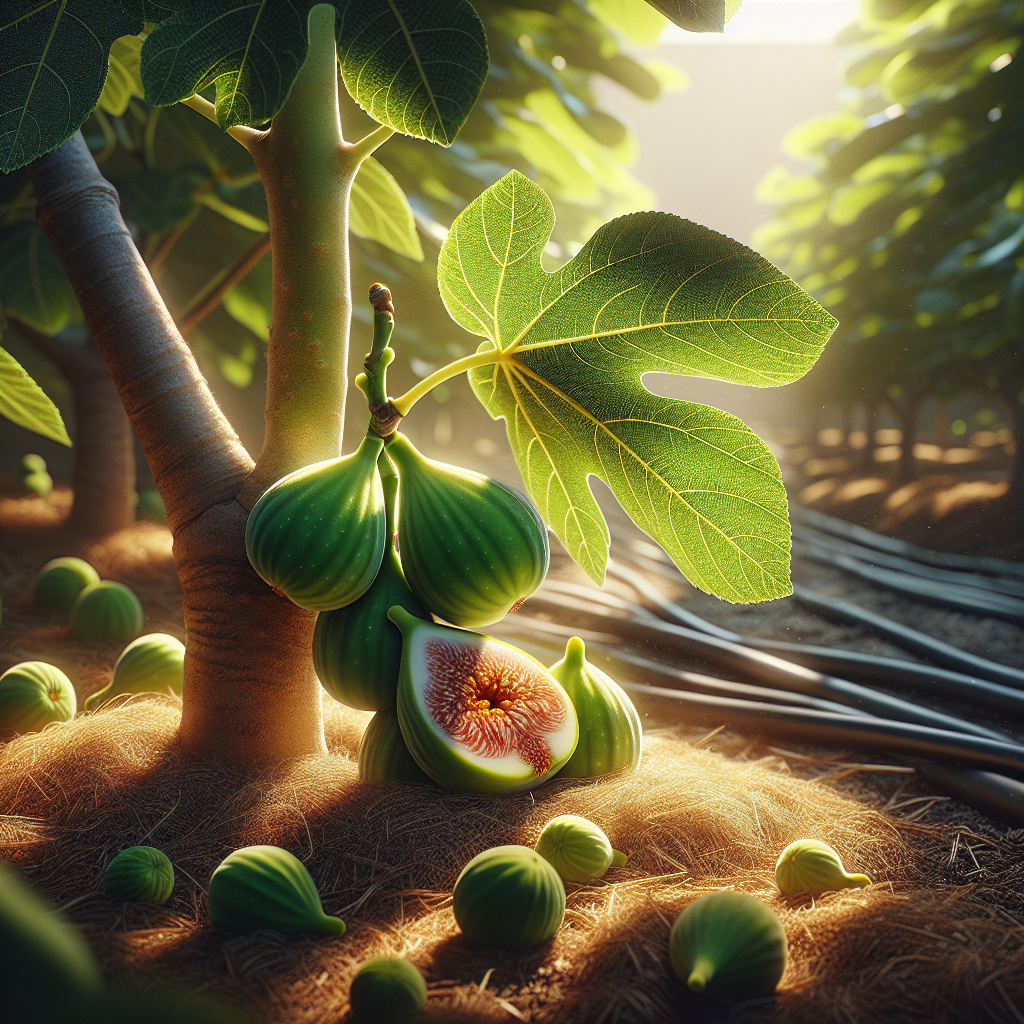
Fig (Kadota)
Kadota fig is a classic green-yellow common fig valued for its amber flesh, dependable productivity, and excellent fresh and processing quality. It performs especially well in warm, dry-summer climates, where careful irrigation, canopy management, and harvest timing are key to producing clean, sweet fruit with minimal splitting or spoilage.
View Guide
Fig beetles
Fig beetles (Cotinis mutabilis) are large, metallic green scarab beetles notorious for defoliating fruit trees and feeding on ripening fruits like figs, peaches, and avocados. Native to the southwestern U.S. and Mexico, adults emerge in summer to cause significant cosmetic and structural damage to crops. Effective management combines organic controls, cultural practices, and vigilant monitoring for sustainable agricultural protection.
View Profile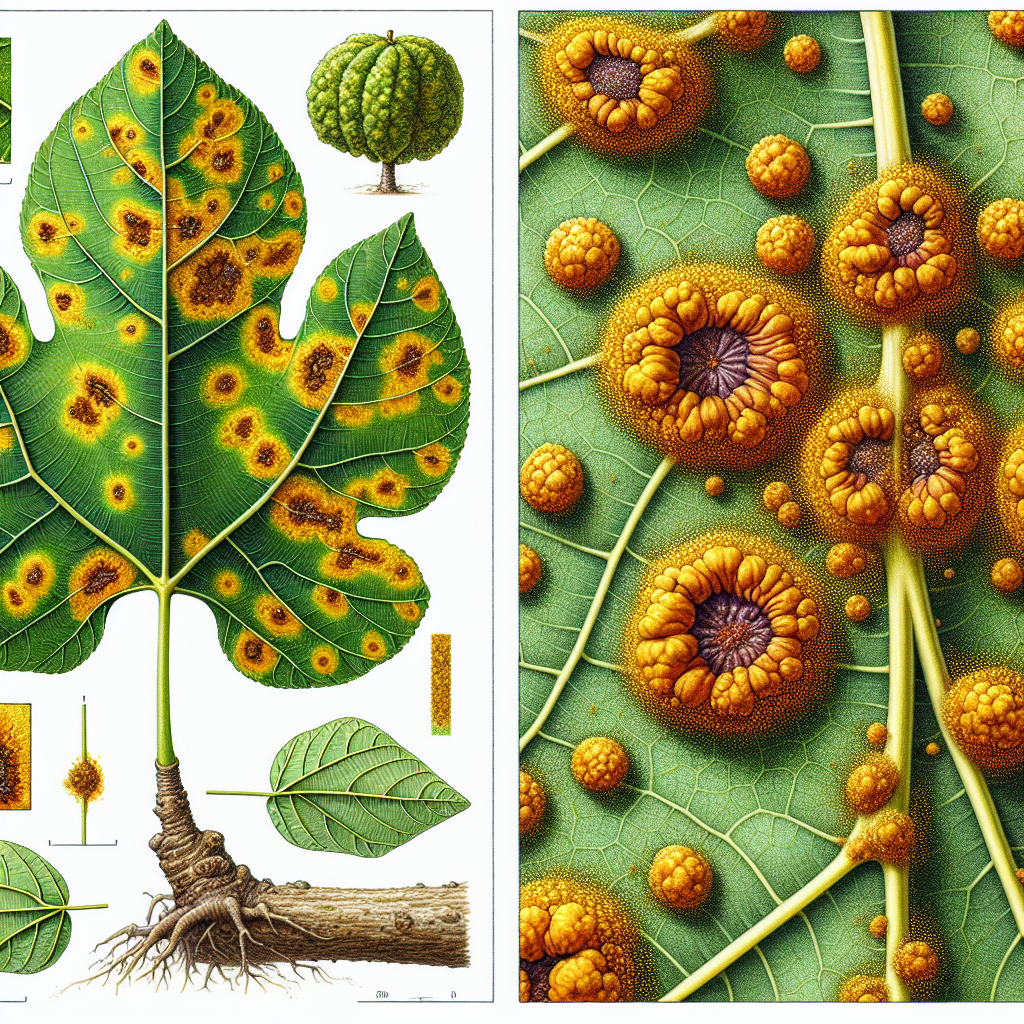
Fig rust
Fig rust, caused by the fungus Physopella fici, is a common foliar disease affecting fig trees worldwide, leading to yellowing leaves, premature defoliation, and reduced fruit quality. This guide provides comprehensive diagnostics, organic management strategies, and prevention tips for growers. Early detection and cultural practices are key to minimizing economic losses in fig orchards.
View Profile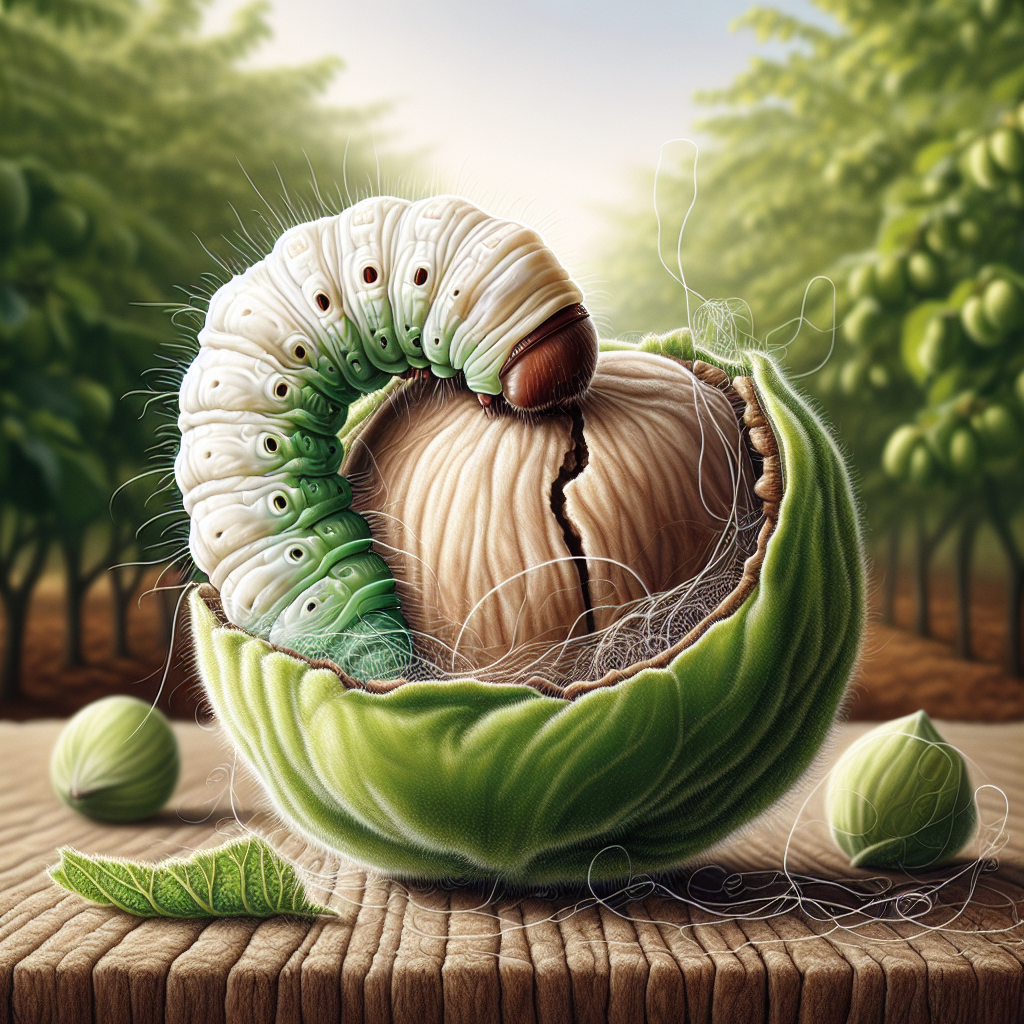
Filbertworm
The filbertworm is a destructive pest targeting hazelnut orchards, with larvae boring into nuts and causing significant yield losses. This guide provides comprehensive diagnostics, lifecycle insights, organic management strategies, and prevention tactics for growers. Effective control hinges on timely monitoring and integrated approaches to protect [hazelnut](/wiki/hazelnut) crops.
View Profile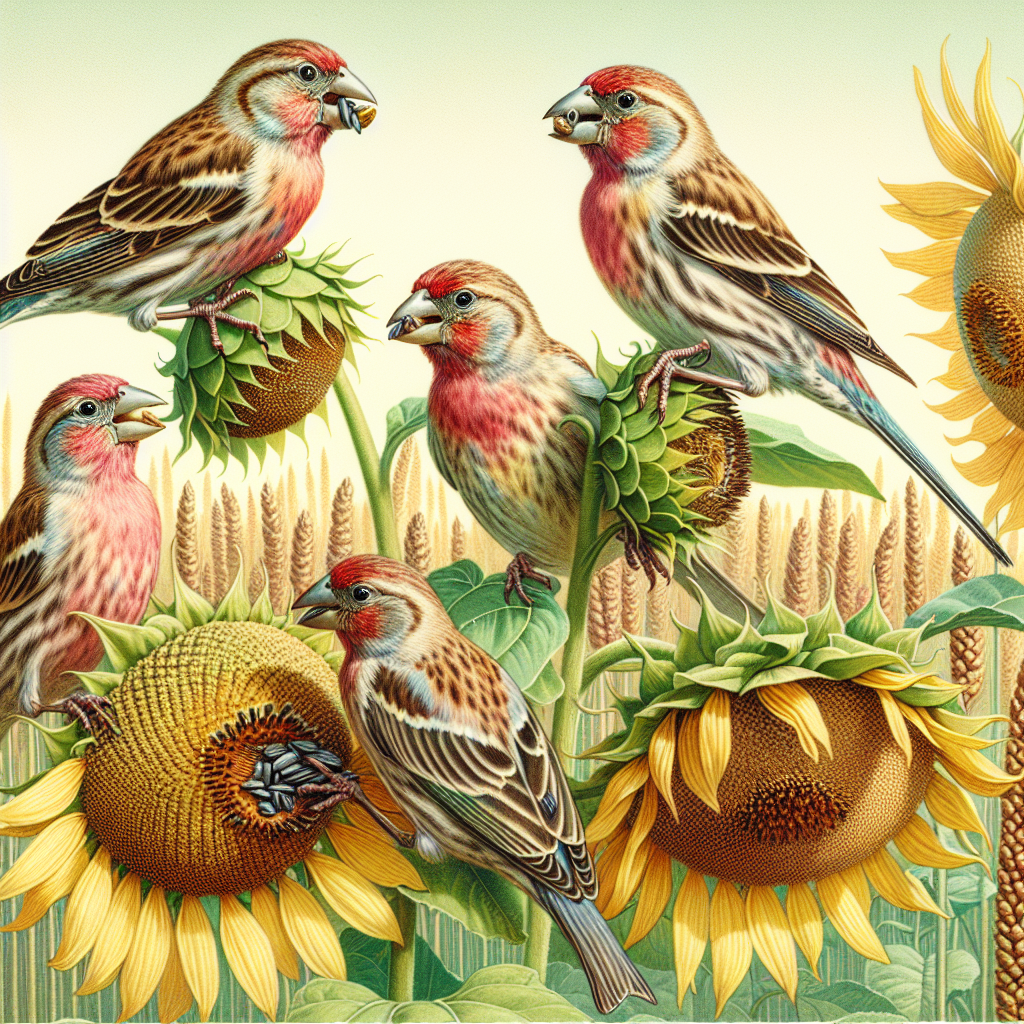
Finches
Finches are small, colorful songbirds that pose significant threats to agricultural crops by devouring seeds, fruits, and buds at critical growth stages. These avian pests can cause substantial yield losses in orchards, grain fields, and vegetable gardens, often arriving in flocks that strip plants rapidly. Effective management combines cultural practices, physical barriers, and humane deterrents for sustainable control.
View Profile