Encyclopedia
Definitive guides for crops, pests, and agricultural diseases.
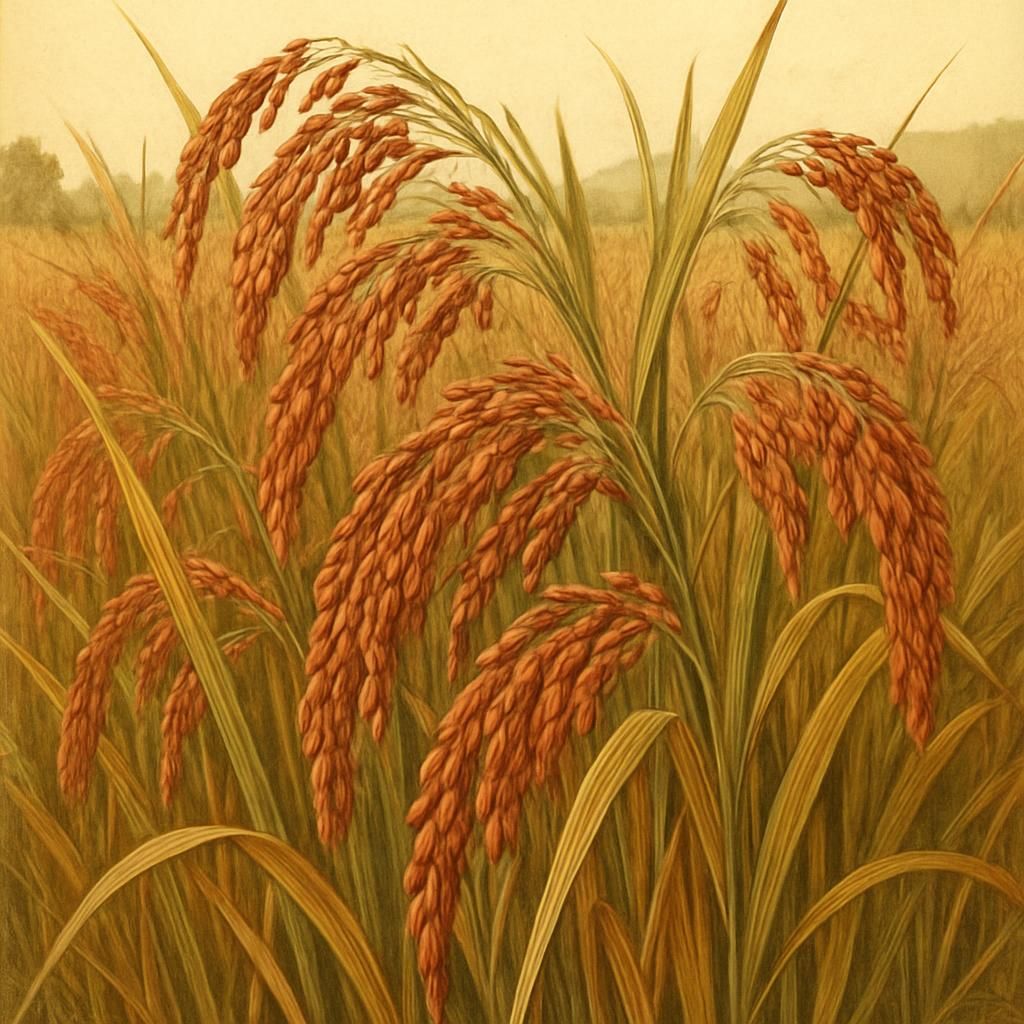
Ermes Rice (Italian Red)
Ermes Rice, an Italian variety of red rice, is prized for its nutritional value and unique nutty flavor. It thrives in specific climatic conditions and requires careful management to ensure high yields and quality.
View Guide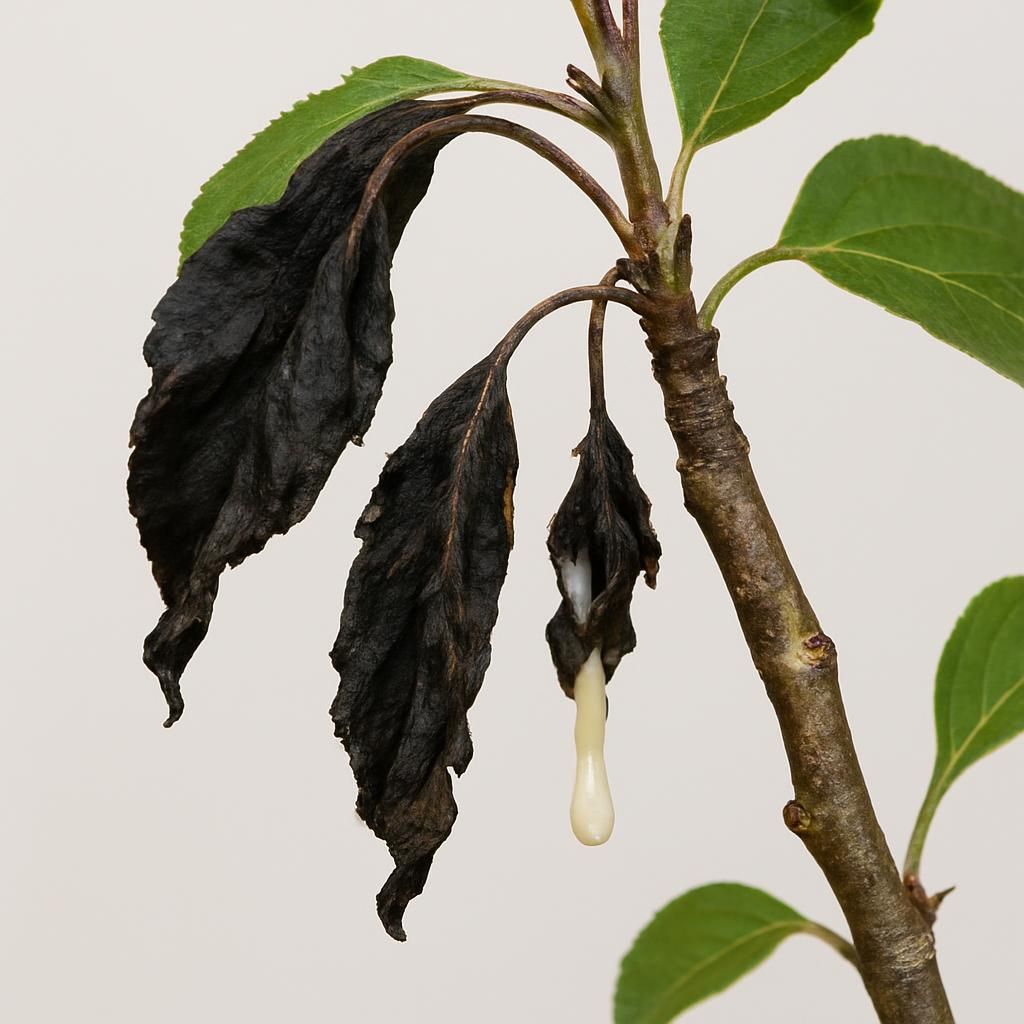
Erwinia amylovora
Erwinia amylovora is a gram-negative bacterium that causes fire blight, a destructive disease primarily affecting pome fruits such as apples and pears. It spreads rapidly through blossoms, shoots, and wounds, leading to wilting, blackened tissue, and cankers that can kill entire trees if unmanaged. Effective diagnosis, sanitation, and integrated management are essential for protecting commercial and home orchards.
View Profile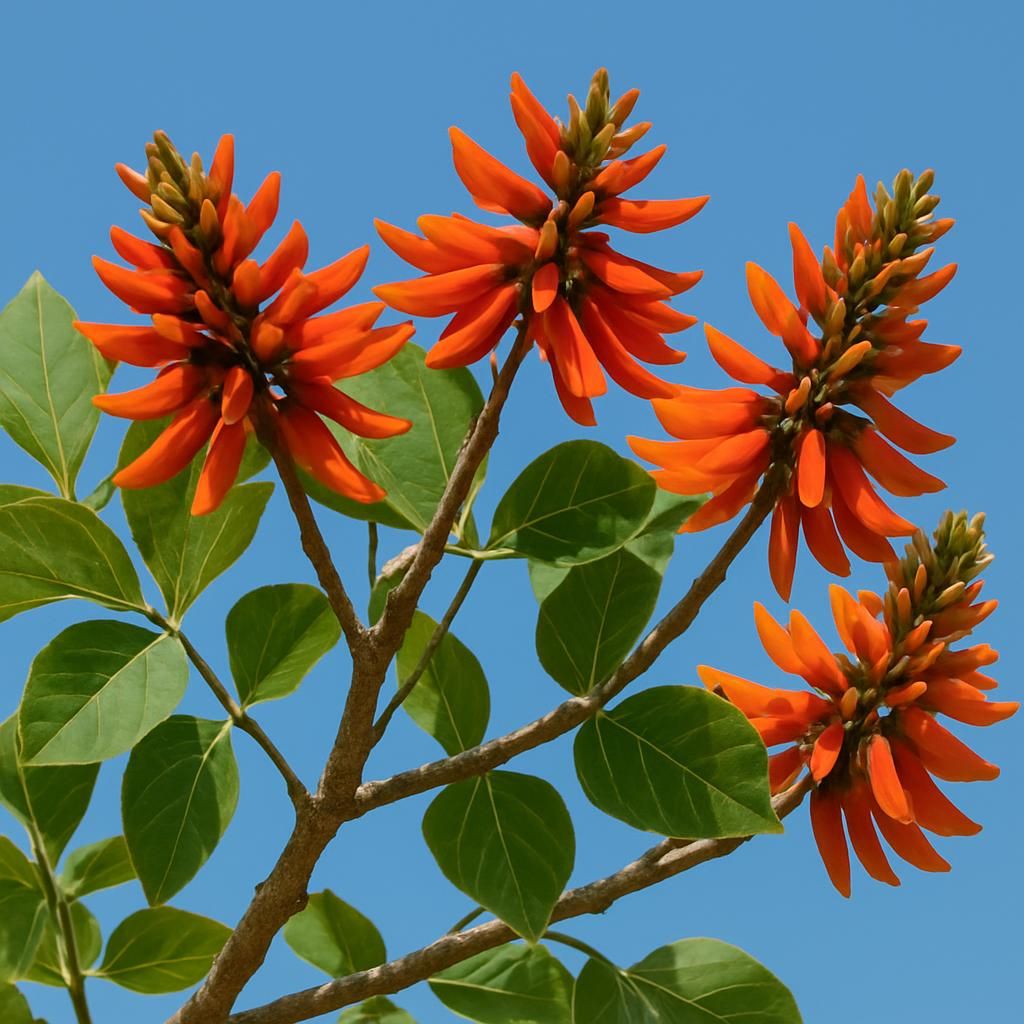
Erythrina poeppigiana
Erythrina poeppigiana, commonly known as the mountain immortelle or bucare, is a fast-growing leguminous tree valued for its nitrogen-fixing properties, vibrant orange-red flowers, and use as a shade tree in tropical agroforestry systems.
View Guide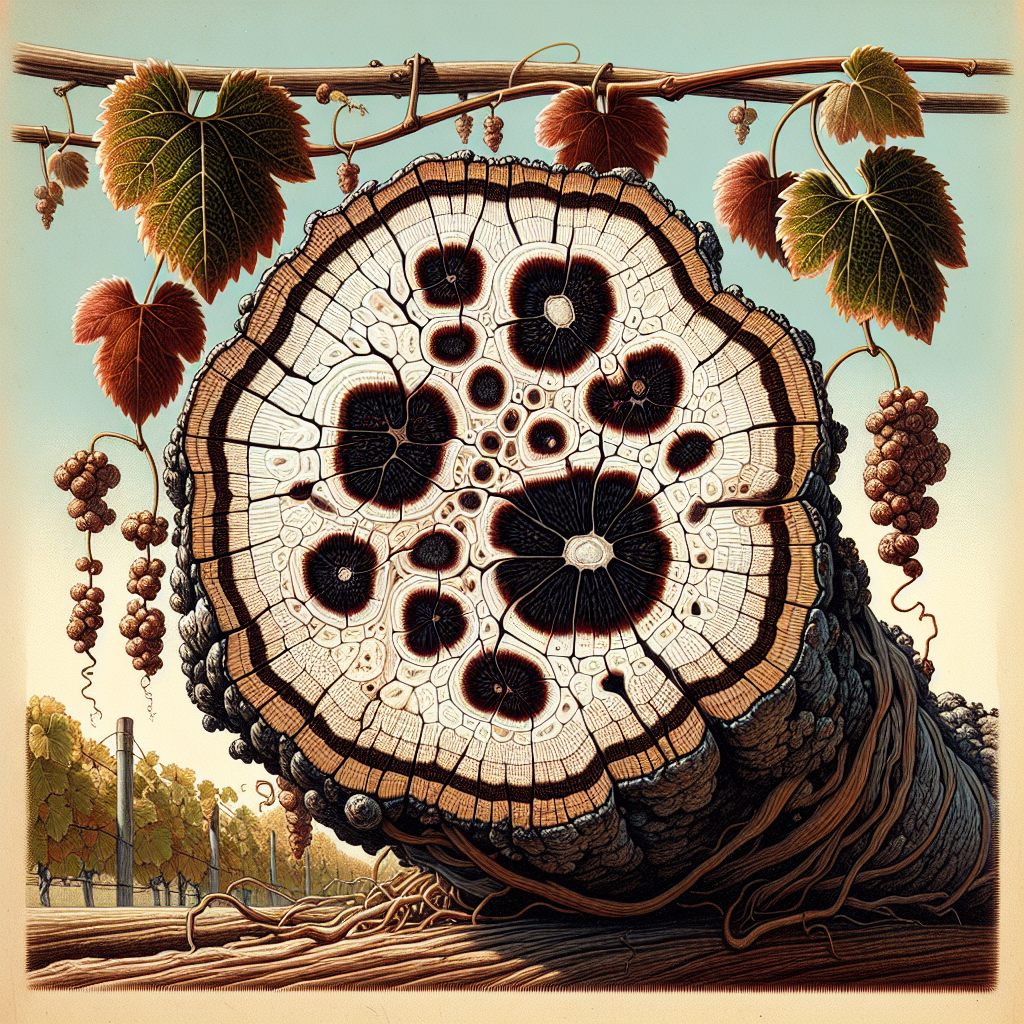
Esca
Esca is a devastating fungal trunk disease complex affecting grapevines, leading to internal wood necrosis and characteristic foliar symptoms. Caused by multiple wood-inhabiting fungi entering through wounds, it progresses slowly but causes significant yield losses and vine decline. Effective management relies on prevention, cultural practices, and delayed organic interventions.
View Profile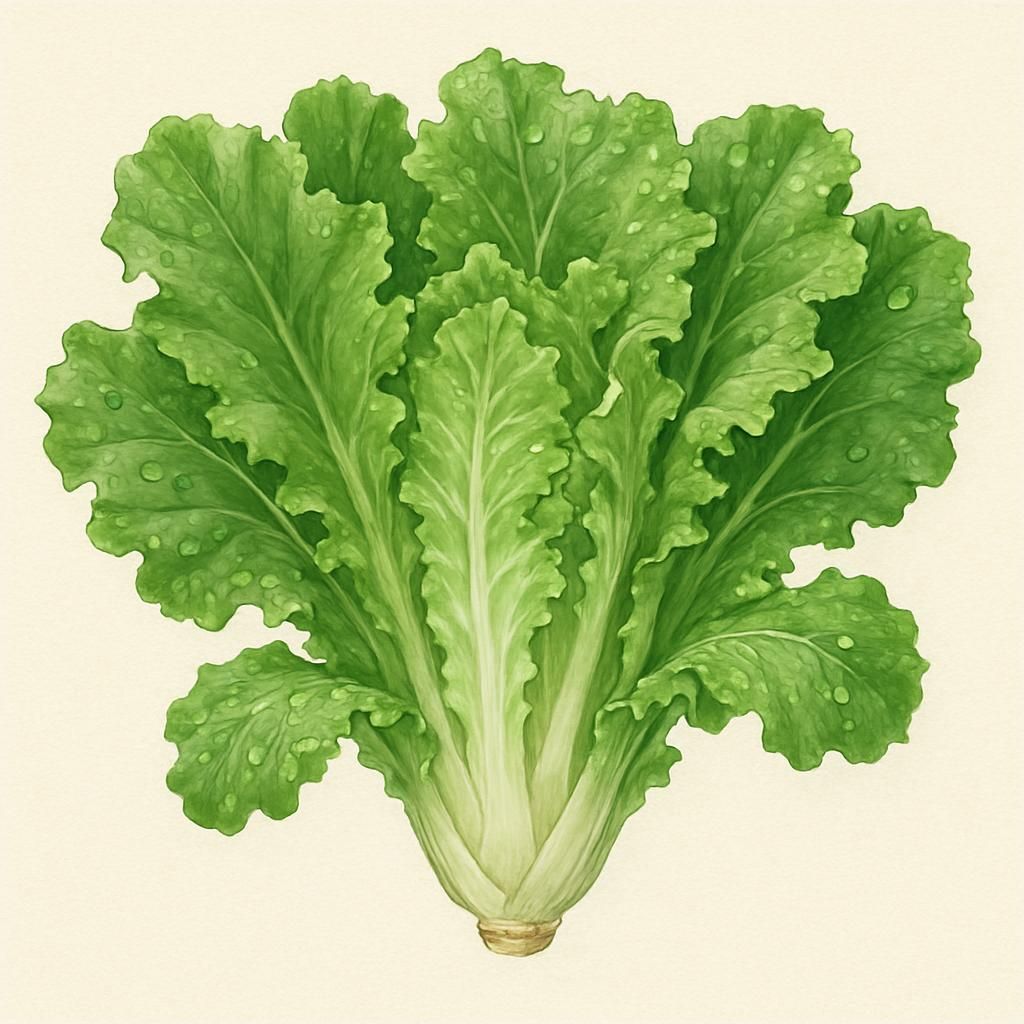
Escarole (Cornet de Bordeaux)
Escarole, particularly the 'Cornet de Bordeaux' variety, is a leaf chicory widely cultivated for its crisp texture and slightly bitter flavor. It's a versatile green used in salads, soups, and sautés, thriving in cool weather.
View Guide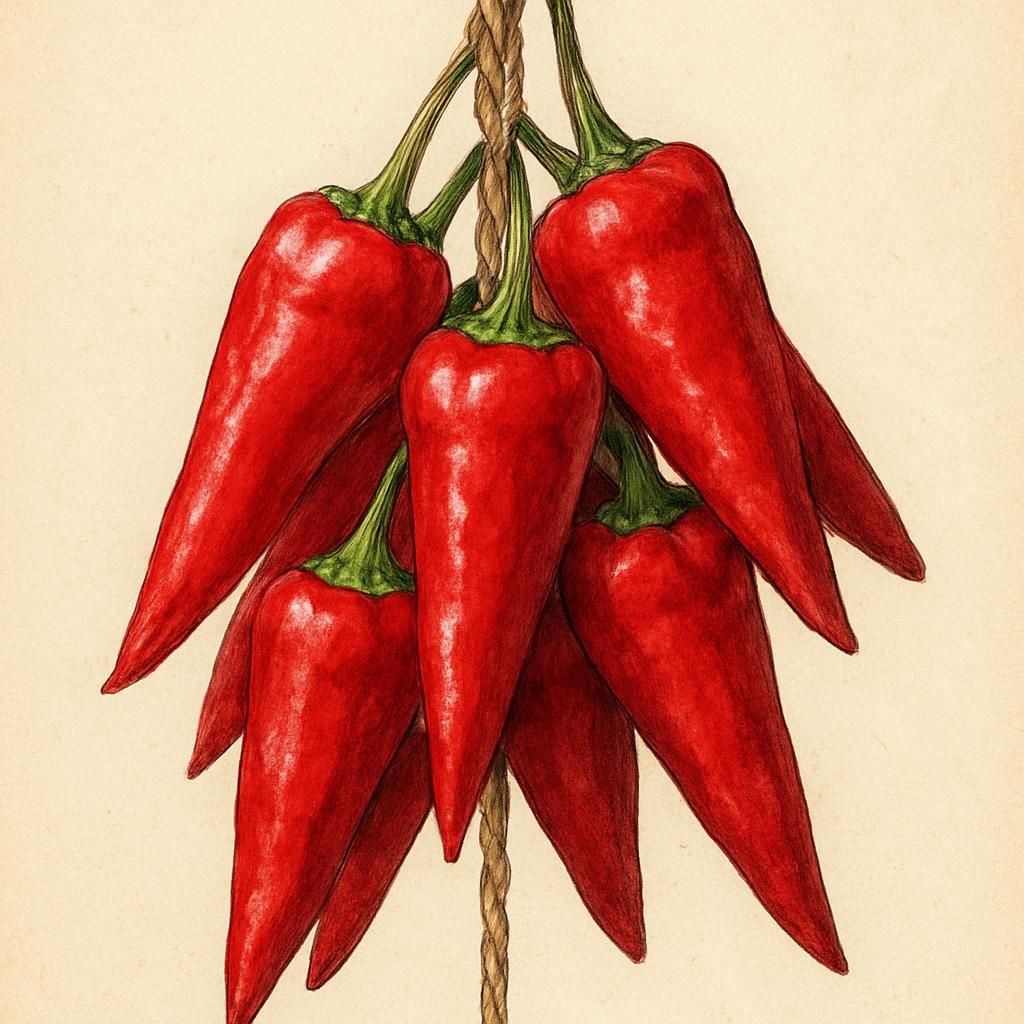
Espelette Pepper
Espelette Pepper is a prized chili known for its mild flavor and culinary versatility, originating from the Basque region of France. It's widely appreciated for its use in traditional dishes and its integral role in French cuisine.
View Guide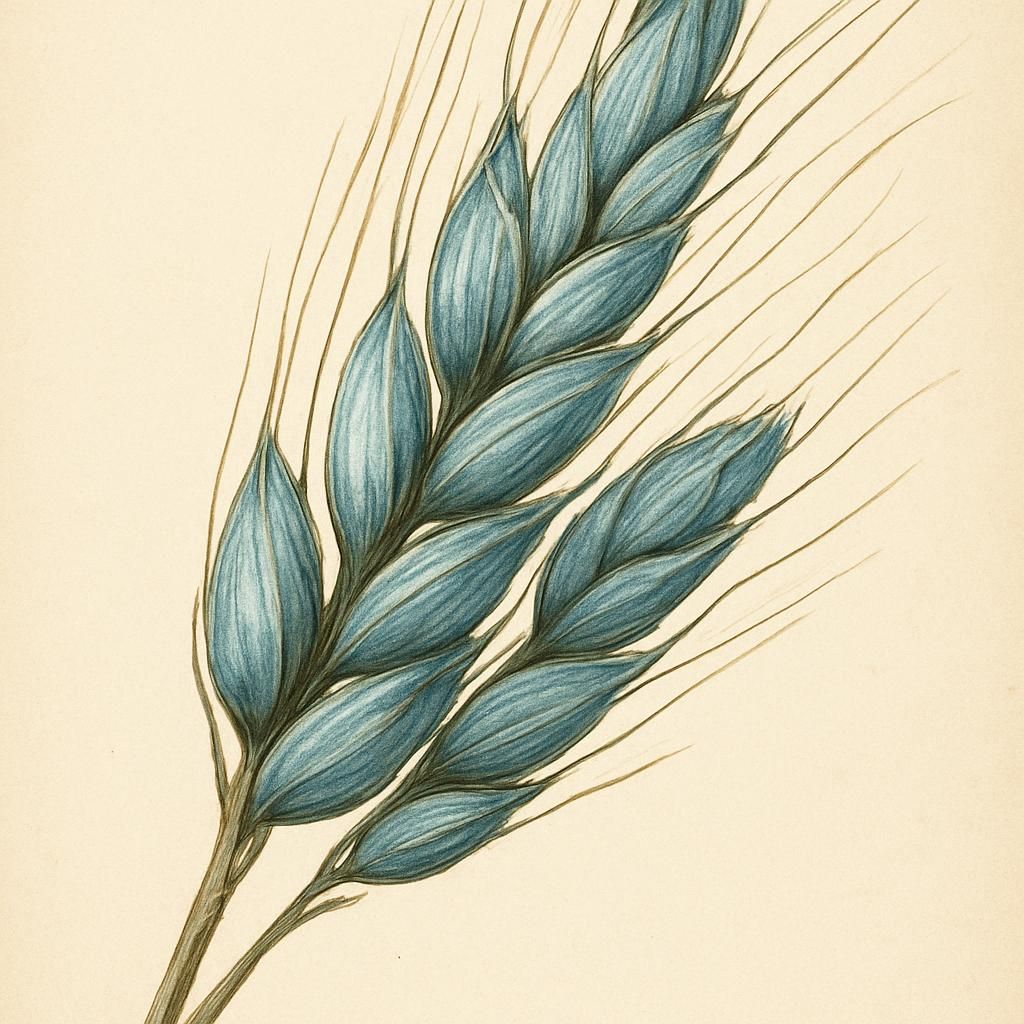
Ethiopian Blue Tinge Wheat
Ethiopian Blue Tinge Wheat is a unique, ancient wheat variety known for its blue-tinged grains. Ideal for diverse climate conditions, it brings a nutty flavor and rich nutritional profile to the table.
View Guide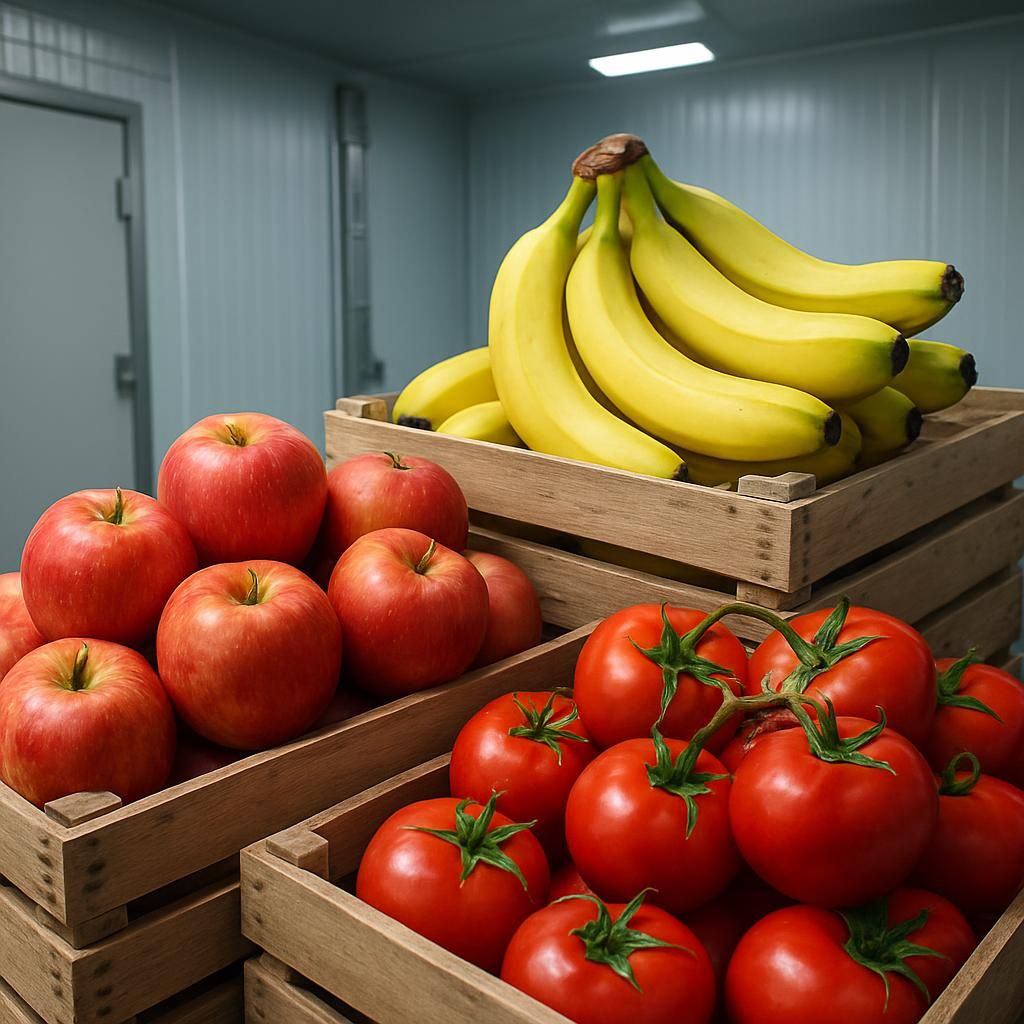
Ethylene-producing fruits
Ethylene is a natural plant hormone that accelerates ripening, senescence, and abscission in many climacteric fruits. Managing ethylene production and exposure is essential for commercial growers, packers, and distributors to reduce post-harvest losses and maintain quality. This guide covers identification, practical control strategies, and storage best practices.
View Profile
Eucalyptus
Eucalyptus trees, often considered invasive pests in non-native agricultural regions, aggressively compete with crops for water, nutrients, and sunlight, leading to significant yield losses. This guide provides definitive diagnostic symptoms, lifecycle insights, organic management strategies, and prevention tactics for farmers battling eucalyptus encroachment. Learn to identify damage early and implement sustainable control measures to protect your fields.
View Guide
Eureka Lemon
Eureka Lemon is one of the world’s classic true lemon cultivars, valued for its bright acidity, strong aroma, thin rind, and nearly year-round cropping in suitable climates. It is highly productive but less cold-tolerant than some other lemon types, so success depends on excellent drainage, frost protection, balanced nutrition, and careful canopy and irrigation management.
View Guide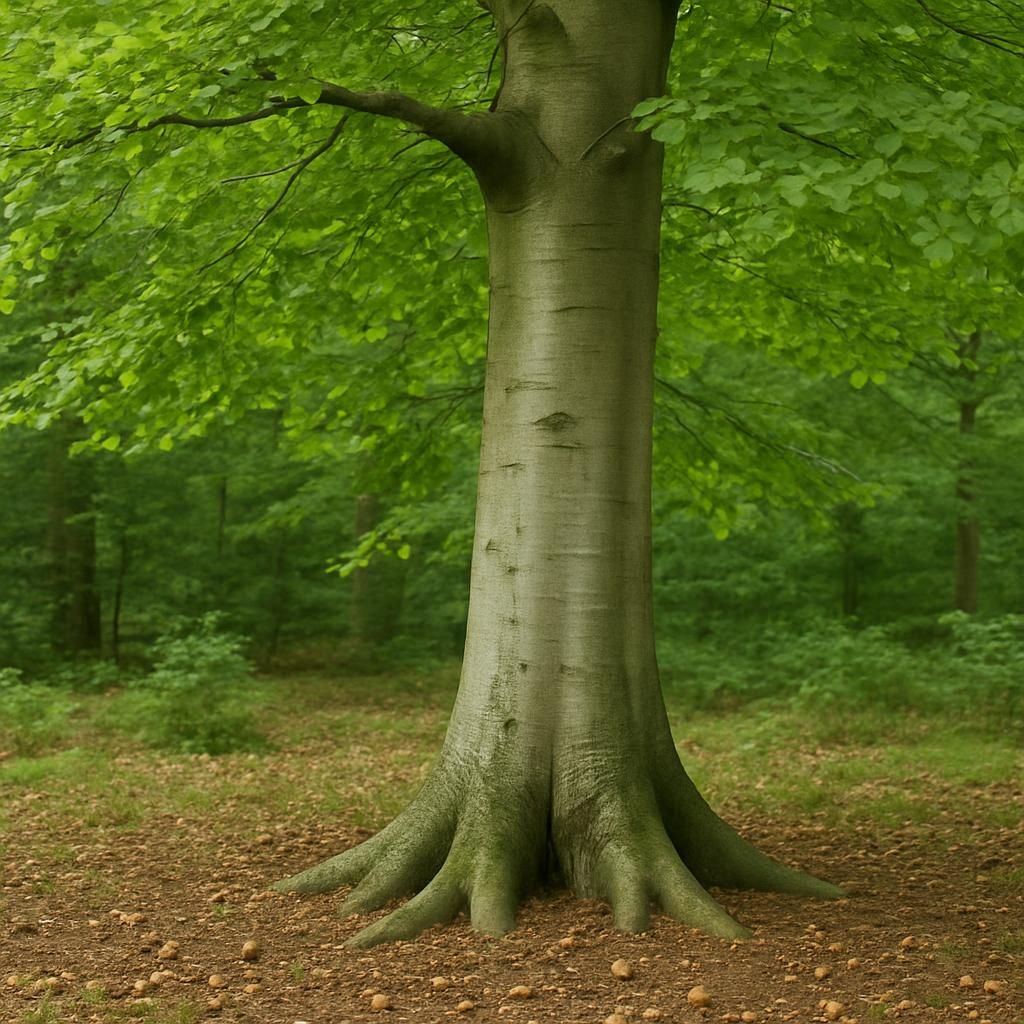
European Beech
European Beech is a majestic, long-lived deciduous hardwood valued for timber, wildlife habitat, and ornamental use. It thrives in temperate climates with deep, well-drained soils and requires careful attention to spacing, moisture, and early training. This definitive guide covers every stage from site selection to long-term management.
View Guide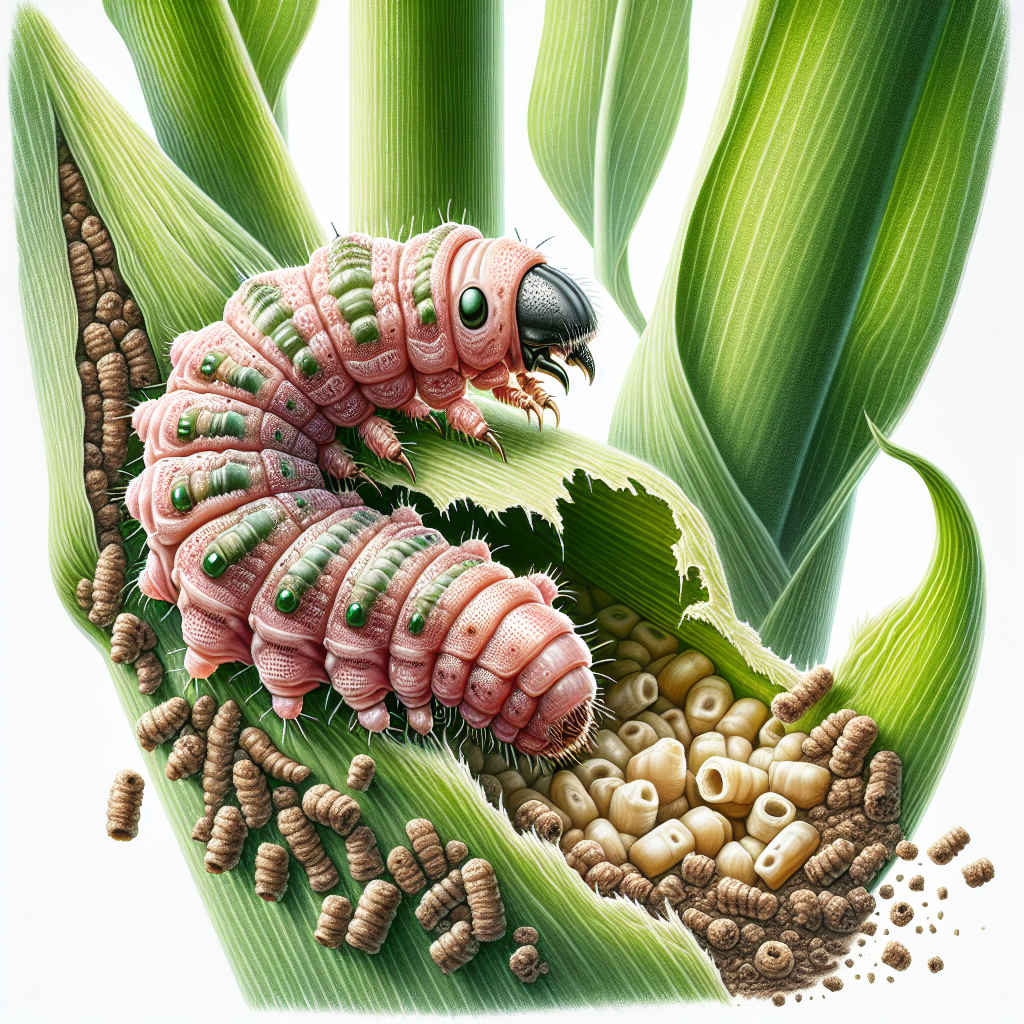
European Corn Borer
The European Corn Borer (Ostrinia nubilalis) is a destructive moth pest that bores into corn stalks, ears, and tassels, causing significant yield losses in corn and related crops. Native to Europe, it has become a major threat in North America since its introduction in the early 1900s. Effective management combines cultural practices, biological controls, and vigilant monitoring for optimal results.
View Profile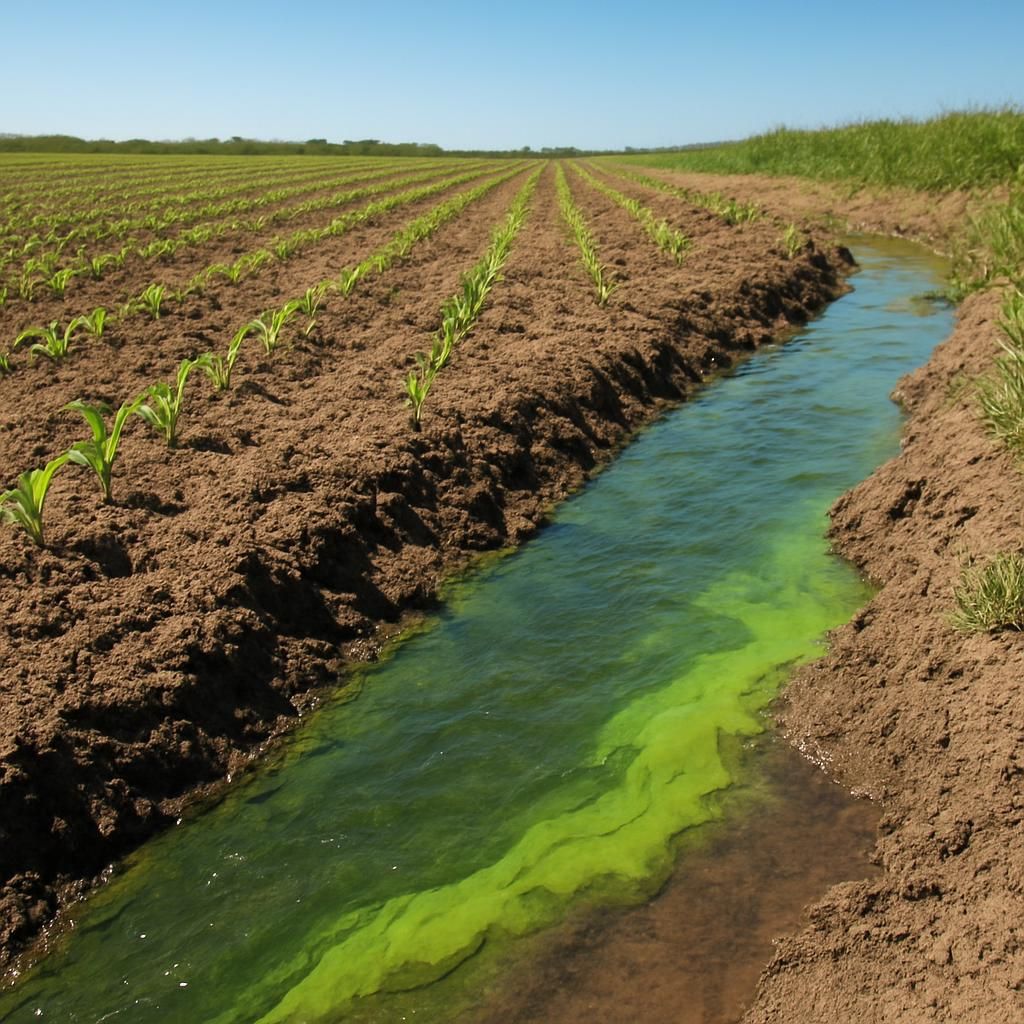
eutrophication
Eutrophication is the excessive enrichment of water bodies with nutrients, primarily nitrogen and phosphorus from agricultural runoff, leading to algal blooms and oxygen depletion that harm aquatic ecosystems and farm productivity. This guide provides practical agricultural strategies to reduce nutrient losses, protect water quality, and maintain soil fertility.
View Profile
Eutypa
Eutypa dieback, caused by the fungus Eutypa lata, is a destructive wood canker disease primarily affecting grapevines and other woody crops, leading to stunted shoots, sectorial necrosis, and reduced yields. It spreads via airborne ascospores entering pruning wounds, making timely wound protection essential for management. This guide provides comprehensive diagnostics, organic treatments, and prevention strategies for sustainable control.
View Profile
Eutypa dieback
Eutypa dieback is a destructive fungal disease caused by Eutypa lata, primarily affecting woody perennial crops like grapes and stone fruits through branch dieback and cankers. It spreads via airborne spores entering pruning wounds, leading to significant yield losses if unmanaged. This guide provides comprehensive diagnostics, organic management strategies, and prevention tactics for sustainable control.
View Profile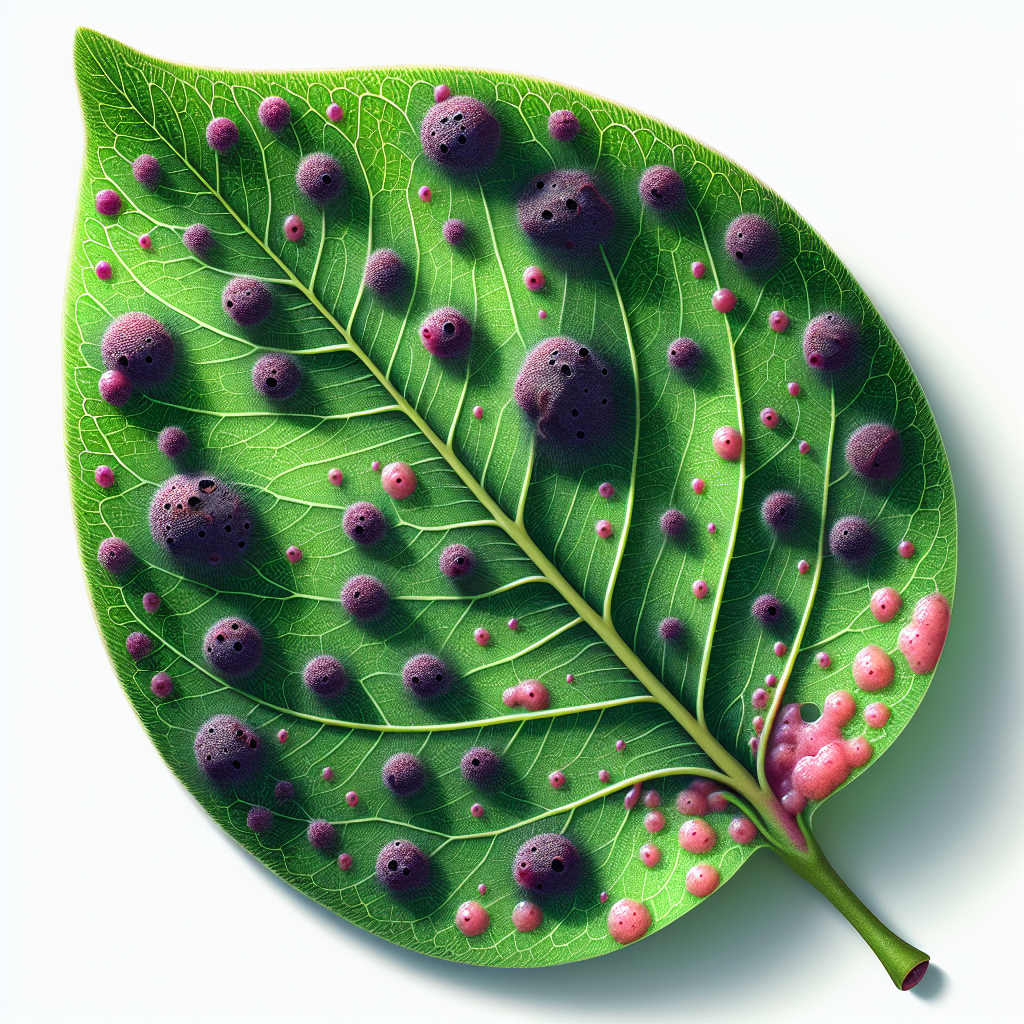
Fabraea leaf spot
Fabraea leaf spot is a destructive fungal disease primarily affecting pear trees, causing purple-black spots on leaves that lead to defoliation and reduced fruit quality. Caused by the fungus Fabraea maculata, it thrives in cool, wet conditions and can severely impact orchard productivity if unmanaged. Effective control relies on cultural practices, resistant varieties, and timely organic fungicide applications.
View Profile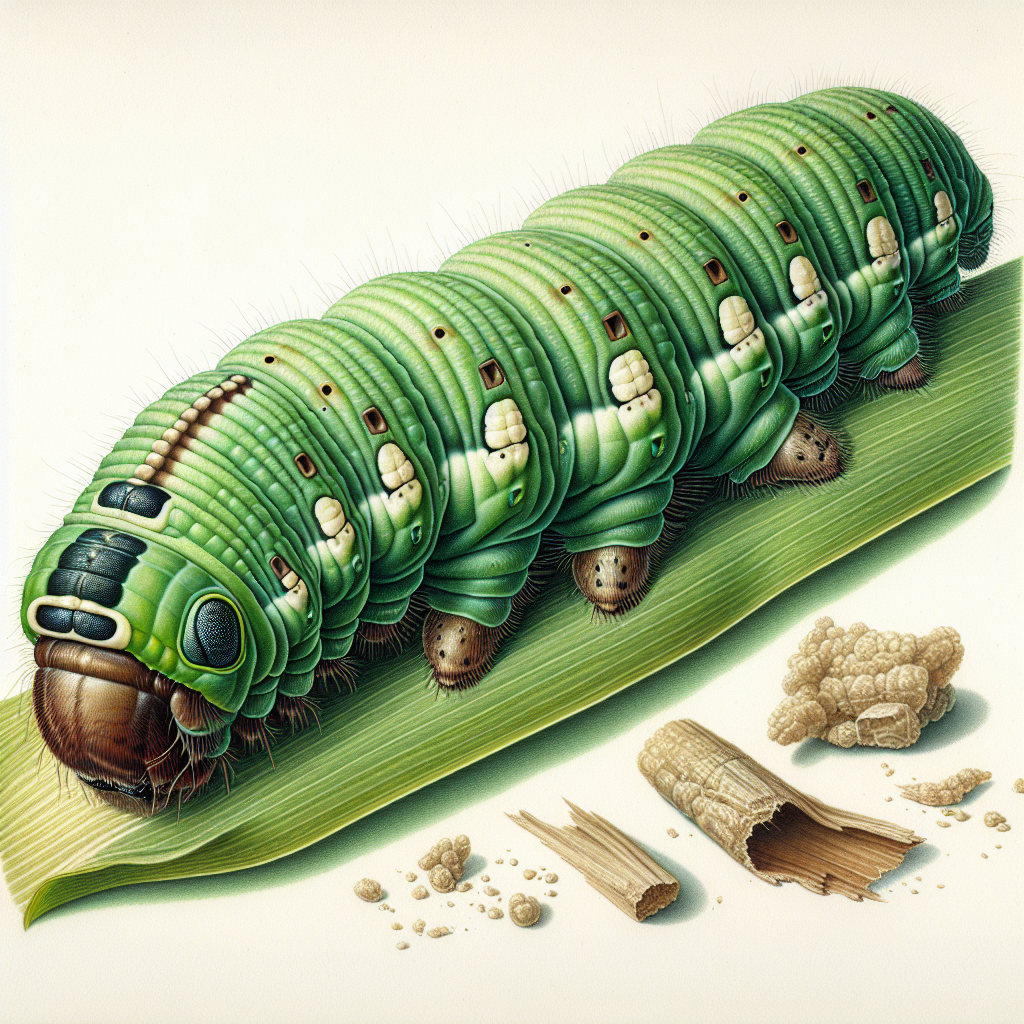
Fall Armyworm
The Fall Armyworm (Spodoptera frugiperda) is a highly destructive caterpillar pest that ravages over 80 crops worldwide, particularly grasses like corn and sorghum. Native to the Americas, it has rapidly spread to Africa, Asia, and beyond, causing billions in agricultural losses annually. This guide provides comprehensive diagnostics, organic management strategies, and prevention tactics for farmers battling this invasive threat.
View Profile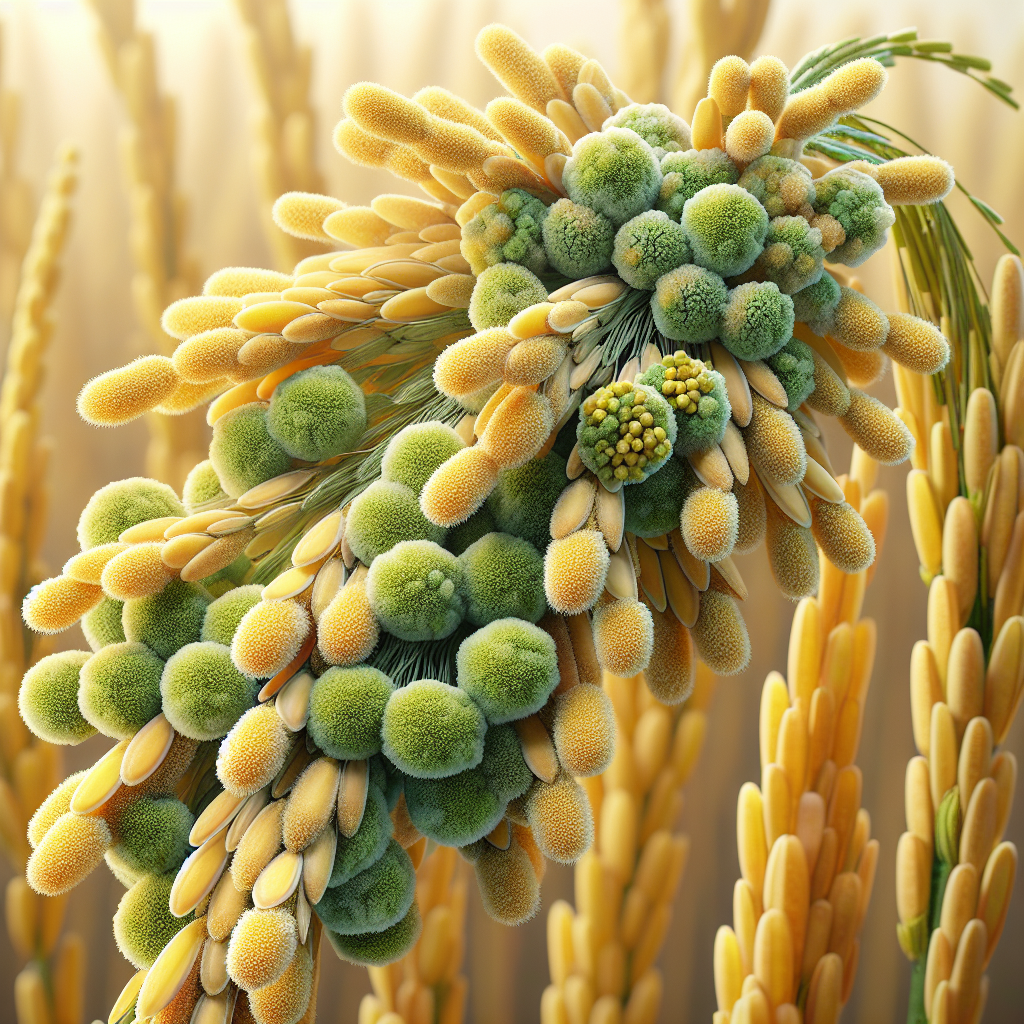
False Smut
False smut is a devastating fungal disease primarily affecting rice crops, caused by Ustilaginoidea virens, leading to significant yield losses through the formation of velvety green spore balls on panicles. It mimics true smut but is distinct, thriving in warm, humid conditions and spreading via airborne spores. Effective management relies on cultural practices, resistant varieties, and timely fungicide applications to minimize economic impact on rice farmers.
View Profile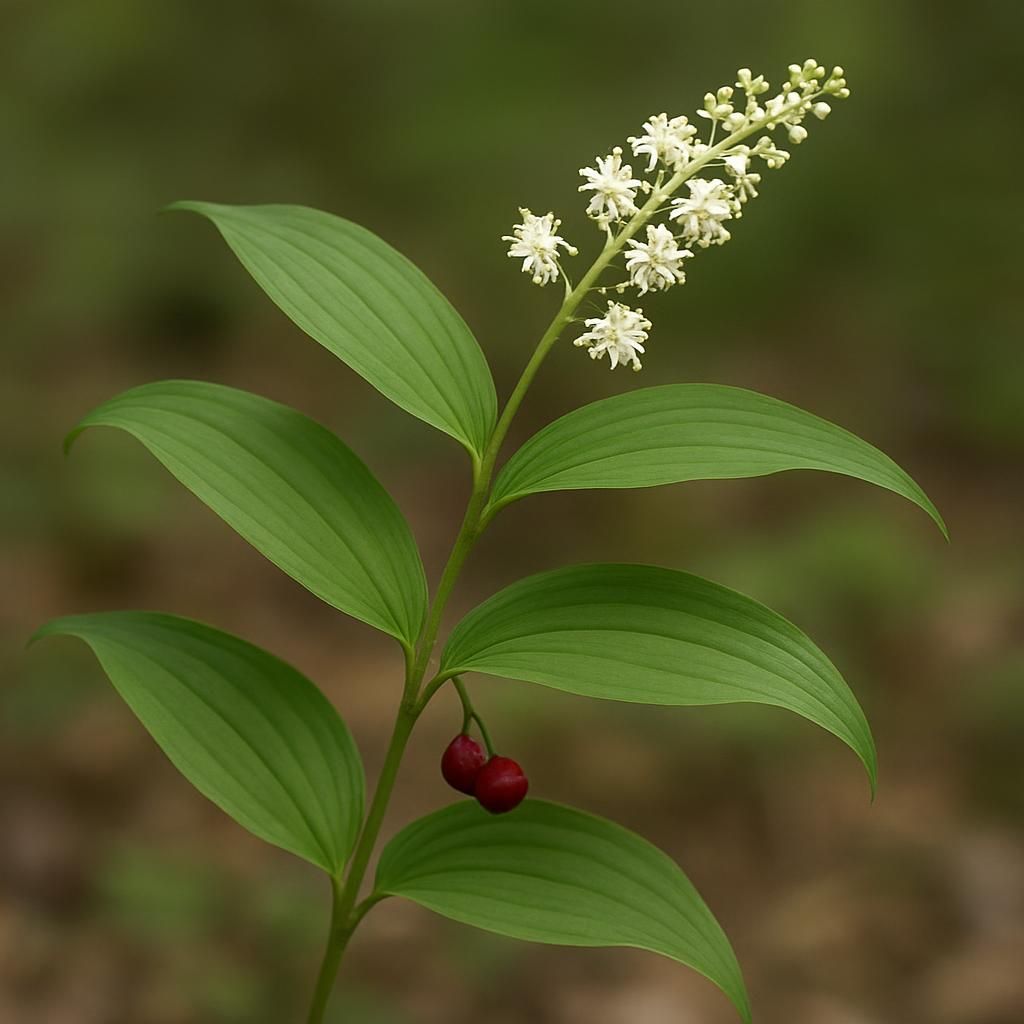
False Solomon's Seal
False Solomon's Seal is a native North American woodland perennial prized for its arching stems, fragrant spring blooms, and vibrant fall berries. This shade-loving plant thrives in rich, moist forest soils and is valued by growers for both ornamental and ecological plantings.
View Guide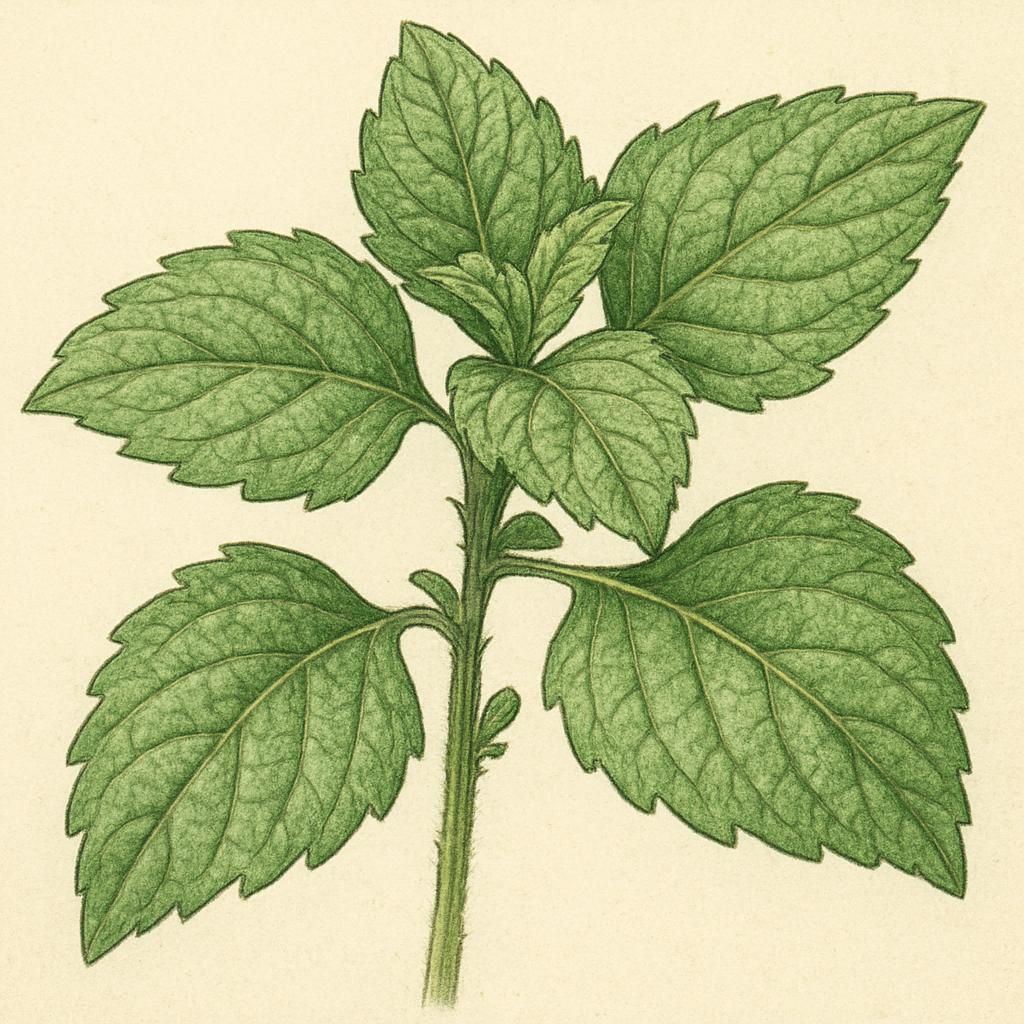
Fat Hen
Fat Hen, known scientifically as Chenopodium album, is a hardy, fast-growing weed commonly found in disturbed soils. It is valued for its nutrient-rich leaves and seeds, which are similar to quinoa.
View Guide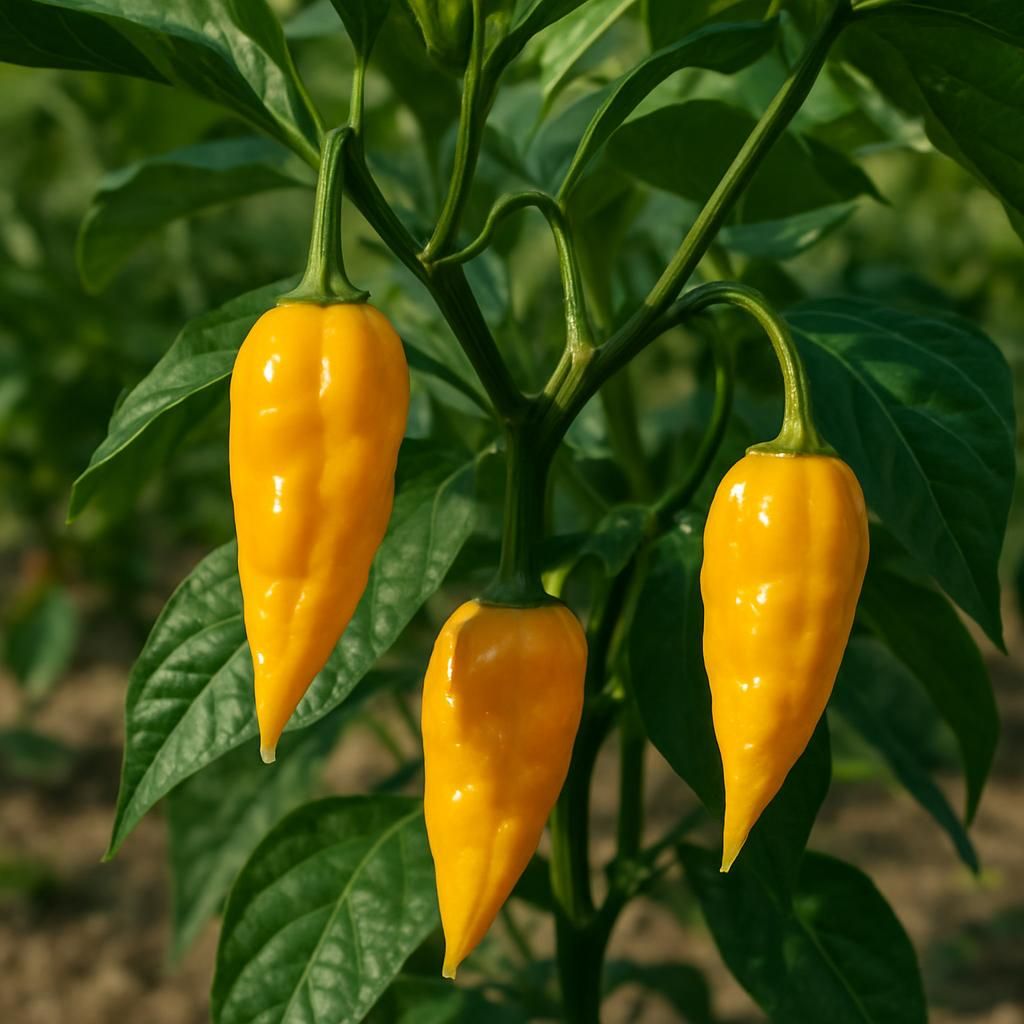
Fatali Chili
Fatali Chili is a rare, high-heat Capsicum chinense cultivar prized for its intense citrus aroma, fruity flavor, and extreme Scoville rating. This guide delivers professional agronomic detail on cultivation, soil science, integrated pest management, and post-harvest handling for commercial and serious home growers.
View Guide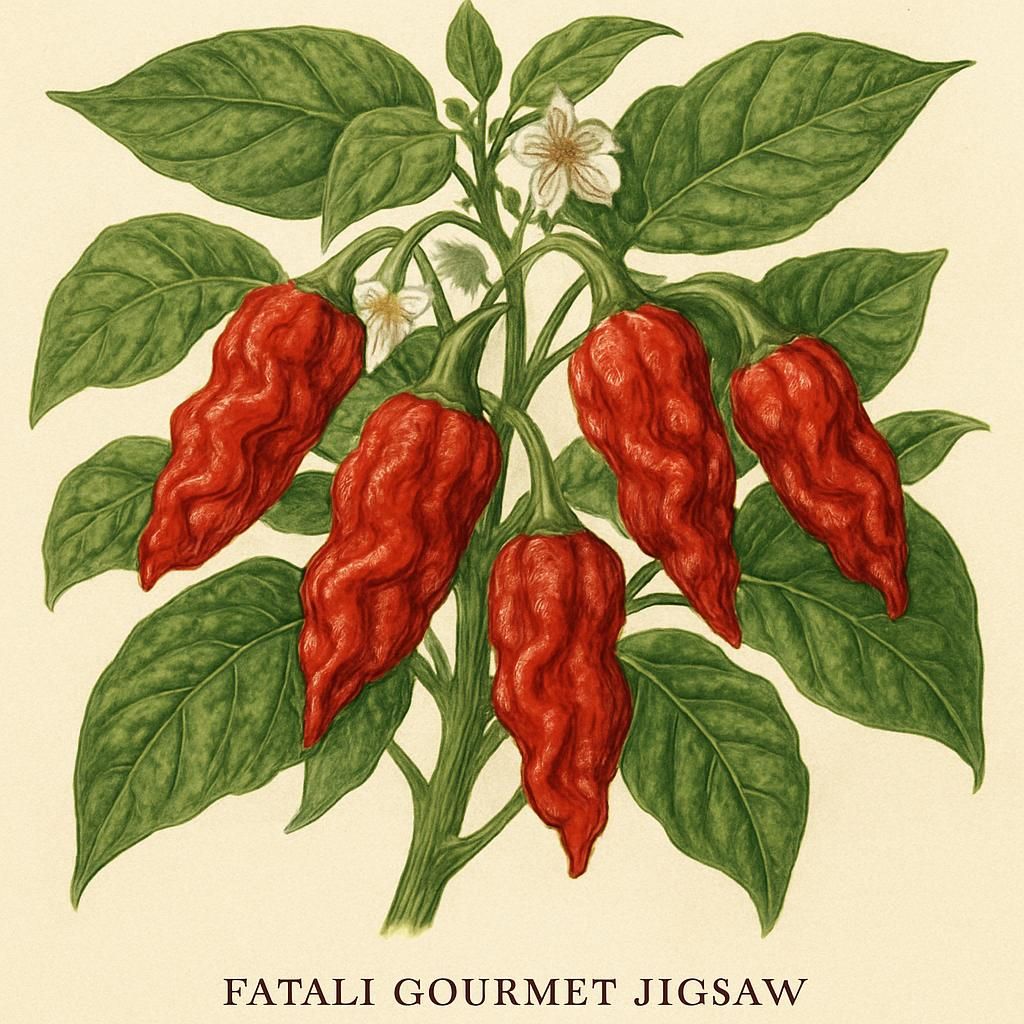
Fatali Gourmet Jigsaw
Fatali Gourmet Jigsaw is a vibrant and notoriously spicy variety of pepper from the Capsicum chinense species, known for its intense heat and fruity flavor. It thrives in warm climates and requires careful cultivation to achieve optimal growth and flavor.
View Guide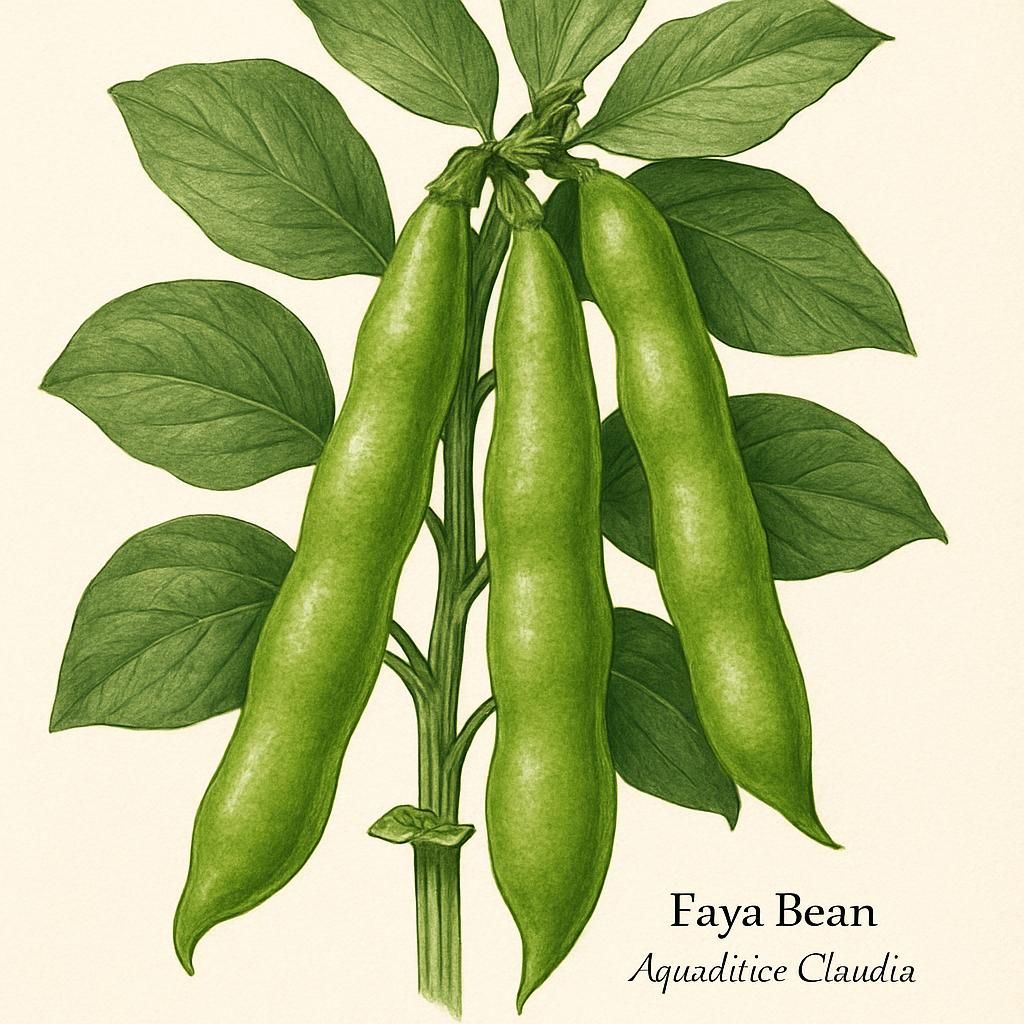
Fava Bean (Aquadulce Claudia)
Fava Bean (Aquadulce Claudia) is a robust variety known for its capacity to thrive in cool climates. It's a staple legume in Mediterranean cuisine, renowned for its large, plump pods and high nutrient content.
View Guide
Fava Bean (Broad Bean)
Fava bean, also called broad bean, is a cool-season legume valued for its protein-rich seeds, edible young pods, nitrogen-fixing ability, and exceptional performance in spring and mild-winter production systems. It thrives in fertile, moisture-retentive but well-drained soils and rewards careful timing, balanced fertility, and strong disease prevention with high yields and improved soil health.
View Guide