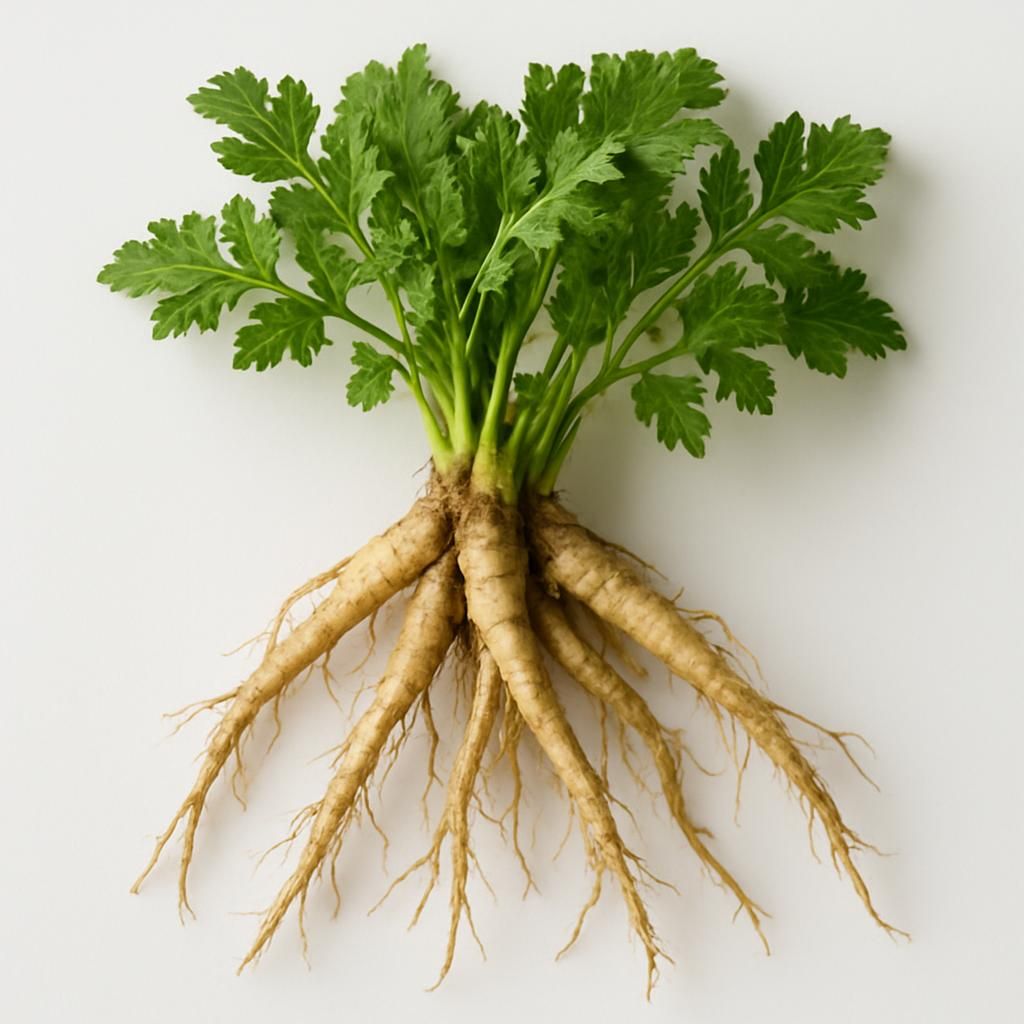
Introduction to Feverfew Root
Feverfew Root (Tanacetum parthenium var. radicans) is a hardy herbaceous perennial cultivated primarily for its bioactive sesquiterpene lactones and essential oils stored in the rootstock. While the aerial parts of feverfew have long been used for migraine relief, the roots contain higher concentrations of parthenolide and related compounds that support anti-inflammatory and antimicrobial applications in herbal medicine and natural pesticide formulations.
Commercial interest in Feverfew Root has grown steadily among specialty herb growers and natural product manufacturers seeking consistent, high-parthenolide root material. The plant is relatively low-maintenance once established, tolerating a wide range of temperate conditions while rewarding careful soil management with dense, aromatic rhizomes.
This guide provides professional-grade, field-tested advice for soil preparation, planting density, irrigation regimes, pest and disease control, and post-harvest handling to help both small-scale and commercial producers achieve reliable yields.
Botanical Profile of Feverfew Root
Feverfew Root belongs to the Asteraceae family and develops a fibrous root system with thickened storage roots that reach 15–30 cm in length after two growing seasons. The plant produces deeply lobed, aromatic leaves and small daisy-like flowers with yellow centers and white ray florets. Root biomass peaks in the second and third years before flowering diverts energy above ground.
The species is native to the Balkans and the Caucasus but has naturalized across temperate Europe and North America. It is fully hardy to USDA Zone 4 and can survive winter temperatures to −20 °C when crowns are protected by mulch.
Soil, pH, and Climate Requirements for Feverfew Root
Feverfew Root performs best in well-drained loam or sandy loam soils with moderate fertility. Heavy clay soils should be amended with coarse sand or aged compost to prevent waterlogging, which quickly leads to root rot.
| Parameter | Ideal Range | Notes |
|---|---|---|
| Soil Type | Loam to sandy loam | Avoid compacted or waterlogged soils |
| Soil pH | 6.0 – 7.2 | Slightly acidic to neutral; test annually |
| Temperature Range | 15 – 25 °C daytime | Tolerates light frost; protect young plants |
| Annual Rainfall | 500 – 900 mm | Supplement with irrigation during dry spells |
| USDA Hardiness Zones | 4 – 8 | Mulch crowns in Zones 4–5 for winter protection |
| Sun Exposure | Full sun (6+ hours) | Partial shade reduces root essential oil content |
Step-by-Step Planting & Propagation
Feverfew Root is most reliably propagated from root divisions or basal cuttings taken in early spring. Seed propagation is possible but results in variable parthenolide levels.
- Select healthy mother plants at least two years old and lift carefully in early spring before new growth emerges.
- Divide the rootstock into sections each containing at least one growing point and 5–8 cm of root.
- Replant divisions immediately at 30 cm spacing within rows and 45 cm between rows.
- Firm soil around each division and water thoroughly to eliminate air pockets.
- Apply a 5 cm layer of organic mulch to conserve moisture and suppress weeds.
For larger plantings, root cuttings 8–10 cm long can be taken in late winter, callused for 24 hours, then inserted vertically into well-drained propagation mix. Maintain 18–20 °C bottom heat until new shoots appear.
Care & Maintenance regimes for Feverfew Root
Consistent moisture during the first six weeks after planting is critical for root establishment. Once established, Feverfew Root is moderately drought tolerant but benefits from supplemental irrigation during prolonged dry periods to maintain root quality.
| Growth Stage | Watering Frequency | Fertilizer Application | Pruning / Maintenance |
|---|---|---|---|
| Establishment (0–6 weeks) | Keep soil evenly moist (every 2–3 days) | Low-nitrogen organic starter (e.g., 4-6-4) at planting | Remove flower buds to direct energy to roots |
| Vegetative (Year 1) | 25–30 mm per week | Side-dress with compost tea every 4 weeks | Weed regularly; mulch to 5 cm depth |
| Mature (Year 2+) | 20–25 mm per week | Annual top-dress with well-rotted manure | Cut back foliage to 10 cm after first frost |
Pests, Diseases & Organic Management
The most common pests affecting Feverfew Root are aphids and slugs. Aphid colonies can be controlled with insecticidal soap or neem oil applied early in the morning. Slugs are best managed with iron-phosphate baits and by maintaining clean field margins.
Fungal issues such as powdery mildew appear during humid summers; improve airflow by thinning dense plantings and apply potassium bicarbonate sprays preventively. Root rot caused by Pythium or Phytophthora is the primary disease concern in poorly drained soils.
Rotate Feverfew Root with non-host crops every three years and avoid planting after other Asteraceae to reduce soil-borne pathogen buildup.
Harvesting, Curing & Optimal Storage
Roots reach optimal size and compound concentration in the second autumn after planting. Harvest on a dry day when foliage has begun to senesce. Lift plants carefully with a fork to avoid damaging the storage roots.
Wash roots gently in cool water, trim foliage to 2 cm above the crown, and sort by size. Dry at 35–40 °C in a forced-air dehydrator or shaded, well-ventilated area until roots snap cleanly (typically 48–72 hours).
Store fully dried roots in airtight glass or food-grade plastic containers in a cool, dark location. Properly cured Feverfew Root retains >85 % of parthenolide for up to 18 months.
Companion Planting for Feverfew Root
Feverfew Root pairs well with aromatic herbs that deter pests and improve biodiversity. Thyme and rosemary planted along row edges reduce aphid pressure while providing additional marketable herbs.
Avoid planting near sunflower or other heavy feeders that compete for nutrients. Interplanting with marigold creates a living mulch that suppresses nematodes and adds beneficial insect habitat.
For more on strategic companion planting layouts that enhance small-farm resilience, see Summer Companion Planting: 10 Organic Pairings to Boost Small Farm Resilience.