Encyclopedia
Definitive guides for crops, pests, and agricultural diseases.
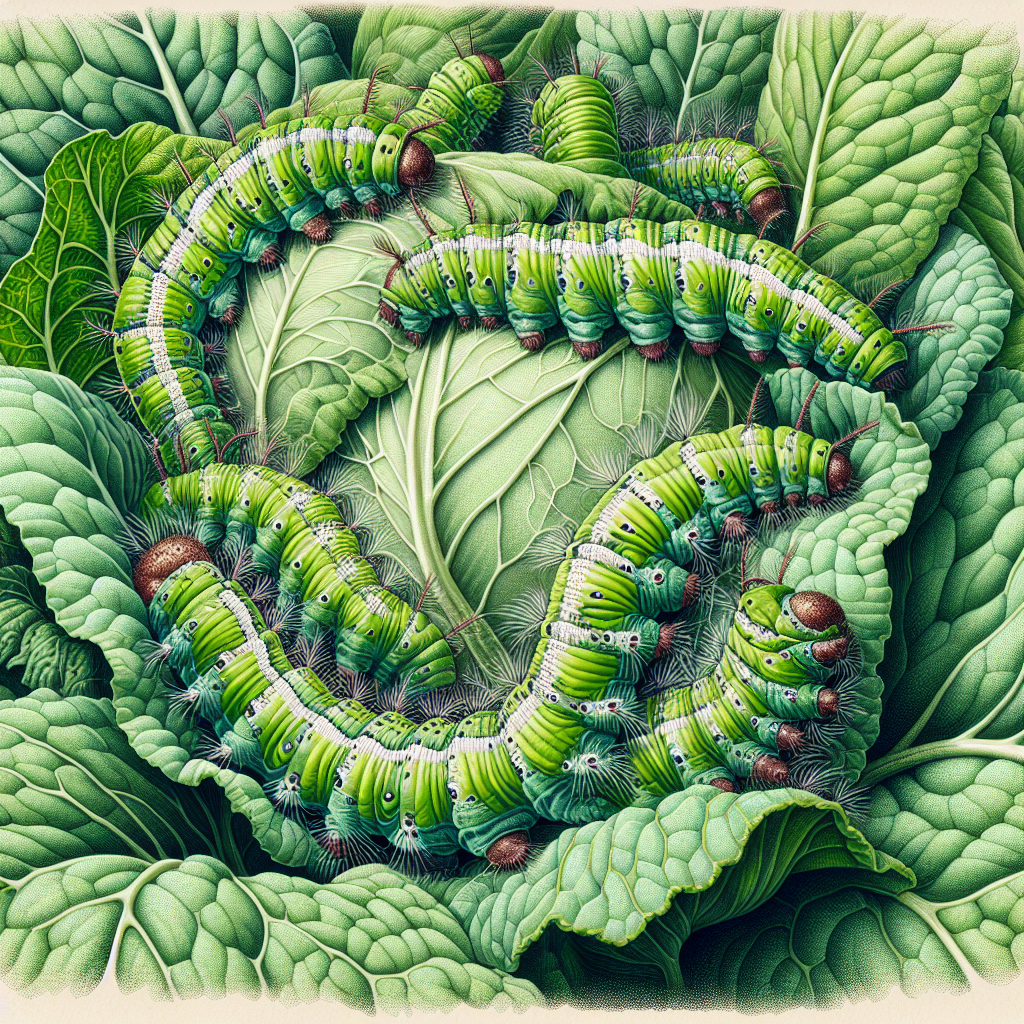
Foliage-Feeding Caterpillars
Foliage-feeding caterpillars are the larval stages of moths and butterflies that voraciously consume plant leaves, causing significant defoliation in crops. These pests are prevalent in warm seasons and can devastate yields if unmanaged. Effective identification, organic controls, and prevention strategies are key to protecting agricultural productivity.
View Profile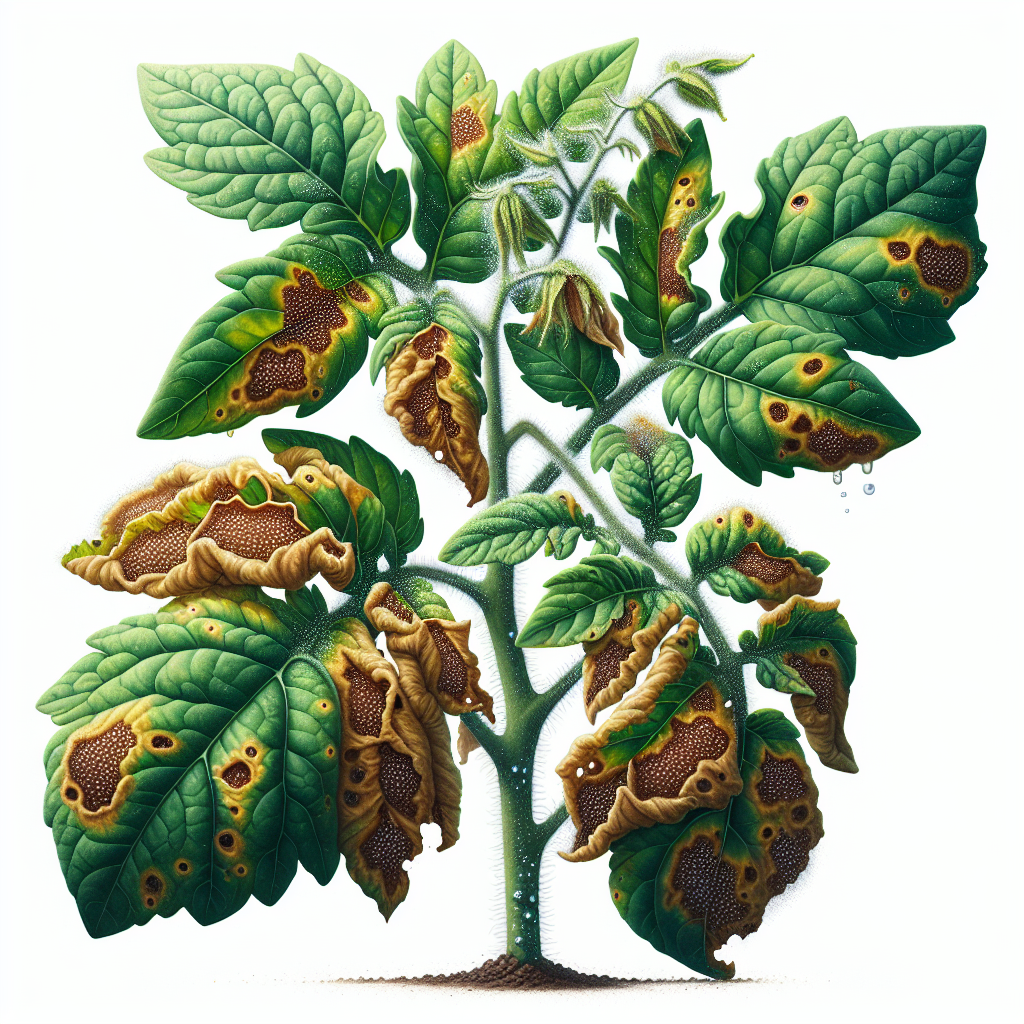
Foliar blights
Foliar blights are destructive fungal diseases that cause rapid browning, necrosis, and defoliation of plant leaves, severely impacting photosynthesis and crop yields. Commonly triggered by prolonged leaf wetness and high humidity, they affect a wide range of crops from vegetables to grains. Effective management relies on cultural practices, resistant varieties, and timely organic fungicides to minimize losses.
View Profile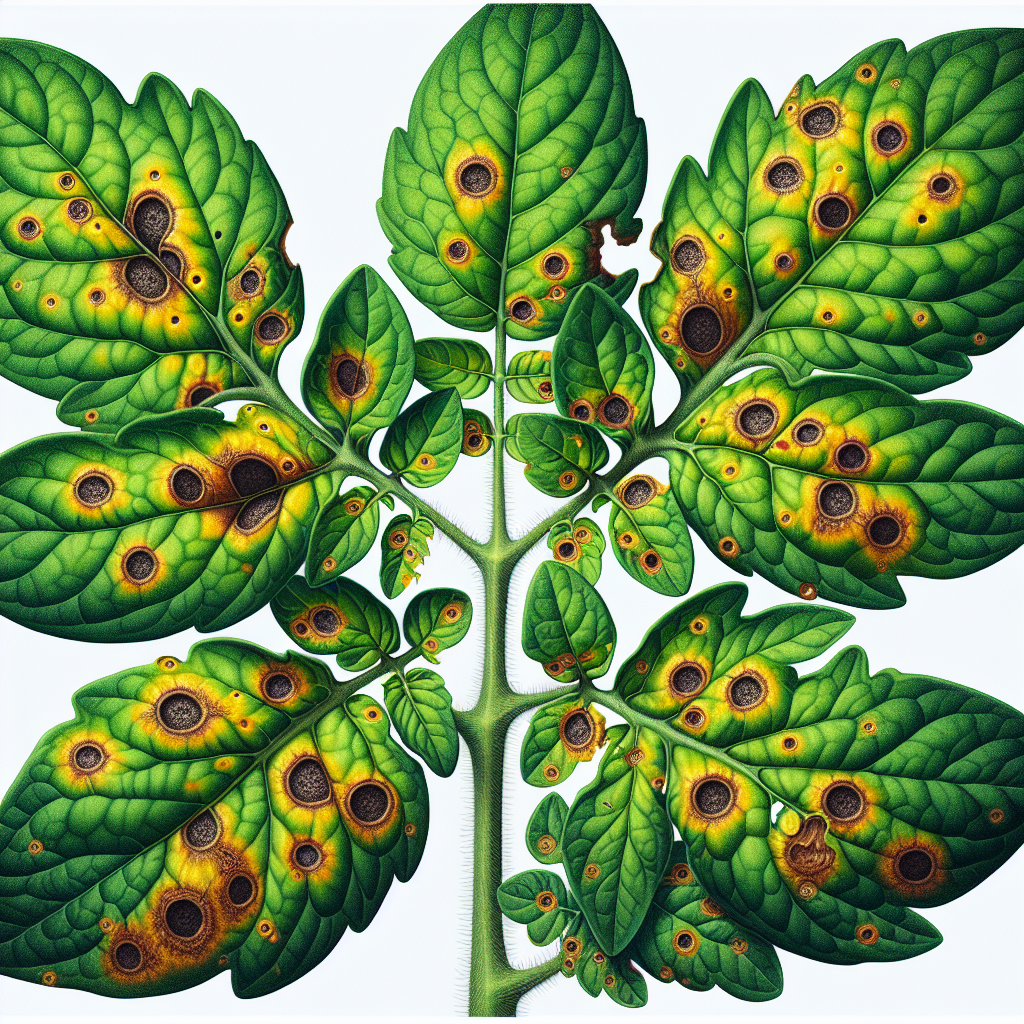
Foliar leaf spots
Foliar leaf spots are common plant diseases caused primarily by fungal pathogens that manifest as discolored, necrotic spots on leaves, leading to reduced photosynthesis and potential defoliation. These spots vary in size, shape, and color depending on the causal agent and host plant. Effective management relies on accurate diagnosis, cultural practices, and timely organic interventions to minimize crop losses.
View Profile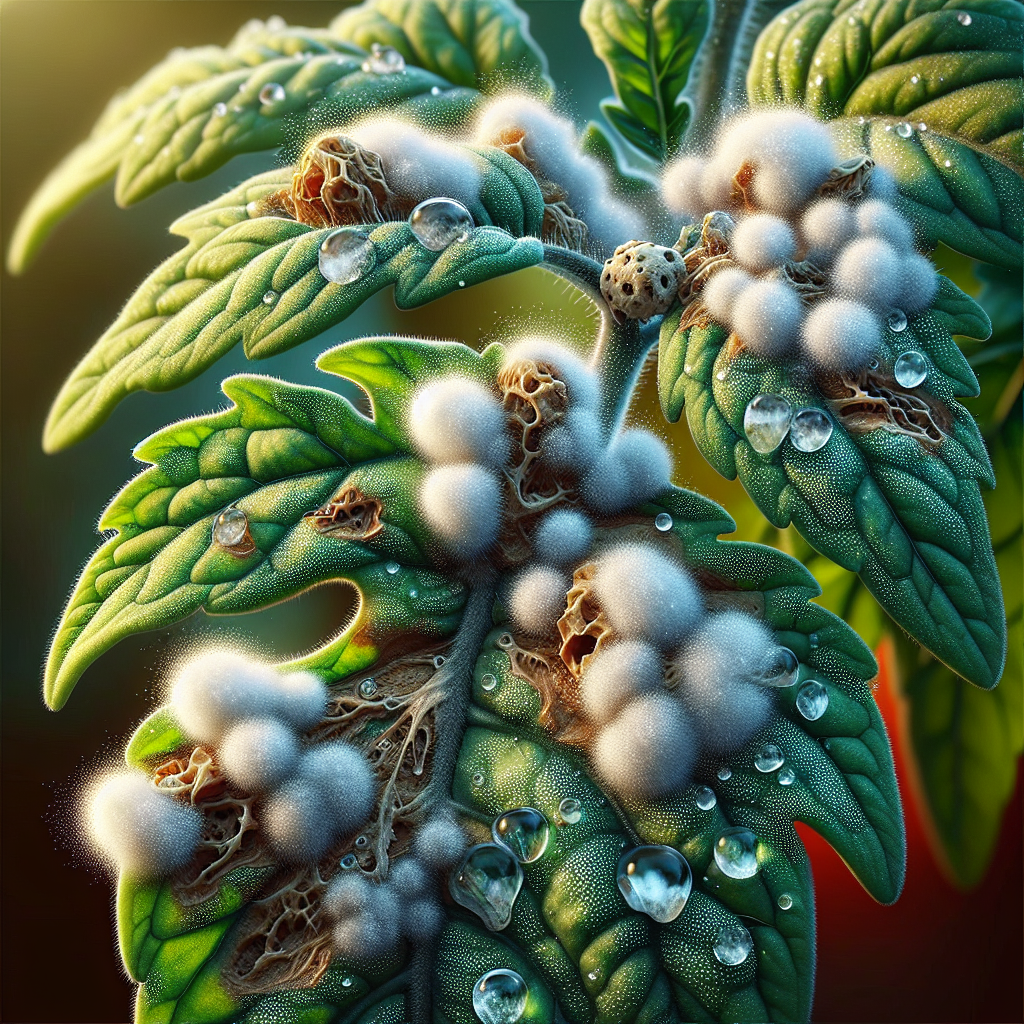
Foliar Rots
Foliar rots are destructive plant diseases caused primarily by fungal pathogens that lead to the decay and necrosis of leaves, severely impacting photosynthesis and crop yields. Common in humid environments, they spread rapidly under wet conditions, affecting a wide range of vegetables, fruits, and ornamentals. Effective management relies on cultural practices, organic fungicides, and vigilant monitoring to prevent widespread losses.
View Profile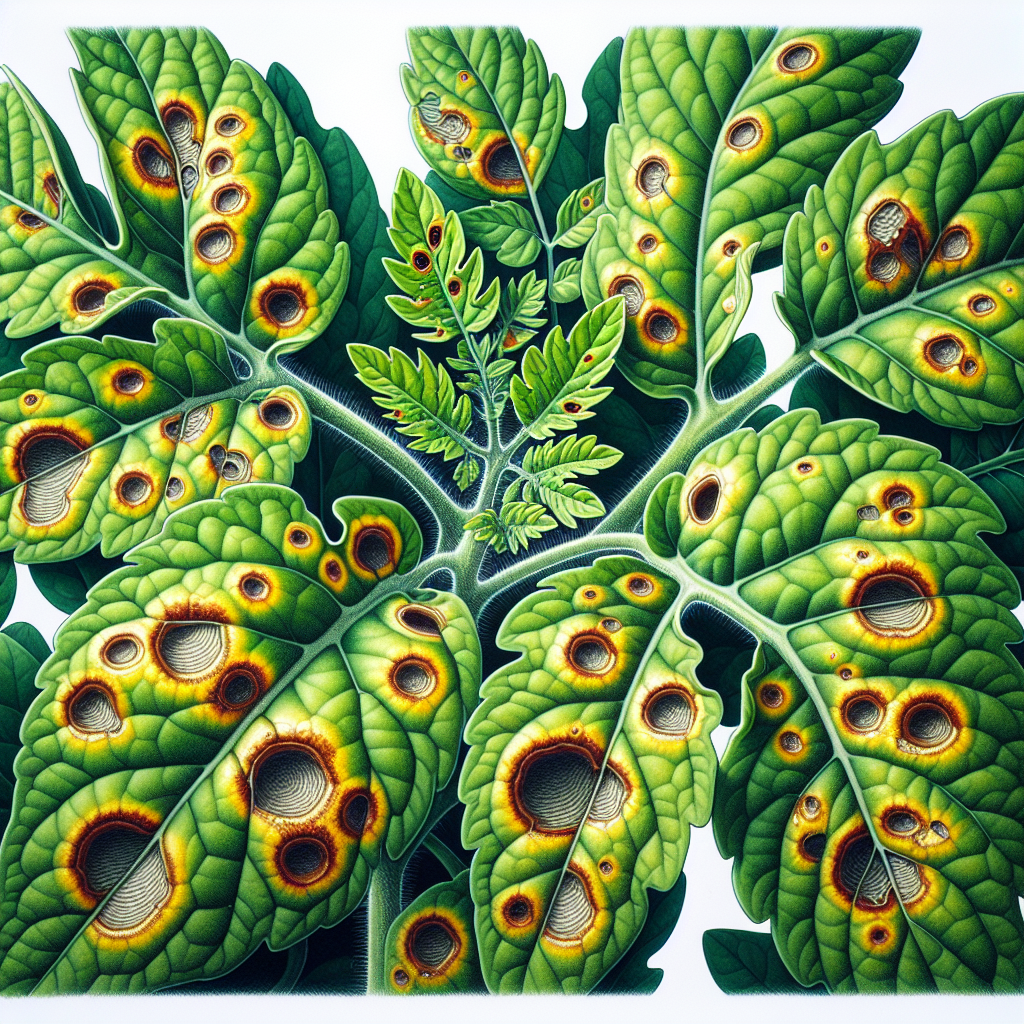
Foliar spots
Foliar spots are common leaf diseases caused by fungi, bacteria, or environmental stress, appearing as discolored lesions on plant foliage that can reduce photosynthesis and yield. Early identification and targeted management are crucial to prevent spread and crop loss. This guide provides diagnostic tips, organic treatments, and prevention strategies for affected crops.
View Profile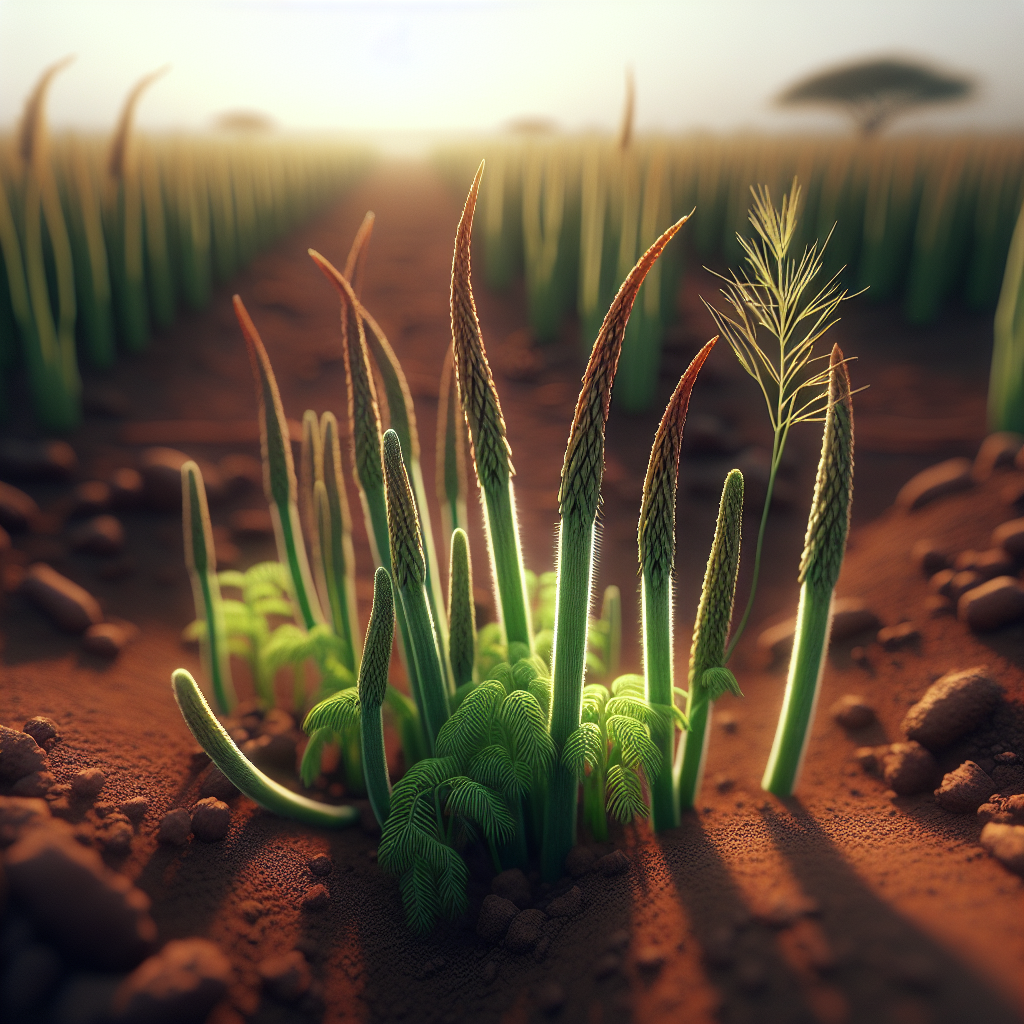
Fonio
Fonio is an ancient West African cereal prized for its exceptionally small grains, rapid maturity, and ability to produce a harvest in poor soils where many other cereals struggle. Though often called a “hungry-season crop” because of its short growth cycle, professional growers value it for drought resilience, culinary quality, and its role in low-input farming systems.
View Guide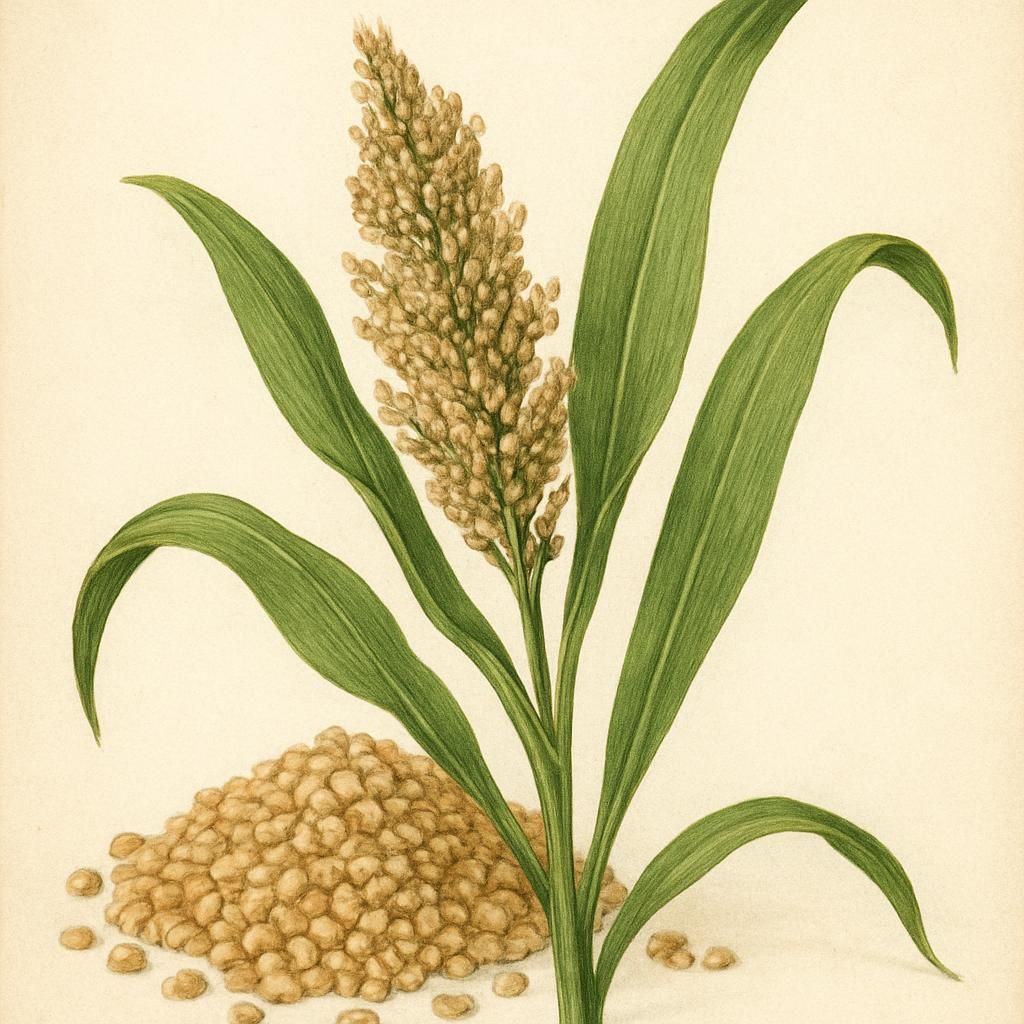
Fonio (Acha - Digitaria exilis)
Fonio is a resilient and nutritious grain, cultivated primarily in West Africa. Known for its ability to thrive in poor soils and arid conditions, it serves as a vital food security crop and is prized for its rapid growth and harvesting cycle.
View Guide
Foorkey
Foorkey is a devastating fungal disease affecting key staple crops, characterized by fork-like lesions and rapid tissue necrosis. It spreads via spores in humid conditions, leading to significant yield losses if unmanaged. Early detection and organic management are crucial for minimizing damage.
View Profile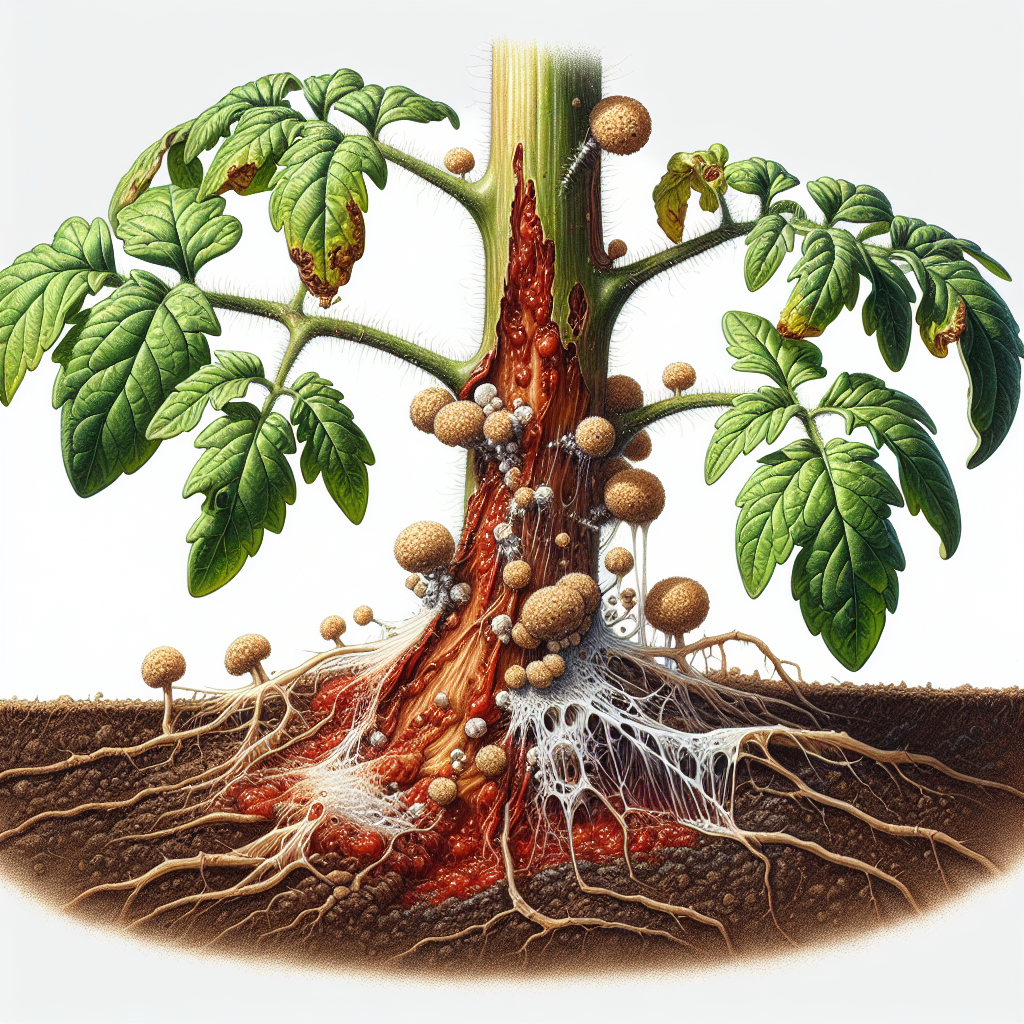
foot rots
Foot rots are devastating soilborne fungal and oomycete diseases that attack the base of plant stems, causing rotting, wilting, and plant death in crops worldwide. Commonly triggered by excessive moisture and poor drainage, they affect a wide range of vegetables, grains, and ornamentals. Effective management relies on cultural practices, resistant varieties, and organic biocontrols to prevent outbreaks.
View Profile
Forastero Cacao
Forastero Cacao is the most widely cultivated cacao group in the world, valued for its vigor, relatively high yields, and broad adaptability in humid tropical production systems. Although often considered less delicate in flavor than Criollo types, well-grown and properly fermented Forastero can produce excellent bulk and fine-flavor cocoa with strong chocolate notes and dependable farm performance.
View Guide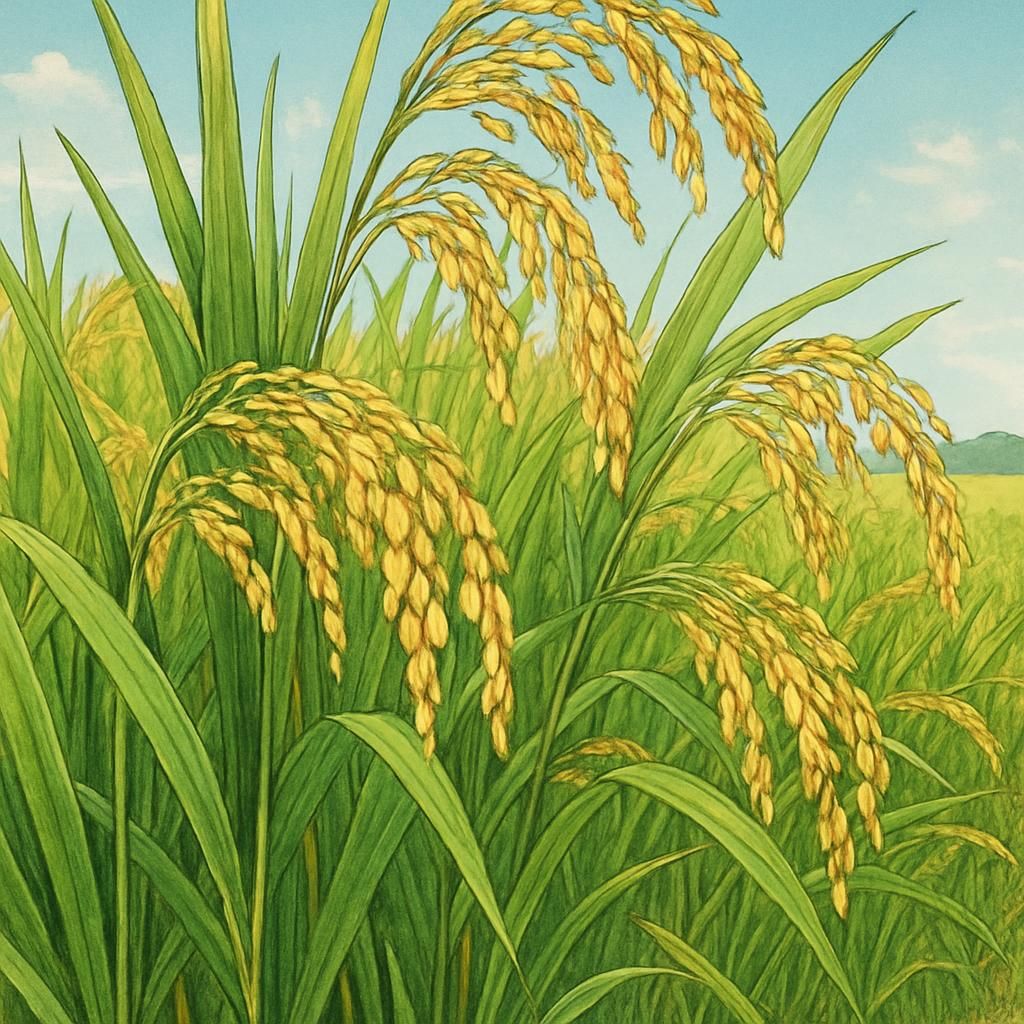
Fortuna Rice
Fortuna Rice is a high-yield, aromatic variety of rice well-suited for warm climates. This guide covers its optimal growing conditions, maintenance, harvesting, and potential pest management strategies.
View Guide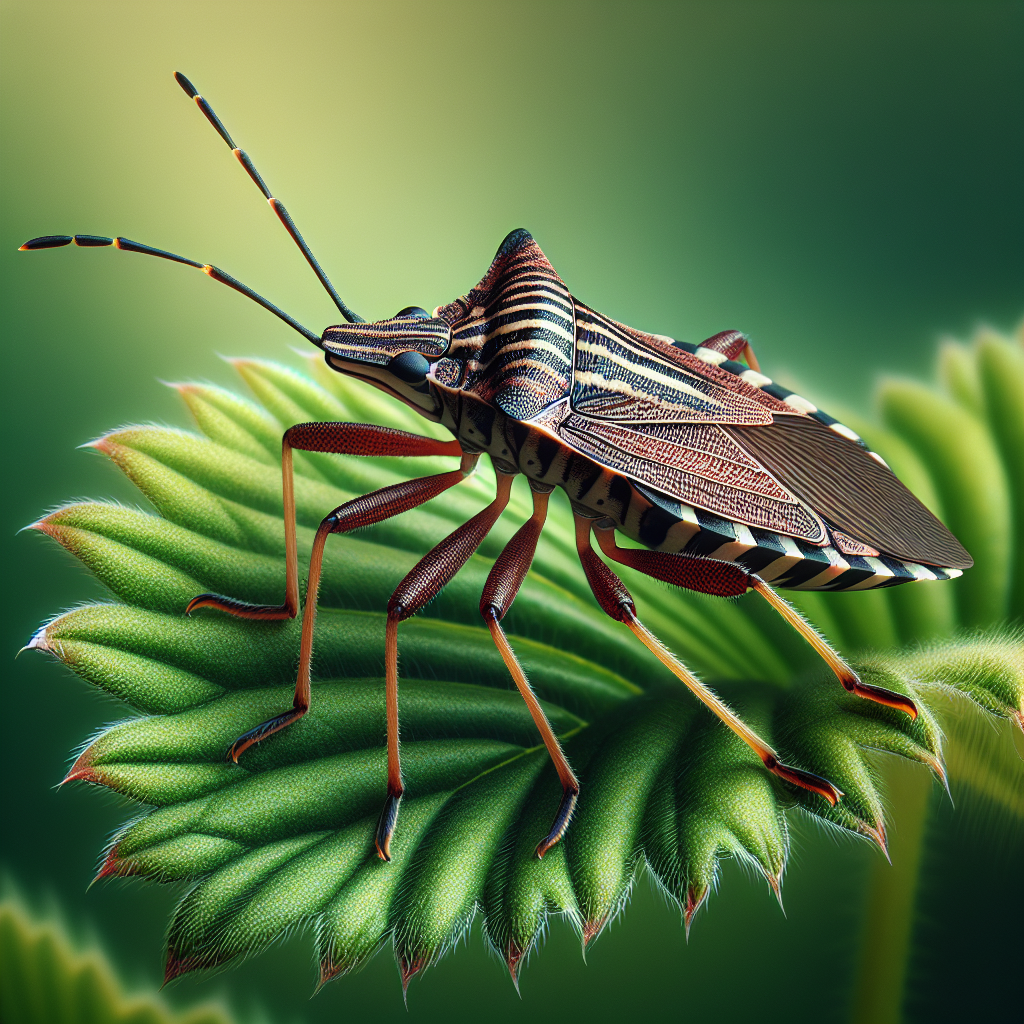
Four-line plant bugs
Four-line plant bugs (Poecilocapsus lineatus) are small, piercing-sucking pests that cause significant damage to a wide range of crops by injecting toxins that lead to necrotic spots and deformed growth. Native to North America, these bugs thrive in warm, dry conditions and can rapidly multiply, devastating young plants and fruits. Effective management relies on early detection, cultural practices, and organic controls like insecticidal soaps and beneficial insects.
View Profile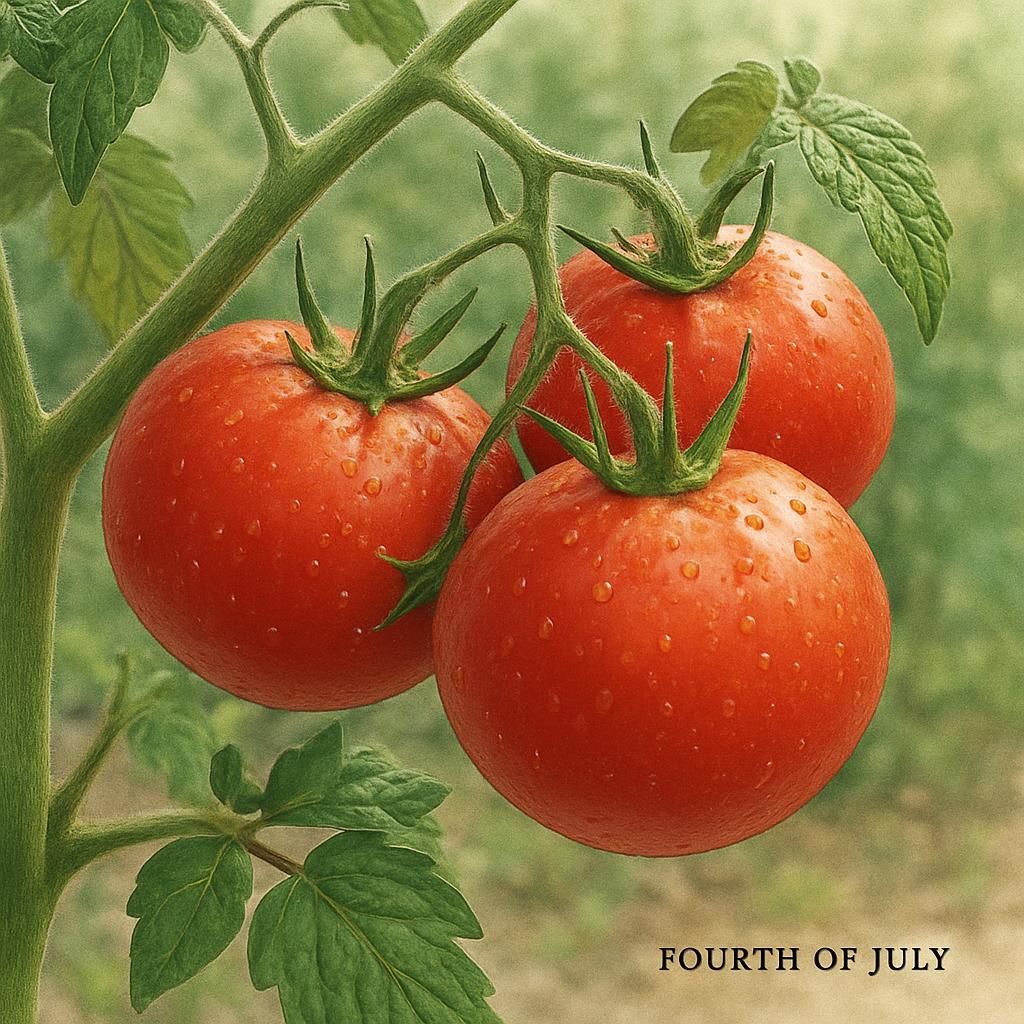
Fourth of July Tomato
Fourth of July Tomato is an early-maturing, indeterminate hybrid bred for reliable summer harvests. It produces abundant clusters of sweet, juicy fruits and excels in short-season or cooler climates.
View Guide
Fox Nut (Phool Makhana)
Fox Nut, commonly known as Phool Makhana, is an aquatic seed crop from the Nymphaeaceae family cultivated in shallow freshwater ponds across eastern India and parts of Southeast Asia. The plant produces large, spiny leaves and edible seeds that are harvested, processed, and popped into a light, gluten-free superfood widely used in traditional medicine and modern nutrition.
View Guide
foxes
Foxes are cunning mammalian predators that raid agricultural fields, poultry operations, and fruit orchards, causing significant economic losses through direct predation and crop damage. This guide provides farmers with diagnostic tools, lifecycle insights, organic deterrence strategies, and prevention tactics to safeguard yields. Effective management combines habitat modification, exclusion barriers, and guardian animals for sustainable control.
View Profile
Foxtail Millet
Foxtail millet is one of the oldest domesticated small grains, valued for its short season, drought tolerance, and ability to produce on marginal land where many cereals struggle. It is a warm-season annual millet grown for grain, fodder, and cover cropping, with best results achieved through careful stand establishment, weed control in the first month, and timely harvest before shattering or bird damage escalates.
View Guide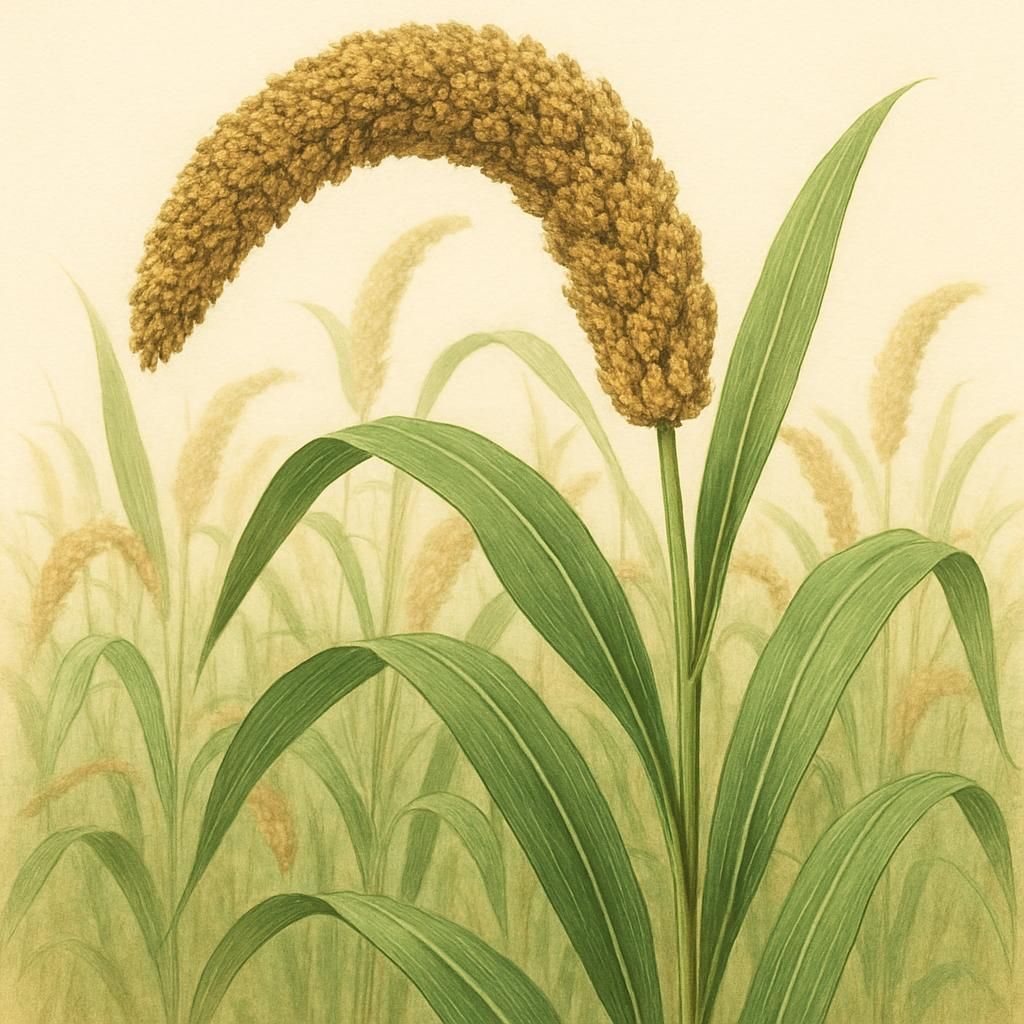
Foxtail Millet (Setaria italica)
Foxtail Millet (Setaria italica) is a widely cultivated cereal crop known for its drought resistance and short growing cycle. Ideal for regions with variable rainfall, it thrives in poor soils and contributes to food security.
View Guide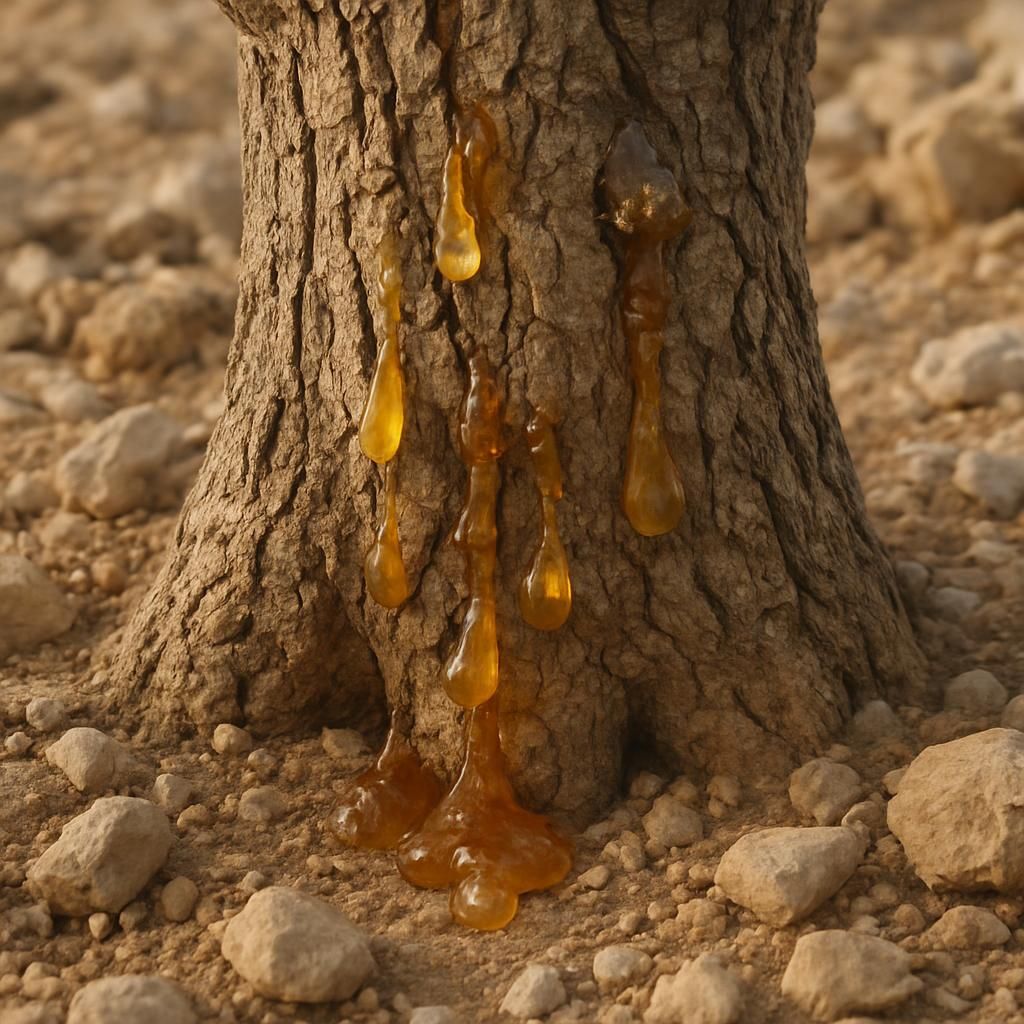
frankincense
Frankincense is a slow-growing resinous tree native to arid regions of the Horn of Africa and the Arabian Peninsula, prized for its aromatic oleo-gum resin used in incense, perfumery, and traditional medicine. The crop requires well-drained, rocky limestone soils and extreme drought tolerance once established. Commercial cultivation remains limited but offers high-value export potential for smallholders in suitable dryland climates.
View Guide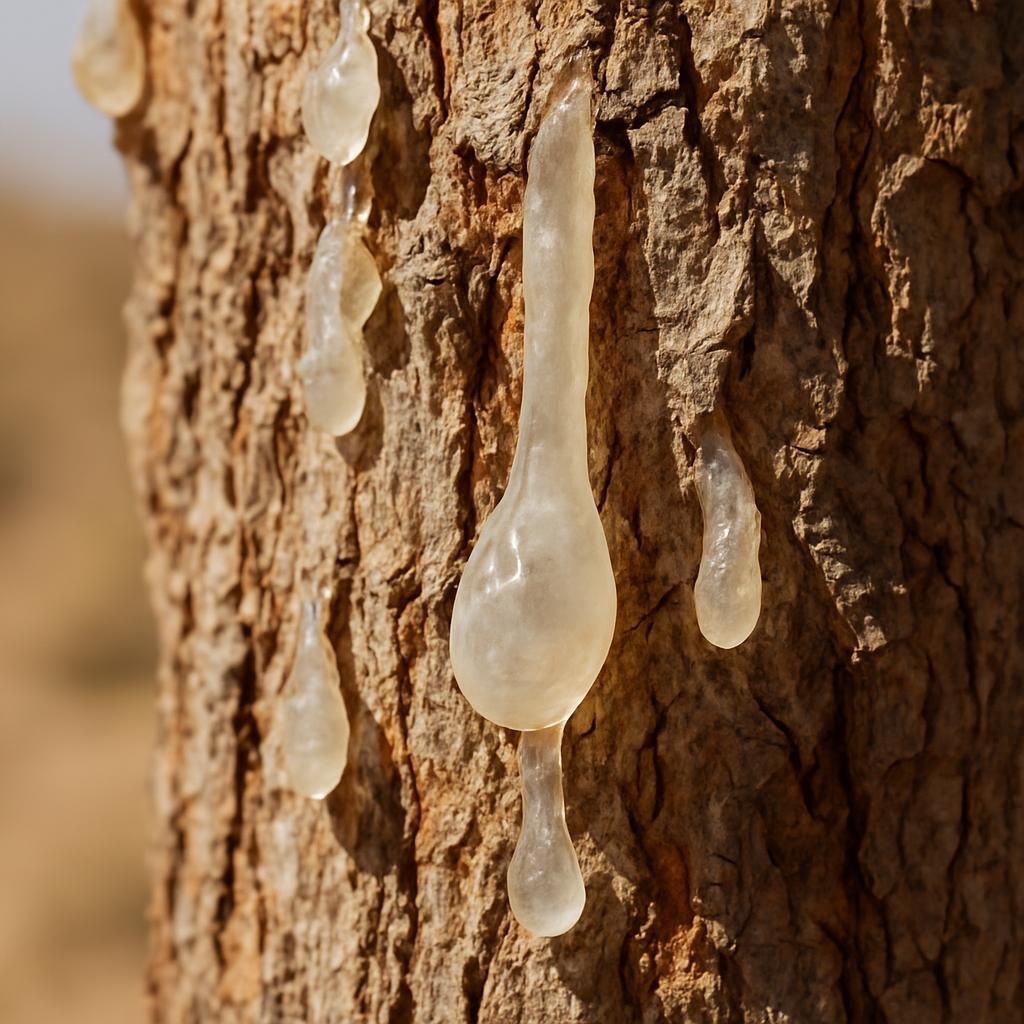
Frankincense Resin (Boswellia)
Frankincense resin is harvested from Boswellia trees native to arid regions of the Horn of Africa, Arabian Peninsula, and parts of India. This definitive guide covers botanical characteristics, optimal growing conditions, propagation, care schedules, pest management, harvesting, and companion planting strategies for sustainable resin production.
View Guide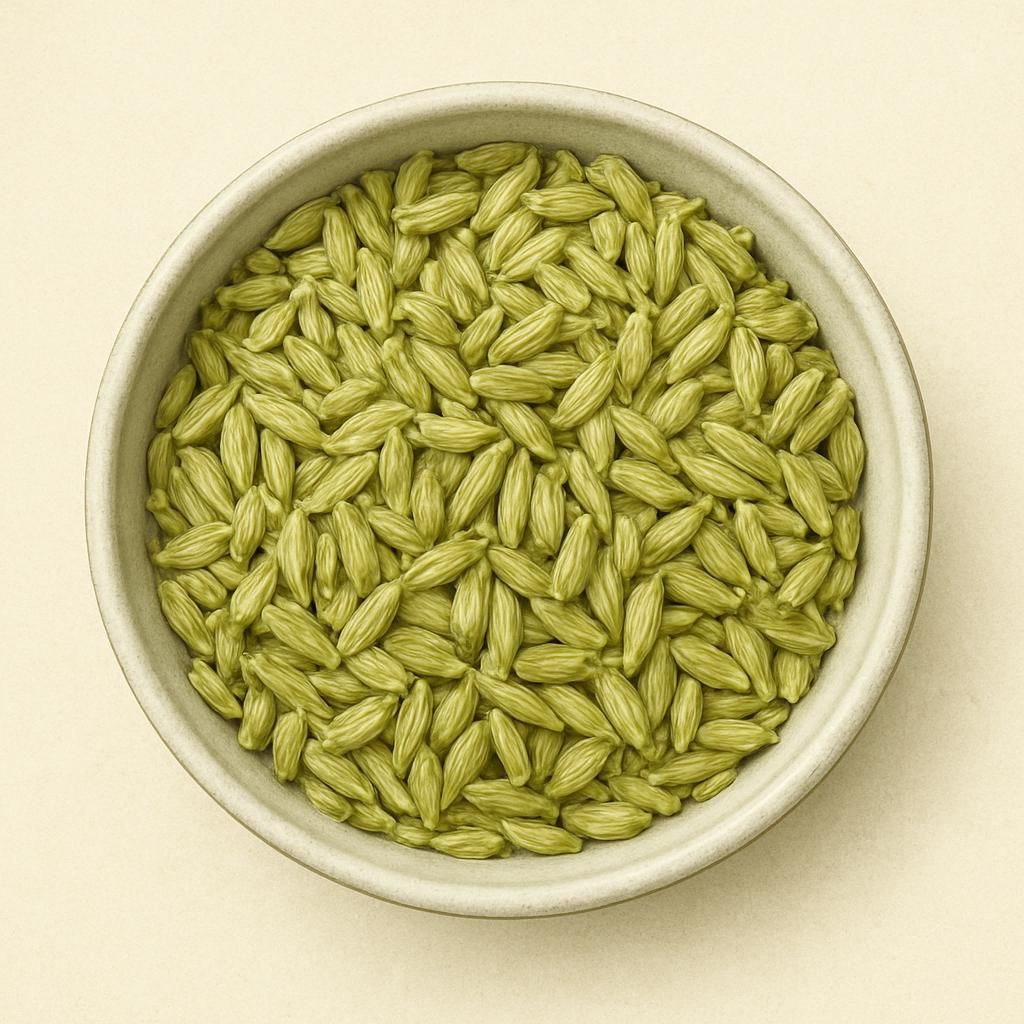
Freekeh (Green Durum)
Freekeh, also known as Green Durum, is an ancient grain made from young, green wheat that is roasted. Valued for its nutritional benefits, it is high in fiber and protein and offers a robust, nutty flavor.
View Guide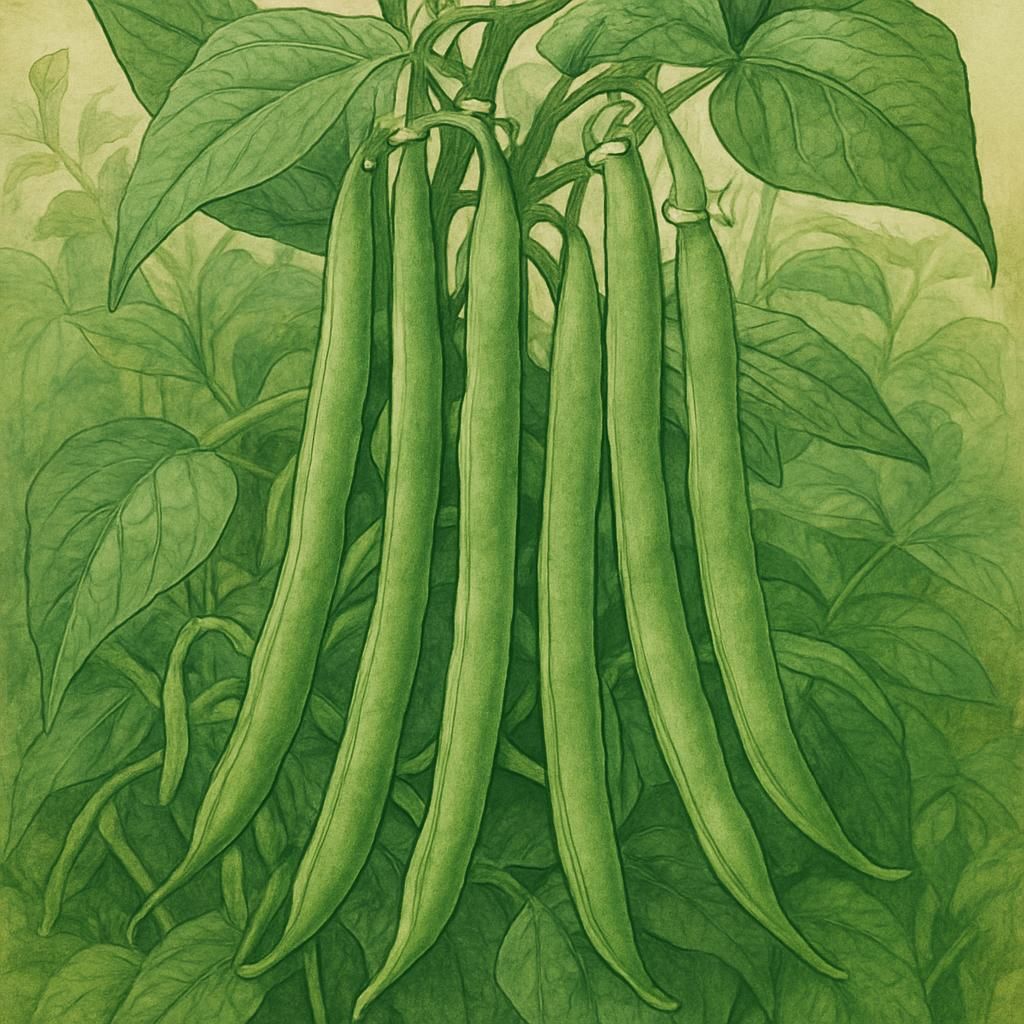
French Bean (Haricots Verts)
Known for their tender textures and delicate flavors, French Beans, also called Haricots Verts, are slender green beans favored in many culinary dishes. These beans are relatively easy to grow, requiring well-drained soil and a mild climate.
View Guide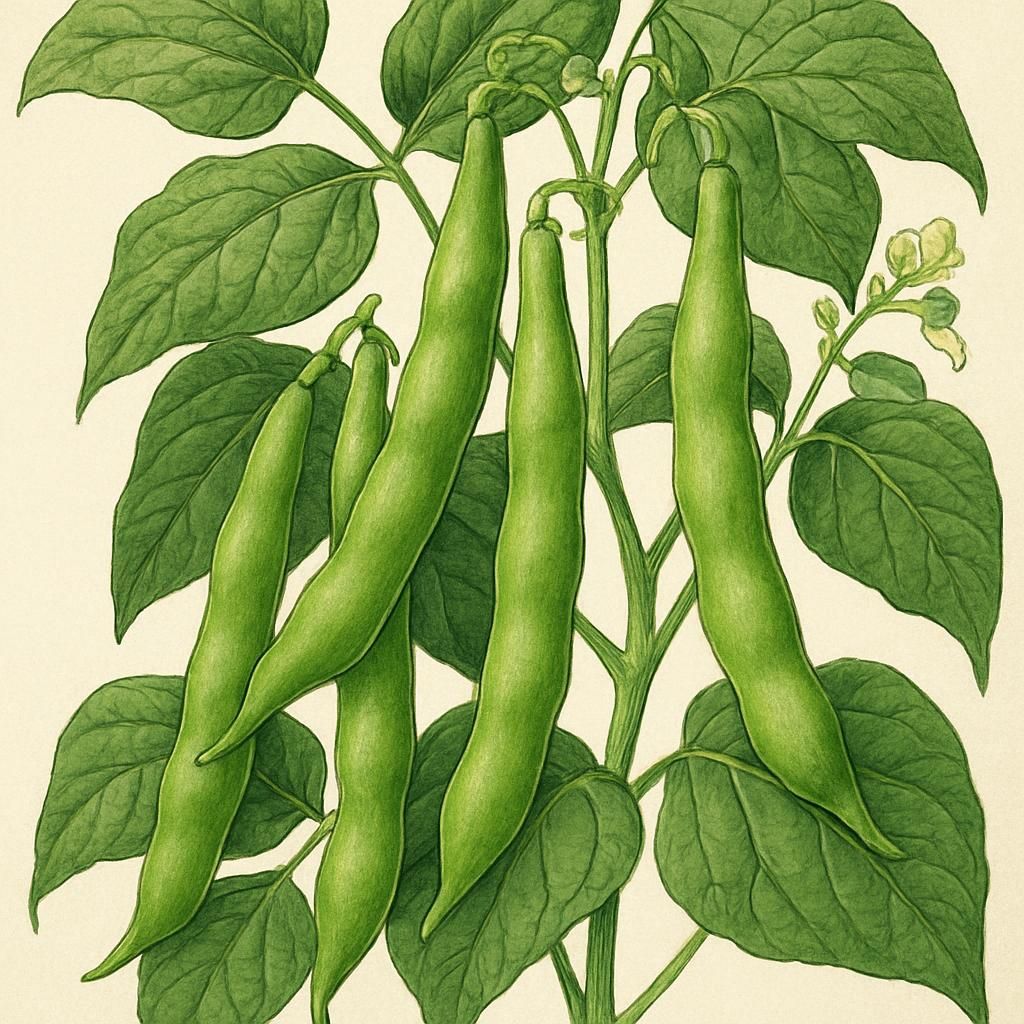
French Bean (Maxibel)
Maxibel French beans are a popular variety known for their long, slender, and crisp pods. This high-yielding bush bean is ideal for home gardens and commercial cultivation, thriving in warm climates with well-drained soil.
View Guide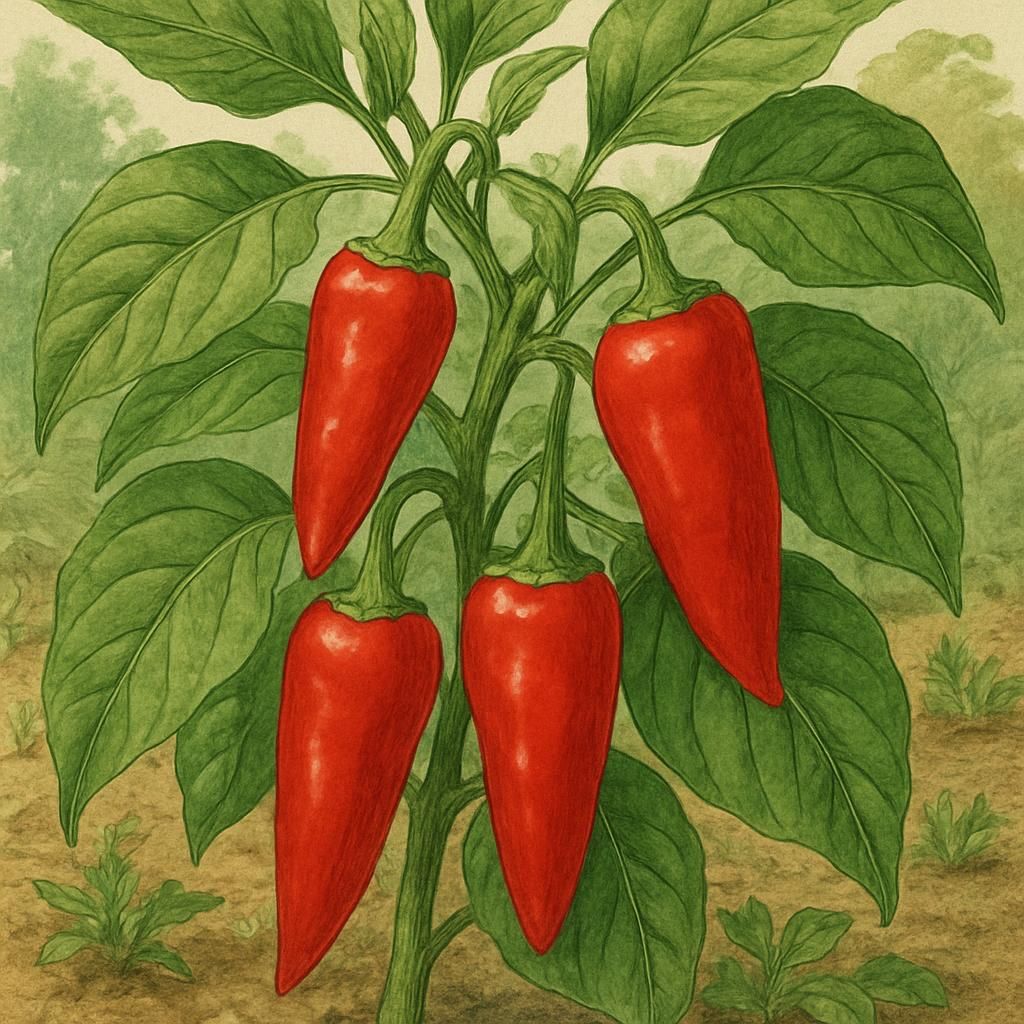
Fresno Pepper
Fresno peppers are a popular chili variety known for their moderate heat and vibrant red color, ideal for various culinary uses. Easy to cultivate, they thrive in warm climates with well-drained soil.
View Guide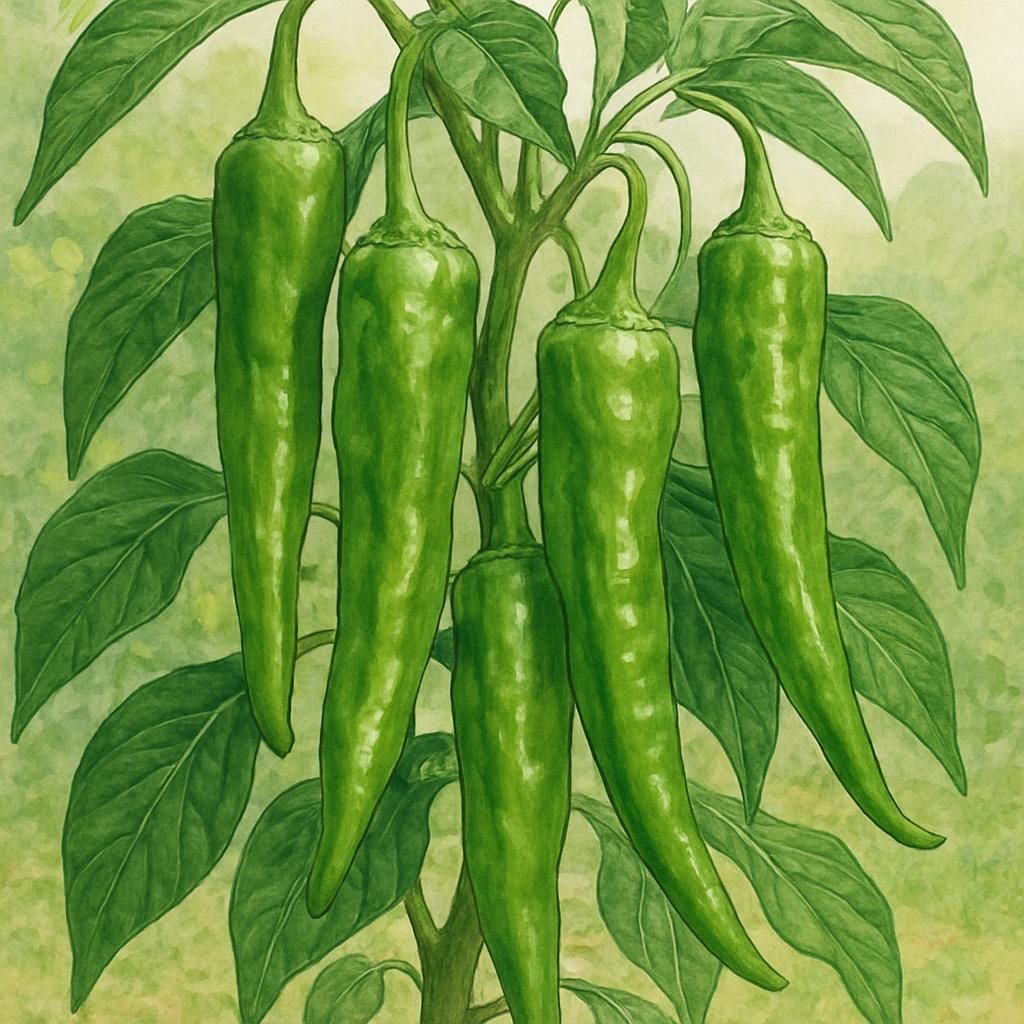
Friggitello Pepper
Friggitello Pepper, also known as Sweet Italian Pepper, is prized for its mild flavor and vibrant color. Versatile in the kitchen and easy to grow, it is ideal for both beginner and experienced gardeners.
View Guide