Introduction to fern species
Ferns represent one of the oldest groups of vascular plants on Earth, predating flowering plants by millions of years. Grown commercially and by home gardeners for their lush, feathery fronds, fern species serve ornamental, ecological, and occasionally medicinal purposes. Unlike seed-bearing crops, ferns reproduce through microscopic spores and require specific environmental conditions to flourish. Professional growers value ferns for their ability to thrive in low-light settings where many other crops fail, making them ideal for shaded greenhouses, understory plantings, and indoor production systems.
Botanical Profile of fern species
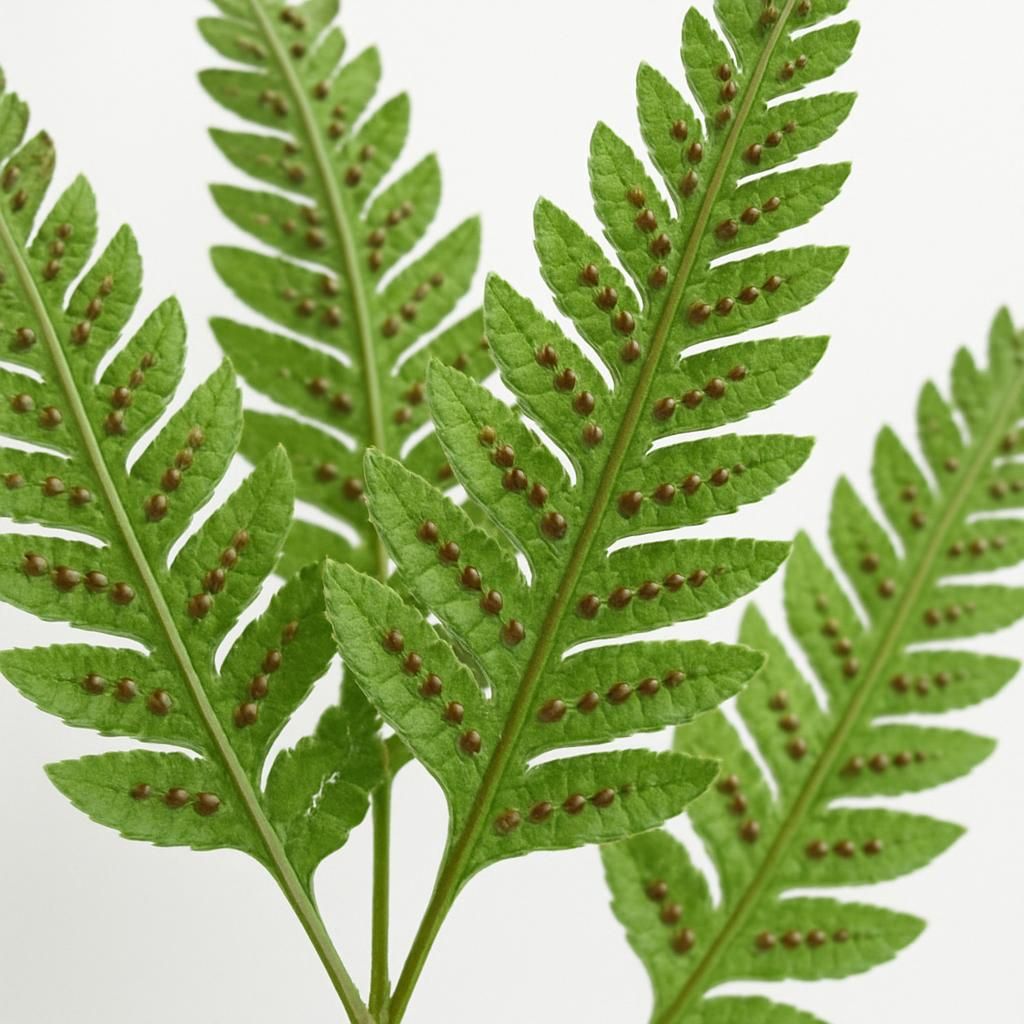
Ferns belong to the division Pteridophyta and encompass over 10,000 species worldwide. They feature true roots, stems (often rhizomes), and highly divided leaves called fronds. Reproduction occurs via spores produced on the underside of fertile fronds in structures known as sori. Most commercial species are herbaceous perennials that spread slowly through underground rhizomes. Common cultivated genera include Nephrolepis, Pteris, Adiantum, and Asplenium. Unlike flowering crops such as Tomato or Strawberry, ferns do not produce flowers, fruits, or seeds.
Soil, pH, and Climate Requirements for fern species (MUST INCLUDE A MARKDOWN TABLE OF IDEAL CONDITIONS)
Ferns demand consistently moist, well-aerated substrates rich in organic matter. Most species prefer slightly acidic conditions and moderate temperatures with high relative humidity. Avoid heavy clay soils or those prone to waterlogging, which can cause root rot. The following table summarizes ideal growing parameters:
| Parameter | Ideal Range | Notes |
|---|---|---|
| Soil Type | Loamy, high in organic matter | Incorporate peat, coco coir, or leaf mold |
| Soil pH | 5.5 – 6.5 | Slightly acidic; test and amend annually |
| Temperature | 15–24 °C (59–75 °F) | Protect from frost; avoid >30 °C |
| Relative Humidity | 60–90 % | Mist regularly or use humidifiers |
| Light | Bright indirect / deep shade | 500–2000 lux; avoid direct midday sun |
| Spacing | 30–45 cm between plants | Allows air circulation and frond expansion |
Step-by-Step Planting & Propagation
- Select healthy parent plants free of Aphids or Spider Mites.
- Prepare sterile, moist propagation medium (equal parts peat and perlite).
- Collect ripe spores from the underside of mature fronds by tapping onto paper.
- Sow spores thinly on the medium surface; do not cover.
- Maintain 20–22 °C and high humidity under a clear dome or plastic cover.
- Germination occurs in 2–6 weeks; thin seedlings when they develop true fronds.
- Transplant into individual containers once plants reach 5–8 cm.
- For vegetative propagation, divide rhizomes in early spring, ensuring each section has roots and at least one growing tip.
Care & Maintenance regimes for fern species (MUST INCLUDE A MARKDOWN TABLE OF WATER, FERTILIZER, AND PRUNING SCHEDULES)
Consistent moisture without saturation is critical. Over-fertilization leads to weak growth and frond burn. Remove damaged or yellowing fronds regularly to maintain appearance and reduce disease pressure.
| Task | Frequency | Details |
|---|---|---|
| Watering | Every 2–3 days (soil surface dry) | Use room-temperature water; bottom-water to avoid crown rot |
| Fertilizer | Every 4–6 weeks during active growth | Diluted balanced liquid fertilizer (10-10-10) at ¼ strength |
| Pruning | Monthly or as needed | Remove dead or damaged fronds at base; sterilize tools between plants |
Pests, Diseases & Organic Management
Common pests include Aphids, Spider Mites, and Mealybugs. Diseases such as Pythium root rot and Botrytis can occur under poor airflow or overwatering. Implement integrated pest management: scout weekly, maintain proper spacing, and apply neem oil or insecticidal soap at first sign of infestation. Improve air circulation and avoid overhead watering to suppress fungal pathogens.
Harvesting, Curing & Optimal Storage
Ferns are primarily harvested for cut foliage rather than edible yield. Cut mature fronds at the base early in the morning when turgor is highest. Immediately place stems in cool water. For potted sales, allow plants to reach marketable size (usually 6–12 months from spore). Store harvested fronds at 4–7 °C with high humidity for up to 7–10 days. Avoid ethylene exposure from ripening fruit to prevent premature yellowing.
Companion Planting for fern species
Ferns pair well with other shade-loving species that share similar moisture needs. Compatible companions include Thai Basil for aromatic pest deterrence and Clover as a living mulch to retain soil moisture. Avoid planting near aggressive spreaders or crops requiring full sun such as Corn. In mixed plantings, position ferns on the north side of taller companions to receive filtered light.