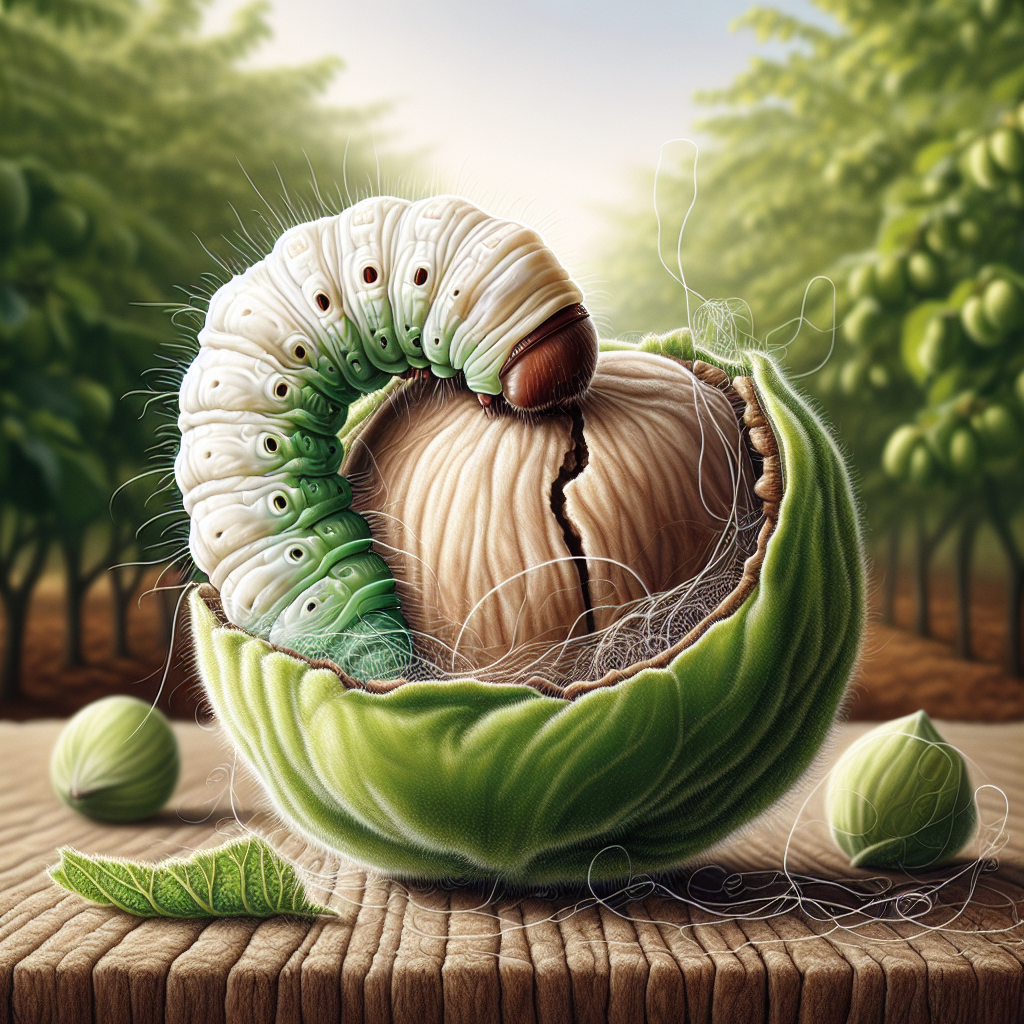
Introduction to Filbertworm
The filbertworm, scientifically known as Cydia latiferreana, is a notorious lepidopteran pest belonging to the Tortricidae family, infamous for devastating hazelnut (filbert) orchards across North America, particularly in the Pacific Northwest where over 99% of U.S. hazelnuts are produced. Adult moths are small, grayish-brown with a wingspan of about 1/2 inch, but the real damage comes from their creamy-white larvae, which grow up to 1/2 inch long and bore directly into developing nuts. Infestations can lead to 20-50% crop losses if unmanaged, rendering nuts unmarketable due to frass (insect waste), webbing, and internal feeding galleries that promote secondary fungal infections.
First identified in the early 20th century in Oregon's Willamette Valley, filbertworm populations surge in humid, mild climates ideal for hazelnut cultivation. Unlike external feeders like aphids, filbertworms are internal borers, making detection challenging until damage is evident. This guide equips growers with diagnostic tools, lifecycle knowledge, and proven organic strategies to mitigate infestations. Early intervention is critical, as larvae feed voraciously during nut fill stages from mid-summer to harvest. For small farms, integrating cultural, biological, and monitoring practices can reduce reliance on synthetics while maintaining yields. Understanding this pest's biology is the cornerstone of sustainable hazelnut production, especially amid climate shifts exacerbating pest pressures. Check out this Spring Pest Patrol: Organic AI Strategies to Shield Your Crops from Common Invaders for broader pest management insights.
Identifying Symptoms & Damage
Spotting filbertworm early requires vigilance during key growth phases. Initial signs appear on cluster husks: small entry holes (1-2 mm) plugged with silk and frass, often resembling mouse droppings. As larvae tunnel inward, husks may show reddish-brown discoloration or webbing. Inside nuts, damage manifests as hollowed kernels filled with frass, silk, and live larvae, leading to premature nut drop or shriveled, blackened interiors.
Diagnostic tips include shaking infested clusters over white paper; dislodged frass indicates activity. Cut open suspect nuts to reveal pinkish larvae with dark heads. Differentiate from similar pests like the filbert aphid or navel orangeworm by the absence of webbing trails or external scarring—filbertworm damage is strictly internal. Severe infestations cause cluster wilting, mimicking Eastern Filbert Blight, but blight shows cankers on twigs, not nut boring.
Yield impacts are profound: infested nuts weigh 20-30% less, fail kernel quality standards, and invite molds like Aspergillus. In commercial orchards, thresholds exceed 2-5% infested clusters before action. For home growers, any visible frass warrants inspection. Use a 10x hand lens to confirm larval presence. Secondary signs include bird predation on weakened clusters and increased orchard debris at harvest. Regular scouting from June to September, focusing on orchard borders near woods, catches infestations early.
Lifecycle and Progression of Filbertworm
Filbertworm completes 1-2 generations annually, tightly synced with hazelnut phenology. Overwintering occurs as mature larvae in silken cocoons under bark, leaf litter, or debris. Pupation begins in late spring (April-May) as soil warms to 50°F (10°C), yielding adults by early June.
Adult moths emerge over 4-6 weeks, peaking during nut sizing. Females lay 50-100 eggs singly on husks or leaves near clusters. Eggs hatch in 7-10 days into tiny larvae that mine husks before entering nuts. Larval stage lasts 3-5 weeks, with 5 instars; full-grown larvae exit to spin overwintering cocoons. Second generation adults fly in August-September, targeting late nuts; partial third generations occur in warm years.
Degree-day models (base 50°F) predict flights: first at 200-300 DD, peak egglaying at 400 DD, second flight at 1200 DD. Progression varies by microclimate—valley floors see earlier activity than hillsides. Monitoring with pheromone traps captures males, signaling spray windows 10-14 days later. Lifecycle knowledge enables precise interventions, reducing unnecessary treatments.
Environmental Triggers & Risk Factors
Filbertworm thrives in mild, humid conditions: summers above 70°F (21°C) with low wind accelerate development. Proximity to wild hosts like oak, filbert, or chestnut hedges boosts invasions. Poor sanitation—unharvested nuts, prunings—harbors overwinterers. Overly vigorous trees with dense canopies trap humidity, favoring egg survival.
Risk spikes post-heatwaves or droughts stressing trees, making nuts softer targets. Climate change extends generations, with models predicting 10-20% higher populations by 2050 in the PNW. Soil types matter: heavy clays retain pupae moisture, while sandy loams dry cocoons. Companion crops like clover groundcovers can harbor predators but also alternative hosts if unmanaged. Irrigation timing influences risk—overhead watering mimics rain, aiding dispersal.
Organic Control & Treatment Plans
Organic management emphasizes IPM: monitoring, cultural, biological, and targeted organics. Deploy delta-trap pheromone traps (2-4/acre) from May; 5-10 males/trap signals imminent egglaying. Scout 20 trees/10 acres weekly, flagging infested clusters.
Cultural: Harvest promptly, disk middles to expose cocoons, prune for airflow. Biological: Conserve Trichogramma wasps (release 100,000/acre at first flight) and ground beetles via mulch. Bacillus thuringiensis (Bt) kurstaki sprays at petal fall and nut set (0.5-1 lb/acre) target neonates; 80-90% control with 3 applications. Spinosad (Entrust) offers 7-10 day residual for larvae.
Sanitation removes 70% overwinterers: flail chop dropped nuts, vacuum harvest debris. Kaolin clay (Surround) barriers deter oviposition. For outbreaks, mating disruption with hand-applied dispensers (200/acre) confuses males. Rotate modes to prevent resistance. Track efficacy via pre/post scouting. See hazelnut profiles for varietal resistance like 'Yamhill'.
Preventing Filbertworm in the Future
Prevention builds resilient orchards. Plant resistant cultivars like Barcelona Hazelnut blends. Establish borders with repellents: thyme or yarrow strips. Maintain 6-ft mower strips, avoiding wild hosts within 100m.
Annual practices: pre-bloom cleanup, trap cropping with early filberts, reflective mulches. Enhance biodiversity with bird boxes for woodpeckers preying pupae. Monitor weather via degree-days for proactive sprays. Long-term: scout neighboring orchards, quarantine infested stock. Cover crops like hairy vetch support predators. Record-keeping tracks trends, refining IPM yearly. These steps sustain yields below 1% infestation.
Crops Most Affected by Filbertworm
Filbertworm primarily targets hazelnut (Corylus avellana), infesting 90% of commercial orchards. Wild Corylus species serve as reservoirs. Minor spillover occurs to chestnut, pecan, and walnut in mixed plantings, though less preferred. No significant impact on non-nut crops. Focus protection on filbert monocultures.