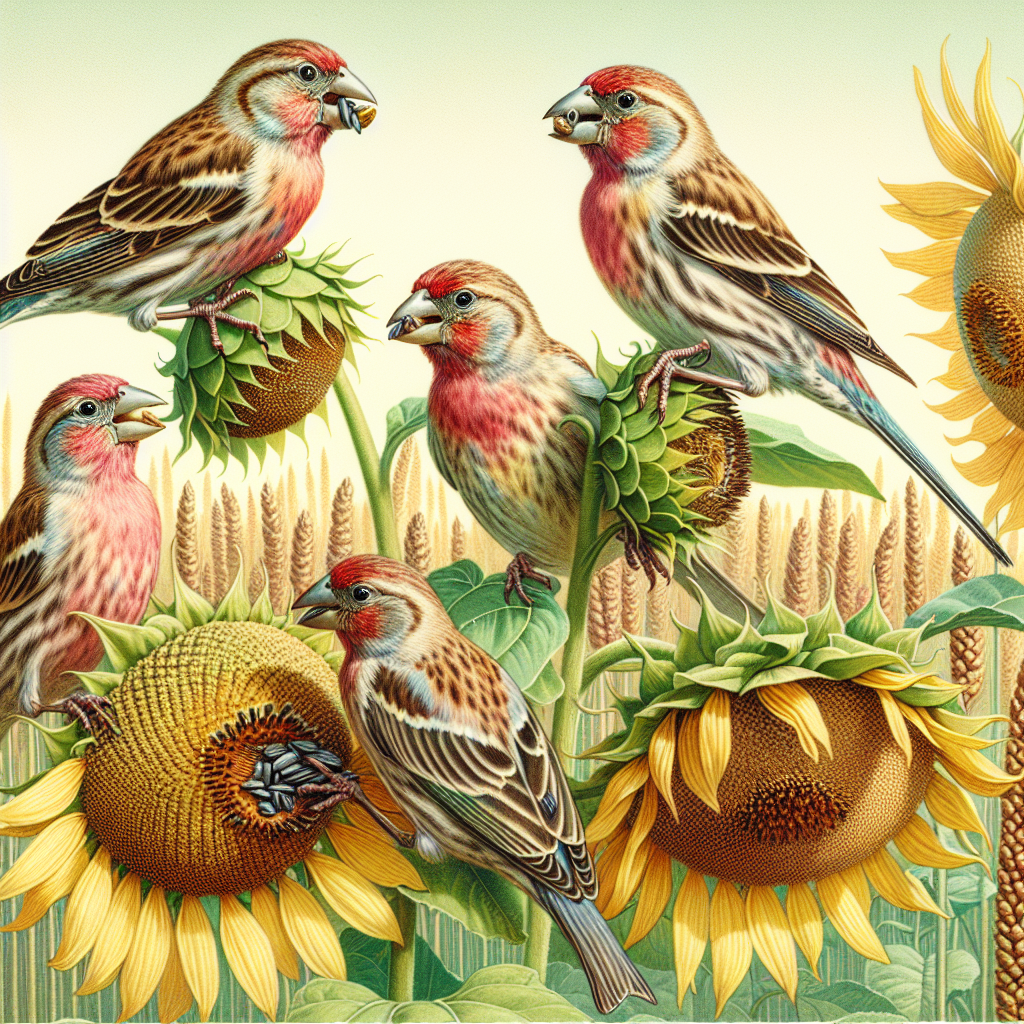
Introduction to Finches
Finches, belonging to the family Fringillidae, are small passerine birds known for their vibrant plumage, conical beaks adapted for seed-eating, and melodious songs. While admired by birdwatchers, certain species like the house finch (Haemorhous mexicanus), goldfinch (Spinus tristis), and European goldfinch (Carduelis carduelis) become agricultural pests when they target crops. These birds flock in large numbers, capable of consuming vast quantities of seeds and fruits, leading to economic losses for farmers worldwide.
In agricultural settings, finches are particularly problematic during seed germination, flowering, and fruit ripening stages. They prefer small seeds from grains like sunflower, fruits from berries such as strawberry, and buds from fruit trees like cherry. Understanding their behavior is crucial for developing targeted management strategies. This guide provides comprehensive diagnostics, lifecycle insights, and organic control methods to protect your crops effectively. For more on bird pests in general, see the Birds (pest) wiki page.
Farmers often underestimate finches until flocks descend suddenly, sometimes reducing yields by 20-50% in vulnerable crops. Early detection and proactive prevention are key to minimizing damage. With rising demand for organic produce, humane and eco-friendly control methods are increasingly vital.
Identifying Symptoms & Damage
Finch damage is distinctive due to their precise, targeted feeding. Look for these key symptoms:
Seed Loss: Empty seed heads or bare soil where seedlings failed to emerge. Finches pluck germinating seeds directly from the ground or young plants, leaving neat holes or stripped panicles.
Fruit Pecking: Small, round holes in ripening fruits like grapes, blueberry, or cherry tomato. Unlike larger birds, finch punctures are 2-5mm in diameter, often with partially eaten flesh around the entry point.
Bud and Flower Damage: Missing or shredded flower buds on crops like apple trees or peach. Finches target soft tissues, causing blossom drop and reduced fruit set.
Droppings and Feathers: White fecal droppings under roosting sites and scattered feathers indicate flock presence. Damage often concentrates near field edges or water sources.
Flock Sightings: Rapid movement of small birds (10-15cm long) with undulating flight patterns. Listen for cheerful chirping during feeding.
Differentiate from other pests: Insect damage like aphids leaves sticky residue, while finch feeding is clean and mechanical. Check for patterns—finches hit high-value, small-seeded crops hardest. Early morning and late afternoon are peak activity times. For small farms, read our blog on Spring Pest Patrol: Organic AI Strategies to Shield Your Crops from Common Invaders for tech-assisted monitoring tips.
Quantify damage by scouting 10-20 sites per acre, counting affected plants. Thresholds vary: >10% seed loss warrants action.
Lifecycle and Progression of Finches
Finches have a rapid reproductive cycle, exacerbating their pest status. Key stages:
Eggs: Females lay 3-6 pale blue eggs with spots in cup-shaped nests of grass and feathers, often in hedges or trees near fields. Incubation: 12-14 days.
Nestlings (1-2 weeks): Fed regurgitated seeds, dependent on parents. Vulnerable stage—minimal crop raiding.
Fledglings (2-3 weeks): Leave nest, join flocks. Begin independent feeding on crop seeds.
Adults: Breed 2-3 times/year in temperate zones, year-round in tropics. Lifespan: 1-5 years. Peak flocking during non-breeding season (fall-winter).
Progression in crops: Initial scouting in spring targets weed seeds, then shifts to germinating crops. Summer focuses on fruits; fall on mature grains like wheat or corn. Populations explode post-rainy seasons with abundant food.
Monitor breeding sites 100-500m from fields. One pair can produce 10-20 offspring annually, amplifying damage potential.
Environmental Triggers & Risk Factors
Finches thrive under specific conditions:
Food Availability: Proximity to weed seeds or alternative foods like thistles drives invasion. Drought-stressed crops with exposed seeds attract flocks.
Habitat: Nearby hedges, orchards, or shelterbelts provide nesting/roosting. Open fields with scattered trees increase risk.
Weather: Mild winters and early springs boost breeding. Winds disperse flocks into new areas.
Crop Stage: Highest risk during seed fill (grains), veraison (grapes), and softening fruits.
Farm Practices: Monocultures without borders amplify appeal. Lack of water sources forces birds to crops.
Risk map your farm: High-risk zones near woods or water. Birds often co-occur with squirrels or raccoons, compounding losses.
Organic Control & Treatment Plans
Humane, organic methods prioritize deterrence over elimination:
Physical Barriers: Netting over cherry, grape, and berry crops. Use 1/2-inch mesh bird netting, secured tightly. Cost-effective for <1 acre.
Visual Deterrents: Reflective tape, Mylar balloons, or pie tins fluttering in breeze. Alternate positions weekly to prevent habituation.
Auditory Scare Devices: Propane cannons, ultrasonic repellers, or distress calls via recordings. Space 100-200m apart; vary sounds.
Cultural Controls: Plant trap crops like sunflower borders to divert finches. Mow weeds to reduce staging areas.
Chemical Repellents: Organic-approved methyl anthranilate (grape extract) sprays on fruits. Reapply after rain.
Biological: Encourage predators like falcons via perches or raptors nesting boxes. Avoid harming beneficials.
Integrated Plan:
- Week 1: Scout and install netting on high-value crops.
- Ongoing: Rotate deterrents; monitor flocks.
- Threshold: Act at 5% damage.
For companion strategies, check Nasturtium (crop) as a bird distractant.
Preventing Finches in the Future
Long-term prevention builds resilience:
Habitat Modification: Remove perching trees near fields; plant dense hedges away from crops.
Crop Rotation & Timing: Stagger plantings; choose finch-resistant varieties like thick-skinned Hass Avocado.
Diversification: Intercrop with unpalatable plants like garlic or Thai Basil.
Monitoring: Use trail cams or apps for early detection. Integrate with farm tech for alerts.
Community Efforts: Coordinate with neighbors for area-wide netting or falconry.
Annual audits reduce recurrence by 70%. Sustainable practices ensure compliance with organic standards.
Crops Most Affected by Finches
Finches target small-seeded, high-energy foods:
| Crop Category | Examples | Damage Type |
|---|---|---|
| Grains & Seeds | Sunflower, wheat, corn | Seed consumption |
| Berries | Strawberry, blueberry, raspberry | Fruit pecking |
| Fruits | Cherry, grapes, apple | Buds & ripening fruit |
| Vegetables | Cherry Tomato, peas | Seeds & pods |
| Nuts & Others | Almond, peanuts | Early kernels |
Global losses: $100M+ annually in berries alone. Protect sunflower fields with borders.