Encyclopedia
Definitive guides for crops, pests, and agricultural diseases.
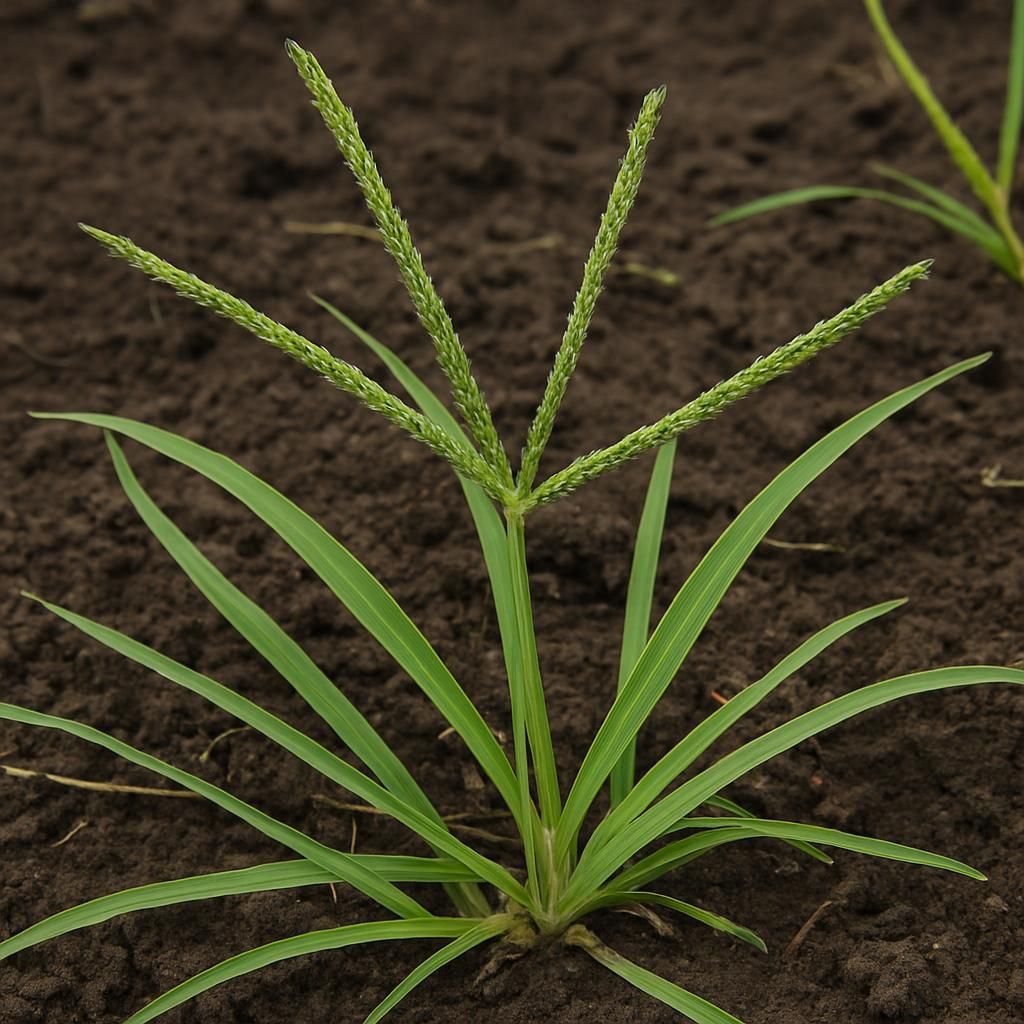
crabgrass
Crabgrass is a highly competitive annual grassy weed that invades lawns, pastures, and crop fields, rapidly depleting soil moisture and nutrients. Effective management requires understanding its lifecycle, environmental triggers, and integrated control strategies to protect crop yields and turf quality.
View Profile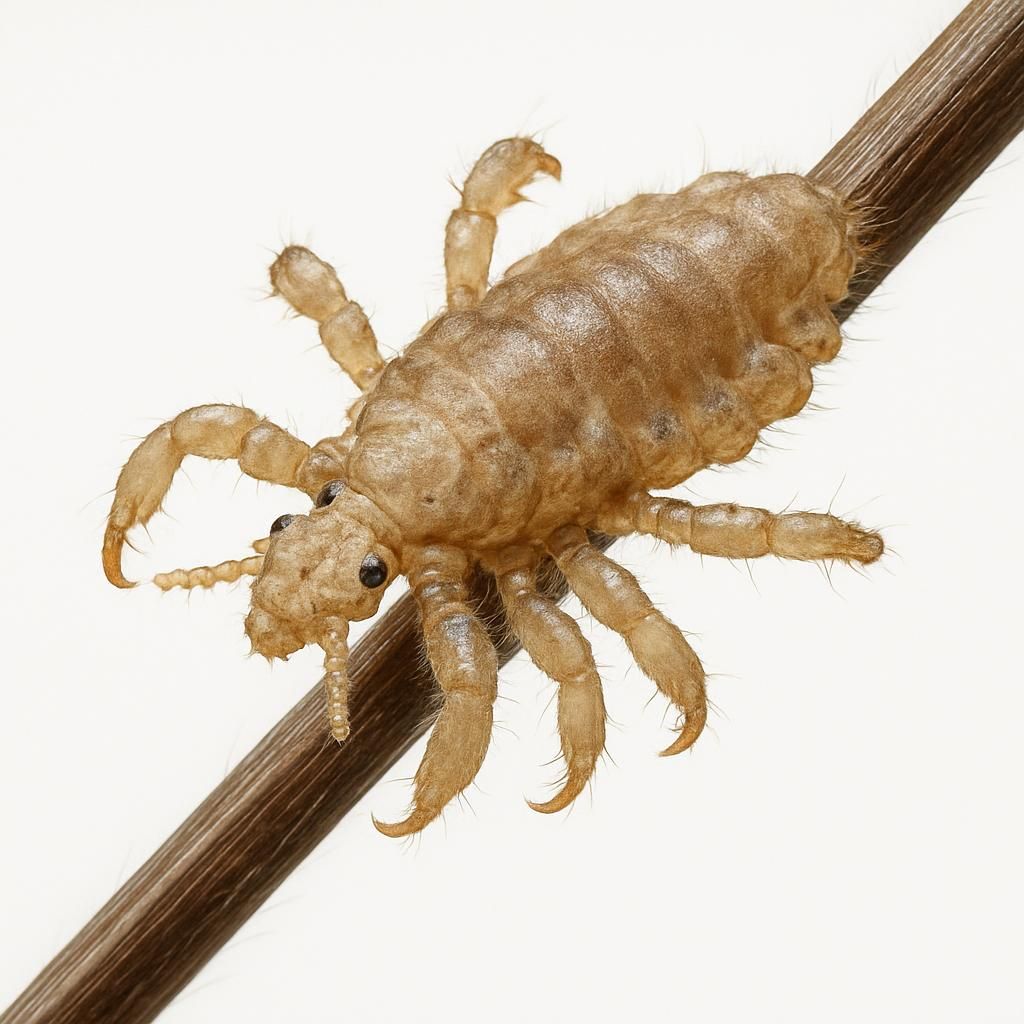
crabs
Crabs, or pubic lice, are parasitic insects that infest humans rather than crops. This guide clarifies the distinction from agricultural pests and provides diagnostic and management information for the human infestation commonly referred to as crabs.
View Profile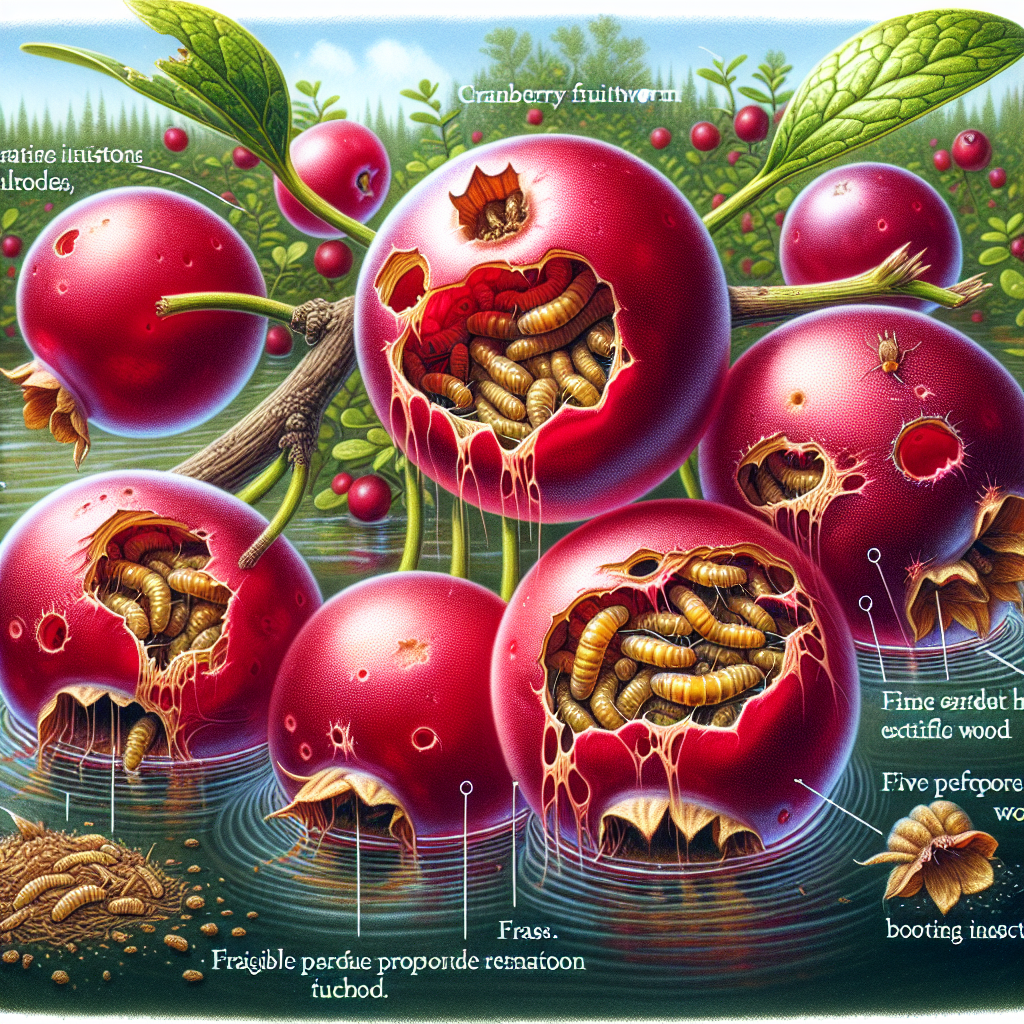
cranberry
Cranberry, particularly the cranberry fruitworm and associated pests, poses significant threats to cranberry bogs by damaging fruits and vines. This guide provides comprehensive diagnostics, lifecycle insights, organic management strategies, and prevention tips for growers. Effective control hinges on early detection and integrated organic practices to protect yields in acidic bog environments.
View Guide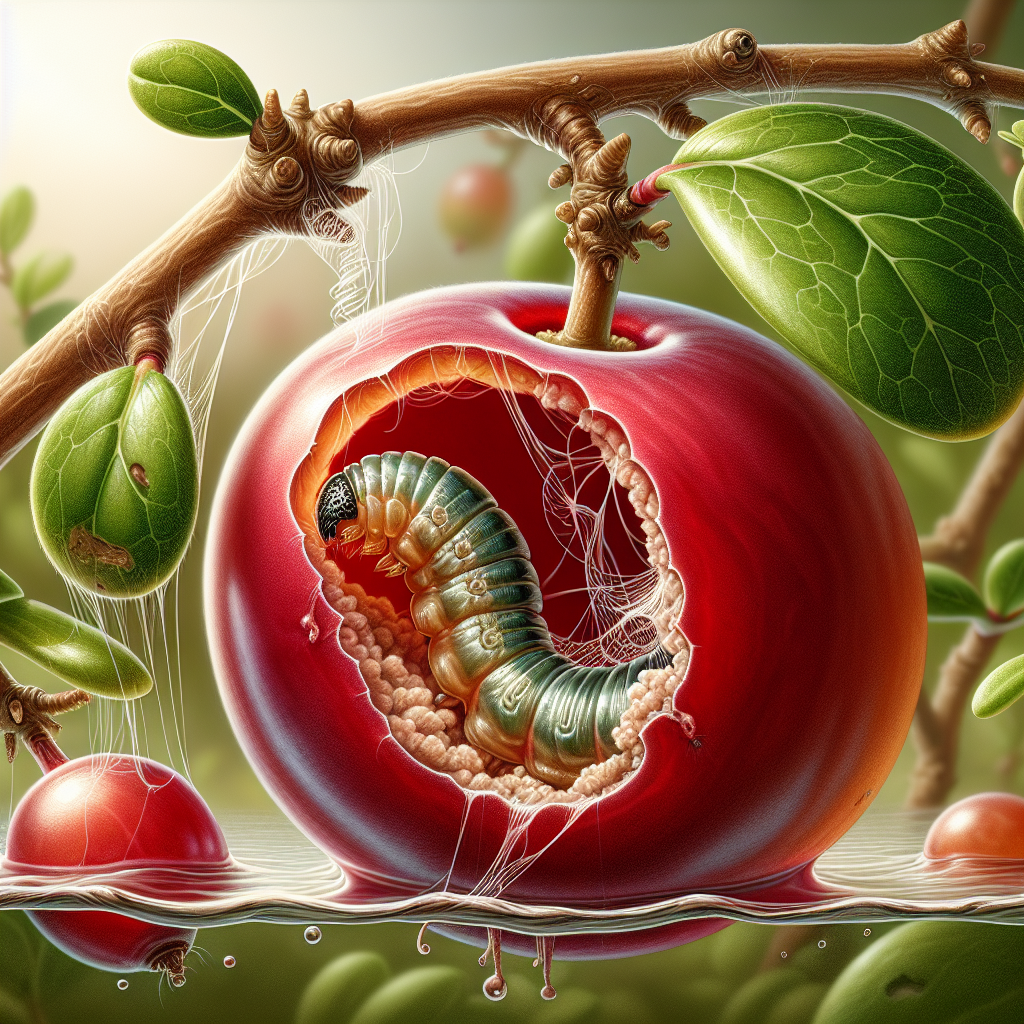
Cranberry fruitworm
The cranberry fruitworm (Acrobasis vacinii) is a destructive moth pest targeting cranberry crops, with larvae boring into fruit and causing significant yield losses. This guide provides comprehensive diagnostics, lifecycle details, organic management strategies, and prevention tips for growers. Effective control hinges on timely scouting and integrated pest management to protect berry quality and harvest volumes.
View Profile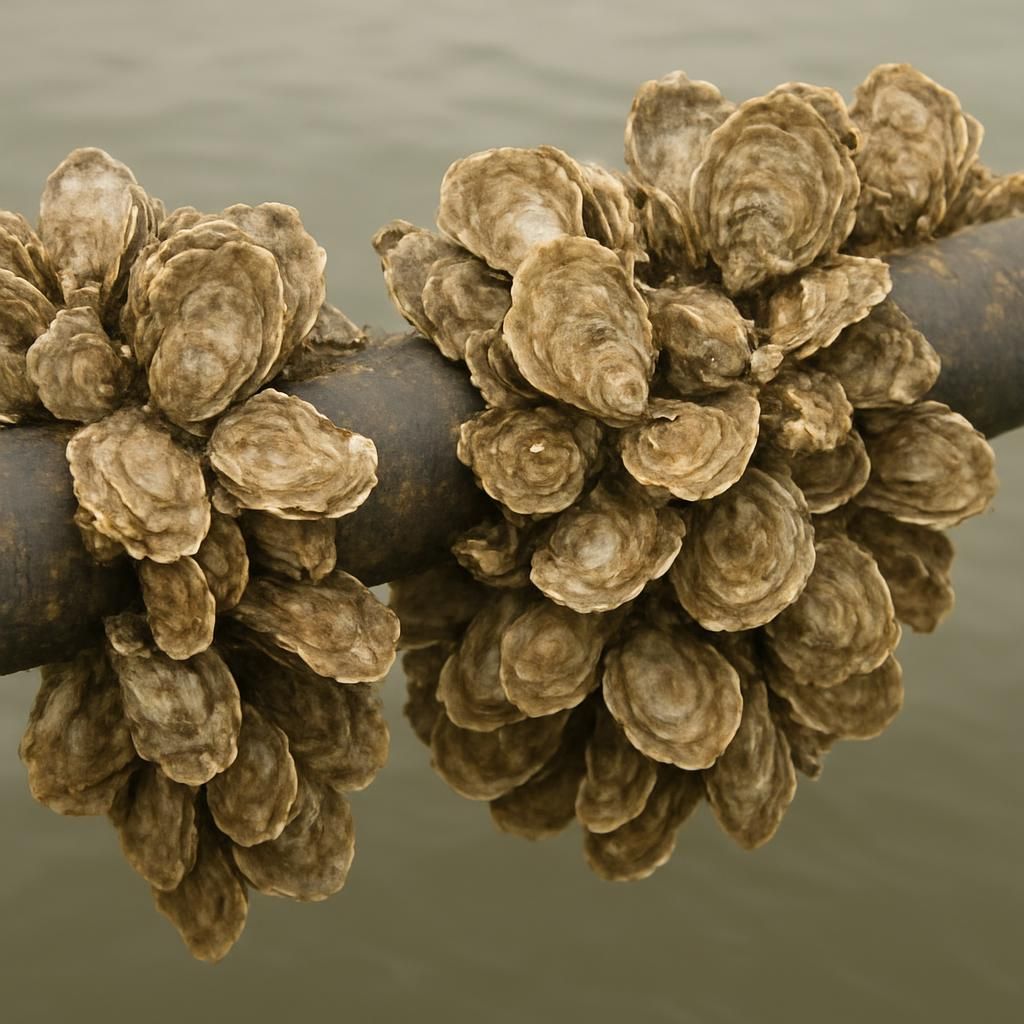
Crassostrea virginica
Crassostrea virginica, commonly known as the eastern oyster, is an estuarine bivalve mollusk that has become a significant agricultural pest in coastal and brackish-water farming systems. It rapidly colonizes submerged structures, irrigation intakes, and aquaculture infrastructure, causing biofouling, flow restriction, and structural damage. Effective management requires integrated cultural, mechanical, and biological strategies tailored to saline and tidal environments.
View Profile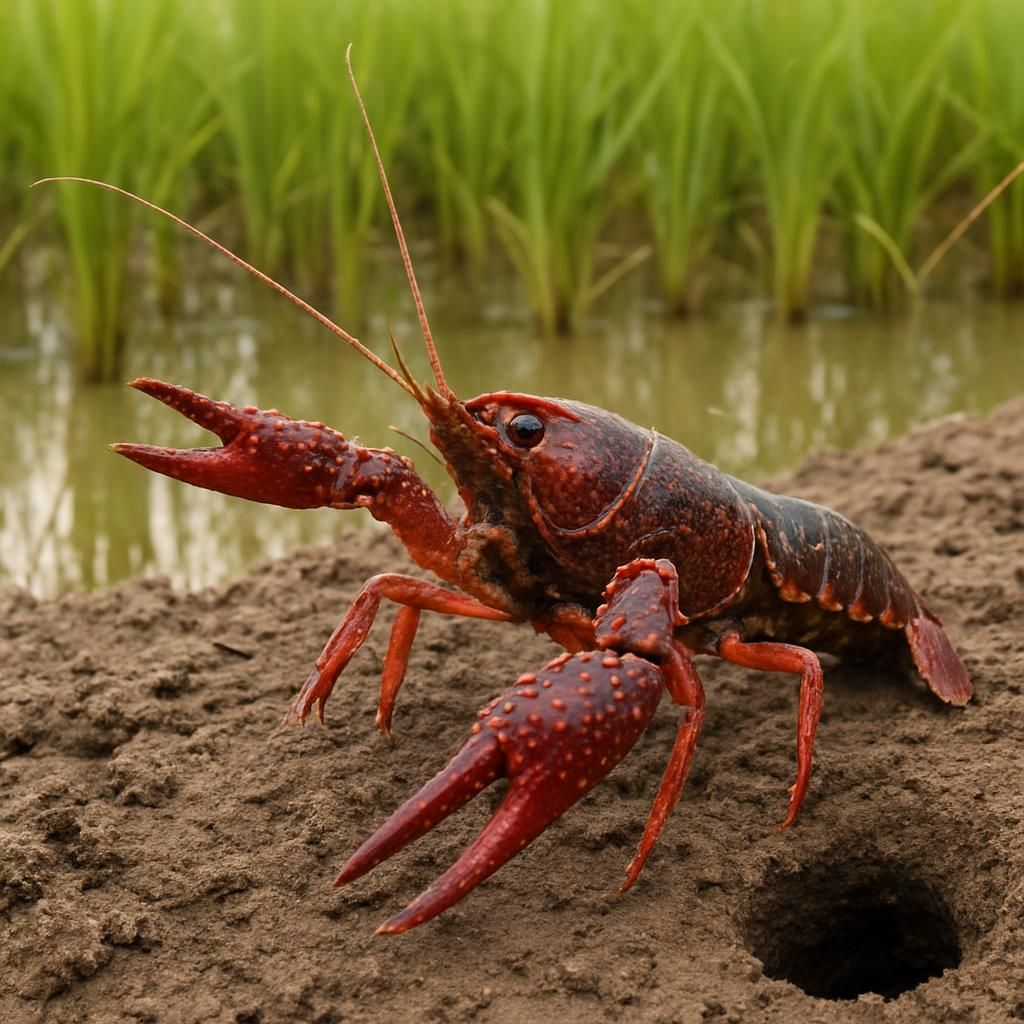
crayfish
Crayfish, also known as crawfish or crawdads, are freshwater crustaceans that can become serious agricultural pests in rice paddies and irrigated fields. They burrow into levees and banks, damage young plants, and disrupt water management systems. Effective monitoring and integrated management are essential for protecting yields in affected regions.
View Profile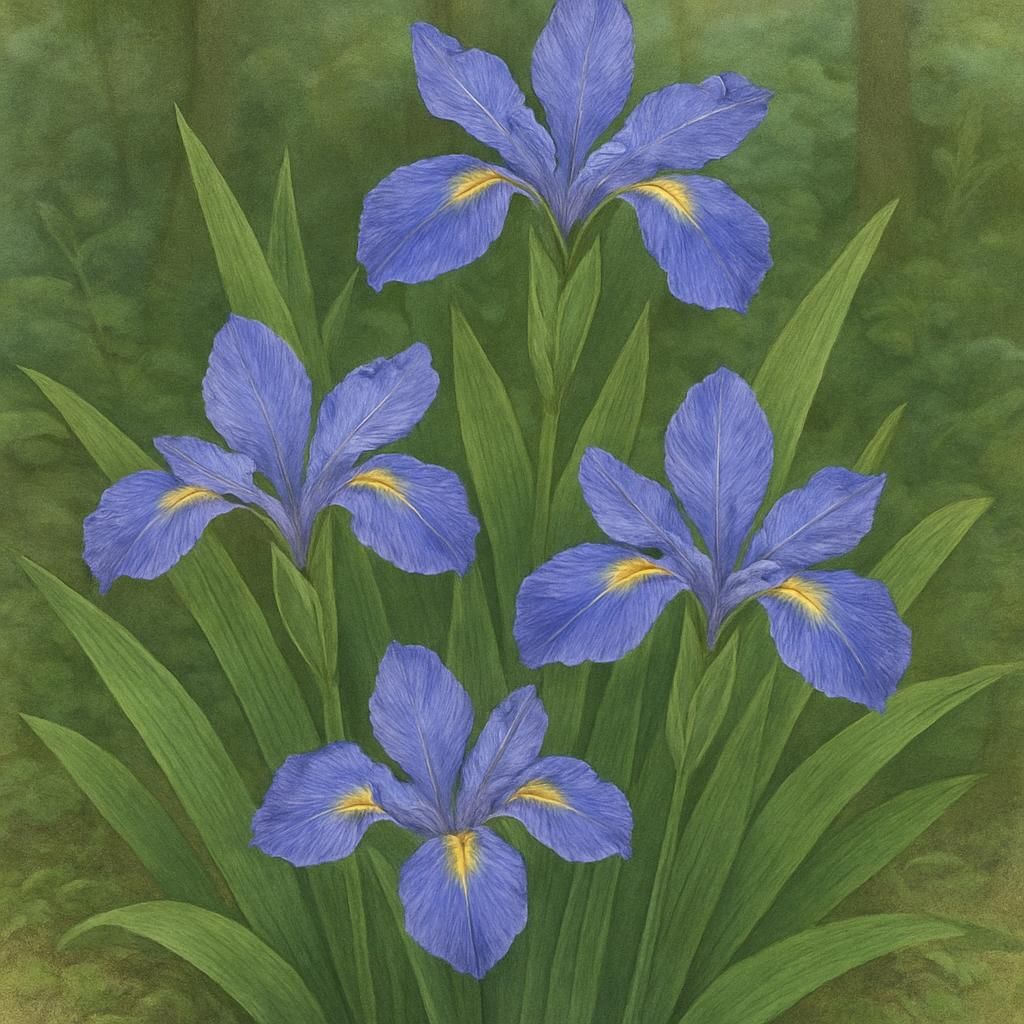
crested iris
Crested iris (Iris cristata) is a compact, rhizomatous perennial prized for its early-spring lavender-blue blooms and adaptability to woodland and shaded garden settings. It thrives in rich, well-drained acidic soils and serves as an effective low-growing groundcover in temperate landscapes. With proper site preparation and organic care, it reliably returns each year with minimal maintenance.
View Guide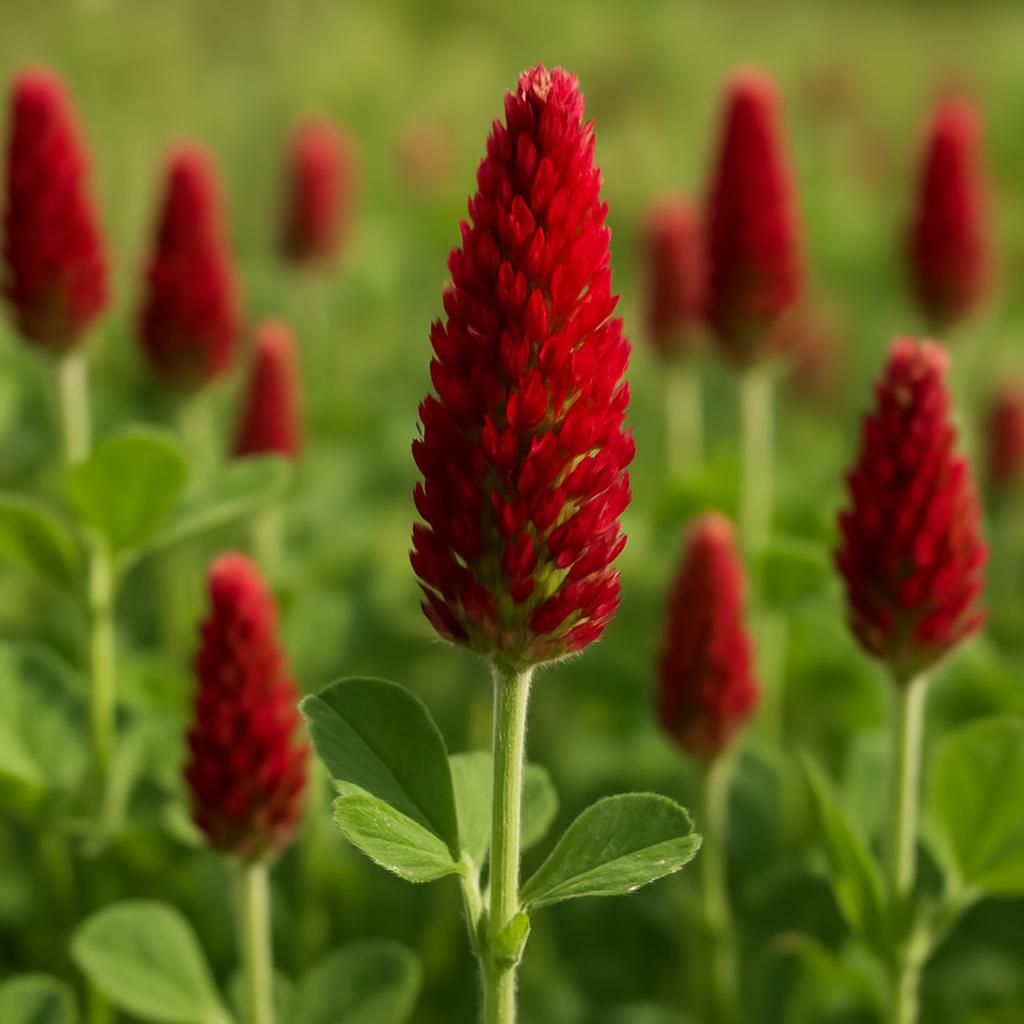
crimson clover
Crimson clover is a fast-growing, winter annual legume prized by farmers and gardeners as a cover crop, forage, and pollinator plant. It fixes atmospheric nitrogen, improves soil structure, and produces striking crimson flower spikes in spring. Its versatility makes it valuable in rotations, orchards, and vegetable systems across temperate regions.
View Guide
Crimson Seedless Grapes
Crimson Seedless Grapes are a late-season red table grape valued for their crisp texture, seedless berries, strong storage life, and excellent shipping quality. This cultivar performs best in warm, dry grape-growing regions where growers can carefully manage vine vigor, cluster exposure, irrigation, and harvest timing to develop full red color and balanced sweetness.
View Guide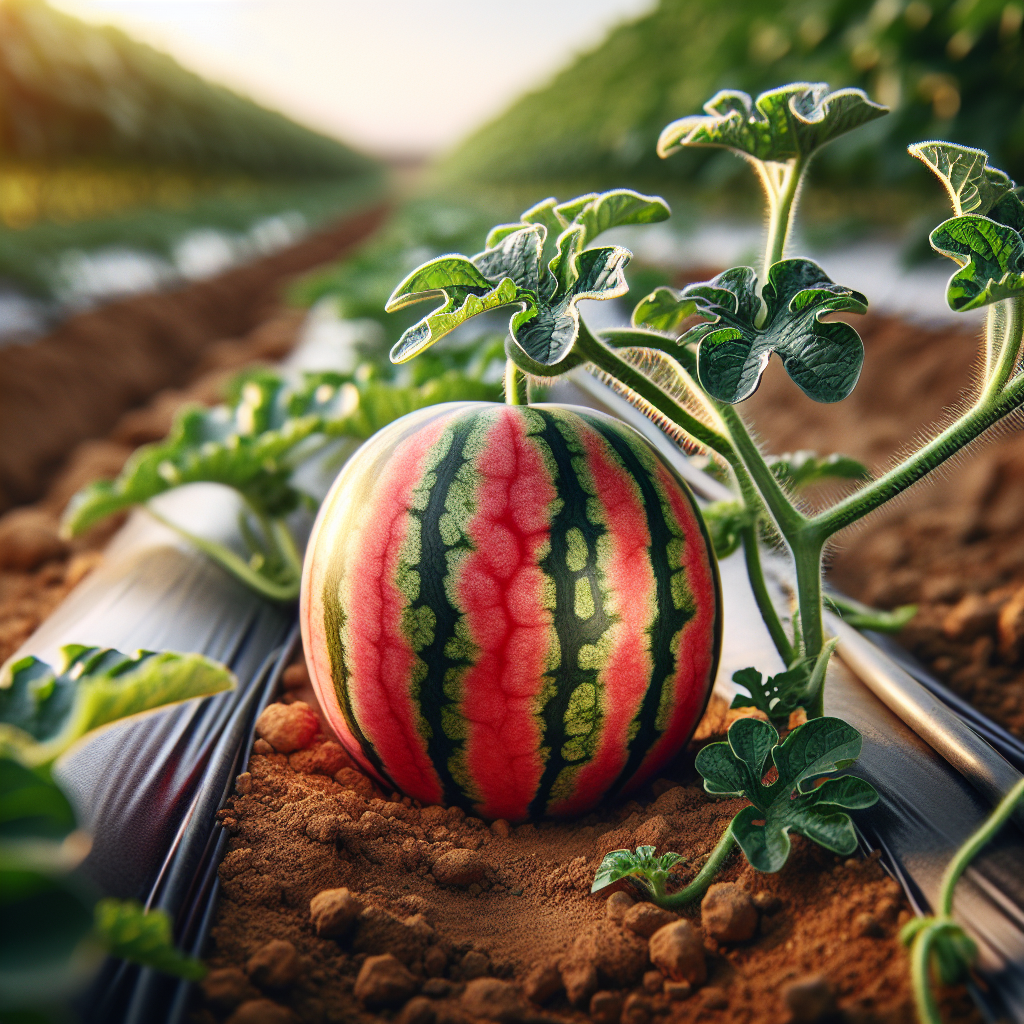
Crimson Sweet Watermelon
Crimson Sweet Watermelon is a classic open-pollinated watermelon variety prized for its large round fruits, deep red flesh, striped rind, and reliable sweetness. It performs best in long, warm growing seasons with fertile, well-drained soil, consistent moisture during vine growth, and drier conditions as fruit nears maturity.
View Guide
Criollo Cacao
Criollo cacao is the rarest and most prized commercial group of cacao, valued for exceptionally fine flavor, low bitterness, and complex aromatic notes. It is also one of the most delicate to grow, requiring stable tropical conditions, careful shade management, rigorous disease prevention, and precise post-harvest handling to realize its premium quality potential.
View Guide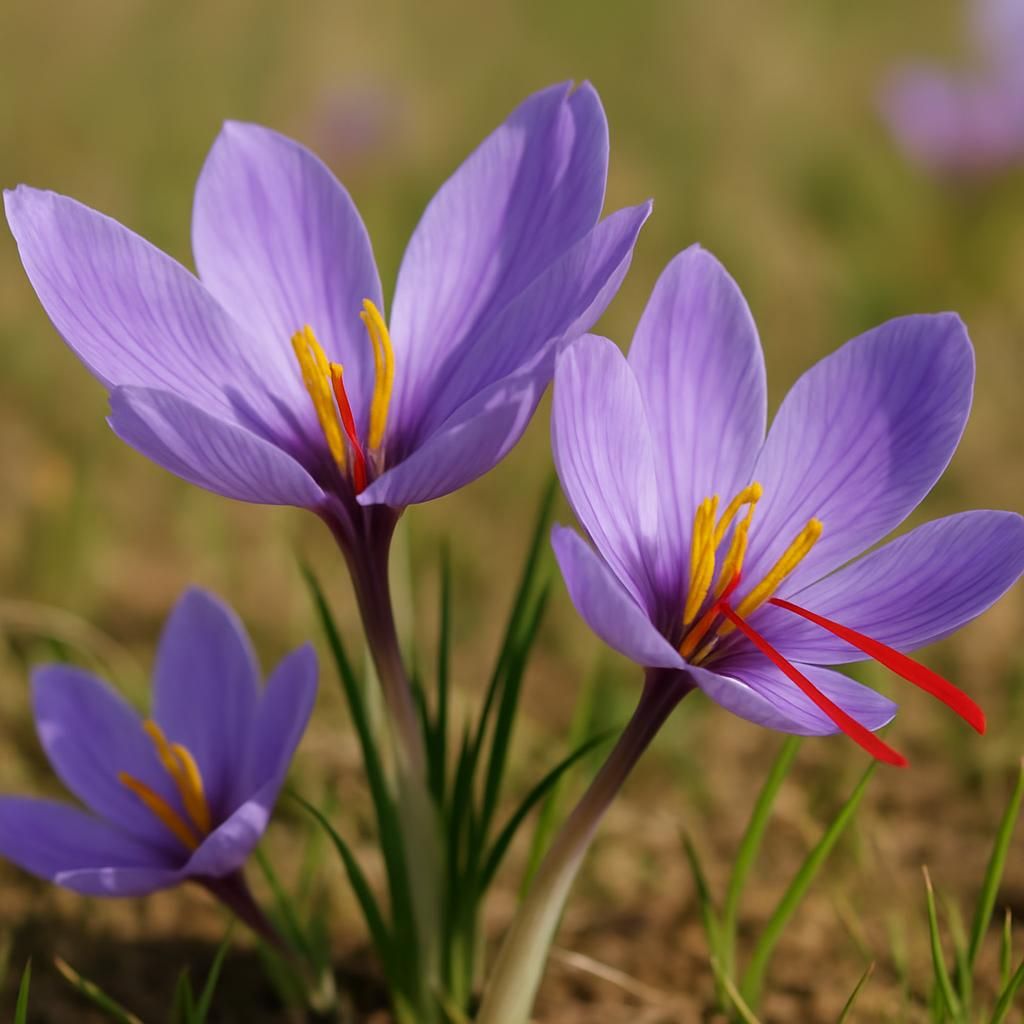
Crocus
Crocus sativus, commonly known as saffron crocus, is a fall-flowering perennial corm prized for producing the world's most expensive spice. This comprehensive guide covers soil preparation, climate needs, planting timelines, organic care, and harvesting techniques for commercial and home growers alike.
View Guide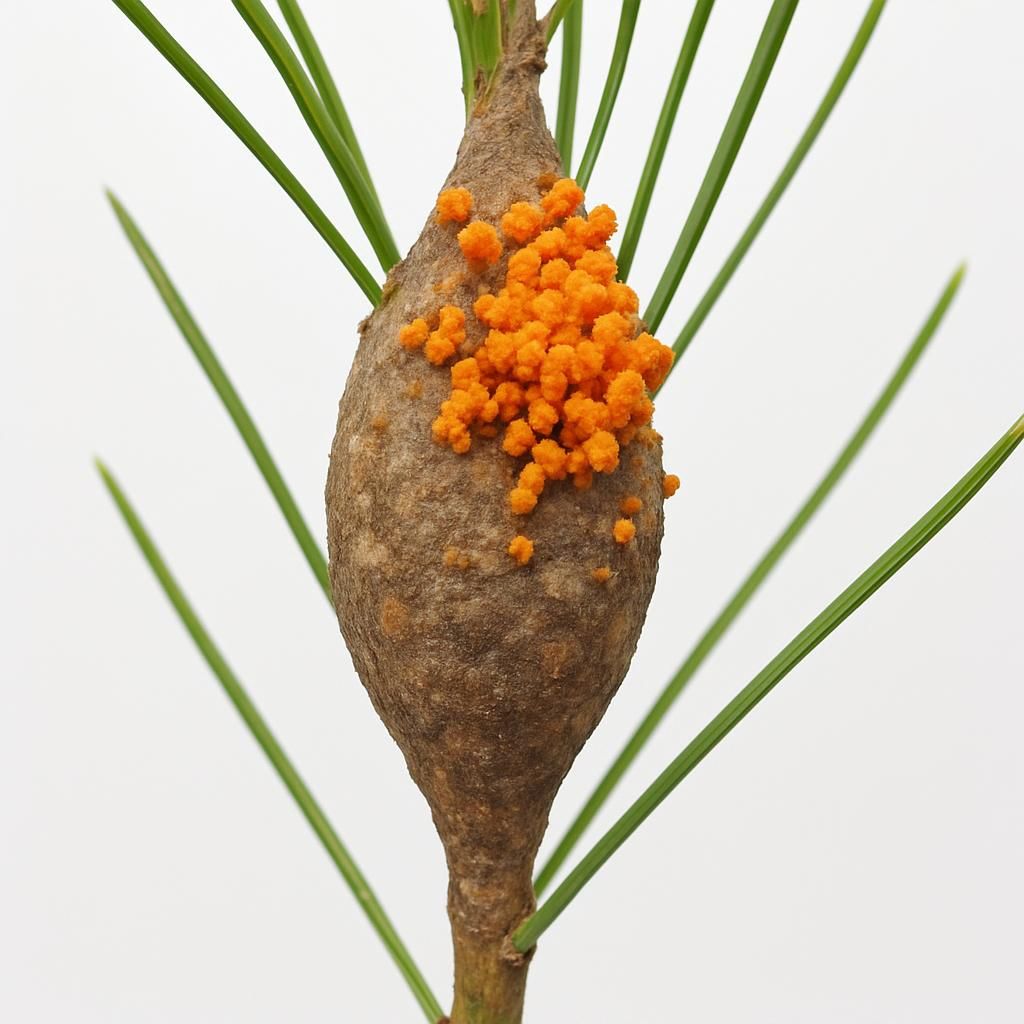
Cronartium quercuum f. sp. fusiforme
Cronartium quercuum f. sp. fusiforme is a heteroecious rust fungus causing fusiform rust, a devastating disease of southern pines and oaks. It alternates between pine stems and oak leaves, forming galls and producing spores that can rapidly spread under favorable conditions. Effective management requires integrated cultural, chemical, and genetic strategies.
View Profile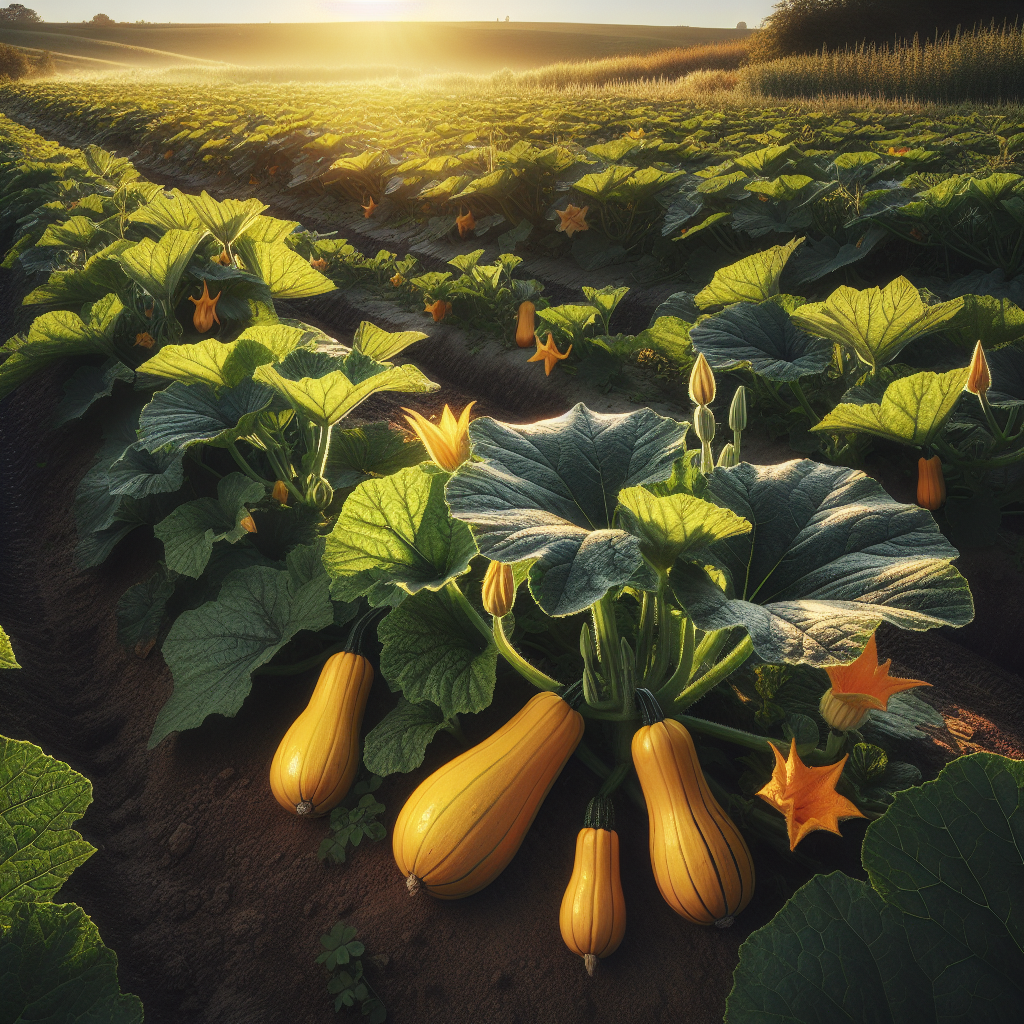
Crookneck Squash
Crookneck squash is a classic summer squash prized for its curved neck, bright yellow skin, tender flesh, and heavy early-season productivity. It grows rapidly in warm weather, rewards fertile soil and steady moisture, and is best harvested young for peak texture, flavor, and continuous yield.
View Guide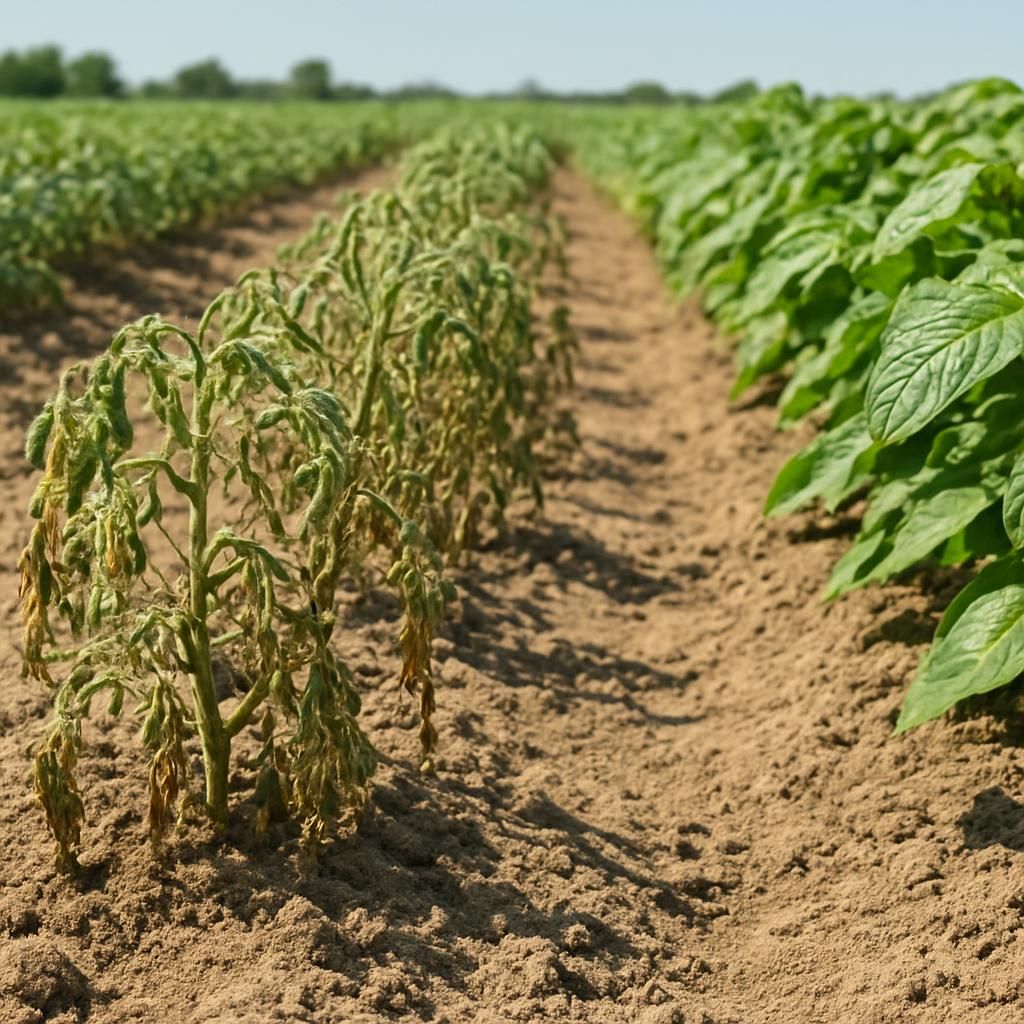
Crop Rotation
Crop Rotation is a cultural practice that mimics a persistent soil-borne syndrome, leading to nutrient depletion, pathogen buildup, and declining yields when the same crops are planted repeatedly without interruption. Effective diagnosis and management require recognizing early yield decline signals and implementing structured multi-year planting sequences.
View Profile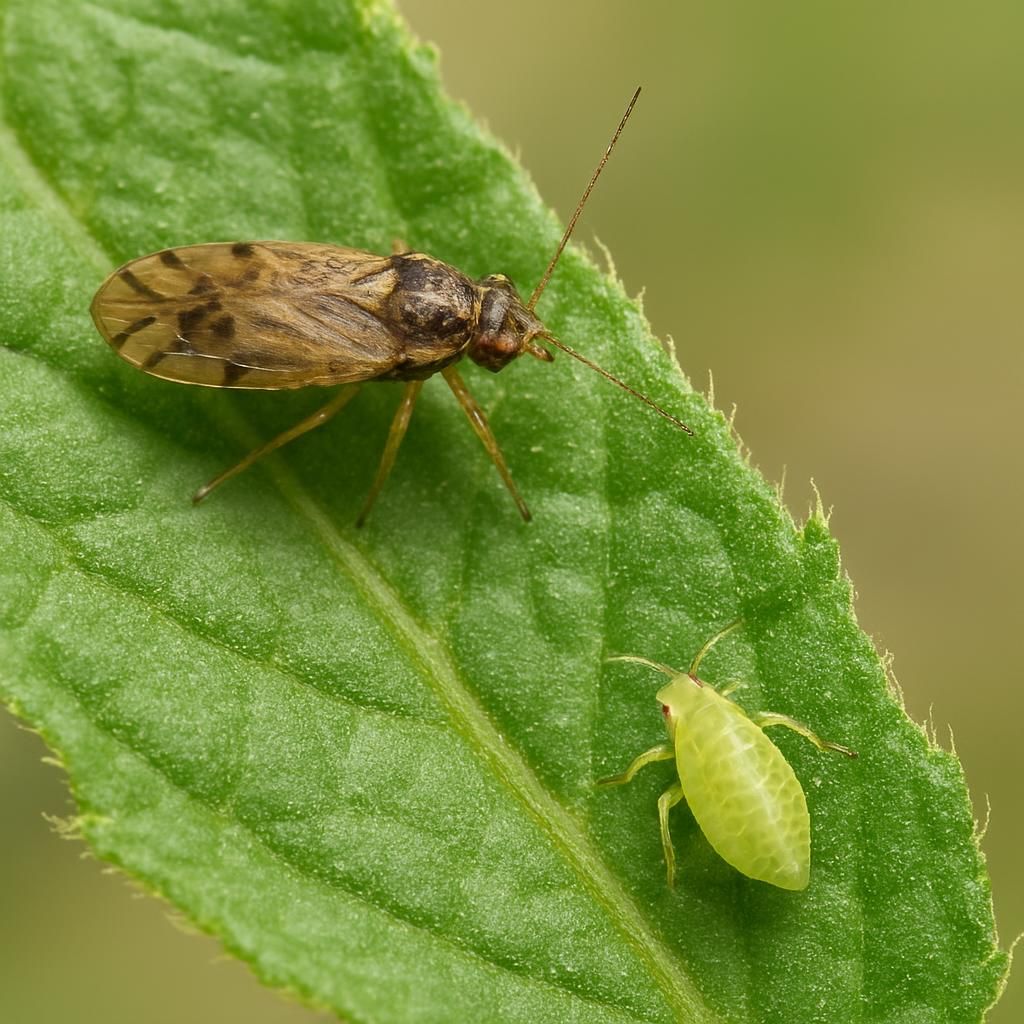
crops
Crops is a polyphagous agricultural pest that infests a wide range of field and horticultural plants, causing direct feeding damage and transmitting plant pathogens. Effective management requires integrated cultural, biological, and targeted organic controls combined with vigilant monitoring.
View Profile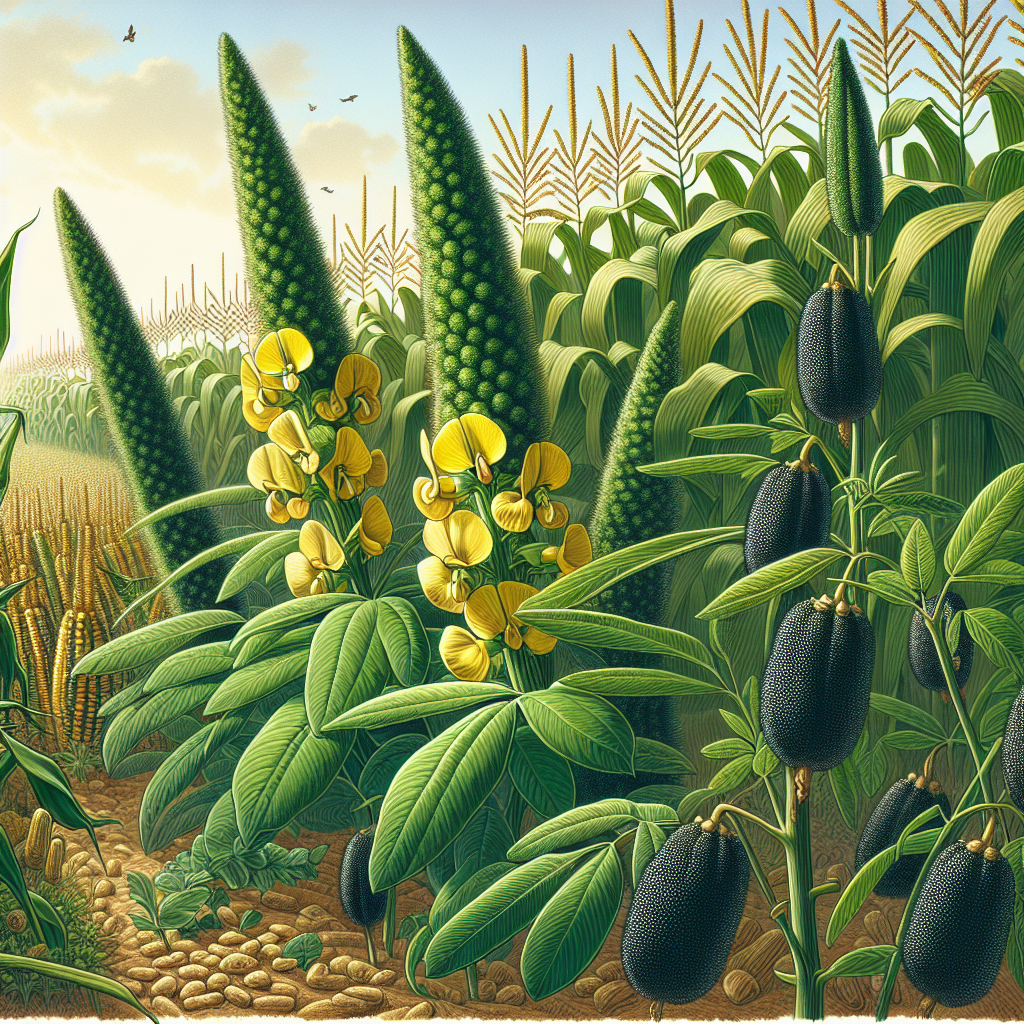
Crotalaria
Crotalaria, commonly known as rattlepod or rattlebox, is a highly invasive tropical legume weed that aggressively competes with crops for resources, releasing toxic pyrrolizidine alkaloids that can poison livestock and contaminate harvests. This guide provides definitive diagnostic criteria, lifecycle insights, organic management strategies, and prevention tactics to safeguard agricultural productivity. Farmers facing yield losses from this pernicious invader will find professional-grade solutions here.
View Guide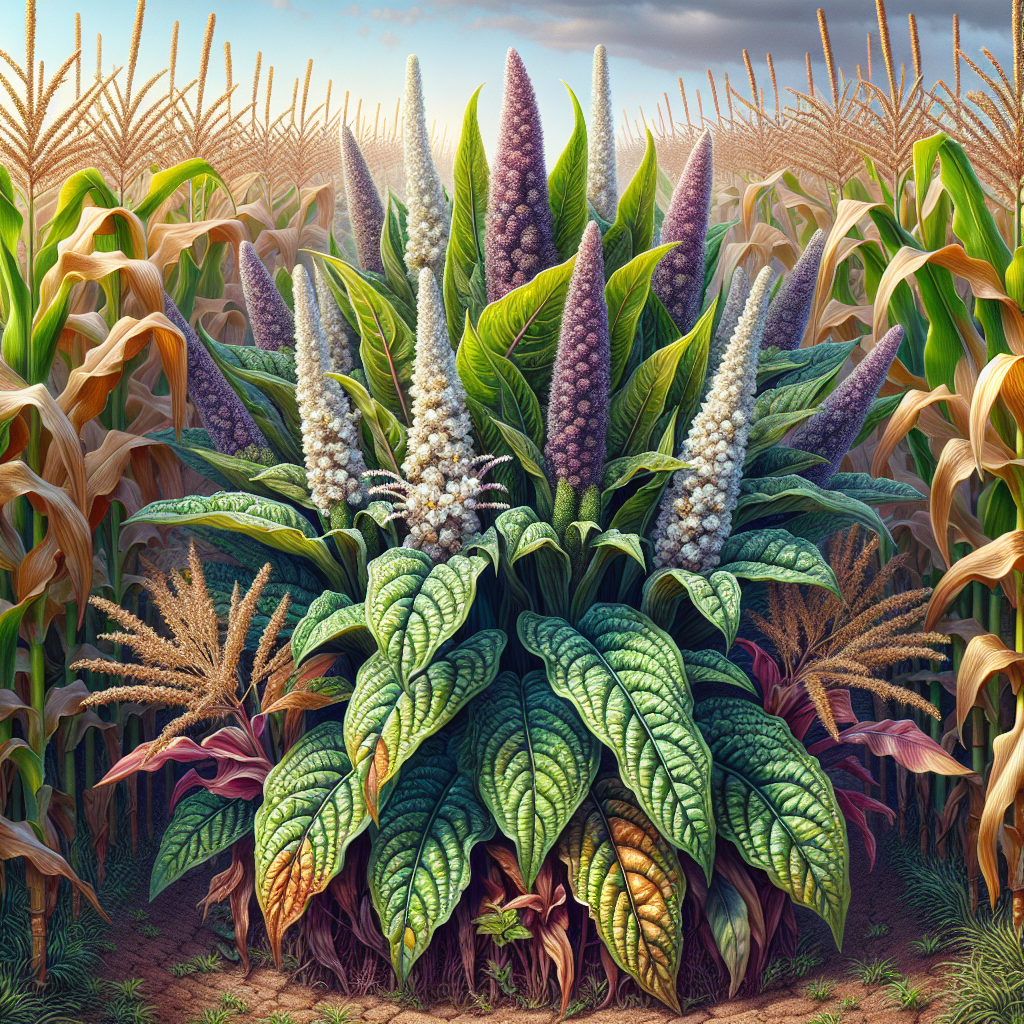
Croton
Croton is a highly invasive annual broadleaf weed notorious for rapidly colonizing agricultural fields, orchards, and vegetable gardens across tropical and subtropical regions. Its prolific seed production and allelopathic properties enable it to outcompete crops, reducing yields by up to 50% in heavily infested areas. Effective management requires integrated strategies combining prevention, organic mulching, and targeted organic herbicides.
View Guide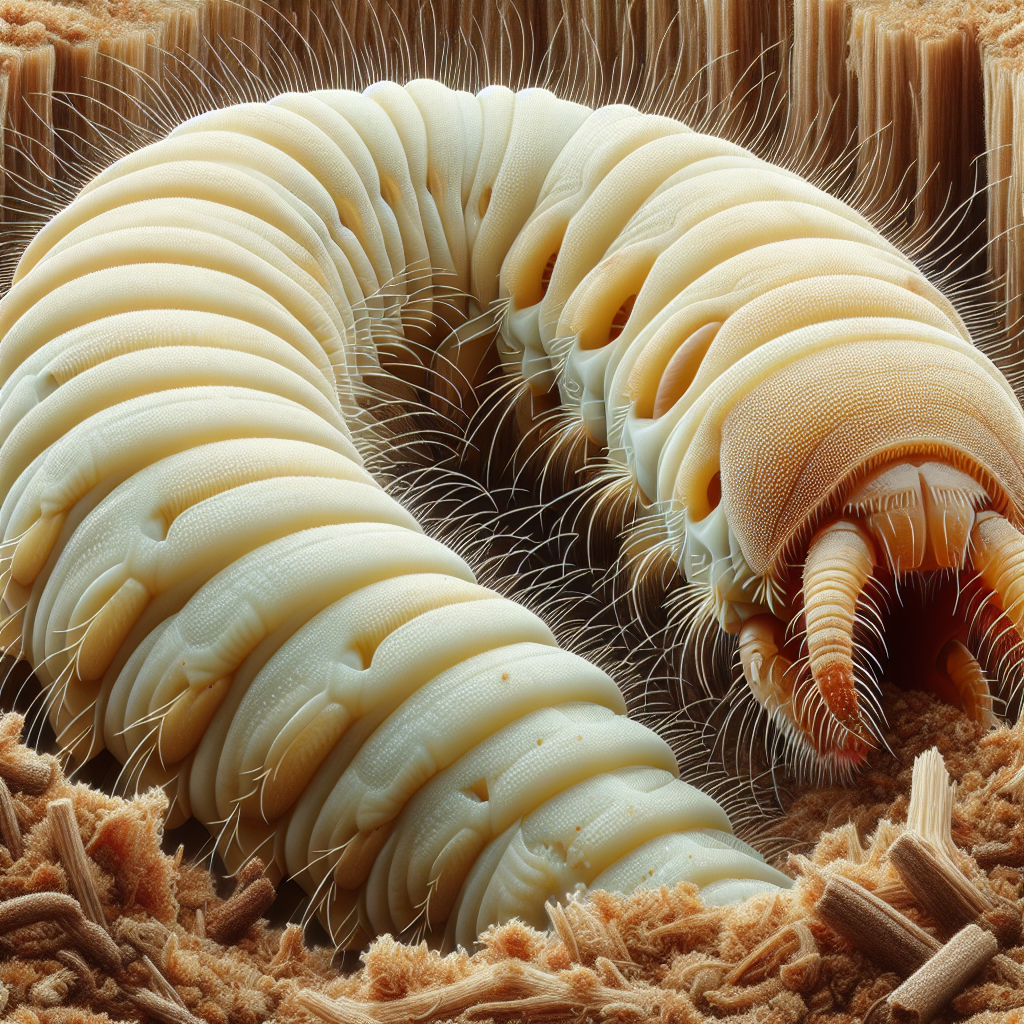
Crown borer
Crown borer (Synanthedon hector) is a destructive pest targeting the crown and roots of fruit trees and perennial crops, causing girdling damage that leads to rapid plant decline and death. This clearwing moth larva burrows into the base of stems, disrupting nutrient flow and inviting secondary infections. Effective management combines vigilant monitoring, organic treatments, and cultural practices to protect high-value crops like avocados and stone fruits.
View Profile
Crown gall
Crown gall represents a unique pathological growth on plants, primarily induced by the soil bacterium Agrobacterium tumefaciens, forming tumor-like galls at the crown or roots. While not a traditional crop, it serves as a model for studying plant pathology, genetic engineering via Agrobacterium-mediated transformation, and sustainable disease management in agriculture. This guide provides practical insights for researchers, educators, and farmers on propagating, maintaining, and utilizing crown gall in controlled settings for educational and scientific purposes.
View Profile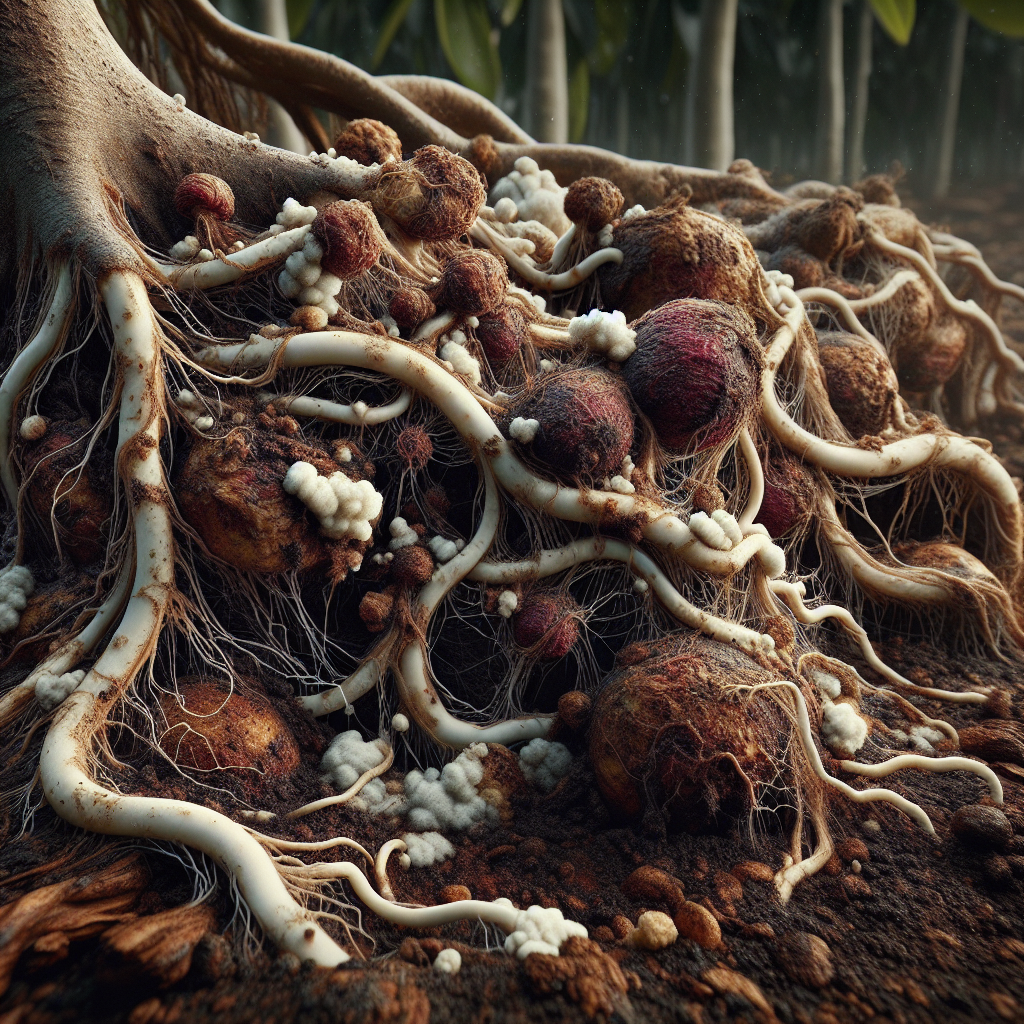
Crown or root rots
Crown and root rots are devastating soilborne fungal and oomycete diseases that attack the base of plants, causing wilting, root decay, and plant death. Commonly triggered by overwatering and poor drainage, they affect a wide range of crops from vegetables to ornamentals. Early detection and cultural management are key to preventing widespread losses.
View Profile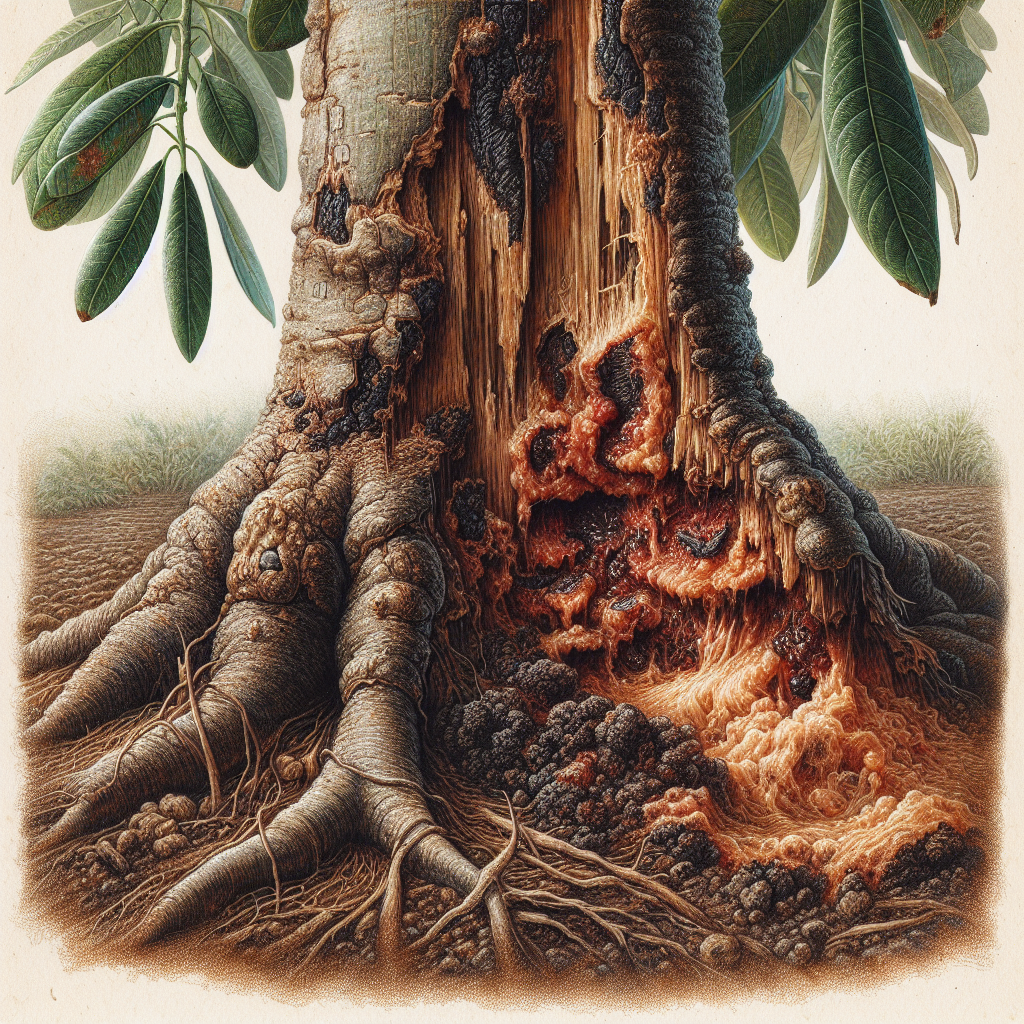
Crown rot
Crown rot is a devastating soilborne fungal disease that attacks the crown and lower stem of plants, leading to rapid wilting, discoloration, and plant death. Caused primarily by pathogens like Phytophthora, Fusarium, and Rhizoctonia, it thrives in poorly drained, waterlogged soils. Effective management relies on prevention through cultural practices, soil health improvement, and prompt removal of infected plants.
View Profile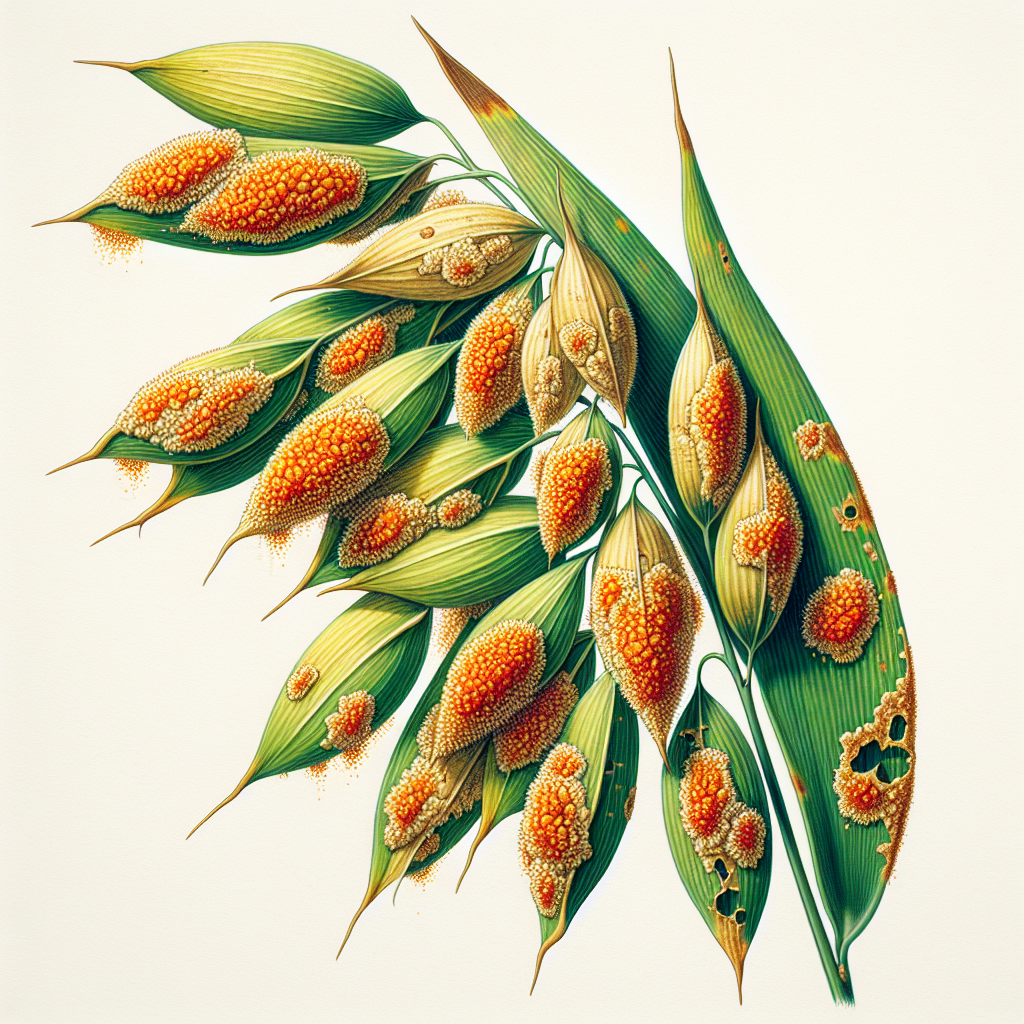
Crown rust
Crown rust is a devastating fungal disease primarily affecting oats and other grasses, characterized by distinctive orange pustules on leaves that reduce photosynthesis and yield. Caused by the obligate parasite Puccinia coronata, it thrives in cool, moist conditions and can lead to 10-50% yield losses in severe outbreaks. Effective management relies on resistant varieties, cultural practices, and timely fungicide applications.
View Profile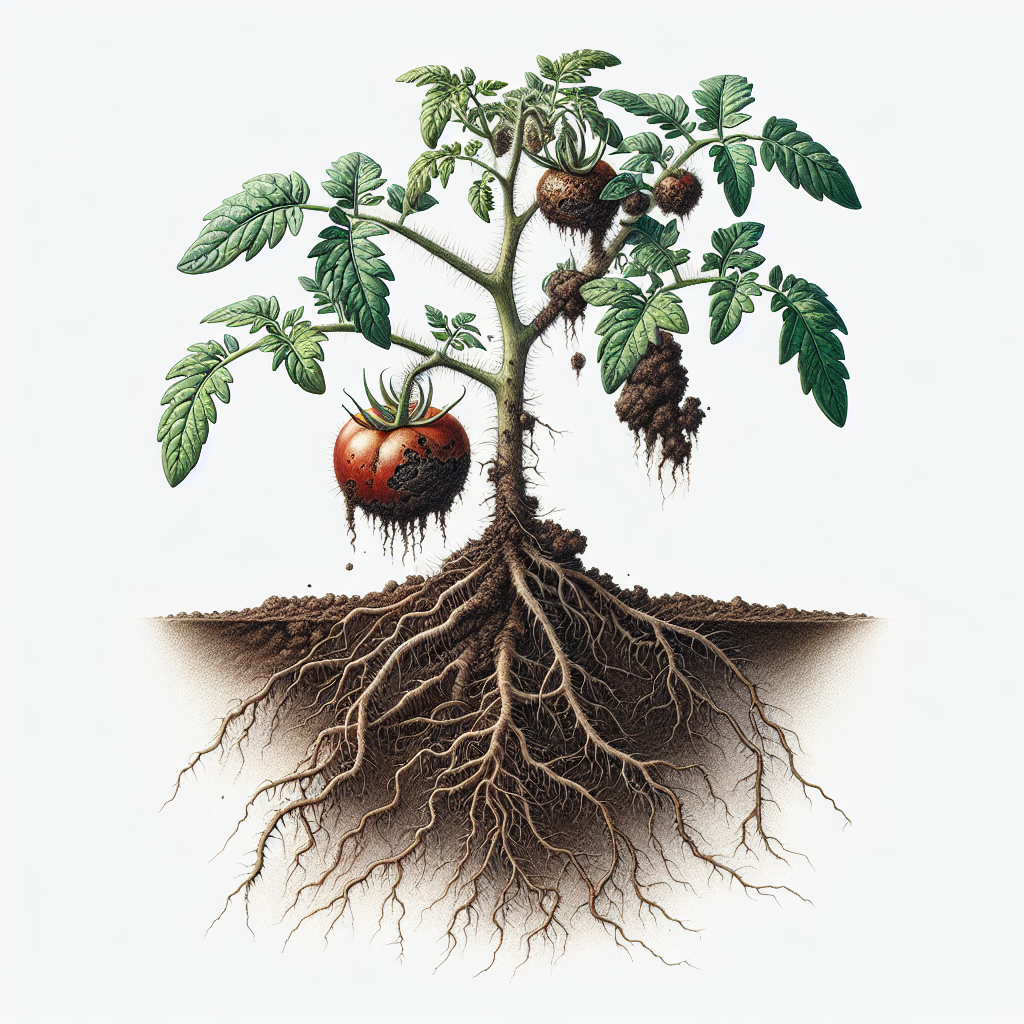
crown/root rots
Crown and root rots are devastating soilborne fungal and oomycete diseases that attack the base of plants, leading to wilting, decline, and death. Caused primarily by pathogens like Phytophthora, Pythium, Rhizoctonia, and Fusarium, they thrive in poorly drained, waterlogged soils. Effective management relies on prevention through cultural practices, soil health, and resistant varieties, with limited curative options once established.
View Profile