Introduction to Crop Rotation
Crop Rotation is a widespread agricultural issue characterized by progressive soil degradation, pathogen accumulation, and nutrient imbalances resulting from repeated planting of the same crop species or botanical family in the same field. When growers neglect to alternate crops, soil microbial communities become imbalanced, specific pests and diseases increase, and essential nutrients are depleted unevenly. This leads to stunted growth, reduced yields, and increased reliance on external inputs. Implementing structured rotation breaks these cycles and restores soil health over time. Professional management focuses on identifying host-specific issues early and using multi-year planting sequences to disrupt pathogen lifecycles and replenish soil fertility.
Identifying Symptoms & Damage
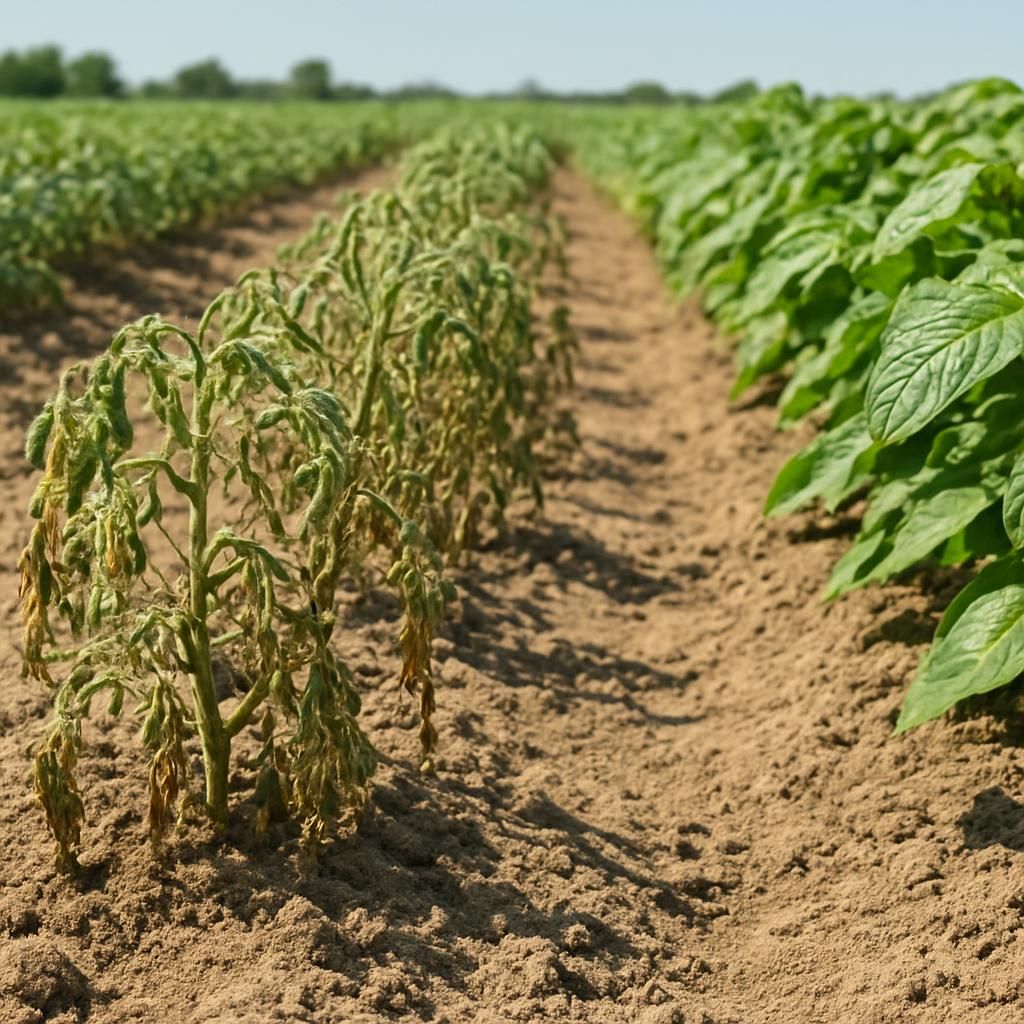
Symptoms of Crop Rotation issues appear gradually and include declining yields despite consistent inputs, increased incidence of soil-borne diseases such as Fusarium wilt, and visible nutrient deficiency patterns like chlorosis or stunting. Fields show uneven growth where previously productive areas begin to underperform. Root systems may exhibit discoloration, lesions, or reduced branching due to pathogen buildup or nematode pressure. Above-ground signs include wilting during moderate stress periods, smaller fruit size, and delayed maturity. Soil tests often reveal imbalanced pH, reduced organic matter, and depleted levels of key nutrients like nitrogen, phosphorus, or potassium.
Lifecycle and Progression of Crop Rotation
The progression of Crop Rotation problems follows distinct stages tied to continuous monoculture practices.
| Stage | Duration | Key Processes | Observable Effects |
|---|---|---|---|
| Initial | 1 season | Same crop planted consecutively; minor pathogen increase | Slight yield dip, early nutrient drawdown |
| Establishment | 2-3 seasons | Pathogen populations multiply; weed and pest specificity increases | Visible stunting, increased disease pressure |
| Intensification | 4-6 seasons | Soil structure declines; beneficial microbes decrease | Significant yield loss, root damage widespread |
| Chronic | 7+ seasons | Severe depletion and disease complexes form | Field abandonment risk, high input costs |
Environmental Triggers & Risk Factors
Several environmental and management factors accelerate Crop Rotation issues. Warm, moist soils favor pathogen survival between seasons, while compacted or poorly drained fields retain inoculum longer. Continuous monoculture of high-value crops like Tomato or Potato heightens risk. Low organic matter soils lack microbial diversity to suppress disease. Weather patterns with frequent heavy rains or drought stress exacerbate nutrient imbalances. Fields with history of the same botanical family (Solanaceae, Brassicaceae, Cucurbitaceae) face elevated risk. Poor record-keeping and lack of soil testing compound the problem by allowing unnoticed progression.
Organic Control & Treatment Plans
Organic management relies on planned rotation sequences, cover cropping, and soil amendments. The core strategy is to avoid planting the same family for at least 3-4 years while using diverse cover crops to rebuild soil biology.
| Treatment Option | Frequency | Application Method | Expected Benefit |
|---|---|---|---|
| 3-4 Year Rotation Cycle | Every planting season | Alternate botanical families (e.g., Solanaceae → Legumes → Brassicaceae → Cereals) | Breaks pathogen cycles, balances nutrients |
| Cover Crop Integration | 1-2 times per year | Sow rye, clover, or buckwheat in off-seasons | Improves organic matter, suppresses weeds and nematodes |
| Compost Application | Annually in spring/fall | Broadcast 2-4 inches well-aged compost | Restores microbial diversity and nutrient levels |
| Biofumigation with Mustard | Once per rotation cycle | Incorporate mustard cover crop before flowering | Reduces soil-borne fungal and nematode populations |
| Deep Rooted Crops | Every 3rd year | Include alfalfa or daikon radish | Breaks compaction, accesses deep nutrients |
Preventing Crop Rotation in the Future
Prevention centers on maintaining detailed field maps and rotation schedules. Record every planting by botanical family and track soil test results annually. Incorporate at least four distinct crop families over a multi-year plan. Use cover crops between cash crops to maintain living roots and soil structure. Test soil every 2-3 years and adjust amendments based on results. Diversify plantings with Wheat or Corn where feasible to dilute host-specific pressures. Monitor for early signs of yield decline and intervene immediately with rotation adjustments rather than increasing inputs.
Crops Most Affected by Crop Rotation
Crops most vulnerable include members of the Solanaceae family such as Tomato, Potato, Eggplant, and Bell Pepper. Cucurbits like Cucumber, Squash, and Zucchini suffer when planted repeatedly. Brassicas including Cabbage, Broccoli, and Cauliflower show rapid decline without rotation. Legumes such as Soybeans and Peas benefit from rotation but can still face issues if overplanted. Alliums like Onion and Garlic also require careful sequencing to avoid shared soil pathogens.