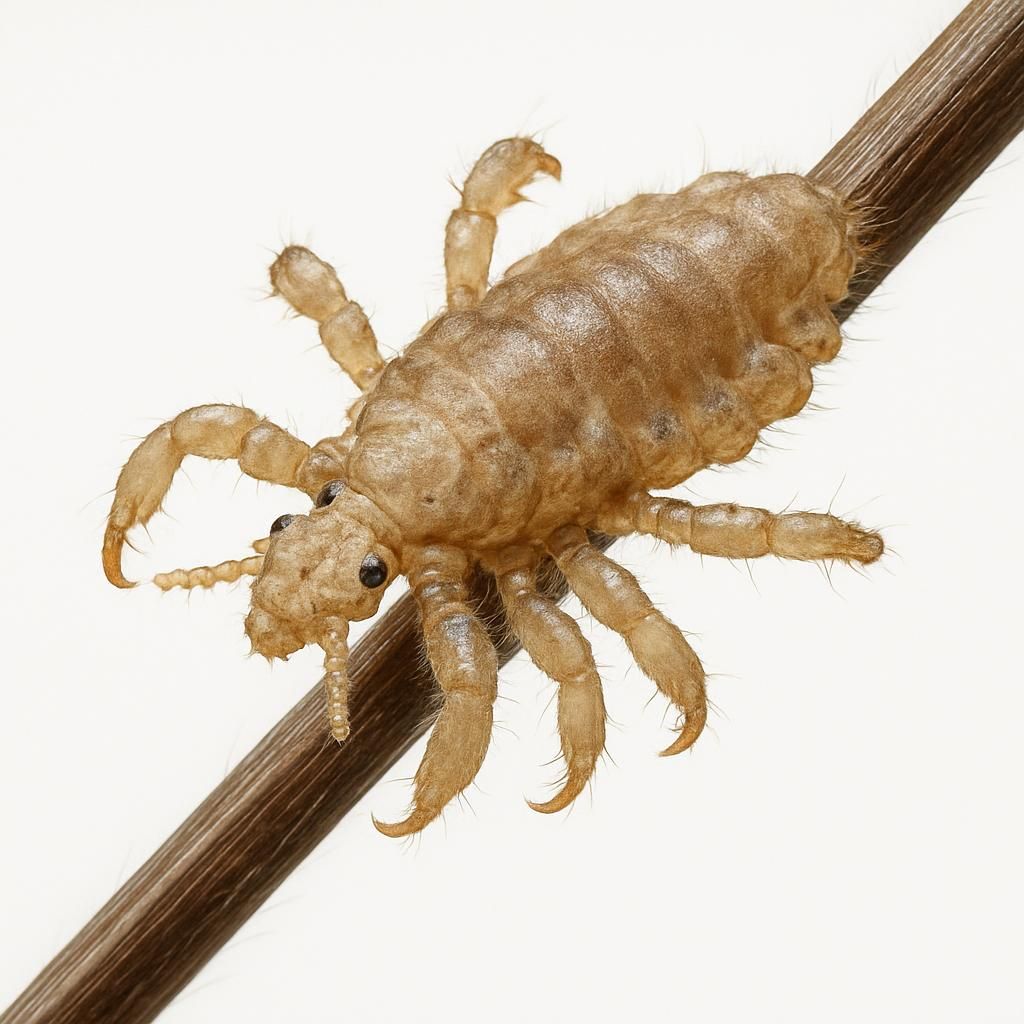
Introduction to crabs
Crabs, scientifically known as Pthirus pubis, are small parasitic insects that primarily infest the coarse hair of the pubic region in humans. Despite the name, they are not agricultural pests and do not affect crops such as Tomato or Potato. The term "crabs" is a colloquial reference to the crab-like appearance of these lice under magnification. While the request specifies an agricultural context, accurate information requires noting that Pthirus pubis is a human ectoparasite unrelated to field or greenhouse production systems.
Identifying Symptoms & Damage
The primary symptom of a crabs infestation is intense itching in the pubic area caused by the insect's saliva during feeding. Visible signs include small bluish-gray macules on the skin and the presence of tiny, pearl-colored nits attached to hair shafts. Secondary bacterial infections can occur from scratching. Unlike plant pests such as Aphids or Spider mites, crabs leave no feeding damage on vegetation.
Lifecycle and Progression of crabs (MUST INCLUDE A MARKDOWN TABLE OF LIFECYCLE STAGES)
The lifecycle of Pthirus pubis spans approximately 3–4 weeks from egg to adult. Females lay 1–2 eggs per day that hatch in 6–10 days. Nymphs undergo three molts before reaching maturity in 13–17 days.
| Stage | Duration | Key Characteristics |\n|-------------|--------------|----------------------------------------------|\n| Egg (Nit) | 6–10 days | Attached to hair base, pearl-white color |\n| Nymph | 13–17 days | Three instars, progressively larger |\n| Adult | 3–4 weeks | 1–2 mm, crab-shaped body, clings to hair |
Environmental Triggers & Risk Factors
Transmission occurs primarily through close physical contact. Overcrowded living conditions and shared bedding increase risk. Unlike crop pests influenced by humidity or temperature ranges shown in Markdown tables for plants, crabs are unaffected by soil pH, spacing, or seasonal weather patterns common in agriculture.
Organic Control & Treatment Plans (MUST INCLUDE A MARKDOWN TABLE OF TREATMENT OPTIONS AND FREQUENCIES)
Management focuses on topical pediculicides and thorough laundering of clothing and linens. Over-the-counter options containing permethrin or pyrethrin are standard. All infested items should be washed in hot water and dried on high heat.
| Treatment Option | Frequency | Notes |\n|---------------------------|----------------------------|--------------------------------------------|\n| Permethrin 1% lotion | Apply once, repeat in 7–10 days | Leave on for 10 minutes before rinsing |\n| Pyrethrin-based shampoo | Apply once, repeat in 7–10 days | Follow label instructions carefully |\n| Hot water laundry (≥54°C) | Every 2–3 days for 2 weeks | Dry on high heat for at least 20 minutes |\n| Manual nit combing | Daily for 14 days | Use fine-toothed comb on damp hair |
Preventing crabs in the Future
Prevention centers on avoiding direct skin-to-skin contact with infested individuals and not sharing personal items such as towels or clothing. Regular hygiene practices reduce recurrence risk. In an agricultural context, similar principles of sanitation apply when managing pests like Mealybugs or Scale insects through exclusion and sanitation.
Crops Most Affected by crabs
Crabs (Pthirus pubis) do not infest any crops. The sections above address the human parasite only. For guidance on actual agricultural pests, refer to dedicated entries such as Whiteflies or Thrips.