Encyclopedia
Definitive guides for crops, pests, and agricultural diseases.
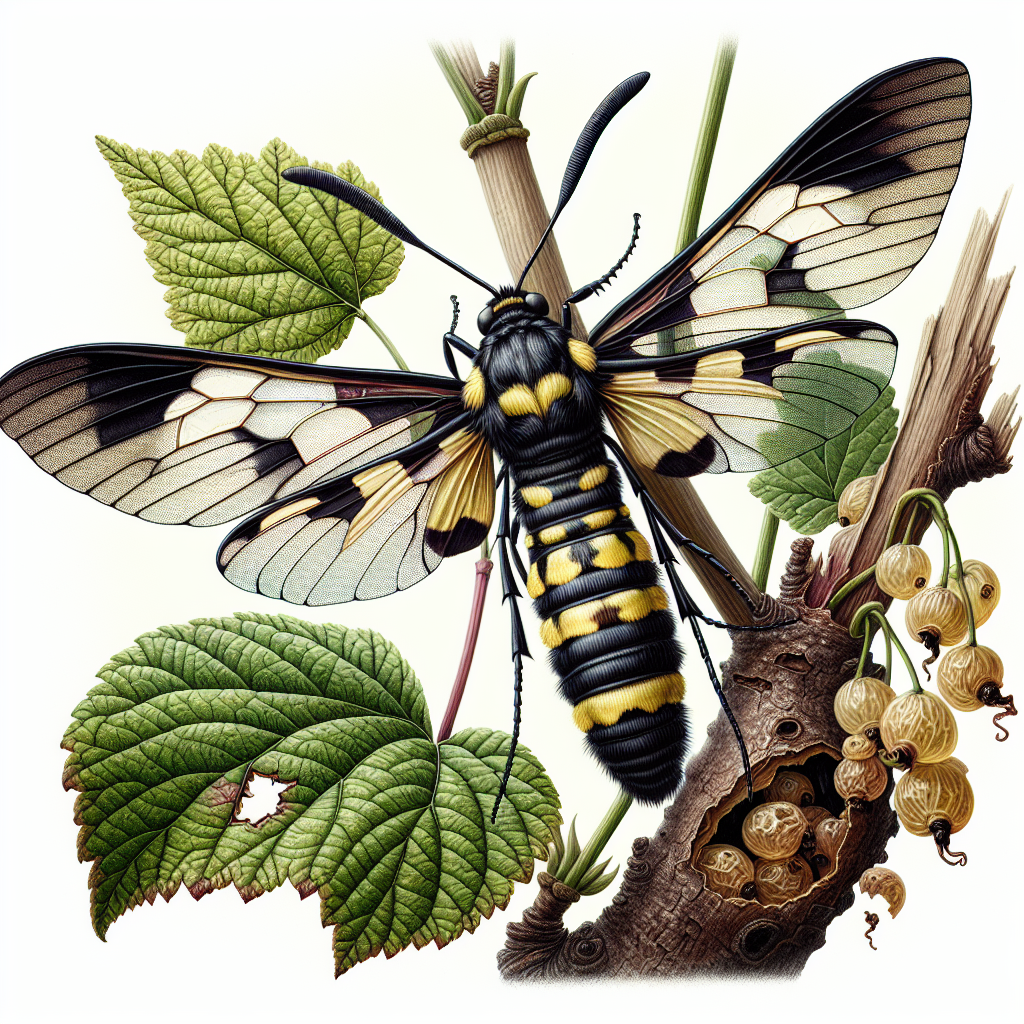
Currant clearwing borer
The currant clearwing borer (Synanthedon tipuliformis) is a destructive moth whose larvae bore into the stems and canes of currant bushes, causing wilting, dieback, and significant yield losses. This guide provides comprehensive diagnostics, lifecycle details, organic management strategies, and prevention tips for growers facing this pest. Early detection and integrated organic controls can effectively protect red currant, black currant, and related crops from severe damage.
View Profile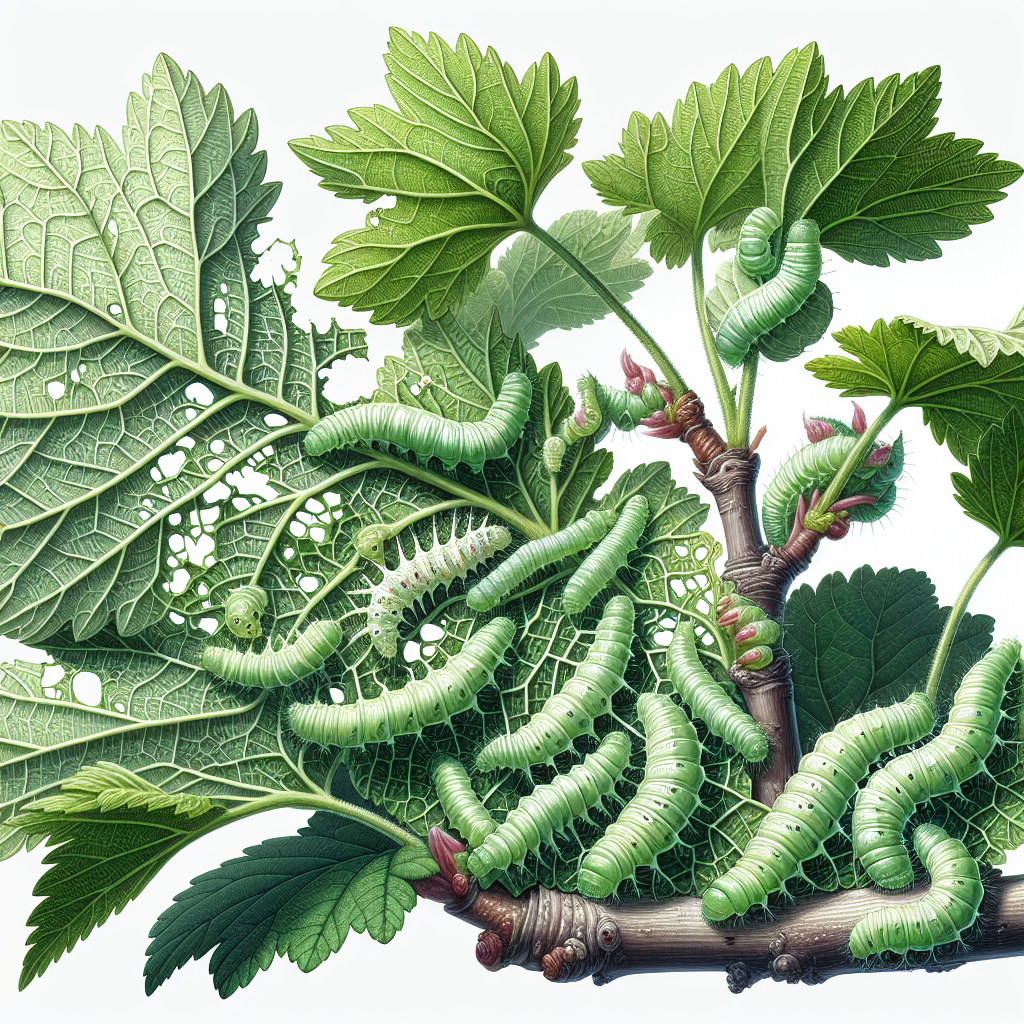
Currant Sawfly
The Currant Sawfly (Nematus ribesii) is a destructive pest targeting currant and gooseberry bushes, with larvae capable of defoliating plants rapidly. Early detection of skeletonized leaves and green caterpillars is crucial for effective management. This guide provides comprehensive organic control strategies, lifecycle insights, and prevention tips for sustainable berry production.
View Profile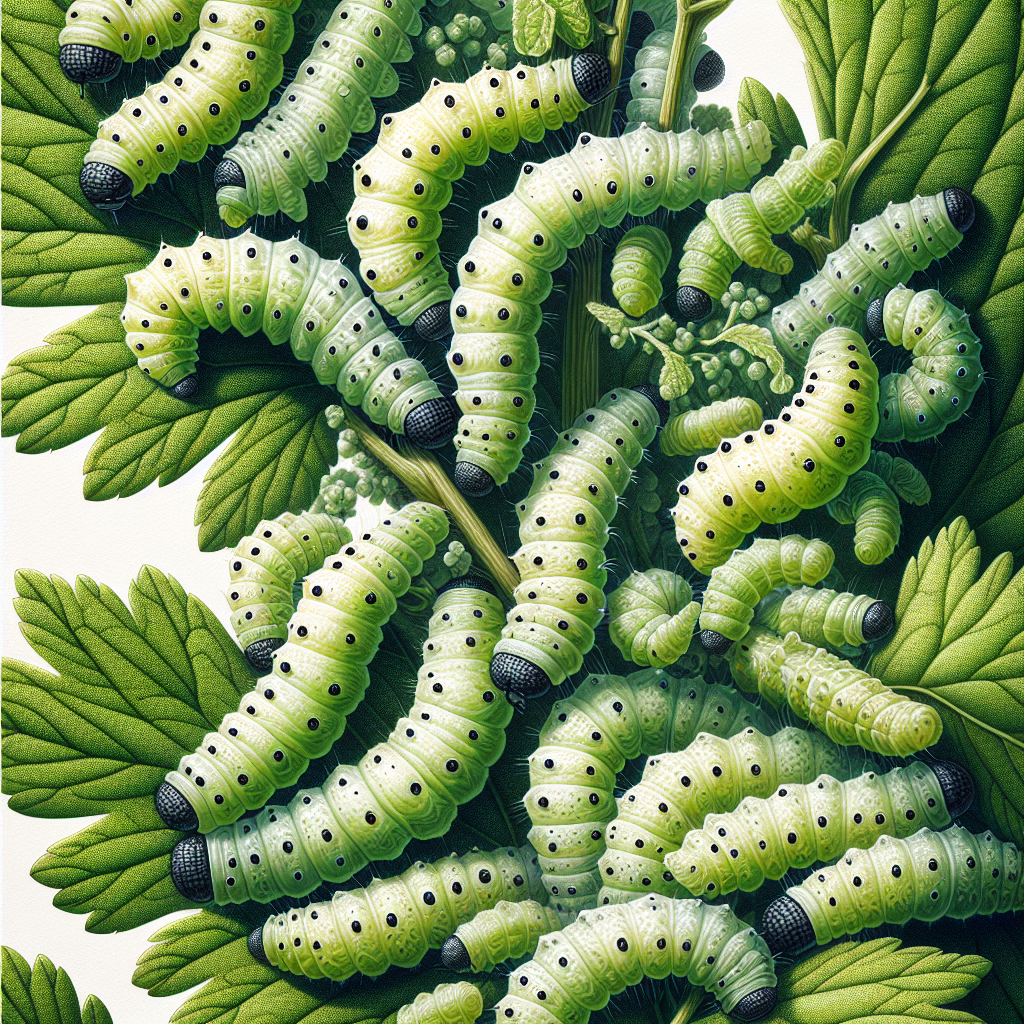
Currant sawfly larvae
Currant sawfly larvae are voracious defoliators of currant and gooseberry bushes, capable of stripping plants bare in days during multiple generations per season. This guide provides definitive identification, lifecycle insights, organic management strategies, and prevention tactics for gardeners and farmers. Early detection and integrated organic controls can protect yields effectively.
View Profile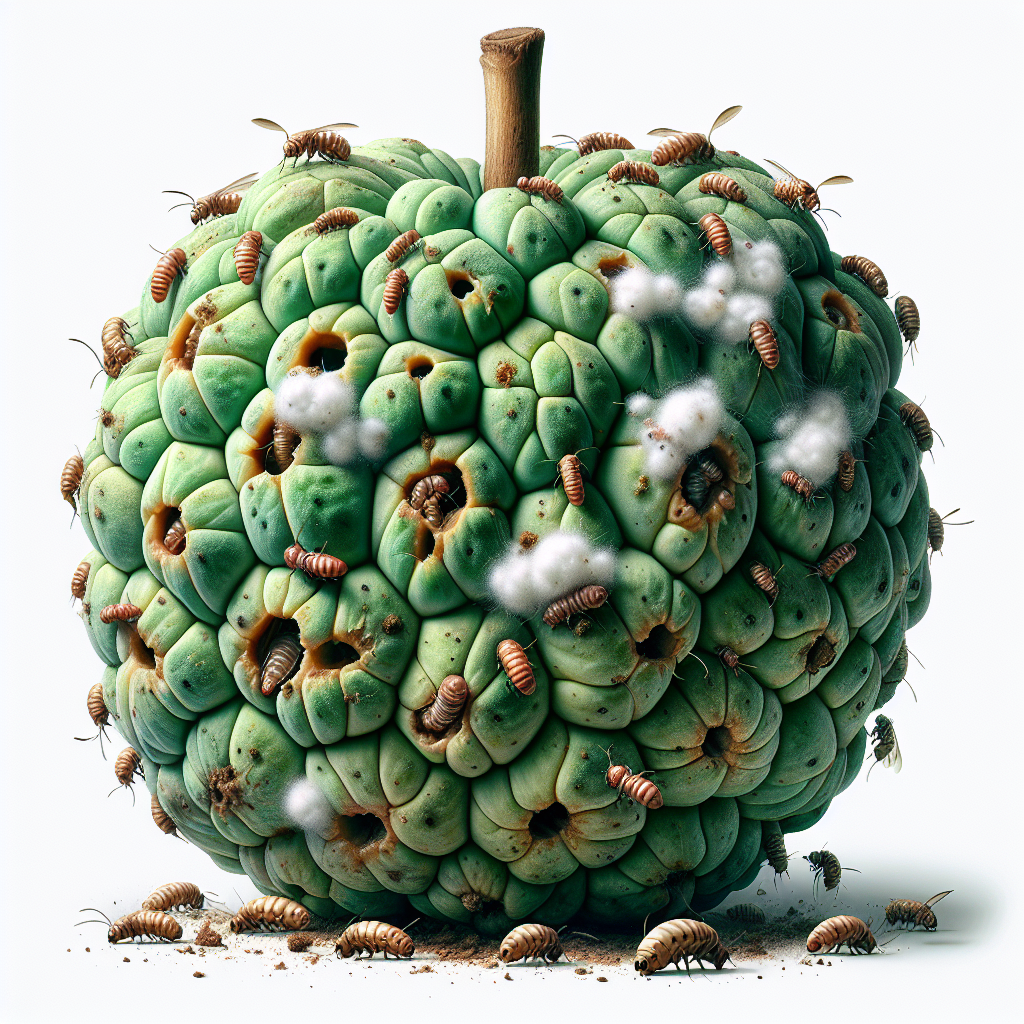
Custard Apple
Custard apple (Annona reticulata) is a tropical fruit tree prone to devastating pest infestations that cause significant yield losses, including fruit borers, mealybugs, and scale insects. This guide provides definitive diagnostic symptoms, lifecycle details, organic management strategies, and prevention tactics for farmers growing custard apple and related crops. Master identification and control to protect your harvest from these pervasive threats.
View Guide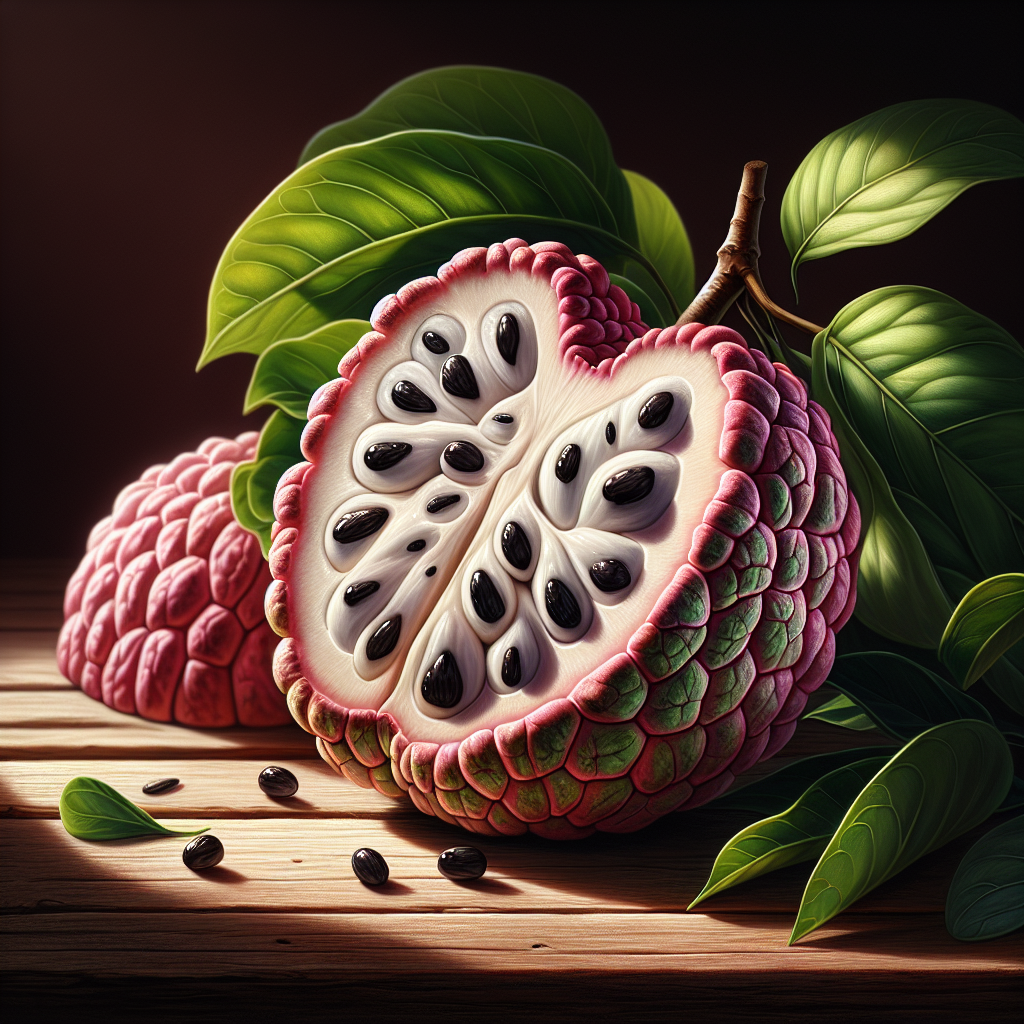
Custard Apple (Pink's Mammoth)
Pink's Mammoth custard apple is a superior cultivar of Annona reticulata renowned for its massive, heart-shaped fruits weighing up to 5 pounds, creamy sweet flesh, and robust disease resistance. This tropical tree thrives in subtropical climates, producing high yields of premium-quality fruit ideal for fresh eating, desserts, and value-added products. Growers prize its vigorous growth and adaptability for both commercial orchards and home gardens.
View Guide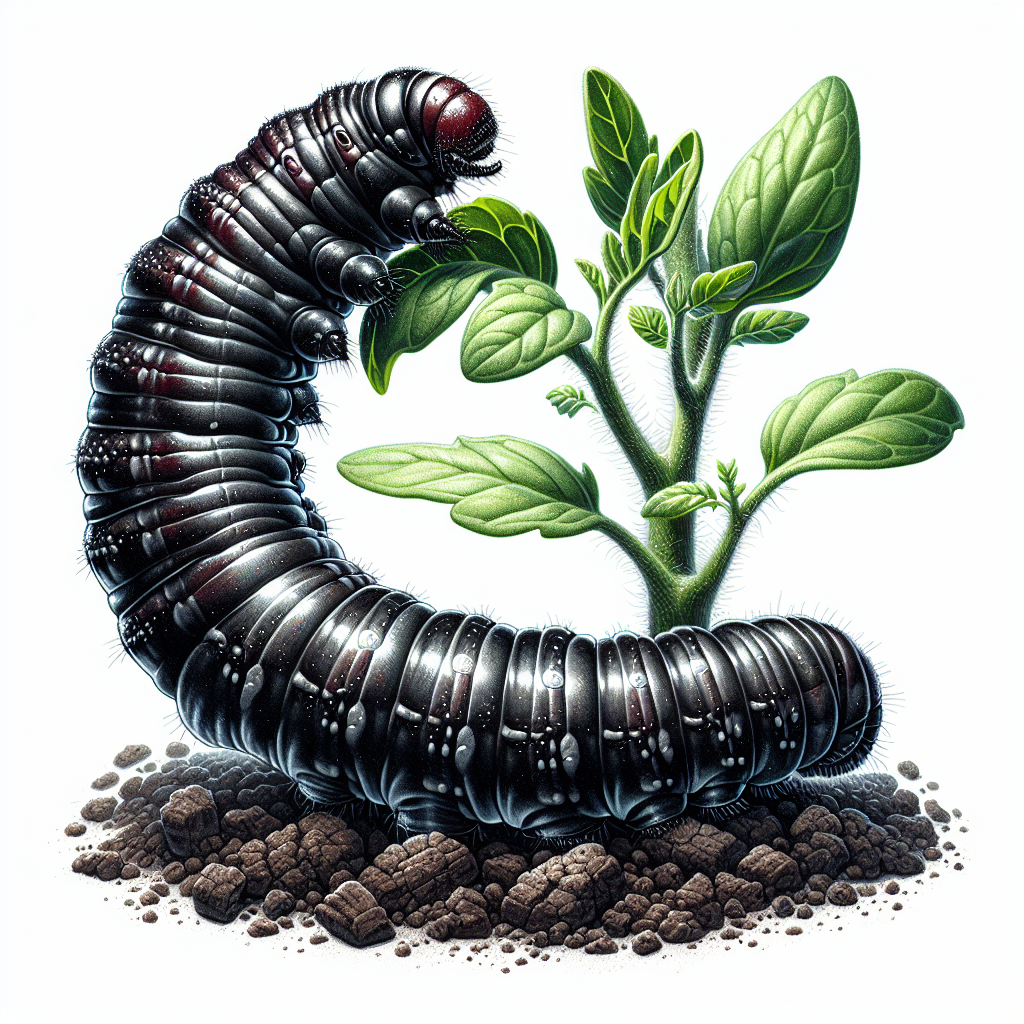
cutworms
Cutworms are notorious soil-dwelling moth larvae that sever young plant stems at ground level, causing devastating stand losses in vegetable and field crops. This guide provides definitive diagnostics, lifecycle insights, organic management strategies, and prevention tactics for farmers battling these nocturnal pests. Protect your [tomato](/wiki/tomato) and [corn](/wiki/corn) crops with proven, professional-grade agricultural advice.
View Profile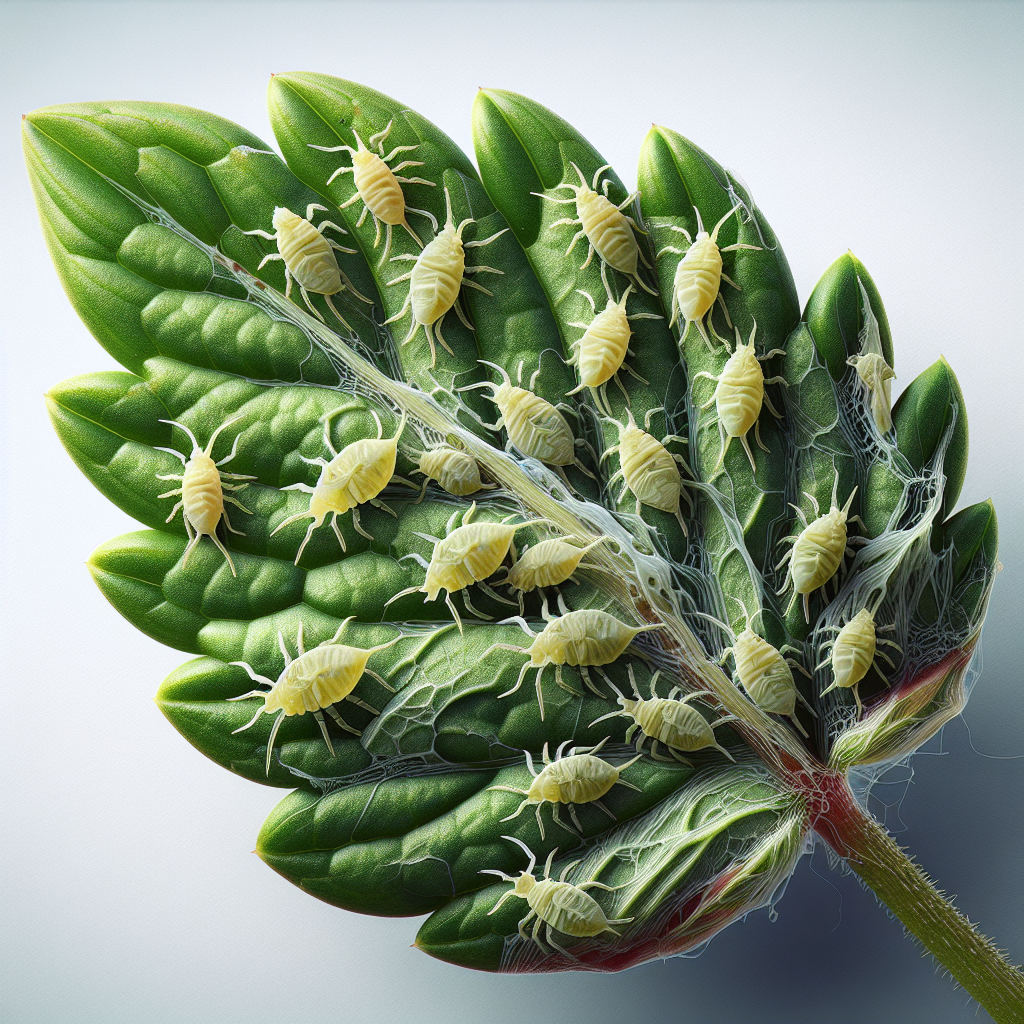
Cyclamen Mite
The cyclamen mite (Phytonemus pallidus) is a microscopic pest that infests a wide range of ornamental and crop plants, causing stunted growth, deformed leaves, and brittle, crinkled tissues. Highly prolific in cool, humid conditions, it spreads rapidly on infested plant material and is notoriously difficult to detect without magnification. Effective management relies on early diagnosis, sanitation, and targeted organic miticides.
View Profile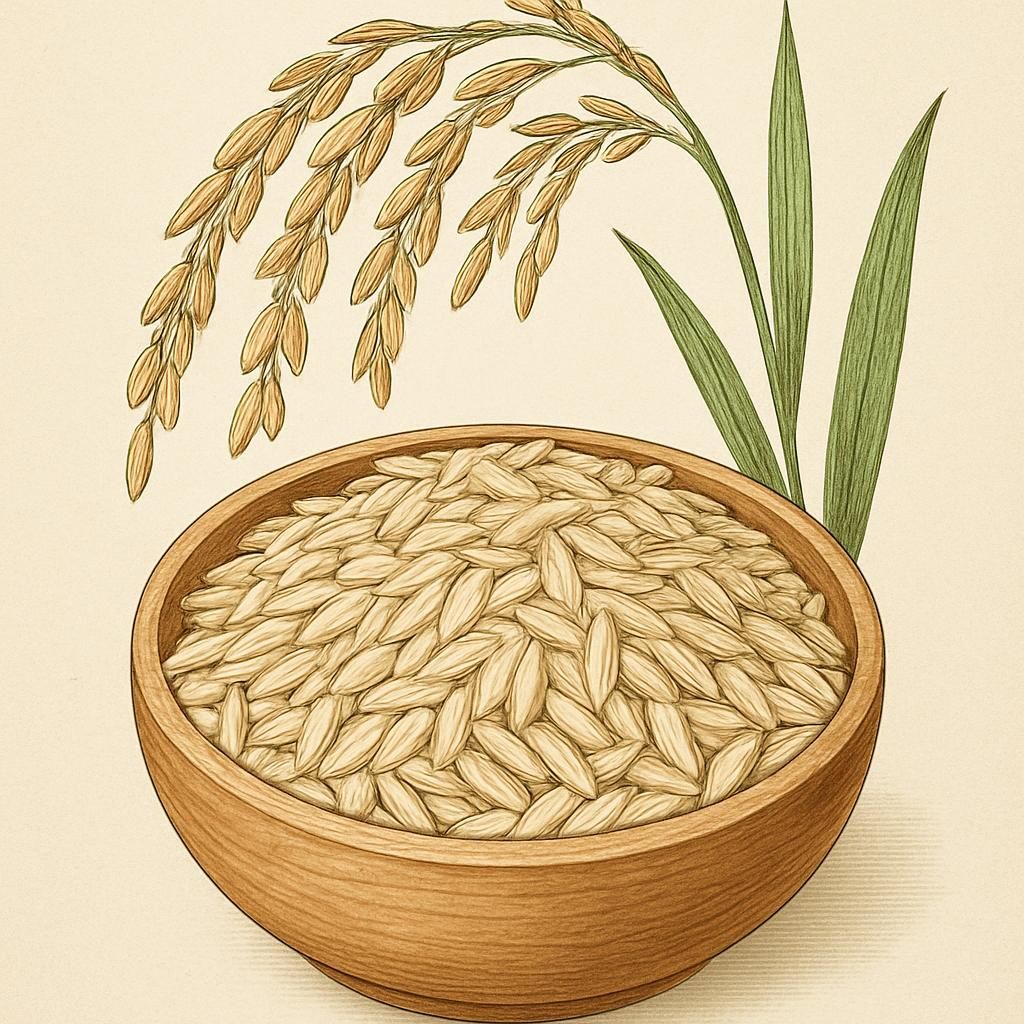
Cypress Rice
Cypress Rice is a unique variety known for its aromatic fragrance and distinct flavor profile. It thrives in warm, humid climates and requires specific soil and pH conditions for optimal yield.
View Guide
cyst nematodes
Cyst nematodes are microscopic, sedentary plant-parasitic worms that form protective cysts on roots, causing severe yield losses in key crops like potatoes and soybeans. These pests have a complex lifecycle with long-lived cysts that persist in soil for years, making them challenging to manage. Effective control relies on resistant varieties, crop rotation, and soil health practices.
View Profile
Cytospora canker
Cytospora canker is a destructive fungal disease primarily affecting stressed trees in orchards and landscapes, causing sunken cankers, branch dieback, and tree decline. Caused by Cytospora species, it enters through wounds and thrives under drought, cold injury, or poor vigor conditions. Effective management relies on prevention, sanitation, and cultural practices rather than curative treatments.
View Profile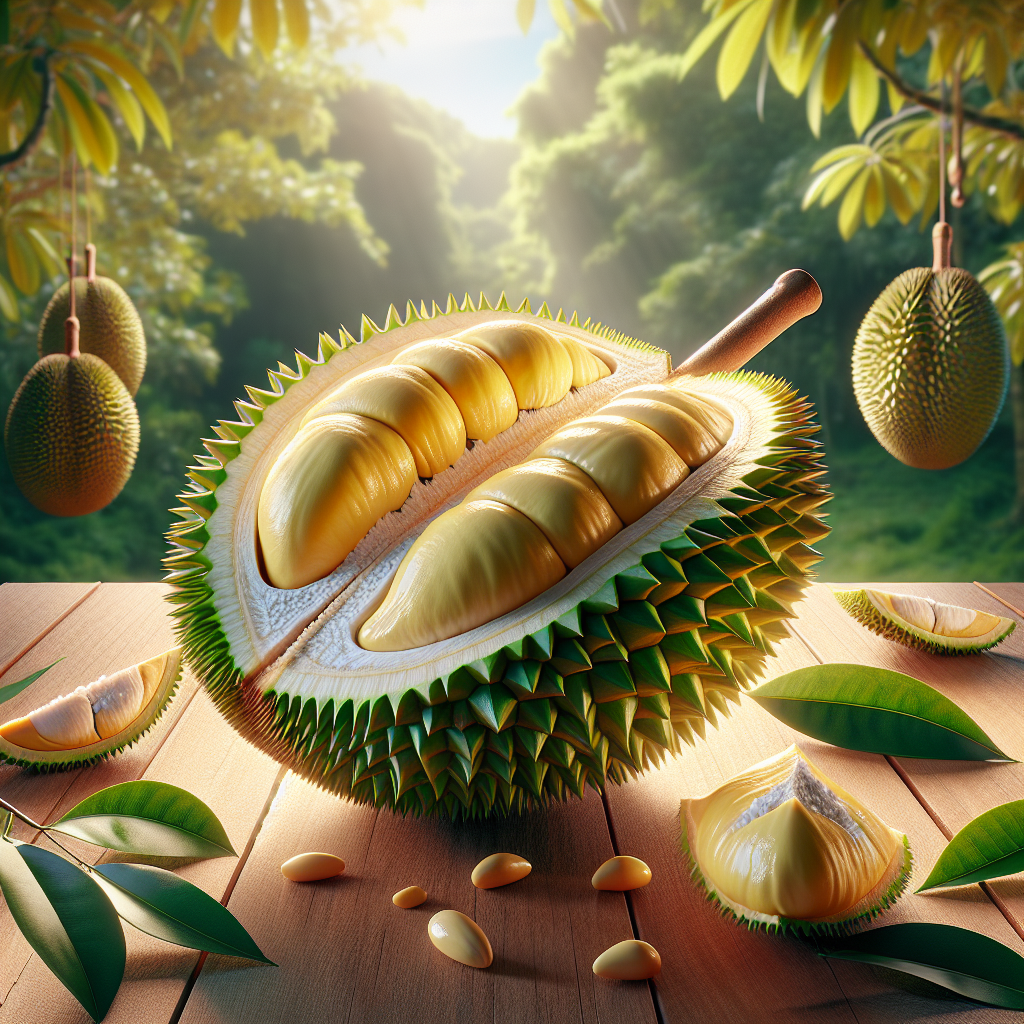
D24 Sultan Durian
The D24 Sultan Durian is a premium Malaysian cultivar renowned for its large, creamy fruits with thick, sweet flesh and mild aroma, making it a favorite among durian enthusiasts. This guide provides expert cultivation advice from propagation to harvest, optimized for tropical climates. Achieve superior yields with proven techniques for soil preparation, pest control, and companion planting.
View Guide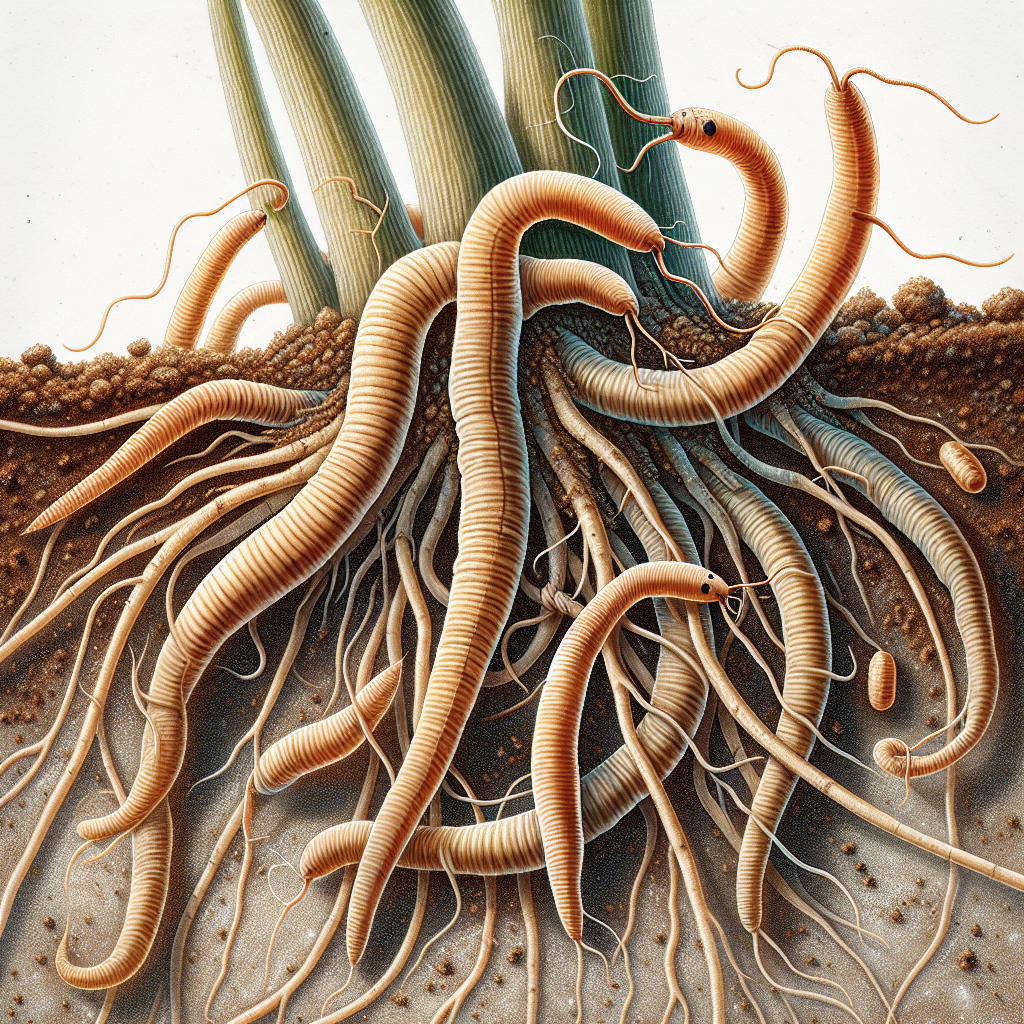
dagger nematodes
Dagger nematodes (Xiphinema spp.) are migratory ectoparasitic nematodes that damage plant roots by feeding on them, causing stunted growth, yield losses, and predisposition to other diseases. Highly prevalent in sandy soils worldwide, they affect a broad range of crops including strawberries, grapes, and stone fruits. Effective management relies on cultural practices, resistant varieties, and organic biocontrols.
View Profile
Daikon Radish
Daikon radish is a large, cool-season root crop prized for its crisp texture, mild peppery flavor, and exceptional adaptability in kitchen gardens and market farms. When grown under steady moisture, deep loose soil, and cool temperatures, it produces long, smooth roots with excellent culinary quality and strong soil-improving benefits.
View Guide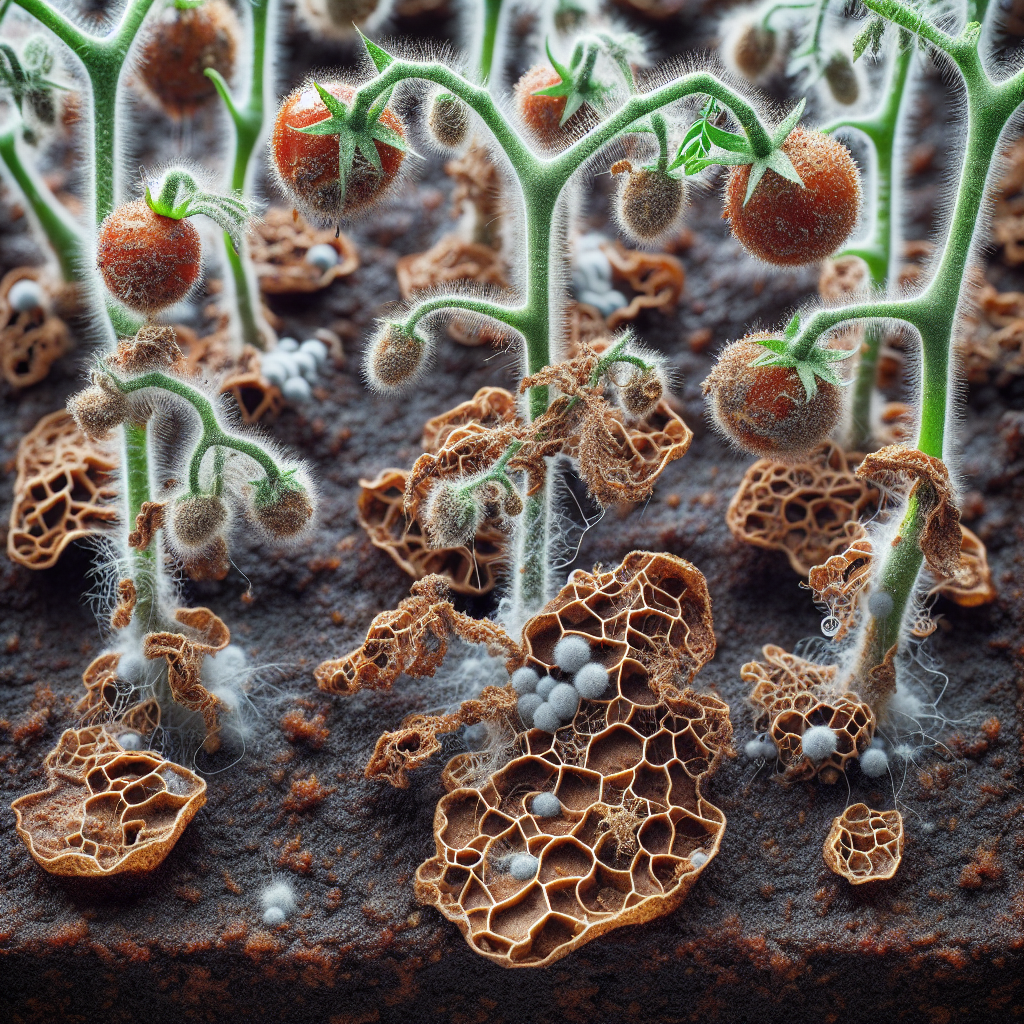
Damping Issues
Damping issues, commonly known as damping-off, is a devastating fungal disease affecting seedlings, causing them to collapse and die shortly after emergence. Caused by soil-borne pathogens thriving in wet conditions, it leads to significant losses in nurseries and early crop stages. This guide provides expert diagnostic, organic management, and prevention strategies for farmers.
View Profile
Damping of young propagules
Damping of young propagules is a devastating fungal disease affecting seedlings, cuttings, and grafts in nurseries, causing rapid collapse and death due to soilborne pathogens thriving in wet conditions. It leads to significant losses in propagation success rates for high-value crops. Effective management relies on cultural practices, sanitation, and biological controls to prevent outbreaks.
View Profile
Damping-off
Damping-off is a critical fungal disease affecting seedlings of numerous crops, causing rapid collapse and death at the soil line. This comprehensive guide provides professional strategies for prevention, cultural management, and resilient seedling production. Master soil sterilization, ventilation, and pathogen-resistant practices to safeguard your nursery success.
View Profile
Damson Plum
Damson plum is a hardy European plum type prized for its small, deep blue-purple fruit, rich acidity, and exceptional suitability for preserves, baking, and country winemaking. Compared with dessert plums, damsons are tougher, more cold-tolerant, and often easier to grow reliably in temperate climates, making them an excellent choice for orchardists and home growers seeking a resilient dual-purpose fruit tree.
View Guide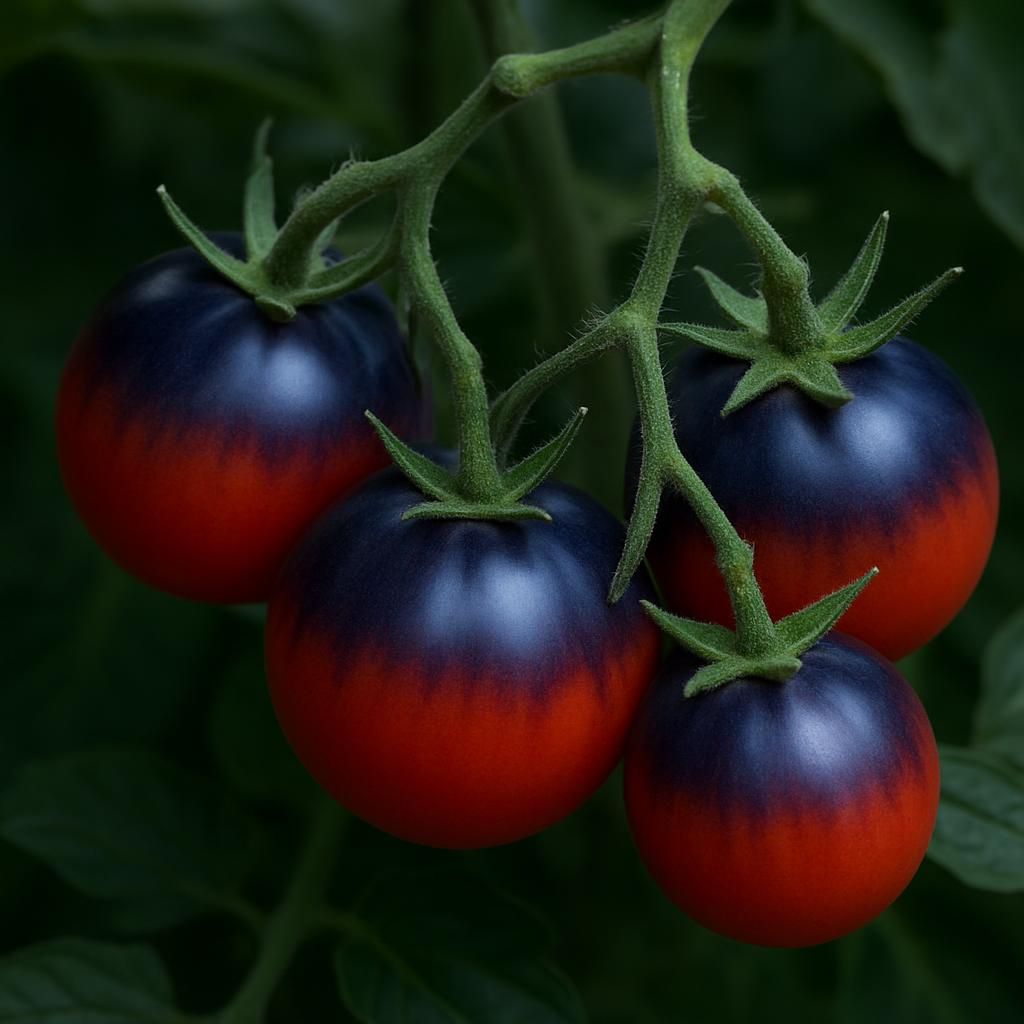
Dancing with Smurfs Tomato
Dancing with Smurfs Tomato is a compact, high-yielding dwarf variety prized for its striking blue-purple fruits and exceptional flavor. It thrives in containers and small gardens, offering disease resistance and reliable production across diverse climates.
View Guide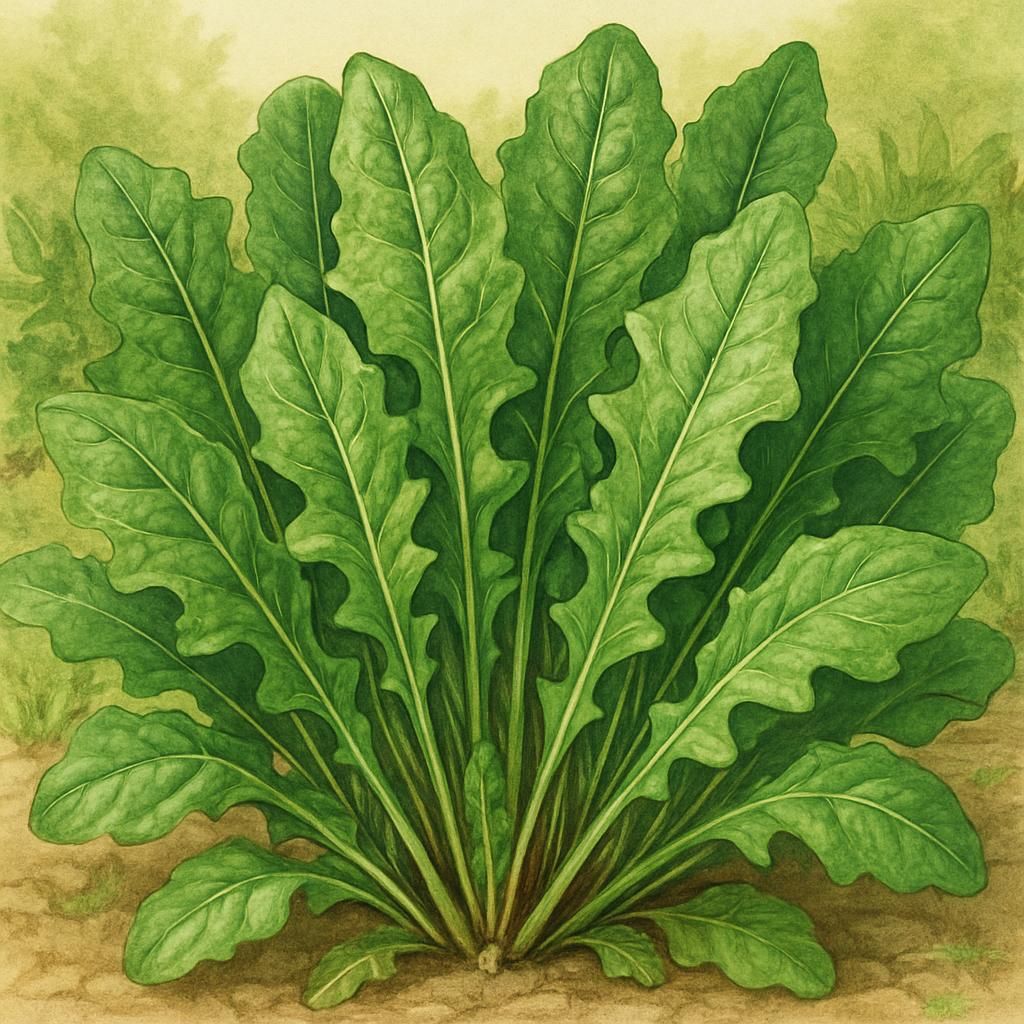
Dandelion Greens (French Improved)
Dandelion Greens (French Improved) are a nutritious and versatile salad green known for their superior flavor and adaptability to a variety of growing conditions.
View Guide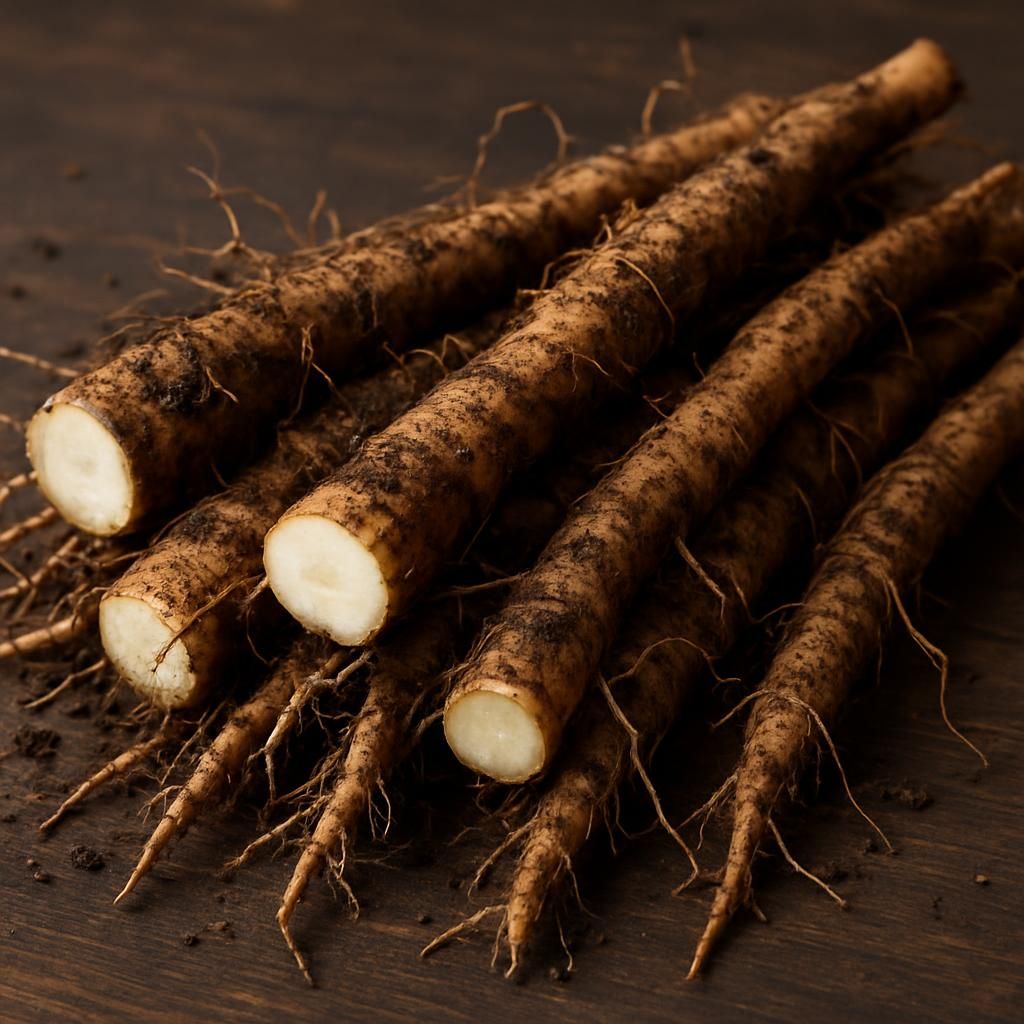
Dandelion Root (Taraxacum officinale)
Dandelion root is a hardy, nutrient-dense perennial grown for its edible taproot, leaves, and flowers. It thrives in disturbed soils and cool climates and is valued for its medicinal, culinary, and soil-improving properties.
View Guide
Danvers Carrot
Danvers carrot is a classic American heirloom known for its broad shoulders, tapered stump-root shape, strong tops, and dependable performance in heavier soils where longer carrot types often struggle. It is especially valued by market gardeners and home growers for sweet flavor, good color, strong storage potential, and adaptability across cool-season production windows.
View Guide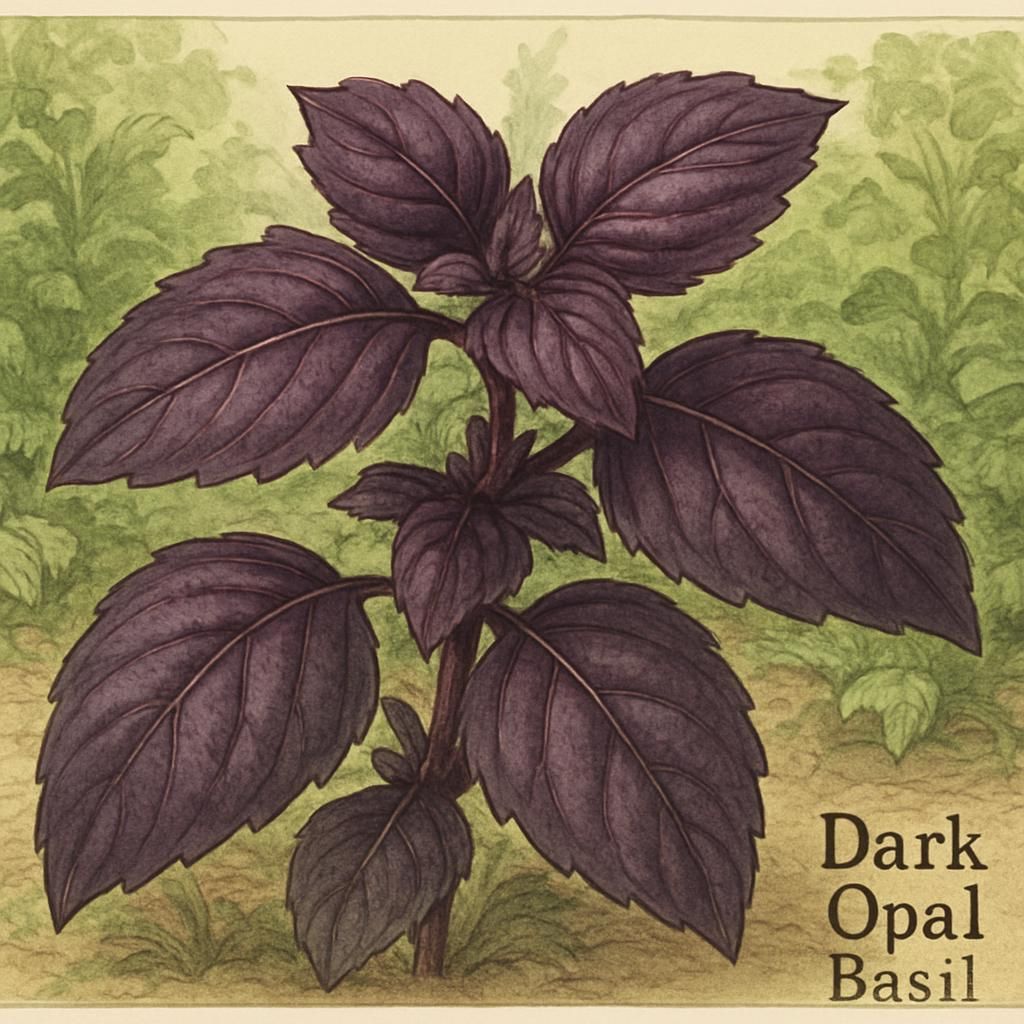
Dark Opal Basil
Dark Opal Basil is a visually striking basil variety known for its deep purple leaves and aromatic scent. It is not only a beautiful addition to culinary dishes but also serves well as an ornamental plant with robust growth in warm climates.
View Guide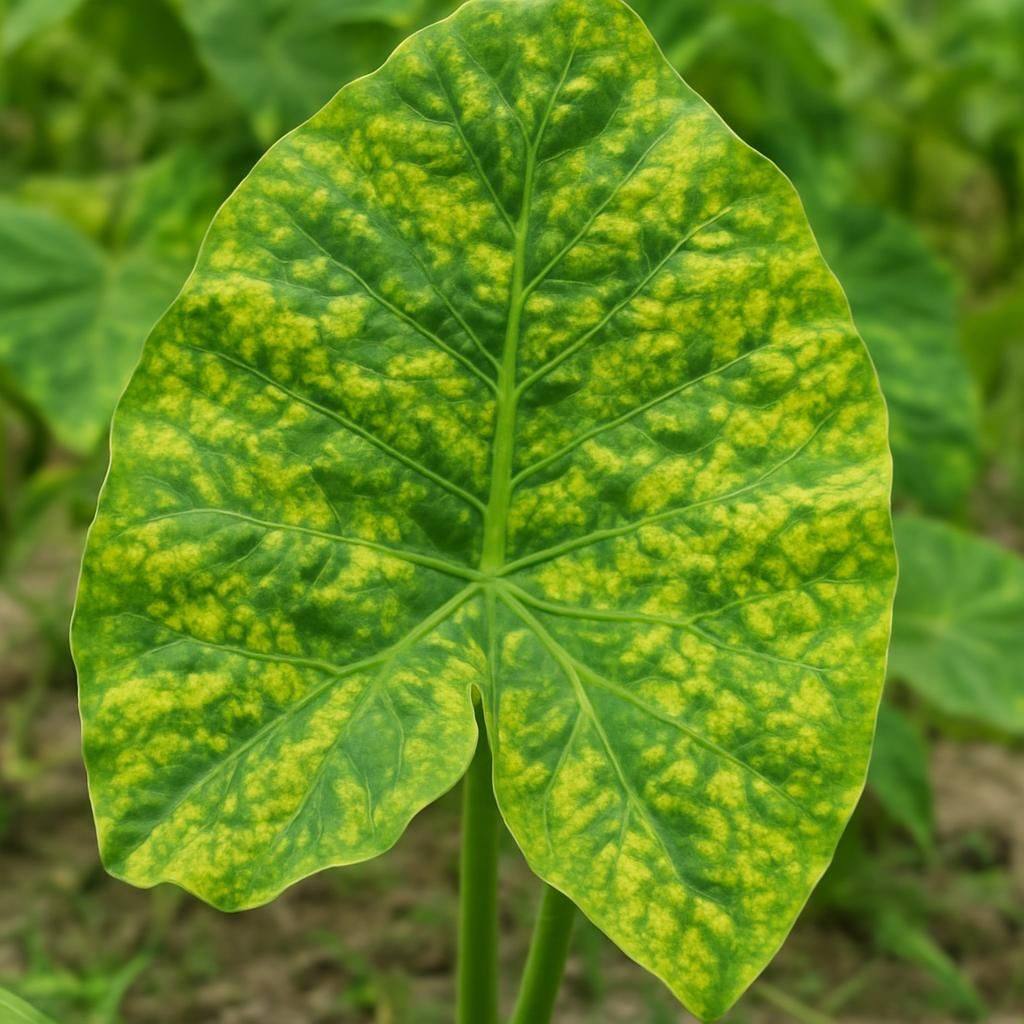
Dasheen mosaic virus
Dasheen mosaic virus is a potyvirus that primarily infects aroids such as taro, causing mosaic patterns, leaf distortion, and stunted growth that reduces corm yields. It is transmitted by aphids in a non-persistent manner and spreads readily through infected planting material. Early diagnosis, strict sanitation, and use of virus-free propagules are the most effective management tools.
View Profile
Dasheri Mango
Dasheri Mango is a celebrated North Indian dessert mango known for its elongated shape, smooth fiber-light flesh, rich aroma, and exceptionally sweet flavor. It performs best in hot subtropical to tropical regions with a pronounced dry period before flowering, excellent drainage, and careful canopy, nutrition, and irrigation management.
View Guide