Introduction to crops
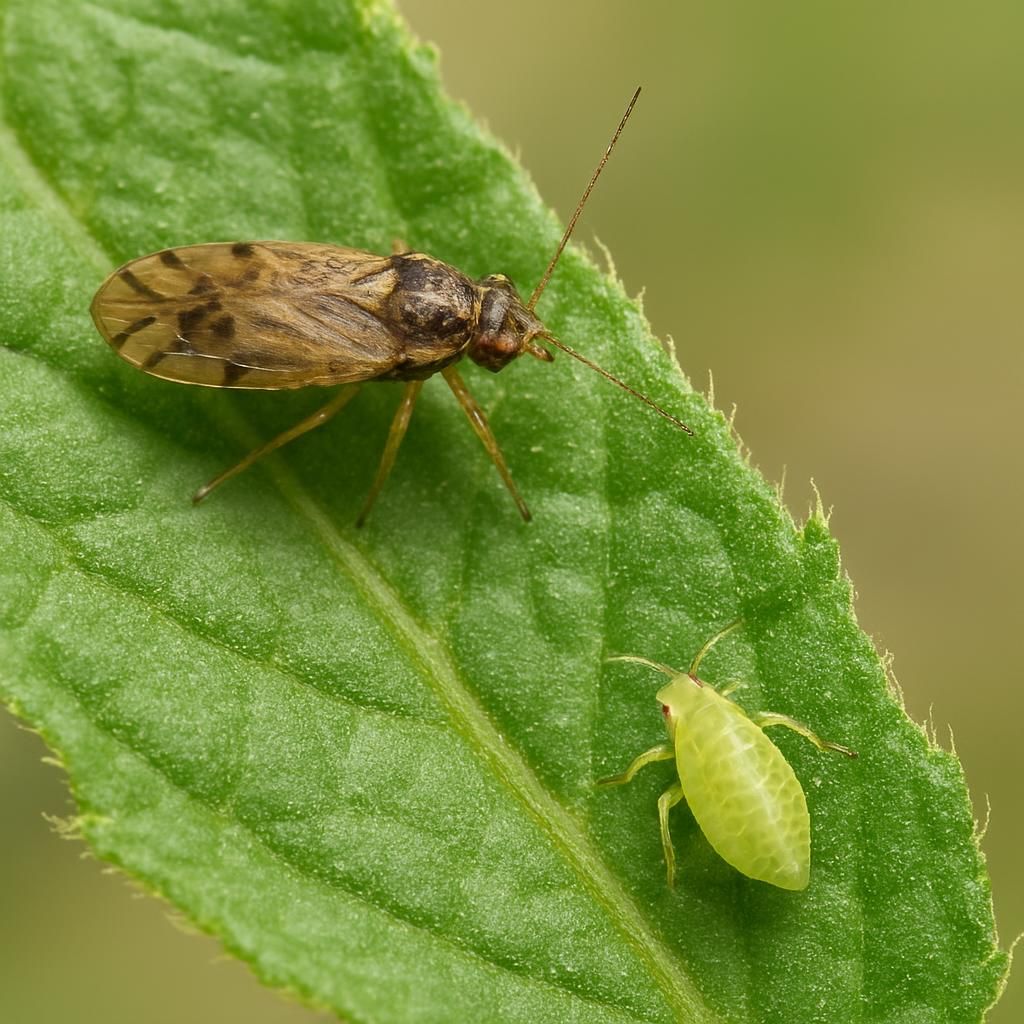
Crops (Agriplex devastans) is a highly adaptable insect pest that threatens productivity across commercial and small-scale farms. This pest feeds on foliage, stems, and reproductive structures, leading to reduced photosynthesis, stunted growth, and yield losses of 15–60 % depending on infestation severity. Its rapid reproduction and ability to exploit stressed plants make it a priority for integrated pest management programs worldwide.
Understanding the biology and environmental preferences of crops enables growers to implement timely, cost-effective interventions. The pest thrives in warm, humid conditions and readily disperses through wind and contaminated equipment. Early detection combined with cultural practices such as crop rotation and sanitation forms the foundation of sustainable control.
Identifying Symptoms & Damage
Visual inspection reveals characteristic feeding scars, frass deposits, and wilting on affected tissues. On leaves, crops produces irregular holes and skeletonized patches, while stems exhibit girdling lesions that impair nutrient transport. Reproductive structures show punctures, aborted flowers, and malformed fruit that often drop prematurely.
Secondary symptoms include yellowing, curling, and the development of sooty mold from honeydew excretion. In severe cases, entire fields display a ragged appearance with reduced canopy density. Regular scouting at dawn and dusk, when the pest is most active, improves detection accuracy.
Lifecycle and Progression of crops
The pest completes 4–8 generations annually depending on temperature. Each generation progresses through egg, nymph, and adult stages, with overlapping cohorts common in tropical regions.
| Stage | Duration | Key Characteristics | Optimal Temperature |
|---|---|---|---|
| Egg | 3–7 days | Laid in clusters on leaf undersides | 25–30 °C |
| Nymph (Instars 1–5) | 12–18 days | Wingless, rapid feeding and molting | 28–32 °C |
| Adult | 20–30 days | Mobile, oviposition begins 2–3 days post-molt | 24–35 °C |
| Overwintering | Variable | Diapause in soil or crop debris | <15 °C |
Monitoring degree-day accumulation helps predict peak activity and optimize spray timing.
Environmental Triggers & Risk Factors
Crops populations surge when daytime temperatures exceed 28 °C and relative humidity remains above 70 %. Drought-stressed plants release volatile compounds that attract adults, while excessive nitrogen fertilization promotes succulent growth favored by nymphs.
Poor field sanitation, continuous monoculture, and proximity to weedy borders increase carry-over between seasons. Wind speeds above 15 km/h facilitate long-distance dispersal, while heavy rainfall temporarily suppresses populations by dislodging nymphs.
| Factor | Favorable Range | Management Implication |
|---|---|---|
| Soil pH | 5.8–7.2 | Maintain optimal pH to reduce plant stress |
| Temperature | 24–35 °C daytime | Use row covers during heat waves |
| Spacing | 30–45 cm between plants | Improve airflow to lower humidity |
| Irrigation | Consistent, avoid waterlogging | Reduce drought-induced attraction |
Organic Control & Treatment Plans
An integrated approach combining cultural, mechanical, and biological tactics provides the most sustainable results. Begin with sanitation and resistant cultivars, then introduce beneficial insects before escalating to approved organic sprays.
| Treatment Option | Active Ingredient / Method | Frequency & Timing | Notes |
|---|---|---|---|
| Neem oil emulsion | Azadirachtin 0.5–1 % | Every 7–10 days at first sign of nymphs | Safe for beneficials when applied at dusk |
| Insecticidal soap | Potassium salts of fatty acids | Repeat every 5–7 days | Target undersides; avoid midday heat |
| Spinosad | Saccharopolyspora spinosa | 2–3 applications at 10-day intervals | Effective against early instars |
| Bacillus thuringiensis (Bt) | Cry toxins | Weekly during peak egg hatch | Selective; reapply after heavy rain |
| Predatory mites (Phytoseiulus) | Release 2–5 per m² | Preventive or curative | Maintain humidity >60 % |
| Sticky traps (yellow/blue) | Monitoring + mass trapping | Replace every 2 weeks | Use 1 trap per 10 m² |
Rotate modes of action to prevent resistance and always follow label rates.
Preventing crops in the Future
Implement a 3–4 year crop rotation that includes non-host cover crops such as Clover to break the pest cycle. Remove crop residues immediately after harvest and destroy alternative weed hosts within 50 m of production areas.
Install fine-mesh exclusion netting on high-value plantings and maintain healthy soil biology through compost applications. Choose resistant varieties where available and time planting dates to avoid peak adult flights predicted by degree-day models.
Crops Most Affected by crops
Crops infests numerous economically important species. High-risk hosts include Tomato, Potato, Corn, Soybeans, Rice, Wheat, Cucumber, Lettuce, Cabbage, Strawberry, Blueberry, Avocado, Mango, Banana, Apple, Citrus species, Grapes, Pepper, Eggplant, and Squash. Monitoring these crops during warm months is essential for early intervention.