Introduction to Crocus
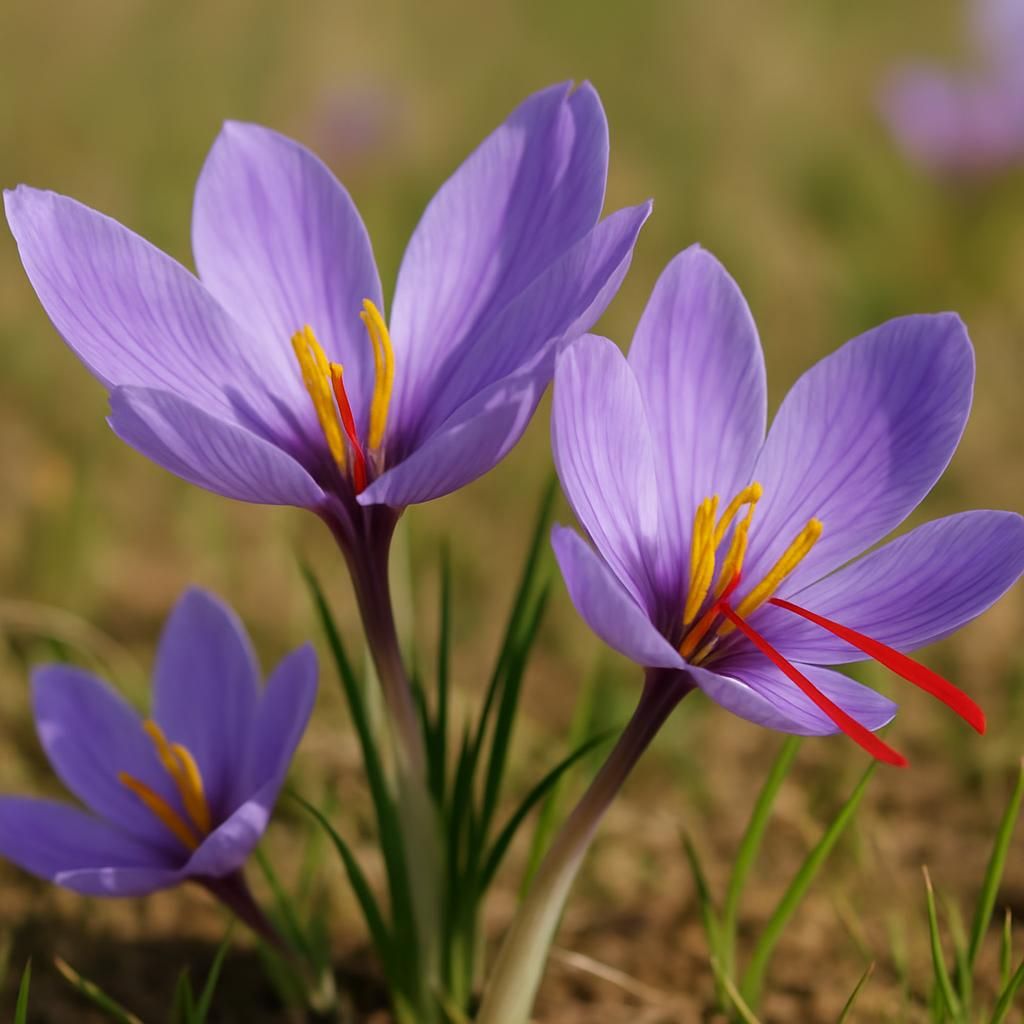
Crocus sativus, the saffron crocus, stands as one of the most valuable specialty crops in global agriculture. Each flower yields three vivid red stigmas that, when dried, become saffron—the world's most expensive spice by weight. Beyond culinary uses, saffron has documented applications in pharmaceuticals, cosmetics, and traditional medicine. The plant's corms allow for multi-year production cycles, making it an attractive option for small farms seeking high-value, low-volume crops. Successful cultivation requires precise attention to timing, drainage, and post-harvest handling.
Botanical Profile of Crocus
Crocus sativus belongs to the Iridaceae family. It is a sterile triploid species propagated exclusively through corms rather than seeds. Each corm produces 1–3 flowers in autumn, each bearing three stigmas. The plant remains dormant through summer and resumes growth in early fall when temperatures drop. Leaves emerge shortly after flowering and persist through winter before senescing in late spring. The corm itself is a modified stem that stores carbohydrates and survives underground during dormancy. Genetic uniformity across commercial populations means careful corm selection is essential to maintain vigor and disease resistance.
Soil, pH, and Climate Requirements for Crocus
Crocus sativus demands exceptionally well-drained soils to prevent corm rot. Heavy clay or waterlogged conditions are unsuitable. Ideal sites receive full sun with protection from strong winds. The crop tolerates a wide range of temperatures but requires a distinct summer dormancy period. Below is a structured overview of optimal conditions:
| Parameter | Ideal Range | Notes |
|---|---|---|
| Soil Type | Sandy loam to loam | High organic matter but excellent drainage |
| Soil pH | 6.0–7.5 | Slightly acidic to neutral |
| Soil Temperature | 15–25 °C at planting depth | Critical for root initiation |
| Air Temperature (Growing) | 5–20 °C (autumn–spring) | Frost tolerant to –10 °C |
| Air Temperature (Dormancy) | 25–35 °C (summer) | Prevents premature sprouting |
| Annual Rainfall | 400–600 mm, well distributed | Supplemental irrigation if below 400 mm |
| Sunlight | Full sun (minimum 6 hours) | Maximizes flower and stigma production |
| Elevation | 0–1500 m | Higher elevations may delay flowering |
Step-by-Step Planting & Propagation
Crocus sativus is propagated solely by corm division. Begin by selecting healthy, disease-free corms weighing 8–12 g. Plant in late summer (August–September in the Northern Hemisphere) at a depth of 10–15 cm and spacing of 10 cm between corms in rows 20–25 cm apart. Orient corms with the growing tip upward. Pre-planting soil preparation includes incorporating well-rotted compost and ensuring a minimum 30 cm depth of loose, aerated soil. After planting, apply a light mulch layer to moderate soil temperature and suppress weeds. New cormlets form around the mother corm during the growing season; these are lifted the following summer for replanting or sale. Avoid planting in the same field more than three consecutive seasons to reduce soil-borne pathogen buildup.
Care & Maintenance regimes for Crocus
Consistent but minimal intervention supports high-quality saffron production. Focus on weed control, balanced nutrition, and moisture management during active growth. The following table outlines recommended schedules:
| Season | Watering Schedule | Fertilizer Application | Pruning / Maintenance |
|---|---|---|---|
| Autumn (Flowering) | Light irrigation if rainfall <20 mm/week | Low-nitrogen, high-phosphorus (e.g., 5-10-10) at 40 kg/ha | Remove spent flowers promptly to reduce disease |
| Winter | Minimal; rely on rainfall | None unless deficiency symptoms appear | Monitor for rodent damage |
| Spring | Moderate; maintain even moisture | Side-dress with potassium sulfate at 30 kg/ha | Cut back senescing foliage only after yellowing |
| Summer (Dormancy) | Withhold water completely | None | Lift and grade corms; store in cool, dry conditions |
Pests, Diseases & Organic Management
Crocus sativus faces relatively few major threats when grown in well-drained soils. Primary concerns include Fusarium wilt, Rhizoctonia crown rot, and rodents. Aphids may transmit viruses, while slugs and snails damage emerging shoots in wet springs. Implement a three-year rotation and avoid overhead irrigation. Organic controls include neem oil sprays for aphids, diatomaceous earth barriers for slugs, and solarization of soil prior to replanting. Remove and destroy infected corms immediately. Beneficial nematodes can suppress soil-dwelling larvae. Maintain field sanitation by removing crop debris after senescence.
Harvesting, Curing & Optimal Storage
Harvest occurs in October–November when flowers open at dawn. Pick entire flowers by hand before the sun fully rises to preserve stigma quality. Separate the three red stigmas from each flower on the same day. Dry stigmas immediately at 30–35 °C for 24–48 hours until moisture content reaches 10–12 %. Store dried saffron in airtight glass containers away from light and moisture. Properly cured saffron retains potency for up to three years. Grade according to ISO 3632 standards for color, aroma, and bitterness. Record batch numbers and drying conditions for traceability.
Companion Planting for Crocus
Crocus benefits from strategic companions that improve soil structure or deter pests. Garlic and onion planted in adjacent rows help repel rodents and certain insects. Low-growing thyme or rosemary can provide ground cover and reduce soil splash onto flowers. Avoid tall or aggressive crops that compete for light during the short autumn flowering window. Leguminous green manures such as clover grown in the off-season improve nitrogen levels before corm replanting. Marigold borders attract beneficial insects that reduce aphid pressure. Rotate saffron with shallow-rooted vegetables to break disease cycles and maintain soil health.