Encyclopedia
Definitive guides for crops, pests, and agricultural diseases.

Common bean mosaic virus
Common bean mosaic virus (BCMV) is a widespread potyvirus that infects common beans, causing mosaic patterns, stunted growth, and significant yield losses. Transmitted primarily by aphids and infected seeds, it poses a major threat to bean production worldwide. Effective management relies on resistant varieties, seed certification, and vector control.
View Profile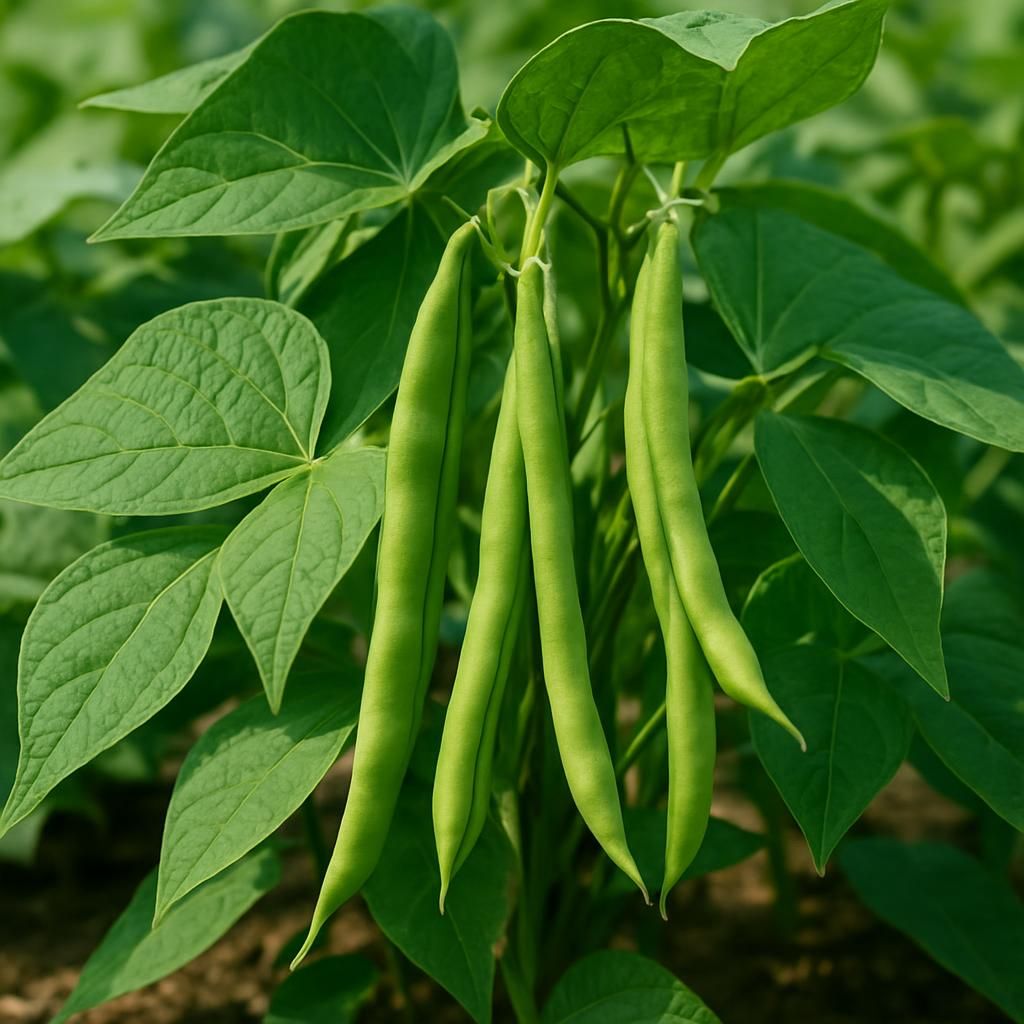
common beans
Common beans are a globally important legume crop valued for their high protein content, nitrogen-fixing ability, and versatility in both fresh and dry markets. They thrive in warm-season conditions and can be grown as bush or pole types depending on variety and market needs. This definitive guide covers every stage from soil preparation to storage with professional agronomic recommendations.
View Guide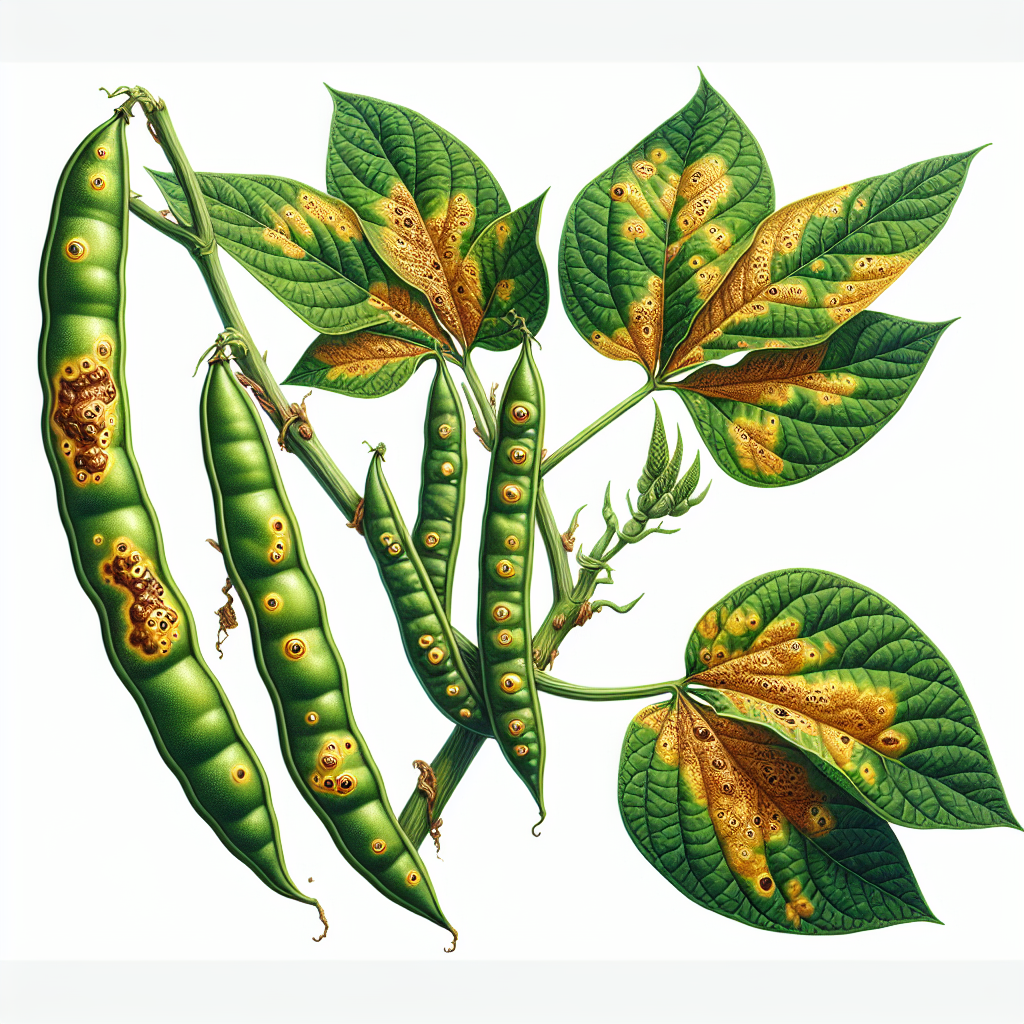
Common blight
Common blight is a devastating bacterial disease primarily affecting beans and legumes, caused by Xanthomonas axonopodis pv. phaseoli, leading to water-soaked lesions on leaves, pods, and stems that progress to necrotic spots with yellow halos. It thrives in warm, wet conditions and spreads rapidly via rain splash, contaminated seeds, and tools. Effective management relies on resistant varieties, sanitation, and organic copper-based sprays.
View Profile
Common Buckwheat
Common Buckwheat is a fast-growing, broadleaf pseudocereal prized for its short season, weed-smothering ability, pollinator value, and nutritious triangular seed. Although often grouped with grains in farming systems, it is botanically distinct and performs best in cool, moderately moist conditions with relatively low fertility.
View Guide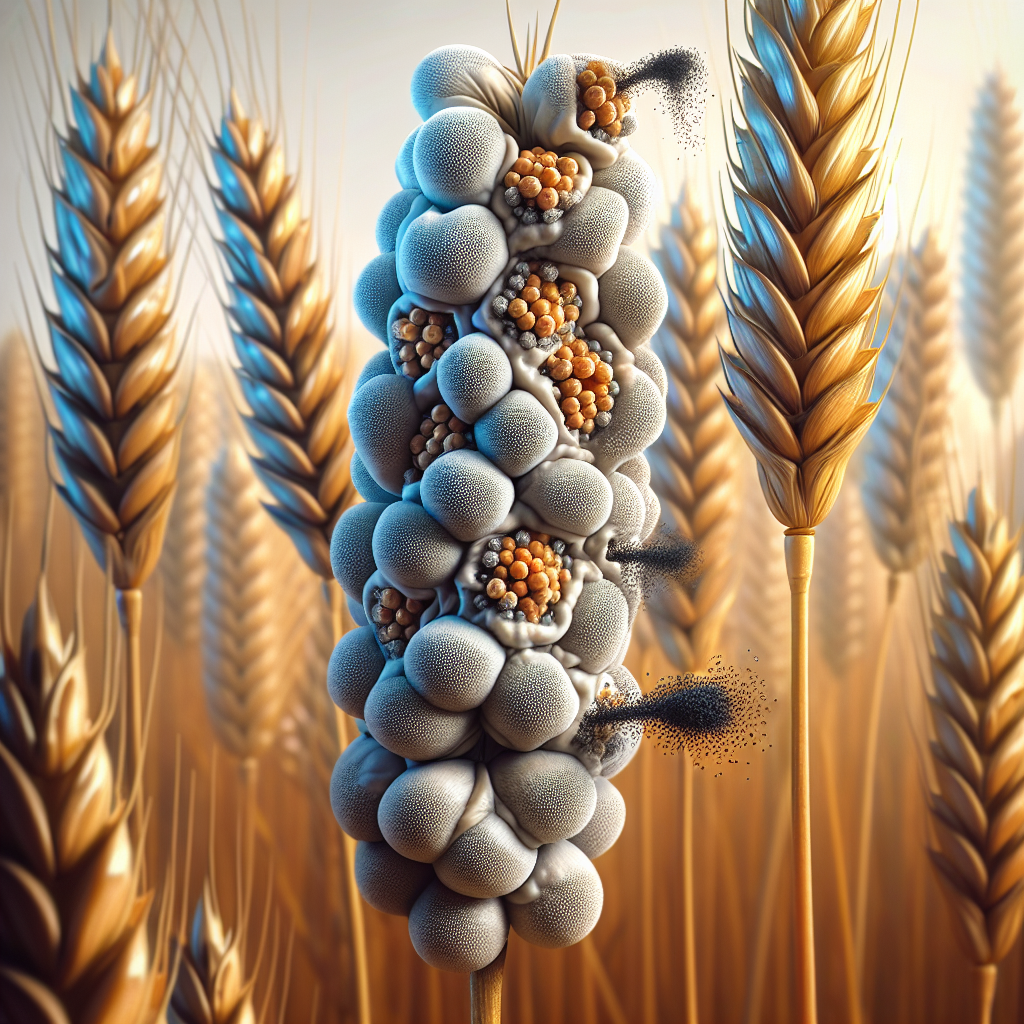
Common bunt
Common bunt is a destructive fungal disease of wheat caused by Tilletia tritici, transforming kernels into masses of black teliospores that emit a foul fishy odor and render grain unusable. Highly seedborne, it spreads through contaminated seed and persists in soil, devastating yields in susceptible varieties. Effective management relies on certified disease-free seed, resistant cultivars, and seed treatments.
View Profile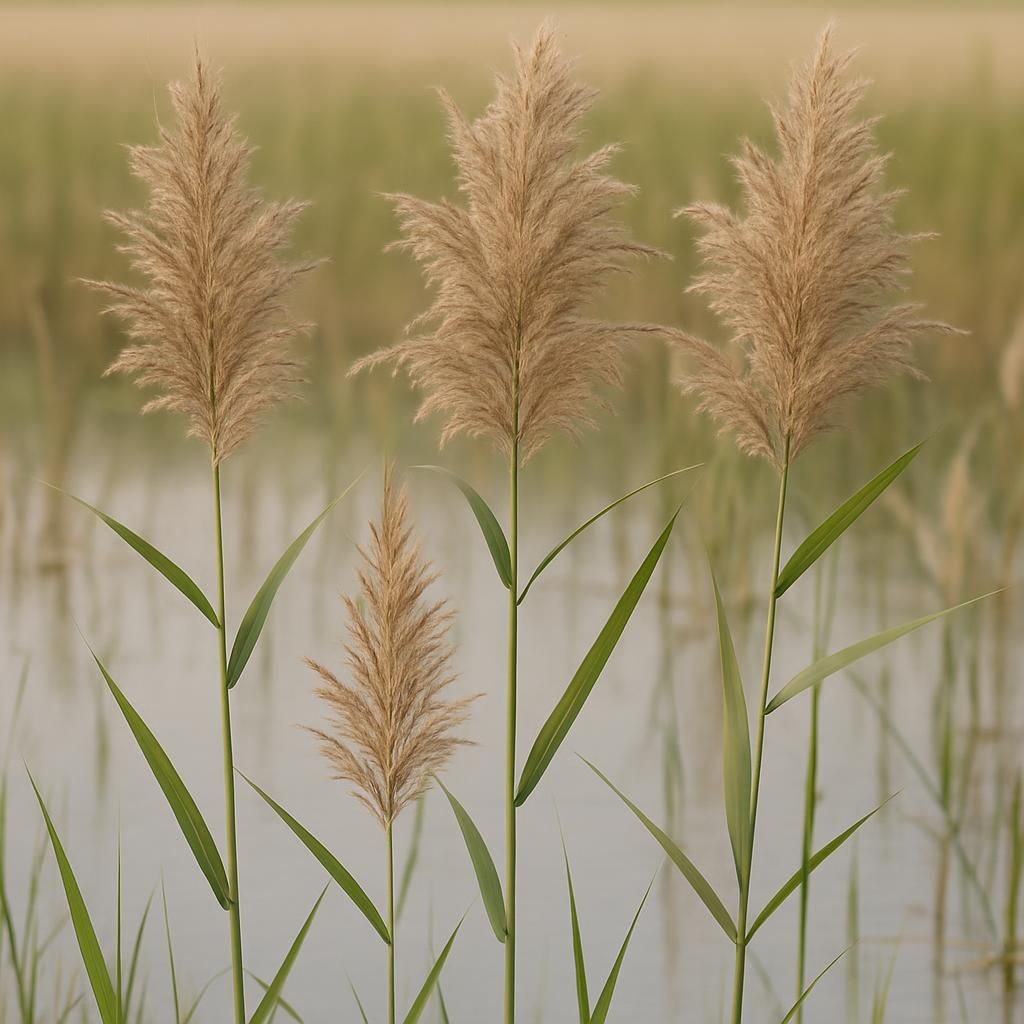
Common Reed
Common Reed is a tall, rhizomatous perennial grass widely used for erosion control, wastewater treatment, and biomass production. It thrives in saturated soils and wetland margins, delivering high biomass yields with minimal inputs once established. This guide provides professional, field-tested practices for successful commercial and restoration-scale cultivation.
View Guide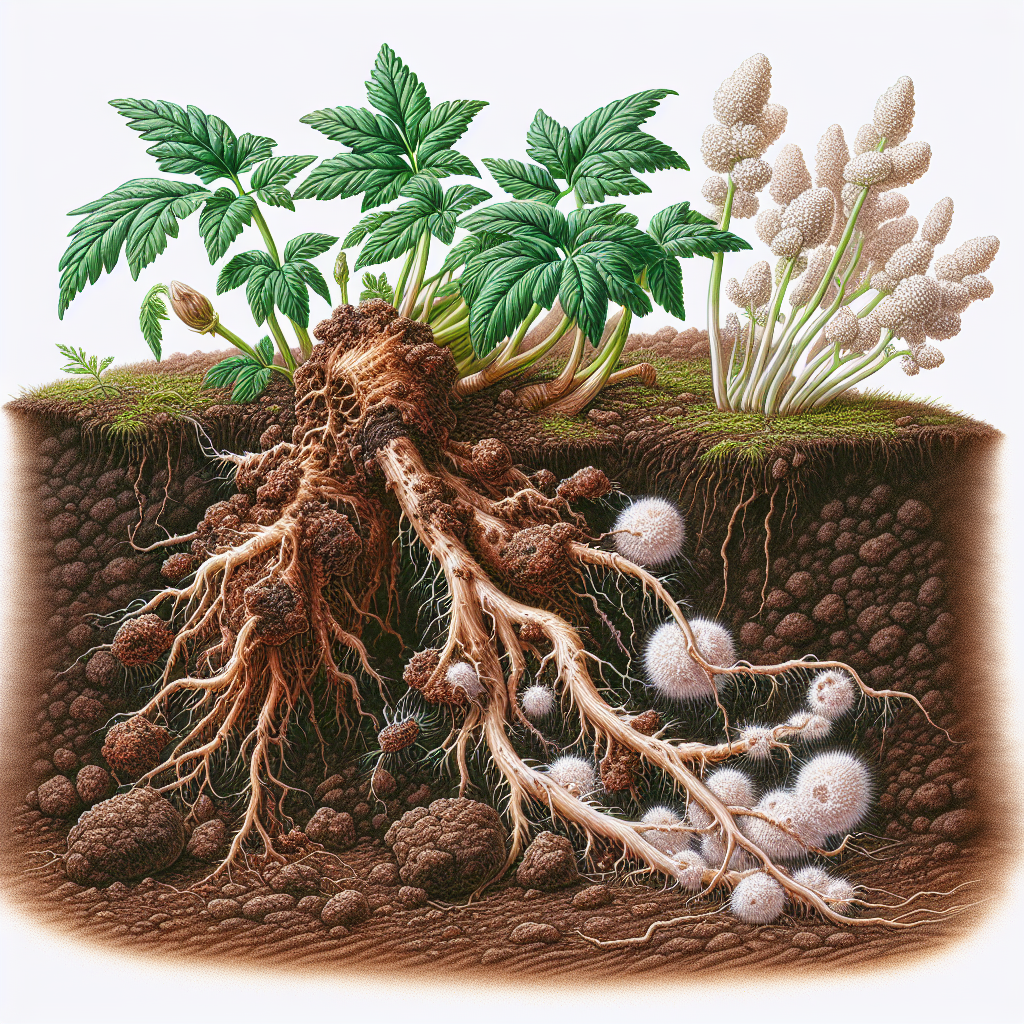
common root rots
Common root rots are devastating soil-borne fungal and oomycete diseases that attack plant roots, causing wilting, stunting, and plant death across a wide range of crops. Caused primarily by pathogens like Pythium, Phytophthora, Rhizoctonia, and Fusarium, they thrive in poorly drained, waterlogged soils. Effective management relies on prevention through cultural practices, improved drainage, and resistant varieties, with organic treatments focusing on biological controls and soil health.
View Profile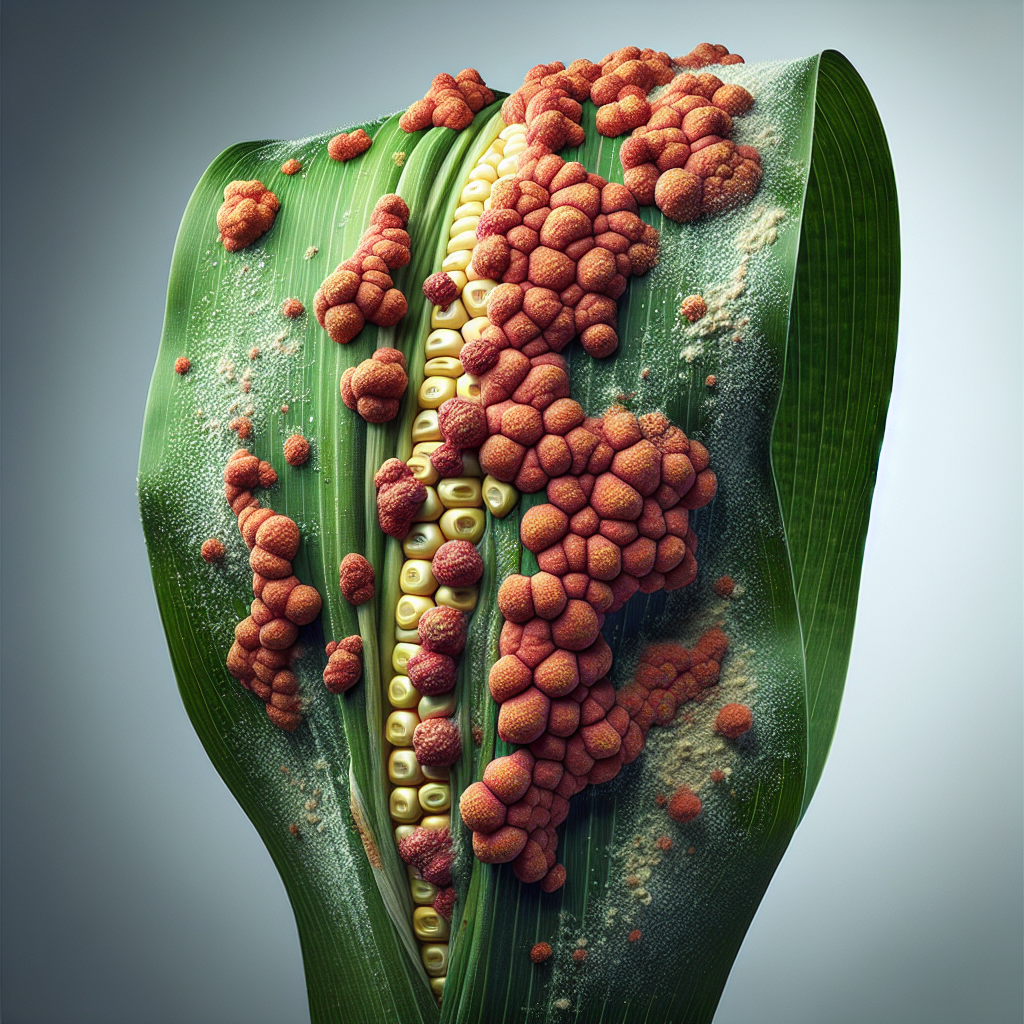
Common Rust
Common Rust is a widespread fungal disease primarily affecting corn and other grasses, characterized by distinctive reddish-brown pustules on leaves that reduce photosynthesis and yield. Caused by Puccinia sorghi, it thrives in warm, humid conditions and can lead to significant crop losses if unmanaged. Effective diagnosis, organic treatments, and cultural practices are key to minimizing its impact on susceptible crops like corn.
View Profile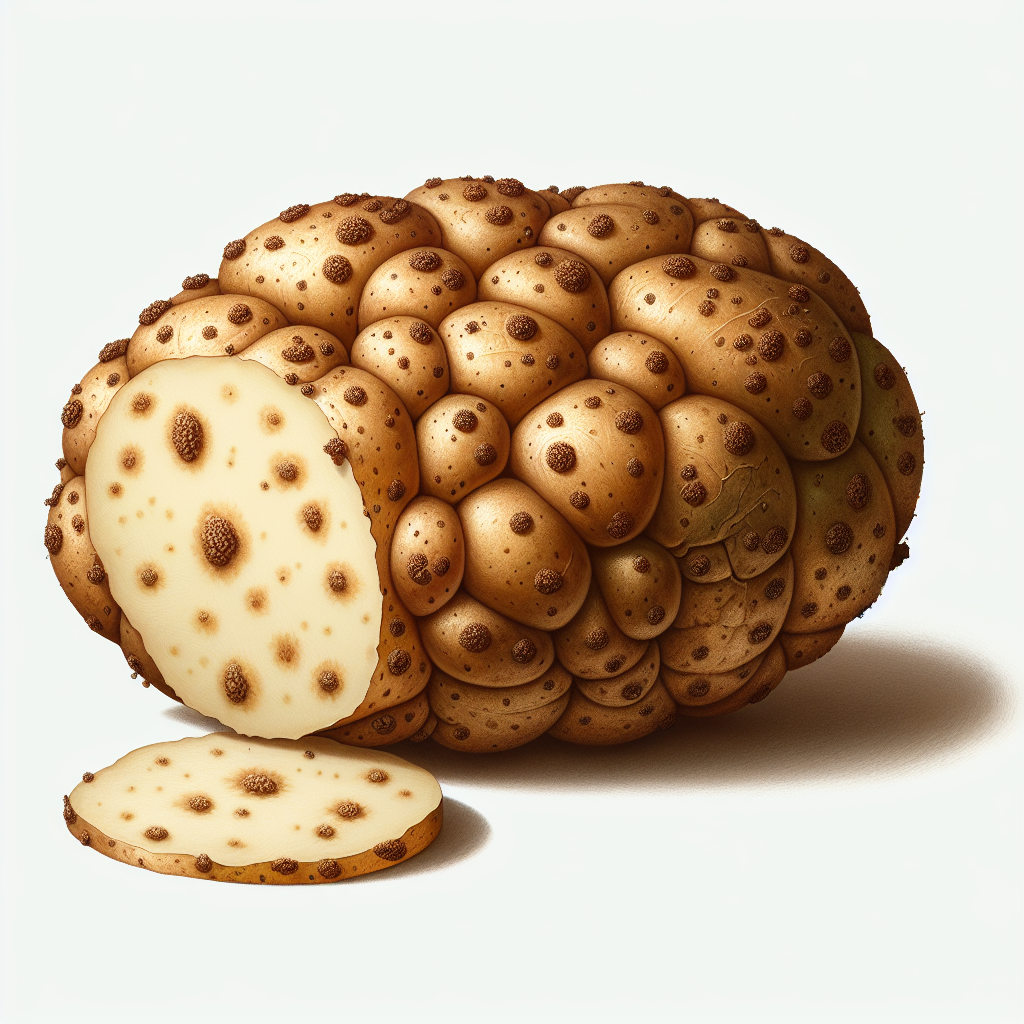
Common scab
Common scab is a widespread bacterial disease primarily affecting potato tubers, caused by Streptomyces scabies, leading to rough, corky lesions that reduce marketability. While it doesn't impact yield significantly, it causes substantial cosmetic damage, making tubers unappealing for fresh markets. Effective management relies on cultural practices, resistant varieties, and soil health optimization.
View Profile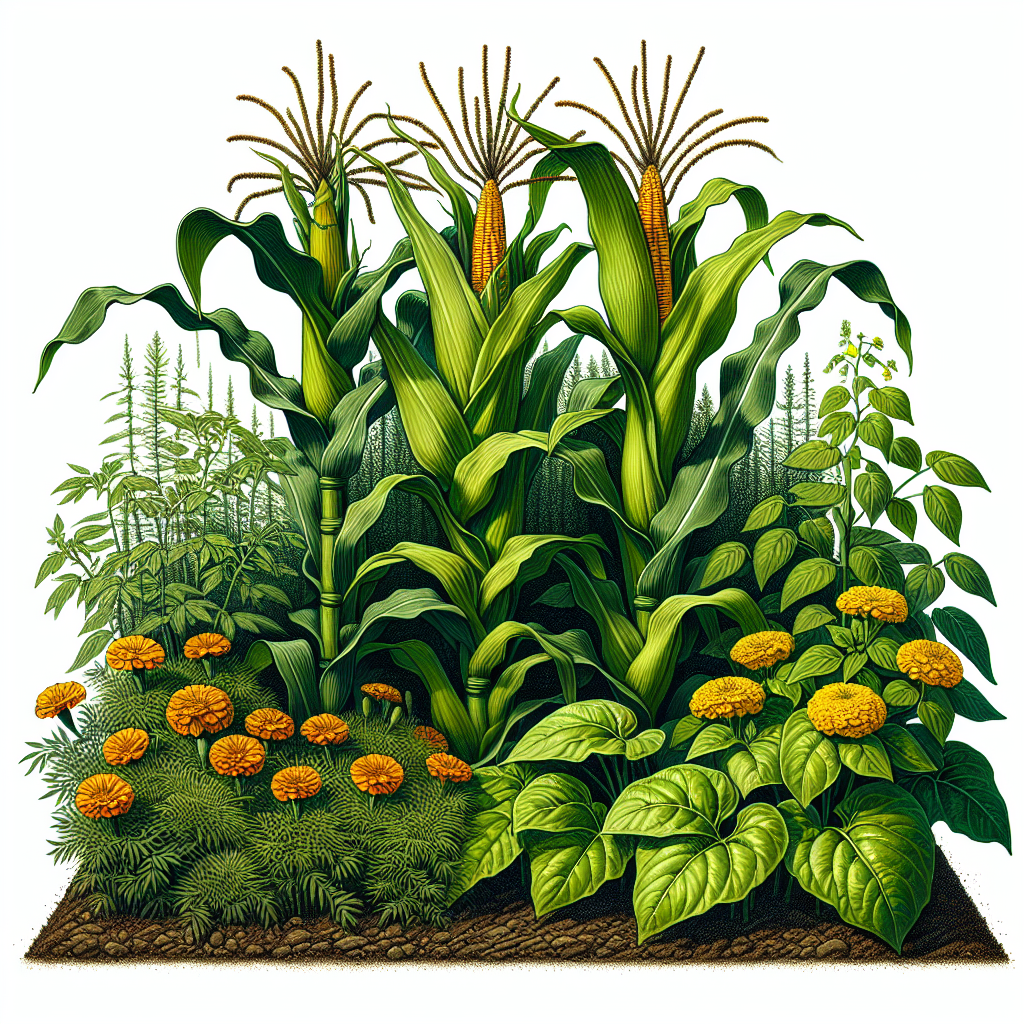
Companion Planting
Companion planting is a strategic gardening technique that pairs plants together for mutual benefits like pest deterrence, pollination enhancement, and nutrient sharing. This guide provides professional agricultural insights into optimizing crop layouts for higher yields and healthier gardens. Discover proven combinations, soil prep, and maintenance for sustainable farming success.
View Guide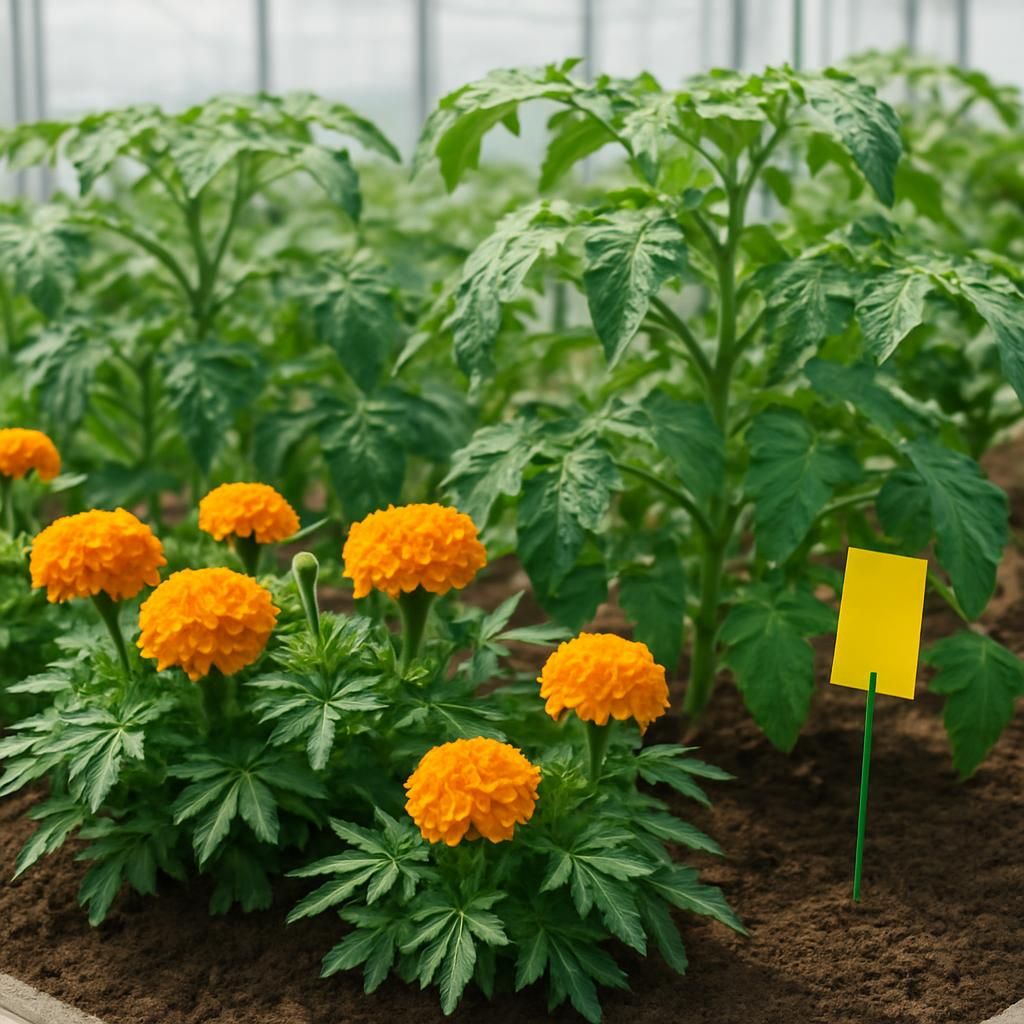
companion plants
Companion plants are intentionally interplanted species used in agriculture to influence pest dynamics, nutrient cycling, and microclimates. While beneficial when managed, they can become problematic through resource competition, allelopathy, or unintended pest attraction. This guide provides diagnostic criteria and integrated management strategies for optimizing their use in commercial and small-farm systems.
View Profile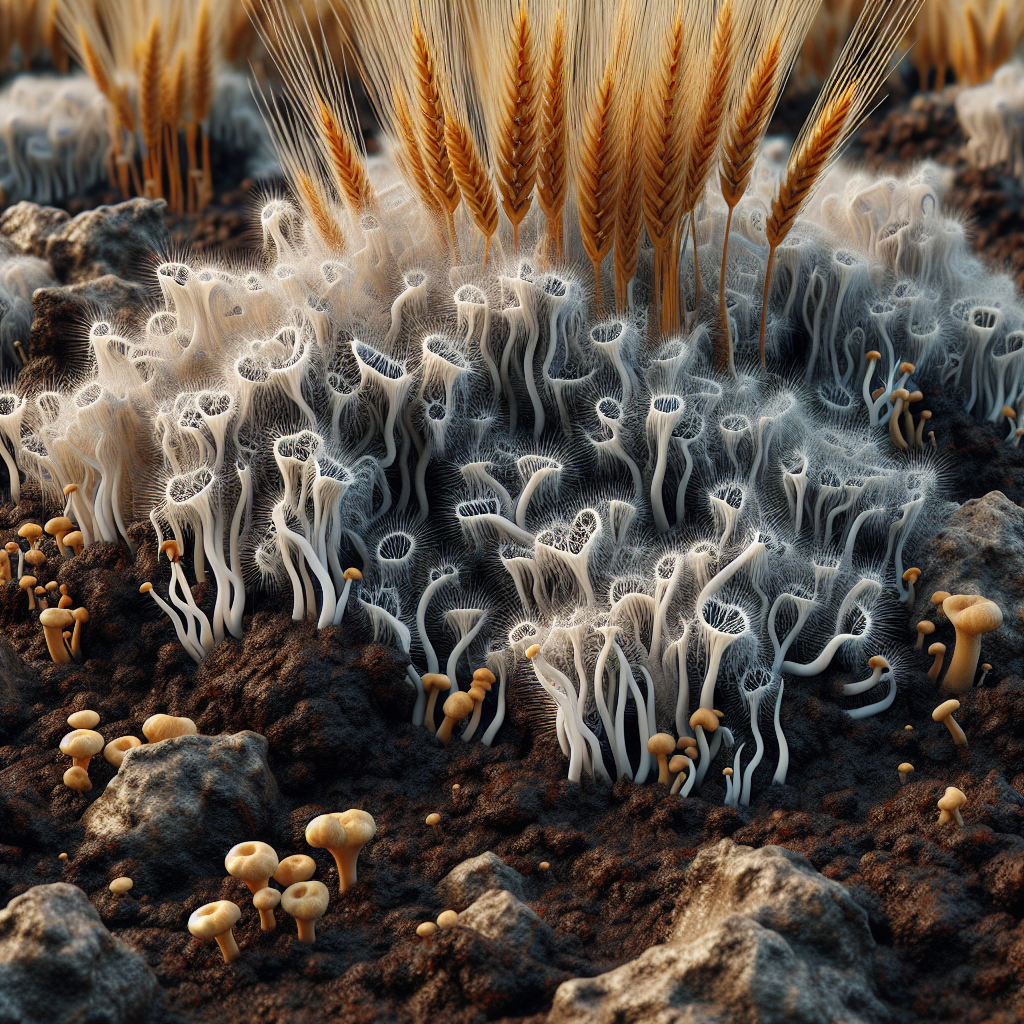
Competing wild fungi
Competing wild fungi refer to aggressive native fungal species that outcompete cultivated crops for nutrients, space, and resources in soil and on plant surfaces. These opportunistic fungi thrive in disturbed agricultural environments, reducing crop yields by suppressing root growth, decomposing organic matter prematurely, and altering soil microbiomes. Effective management relies on cultural practices, biological enhancements, and environmental optimization to restore balance to the crop-fungus ecosystem.
View Profile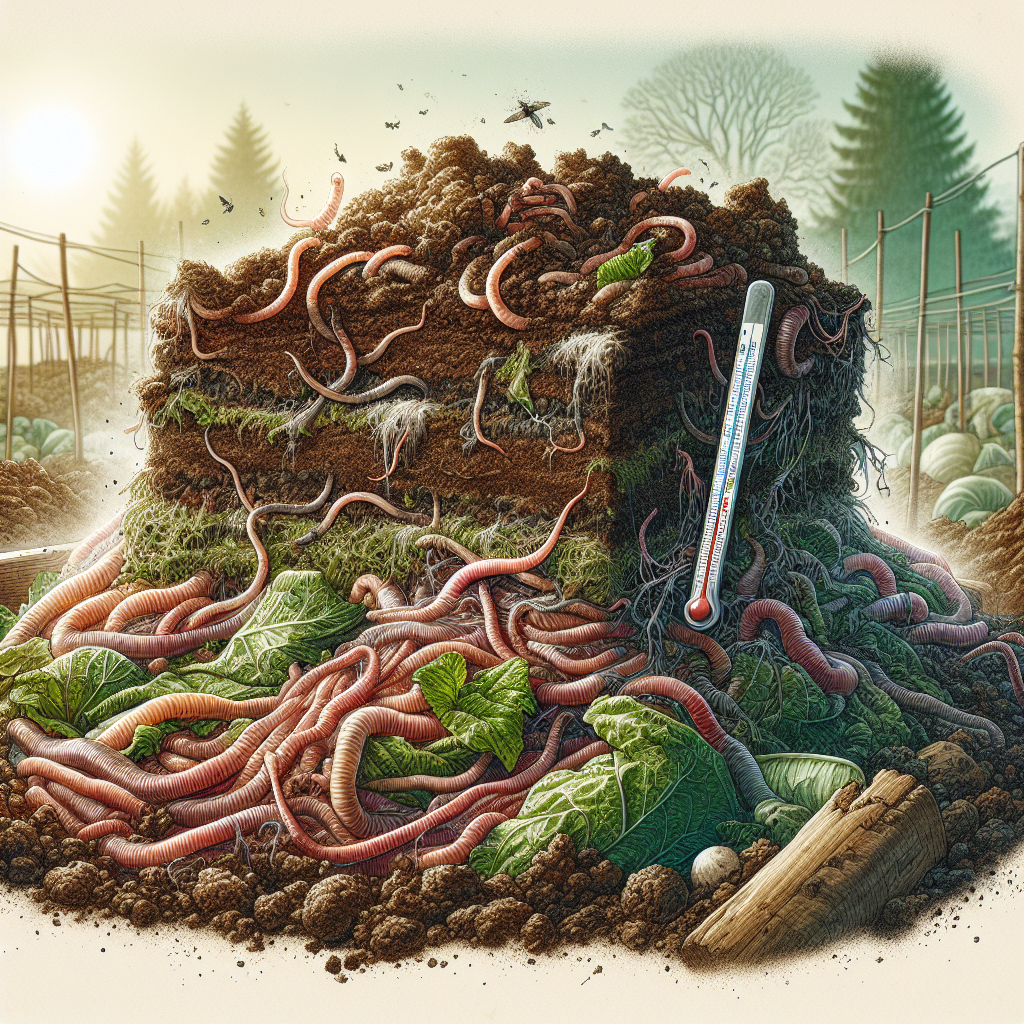
compost
Compost is not a pest but a beneficial process where organic matter breaks down into nutrient-rich humus through microbial activity. However, improper management can lead to pest infestations like [fungus gnats](/wiki/fungus-gnats) or anaerobic odors mistaken for pest damage. This guide addresses 'compost pests' in agricultural settings, providing diagnostic and management strategies for healthy decomposition.
View Guide
Concord Grapes
Concord grapes are a classic American slip-skin grape prized for their unmistakable aroma, deep blue-purple fruit, cold tolerance, and reliable production in temperate climates. Best known for juice, jelly, fresh eating, and home winemaking, this cultivar is more disease-tolerant than many European grapes but still benefits greatly from disciplined pruning, canopy management, and moisture control.
View Guide
coneflower
Coneflower (Echinacea purpurea) is a hardy, drought-tolerant perennial prized for its showy daisy-like blooms, medicinal properties, and value to pollinators. This comprehensive guide covers soil preparation, planting, care schedules, organic pest management, harvesting, and companion strategies for commercial and home growers.
View Guide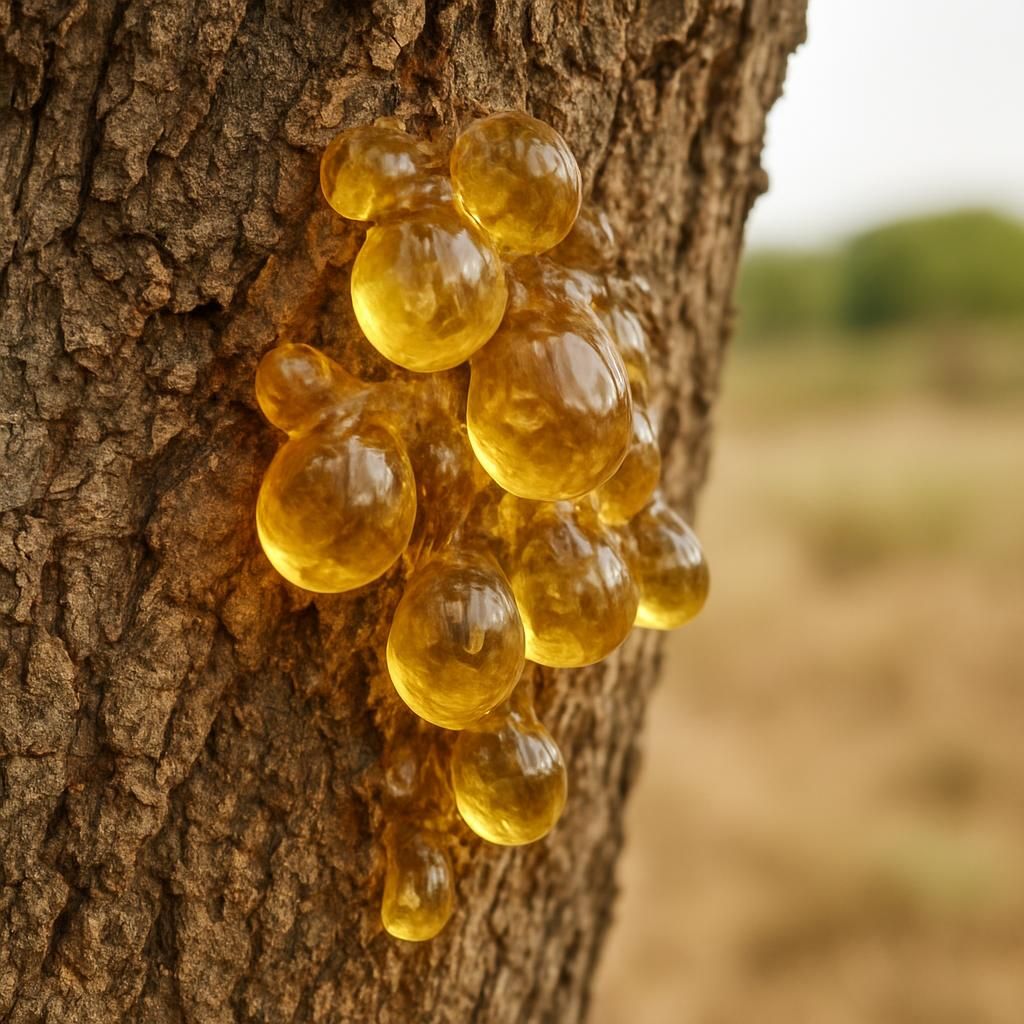
Copal Resin
Copal resin is a fragrant, semi-fossilized tree exudate harvested from several tropical Protium species, prized for incense, varnish, and traditional medicine. This guide covers the full cultivation cycle from seed to cured resin, including climate, soil, propagation, and organic pest management.
View Guide
Copper Hydroxide
Copper hydroxide is a widely used fungicide in agriculture, but excessive or improper application can lead to phytotoxicity, manifesting as leaf burn, fruit spotting, and growth inhibition mistaken for pest damage. This guide provides definitive diagnostics for distinguishing copper hydroxide injury from true pests or diseases, along with organic management strategies to mitigate residues and restore crop health. Farmers can prevent future issues through precise application timing and alternatives like [aphids](/wiki/aphids) control integration.
View Profile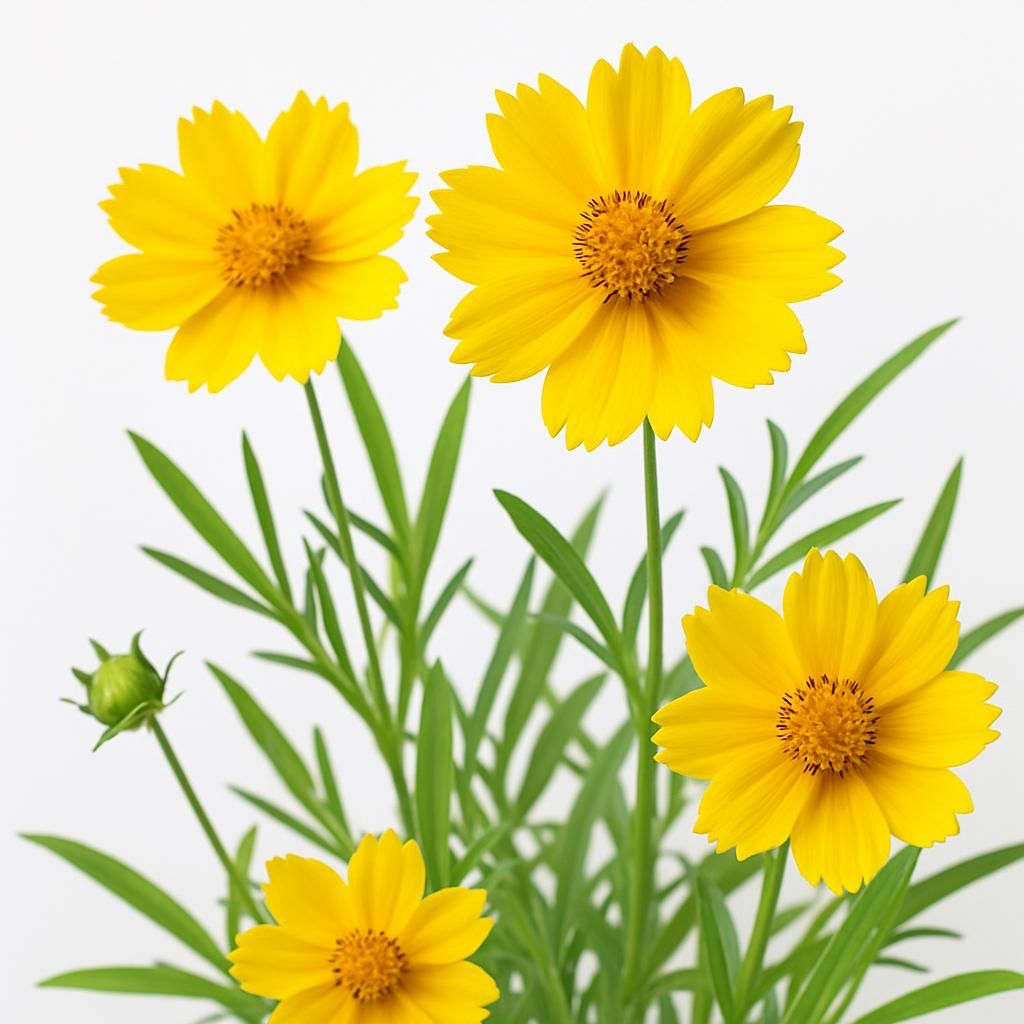
Coreopsis
Coreopsis, commonly known as tickseed, is a genus of hardy, drought-tolerant perennials prized for their bright, daisy-like blooms and extended flowering period. Valued in commercial cut-flower production and pollinator plantings, these low-maintenance plants thrive across USDA zones 4-9 with proper site selection and cultural care.
View Guide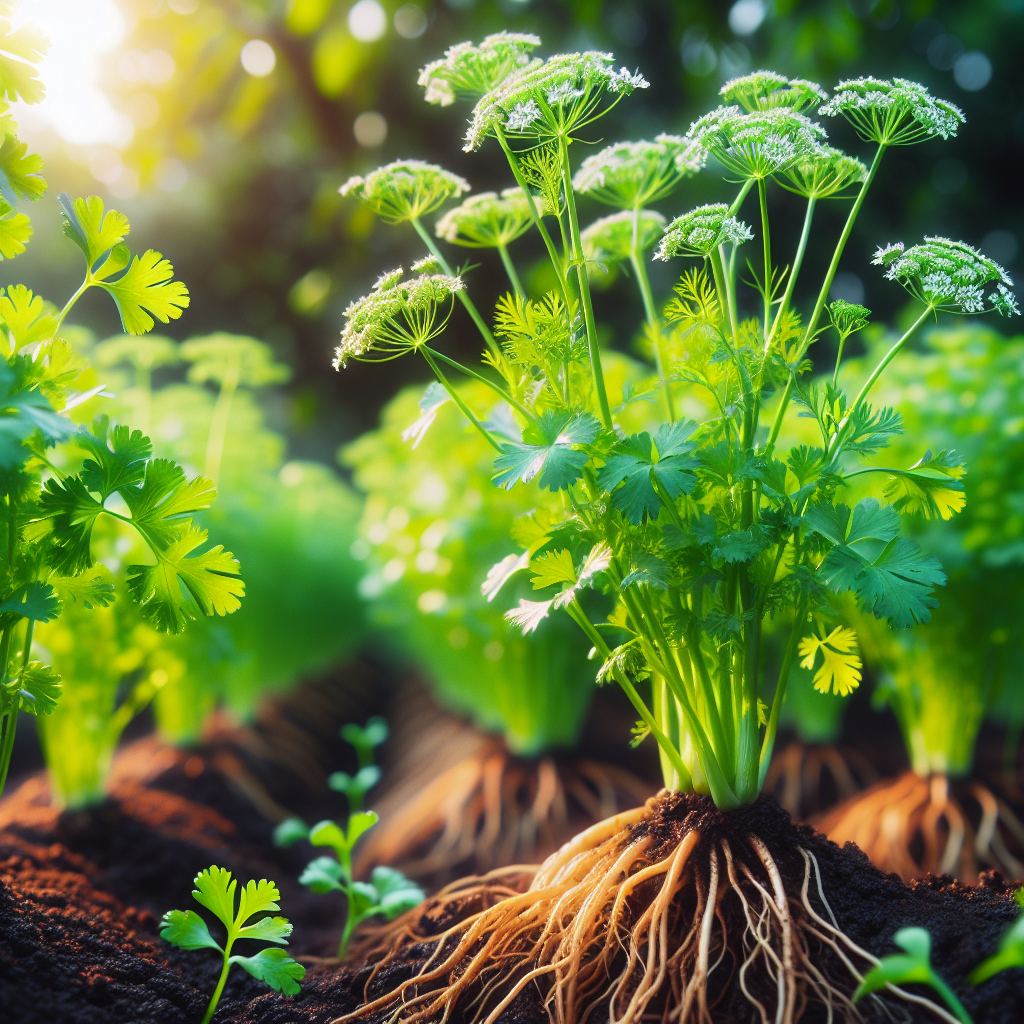
Coriander
Coriander is a fast-growing annual herb cultivated for both its fresh leaves and its aromatic dried seeds. It performs best in cool to mild conditions, demands careful moisture management to prevent bolting and root stress, and rewards growers with a versatile culinary and medicinal crop suited to field plots, market gardens, and container systems.
View Guide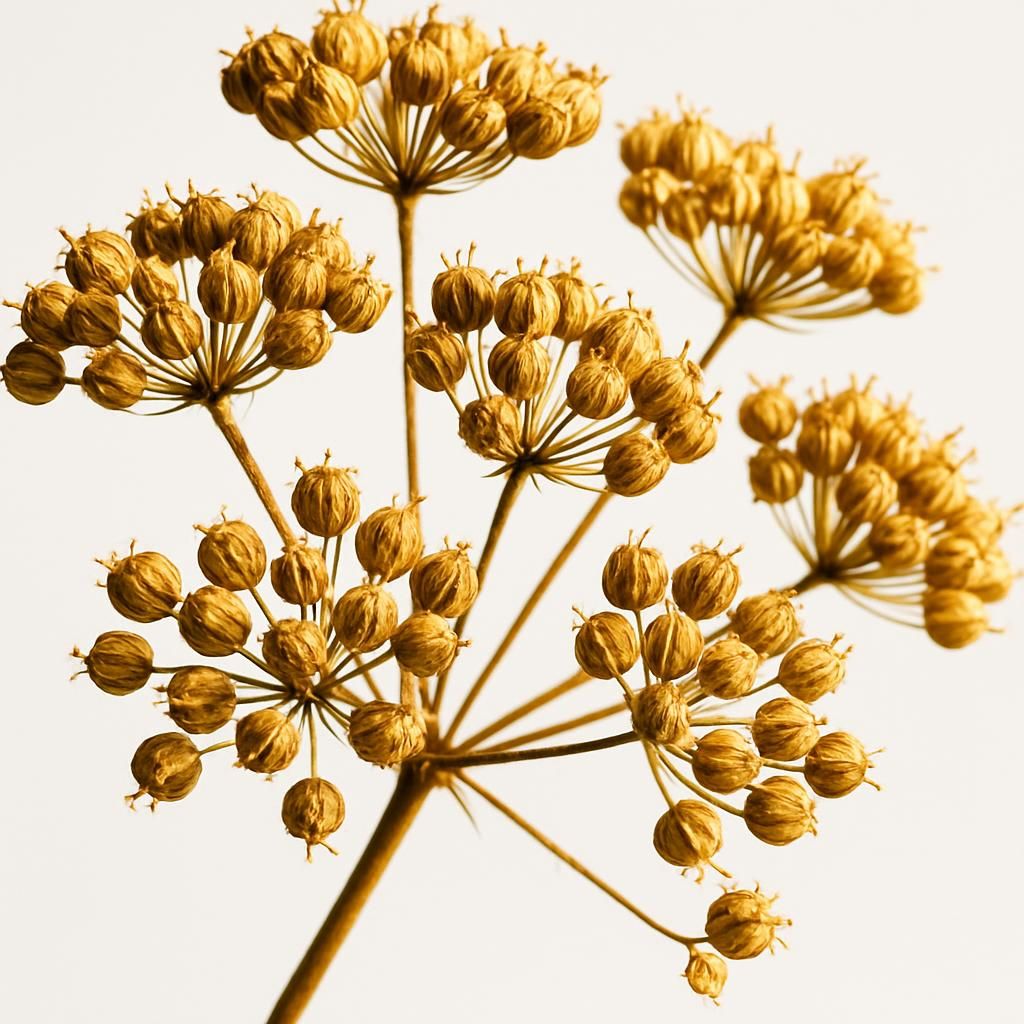
Coriander Seed (Indian)
Indian coriander seed is a high-value spice crop grown primarily for its aromatic seeds used in curries, pickles, and traditional medicine. It thrives in cool, dry climates with well-drained soils and requires careful management of irrigation and nutrients to maximize seed yield and essential oil content.
View Guide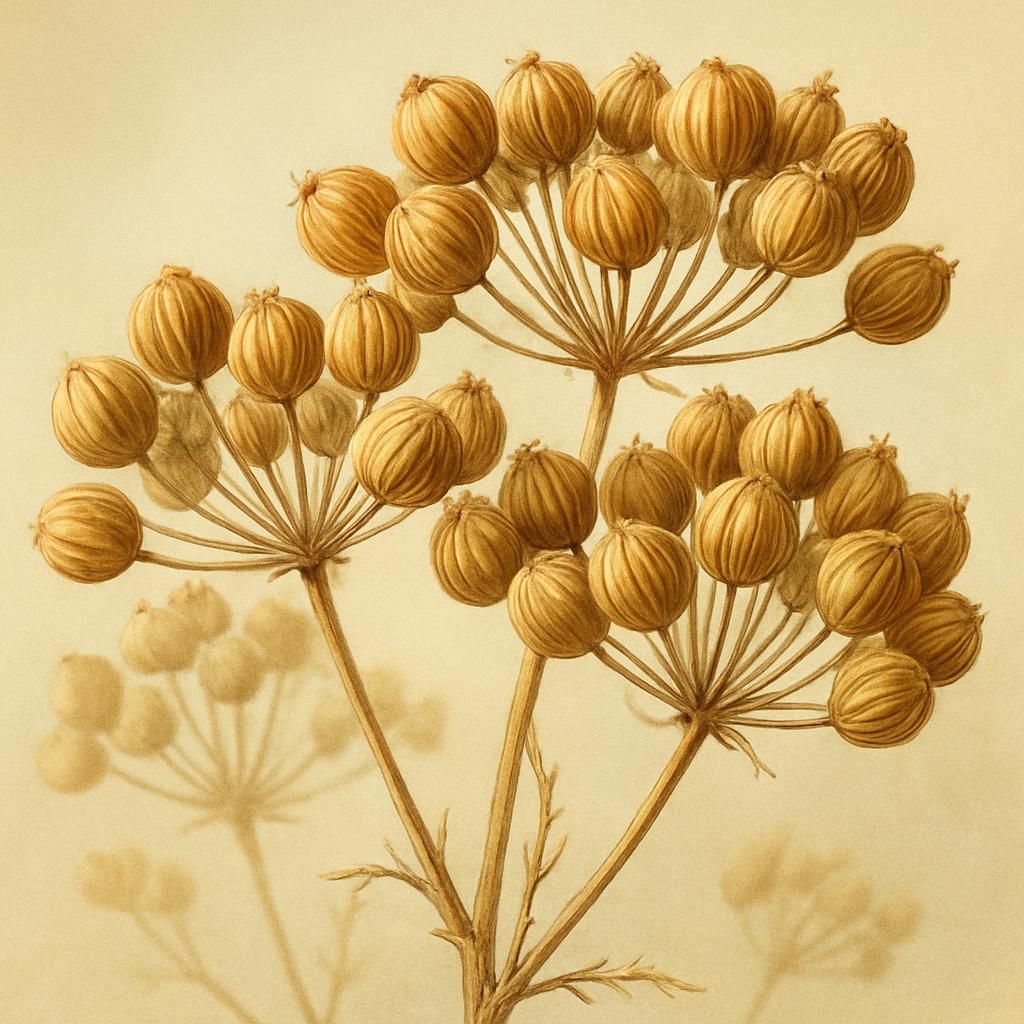
Coriander Seed (Moroccan)
Moroccan coriander is a high-value, heat-tolerant seed variety prized for its intense aroma and robust flavor profile used in spice blends and essential oil production. This guide covers every stage of commercial and home-scale cultivation from seed to storage with precise agronomic data.
View Guide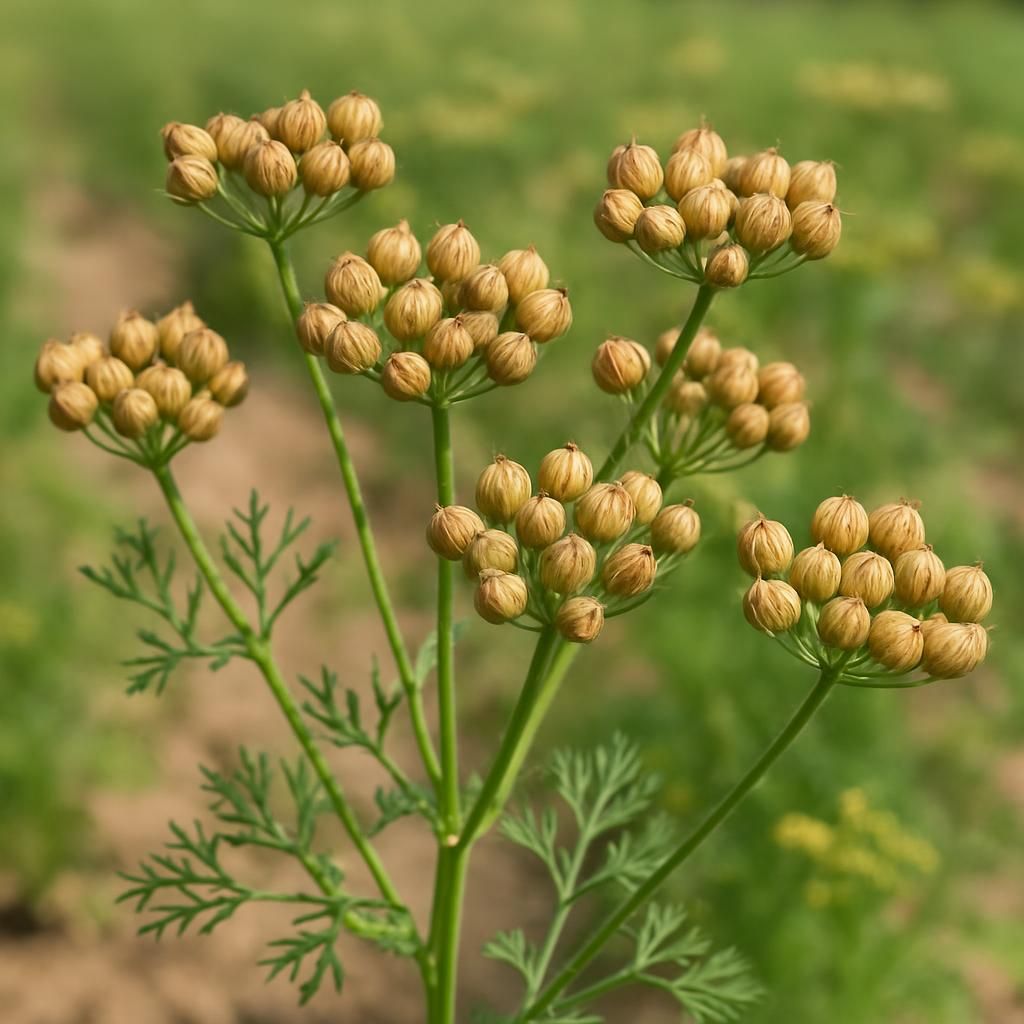
Coriander Seed (Santo)
Coriander Seed (Santo) is a high-yielding, slow-bolting coriander cultivar prized by commercial growers and home gardeners for its abundant seed production and reliable performance in both cool and warm climates. This definitive growing guide covers every stage from soil preparation through harvest and storage, delivering professional-grade advice on maximizing coriander seed output.
View Guide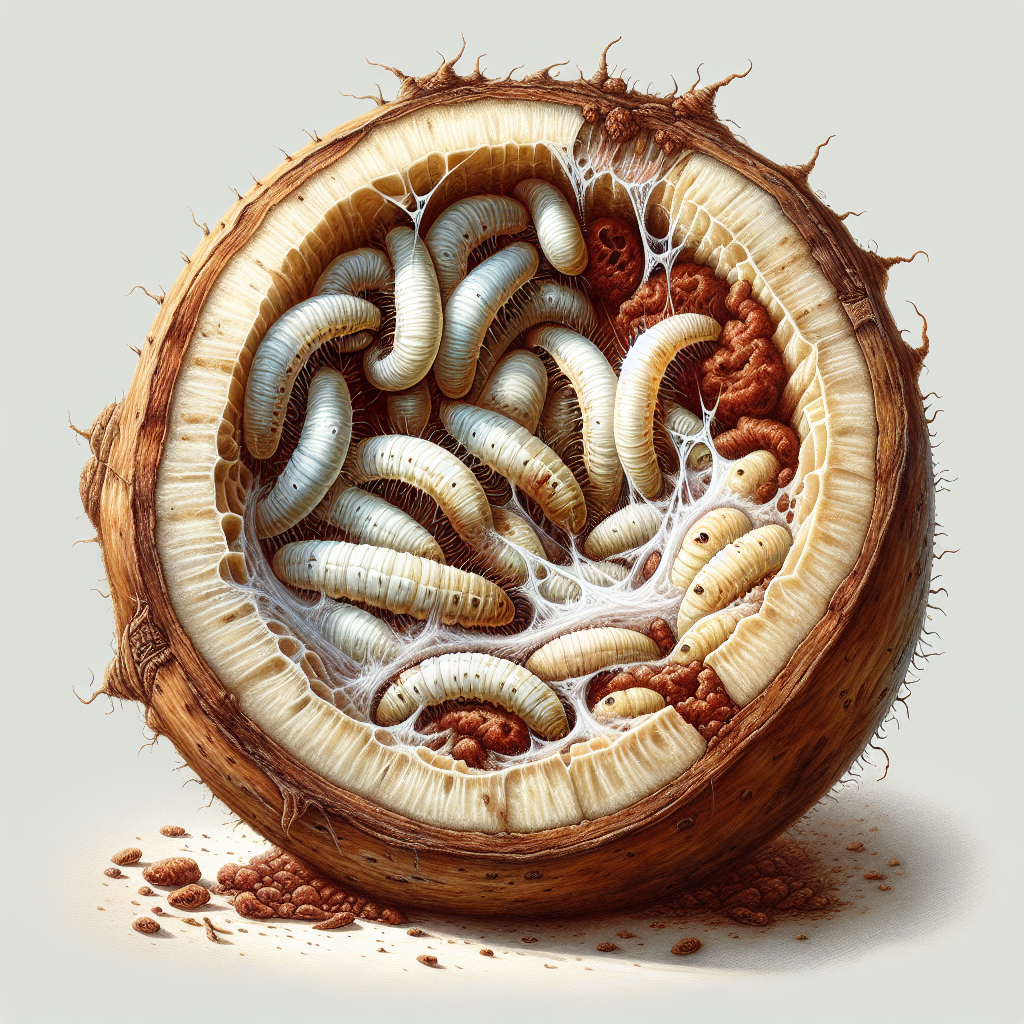
Corm borers
Corm borers are destructive larvae of moths that tunnel into corms of crops like bananas, taro, and gladiolus, causing wilting, rot, and plant death. Early detection through symptoms like entry holes and frass is crucial for effective management. Organic controls including neem oil, beneficial nematodes, and cultural practices provide sustainable solutions for farmers.
View Profile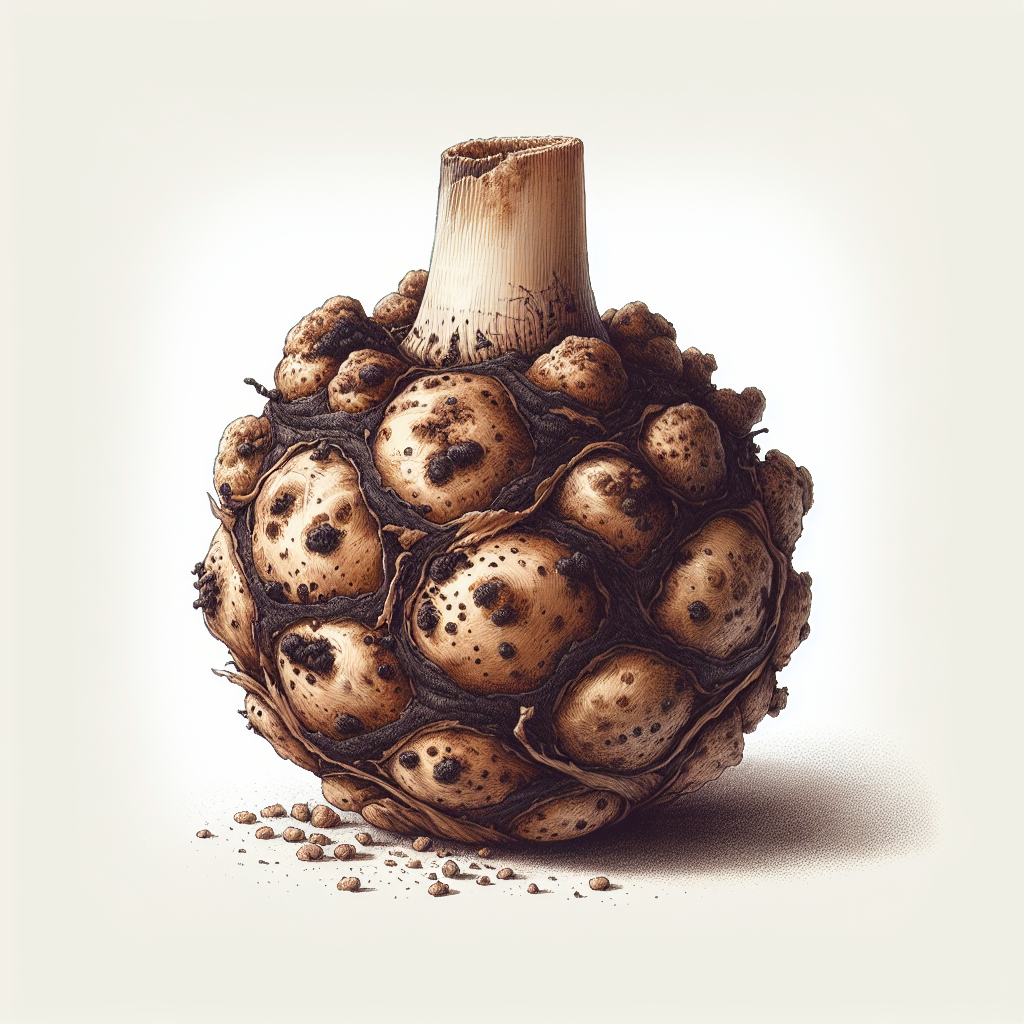
Corm rots
Corm rots are a group of destructive fungal and bacterial diseases affecting the underground storage structures of many crops. They cause significant yield losses by rotting corms, leading to poor plant growth and reduced harvests. This guide provides comprehensive diagnostics and management strategies for farmers.
View Profile