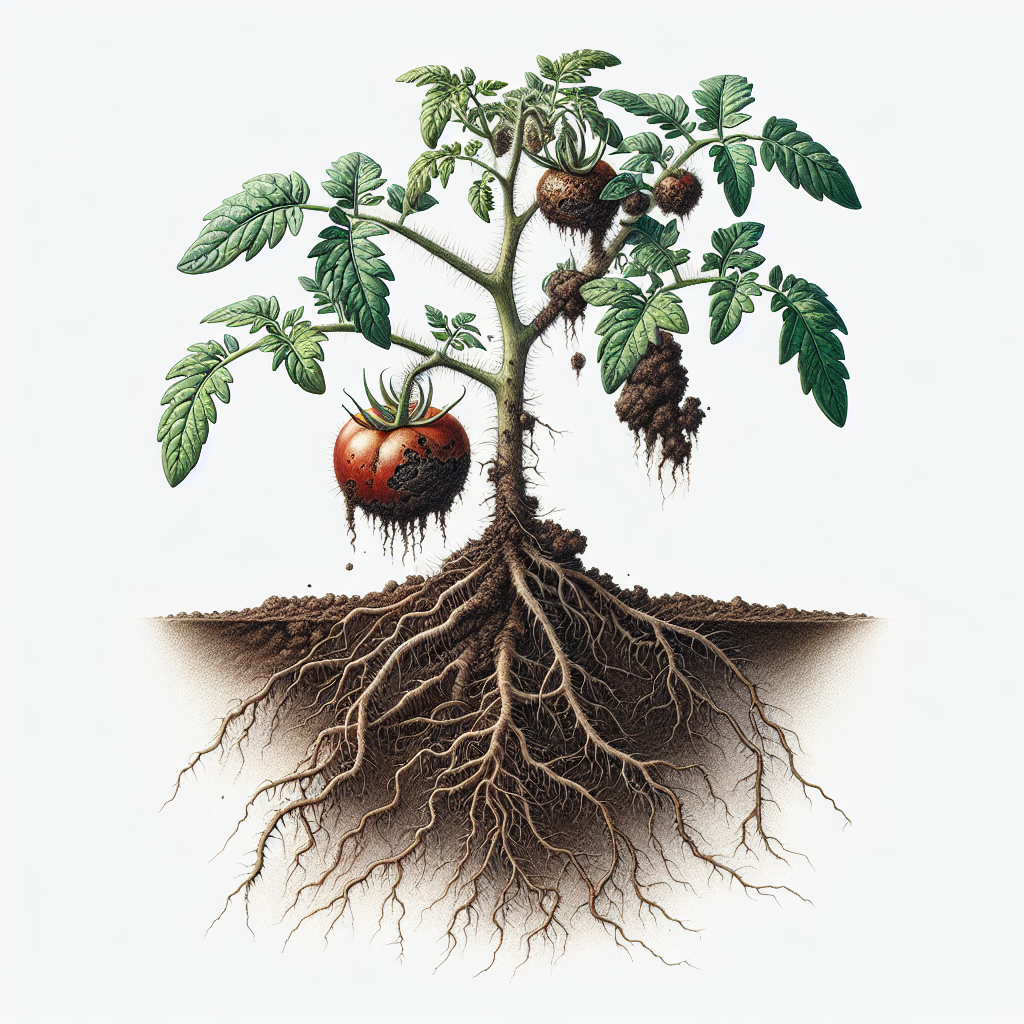
Introduction to crown/root rots
Crown and root rots represent one of the most destructive disease complexes in agriculture, affecting a wide range of crops worldwide. These soilborne pathogens, primarily oomycetes like Phytophthora and Pythium, and true fungi such as Rhizoctonia and Fusarium, target the crown (the junction between root and stem) and root systems. Infection leads to tissue decay, vascular blockage, and plant collapse, often resulting in total crop failure if conditions favor pathogen proliferation.
The economic impact is staggering: in high-value perennial crops like avocado, losses can exceed 30-50% in affected orchards, while annual crops like tomato and potato suffer yield reductions of 20-100%. Unlike foliar diseases, crown/root rots are notoriously difficult to manage once symptoms appear due to their subterranean nature and long-lived survival structures (oospores, chlamydospores, sclerotia). This guide provides professional-grade diagnostics, organic management strategies, and prevention tactics tailored for small farms and commercial operations. Early detection through vigilant scouting and soil testing is critical, as is understanding the pathogen's biology to disrupt its lifecycle. By integrating cultural, biological, and resistant variety approaches, growers can minimize losses and sustain long-term productivity.
Identifying Symptoms & Damage
Accurate diagnosis begins with recognizing the distinctive symptoms of crown/root rots, which progress from subtle to severe. Initial signs include stunted growth, yellowing or chlorosis of lower leaves, and wilting during the day that recovers at night—often mistaken for drought stress. As the disease advances, plants exhibit permanent wilting, rapid defoliation, and collapse, with dark, water-soaked lesions at the soil line on the crown and lower stem.
Root systems appear dark brown to black, mushy, and foul-smelling upon excavation, with sparse fine roots and cortical rot. Advanced crown lesions girdle the plant, interrupting water and nutrient transport. Differentiate from other issues: root-knot nematodes cause galls, while fusarium wilt shows vascular streaking without rot. In perennials like Hass Avocado, gum exudation (gummosis) from the crown is a hallmark of Phytophthora.
Damage quantification: In field trials, infected potato plants yield 40-70% less tubers, with rot extending into storage. Use diagnostic tools like soil moisture probes, bait tests for oomycetes, or lab culturing on selective media (e.g., PARPHN for Phytophthora). Scout weekly in high-risk areas, noting patterns: irregular patches in low spots indicate water-related triggers. Professional tip: Slice symptomatic crowns longitudinally to reveal brick-red to black discoloration and sparse mycelium.
Lifecycle and Progression of crown/root rots
Crown/root rot pathogens exhibit complex lifecycles adapted to soil persistence. Phytophthora cinnamomi, the most aggressive, produces zoospores in saturated soils, swimming to roots and encysting within hours. Hyphae penetrate epidermal cells, colonizing cortex and vascular tissues. Under dry conditions, chlamydospores form, surviving decades in soil.
Pythium spp. follow a similar oomycete cycle, with rapid sporangia formation in cool, wet soils (10-20°C), causing seedling damping-off that progresses to mature plant rots. Rhizoctonia solani persists as sclerotia or hyphae in soil organic matter, infecting via hyphal contact at 20-30°C. Fusarium oxysporum produces microconidia dispersed by water/splashing, entering wounds and advancing systemically.
Progression: Infection (1-7 days) → lesion expansion (1-4 weeks) → girdling and wilt (2-8 weeks) → plant death. Polycyclic spread via irrigation water amplifies epidemics. In strawberry, Phytophthora cactorum crown rot spreads runner-to-runner, decimating beds. Understanding temperature optima (Phytophthora: 25-30°C; Pythium: 15-20°C) aids timing interventions. Long-term survival via resting structures makes rotation insufficient alone.
Environmental Triggers & Risk Factors
Crown/root rots flourish under specific conditions: prolonged soil saturation (>48 hours), compacted soils, and temperatures 15-30°C. Poor drainage from heavy clays, over-irrigation, or low-lying fields creates anaerobic zones favoring oomycete motility. High soil organic matter without aeration harbors Rhizoctonia.
Risk factors include wounded plants (from cultivation, nematodes), acidic soils (pH <6 for Phytophthora), and continuous monocropping. In avocado orchards, summer floods trigger Phytophthora epidemics. Nutrient imbalances—excess nitrogen promotes succulent tissues—exacerbate susceptibility. Compaction from machinery reduces oxygen, stressing roots.
Climate change intensifies risks: erratic rains increase flood events. Assess fields with percolation tests (ideal: 1-2 inches/hour). Avoid planting in compacted or flood-prone zones. Root mealybugs and plant-parasitic nematodes predispose plants by wounding. Check out this Soil Health Mastery blog post for strategies to mitigate these triggers on small farms.
Organic Control & Treatment Plans
Organic management emphasizes integrated cultural and biological tactics, as chemical fungicides are limited. Immediate Actions: Remove and destroy infected plants (do not compost). Excavate and solarize soil (clear plastic, 4-6 weeks at >45°C kills propagules).
Biological Controls: Apply Trichoderma harzianum or Bacillus subtilis drenches (e.g., RootShield, Serenade) at 10^9 CFU/g rates pre-planting and monthly. Mycorrhizal fungi enhance root vigor against invasion. Gliricidia green manures suppress pathogens via allelopathy.
Cultural Treatments: Improve drainage with raised beds (12-18 inches) and tile systems. Drench with aerated compost tea (high Actinomycetes) weekly. For Phytophthora, phosphonate drenches (potassium phosphite, OMRI-approved) boost defenses at 1-2 quarts/acre.
Step-by-Step Plan: 1) Soil test for pH/pathogens. 2) Amend with lime (pH 6.5-7.0) and gypsum for calcium. 3) Plant biofumigants like mustard. 4) Mulch with coarse organics to moderate moisture. 5) Monitor with bait traps. Success rates: 60-80% reduction in trials on tomato. Rotate with brassicas to biofumigate.
Preventing crown/root rots in the Future
Prevention is paramount, focusing on exclusion and site preparation. Select resistant varieties: 'Pink Lady' apple for Phytophthora, 'Mountain Merit' potato for common rots. Sanitize tools/equipment with 10% bleach.
Site Prep: Grade fields for 2% slope, install French drains. Use raised beds for annuals, mound crowns for perennials like peach. Pre-plant fumigation with mustard seed meal (4 tons/acre) reduces inoculum 70%.
Irrigation Management: Drip systems only, avoiding overhead. Time watering for midday evaporation. Cover crops like clover prevent erosion and suppress pathogens.
Long-Term Soil Health: Annual compost (10 tons/acre), cover cropping with sudangrass (biofumigant), and no-till to build aggregates. Scout for early wilting. Quarantine new stock. Integrated plans yield 90% prevention efficacy in strawberry systems.
Crops Most Affected by crown/root rots
Susceptible crops span families: Solanaceae (tomato, potato, eggplant); Rosaceae (strawberry, apple, peach); Ericaceae (blueberry); Perennials like avocado, citrus, mango. Vegetables: pepper, cucurbits. Ornamentals and turf also hit hard. Phytophthora root rot devastates avocado; Rhizoctonia crown rot plagues peach. Annual losses: billions globally.