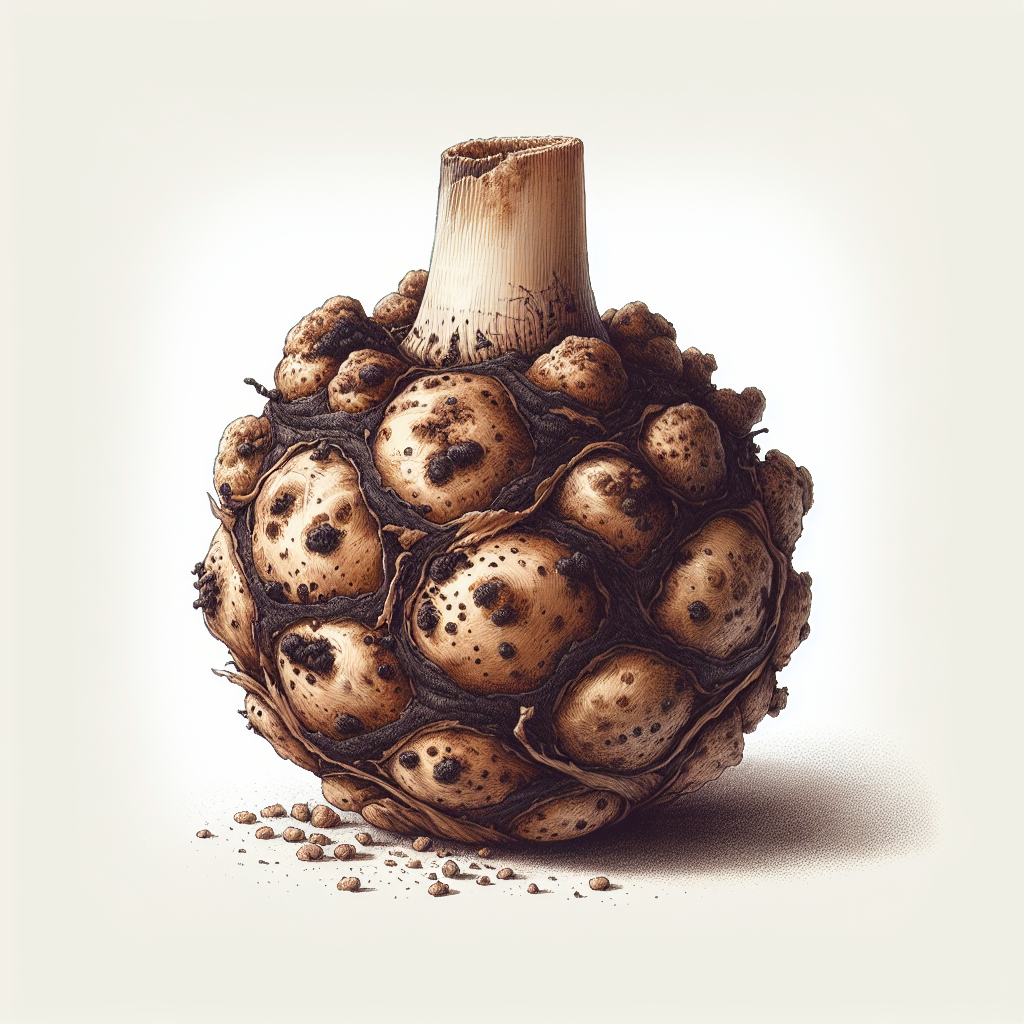
Introduction to Corm rots
Corm rots are a serious concern for farmers and gardeners cultivating crops with underground storage organs known as corms. These structures, which store nutrients for plant growth, are vital for the survival and propagation of certain crops. However, corm rots—caused by a variety of pathogens including fungi like Fusarium and Rhizoctonia, as well as oomycetes like Pythium—can devastate these organs, leading to significant economic losses. The disease manifests as decay, softening, or discoloration of the corm, often accompanied by foul odors due to secondary bacterial infections. Affected plants may show stunted growth, yellowing leaves, or complete collapse, as the corm's ability to supply nutrients is compromised.
Understanding corm rots is crucial for effective crop management, especially in regions with high humidity or poorly drained soils, where these pathogens thrive. This guide aims to equip agricultural professionals and hobbyists with the knowledge to identify, manage, and prevent corm rots, ensuring healthier crops and sustainable yields. By implementing the strategies outlined here, growers can mitigate the impact of this disease and protect their investments.
Identifying Symptoms & Damage
The first step in managing corm rots is accurate identification of symptoms and damage. Early detection can mean the difference between saving a crop and losing an entire harvest. Above ground, plants affected by corm rots often exhibit stunted growth, wilting, or yellowing of leaves, even when adequately watered. These symptoms occur because the rotting corm cannot supply the necessary water and nutrients to the plant. In severe cases, the plant may collapse entirely due to the lack of structural support from the decayed corm.
Below ground, the corm itself shows clear signs of infection. Discoloration is a common initial symptom, with affected areas turning brown, black, or reddish. The tissue may become soft and mushy, often emitting a foul odor due to bacterial decomposition. In some cases, white or pink fungal growth may be visible on the corm's surface. Cutting into the corm often reveals internal rot, with healthy tissue replaced by decayed, watery, or crumbly material. Secondary infections can exacerbate the damage, making it critical to inspect corms regularly during the growing season and at harvest.
Lifecycle and Progression of Corm rots
The lifecycle of corm rots varies depending on the specific pathogen involved, but most follow a similar pattern of infection, spread, and persistence. Pathogens like Fusarium and Pythium typically reside in the soil or on infected plant debris, waiting for favorable conditions to infect a host. Infection often occurs through wounds on the corm caused by mechanical damage, insect feeding, or natural cracking during growth. Once inside, the pathogen begins to break down the corm tissue, using enzymes to degrade cell walls and feed on the stored nutrients.
As the disease progresses, the pathogen produces spores or other reproductive structures that can spread to nearby plants via water, soil movement, or contaminated tools. In wet conditions, oomycetes like Pythium can produce motile zoospores that swim through soil water to infect new hosts. The disease can persist in the soil for years, especially if infected corms or plant debris are not removed. This persistence makes crop rotation and sanitation critical components of management. Over time, repeated infections can build up pathogen populations in the soil, making it increasingly difficult to grow susceptible crops in the same location.
Environmental Triggers & Risk Factors
Corm rots are heavily influenced by environmental conditions and cultural practices. High soil moisture and poor drainage are primary risk factors, as many pathogens thrive in waterlogged conditions. Warm temperatures, typically between 20-30°C (68-86°F), further accelerate pathogen growth and disease development. Fields with heavy clay soils or those prone to flooding are particularly vulnerable, as water accumulates around corms, creating an ideal environment for infection.
Other risk factors include poor soil health and lack of crop rotation. Soils depleted of organic matter or with imbalanced nutrients can weaken plants, making them more susceptible to disease. Planting the same crop in the same field year after year allows pathogen populations to build up, increasing the likelihood of severe outbreaks. Additionally, using contaminated planting material or failing to sanitize tools and equipment can introduce pathogens into clean fields. Understanding these triggers is essential for implementing effective prevention strategies, as discussed in later sections.
Organic Control & Treatment Plans
Managing corm rots organically requires a multi-faceted approach focused on cultural practices, biological controls, and minimal chemical intervention. Once infection is detected, immediate action is necessary to limit spread. Remove and destroy infected corms and surrounding soil to prevent pathogens from spreading to healthy plants. Do not compost infected material, as many pathogens can survive the composting process. Instead, burn the debris or dispose of it far from agricultural areas.
Biological control agents, such as beneficial fungi like Trichoderma spp., can be applied to the soil to suppress pathogenic populations. These beneficial organisms compete with disease-causing fungi for resources, reducing their ability to infect corms. Organic amendments, such as compost teas or biochar, can also improve soil health and enhance plant resistance. For small-scale farmers seeking innovative organic solutions, integrating technology can streamline disease management. Check out this insightful post on Spring Pest Patrol: Organic AI Strategies to Shield Your Crops from Common Invaders for additional strategies to protect your crops naturally.
If organic fungicides are necessary, products containing copper or sulfur can be used as a last resort, following label instructions and local regulations. However, prevention is always more effective than treatment. Ensure proper soil drainage by using raised beds or installing drainage systems in heavy soils. Avoid overwatering and irrigate early in the day to allow soil to dry out before nightfall, reducing humidity around corms.
Preventing Corm rots in the Future
Preventing corm rots requires proactive measures to minimize risk factors and maintain a healthy growing environment. Start with certified disease-free planting material to avoid introducing pathogens into your fields. Inspect corms before planting, discarding any with signs of rot or damage. Crop rotation is another powerful tool; avoid planting susceptible crops in the same field for at least 3-4 years to break the pathogen's lifecycle.
Soil management plays a critical role in prevention. Incorporate organic matter like compost or well-rotted manure to improve soil structure and drainage. Test soil regularly to maintain balanced nutrient levels, as healthy plants are more resistant to disease. For crops like Taro, which are particularly prone to corm rots, ensure optimal growing conditions by avoiding waterlogged soils and using well-drained planting sites.
Sanitation is equally important. Clean and disinfect tools, equipment, and storage areas between uses to prevent cross-contamination. After harvest, remove all plant debris from the field and avoid leaving corms in the ground over winter, as they can serve as a reservoir for pathogens. Finally, monitor weather conditions and adjust irrigation practices during periods of heavy rain or high humidity to reduce the risk of infection.
Crops Most Affected by Corm rots
Corm rots affect a wide range of crops that rely on corms as storage organs or propagules. Some of the most commonly impacted crops include taro, gladiolus, crocus, and certain varieties of bananas. Taro, a staple crop in many tropical regions, is particularly susceptible due to its preference for moist environments, which also favor pathogen growth. Gladiolus, often grown for ornamental purposes, can suffer significant losses in commercial production if corm rots are not managed properly.
Other crops, such as saffron crocus and some banana cultivars, also face challenges from corm rots, especially in poorly drained soils or under high humidity. In banana production, corm rots often occur alongside other diseases like Panama disease, compounding the damage. Growers of these crops must be vigilant in monitoring for early symptoms and implementing the preventive measures outlined in this guide to protect their harvests.
By understanding the nature of corm rots and adopting integrated management practices, farmers can significantly reduce the impact of this disease on their crops. With careful planning and attention to soil health, sanitation, and environmental conditions, it is possible to cultivate healthy, productive plants even in areas prone to corm rots.