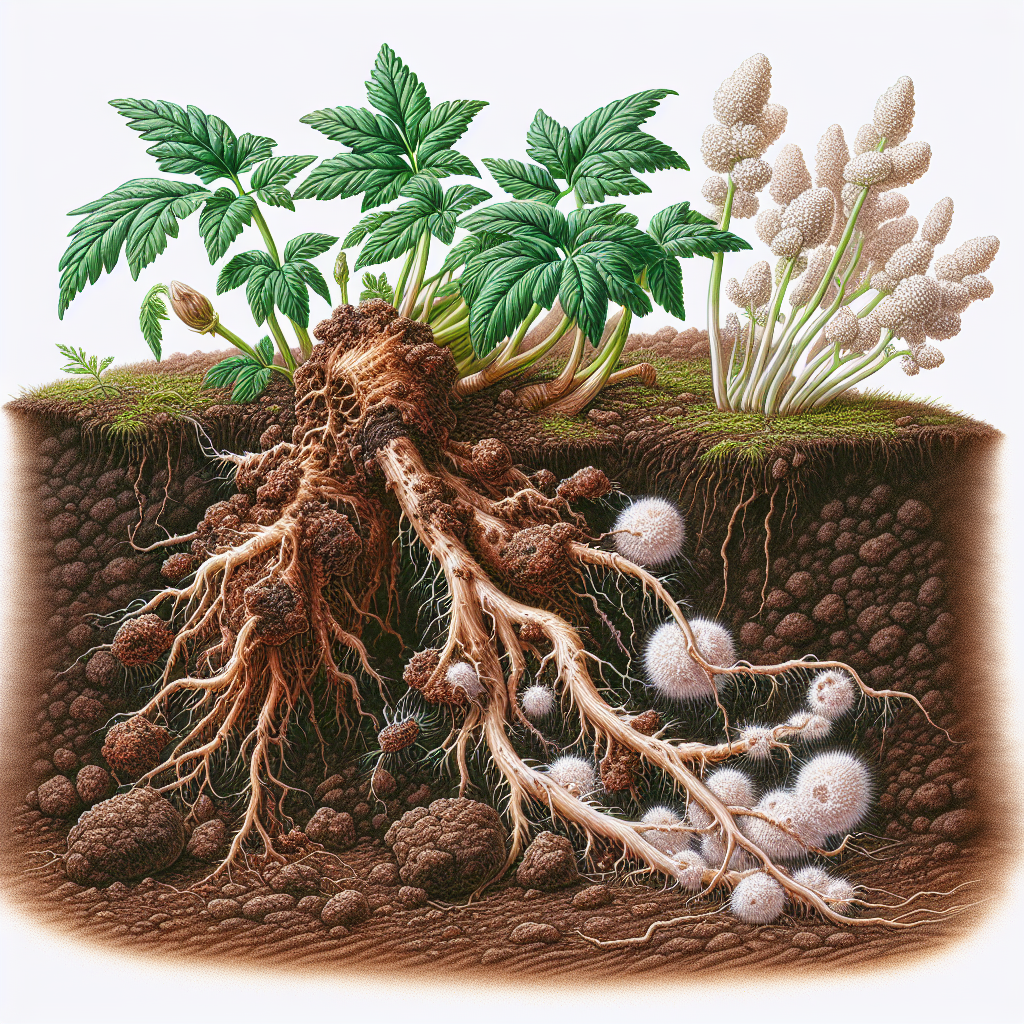
Introduction to common root rots
Common root rots represent one of the most pervasive and destructive disease complexes in agriculture, affecting crops worldwide from field staples to high-value orchards. These diseases are not caused by a single pathogen but by a consortium of soil-borne fungi and oomycetes, including Pythium, Phytophthora, Rhizoctonia, and Fusarium species. They target the root systems of plants, impairing water and nutrient uptake, which leads to rapid decline and often total crop failure.
Root rots are particularly insidious because symptoms often appear suddenly after prolonged stress, such as heavy rains or overwatering, making them a nightmare for farmers in humid, temperate, or tropical regions. Globally, they cause billions in losses annually, hitting everything from potato fields to avocado groves. Unlike foliar diseases, root rots are hidden underground until it's often too late, emphasizing the need for proactive cultural management over curative sprays.
This guide provides professional-grade diagnostics, lifecycle insights, organic treatments, and prevention strategies tailored for small to medium-scale operations. By understanding environmental triggers and implementing integrated management, growers can minimize losses and sustain yields. For more on soil health strategies that combat these issues, check out Soil Health Mastery: 5 Proven Strategies for Small Farms to Build Fertile Ground Without Breaking the Bank.
Identifying Symptoms & Damage
Early detection of common root rots is challenging due to their subterranean nature, but vigilant scouting reveals telltale signs. Above-ground symptoms include sudden wilting during the day with partial recovery at night, stunting, yellowing of lower leaves (chlorosis), and premature senescence. Plants may appear healthy until stressed by heat or drought, then collapse rapidly.
Root inspection is diagnostic: gently unearth affected plants to reveal dark, mushy, water-soaked roots with a foul odor. Healthy roots are firm and white; rotted ones are brown to black, brittle or slimy, and lack feeder root hairs. Advanced stages show girdling lesions at the root crown, often with white mycelial growth (Rhizoctonia) or reddish-brown discoloration (Phytophthora).
Damage varies by pathogen and host. Pythium causes 'damping-off' in seedlings, where stems collapse at soil level. Phytophthora leads to crown rot in perennials like avocado, with gum exudate in woody plants. Fusarium produces dry rot with vascular discoloration. Yield losses can exceed 50-80% in severe outbreaks, compounded by secondary invaders like root-knot nematodes. Use a hand lens to check for pathogen-specific structures, and submit samples to a diagnostic lab for confirmation via culturing or PCR.
Lifecycle and Progression of common root rots
Common root rots follow opportunistic lifecycles tied to soil conditions rather than strict host-pathogen cycles. Pathogens persist as thick-walled oospores (Pythium, Phytophthora), sclerotia (Rhizoctonia), or chlamydospores (Fusarium), surviving decades in soil without a host. Infection initiates via zoospores or hyphae contacting wounded or water-stressed roots.
Progression unfolds in phases: initial colonization under anaerobic, saturated conditions dissolves root cortex cells enzymatically. As roots decay, toxins girdle vascular tissues, blocking translocation. Plants exhibit pre-flowering wilting in annuals or gradual decline in perennials. Sporulation occurs on rotted tissues, spreading via splashing rain, irrigation, or tools. In Phytophthora, motile zoospores swim in films of water to new hosts, amplifying epidemics.
Temperature optima vary: Pythium thrives at 15-25°C, Rhizoctonia at 25-35°C. Without intervention, the disease progresses systemically, killing entire stands. Crop rotation disrupts buildup, but continuous monoculture accelerates pathogen density.
Environmental Triggers & Risk Factors
Root rots explode under conditions favoring pathogen activity over plant vigor. Poor drainage and compaction create anaerobic zones where oomycetes dominate. Over-irrigation, especially overhead, splashes inoculum. High soil moisture (>60% field capacity) for >48 hours triggers zoospore release.
Compacted, heavy clay soils retain water, while low organic matter reduces aeration. Cool, wet springs favor seedling rots; warm, humid summers hit mature crops. Acidic soils (pH <5.5) boost Pythium and Phytophthora. Nutrient imbalances, like excess nitrogen, produce succulent roots prone to infection.
Risk factors include continuous cropping without rotation, infected transplants, and contaminated water sources. Injured roots from root-knot nematodes or cultivation serve as entry courts. Climate change intensifies risks with erratic rains. Test soil drainage by digging post-rain holes; water lingering >24 hours signals vulnerability.
Organic Control & Treatment Plans
Organic management emphasizes cultural shifts and biologicals over fungicides. For active infections, remove and destroy affected plants to curb spread. Improve drainage with raised beds (12-18 inches high) or tiling. Solarize soil in summer: cover moist beds with clear plastic for 4-6 weeks to kill pathogens via heat (>50°C).
Biological controls shine: apply Trichoderma harzianum or Bacillus subtilis drenches (1-2 kg/ha) at planting to outcompete pathogens. Mycorrhizal fungi enhance root resilience. Hydrogen peroxide (3%) or potassium phosphite (0.1%) boosts defenses without residues.
Crop rotation with non-hosts like grasses for 2-3 years depletes inoculum. Use certified disease-free seeds/transplants. Mulch with compost (5-10 cm) to moderate moisture and foster antagonists. In hydroponics, sterilize recirculating water with UV or ozone. Monitor with bait tests for Phytophthora. Integrated plans reduce incidence by 70-90%.
Preventing common root rots in the Future
Prevention trumps cure: site selection with well-drained slopes is foundational. Test soil pH (aim 6.0-7.0) and amend with lime/gypsum. Incorporate 20-30 tons/ha compost pre-planting to boost microbiology.
Choose resistant varieties: e.g., Hass avocado tolerates Phytophthora better than susceptible types. Space plants for airflow, avoiding overcrowding. Irrigate deeply but infrequently (drip preferred) to keep foliage dry.
Sanitize tools with 10% bleach between uses. Avoid autumn planting in wet climates. Cover crops like mustard biofumigate soil upon incorporation. Annual soil tests guide amendments. Long-term, no-till builds suppressive soils. For small farms, Soil Health Mastery: 5 Proven Strategies for Small Farms to Build Fertile Ground Without Breaking the Bank details budget-friendly protocols yielding resilient roots.
Crops Most Affected by common root rots
Root rots plague diverse crops, with legumes, solanaceae, and cucurbits highly susceptible. Potato suffers Rhizoctonia black scurf and Fusarium dry rot, slashing tuber yields. Tomato faces Pythium in greenhouses. Soybeans battle Phytophthora in saturated fields.
Orchard crops like avocado, citrus, and mango endure chronic Phytophthora decline. Pepper, squash, and bean show high losses. Cereals like corn get Fusarium stalk rot. Turf and ornamentals also succumb. Tailor prevention to crop: e.g., raised beds for veggies, rootstocks for trees.