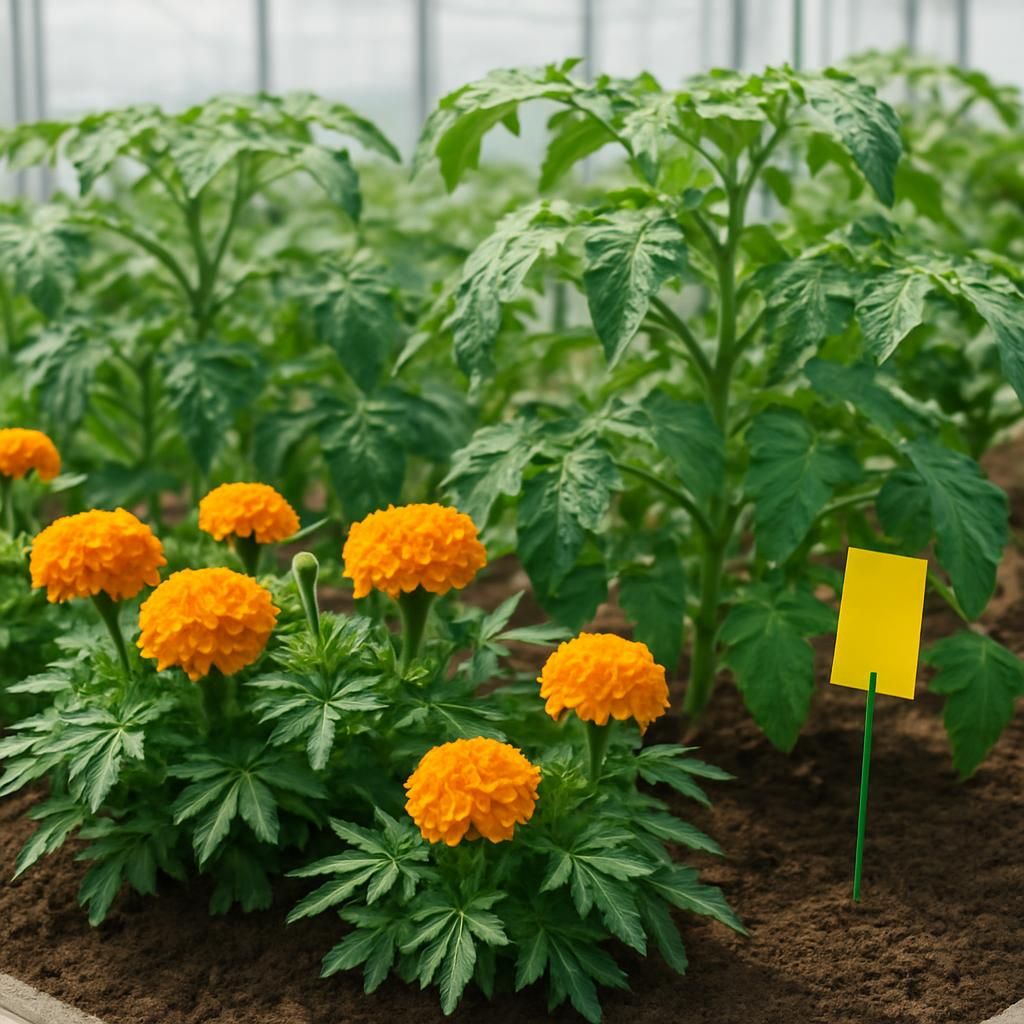
Introduction to companion plants
Companion planting refers to the strategic interplanting of two or more crop species to achieve agronomic benefits such as pest suppression, improved pollination, nutrient enhancement, or microclimate modification. Common pairings include Marigold with Tomato or Nasturtium with Cucumber. When poorly selected or unmanaged, companion plants can reduce yields through competition for light, water, and nutrients or by harboring pests and diseases. Professional growers must balance these ecological interactions with economic return per square meter.
Identifying Symptoms & Damage
Symptoms of problematic companion plant interactions include stunted growth, chlorosis, reduced fruit set, and increased pest pressure. Visible signs range from yellowing foliage in nitrogen-competing species to wilting in moisture-stressed crops. Root systems may show reduced nodulation or mycorrhizal colonization when allelopathic companions are present. Monitoring protocols should include weekly visual scouting combined with soil moisture and nutrient testing to differentiate between direct competition and secondary pest or disease issues.
Lifecycle and Progression of companion plants
Companion plants progress through distinct phenological stages that influence their impact on neighboring crops. Proper timing of planting, flowering, and senescence is critical for maximizing benefits while minimizing competition.
| Stage | Duration | Key Characteristics | Management Notes |
|---|---|---|---|
| Germination/Emergence | 3-14 days | Rapid root and shoot development | Ensure adequate spacing and irrigation to prevent early competition |
| Vegetative Growth | 2-8 weeks | Leaf expansion and canopy closure | Monitor light interception; prune or thin if shading occurs |
| Flowering | 1-4 weeks | Peak pollinator attraction and potential pest hosting | Time removal or mowing to avoid seed set if species is invasive |
| Fruiting/Seed Set | 2-6 weeks | Resource demand peaks | Harvest or terminate companions before crop maturity to reduce competition |
| Senescence | Variable | Nutrient remobilization and residue decomposition | Incorporate residues or use as mulch to return nutrients to soil |
Environmental Triggers & Risk Factors
High temperatures (>30 °C) accelerate both beneficial and competitive interactions by increasing evapotranspiration rates. Soil pH below 5.5 or above 7.5 can intensify allelopathic effects from certain species. Over-irrigation promotes fungal diseases shared between companions and target crops, while drought stress amplifies resource competition. Dense planting, poor airflow, and continuous monoculture rotations increase the likelihood of pest carry-over between seasons.
Organic Control & Treatment Plans
Management begins with species selection and spatial design. When competition becomes excessive, mechanical removal, targeted mowing, or flame weeding are preferred over chemical interventions.
| Treatment Option | Application Frequency | Notes |
|---|---|---|
| Hand weeding / selective thinning | Weekly during vegetative stage | Maintain 30-45 cm buffer around main crop; ideal for small plots |
| Mowing or roller-crimping | At 50 % flowering | Reduces seed set and returns biomass as mulch |
| Flame weeding | As needed on borders | Effective on young seedlings; avoid contact with crop foliage |
| Compost tea drench (1:10 dilution) | Every 14 days | Boosts microbial activity to offset allelopathic suppression |
| Mulch barrier (straw or wood chips, 5-8 cm) | At planting and replenished mid-season | Suppresses volunteer seedlings and conserves moisture |
| Beneficial insect release (e.g., lady beetles) | At first sign of aphid surge on companions | Prevents pest spillover to main crop |
Preventing companion plants in the Future
Implement a written crop plan that lists intended companions, their expected duration, and removal thresholds. Use crop rotation realities to break pest and disease cycles associated with repeated pairings. Soil testing every 12 months allows adjustment of fertility programs to compensate for any nutrient drawdown caused by aggressive companions. Maintain buffer strips of 1 m between incompatible species and record all interplanting outcomes in a field log for continuous improvement.
Crops Most Affected by companion plants
High-value vegetables such as Tomato, Cucumber, and Lettuce show measurable yield reductions when paired with overly competitive species. Fruiting crops including Strawberry and Pepper are sensitive to shading and moisture competition during flowering. Root crops like Carrot and Radish suffer from physical interference and altered soil microbiology. Brassicas including Cabbage and Broccoli can experience increased flea beetle pressure when certain flowering companions are allowed to set seed nearby.