Encyclopedia
Definitive guides for crops, pests, and agricultural diseases.
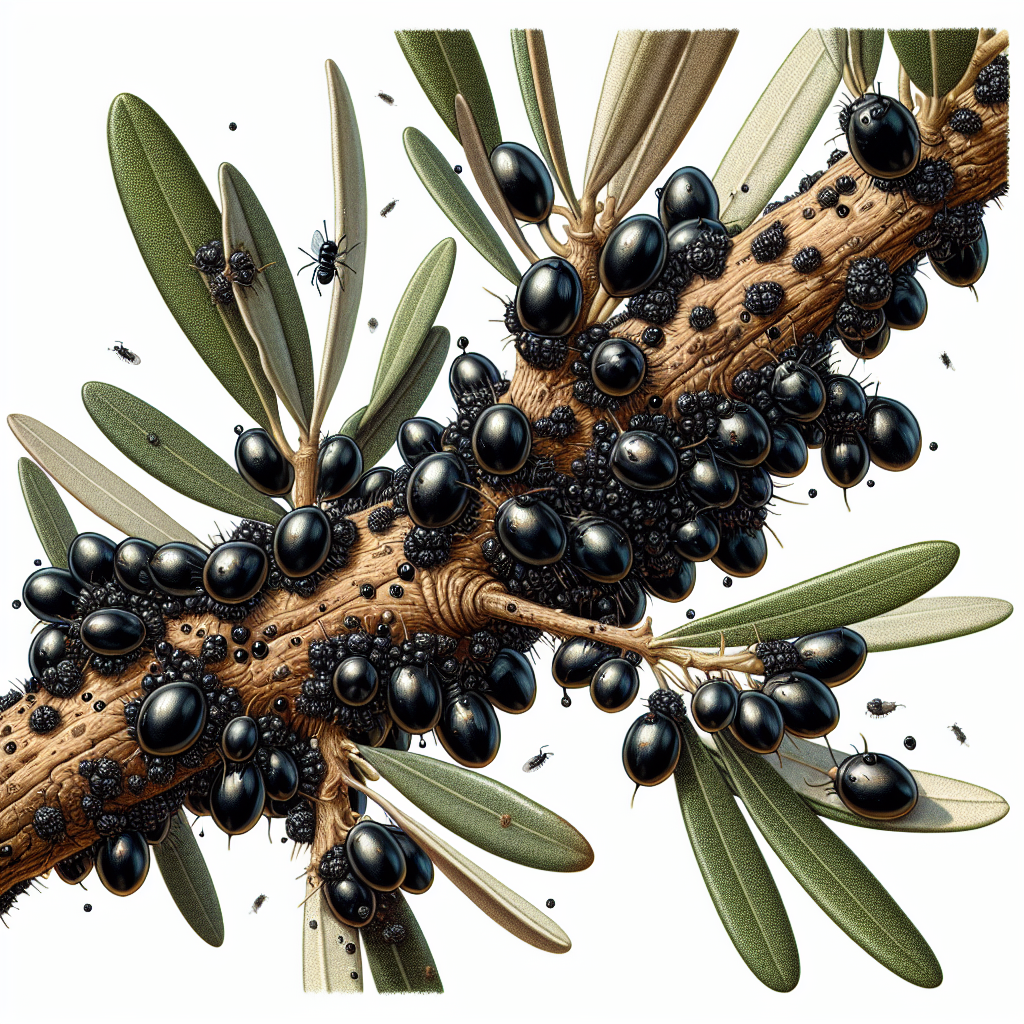
Black olive scale
Black olive scale (Saissetia oleae) is a notorious armored scale insect that infests olive trees, sucking sap and causing severe defoliation, branch dieback, and reduced yields. This pest produces abundant honeydew that promotes sooty mold, further damaging tree health and aesthetics. Effective management combines cultural practices, biological controls, and targeted organic treatments for sustainable olive orchard protection.
View Profile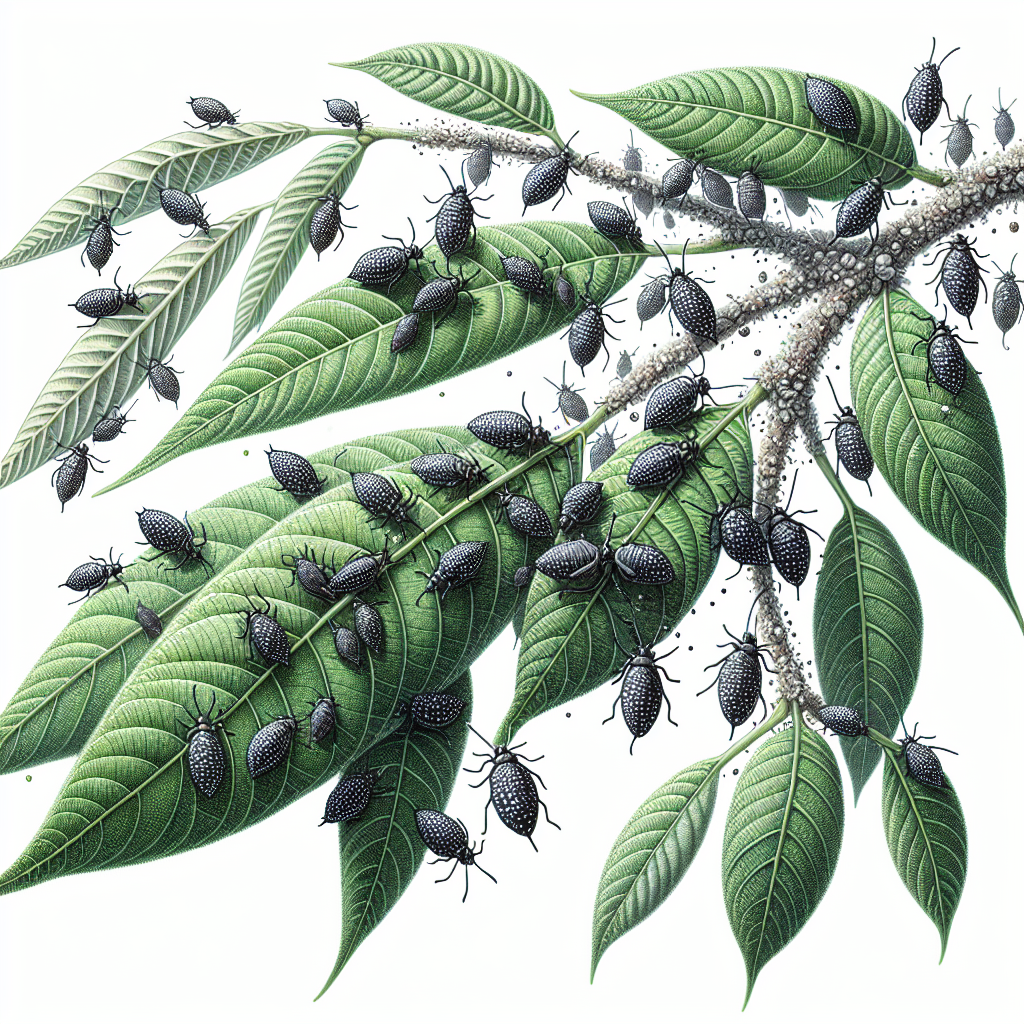
Black pecan aphids
Black pecan aphids (Melanocallis caryaefoliae) are small, dark-colored sap-sucking insects that target pecan trees, causing leaf curl, sooty mold, and reduced nut production. This guide provides comprehensive diagnostics, lifecycle insights, organic management strategies, and prevention tips for pecan growers. Effective control relies on early detection, natural predators, and cultural practices to minimize economic losses in orchards.
View Profile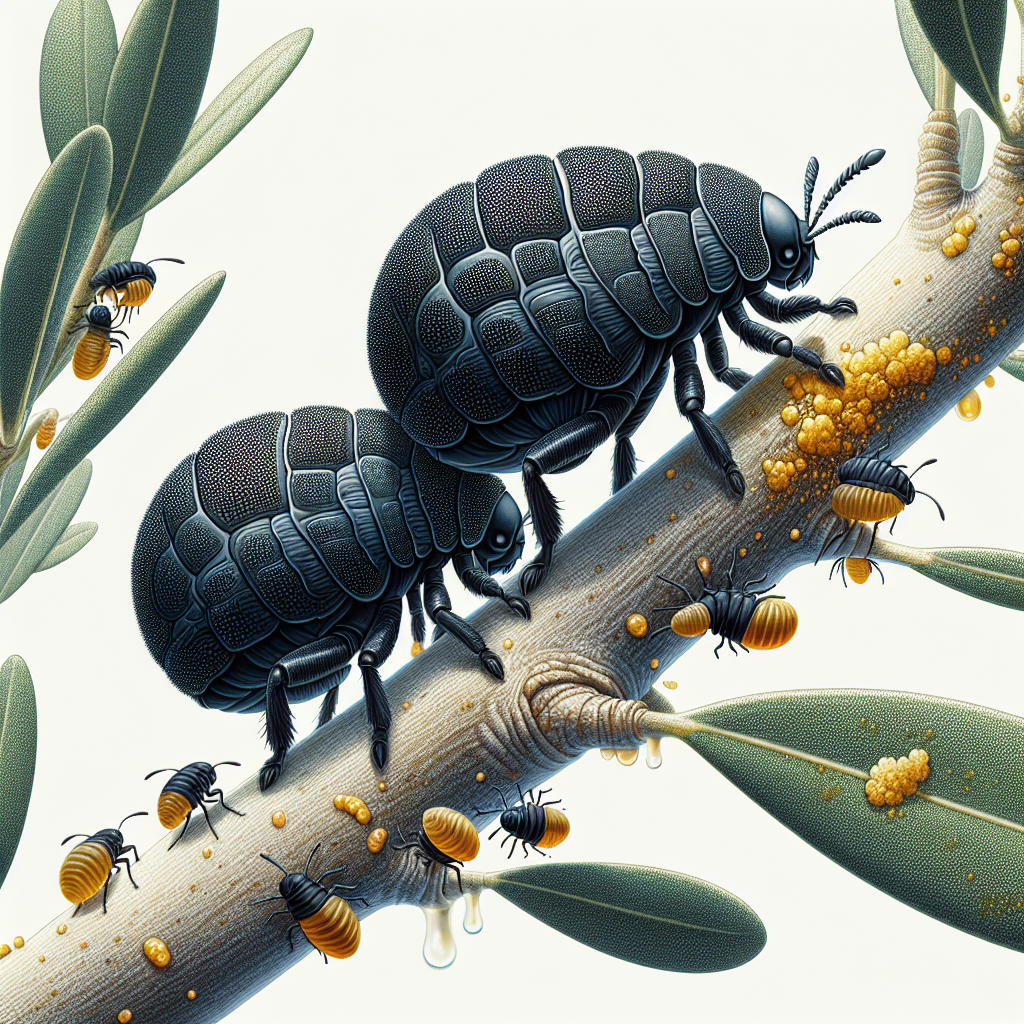
Black scale
Black scale (Saissetia oleae) is a notorious soft scale insect that infests a wide range of woody plants, particularly citrus, olives, and ornamentals, sucking sap and promoting sooty mold growth. This pest weakens trees by depriving them of vital nutrients, leading to stunted growth, leaf drop, and reduced yields. Effective management combines cultural practices, biological controls, and targeted organic treatments for sustainable control.
View Profile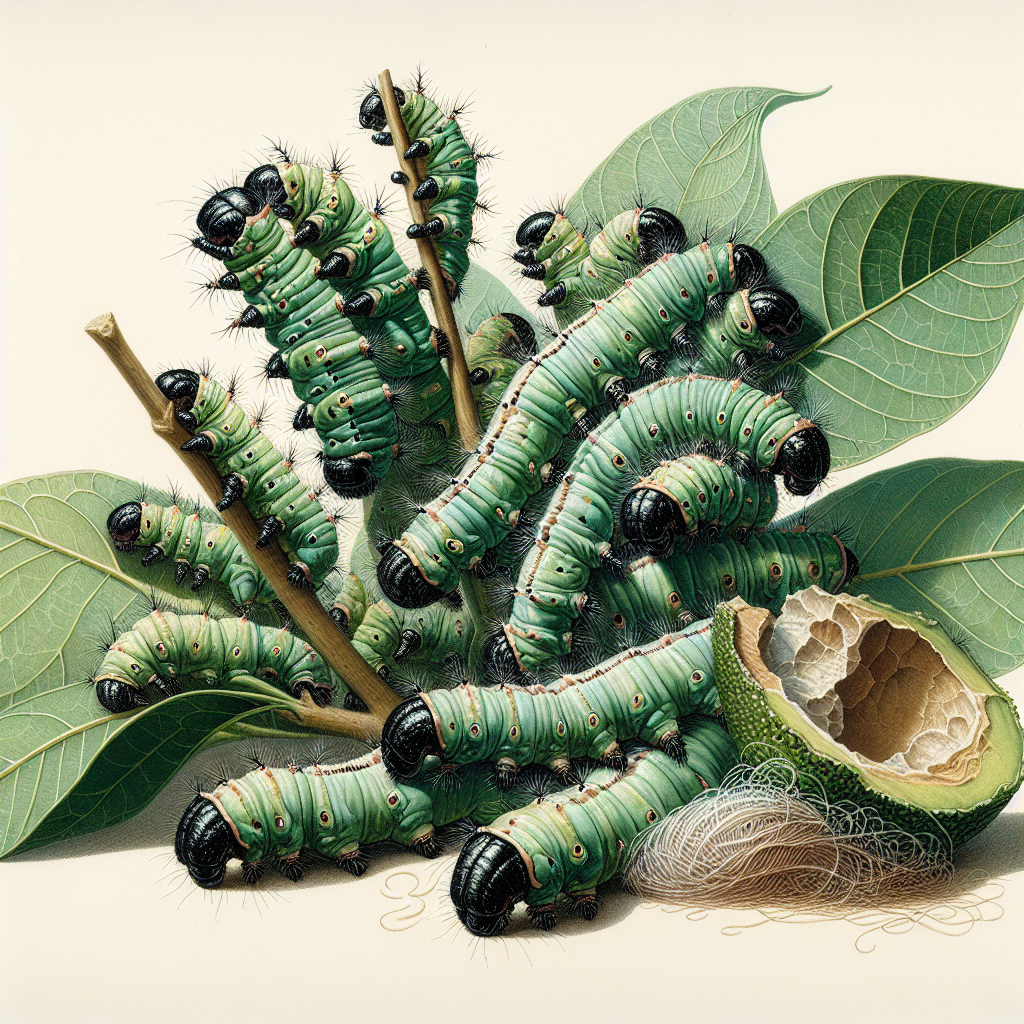
Black-headed caterpillar
The Black-headed caterpillar (Dalaca cloanthes) is a destructive pest primarily targeting avocado and other tropical crops, known for its gregarious feeding habits that strip foliage and cause significant defoliation. This guide provides comprehensive diagnostics, lifecycle insights, organic management strategies, and prevention tips for farmers battling this invasive larvae. Effective control hinges on early detection and integrated organic practices to protect yields without synthetic chemicals.
View Profile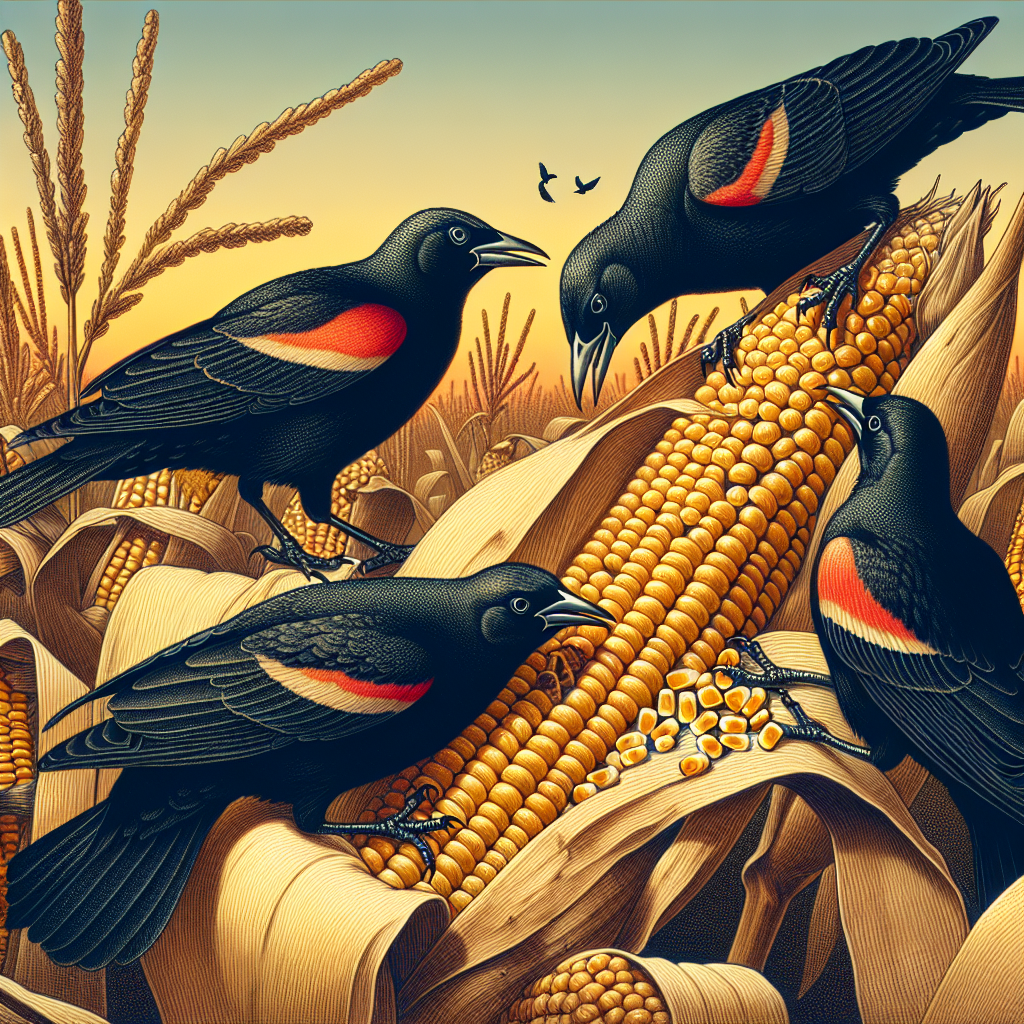
Blackbirds
Blackbirds are highly destructive avian pests in agriculture, notorious for raiding crops like corn, rice, and fruits in large flocks. This guide provides comprehensive diagnostics, lifecycle insights, organic management strategies, and prevention tactics to protect yields. Farmers can minimize losses through timely interventions and cultural practices without synthetic chemicals.
View Profile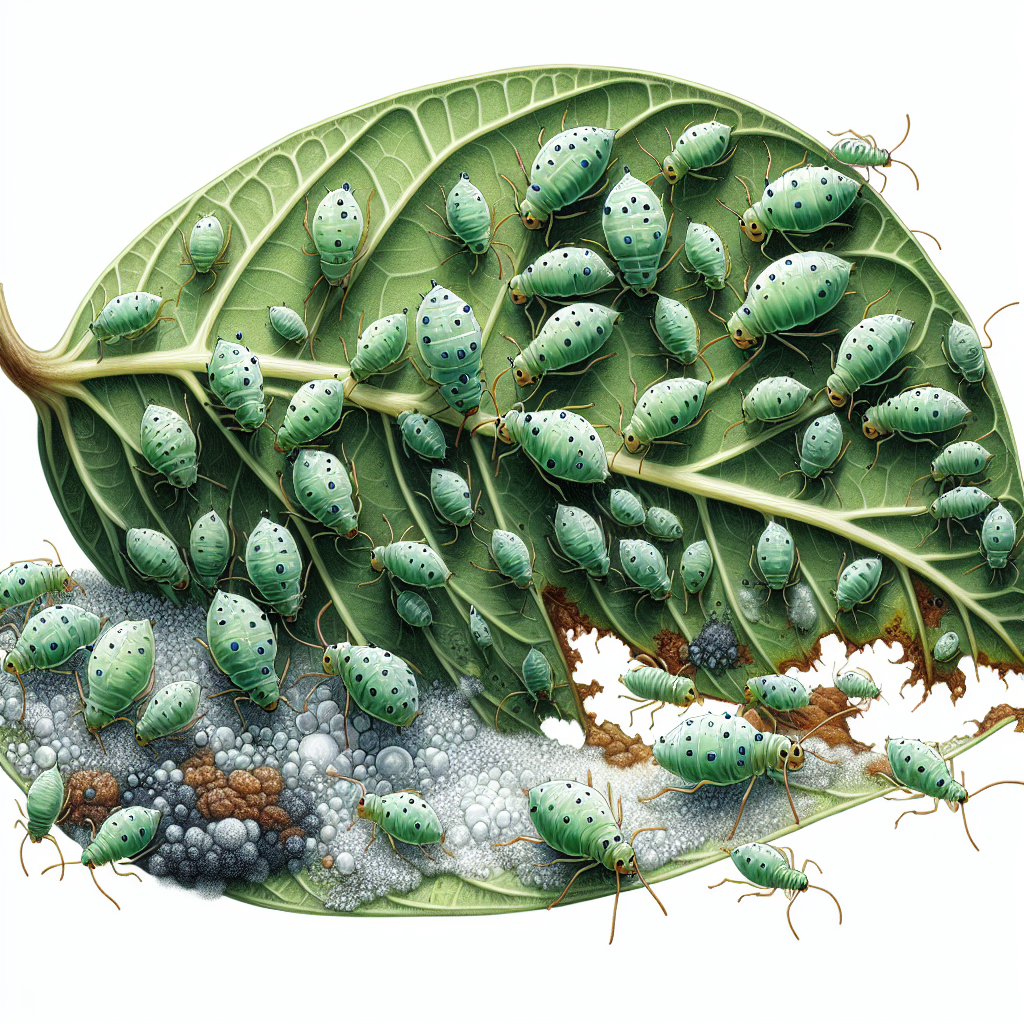
blackmargined aphid
The blackmargined aphid (Monellia caryella) is a notorious sap-sucking pest primarily targeting pecan trees, causing leaf distortion, honeydew production, and sooty mold. This guide provides comprehensive diagnostics, lifecycle insights, organic management strategies, and prevention tips for farmers battling infestations. Effective control hinges on early detection and integrated organic practices to protect yields without synthetic chemicals.
View Profile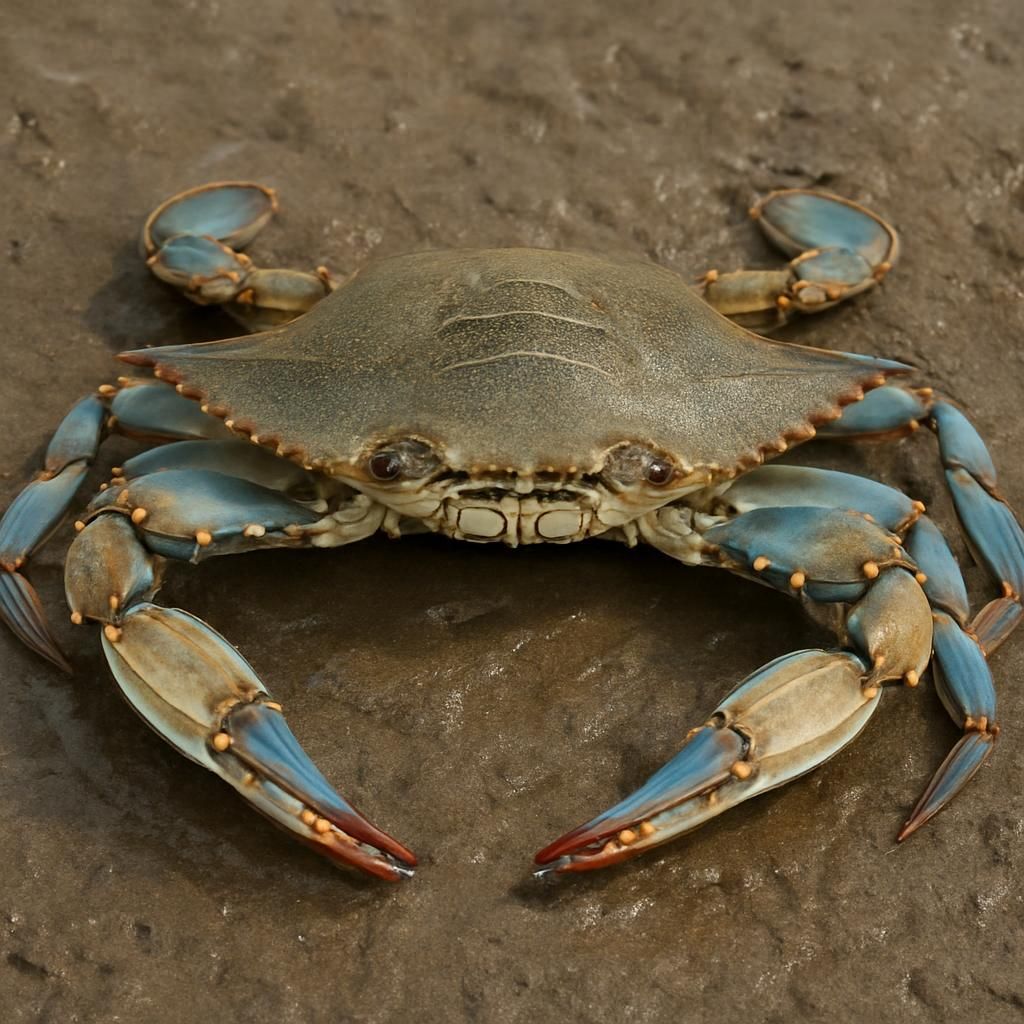
blue crabs
Blue crabs are a marine crustacean pest that can damage coastal agricultural systems and aquaculture infrastructure through burrowing, vegetation consumption, and water quality disruption. This guide provides definitive diagnostic criteria, lifecycle details, and integrated management strategies for agricultural professionals.
View Profile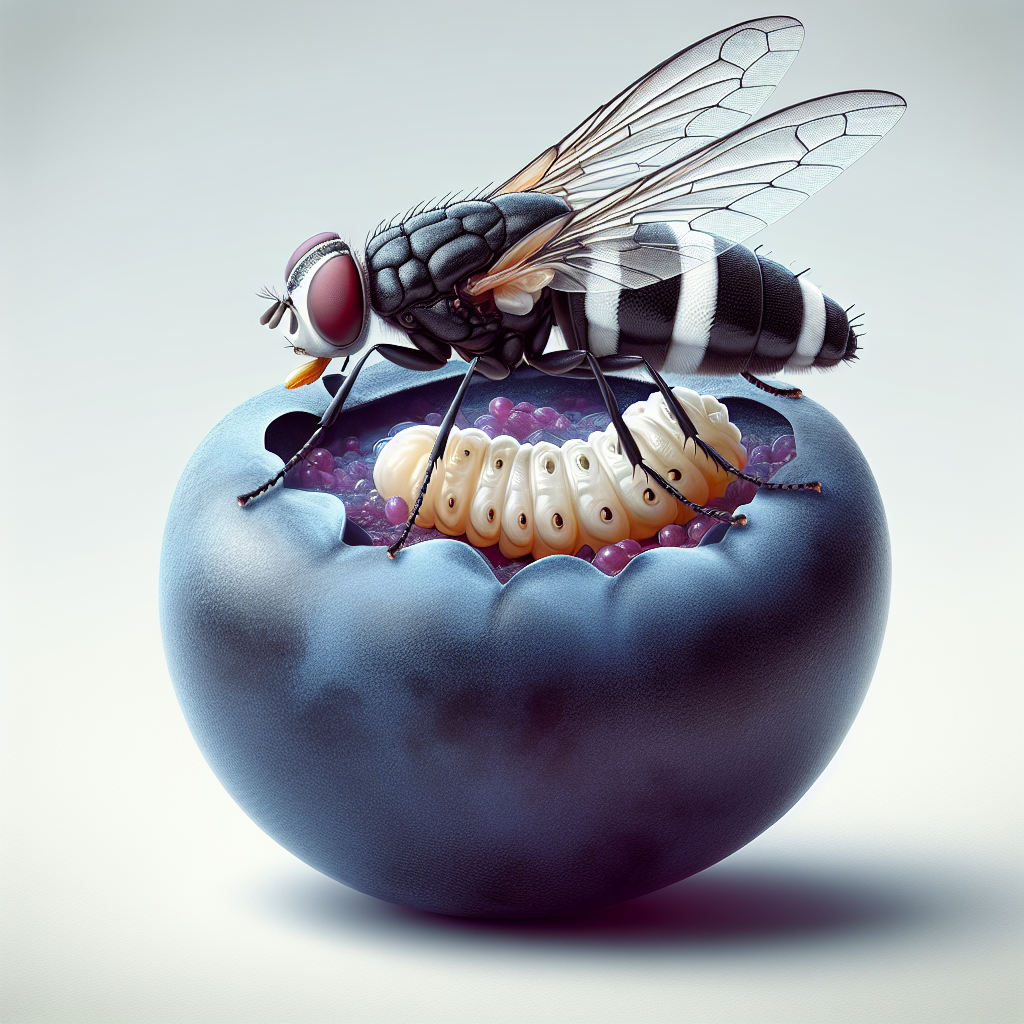
Blueberry maggot
The blueberry maggot (Rhagoletis mendax) is a destructive fruit fly pest that infests blueberry crops, with larvae tunneling into ripening berries causing significant economic losses. Effective management relies on timely monitoring, sanitation, and organic-approved insecticides targeting adult flies. This guide provides comprehensive diagnostics, lifecycle details, and prevention strategies for growers.
View Profile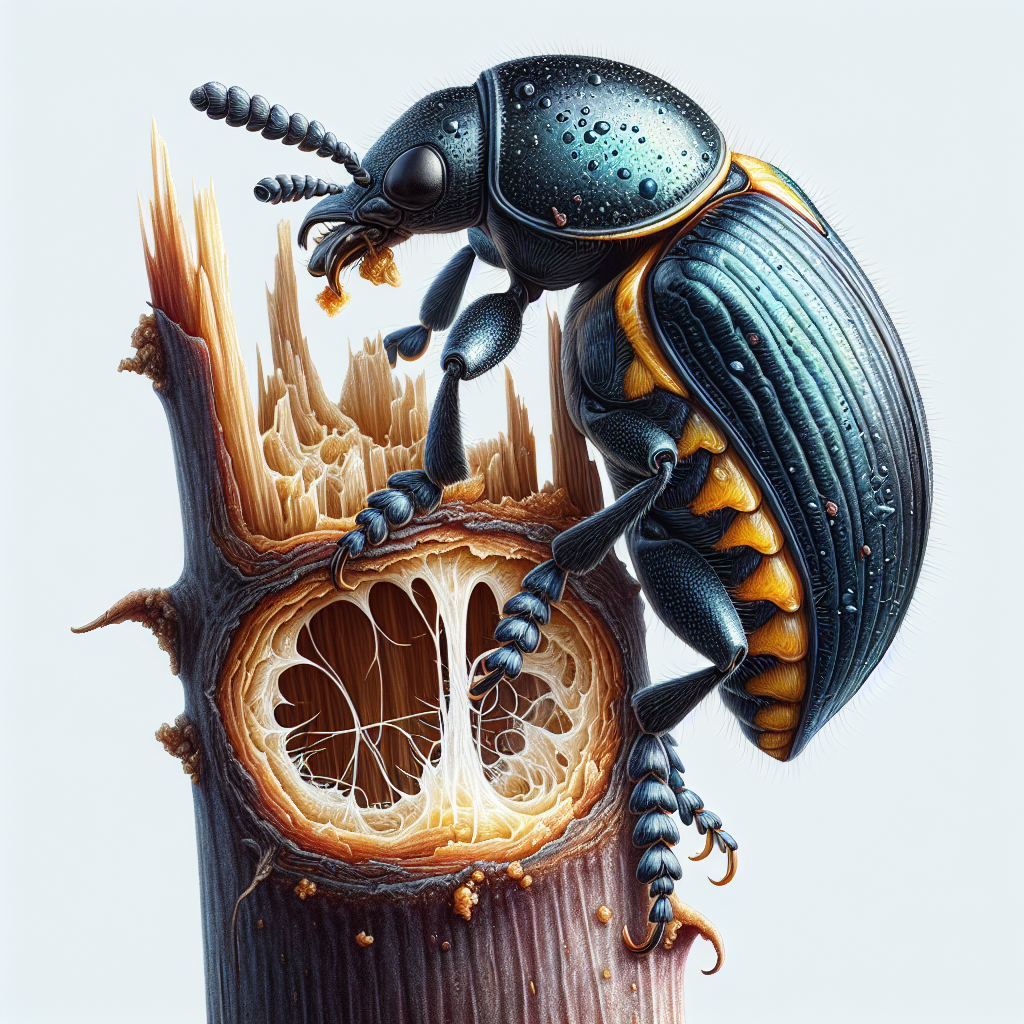
Blueberry stem borer
The blueberry stem borer (Oberea ulmi) is a wood-boring beetle that targets blueberry canes, causing girdling and dieback that can devastate yields. Adult beetles emerge in summer to lay eggs on stems, with larvae tunneling inside over winter, leading to weakened plants and reduced fruit production. Effective management combines vigilant scouting, organic insecticides, and cultural practices for long-term control.
View Profile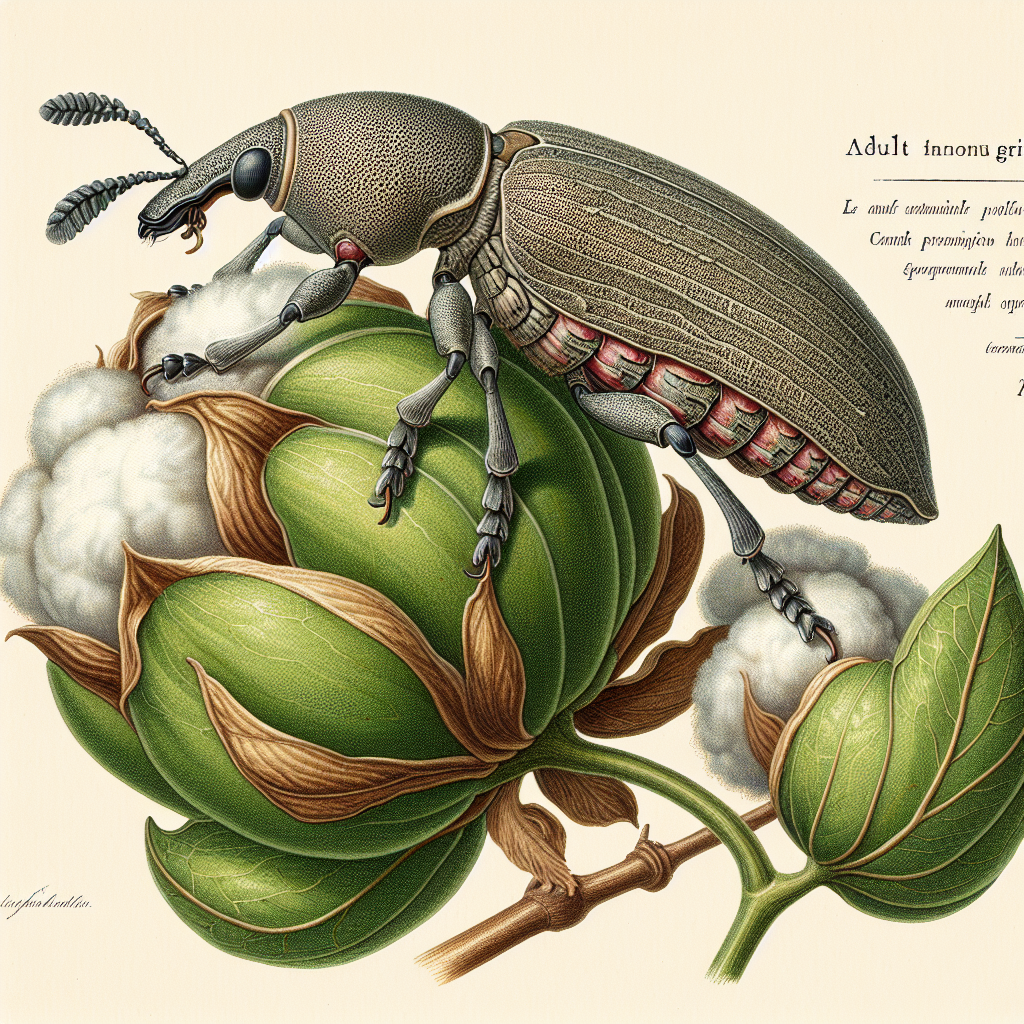
Boll weevils
Boll weevils are destructive beetles notorious for devastating cotton crops by boring into bolls and feeding on developing fibers. This guide provides comprehensive diagnostics, lifecycle insights, organic management strategies, and prevention tips for farmers. Effective control combines monitoring, cultural practices, and biological agents to minimize losses.
View Profile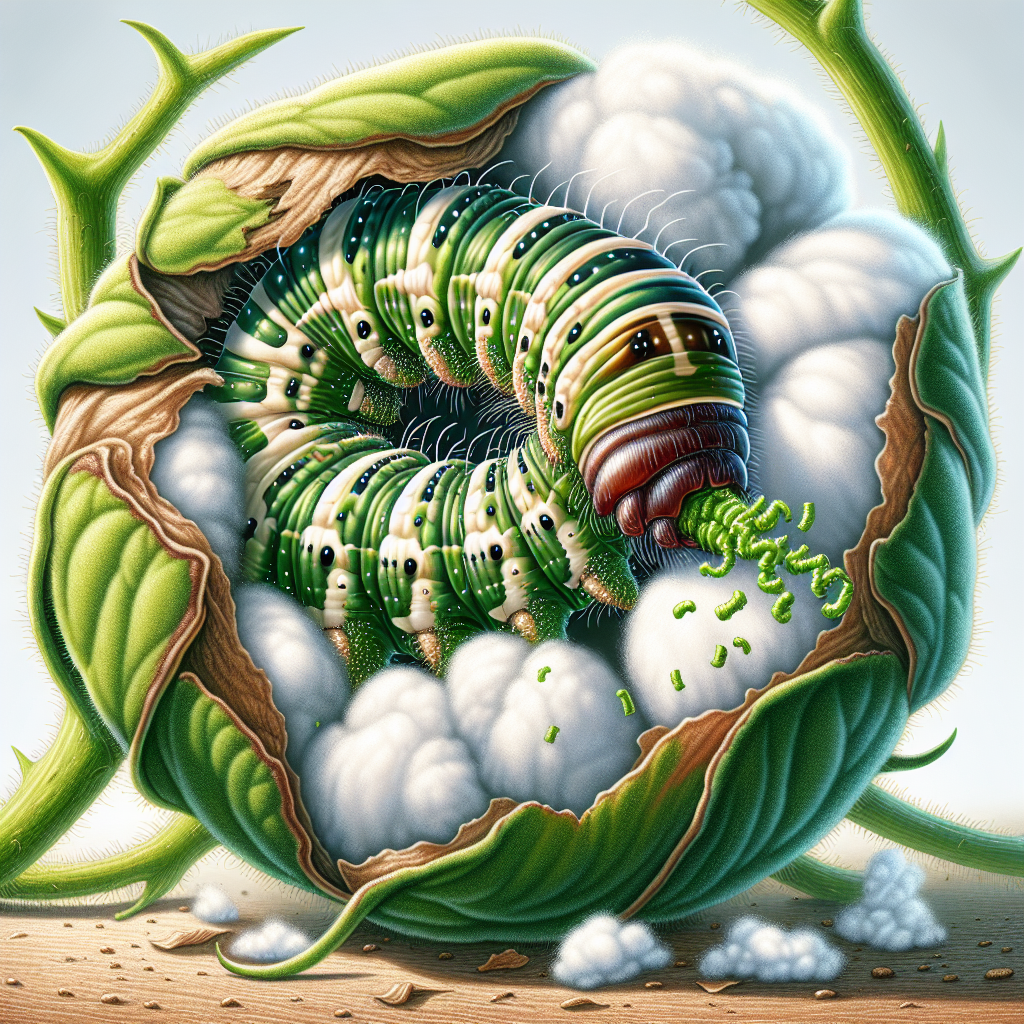
Bollworms
Bollworms are destructive moth larvae that bore into fruits, bolls, and ears of key crops like cotton, corn, and tomatoes, causing massive yield losses worldwide. This guide provides comprehensive diagnostics, lifecycle insights, organic management strategies, and prevention tactics for farmers facing infestations. Effective control combines monitoring, biological agents, and cultural practices to minimize damage sustainably.
View Profile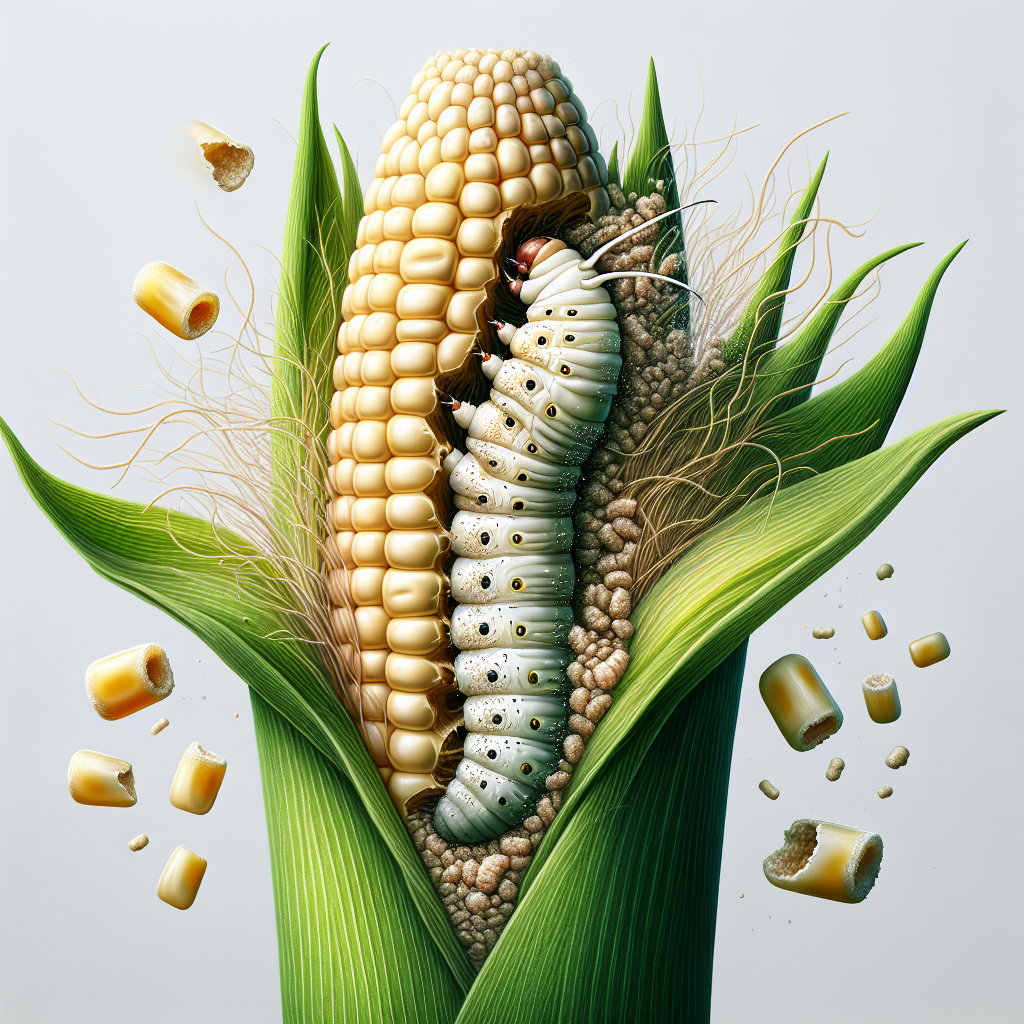
Borers
Borers are destructive insect larvae that tunnel into plant stems, trunks, and fruits, causing wilting, dieback, and significant yield losses in crops worldwide. This guide provides comprehensive diagnostics, lifecycle insights, organic management strategies, and prevention tactics for farmers tackling borer infestations. Protect your harvest with proven, practical agricultural techniques tailored for small to large-scale operations.
View Profile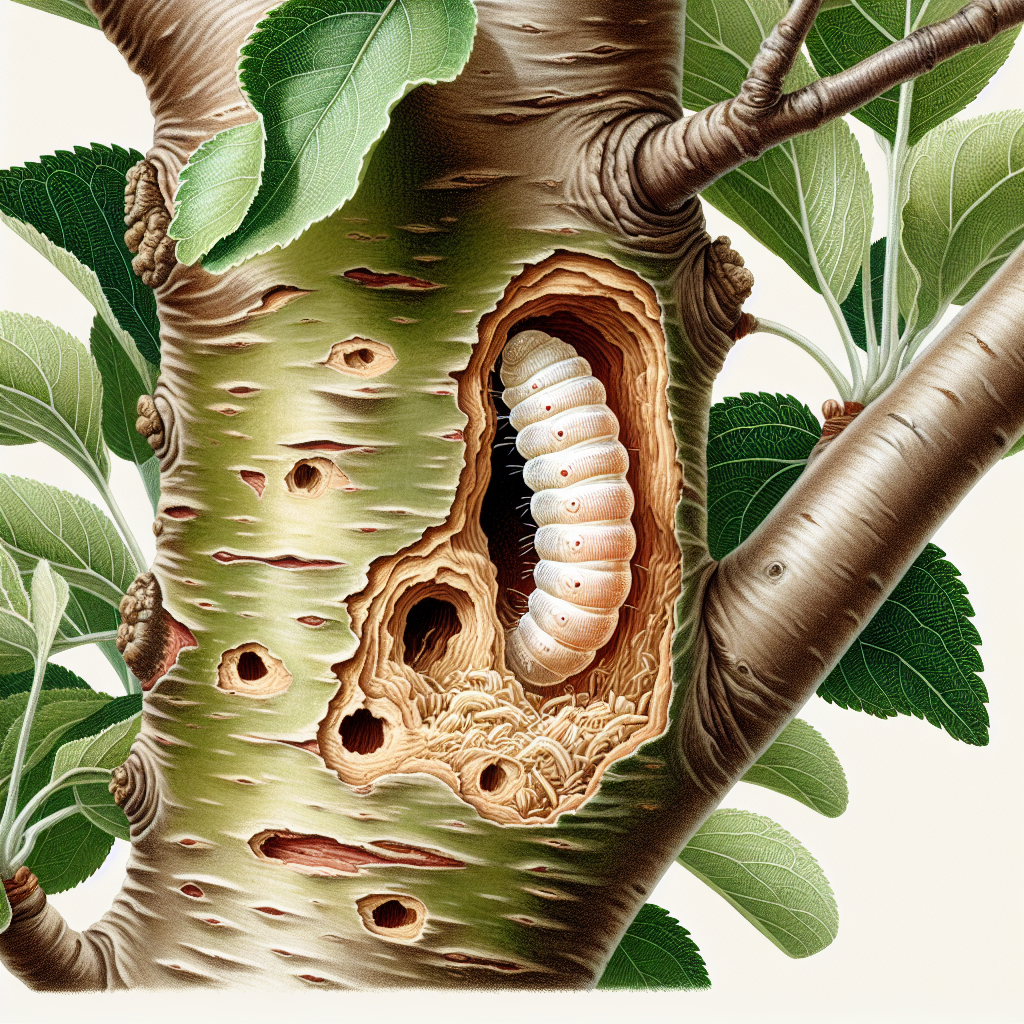
boring insects
Boring insects are wood-boring larvae and adults that tunnel into stems, trunks, and roots of crops, causing structural weakening, sap leakage, and death. Common in orchards and field crops, they lead to significant yield losses if unmanaged. This guide covers diagnosis, organic controls, and prevention for effective management.
View Profile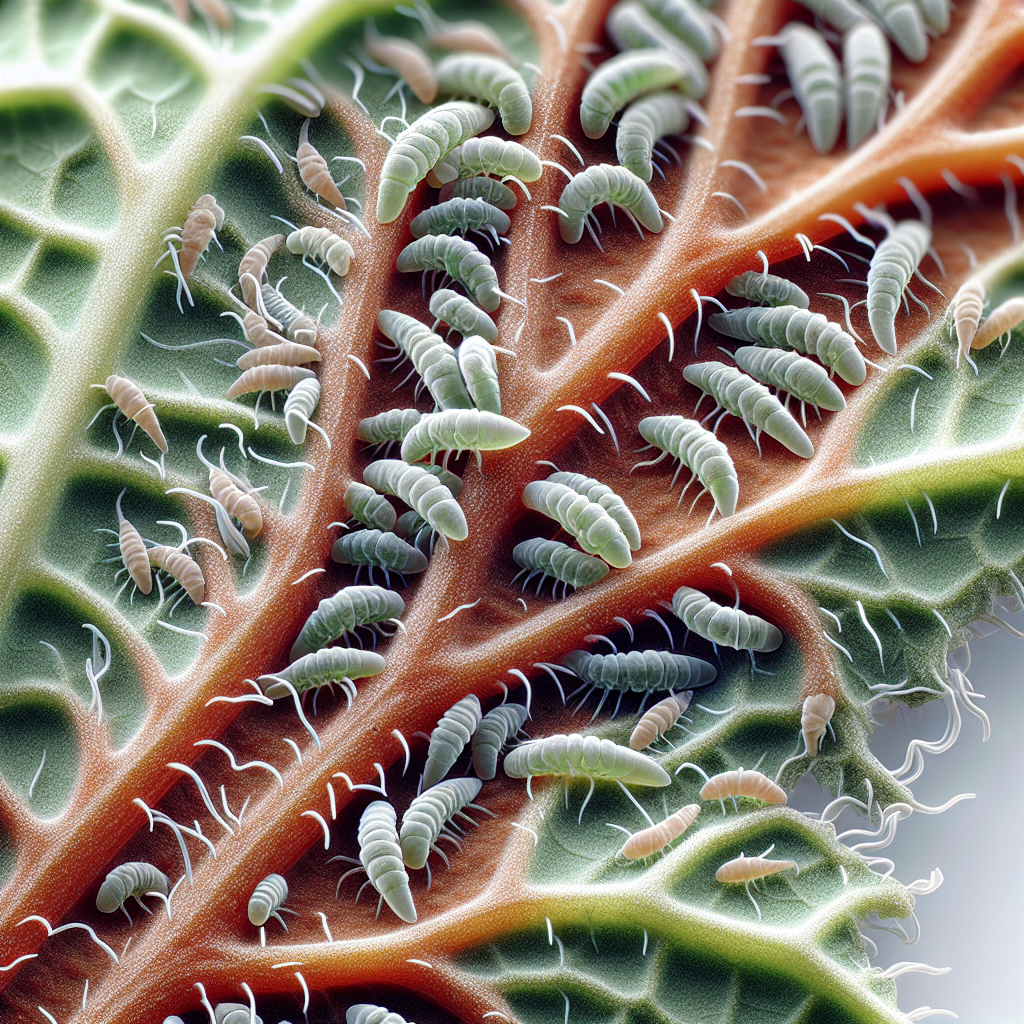
Broad mites
Broad mites (Polyphagotarsonemus latus) are microscopic pests that cause severe distortion and stunting in over 60 crop species, particularly young tissues. Their rapid reproduction and hidden feeding make early detection challenging, but organic controls like sulfur and predatory mites offer effective management. This guide provides diagnostic symptoms, lifecycle details, and proven prevention strategies for growers.
View Profile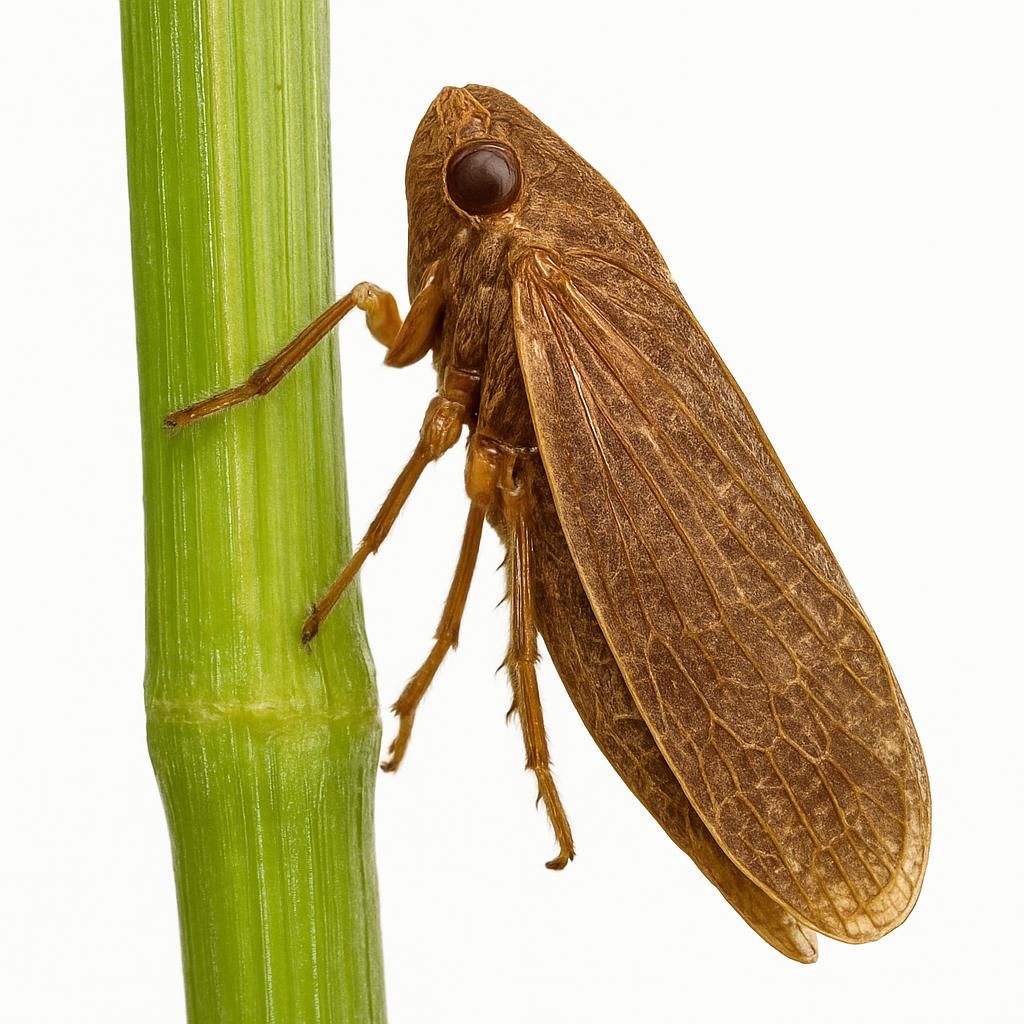
brown plant hopper
The brown planthopper is a major sap-sucking insect pest of rice that transmits viral diseases and causes hopperburn through rapid population build-up. Effective diagnosis and integrated management combine cultural, biological, and judicious chemical tactics while protecting natural enemies.
View Profile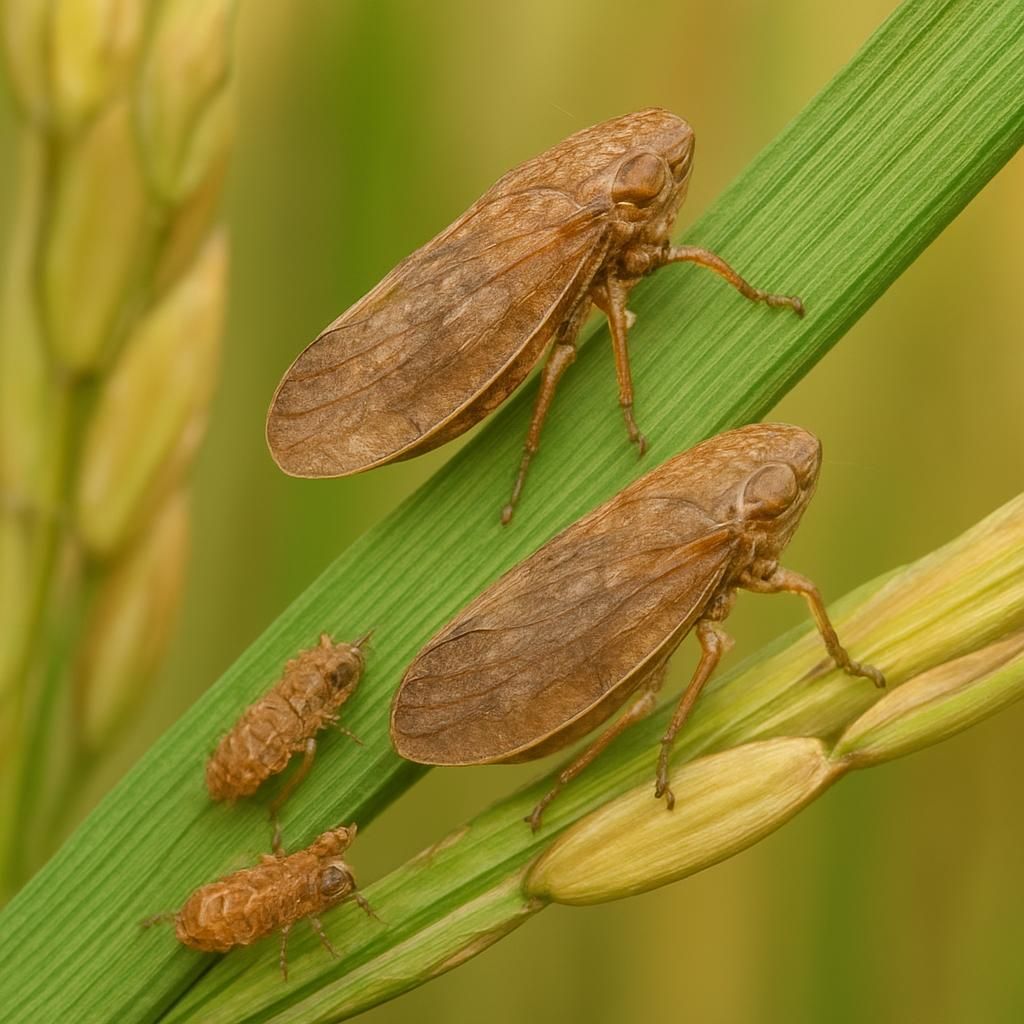
brown plant hoppers
Brown plant hoppers are major sap-feeding pests of rice that cause hopperburn, transmit viruses, and can destroy entire fields if populations are not managed early. This guide covers identification, lifecycle, environmental triggers, organic treatments, and prevention strategies for sustainable rice production.
View Profile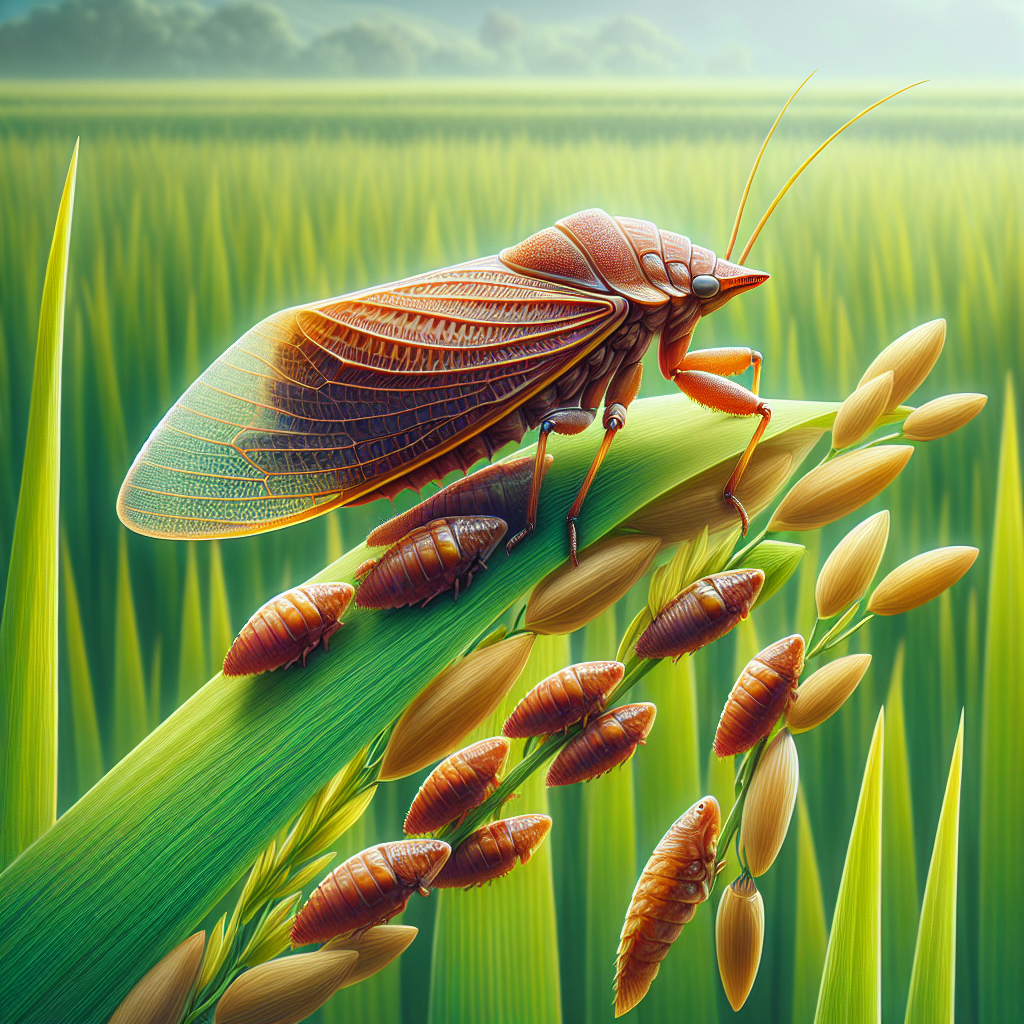
brown planthopper
The brown planthopper (Nilaparvata lugens) is a devastating pest of rice crops, infamous for causing hopperburn and transmitting viral diseases that lead to massive yield losses. This guide provides comprehensive diagnostics, lifecycle insights, organic management strategies, and prevention tactics for farmers battling this insect in paddy fields. With practical advice tailored for sustainable agriculture, protect your rice harvests effectively.
View Profile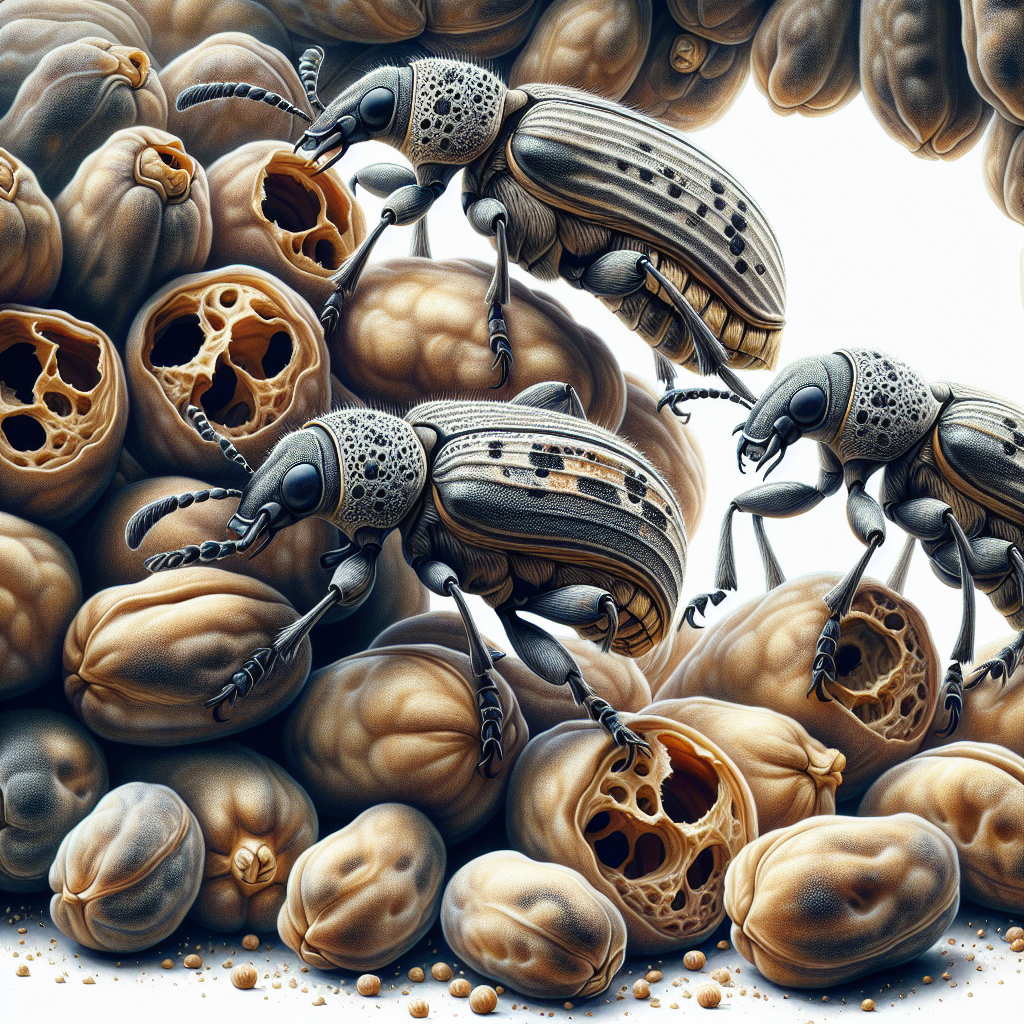
Bruchid Beetles
Bruchid beetles are notorious seed predators that infest stored legumes like beans, peas, and chickpeas, causing significant post-harvest losses for farmers worldwide. These small, humpbacked beetles lay eggs on seeds, with larvae boring inside to feed and develop, rendering seeds unfit for consumption or planting. Effective management combines sanitation, resistant varieties, and targeted organic controls to protect harvests.
View Profile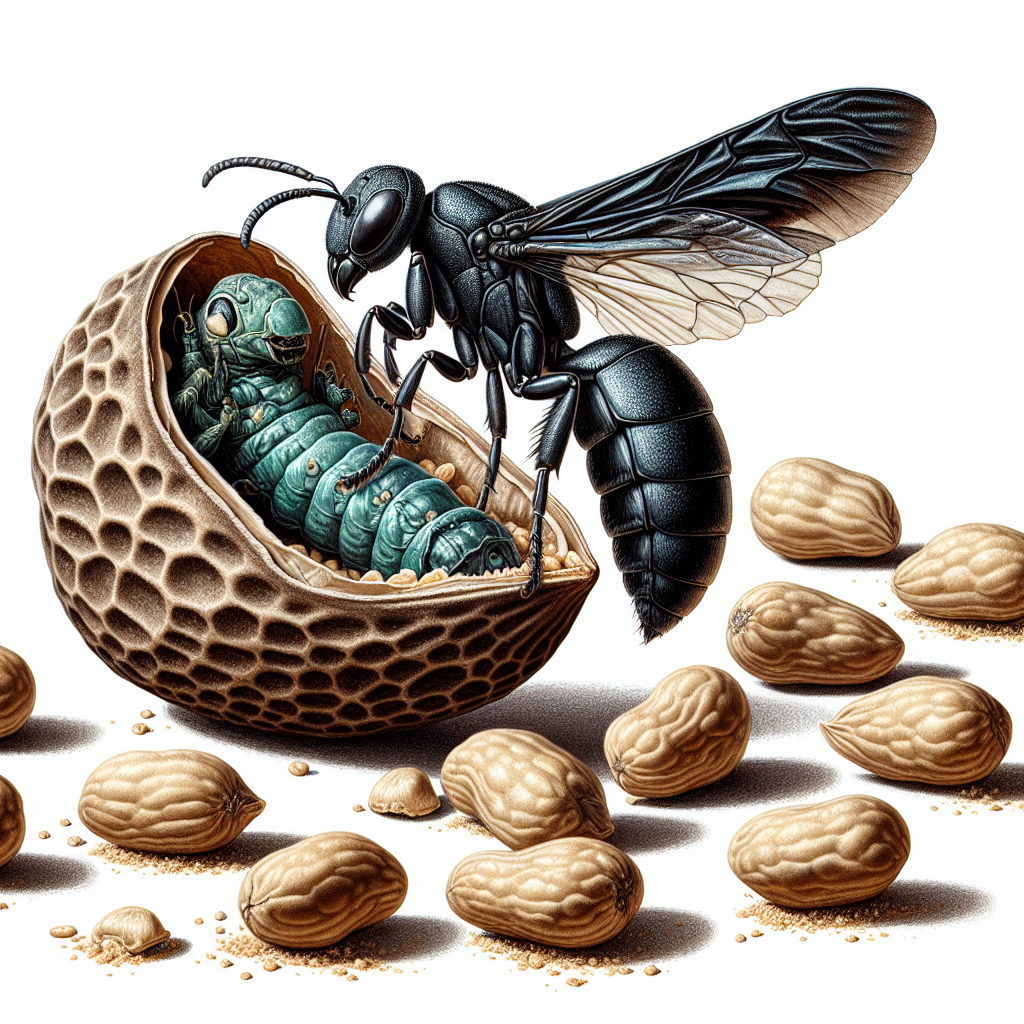
Bruchid parasitoids
Bruchid parasitoids are beneficial wasps that target bruchid beetles, key pests of stored legumes like chickpeas and cowpeas. These tiny parasitoids lay eggs inside bruchid larvae, preventing seed damage and offering natural biological control. Farmers can harness them for sustainable pest management in grain storage.
View Profile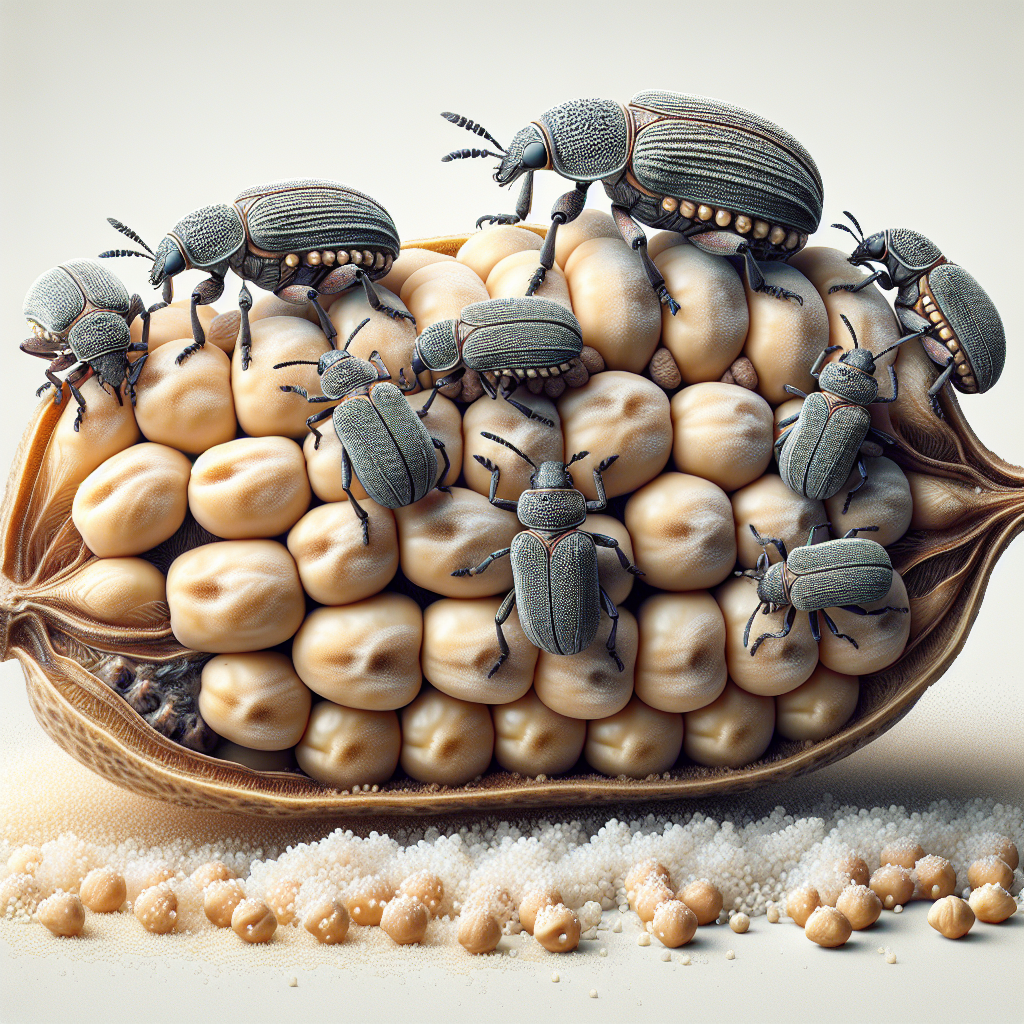
Bruchid-type storage pests
Bruchid-type storage pests are seed beetles that infest and destroy dry stored legumes and grains, causing significant post-harvest losses worldwide. These small, humpbacked beetles lay eggs on seeds, with larvae burrowing inside to feed and develop, rendering grains unfit for consumption or planting. Effective management relies on sanitation, temperature control, and organic protectants to safeguard stored crops.
View Profile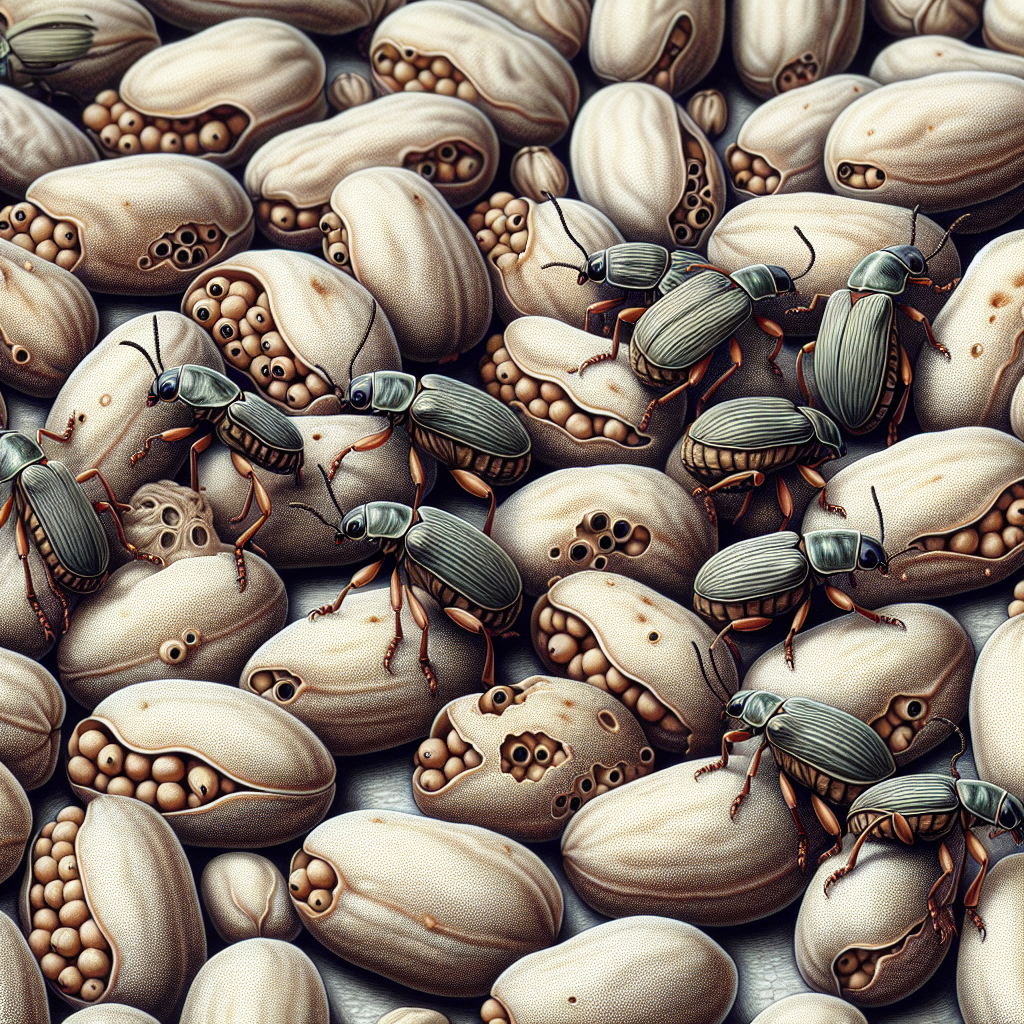
Bruchids
Bruchids, commonly known as bean weevils or cowpea weevils, are destructive seed beetles that infest stored legumes, causing significant post-harvest losses in pulses and grain crops. These small pests complete their lifecycle inside seeds, making early detection challenging until emergence. Effective management relies on sanitation, organic treatments, and preventive storage practices to protect yields.
View Profile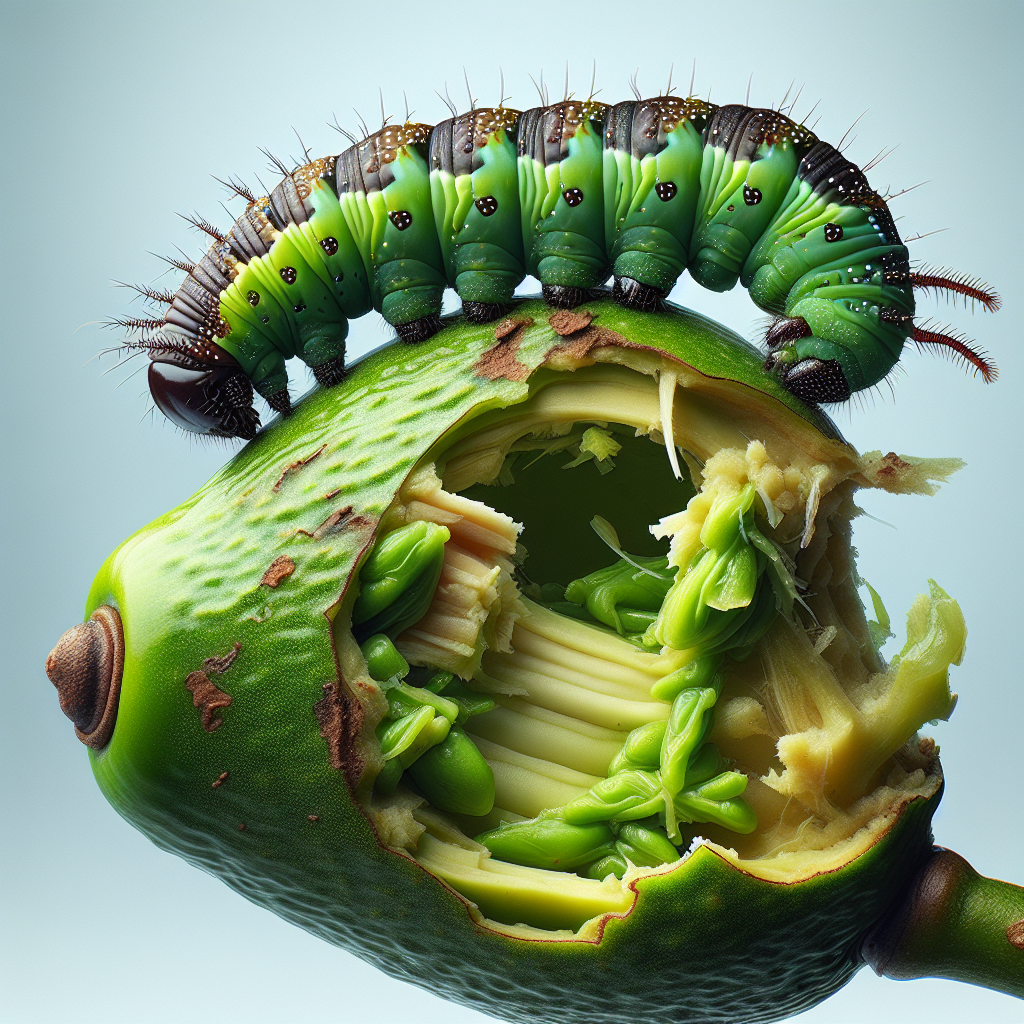
Bud feeders
Bud feeders are destructive larval insects that target tender plant buds, causing severe deformation and yield loss in fruits, vegetables, and ornamentals. These pests chew into developing buds, leading to blind terminals, aborted flowers, and reduced harvests. Effective management combines monitoring, organic controls, and cultural practices for sustainable control.
View Profile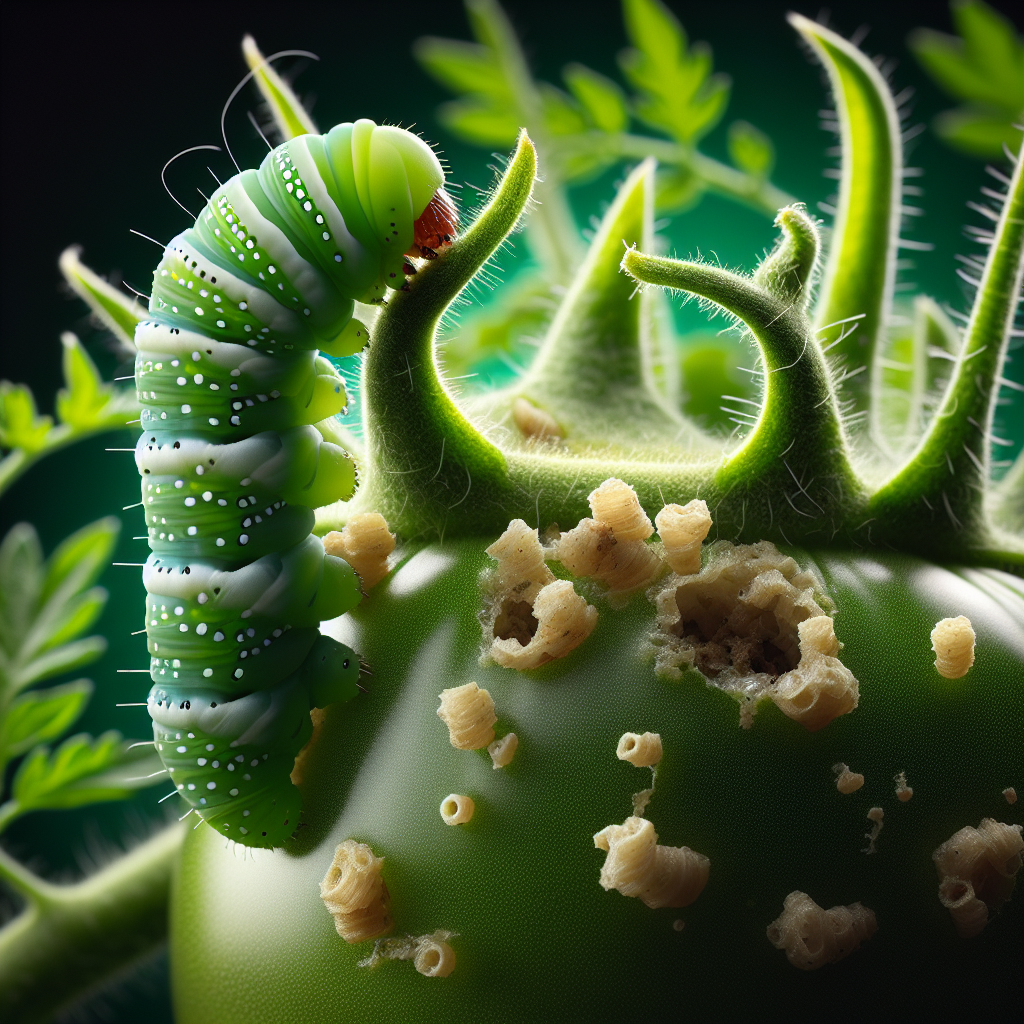
Budworms
Budworms are destructive moth larvae that target tender buds, shoots, and fruits of numerous crops, causing significant yield losses in vegetables, grains, and fruits. This guide provides comprehensive diagnostics, lifecycle insights, organic management strategies, and prevention tactics for farmers battling these pervasive pests. Early detection and integrated organic controls can minimize damage and protect harvests effectively.
View Profile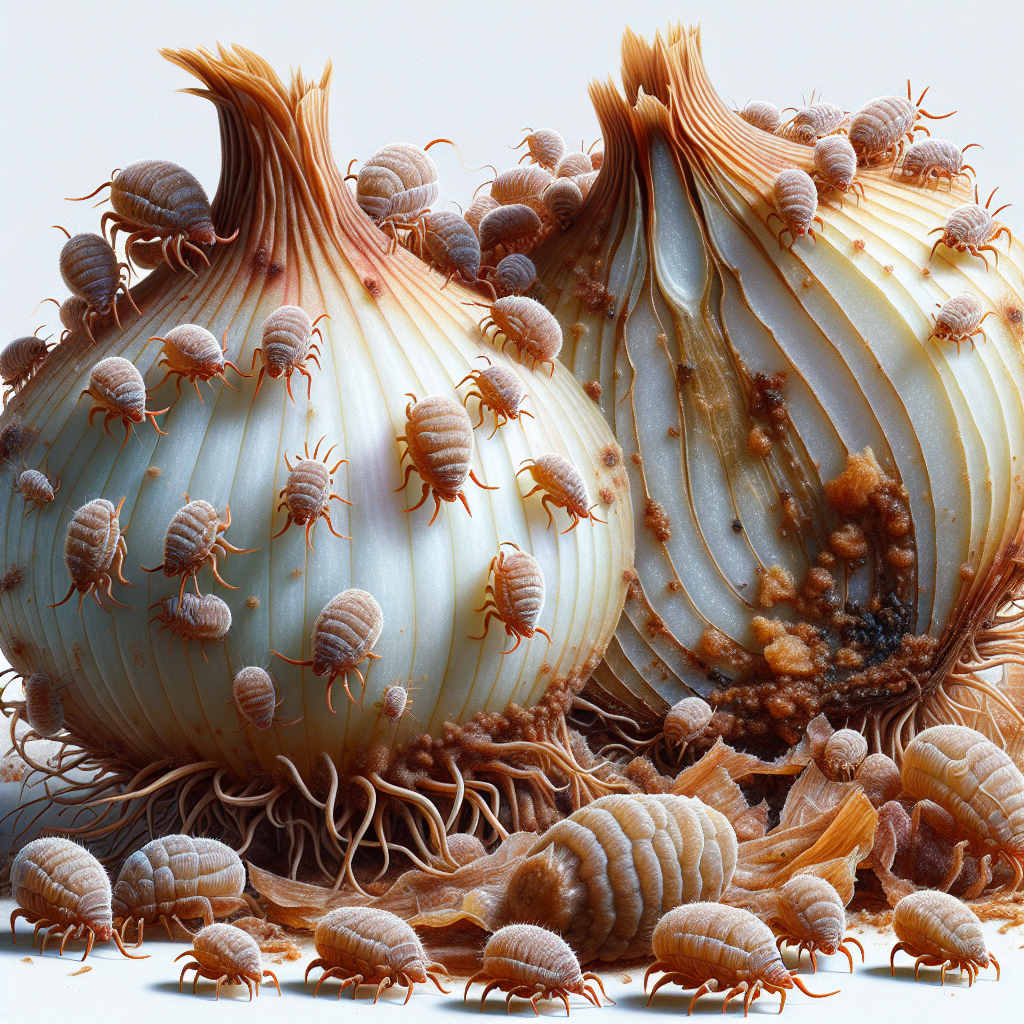
bulb mites
Bulb mites are microscopic pests that infest stored bulbs, corms, and tubers, causing severe rotting and economic losses in ornamental and edible crops. This guide provides definitive diagnostic symptoms, lifecycle details, organic management strategies, and prevention tactics for farmers and gardeners. Early detection and proper storage practices are key to controlling outbreaks effectively.
View Profile