Encyclopedia
Definitive guides for crops, pests, and agricultural diseases.

Broadleaf Batavian
Broadleaf Batavian is a robust, heat-tolerant romaine-type lettuce prized for its crisp texture, broad leaves, and reliable performance in both home gardens and commercial production. It offers excellent bolt resistance and superior flavor compared to standard romaine varieties, making it a top choice for extended-season harvests.
View Guide
Broccoli
Broccoli is a cool-season brassica prized for its dense green flower heads, tender side shoots, and high nutritional value. It performs best in fertile, moisture-retentive soil and mild temperatures, where steady growth produces tight, high-quality heads with excellent flavor and shelf life.
View Guide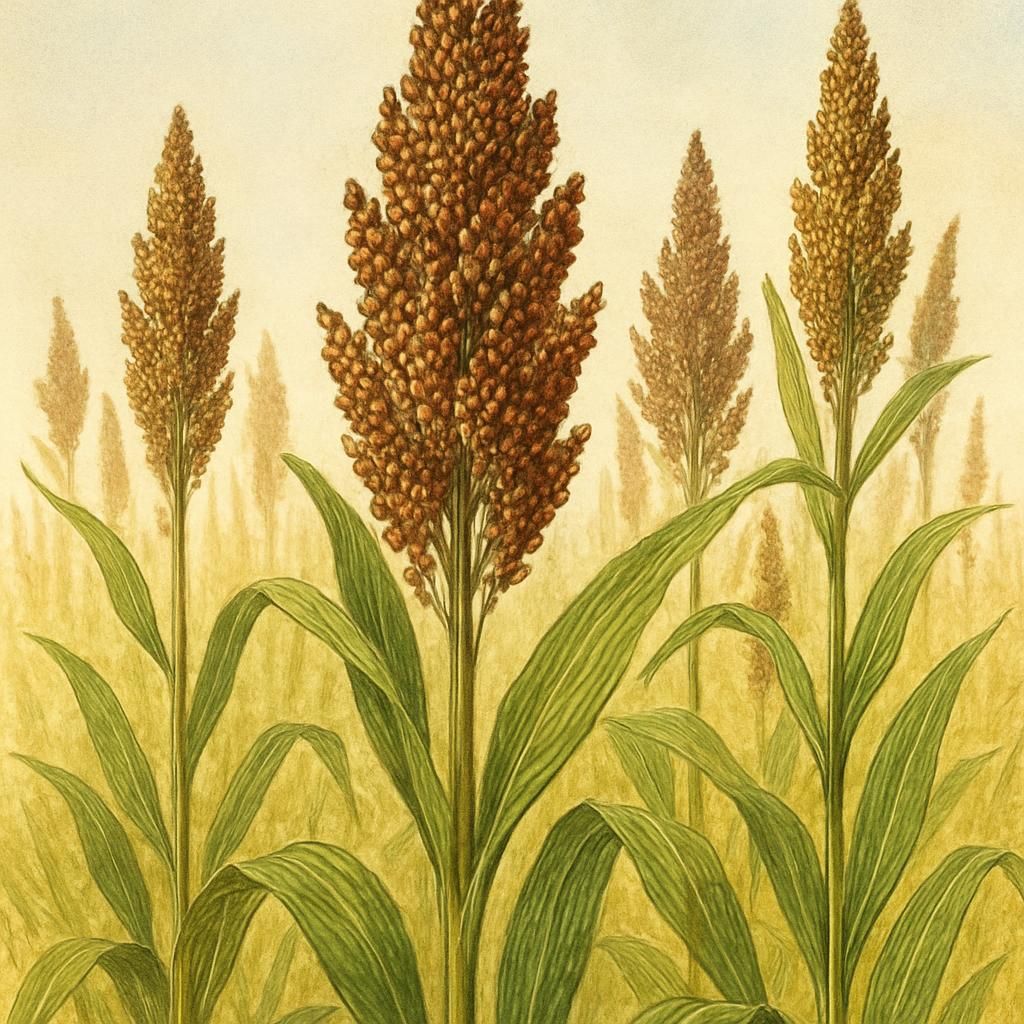
Broomcorn Sorghum
Broomcorn sorghum is a versatile crop primarily grown for its stiff, straw-like fibers used in broom making. Adapted to warm, dry climates, it offers good resilience to drought conditions and provides an alternative income source for farmers.
View Guide
Brown Flax
Brown flax is a cool-season annual grown for both oil-rich seeds and bast fiber, with brown-seeded types especially valued in food, feed, and industrial oil markets. It performs best in fertile, well-drained soils under mild temperatures, where even stands, careful moisture management, and timely harvest are essential for top seed quality and yield.
View Guide
Brown patch
Brown patch is a widespread fungal disease caused by Rhizoctonia solani, primarily affecting turfgrasses but also certain crops like rice and potatoes under high-moisture conditions. It manifests as circular patches of brown, wilted foliage, thriving in warm, humid environments with excessive nitrogen. Effective management relies on cultural practices, organic treatments, and prevention to minimize damage and promote recovery.
View Profile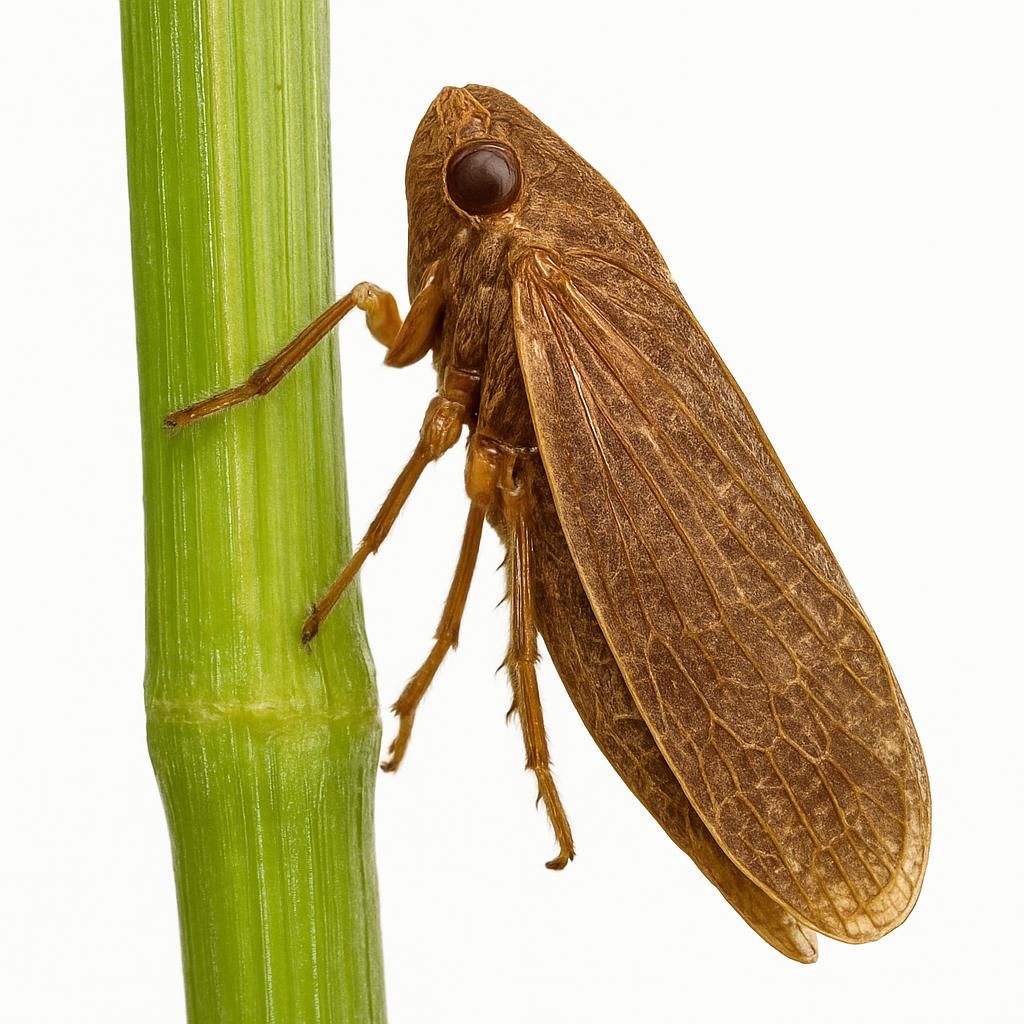
brown plant hopper
The brown planthopper is a major sap-sucking insect pest of rice that transmits viral diseases and causes hopperburn through rapid population build-up. Effective diagnosis and integrated management combine cultural, biological, and judicious chemical tactics while protecting natural enemies.
View Profile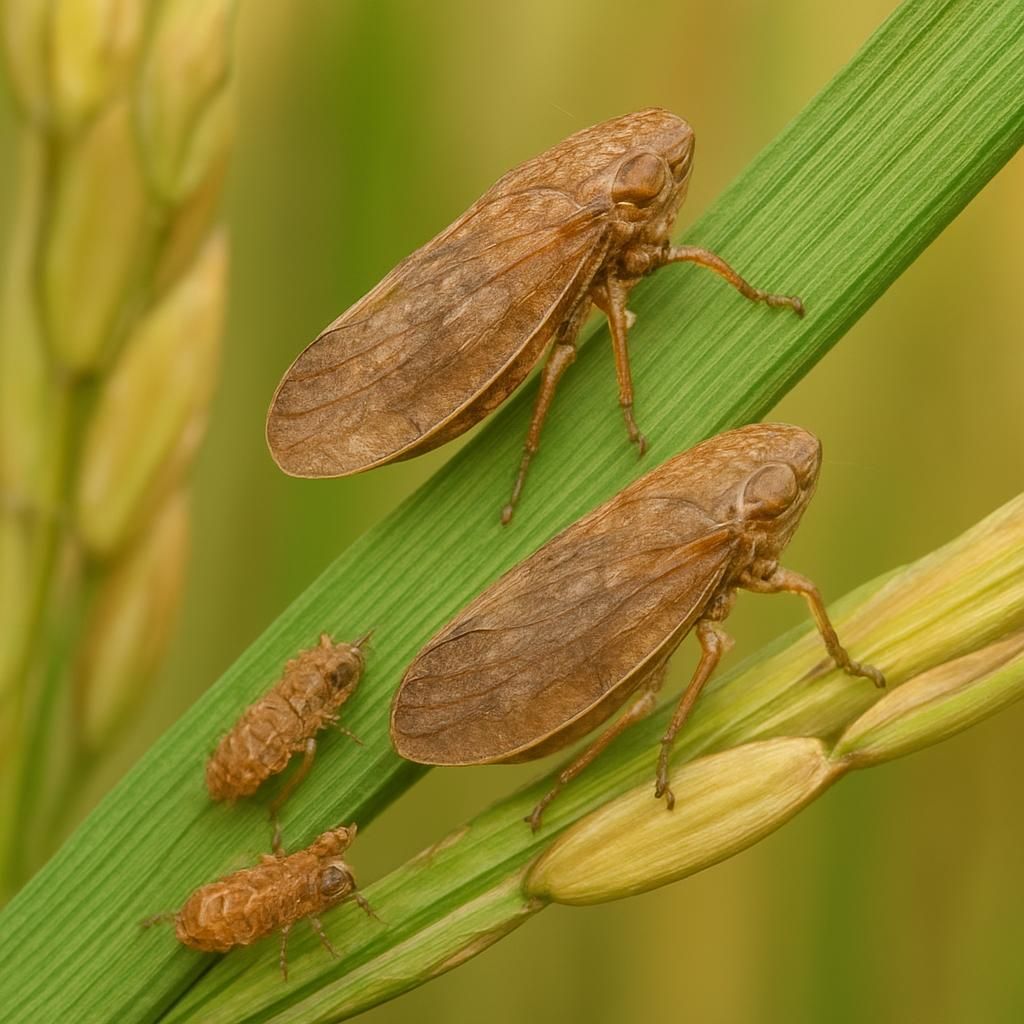
brown plant hoppers
Brown plant hoppers are major sap-feeding pests of rice that cause hopperburn, transmit viruses, and can destroy entire fields if populations are not managed early. This guide covers identification, lifecycle, environmental triggers, organic treatments, and prevention strategies for sustainable rice production.
View Profile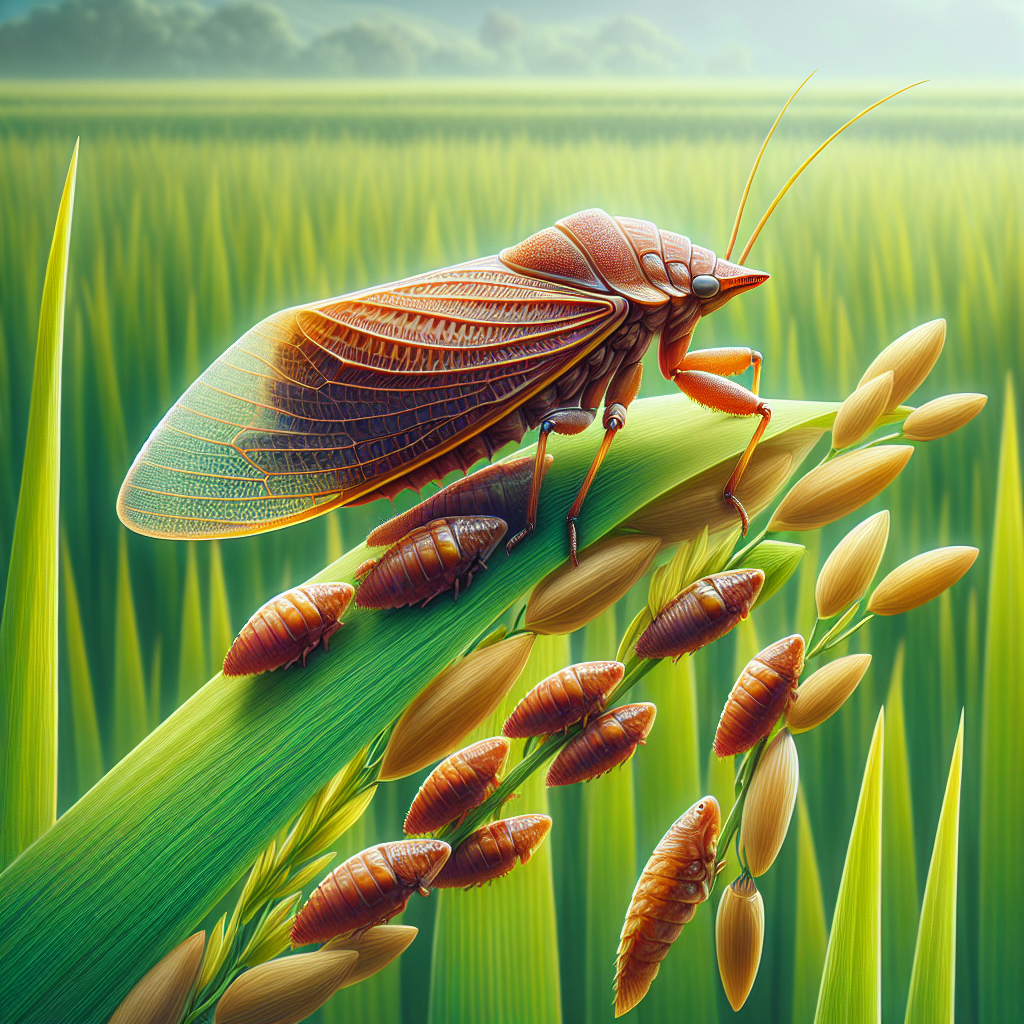
brown planthopper
The brown planthopper (Nilaparvata lugens) is a devastating pest of rice crops, infamous for causing hopperburn and transmitting viral diseases that lead to massive yield losses. This guide provides comprehensive diagnostics, lifecycle insights, organic management strategies, and prevention tactics for farmers battling this insect in paddy fields. With practical advice tailored for sustainable agriculture, protect your rice harvests effectively.
View Profile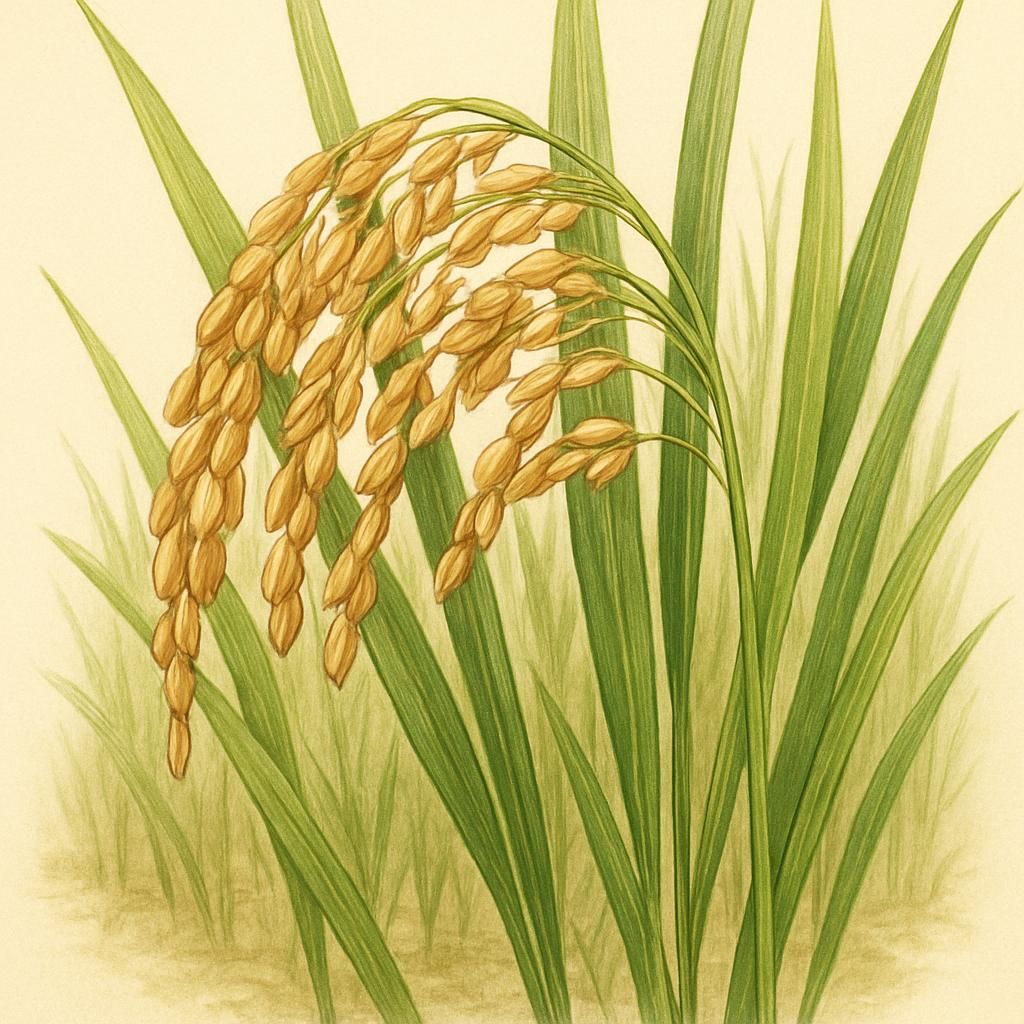
Brown Rice (Haenuki)
Brown Rice (Haenuki) is a high-quality Japanese rice variant known for its nutty flavor and chewy texture. It is highly regarded for its nutritional benefits and is often cultivated in regions with ideal conditions for rice growth.
View Guide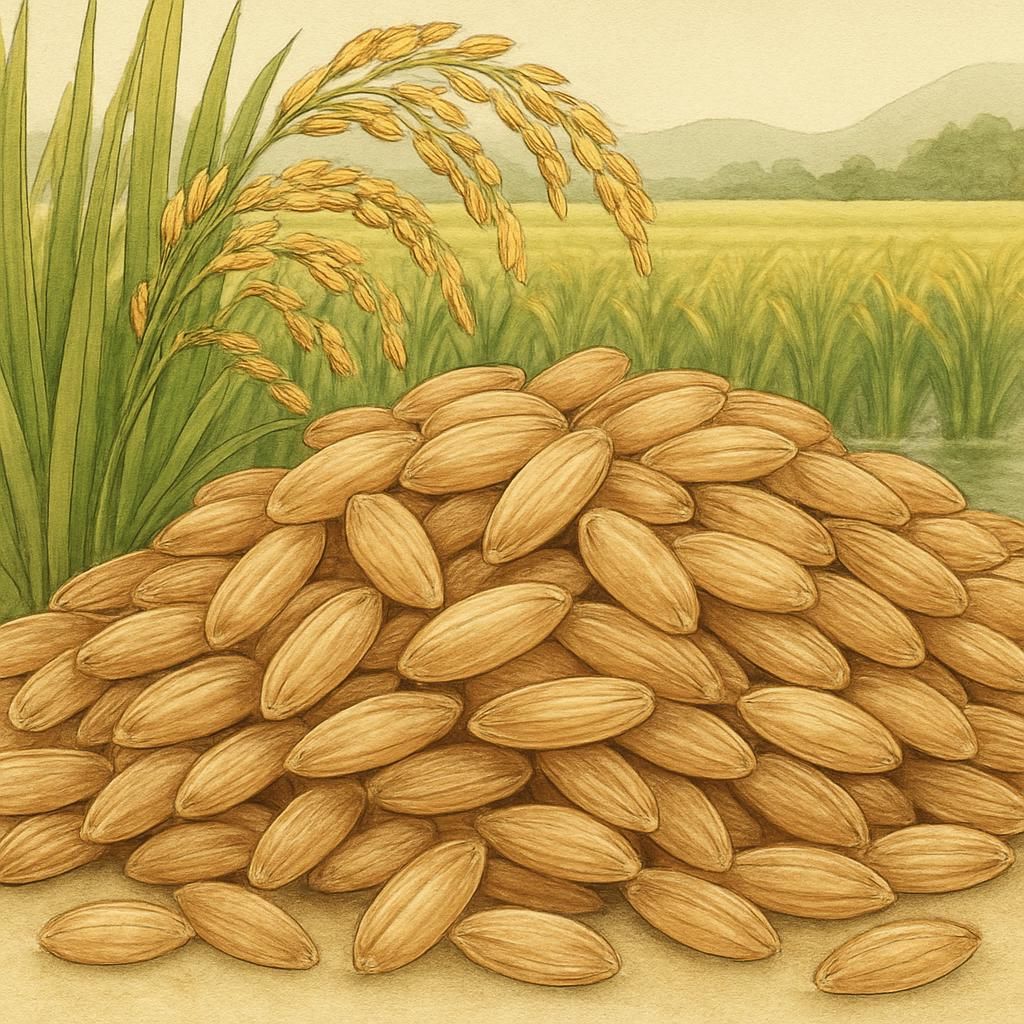
Brown Rice (Koshihikari)
Brown Rice (Koshihikari) is a popular Japanese rice variety known for its short, sticky grains and sweet flavor, grown primarily in East Asia. Ideal for agricultural environments that provide warm temperatures and rich, loamy soils.
View Guide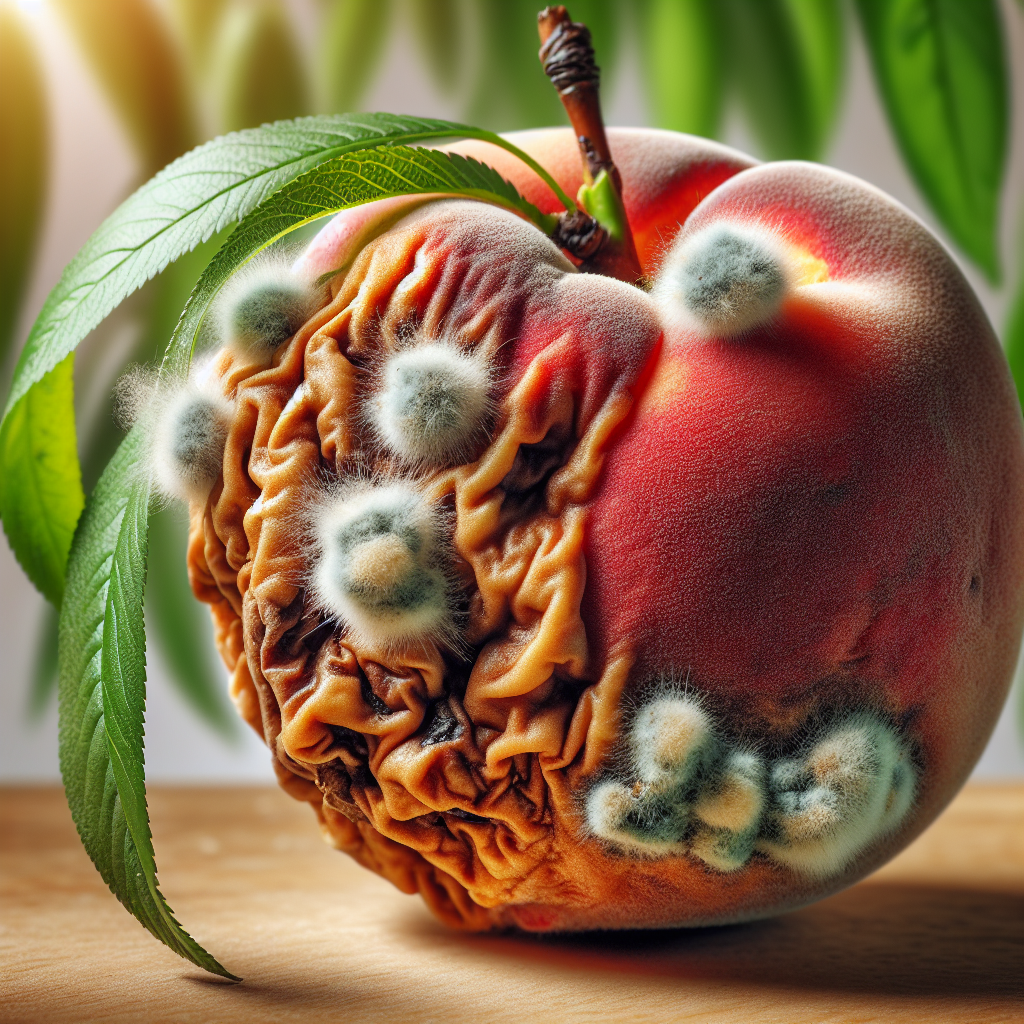
Brown rot
Brown rot is a devastating fungal disease caused by Monilinia species that primarily affects stone fruits like peaches, cherries, and plums, leading to rapid fruit decay and blossom blight. It thrives in warm, wet conditions, causing brown, shriveled lesions on fruit and twigs that produce spore masses resembling gray-brown cotton candy. Effective management relies on cultural practices, sanitation, and targeted organic fungicides to prevent epidemics.
View Profile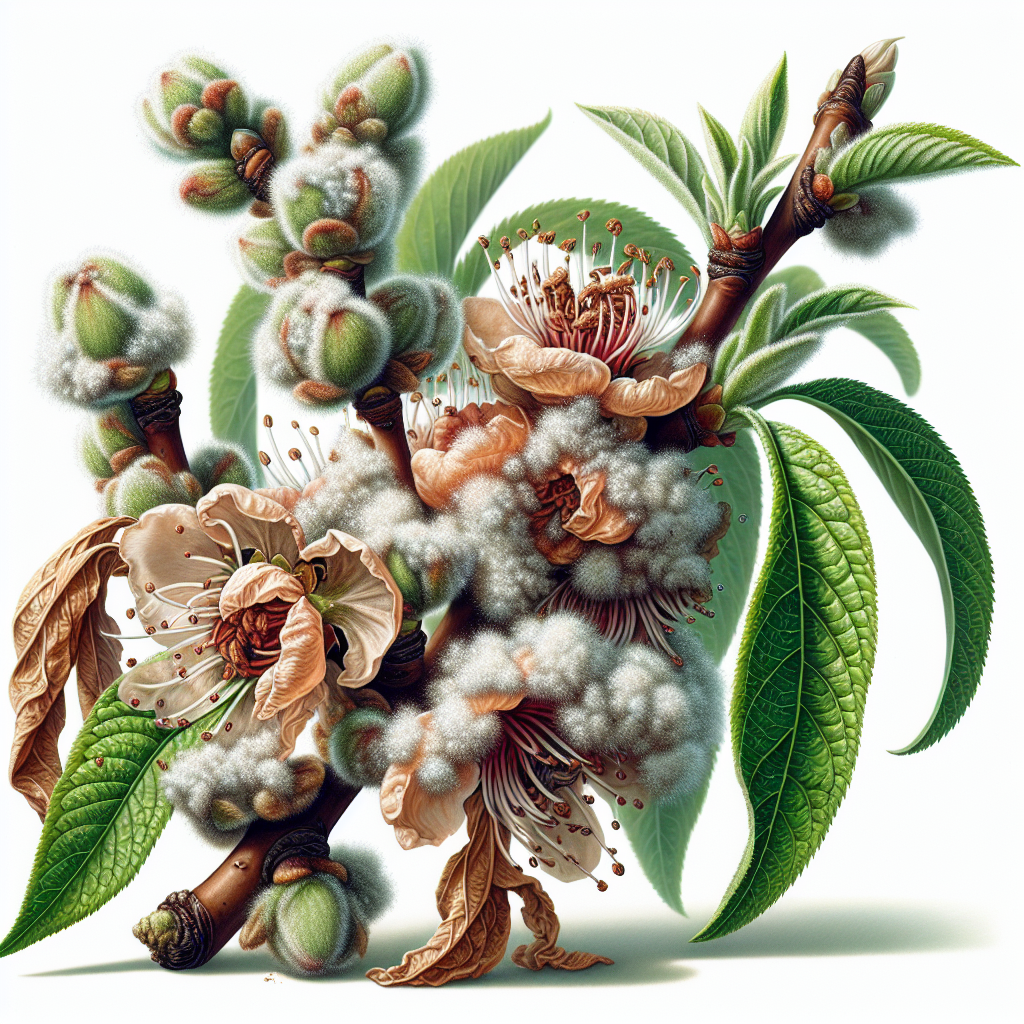
Brown rot blossom blight
Brown rot blossom blight is a destructive fungal disease caused by Monilinia species that primarily attacks the blossoms, twigs, and fruit of stone fruit trees, leading to rapid blighting and fruit rot. It thrives in cool, wet spring conditions and can devastate entire crops if not managed properly. Effective control relies on cultural practices, resistant varieties, and timely organic fungicide applications.
View Profile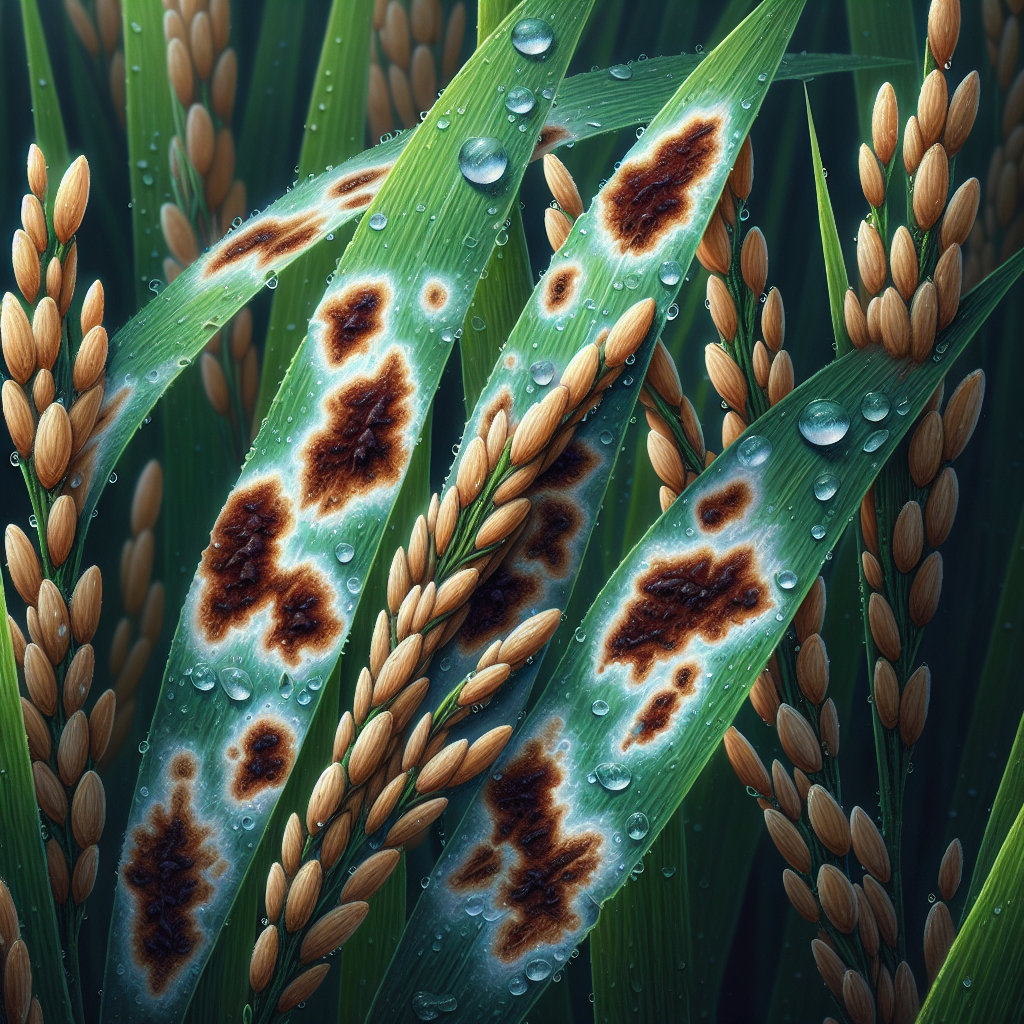
brown spot
Brown spot is a widespread fungal disease primarily affecting rice crops, caused by Bipolaris oryzae, leading to significant yield losses in tropical and subtropical regions. It manifests as characteristic brown lesions on leaves, sheaths, and glumes, exacerbated by high humidity and nutrient deficiencies. Effective management relies on cultural practices, resistant varieties, and organic fungicides to minimize damage.
View Profile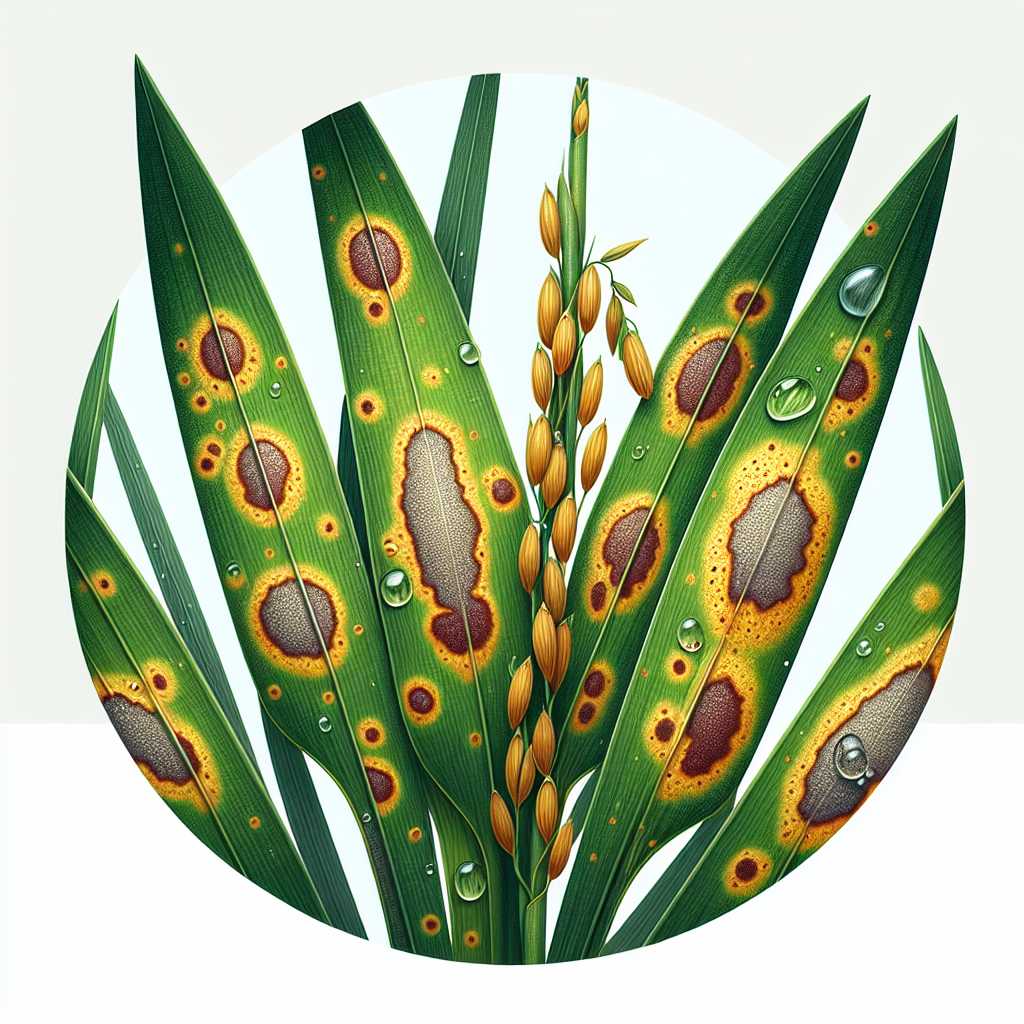
brown spot (disease)
Brown spot is a widespread fungal disease primarily affecting rice crops, caused by Bipolaris oryzae, leading to significant yield losses in tropical and subtropical regions. Characterized by distinctive brown lesions on leaves and glumes, it thrives in nutrient-poor soils and high humidity environments. Effective management combines resistant varieties, cultural practices, and organic fungicides for sustainable control.
View Profile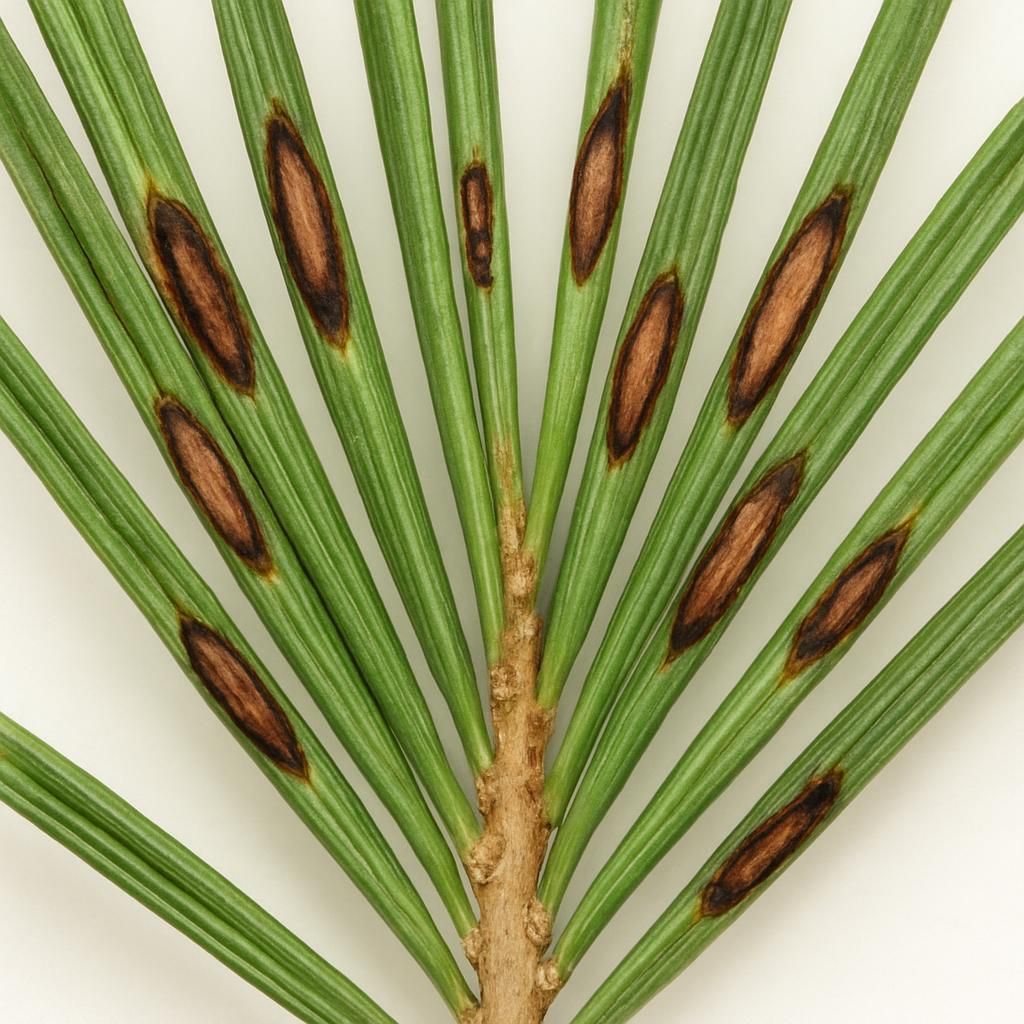
brown spot needle blight
Brown spot needle blight is a destructive fungal disease primarily affecting pine species, causing progressive needle discoloration, premature defoliation, and reduced tree vigor. Effective management relies on integrated cultural practices, resistant planting stock, and targeted fungicide applications during critical infection windows.
View Profile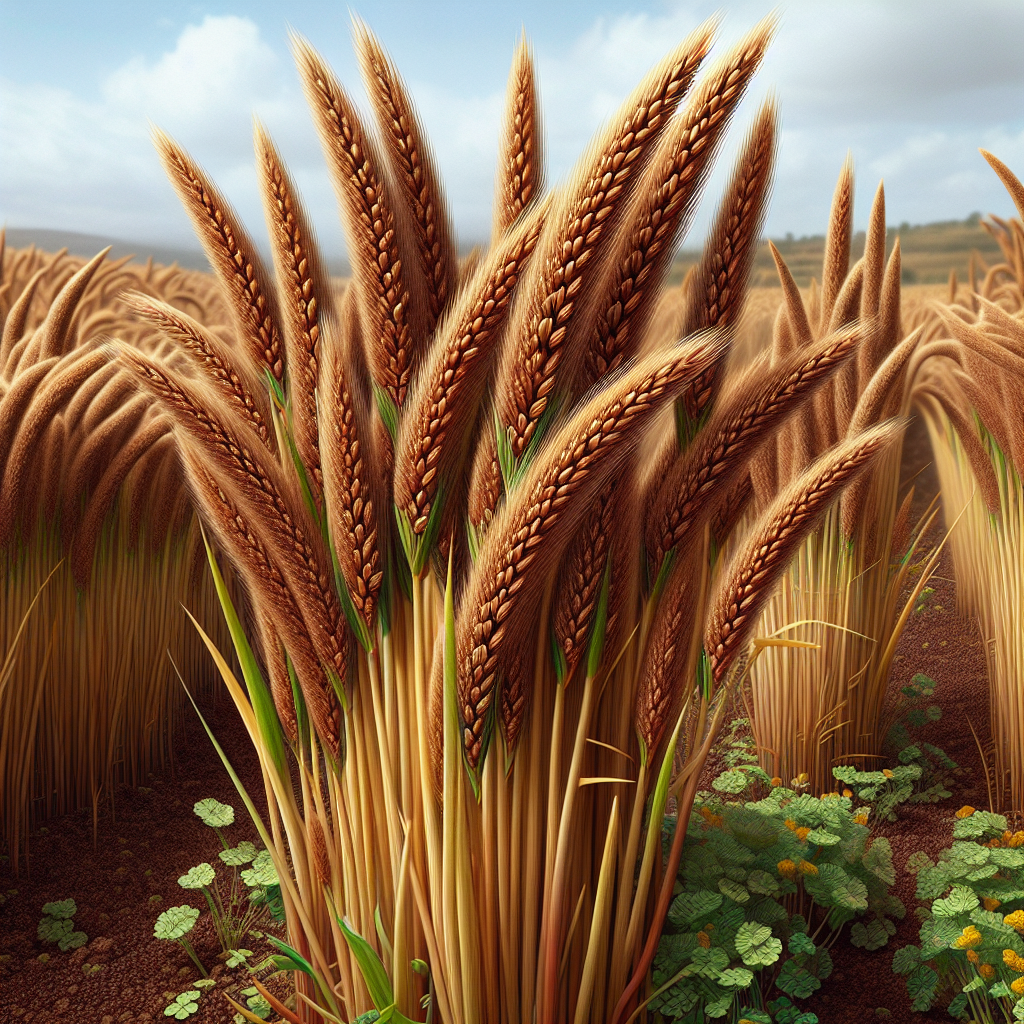
Brown Teff
Brown Teff is a robust, fine-stemmed grain variety prized for its nutty flavor, gluten-free grains, and exceptional drought tolerance. Native to Ethiopia, this ancient crop thrives in marginal soils and delivers high yields in short growing cycles of 80-120 days. Ideal for sustainable farming, it improves soil health while providing nutritious seeds for porridge, injera, and baking.
View Guide
Brown Turkey Fig
Brown Turkey Fig is one of the most widely grown common figs, valued for its adaptability, reliable productivity, and sweet amber-to-strawberry flesh. It is especially favored by home growers and small orchards because it is partially self-fruitful, tolerant of a range of soils, and more cold-hardy than many other fig cultivars.
View Guide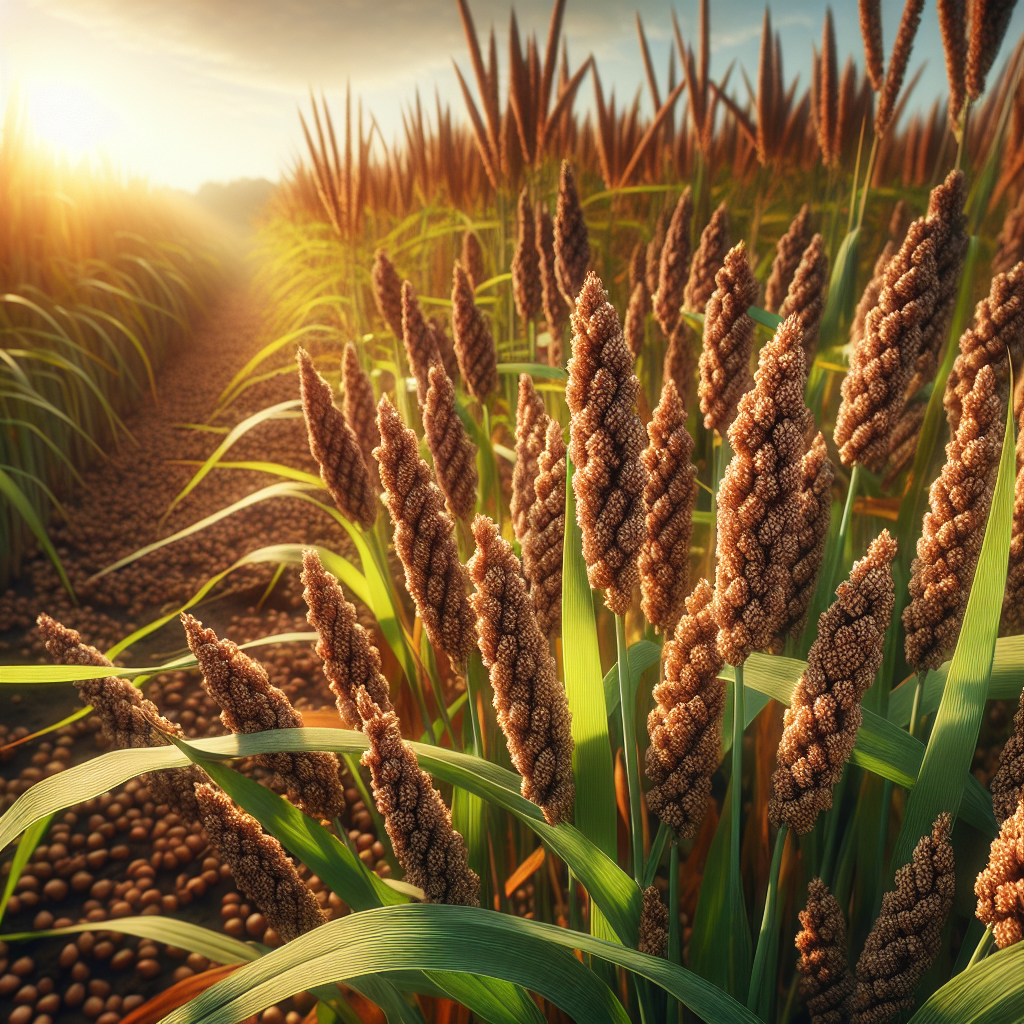
Browntop Millet
Browntop millet is a fast-growing, warm-season small grain valued for drought tolerance, short maturity, and strong performance on low-fertility soils. It is used for grain, forage, cover cropping, erosion control, and wildlife habitat, making it one of the most versatile minor millets for small farms and marginal land.
View Guide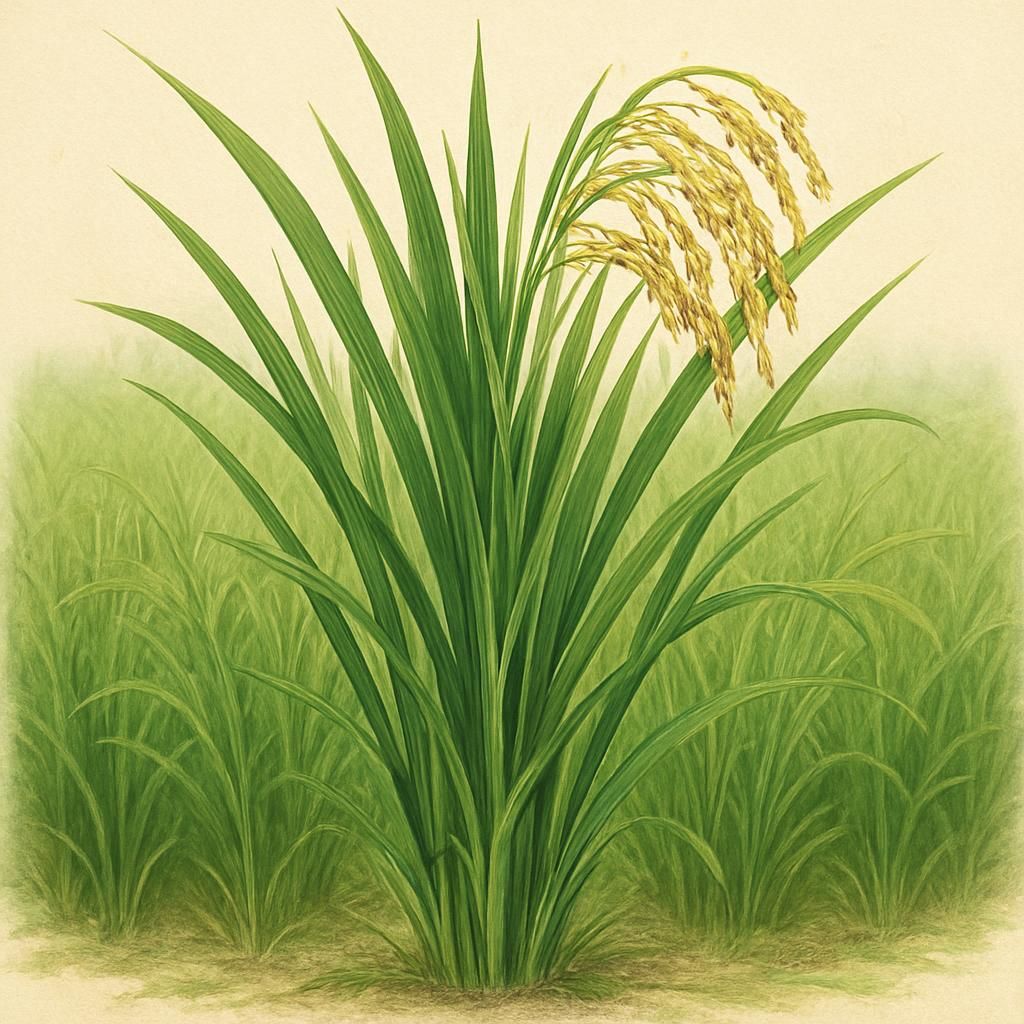
BRRI Dhan 28
BRRI Dhan 28 is a high-yield, short-duration rice variety developed by the Bangladesh Rice Research Institute. It is highly resistant to adverse weather, making it an ideal choice for farmers in various agro-climatic zones.
View Guide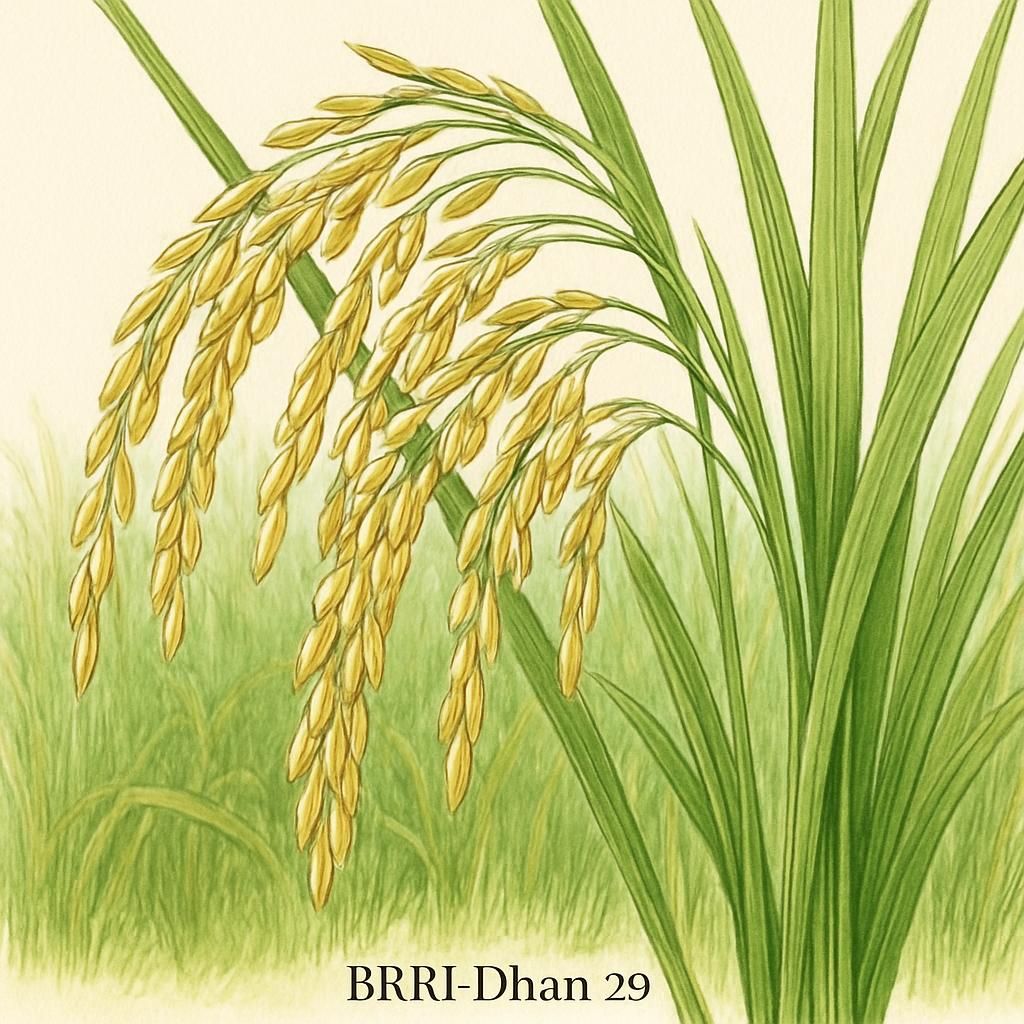
BRRI Dhan 29
BRRI Dhan 29 is a high-yielding rice variety developed by the Bangladesh Rice Research Institute. Known for its adaptability and resilience to local climatic conditions, it is a staple in Bangladeshi agriculture.
View Guide
Bruchid Beetles
Bruchid beetles are notorious seed predators that infest stored legumes like beans, peas, and chickpeas, causing significant post-harvest losses for farmers worldwide. These small, humpbacked beetles lay eggs on seeds, with larvae boring inside to feed and develop, rendering seeds unfit for consumption or planting. Effective management combines sanitation, resistant varieties, and targeted organic controls to protect harvests.
View Profile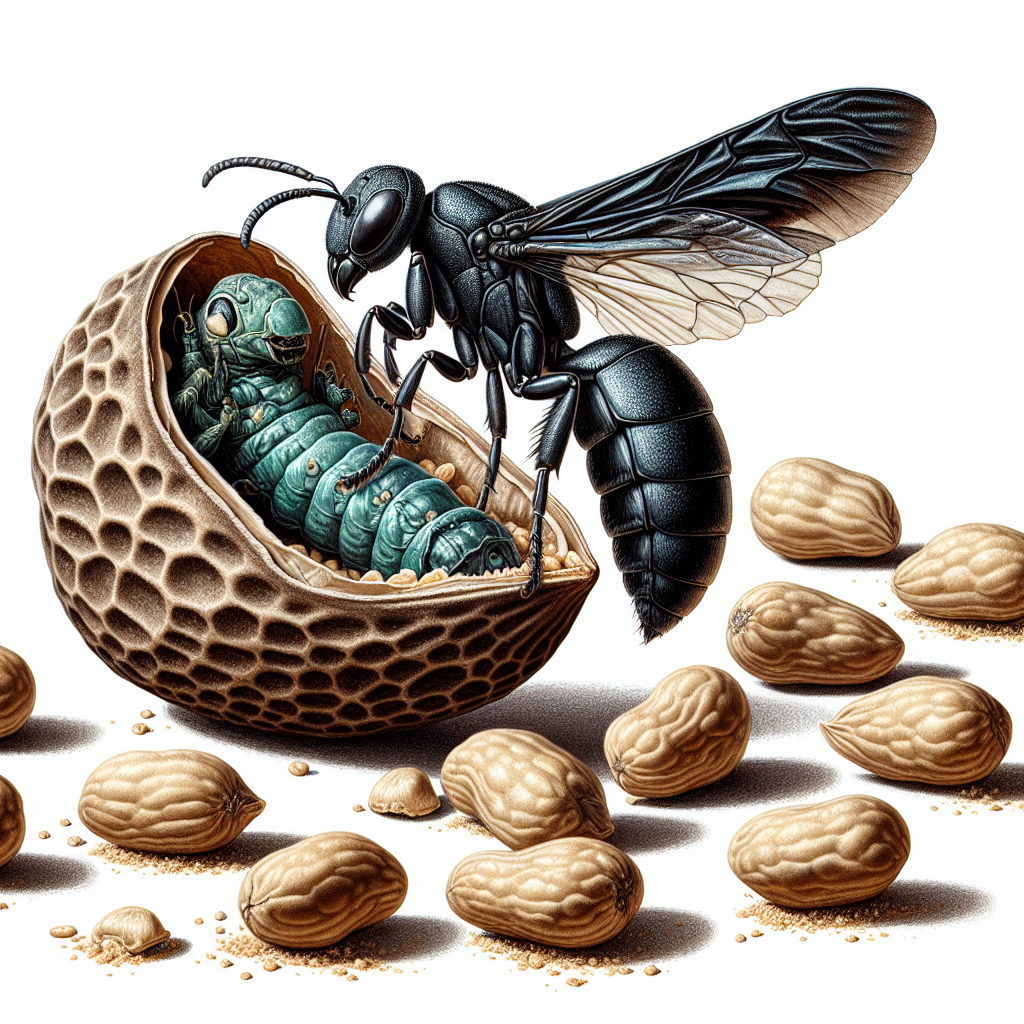
Bruchid parasitoids
Bruchid parasitoids are beneficial wasps that target bruchid beetles, key pests of stored legumes like chickpeas and cowpeas. These tiny parasitoids lay eggs inside bruchid larvae, preventing seed damage and offering natural biological control. Farmers can harness them for sustainable pest management in grain storage.
View Profile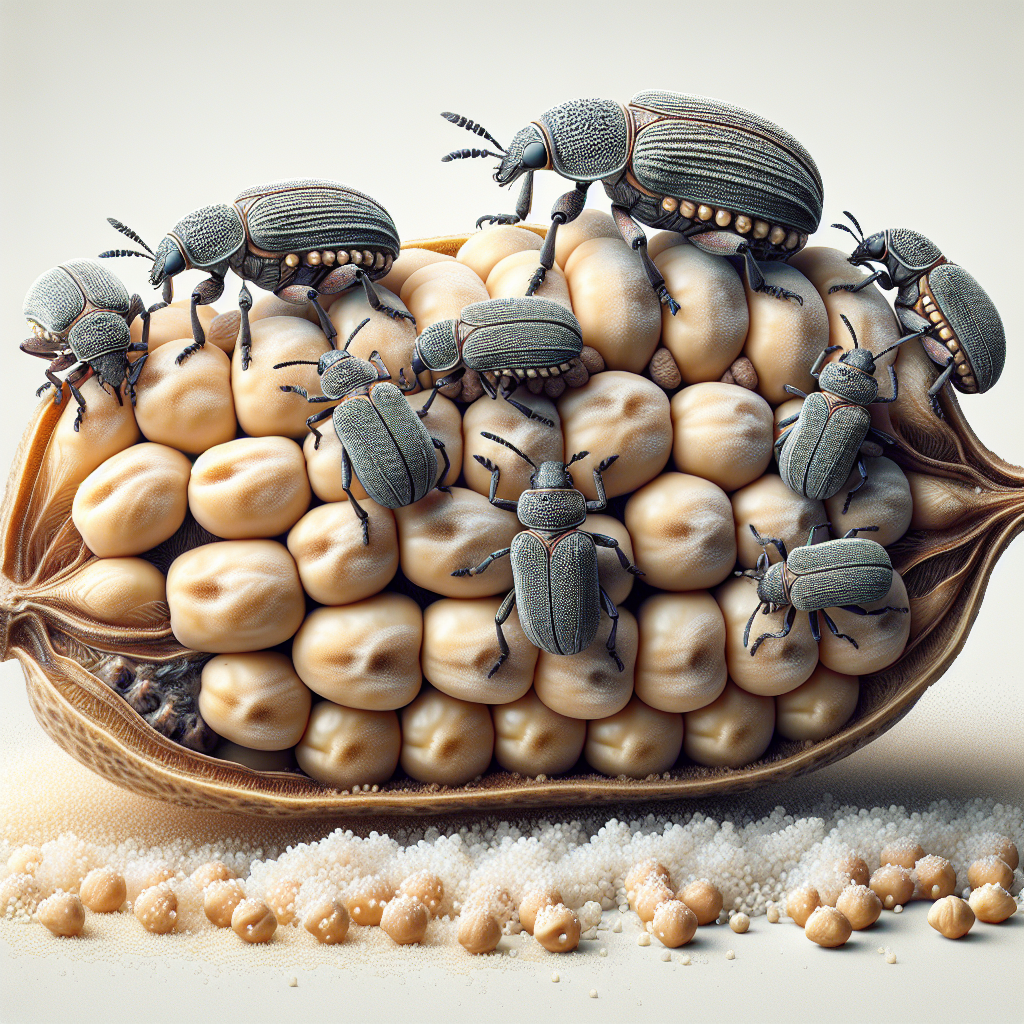
Bruchid-type storage pests
Bruchid-type storage pests are seed beetles that infest and destroy dry stored legumes and grains, causing significant post-harvest losses worldwide. These small, humpbacked beetles lay eggs on seeds, with larvae burrowing inside to feed and develop, rendering grains unfit for consumption or planting. Effective management relies on sanitation, temperature control, and organic protectants to safeguard stored crops.
View Profile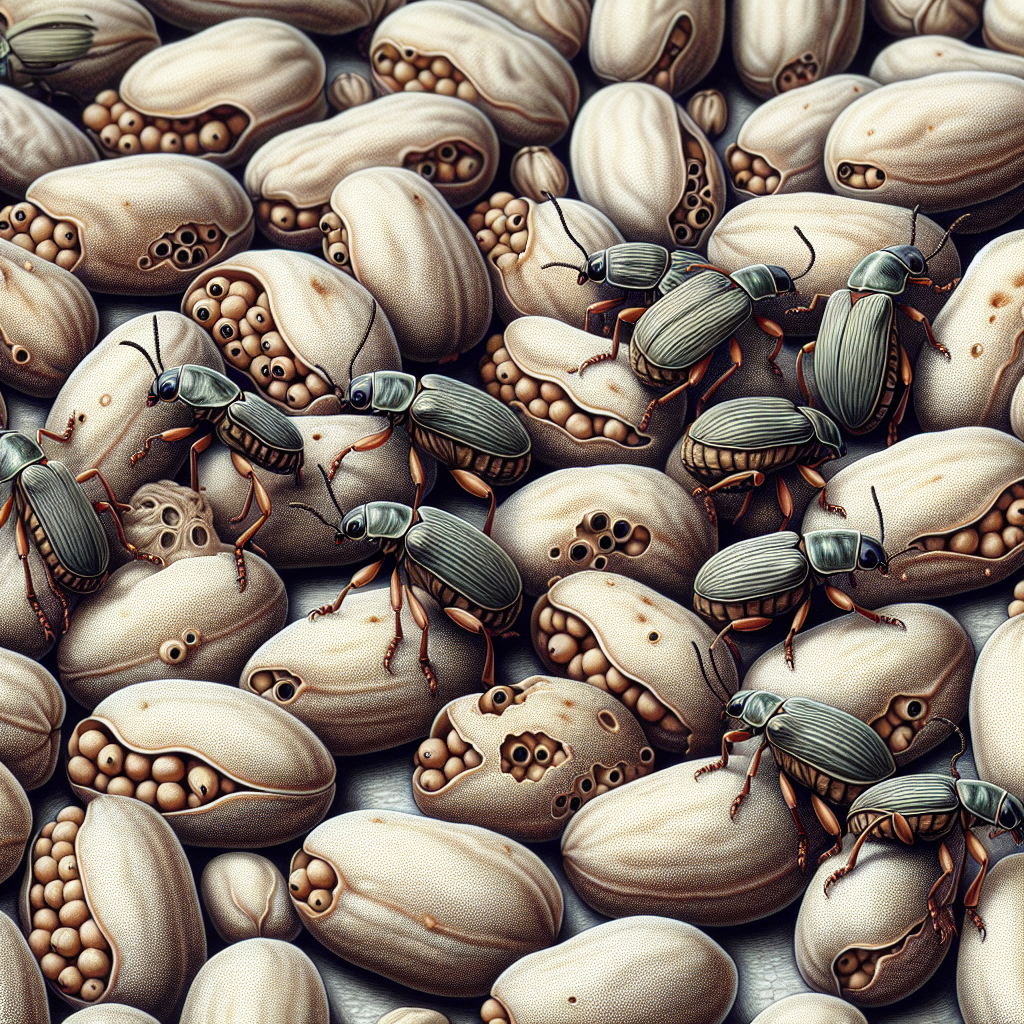
Bruchids
Bruchids, commonly known as bean weevils or cowpea weevils, are destructive seed beetles that infest stored legumes, causing significant post-harvest losses in pulses and grain crops. These small pests complete their lifecycle inside seeds, making early detection challenging until emergence. Effective management relies on sanitation, organic treatments, and preventive storage practices to protect yields.
View Profile