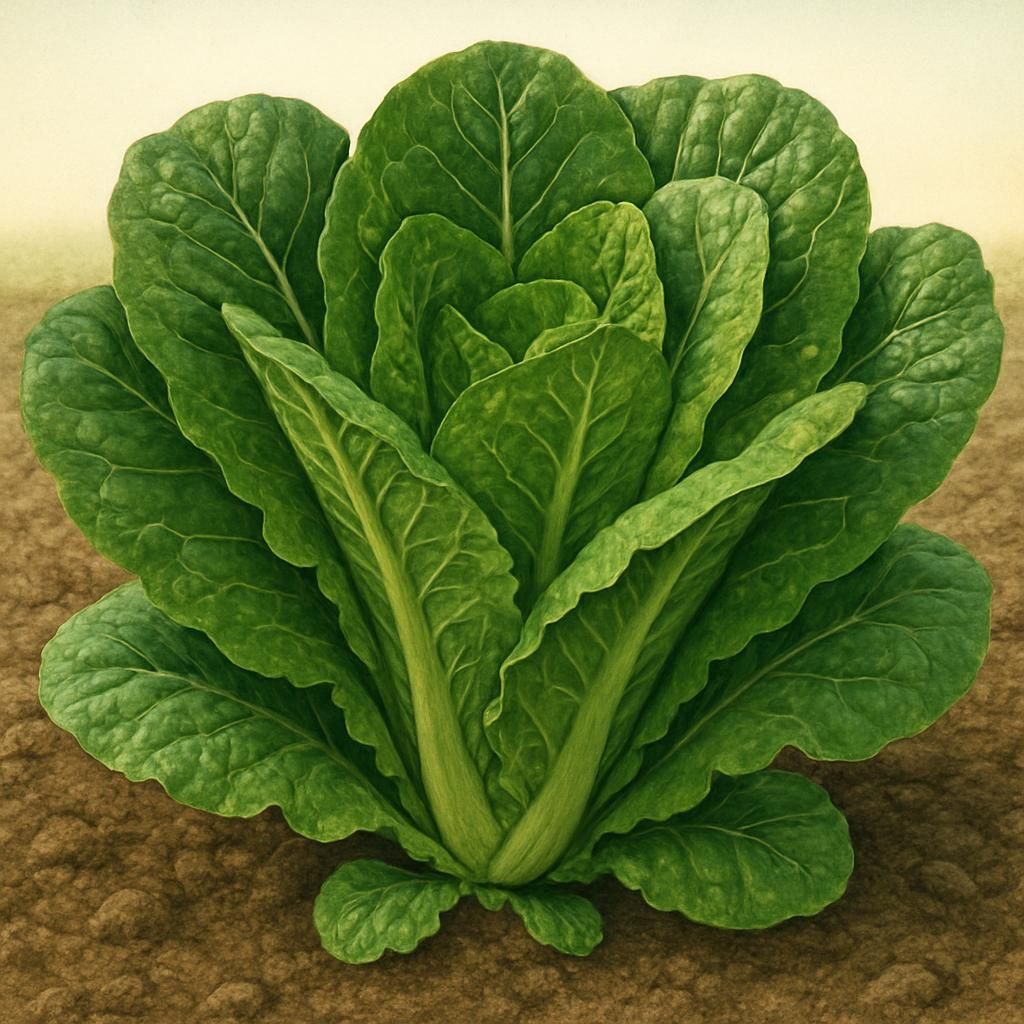
Introduction to Broadleaf Batavian
Broadleaf Batavian is a premium romaine-type lettuce known for its broad, crisp leaves and exceptional heat tolerance. Developed for commercial and home growers seeking reliable summer production, this variety delivers dense heads with a satisfying crunch and mild, slightly sweet flavor. It performs well across a wide range of climates and resists bolting better than many traditional romaine cultivars.
Growers value Broadleaf Batavian for its versatility in fresh salads, sandwiches, and wraps. Its upright growth habit and strong root system also make it suitable for both field and container cultivation. With proper care, this lettuce can provide multiple harvests per season while maintaining quality even during warmer months.
Botanical Profile of Broadleaf Batavian
Broadleaf Batavian belongs to the Asteraceae family and is classified as a romaine or cos lettuce. It features wide, slightly savoyed leaves with prominent midribs and a compact, elongated head structure. The variety typically reaches 10–14 inches in height at maturity and develops a dense central core.
The plant produces dark green outer leaves that protect the tender inner heart. Broadleaf Batavian exhibits strong resistance to tip burn and maintains leaf integrity under moderate stress. Its root system is relatively shallow yet efficient at nutrient uptake when grown in well-prepared soil.
Soil, pH, and Climate Requirements for Broadleaf Batavian
Broadleaf Batavian thrives in fertile, well-drained soils rich in organic matter. It prefers consistent moisture without waterlogging and performs best in full sun with afternoon shade in hot climates. The variety tolerates a broad temperature range but grows optimally during cooler periods.
| Parameter | Ideal Range | Notes |
|---|---|---|
| Soil Type | Loamy, well-drained | High organic matter improves structure |
| Soil pH | 6.0 – 7.0 | Slightly acidic to neutral |
| Temperature (Day) | 15–24°C (59–75°F) | Tolerates up to 29°C with protection |
| Temperature (Night) | 7–13°C (45–55°F) | Avoid frost below -2°C |
| Sunlight | Full sun to partial shade | Afternoon shade recommended in summer |
| Spacing | 30 cm (12 in) between plants | Rows 45–60 cm (18–24 in) apart |
Step-by-Step Planting & Propagation
Start Broadleaf Batavian from seed indoors 4–6 weeks before the last expected frost or direct sow in early spring. Use seed-starting mix and maintain soil temperature around 18–21°C for optimal germination, which occurs in 5–10 days.
Transplant seedlings when they have 3–4 true leaves, spacing them 30 cm apart in rows 45–60 cm wide. For succession planting, sow new seeds every 2–3 weeks through mid-summer. In warmer regions, use shade cloth during peak heat to extend the growing window.
Direct seeding works well in prepared beds; sow seeds 6 mm deep and thin to final spacing once seedlings reach 5 cm tall. Protect young plants from slugs and snails during establishment.
Care & Maintenance regimes for Broadleaf Batavian
Consistent moisture is critical for crisp leaves and to prevent bitterness. Apply mulch to retain soil moisture and suppress weeds. Side-dress with compost or a balanced organic fertilizer midway through the season to support vigorous growth.
| Schedule | Watering | Fertilizer | Pruning / Thinning |
|---|---|---|---|
| Establishment (Weeks 1–3) | Keep soil evenly moist (2–3 cm/week) | Light compost tea weekly | Thin to 30 cm spacing |
| Vegetative Growth | 2.5–3.5 cm/week; morning watering | Balanced NPK (10-10-10) every 3 weeks | Remove damaged outer leaves |
| Pre-Harvest (Final 2 weeks) | Reduce to avoid rot | No additional fertilizer | No pruning; monitor for bolting |
Pests, Diseases & Organic Management
Common pests include aphids, slugs and snails, and cutworms. Use floating row covers early in the season and apply organic slug bait or diatomaceous earth around plants. Encourage beneficial insects such as ladybugs and lacewings for aphid control.
Diseases such as downy mildew, powdery mildew, and Botrytis can affect Broadleaf Batavian under humid conditions. Improve airflow by proper spacing and avoid overhead watering. Remove infected leaves promptly and rotate crops annually.
Harvesting, Curing & Optimal Storage
Harvest Broadleaf Batavian when heads reach full size but before seed stalks form, typically 55–65 days after sowing. Cut the entire head at the base with a sharp knife early in the morning for best quality.
For extended freshness, cool harvested heads quickly and store at 0–2°C with high humidity. Leaves remain crisp for 7–10 days in perforated plastic bags. Avoid washing until ready to use to prevent premature decay.
Companion Planting for Broadleaf Batavian
Broadleaf Batavian pairs well with onion, garlic, and carrot to deter pests and improve soil health. Avoid planting near fennel or other members of the Apiaceae family that may inhibit growth.
Marigolds and nasturtium planted nearby help repel aphids and attract beneficial insects. Rotating lettuce with legumes such as peas or beans enriches soil nitrogen for subsequent crops.
For more insights on building resilient planting systems, see Summer Companion Planting: 10 Organic Pairings to Boost Small Farm Resilience.