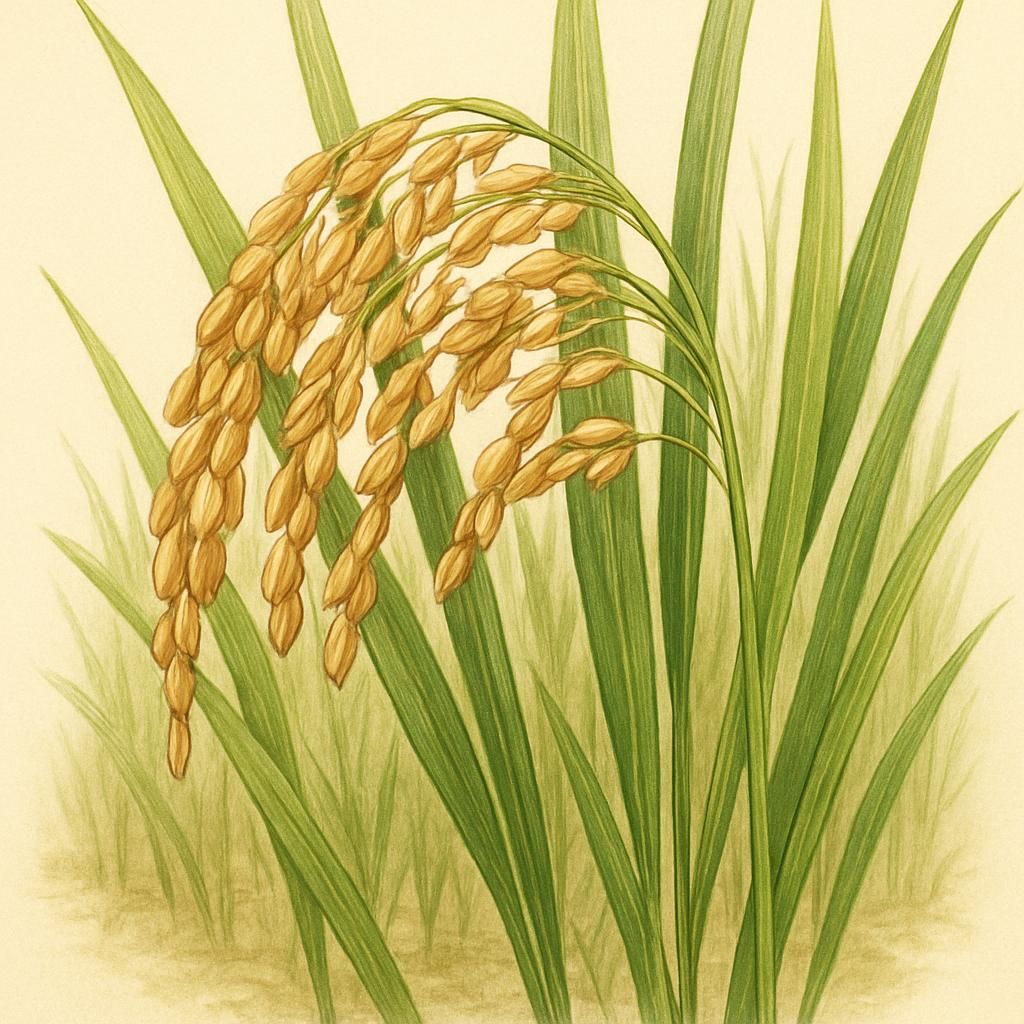
Introduction to Brown Rice (Haenuki)
Brown Rice, specifically the Haenuki variety, is a favorite among rice connoisseurs for its distinct flavor and desirable chewy texture. Native to Japan, Haenuki Brown Rice is often chosen for its nutritional benefits, including high fiber content and essential minerals. This variety's resilience and unique characteristics make it a popular choice for traditional Japanese dishes and beyond.
Botanical Profile of Brown Rice (Haenuki)
Brown Rice (Haenuki) belongs to the species Oryza sativa. Unlike white rice, brown rice retains its bran layer, contributing to its higher nutritional value. The Haenuki variety stands out due to its favorable growth traits, which include a robust plant architecture and adaptability to various soil conditions.
Soil, pH, and Climate Requirements for Brown Rice (Haenuki)
Rice cultivation thrives best in controlled environments, and the Haenuki variety is no exception. Below are the ideal growing conditions for reaching optimal yield and quality.
| Condition | Ideal Range |
|---|---|
| Soil Type | Loamy, Silty Clay |
| Soil pH | 5.5 - 6.5 |
| Temperature | 20-35°C (68-95°F) |
| Rainfall | 1,500 - 2,000 mm/yr |
Step-by-Step Planting & Propagation
- Seed Selection: Begin with high-quality Haenuki seeds, preferably certified organic for optimal growth.
- Soaking: Soak seeds in water for 24 hours to improve germination rates.
- Nursery Preparation: Prepare nursery beds with well-draining soil. Plant seeds 2-3 cm deep.
- Transplanting: After 3-4 weeks, transplant young seedlings to the main field, spacing them 20 cm apart.
- Field Preparation: Ensure fields are level and have proper irrigation systems to manage water effectively.
Care & Maintenance Regimes for Brown Rice (Haenuki)
Ensuring adequate water and nutrient supply is crucial for the successful cultivation of Haenuki Brown Rice.
| Task | Schedule/Frequency |
|---|---|
| Watering | 10-15 cm water depth at all times |
| Fertilizing | Nitrogen: 60-100 kg/ha after planting, Potassium: 30-50 kg/ha |
| Pruning/Weeding | Bi-weekly to prevent pest infestation |
Pests, Diseases & Organic Management
Brown Rice (Haenuki) can be susceptible to several pests and diseases. Effective management involves recognizing early signs and taking preventative measures.
- Common Pests:
- Spider Mites: Though uncommon, these mites can appear in dry conditions. Regular monitoring and maintaining field moisture help prevent infestation.
- Stink Bugs: Use neem oil or insecticidal soap to manage minor infestations.
- Diseases:
- Blast (Pyricularia oryzae): Implementing resistant varieties and practicing crop rotation.
- Brown Spot: Caused by Helminthosporium oryzae, this can be minimized by applying balanced fertilizers and ensuring proper drainage.
- Organic Management: Employ crop rotation, maintain field sanitation, and use organic pesticides such as neem oil.
Harvesting, Curing & Optimal Storage
- Harvesting: Brown Rice (Haenuki) is generally ready for harvest 4-6 months after planting. Harvest when grains show 80-85% maturity.
- Curing: After harvest, cure rice in direct sunlight for 2-3 days to reduce moisture content to about 12-14%.
- Storage: Store in a cool, dry place, preferably in airtight containers to prevent pest infestation and maintain quality.
Companion Planting for Brown Rice (Haenuki)
Brown Rice (Haenuki) benefits from specific companion planting techniques which improve growth and repel pests.
- Consider planting with water buffalo eared millet or clover to enhance soil health and pest deterrence.
- Avoid planting with crops like Garlic or Tomato which may compete for resources adversely affecting rice growth.
For further strategies on enhancing small farm resilience, consider reading our blog on Fall Pest Siege: 9 Organic Defenses to Shield Small Farms from Invading Armies.
For comprehensive understanding of the genetic traits and cultural importance of rice varieties, refer to the Rice entry in our Wiki.