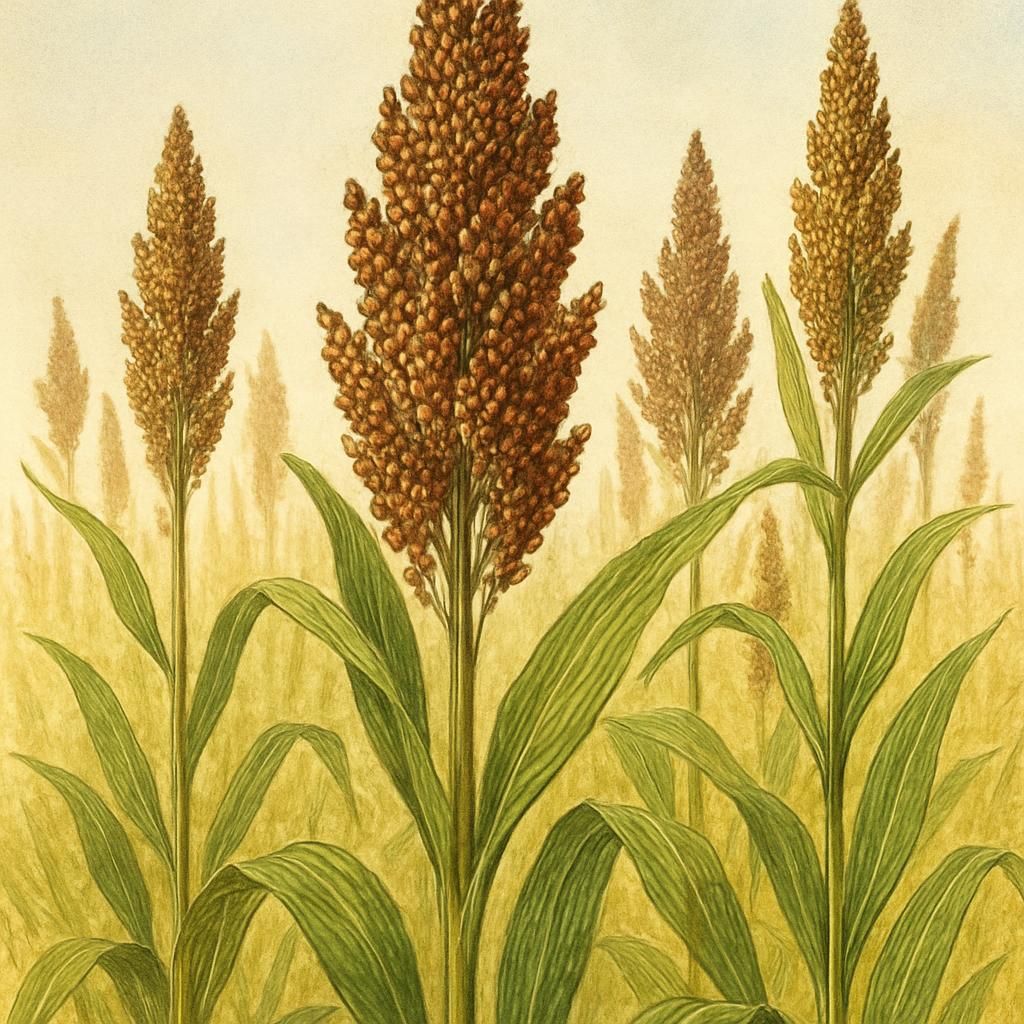
Introduction to Broomcorn Sorghum
Broomcorn sorghum (Sorghum bicolor) is a type of grass native to the African continent, primarily cultivated for the production of natural brooms. It is known for its tall, fibrous stems, which are processed and bundled into brooms. Besides its industrial use, broomcorn sorghum holds potential for soil conservation and as a forage crop in dry regions.
Botanical Profile of Broomcorn Sorghum
The broomcorn sorghum plant is characterized by its slender, upright form reaching heights between 8 to 15 feet. Its inflorescence comprises dense clusters of seeds at the top of stalks, which mature into long fibers suitable for broom production. It belongs to the Poaceae family, sharing a close relationship with other sorghums like grain sorghum.
Soil, pH, and Climate Requirements for Broomcorn Sorghum
The success of broomcorn sorghum cultivation heavily relies on optimal soil and climate conditions. It thrives in areas experiencing warm temperatures, minimal frost, and moderate rainfall. Below is a detailed table presenting the ideal conditions for successful growth.
| Factor | Ideal Range |
|---|---|
| Soil Type | Loam, well-drained |
| Soil pH | 5.5 - 7.5 |
| Temperature Range | 70°F - 95°F |
| Rainfall | 20 - 40 inches/year |
| Sunlight | Full sun |
Step-by-Step Planting & Propagation
- Site Selection: Choose a location with full sun and minimal shade, ensuring well-drained soil.
- Soil Preparation: Amend the soil with organic matter to improve fertility and drainage. Ensure the pH is adjusted to the ideal range using lime or sulfur as necessary.
- Sowing Seeds: Plant seeds directly in the soil after the last frost date when soil temperatures reach at least 65°F. Space seeds about 4-6 inches apart in rows 24-30 inches apart.
- Watering: Establish a regular watering schedule, focusing on consistent moisture without creating waterlogged conditions.
Care & Maintenance Regimes for Broomcorn Sorghum
Proper care and maintenance are vital for maximizing yield and fiber quality. Here is a table indicating the recommended schedules for watering, fertilization, and pruning.
| Activity | Timeframe | Notes |
|---|---|---|
| Watering | Weekly, 1 inch | Increase during dry spells; avoid overwatering |
| Fertilizer | Pre-planting & mid-season | Use balanced NPK fertilizer, e.g., 10-10-10 |
| Pruning | Post-harvest | Trim stalks to encourage regrowth |
Pests, Diseases & Organic Management
Broomcorn sorghum is relatively hardy but may face challenges from pests such as Spider Mites and diseases like anthracnose.
- Pests: Regular monitoring and early intervention using neem oil or insecticidal soap can control minor infestations. Encouraging natural predators such as ladybugs can also help.
- Diseases: Maintain plant health through adequate spacing and proper watering to prevent diseases. Apply copper-based fungicides for disease control where necessary.
For further reading on organic pest management, refer to 7 Summer Pest Traps That Sabotage Small Farm Harvests.
Harvesting, Curing & Optimal Storage
Harvesting should be done before the first frost, once the seeds start to dry and mature. Cut stalks at the base and hang them to dry in a well-ventilated area for several weeks. For storage, ensure fibers are dry before bundling and storing in a cool, dry place to prevent mold.
Companion Planting for Broomcorn Sorghum
Broomcorn sorghum benefits from strategic companion planting to enhance its growth environment and pest resistance. Consider introducing nitrogen-fixing plants like Peas or clovers to the cultivation area to enrich soil nutrients. Additionally, aromatic herbs and flowers can deter pests naturally.
For more insights on companion planting, visit Summer Companion Planting: 10 Organic Pairings to Boost Small Farm Resilience.