Encyclopedia
Definitive guides for crops, pests, and agricultural diseases.

Brussels sprouts
Brussels sprouts, while a nutritious cool-season crop, can become problematic in gardens when they self-seed aggressively or harbor pests like cabbage worms and aphids, leading to unwanted spread and reduced yields in nearby brassicas. This guide provides definitive diagnostic tools for identifying infestation symptoms and comprehensive organic management strategies to control outbreaks effectively. Learn lifecycle insights, environmental triggers, and prevention tactics to safeguard your crops from Brussels sprouts-related issues.
View Guide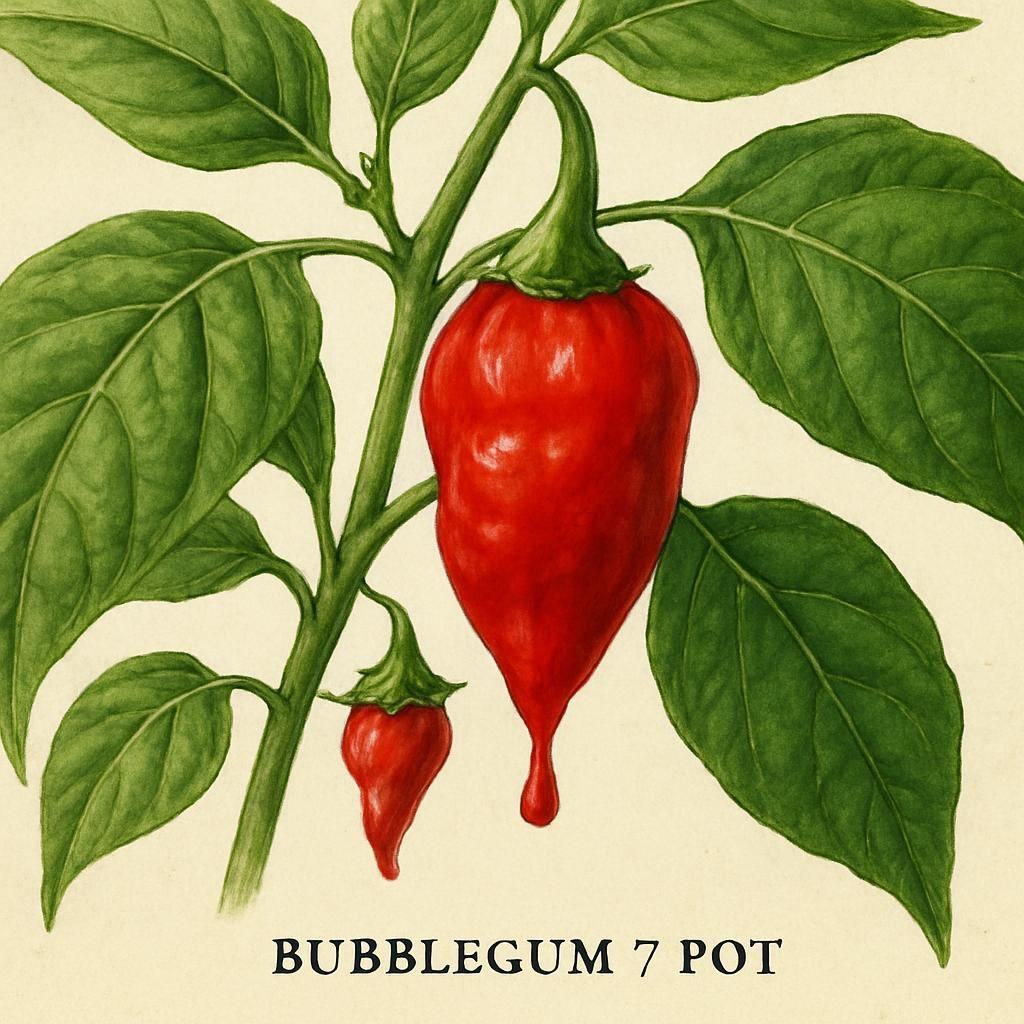
Bubblegum 7 Pot
Bubblegum 7 Pot is an exceptionally hot chili pepper variety known for its unique flavor profile combining fruity notes with intense heat, originating from Trinidad. It is popular among pepper aficionados and home gardeners for its striking appearance and culinary versatility.
View Guide
Buckwheat
Buckwheat is a fast-growing broadleaf pseudocereal valued for grain, pollinator support, weed suppression, and soil improvement. Although often grouped with cereals, it is botanically distinct from grasses and performs best in cool to mild conditions, modest fertility, and well-drained soils.
View Guide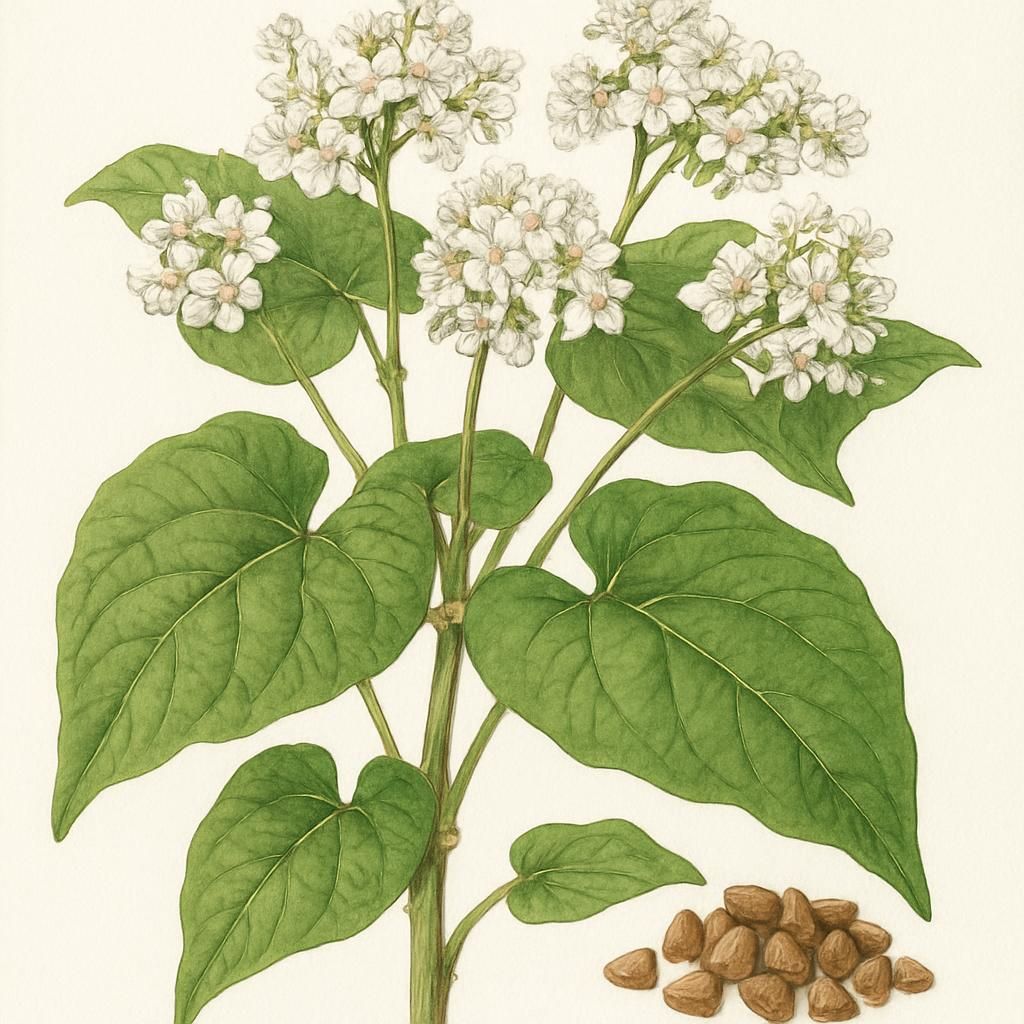
Buckwheat (Manisoba)
Buckwheat, known scientifically as Fagopyrum esculentum, is a fast-growing pseudocereal valued for its nutrient-rich seeds and versatility in crop rotation. Popular in sustainable and organic farming, it thrives in diverse climates and improves soil health.
View Guide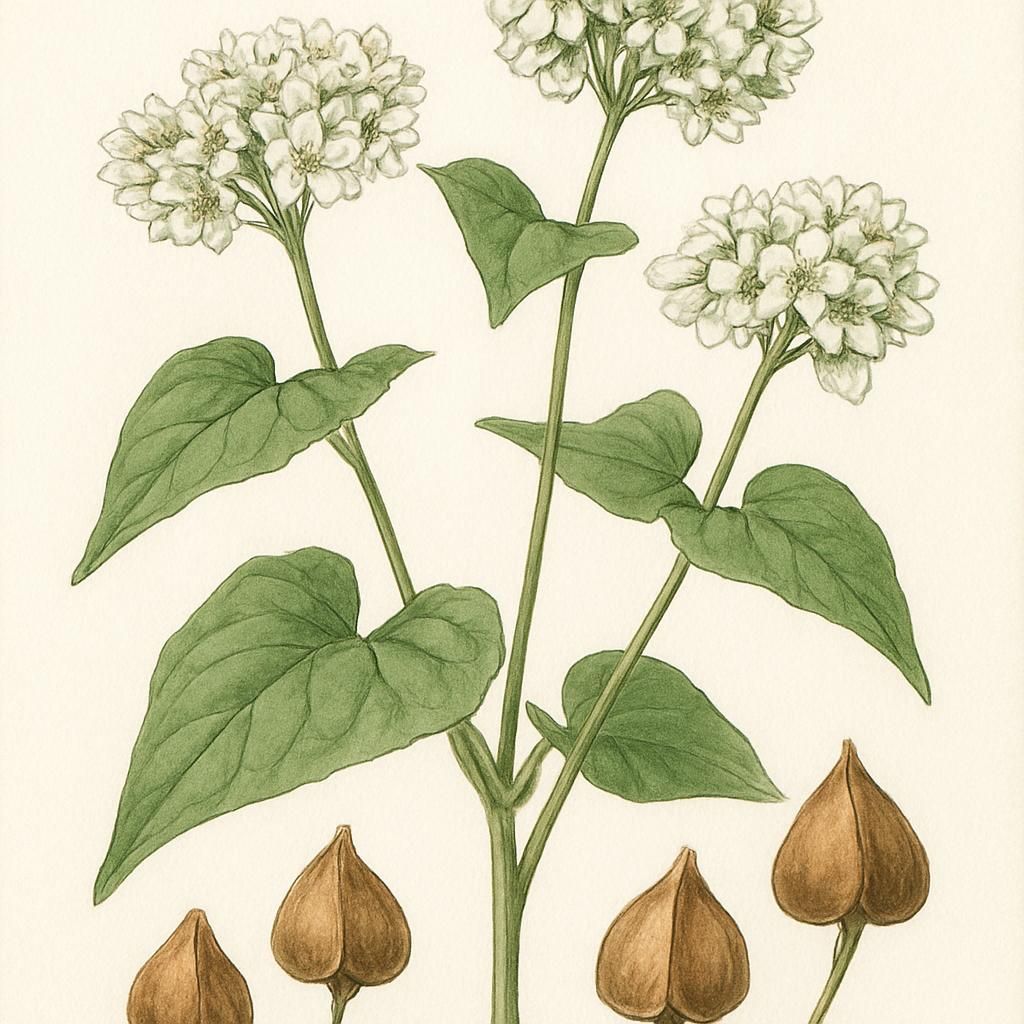
Buckwheat (Silverhull)
Buckwheat (Silverhull) is a fast-growing pseudocereal notable for its ability to thrive in challenging soils. Known for its rapid maturation and usefulness as a cover crop, it is an excellent choice for soil conservation and organic pest management.
View Guide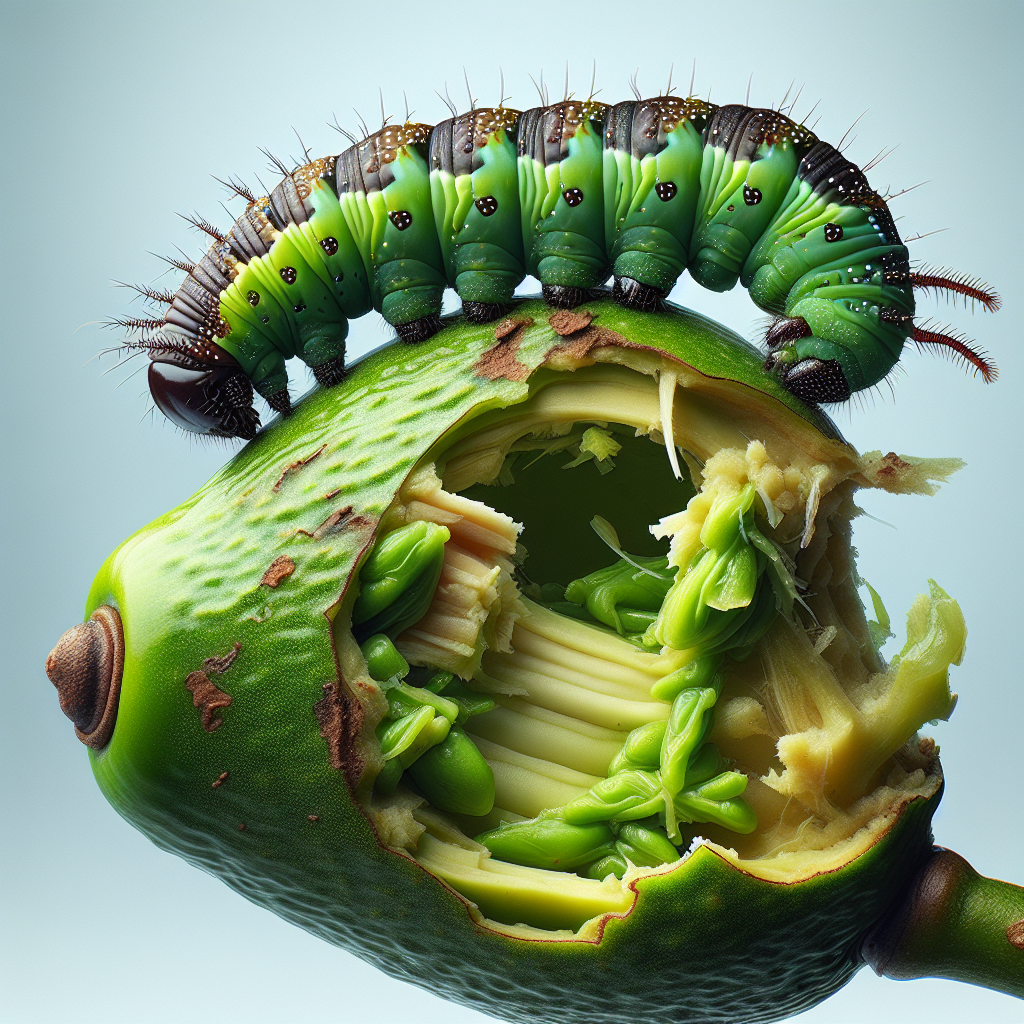
Bud feeders
Bud feeders are destructive larval insects that target tender plant buds, causing severe deformation and yield loss in fruits, vegetables, and ornamentals. These pests chew into developing buds, leading to blind terminals, aborted flowers, and reduced harvests. Effective management combines monitoring, organic controls, and cultural practices for sustainable control.
View Profile
Bud rot
Bud rot is a devastating fungal disease primarily caused by Phytophthora species, leading to the rapid decay and death of plant buds, shoots, and young tissues. It thrives in warm, wet conditions, causing significant losses in tropical and subtropical crops like palms, avocados, and bananas. Early detection and cultural management are key to preventing widespread damage.
View Profile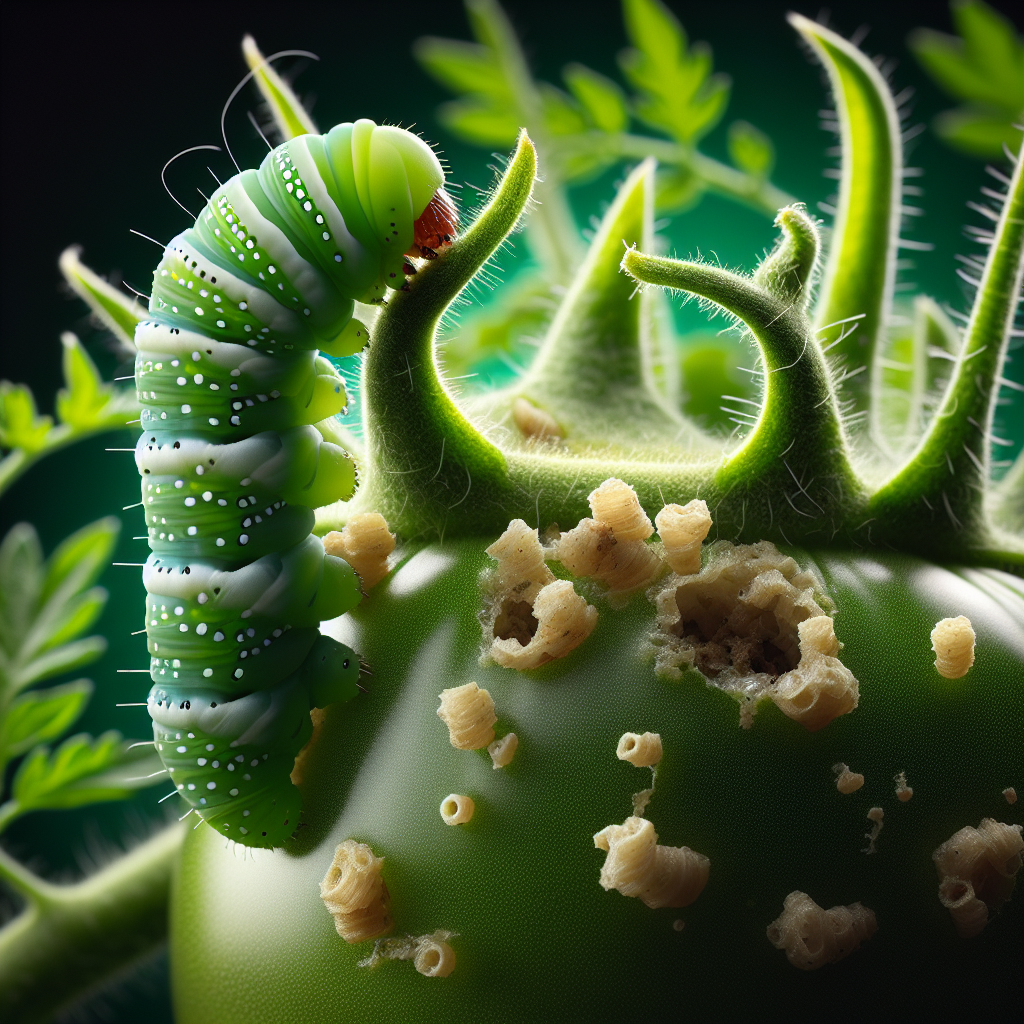
Budworms
Budworms are destructive moth larvae that target tender buds, shoots, and fruits of numerous crops, causing significant yield losses in vegetables, grains, and fruits. This guide provides comprehensive diagnostics, lifecycle insights, organic management strategies, and prevention tactics for farmers battling these pervasive pests. Early detection and integrated organic controls can minimize damage and protect harvests effectively.
View Profile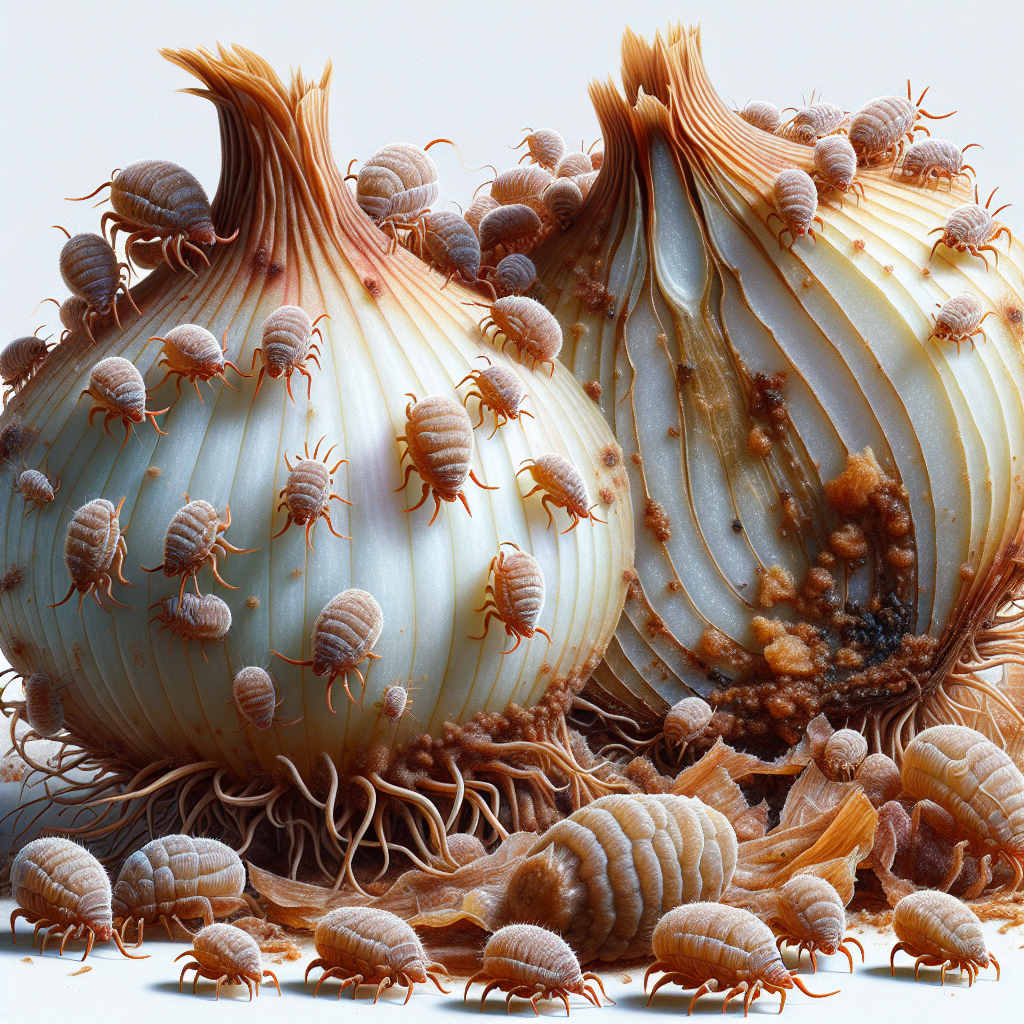
bulb mites
Bulb mites are microscopic pests that infest stored bulbs, corms, and tubers, causing severe rotting and economic losses in ornamental and edible crops. This guide provides definitive diagnostic symptoms, lifecycle details, organic management strategies, and prevention tactics for farmers and gardeners. Early detection and proper storage practices are key to controlling outbreaks effectively.
View Profile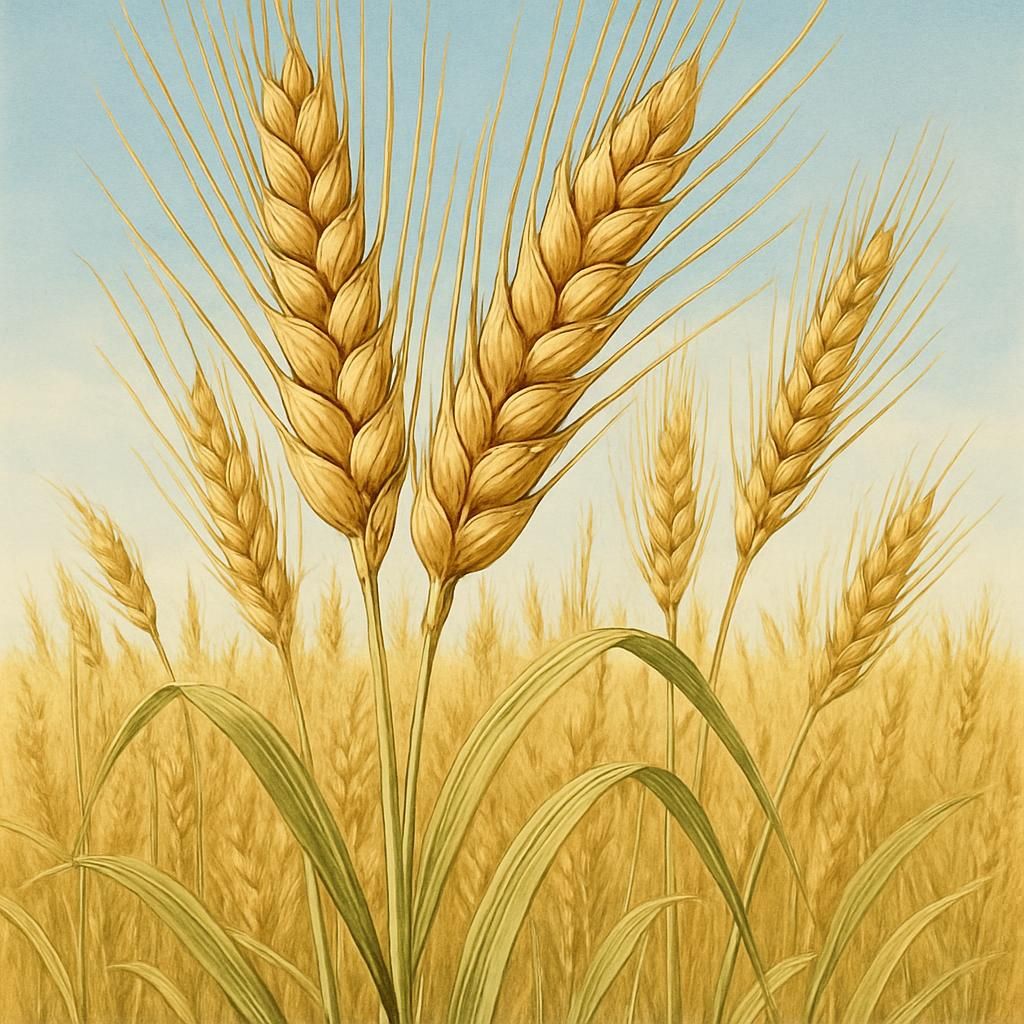
Bulgur (Coarse)
Bulgur (coarse) is a type of whole grain made from cracked wheat, primarily from wheat species like Triticum durum. Known for its nutty flavor and quick cooking time, it is a staple in Middle Eastern cuisine.
View Guide
Bulrush
Bulrush (Typha latifolia) is a versatile wetland perennial valued for its edible rhizomes, pollen, and fiber, thriving in saturated soils and serving as a sustainable crop for marginal lands.
View Guide
Bunchy top virus
Bunchy top virus (BBTV) is a devastating nanovirus that infects banana plants, causing stunted growth, bunchy leaf tops, and significant yield losses. Transmitted primarily by the banana aphid (Pentalonia nigronervosa), it spreads rapidly in tropical regions, rendering infected plants unproductive. Early detection and rogueing are critical for management, as no curative treatments exist.
View Profile
Bunt diseases
Bunt diseases are devastating fungal infections primarily affecting cereal crops like wheat and barley, converting grain kernels into masses of black teliospores that render harvests worthless. Caused by soilborne and seedborne basidiomycete fungi, these diseases spread through contaminated seeds and persist in soil for years. Effective management relies on certified disease-free seed, resistant varieties, and cultural practices to break the lifecycle.
View Profile
bunts
Bunts are devastating fungal diseases primarily affecting wheat and barley, caused by Tilletia species that replace grain with masses of foul-smelling black spores. Highly destructive to cereal crops, they can ruin entire harvests if not managed properly. Effective control relies on seed treatment, resistant varieties, and cultural practices.
View Profile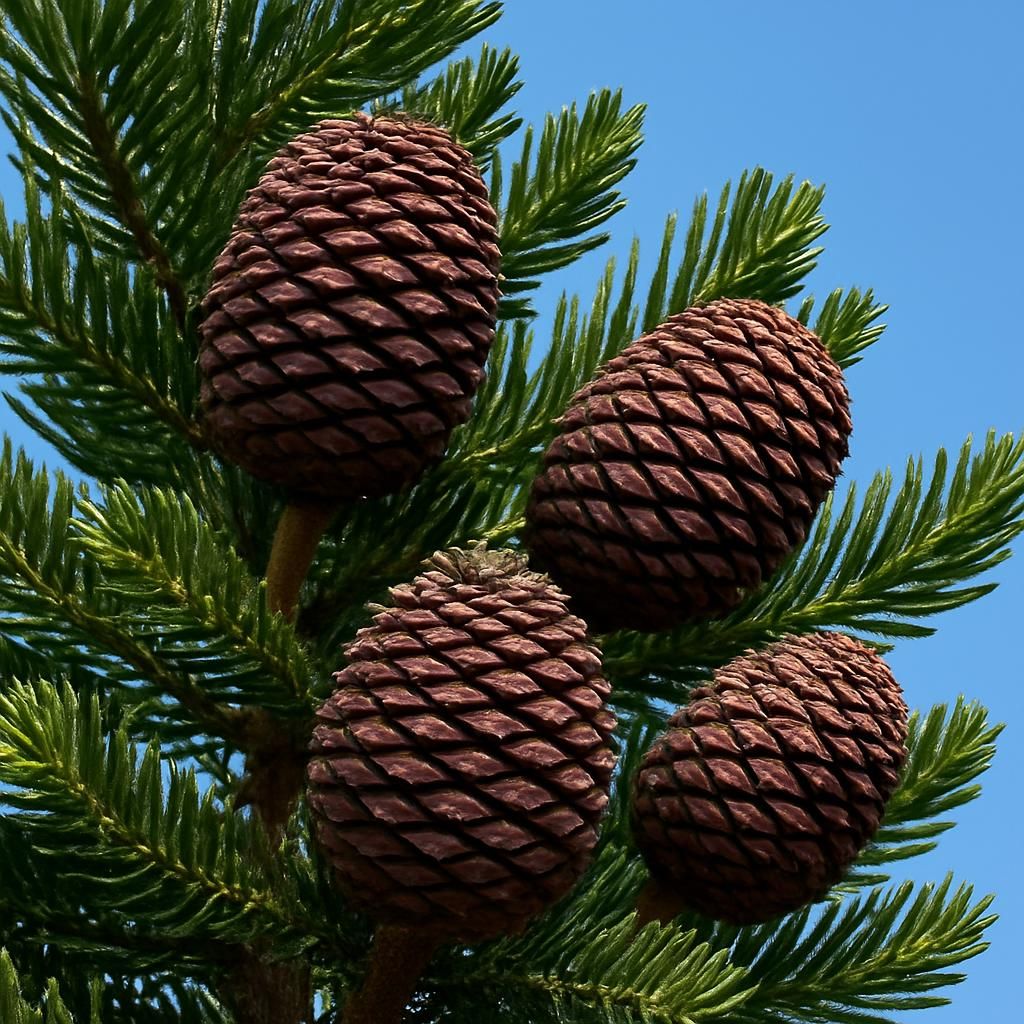
Bunya Nut (Araucaria bidwillii)
Bunya Nut is a majestic, ancient conifer native to subtropical Australia, prized for its massive edible seeds and valuable timber. This long-lived tree requires patience but rewards growers with nutritious nuts and a striking landscape specimen. Successful cultivation demands well-drained soils, ample space, and decades of consistent care.
View Guide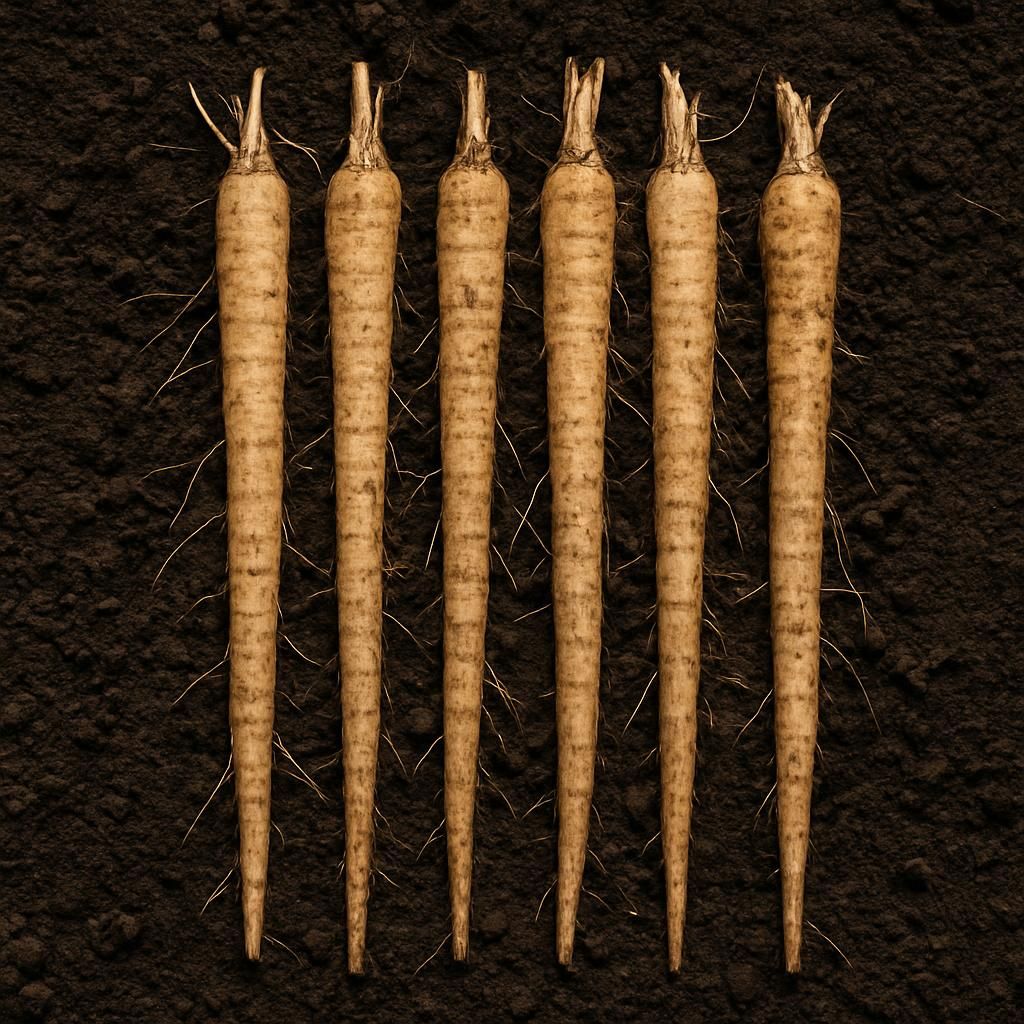
Burdock (Gobo - Takinogawa)
Burdock (Gobo - Takinogawa) is a long-rooted biennial grown primarily for its edible taproot, prized in Japanese cuisine for its crisp texture and earthy flavor. This comprehensive guide covers soil preparation, planting, care, pest management, harvesting, and storage techniques for high-quality commercial and home production.
View Guide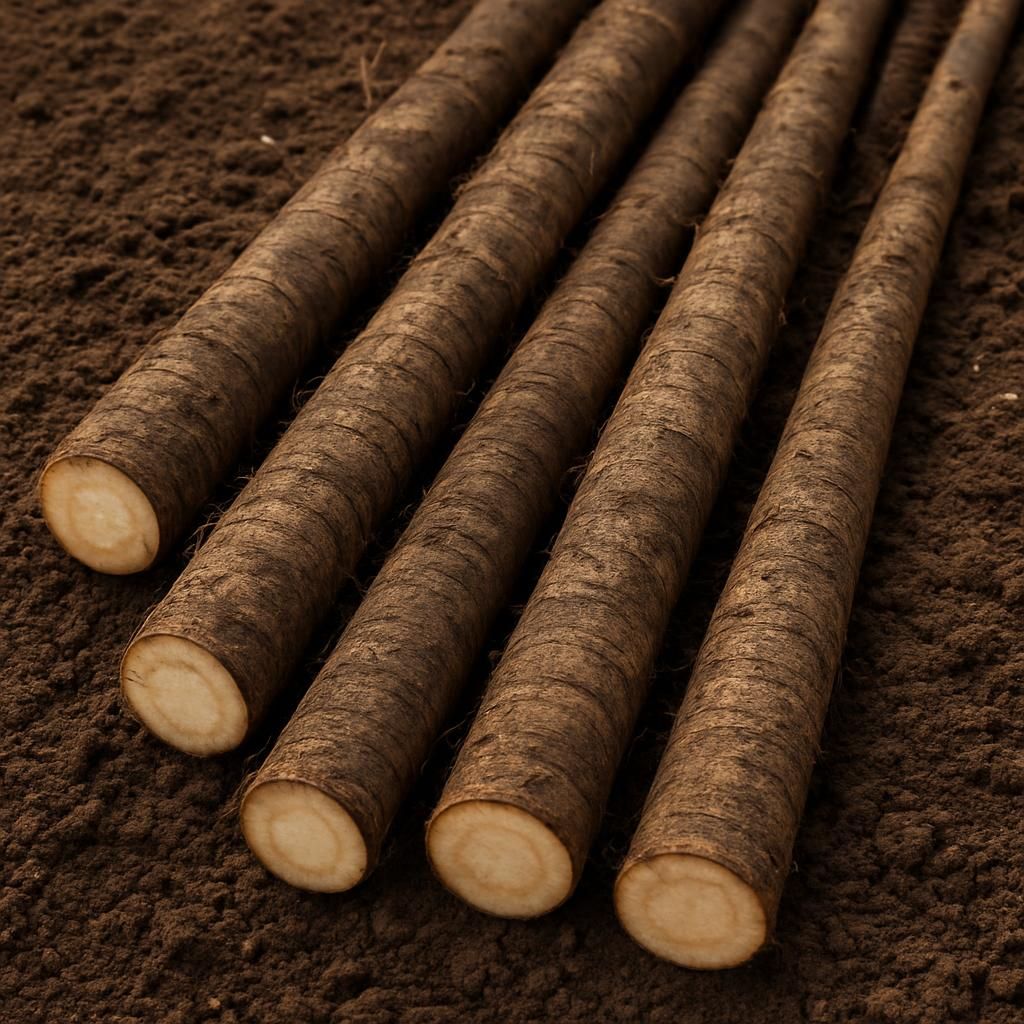
Burdock (Gobo - Watanabe Early)
Watanabe Early is a fast-maturing Japanese burdock cultivar prized for its long, straight, tender roots used in stir-fries, soups, and pickles. This cool-season root crop requires deep, loose soil and consistent moisture for optimal root quality and length.
View Guide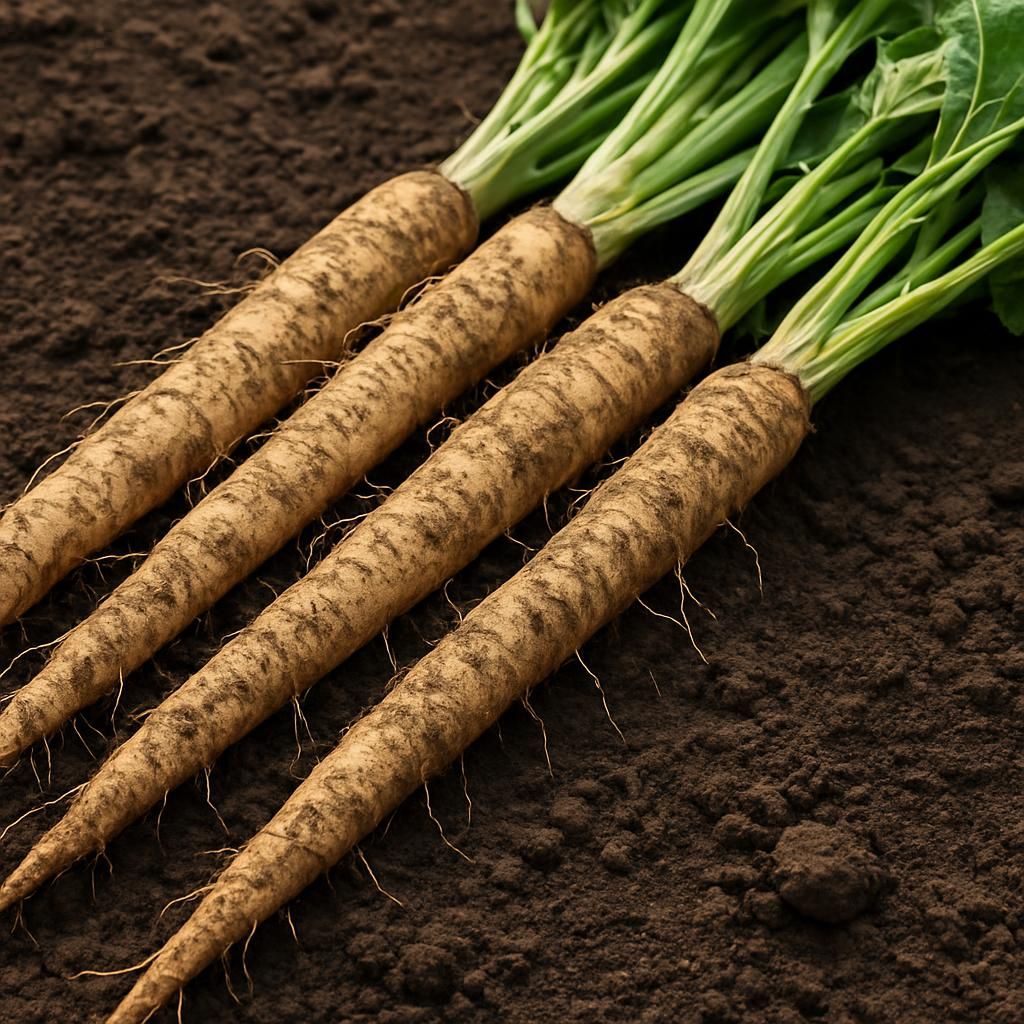
Burdock Root (Dried)
Burdock root (Arctium lappa) is a deep-taprooted biennial valued for its long, slender roots that are harvested, sliced, and dried for culinary and medicinal markets. This professional growing guide covers complete soil, climate, planting, care, pest, harvest, and companion strategies for commercial and serious home production of dried burdock root.
View Guide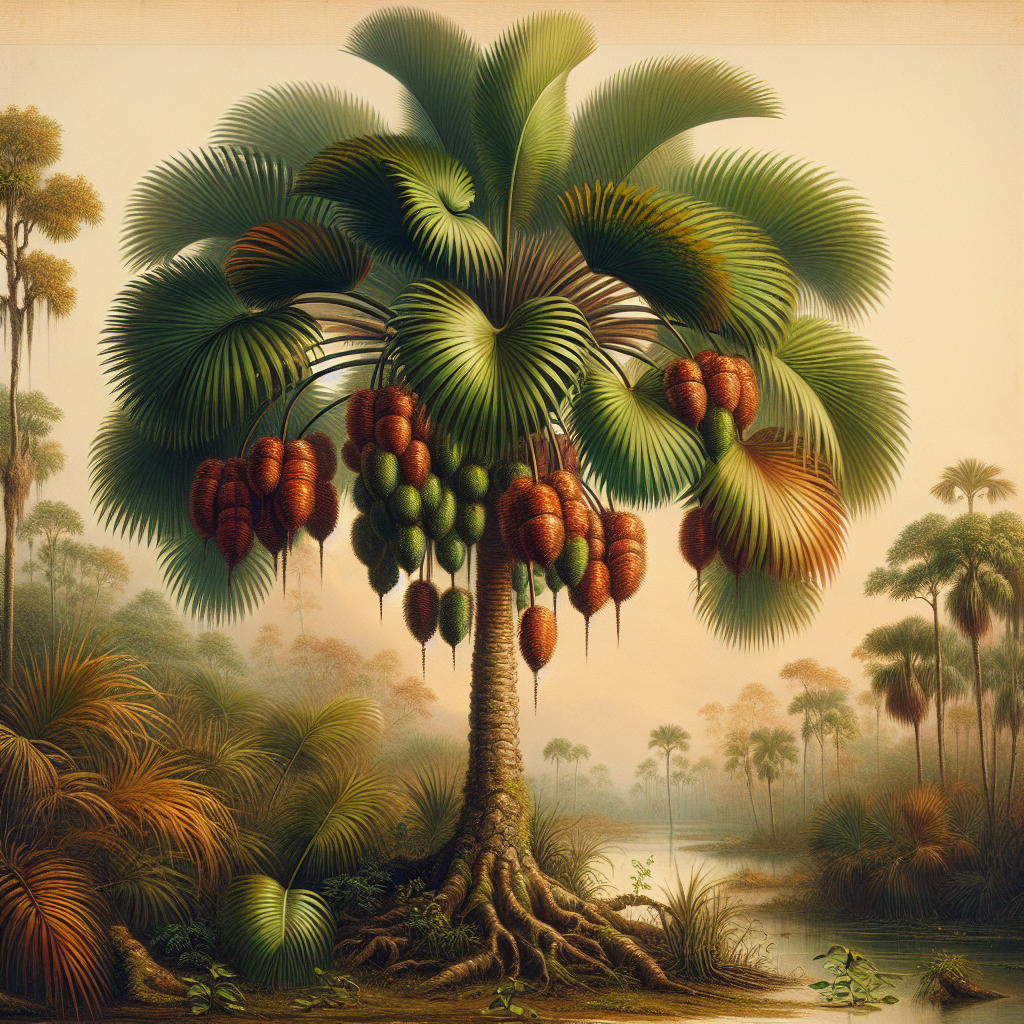
Buriti (Mauritia flexuosa)
Buriti, also known as Mauritia flexuosa, is a majestic palm tree native to the Amazon rainforest, prized for its versatile fruit and ecological importance. This towering palm thrives in wetland environments and offers a wealth of resources, from edible pulp to materials for crafts. Growing Buriti requires specific tropical conditions, but it can be a rewarding endeavor for sustainable agriculture in suitable regions.
View Guide
Burmese Grape (Mafai)
Burmese Grape, known as Mafai, is a tropical evergreen tree prized for its juicy, sweet-sour fruits that thrive in humid, monsoon climates. This comprehensive guide covers everything from propagation to pest management, helping growers achieve bountiful harvests of this underutilized Southeast Asian gem. Ideal for home orchards and small farms seeking exotic, high-value crops.
View Guide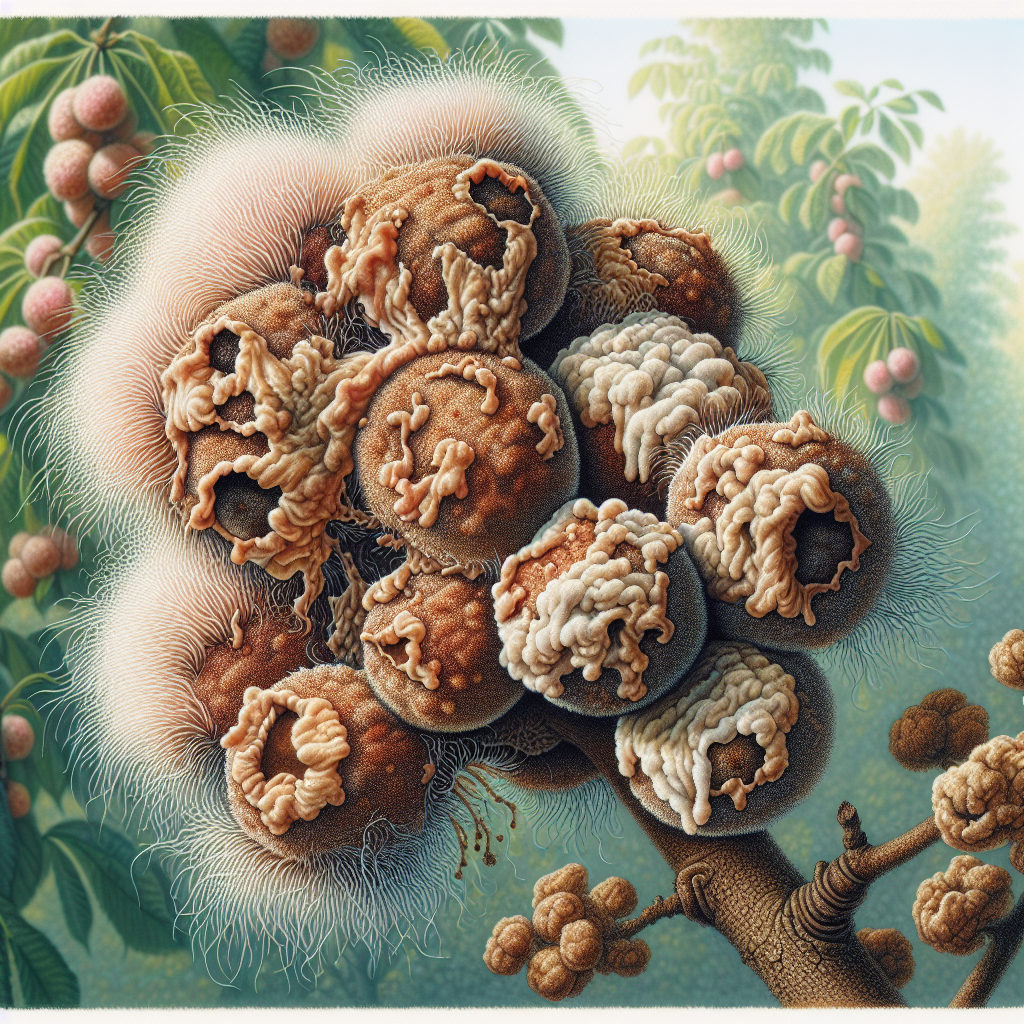
Burr rots
Burr rots is a devastating fungal disease complex affecting burr-bearing crops, causing soft, mushy rot in fruits and burrs with characteristic white mycelial 'burrs' on infected tissues. It thrives in warm, wet conditions, leading to rapid crop loss if unmanaged. This guide provides definitive diagnosis, organic management, and prevention strategies for sustainable farming.
View Profile
Burro Banana
Burro banana is a stout, angular dessert-cooking banana valued for its firm texture, distinctive lemony sweetness, and excellent versatility at different ripeness stages. Compared with softer Cavendish types, Burro plants produce shorter, thicker fruits and can tolerate brief cool spells better, though they still require frost-free tropical to subtropical conditions for reliable production.
View Guide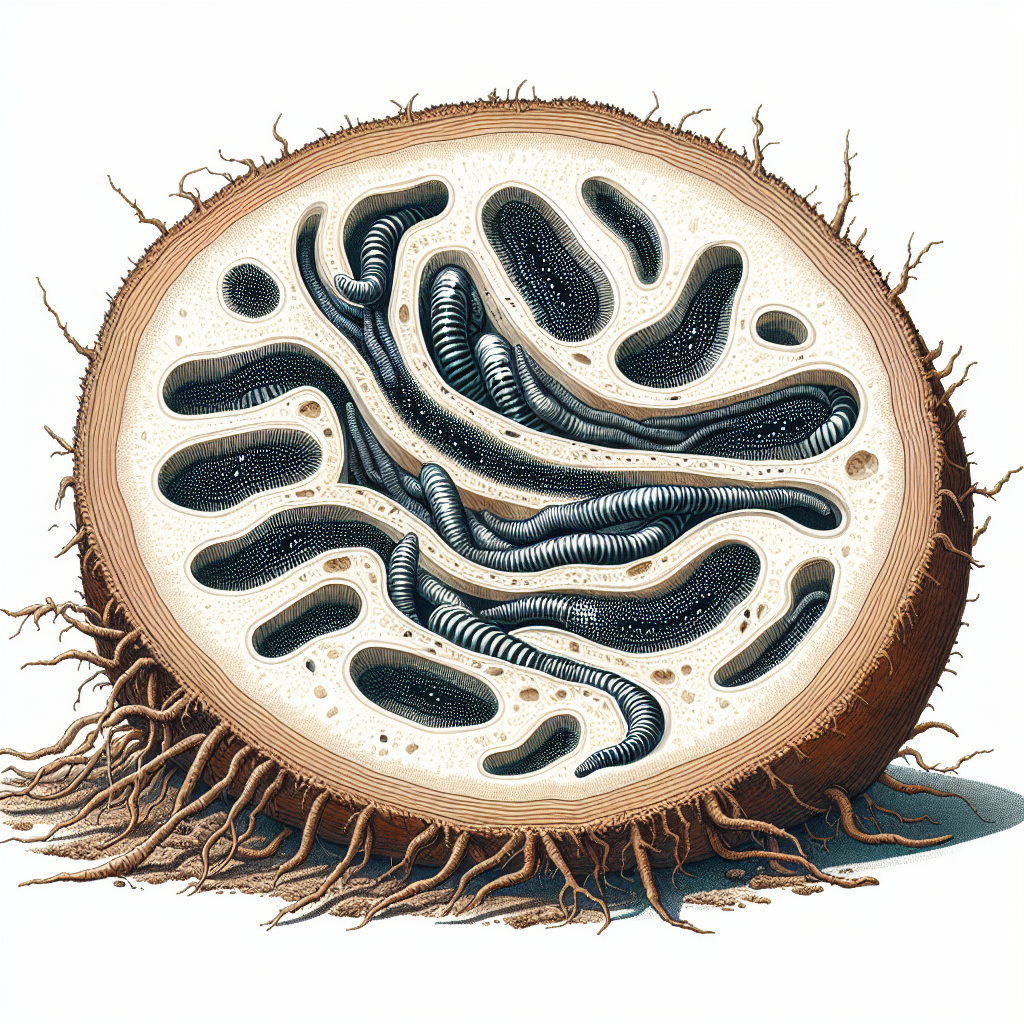
Burrowing Nematode
Radopholus similis, known as the burrowing nematode, is a microscopic worm that attacks plant roots, causing significant yield losses in tropical crops like bananas and citrus. This guide provides definitive diagnostics, lifecycle details, organic management strategies, and prevention tips for farmers battling this destructive pest. Protect your crops with proven, practical agricultural advice.
View Profile
Burrowing nematodes
Burrowing nematodes (Radopholus similis) are microscopic, migratory endoparasitic worms that burrow into roots, causing severe damage to tropical and subtropical crops. They lead to root lesions, reduced nutrient uptake, and plant decline, often mimicking drought or nutrient deficiency symptoms. Effective management relies on cultural practices, resistant varieties, and organic biocontrols.
View Profile