Encyclopedia
Definitive guides for crops, pests, and agricultural diseases.
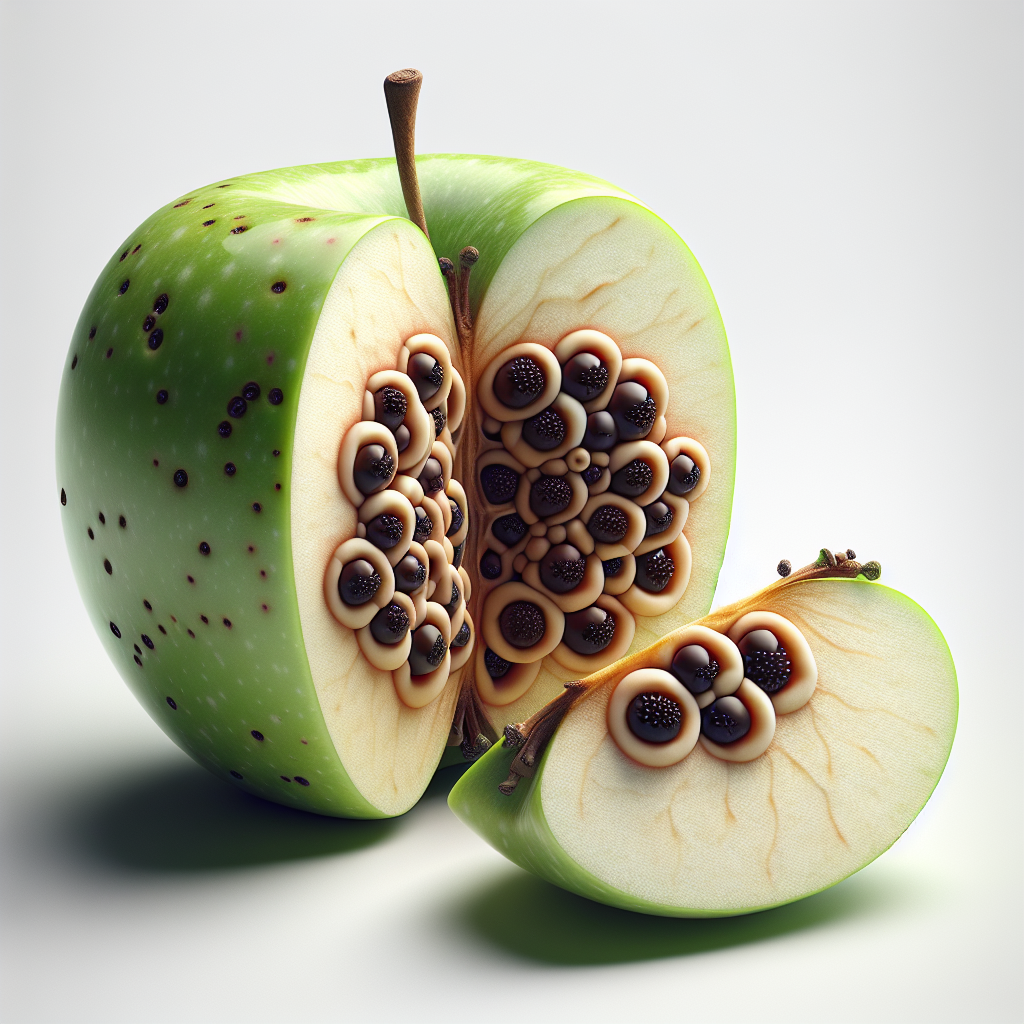
bitter pit
Bitter pit is a prevalent physiological disorder in apples and pears caused by calcium deficiency, resulting in sunken, bitter spots on fruit. It significantly impacts marketability and yield, particularly in commercial orchards. Effective management focuses on balanced nutrition, irrigation, and cultural practices to ensure calcium uptake.
View Profile
Bitter rot
Bitter rot is a destructive fungal disease affecting fruits of stone fruits and apples, caused by Colletotrichum species, leading to sunken lesions and bitter-tasting rotted tissue. It thrives in warm, wet conditions, causing significant post-harvest losses if not managed properly. Effective control relies on cultural practices, sanitation, and targeted organic fungicides.
View Profile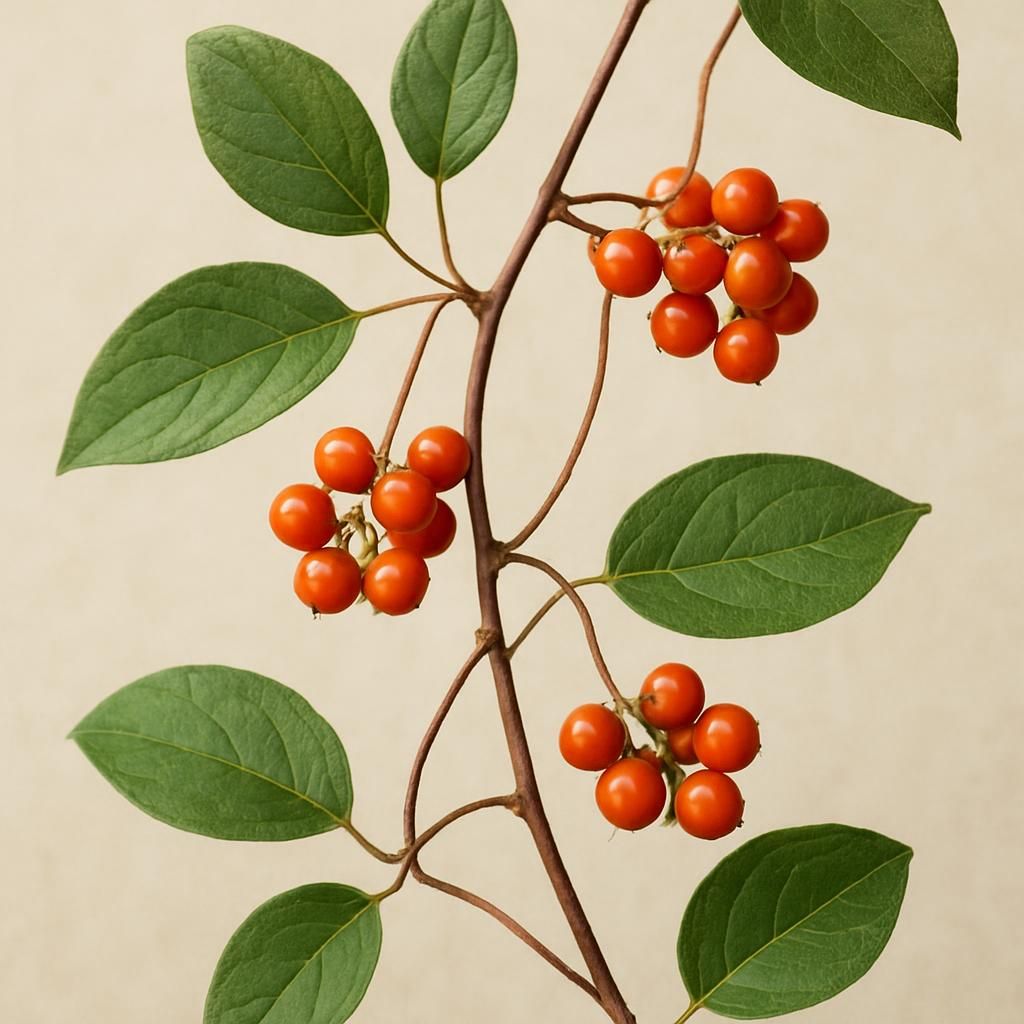
bittersweet
Bittersweet (Celastrus orbiculatus) is a highly invasive woody vine that aggressively climbs and smothers trees, shrubs, and crops. It spreads rapidly via bird-dispersed seeds and vigorous root suckering, causing significant structural damage and reduced yields in agricultural settings. Effective long-term management requires integrated cultural, mechanical, and chemical approaches.
View Guide
Black Bean (Turtle)
Black bean, often sold as turtle bean or black turtle bean, is a dry common bean valued for its glossy black seed coat, dense nutritional profile, and excellent storage life. It is a warm-season annual legume that performs best in frost-free weather, moderate fertility, and well-drained soils, rewarding careful moisture management and timely harvest with high-quality dry beans for home gardens and commercial-scale production.
View Guide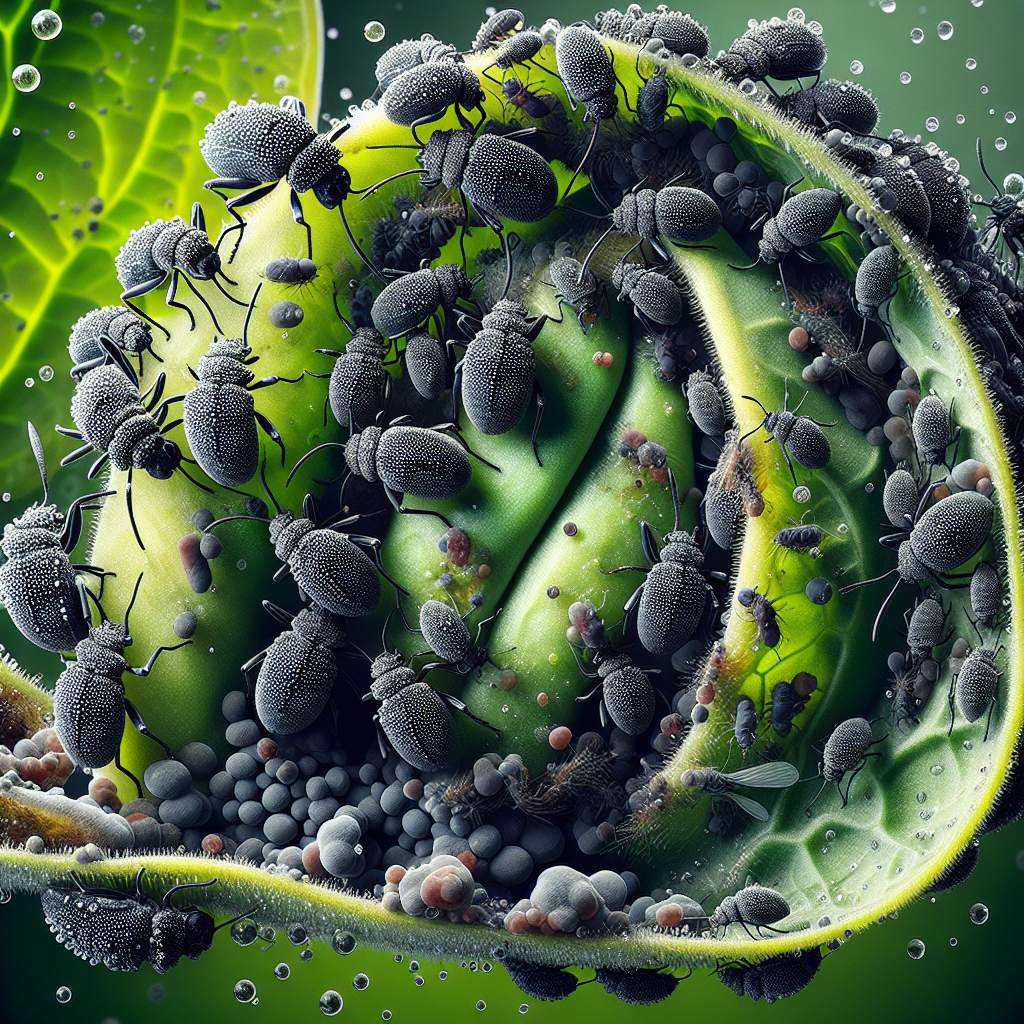
Black bean aphid
The black bean aphid (Aphis fabae) is a widespread sap-sucking pest that targets legumes and many vegetable crops, causing stunted growth, leaf curl, and honeydew production that leads to sooty mold. Highly prolific with multiple generations per season, it spreads rapidly in warm, humid conditions and serves as a vector for plant viruses. Effective management combines organic controls like beneficial insects, soaps, and cultural practices for sustainable prevention.
View Profile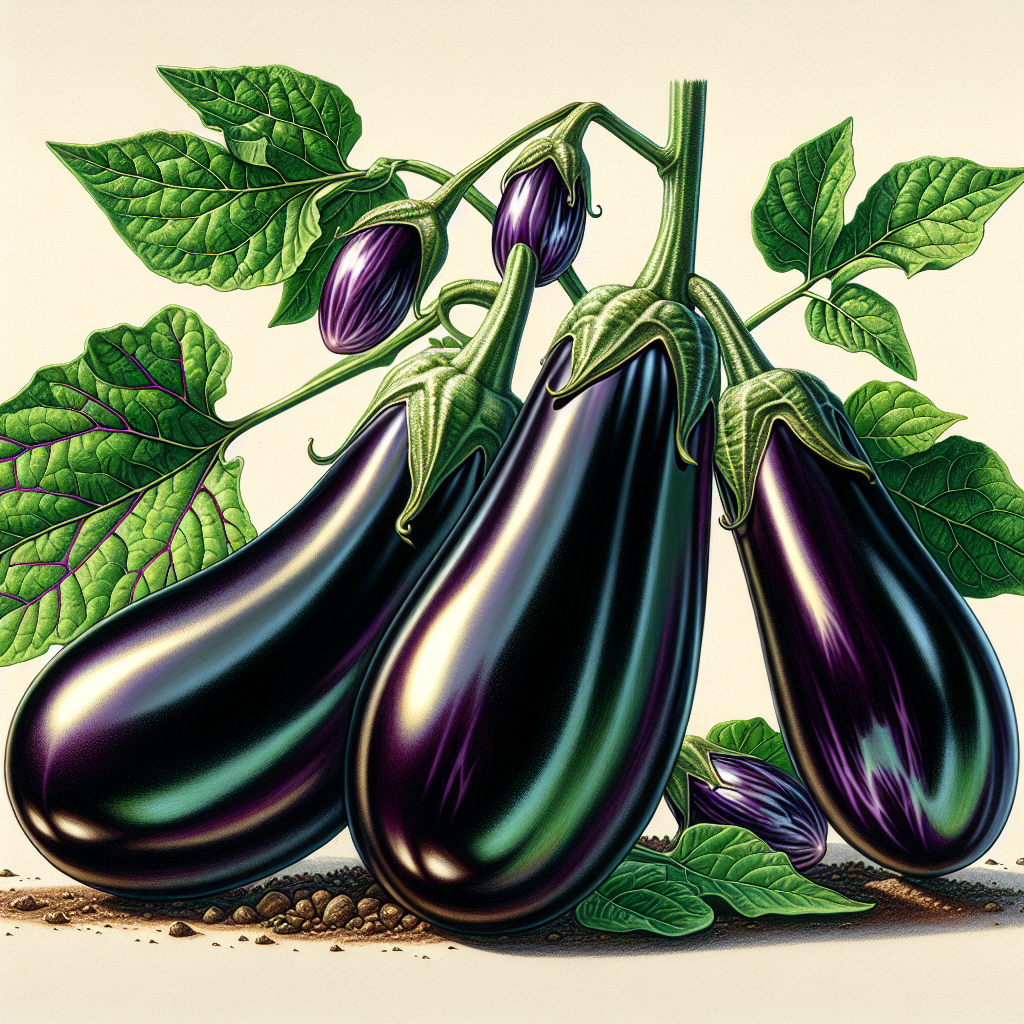
Black Beauty Eggplant
Black Beauty Eggplant is a classic heirloom variety prized for its glossy, deep purple-black fruits that grow up to 12 inches long, offering a mild, non-bitter flavor perfect for grilling, roasting, and classic dishes like eggplant parmesan. This vigorous, high-yielding plant thrives in warm climates with full sun and rich soil, producing abundant harvests from midsummer through fall. Renowned for reliability, it's an ideal choice for home gardeners and small farms seeking consistent productivity.
View Guide
Black Beauty Zucchini
Black Beauty Zucchini is a classic open-pollinated summer squash prized for its glossy dark green fruits, fast growth, and heavy production. This heirloom-style cultivar is especially valued by home gardeners and market growers for its dependable yields, tender texture when harvested young, and broad adaptability in warm-season vegetable systems.
View Guide
Black Cardamom
Black cardamom is a high-value perennial spice crop of the eastern Himalayas, prized for its smoky, resinous capsules and suitability for cool, humid mountain agroforestry systems. It thrives under filtered shade, constant soil moisture, and organically rich, well-drained soils, but demands careful disease management and precise post-harvest curing for premium quality.
View Guide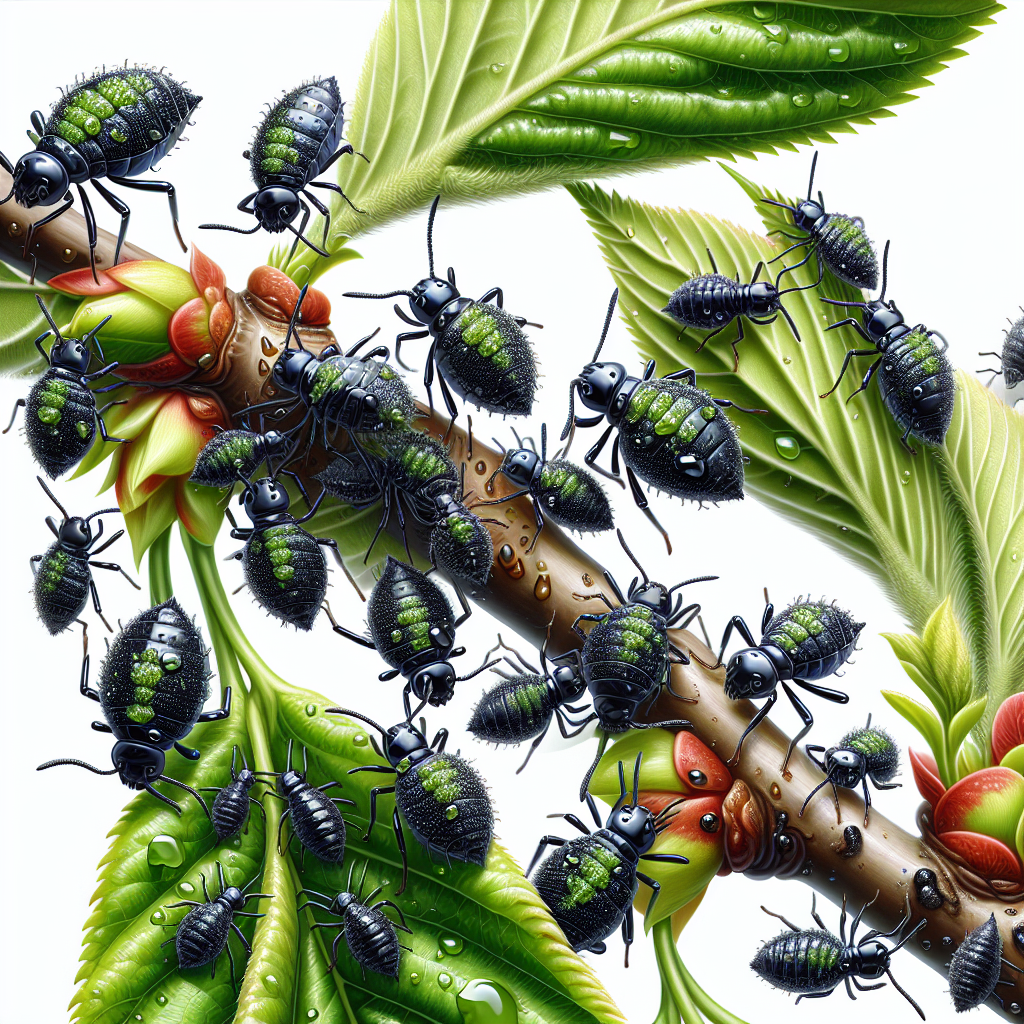
Black cherry aphid
The black cherry aphid (Myzus cerasi) is a small, black sap-sucking pest that primarily targets cherry trees, causing curled leaves, stunted growth, and sooty mold. This guide provides comprehensive diagnostics, lifecycle details, organic management strategies, and prevention tips for growers. Effective control combines cultural practices, natural predators, and timely interventions to protect yields.
View Profile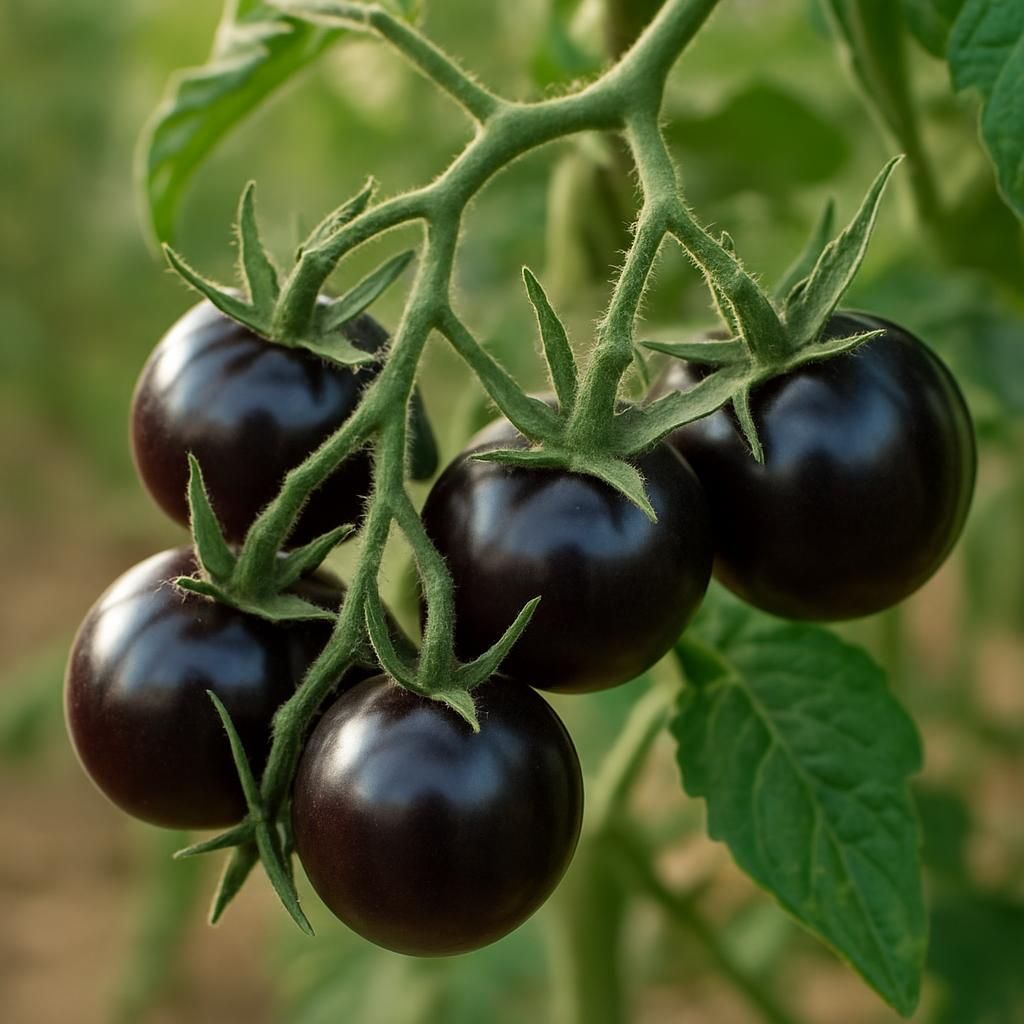
Black Cherry Tomato
Black Cherry Tomato is a vigorous indeterminate heirloom variety prized for its deep purple-black fruits with exceptional sweetness and complex flavor. This guide provides professional, field-tested advice for soil preparation, planting, integrated pest management, and post-harvest handling to achieve reliable commercial or home-garden yields.
View Guide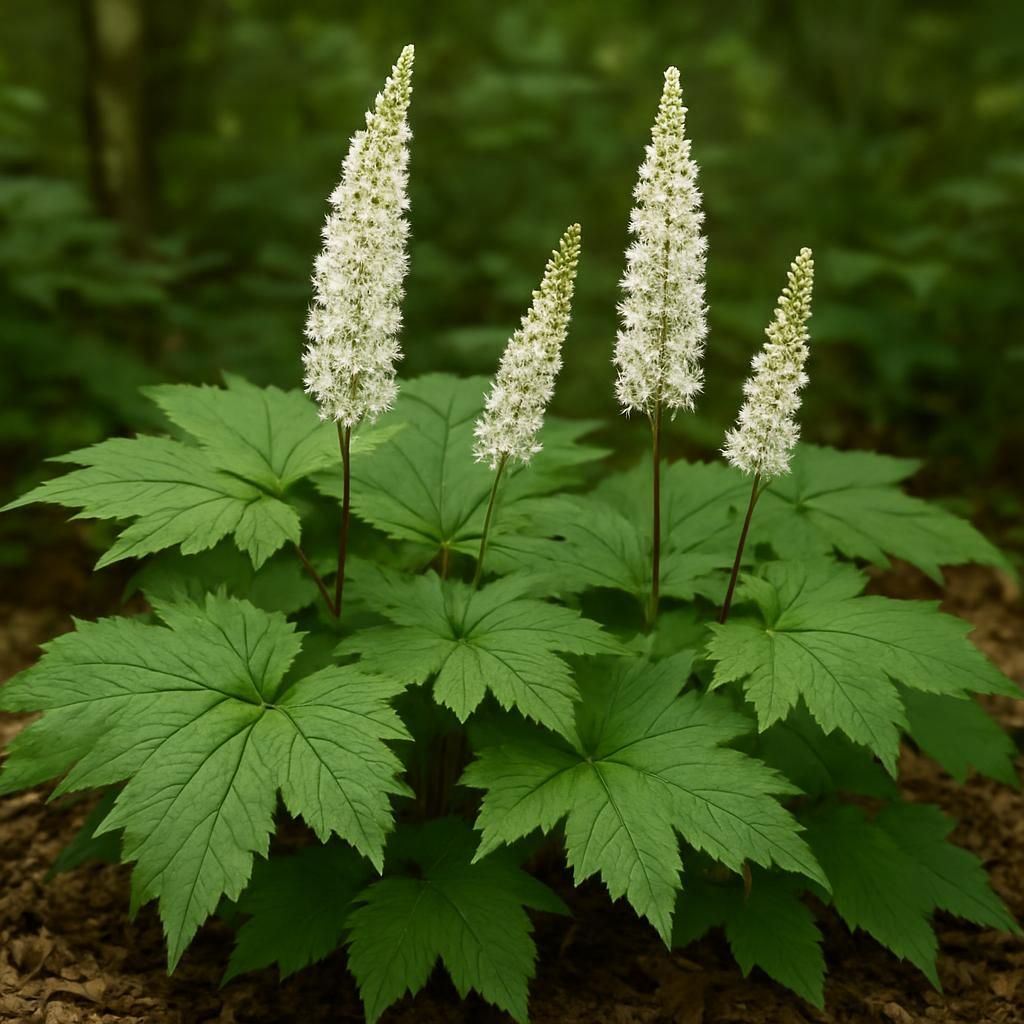
Black Cohosh
Black Cohosh is a long-lived woodland perennial prized for its medicinal rhizomes and striking white flower spikes. It thrives in shaded, humus-rich forest soils and requires careful attention to moisture and organic matter. Commercial cultivation is expanding due to steady demand from the herbal supplement market.
View Guide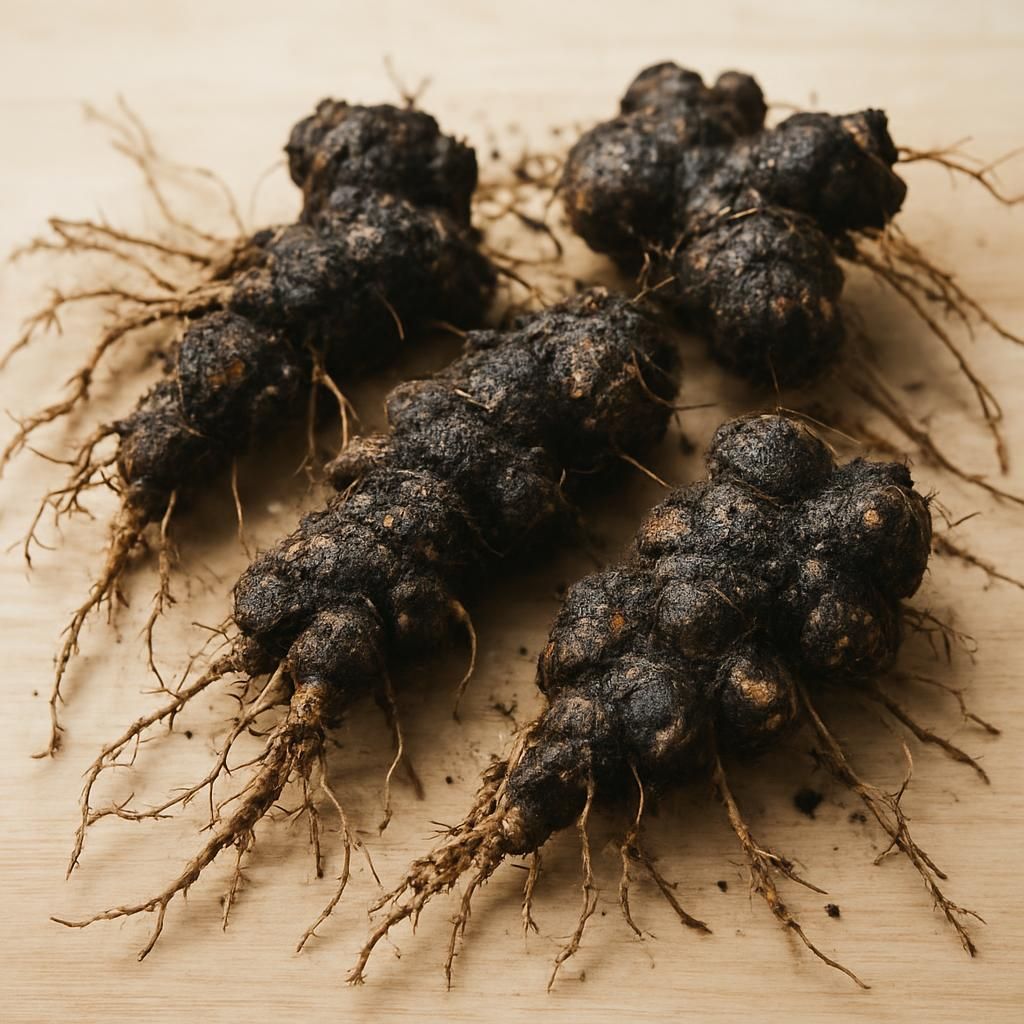
Black Cohosh Root
Black Cohosh Root is a shade-loving woodland perennial prized for its medicinal rhizomes and roots. This comprehensive guide covers site selection, soil preparation, propagation, organic pest and disease management, and post-harvest curing for professional-grade production.
View Guide
Black Corinth (Champagne Grapes)
Black Corinth, often marketed as Champagne grapes in fresh fruit trade, is a tiny-fruited cultivar of European grape prized for its intensely sweet flavor and historic use in true currant production. It is a demanding but rewarding vine that performs best in dry-summer, Mediterranean-style climates with careful pruning, excellent drainage, and tight disease management.
View Guide
Black Currant
Black currant is a cold-hardy, deciduous fruiting shrub prized for its intensely aromatic, vitamin-rich berries and reliable performance in cool temperate climates. When grown in deep, moisture-retentive but well-drained soil with disciplined pruning, it can produce heavy crops for well over a decade.
View Guide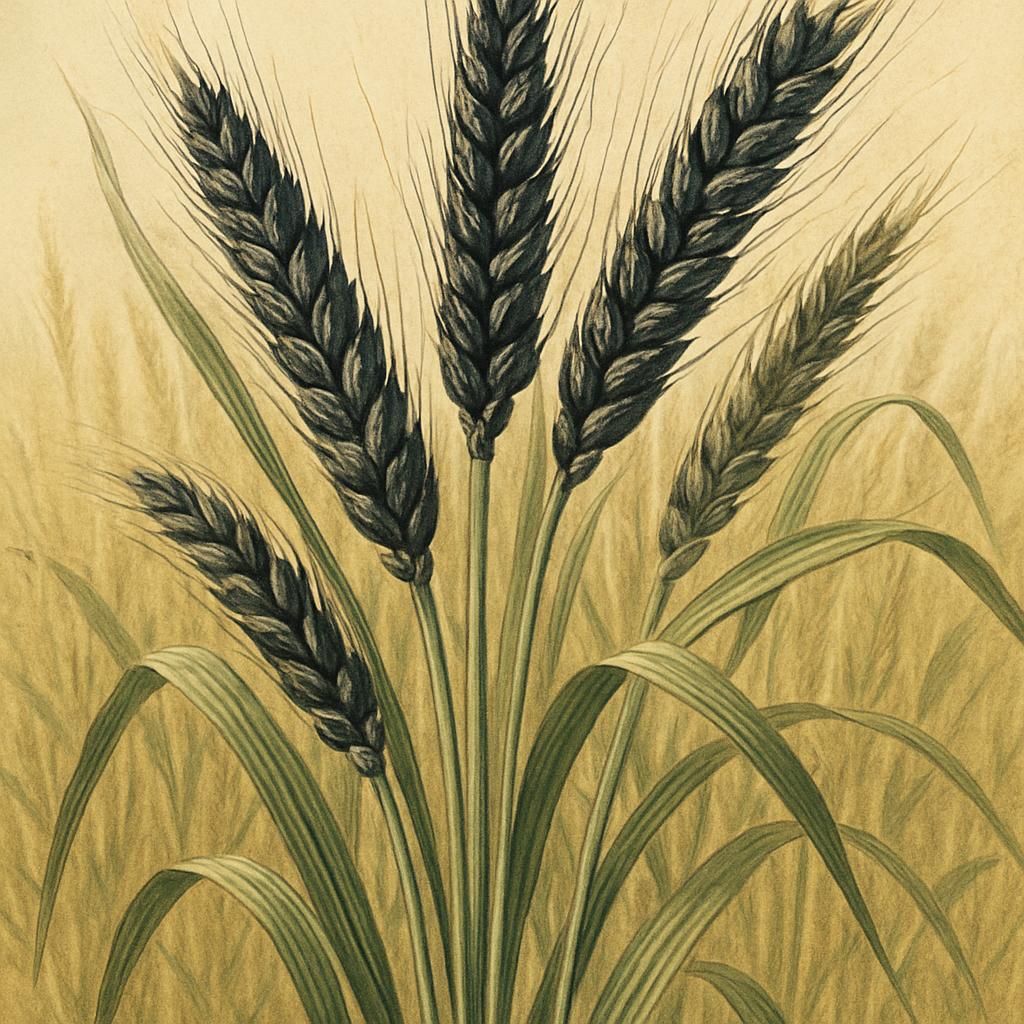
Black Eagle Wheat
Black Eagle Wheat is a resilient variety known for its deep-colored grains and adaptability to various climates, yielding high protein-rich wheat suitable for bread and other baked goods.
View Guide
Black Emmer
Black Emmer is a traditional hulled wheat type valued for its dark, visually distinctive grain, deep nutty flavor, resilience in marginal soils, and strong adaptation to low-input systems. Though lower yielding than modern free-threshing wheats, it rewards careful growers with excellent straw strength, heritage grain quality, and suitability for organic and regenerative rotations.
View Guide
Black Eyed Peas
Black eyed peas are a heat-loving cowpea grown for dry beans, fresh shelling peas, and nitrogen-fixing cover crop value. They are notably drought tolerant once established, yet they produce best with even moisture, warm soil, and careful timing around flowering and pod fill.
View Guide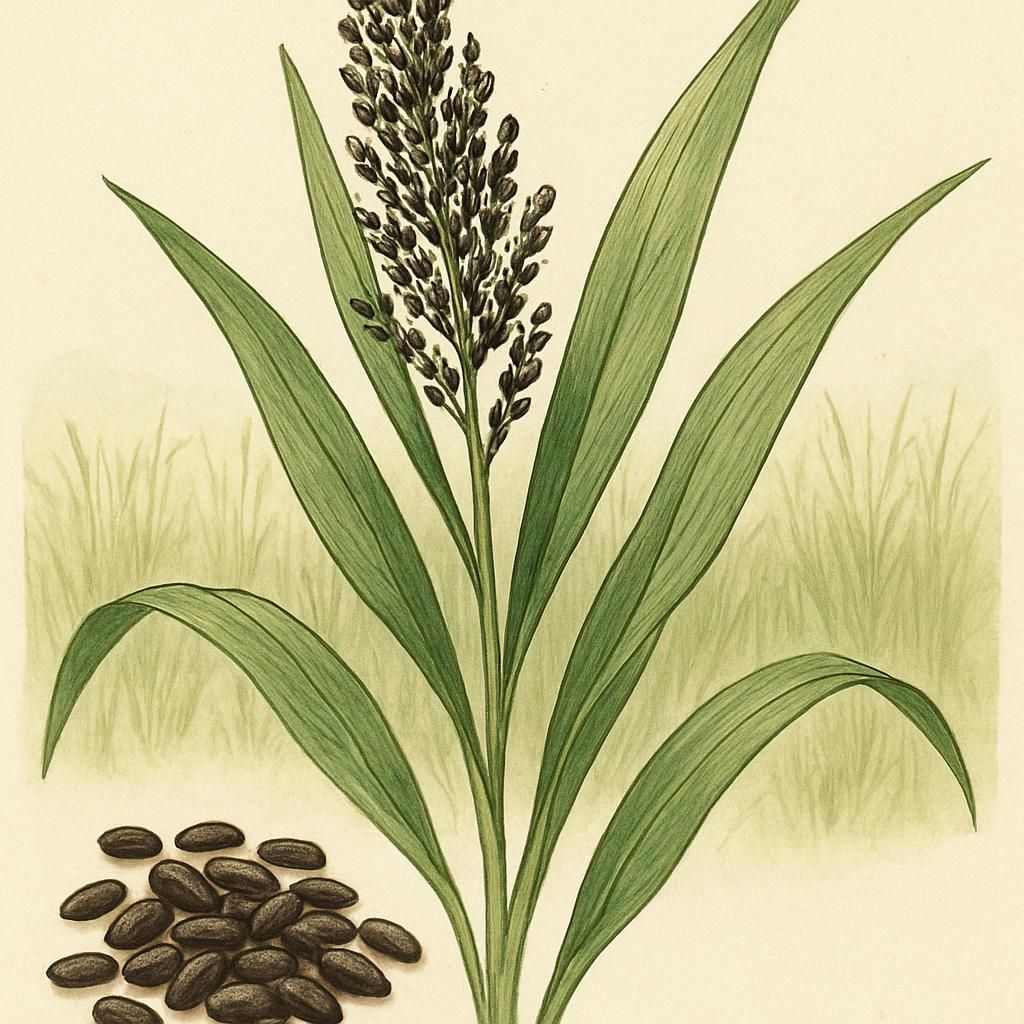
Black Fonio
Black fonio is a small-seeded West African cereal valued for its resilience, quick maturity, and ability to produce grain on poor soils where many other staples fail. Though closely related to white fonio, it is generally less widely cultivated, often more localized, and prized in traditional farming systems for its adaptability, flavor, and role in low-input rainfed agriculture.
View Guide
Black Glutinous Rice
Black glutinous rice is a traditional sticky rice type valued for its deep purple-black bran, nutty aroma, and high anthocyanin content. It is typically grown under warm, humid conditions similar to other paddy rices, but careful fertility, water, and harvest management are especially important to preserve grain quality, color, and sticky cooking characteristics.
View Guide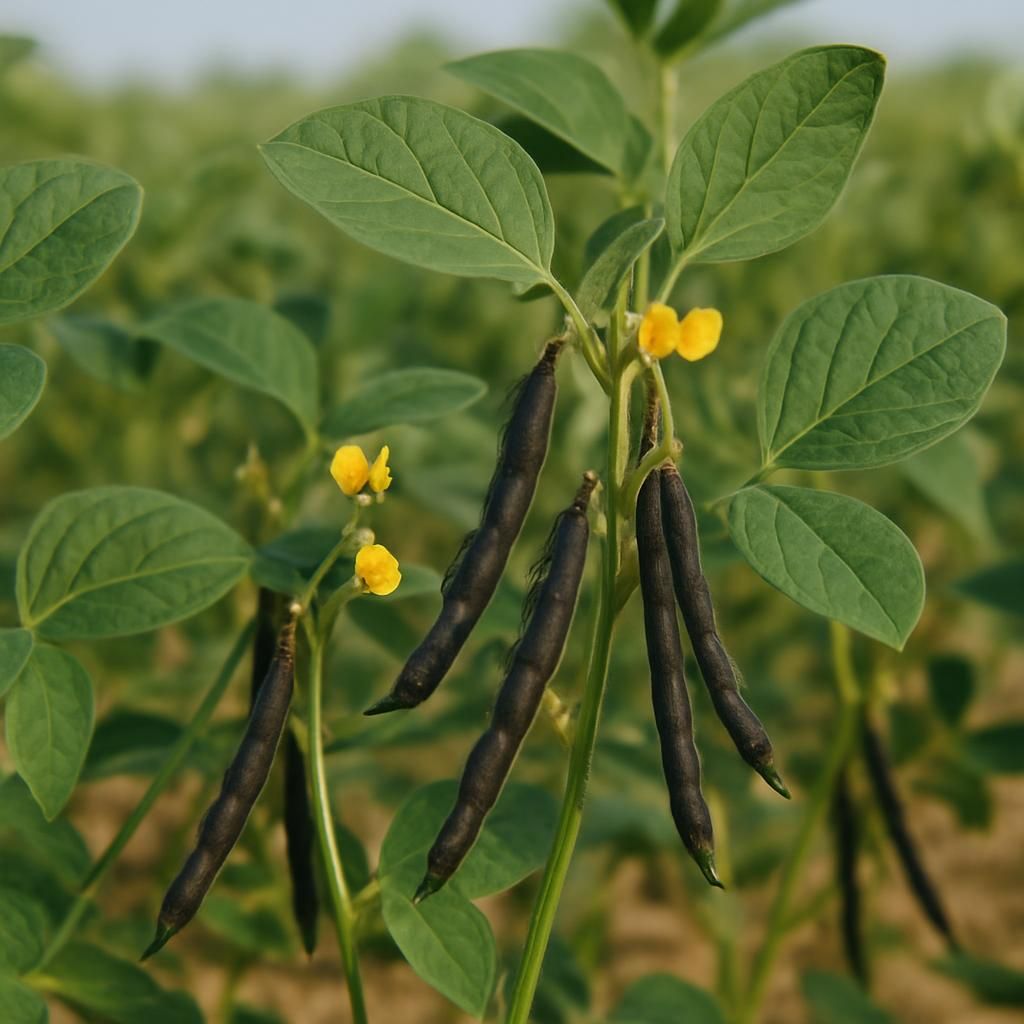
Black Gram
Black gram is a short-duration, warm-season pulse crop valued for its high protein content, nitrogen-fixing ability, and adaptability to semi-arid and subtropical regions. It is widely grown in South and Southeast Asia for dry seeds used in dals, snacks, and traditional foods. The crop improves soil health and fits well into cereal-based rotations.
View Guide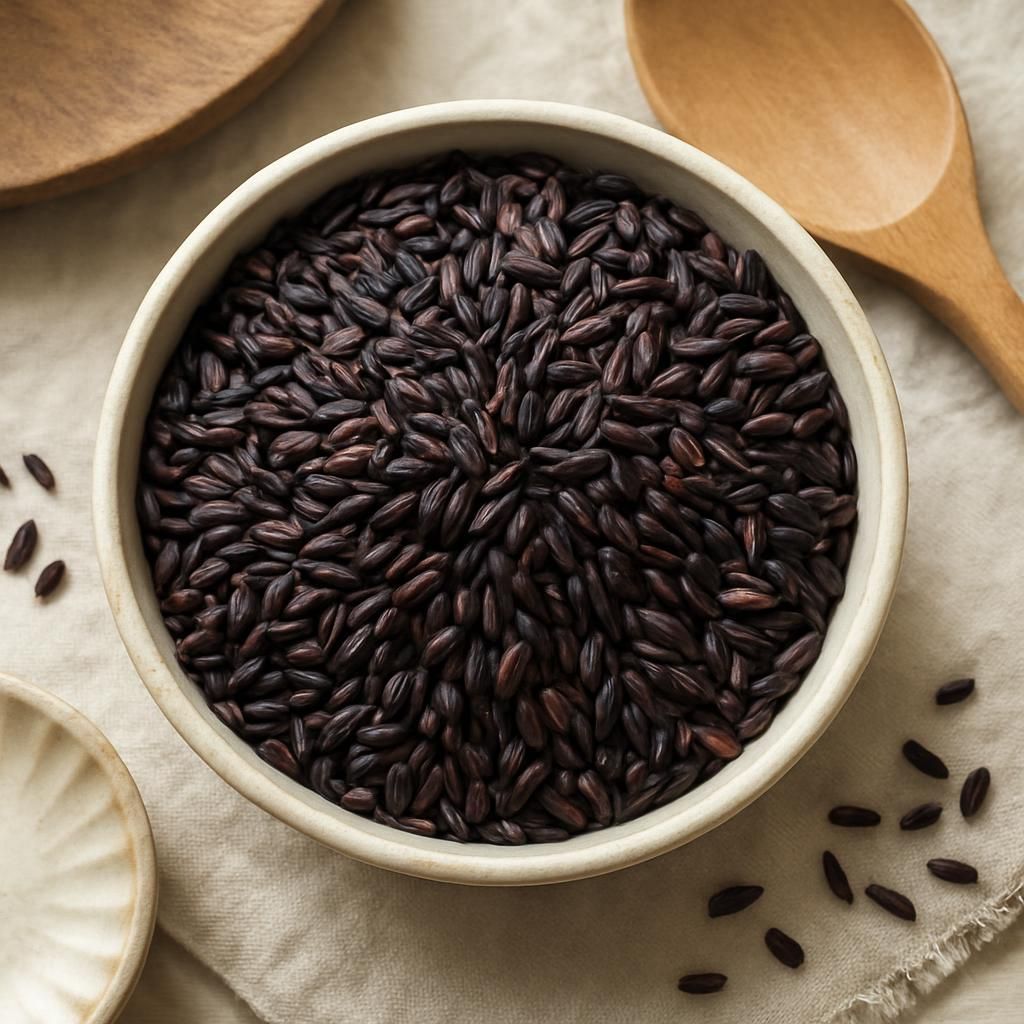
Black Japonica Rice
Black Japonica Rice is a unique variety of rice known for its nutty flavor and striking black and mahogany grain colors. It is an heirloom rice varietal that has gained popularity for its health benefits and visual appeal in culinary dishes.
View Guide
black knot
Black knot is a destructive fungal disease primarily affecting plum and cherry trees, characterized by black, swollen galls on branches and twigs. Caused by the fungus Apiosporina morbosa, it spreads via windborne spores and thrives in cool, wet conditions. Effective management involves early pruning of infected parts and cultural practices to reduce humidity around susceptible crops.
View Profile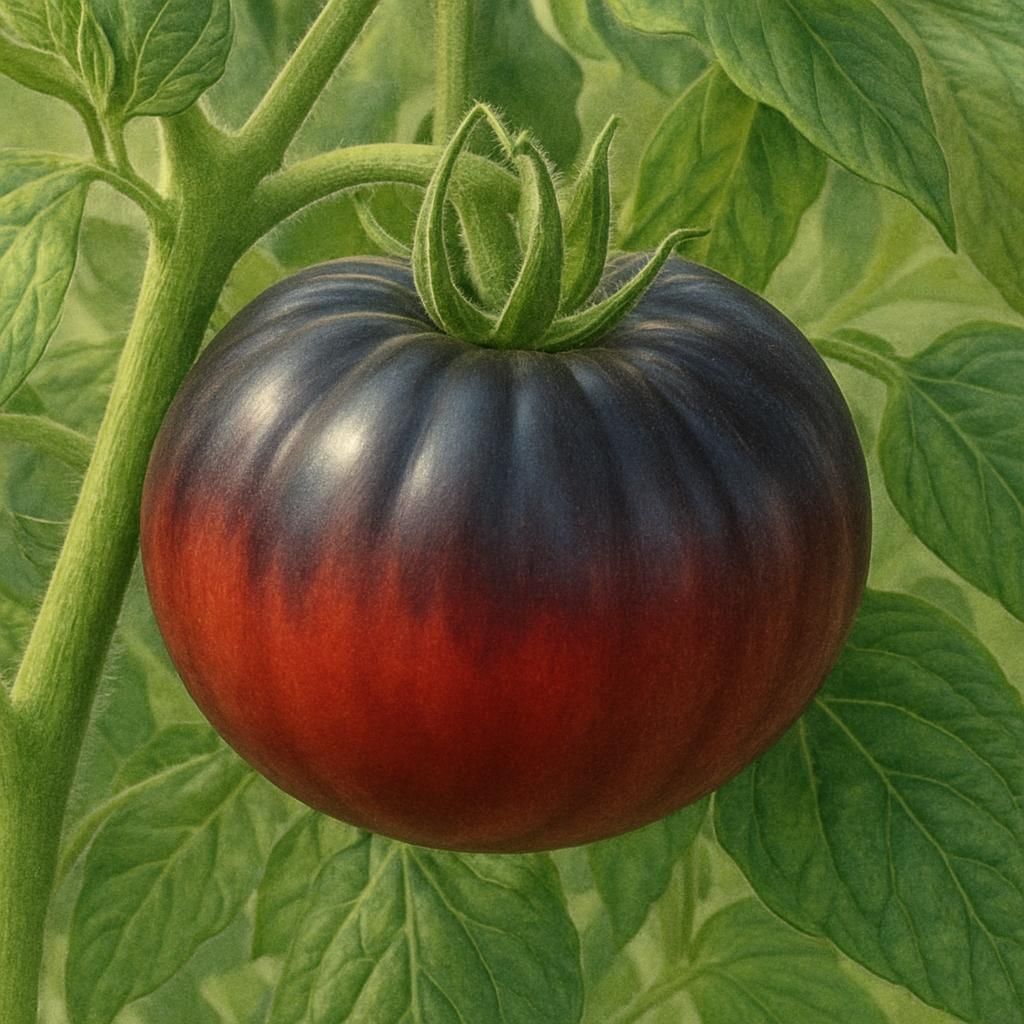
Black Krim Tomato
Black Krim is a rare, Russian heirloom beefsteak tomato prized for its deep purple-black shoulders, rich smoky-sweet flavor, and large, meaty fruits that reach 8–16 ounces. This indeterminate variety thrives in warm climates and delivers exceptional yields when given proper support, consistent moisture, and balanced nutrition throughout the season.
View Guide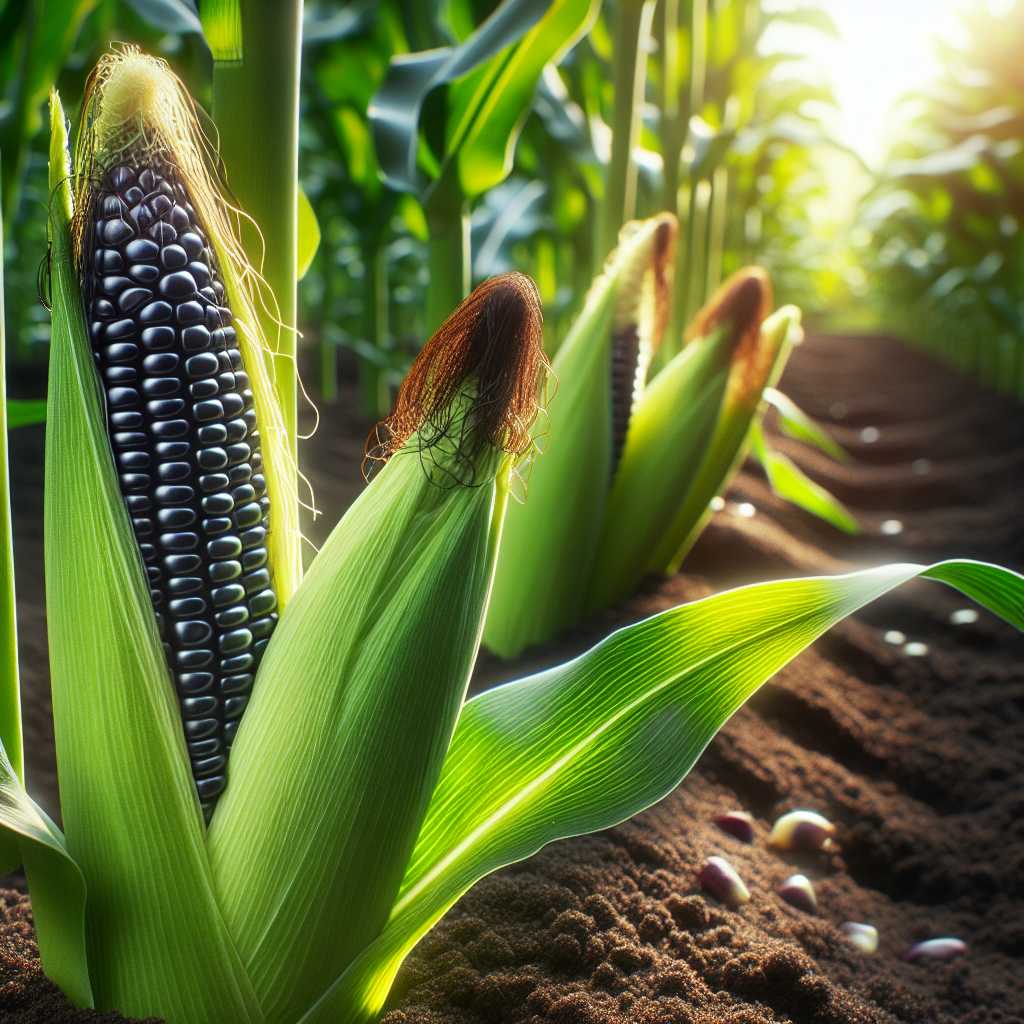
Black Mexican Sweet Corn
Black Mexican Sweet Corn is a historic heirloom sweet corn prized for its exceptional sugary flavor, creamy texture, and striking kernels that darken to blue-black as they mature past the prime eating stage. It performs much like other sweet corn, but its heirloom genetics, shorter stalks, and strong fresh-eating quality reward careful attention to isolation, even moisture, and precise harvest timing.
View Guide