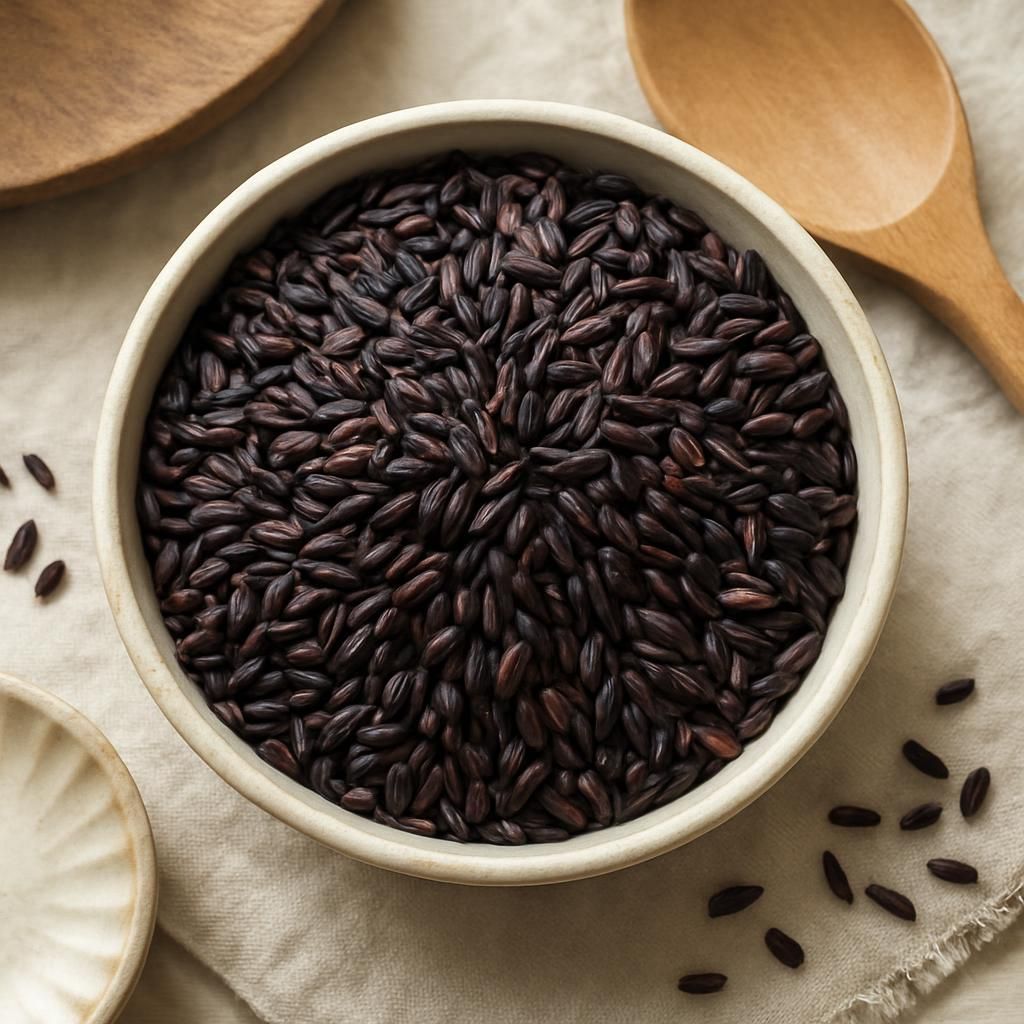
Introduction to Black Japonica Rice
Black Japonica Rice is celebrated for its unique appearance and rich, nutty taste. A hybrid of black short-grain and mahogany medium-grain rice, this heirloom variety provides health benefits such as high levels of antioxidants and a lower glycemic index, making it a favorite among health-conscious consumers.
Botanical Profile of Black Japonica Rice
Scientifically known as Oryza sativa, Black Japonica Rice is a non-glutinous rice variety. It is characterized by its black outer bran layer and dark mahogany interior, making it visually striking. This rice variety is typically medium-sized and is a staple in various Asian cuisines due to its versatile culinary applications.
Soil, pH, and Climate Requirements for Black Japonica Rice
To successfully cultivate Black Japonica Rice, understanding its environmental requirements is crucial. Here's a table summarizing the ideal growing conditions:
| Parameter | Ideal Conditions |
|---|---|
| Soil Type | Loamy, well-drained soils |
| Soil pH | 5.5 - 6.5 |
| Climate | Warm subtropical climate |
| Temperature | 20°C - 35°C (68°F - 95°F) |
| Water | Consistent, during growing season |
Step-by-Step Planting & Propagation
- Seed Selection and Preparation: Choose high-quality Black Japonica rice seeds. Soak seeds in water for 24 hours before planting to ensure better germination.
- Sowing: Plant seeds directly into the prepared paddy fields. Alternatively, start seeds in trays for transplanting later.
- Spacing: Sow seeds with about 6-8 inches between plants and rows, allowing sufficient space for growth and air circulation.
- Propagation: Transplant when seedlings are 15-20 cm tall, ensuring they are not crowded.
- Water Management: Maintain saturated conditions as rice needs swampy environments during the initial stages.
Care & Maintenance Regimes for Black Japonica Rice
Proper care and maintenance ensure optimal growth and yield. Below is a detailed care schedule:
| Task | Frequency | Details |
|---|---|---|
| Watering | Weekly | Keep fields flooded; drain 1-2 weeks before harvest |
| Fertilizer | Every 3 weeks | Use nitrogen-rich fertilizers; avoid over-fertilization |
| Pruning | As needed | Remove weeds manually to reduce competition |
Pests, Diseases & Organic Management
Black Japonica Rice is susceptible to various pests and diseases, including Spider Mites, leafhoppers, and fungus-related diseases. To manage these organically:
- Spider Mites: Introduce natural predators like ladybugs.
- Leafhoppers: Implement sticky traps or utilize natural sprays made from neem oil.
- Fungal Diseases: Ensure proper spacing and aeration to prevent humidity-related diseases. For comprehensive organic management practices, refer to this blog post on crop diseases.
Harvesting, Curing & Optimal Storage
- Harvesting: Black Japonica Rice takes about 3-4 months to mature. Harvest when the grains begin to droop and contain around 80% moisture.
- Curing: After harvesting, dry the stalks in a shaded, ventilated area for 2-3 weeks to reduce moisture content.
- Storage: Once properly dried, store in a cool, dry location away from sunlight. Airtight containers can prolong shelf life and protect against pests like rodents.
Companion Planting for Black Japonica Rice
Companion planting can improve soil health and deter pests. Suitable companions include Legumes for their nitrogen-fixing benefits, and garlic to repel insects. Enhance your knowledge of effective companion planting strategies in this companion planting blog post.