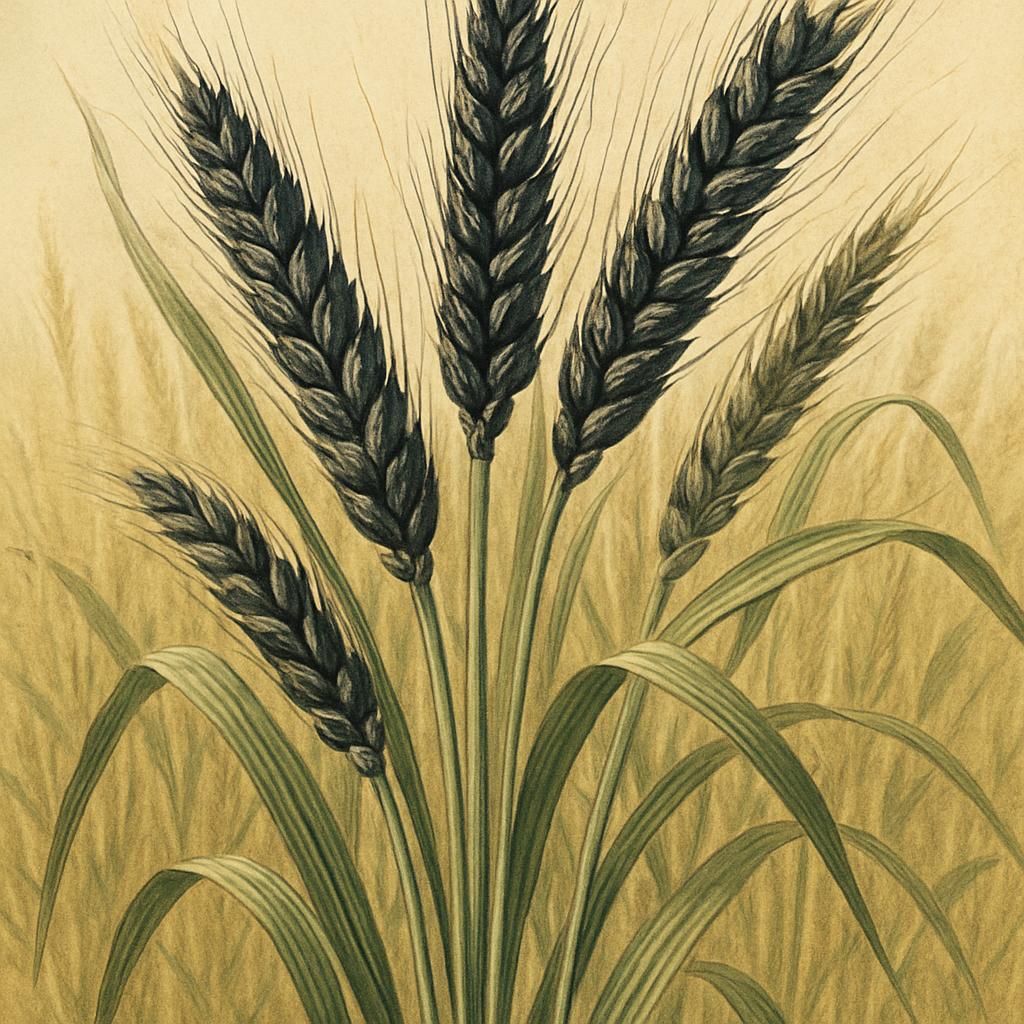
Introduction to Black Eagle Wheat
Black Eagle Wheat is a versatile and resilient variety commonly cultivated for its high-quality grain, which is renowned for its rich color and dense nutrients. As an excellent choice for both large-scale and small-scale agricultural projects, this wheat variant offers adaptability across different climates and offers benefits that make it desirable for both domestic and commercial use. It is particularly valued for its high protein content, making it a preferred choice for producing flour intended for baking bread and other hardy baked goods.
Botanical Profile of Black Eagle Wheat
Botanically classified as Triticum aestivum 'Black Eagle', this wheat has distinguishing characteristics that set it apart from the regular wheat. It has a robust stem supporting a spike that holds the grains. The grains are darker than standard wheat varieties, which is a marker of its unique nutritional profile. The plant generally grows to a height of 1 to 1.5 meters and flourishes in temperate to cool climates, displaying resilience to moderate pest and disease pressure.
Soil, pH, and Climate Requirements for Black Eagle Wheat
To optimize growth and yield, specific environmental conditions should be met.
| Parameter | Ideal Conditions |
|---|---|
| Soil Type | Well-drained loam soils |
| Soil pH | 6.0 to 7.5 |
| Temperature | 10°C to 25°C |
| Rainfall | 500 to 800 mm annually |
Black Eagle Wheat thrives best when grown in these conditions, which facilitate not only optimal growth but also maximize grain yield and quality.
Step-by-Step Planting & Propagation
- Soil Preparation: Clear the fields of any debris. Conduct a soil test to ensure pH and nutrient levels are optimal.
- Sowing: Sow seeds at a depth of 1-1.5 inches with a spacing of 6-8 inches between each row. Use a seed drill for uniform planting.
- Timing: Ideally plant during fall for best winter hardiness, or early spring if necessary to avoid late frost.
- Irrigation: Ensure regular watering during dry spells, keeping the soil consistently moist, but not waterlogged.
- Fertilization: Begin with a starter nitrogen-based fertilizer and follow up with a balanced NPK fertilizer schedule.
Care & Maintenance Regimes for Black Eagle Wheat
Consistency in care practices plays a crucial role in the crop’s development.
| Task | Frequency |
|---|---|
| Watering | Weekly if rainfall <500mm |
| Fertilization | Bi-monthly |
| Pruning | Remove unhealthy plants as needed |
Maintaining regular watering and fertilization schedules will support the health and productivity of Black Eagle Wheat.
Pests, Diseases & Organic Management
This wheat variety can be affected by pests and diseases like aphids, fungal blights, and leaf rust. Organic management strategies are essential to control these:
- Organic Pesticides: Use Neem oil and other organic-certified pesticides to minimize pest infestations.
- Crop Rotation: Implement a crop rotation system to naturally reduce pest and disease pressure.
- Biological Controls: Introduce natural predators such as ladybugs to control aphid populations effectively.
Harvesting, Curing & Optimal Storage
- Harvesting Time: Typically occurs when approximately 90-95% of the grains have reached maturity.
- Method: Use a combine harvester for large areas or manual scything for smaller plots.
- Curing: Dry grains in natural sunlight or a controlled environment to reduce the moisture content to 12-14%.
- Storage: Store the dried grains in cool, dry bins away from direct sunlight.
Companion Planting for Black Eagle Wheat
Companion planting can enhance the growth and protection of Black Eagle Wheat. Suitable companions include clover, which can fix nitrogen in the soil, and marigold, which can deter pest insects naturally.
For further insights on improving the soil structure and managing pest threats, see our related blog post, The Forgotten Art of Fall Soil Revival: 8 Organic Strategies for Small Farm Resilience.