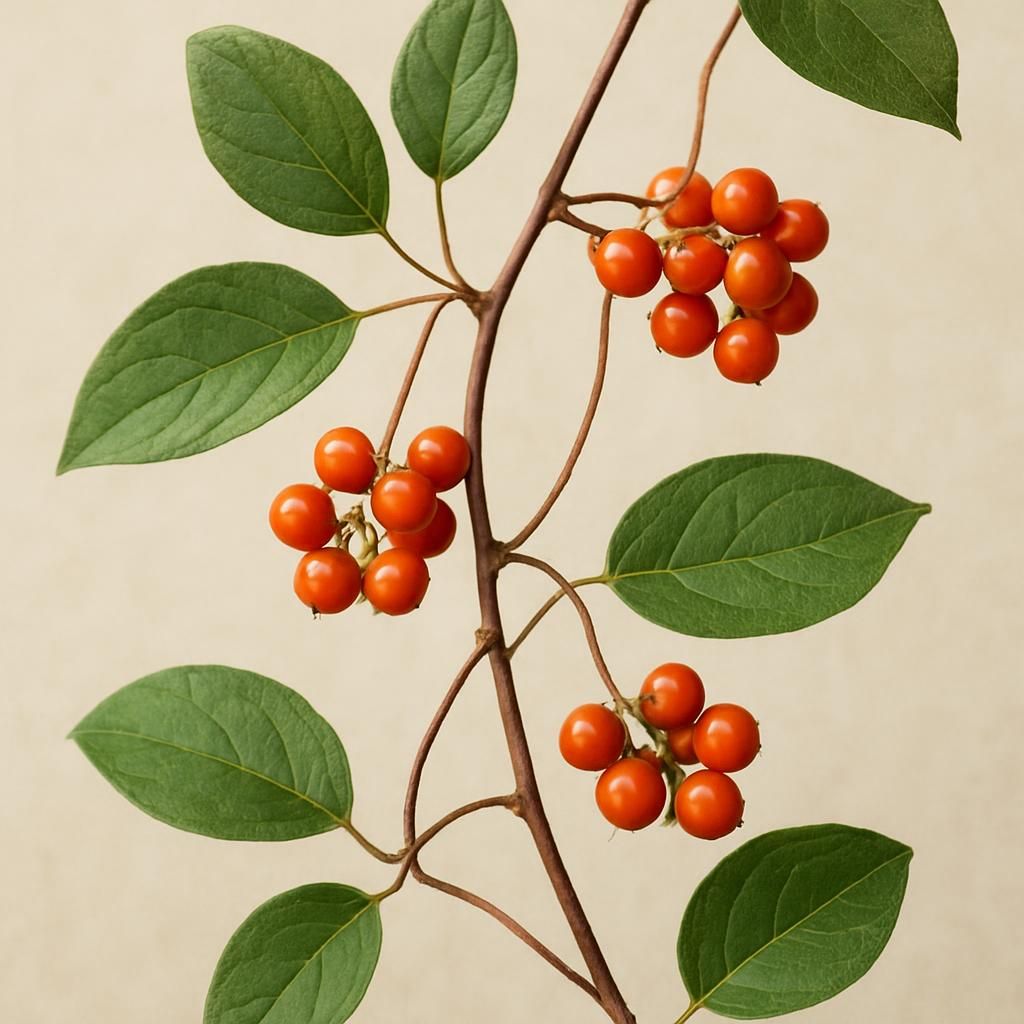
Introduction to bittersweet
Bittersweet, scientifically known as Celastrus orbiculatus, is a fast-growing, deciduous woody vine native to East Asia that has become a major invasive threat in temperate agricultural regions worldwide. Originally introduced as an ornamental plant, it has escaped cultivation and now infests hedgerows, orchards, and field margins where it climbs and girdles host plants. Its aggressive twining habit and prolific seed production allow it to rapidly dominate vegetation, reducing light penetration and weakening structural integrity of trees and crops.
In agricultural systems, bittersweet poses both direct and indirect threats. Direct damage occurs when vines wrap tightly around trunks and branches, causing constriction, reduced nutrient flow, and eventual dieback. Indirect effects include competition for soil moisture and nutrients, increased disease pressure from shaded microclimates, and interference with mechanical harvesting operations. Because of its dual reproductive strategy—seed dispersal by birds and vegetative spread via root fragments—bittersweet is extremely difficult to eradicate once established.
Professional growers must recognize bittersweet as a perennial threat requiring sustained, multi-year management programs. Early detection combined with integrated control tactics offers the best chance of protecting crop productivity and preventing long-term land degradation.
Identifying Symptoms & Damage
The first visible signs of bittersweet infestation include vigorous, twining vines with alternate, oval-to-round leaves that turn bright yellow in autumn. In late summer and fall, female plants produce distinctive clusters of orange-to-red berries that persist into winter, providing a reliable diagnostic feature. Young stems are green and flexible, while mature stems develop rough, gray-brown bark with prominent lenticels.
Damage symptoms in affected crops and trees include stem constriction where vines wrap tightly, leading to swelling above the point of contact and eventual girdling. Leaves on heavily shaded branches may appear chlorotic or drop prematurely. In fruit orchards, bittersweet can reduce light interception, lowering fruit color development and sugar accumulation. Root competition often manifests as reduced shoot growth and smaller fruit size in the following season.
In row crops and vineyards, bittersweet vines can physically interfere with trellis systems and harvest equipment. The plant’s ability to resprout from root fragments means that incomplete removal often leads to rapid reinfestation within a single growing season.
Lifecycle and Progression of bittersweet
Bittersweet exhibits a complex lifecycle involving both sexual and vegetative reproduction, enabling rapid colonization of new areas.
| Lifecycle Stage | Timing | Description | Reproductive Method |
|---|---|---|---|
| Seed Germination | Spring (March–May) | Seeds require cold stratification; seedlings emerge in disturbed soil with high light | Sexual (seeds) |
| Vegetative Growth | Late Spring–Summer | Rapid twining growth up to 3–4 meters per year; leaves fully expanded by early summer | Vegetative (root suckers) |
| Flowering | Early Summer (June–July) | Small, greenish-white flowers appear in axillary clusters; plants are dioecious | Sexual |
| Fruit Development | Late Summer–Fall | Orange-red berries form on female plants; each berry contains 1–6 seeds | Sexual |
| Seed Dispersal | Fall–Winter | Birds consume berries and disperse seeds over long distances | Sexual |
| Dormancy | Winter | Vines lose leaves; stems remain viable; roots store carbohydrates | Both |
Environmental Triggers & Risk Factors
Bittersweet thrives in a wide range of soil types but performs best in well-drained loams with pH between 5.5 and 7.5. It tolerates partial shade but exhibits fastest growth and highest fruit production in full sun. Disturbed sites such as field edges, fence lines, and recently cleared land are particularly susceptible to invasion.
| Environmental Factor | Optimal Range | Risk Level |
|---|---|---|
| Soil pH | 5.5–7.5 | High |
| Temperature | 15–30 °C (growing season) | Moderate |
| Light | Full sun to partial shade | High |
| Soil Moisture | Moderate; tolerates drought once established | Moderate |
| Disturbance | High (mechanical or natural) | Very High |
Proximity to bird habitat, such as woodland edges or hedgerows, increases seed input. Fields with poor weed management or infrequent mowing are also at elevated risk.
Organic Control & Treatment Plans
Successful organic management of bittersweet requires a combination of mechanical removal, competitive planting, and targeted organic herbicide applications where permitted.
| Treatment Option | Frequency | Application Method | Notes |
|---|---|---|---|
| Manual Pulling (seedlings) | Every 2–3 weeks during active growth | Hand pull entire root system when soil is moist | Effective only on plants <1 m tall |
| Cutting & Smothering | 2–3 times per season | Cut vines at base and cover regrowth with heavy mulch or landscape fabric for 12–18 months | Prevents photosynthesis; repeat as needed |
| Grazing (Goats/Sheep) | Continuous during growing season | Targeted browsing of young shoots | Reduces biomass but does not kill roots |
| Organic Herbicide (Vinegar-based 20% acetic acid) | 2–3 applications per season | Cut stem and immediately apply to fresh cut | Limited systemic activity; best on small plants |
| Competitive Cover Crops (e.g., Clover) | Annual spring seeding | Dense planting to outcompete seedlings | Long-term suppression strategy |
Preventing bittersweet in the Future
Prevention begins with rigorous sanitation of equipment and plant material entering the farm. All incoming nursery stock should be inspected for bittersweet seedlings or root fragments. Maintaining dense vegetative cover along field margins and fence lines reduces available light and germination sites.
Regular scouting during the growing season, especially in late summer when fruit is visible, allows early intervention before seed set. Establishing buffer zones of competitive perennial grasses or legumes can further limit spread. Where bittersweet is present on neighboring properties, coordinated removal efforts with adjacent landowners provide the greatest long-term protection.
Crops Most Affected by bittersweet
Bittersweet most severely impacts woody perennial crops that provide structural support for climbing. Orchards of Apple, Peach, and Pear are frequently damaged when vines girdle trunks and scaffold branches. Vineyard systems with Grapes suffer reduced light interception and mechanical interference during harvest.
Row crops such as Tomato and Cucumber can experience reduced photosynthesis and physical entanglement when vines encroach from field edges. Young plantings of Blueberry and Raspberry are also vulnerable due to their relatively open canopies and shallow root systems.
High-value specialty crops including Hass Avocado and Dragon Fruit may suffer stem constriction and reduced productivity when bittersweet establishes in perimeter plantings. Early detection and prompt removal are essential to protect these long-term investments.